Top 8 Caves around Casalecchio Di Reno
Best caves around Casalecchio Di Reno are found in the surrounding Emilia-Romagna region, particularly within the Bolognese Apennines. Casalecchio Di Reno serves as a base for exploring diverse geological features and natural parks like the Parco dei Gessi Bolognesi e Calanchi dell'Abbadessa. This area is known for its significant karst phenomena, offering unique underground environments. The region provides opportunities to explore various cave systems and geological formations.
Best caves around Casalecchio Di Reno
- The most popular caves is Candle Pit…
Last updated: July 14, 2026
Spipola Cave
Highlight • Cave
I found it a …
Translated by Google •
Tip by

Candle Pit
Highlight • Cave
Translated by Google •
Tip by

Sign up now to discover places like this
Get recommendations on the best single tracks, peaks, & plenty of other exciting outdoor places.
Sign up for free
The Budriolo Sinkhole
Highlight • Gorge
Translated by Google •
Tip by

Buca dei Vinchi Cave
Highlight • Cave
Translated by Google •
Tip by

Singletrack from Croara to the Gessi Bolognesi Caves
Highlight • Trail
Translated by Google •
Tip by

Sign up for free to discover even more caves around Casalecchio Di Reno.
Sign up for free
Already have an account?
Start today with a free account
Your next adventure awaits.
Login or Signup

Tips from the Community


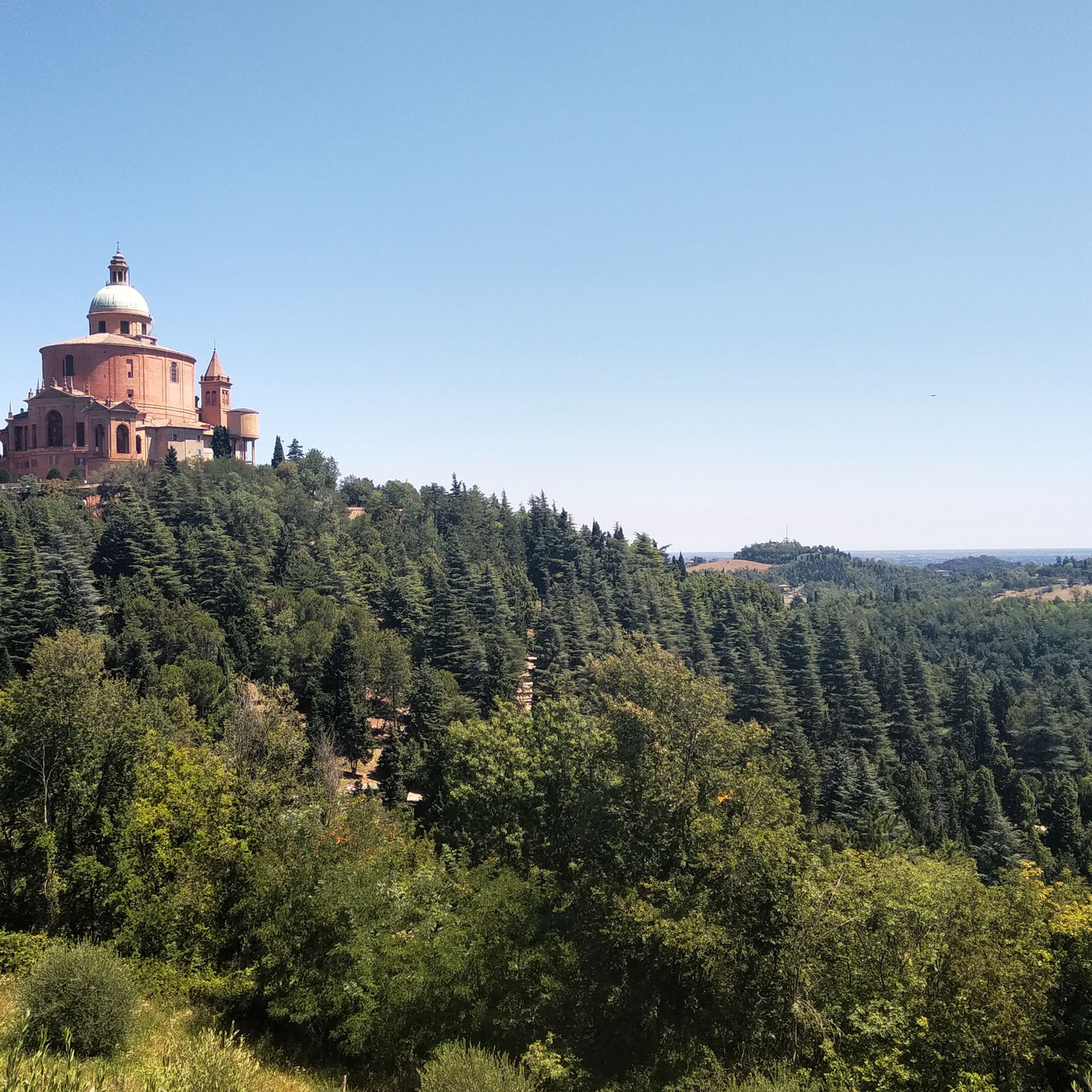
This sinkhole is surrounded like a crown by selenite "candles".
0
0

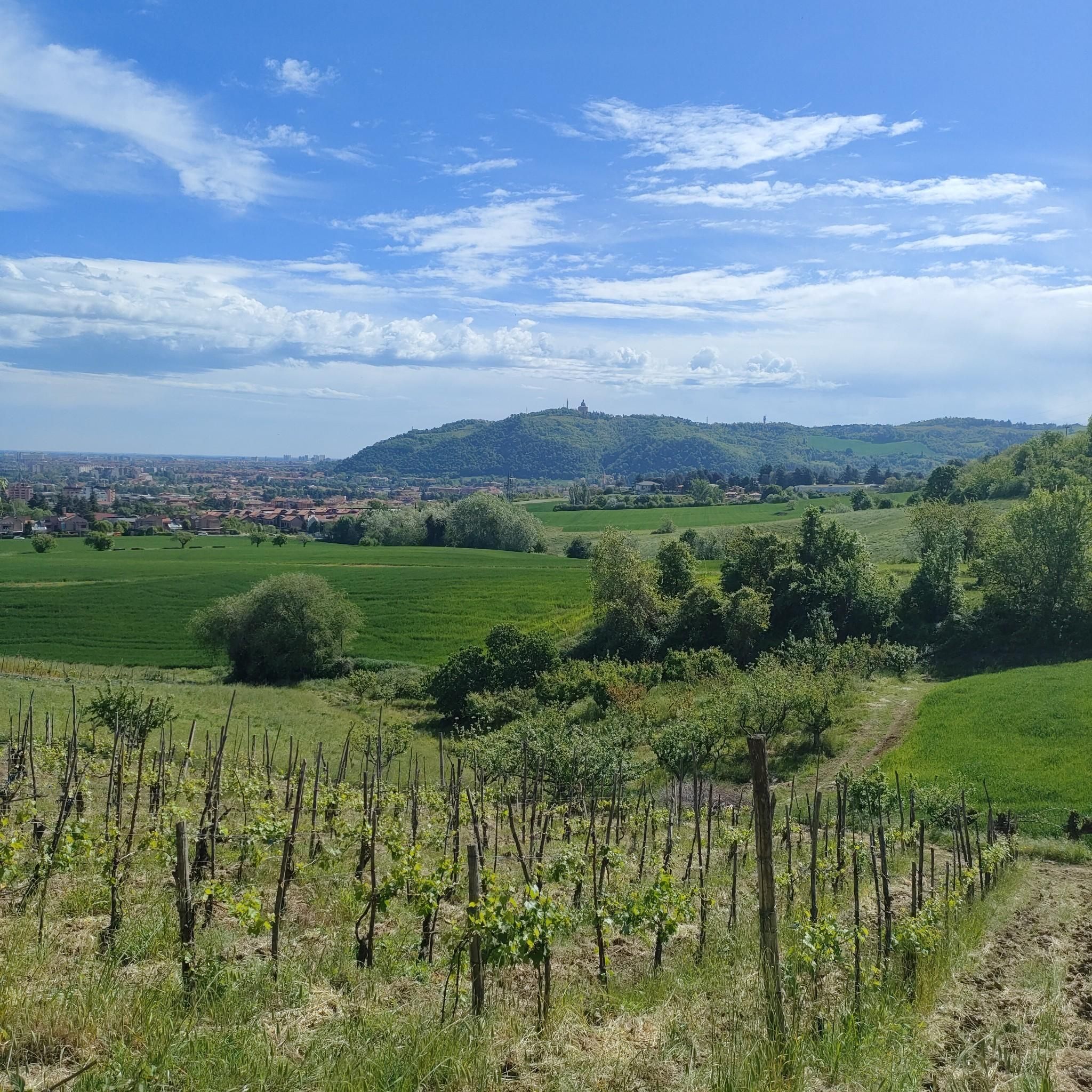
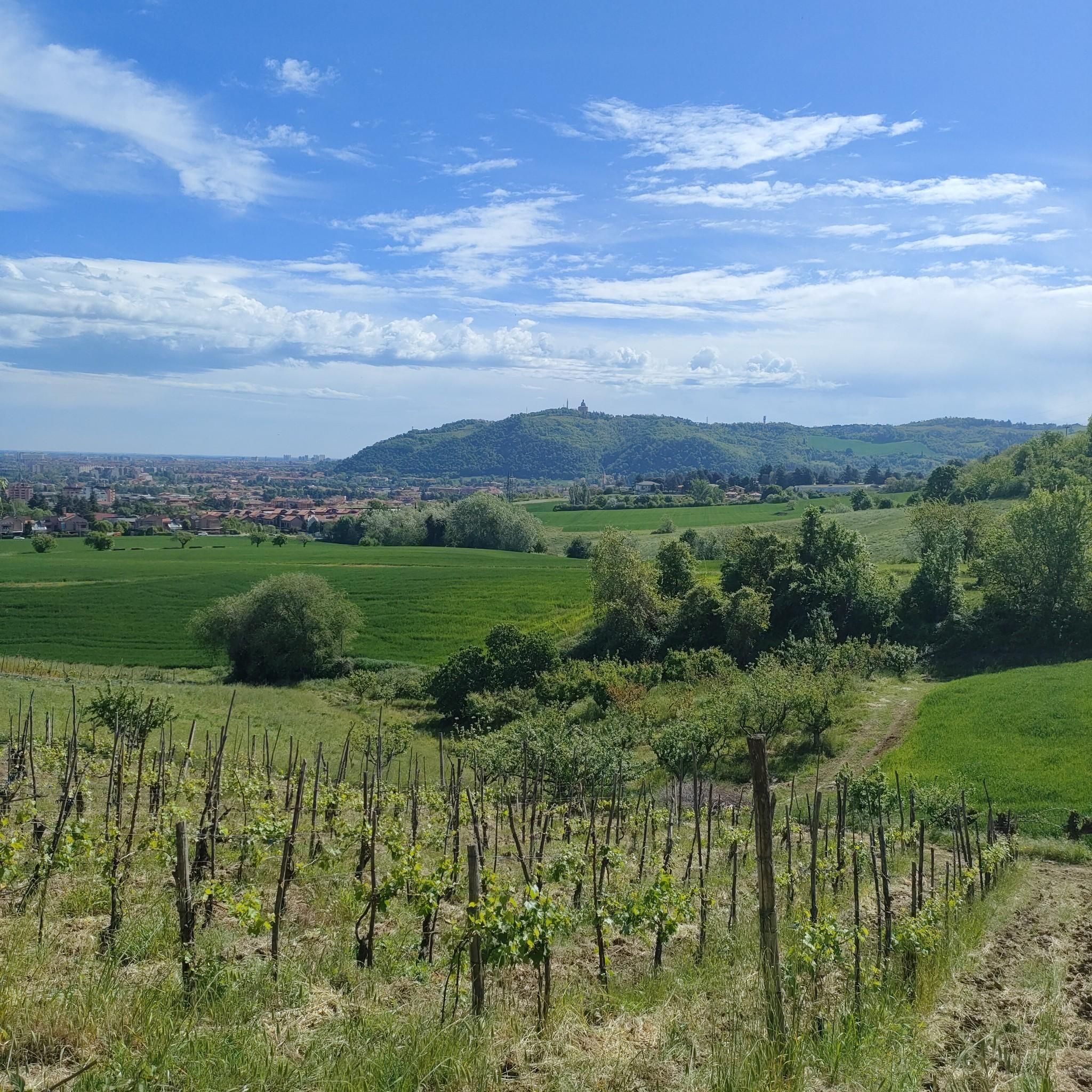
The Buca di Budriolo is a deep blind valley, formed near extremely inclined chalky layers, a natural wonder. From here, you will be able to enjoy a spectacular panorama from the opposite side of the hole.
1
0

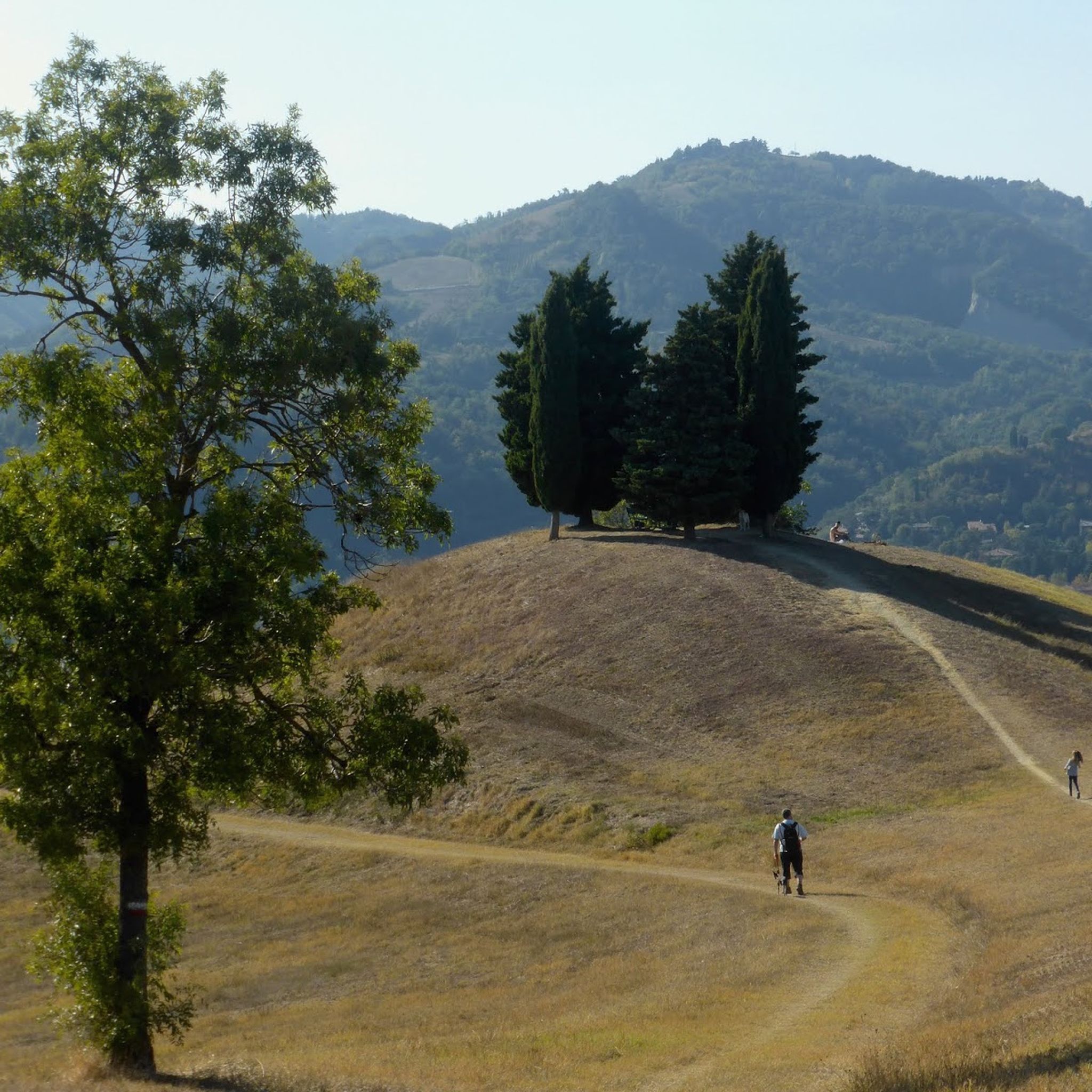
a nice gravel shortcut
2
0

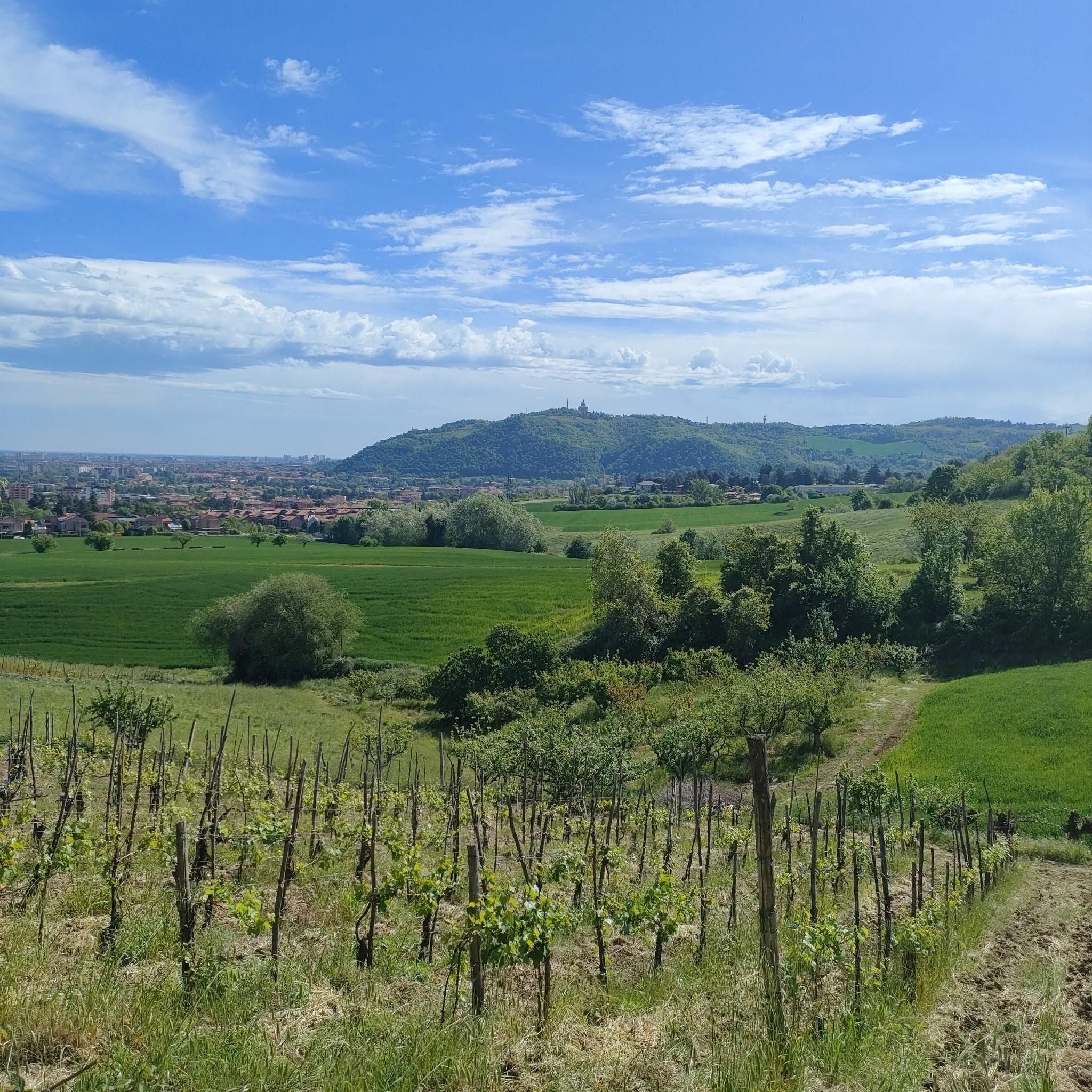
At the Buca dei Vichi it is possible to admire the karstic phenomena typical of the Parco dei Gessi Bolognesi and Calanchi dell'Abbadessa.
0
0
Buca delle Candele is so named for the furrows produced by water erosion in the karst rock.
1
0

Attention the road has been interrupted and is closed. Private property 🥲
0
0

Frequently Asked Questions
What types of caves can I explore near Casalecchio di Reno?
The region around Casalecchio di Reno offers diverse geological formations. You can explore significant gypsum caves like Spipola Cave and Candle Pit, unique travertine formations at Labante Caves, and peculiar sandstone hollows known as Soprasasso Caves. The area also features impressive karst phenomena such as The Budriolo Sinkhole and Buca dei Vinchi Cave.
Are there guided tours available for cave exploration?
Yes, guided tours are available for some caves. For instance, exploring Spipola Cave requires advance reservation and is organized by the Parco Regionale dei Gessi Bolognesi with expert speleological guides. These tours provide insights into the cave's history and evolution.
Which caves are suitable for families or beginners?
While some caves involve crawling and muddy sections, like parts of Spipola Cave, guided tours often cater to a range of visitors, including children. The Labante Caves are always open and set within a beautiful park, making them accessible for observation and a good starting point for hiking, which can be family-friendly.
What geological features make the caves near Casalecchio di Reno unique?
The region is renowned for its significant karst phenomena. Spipola Cave is a major chalk cave and part of a UNESCO World Heritage site for its evaporitic karst. The Labante Caves are notable for being one of Europe's largest primary travertine formations, featuring unique 'sponga' limestone. The Soprasasso Caves are distinct for their 'tafoni' – peculiar hollows carved into sandstone by natural erosion.
Are there any historical aspects to the caves in this area?
Yes, the Labante Caves are among the oldest documented natural caves in the Bologna area, with historical records dating back centuries. Their 'sponga' limestone was even utilized by the Etruscans for the necropolis of Marzabotto, highlighting a deep historical connection to human activity.
Can I combine cave visits with other outdoor activities?
Absolutely. The area around Casalecchio di Reno is excellent for combining cave exploration with other outdoor pursuits. The Labante Caves are situated within a park that serves as a starting point for hiking and mountain biking. You can find various routes for hiking, running, and road cycling in the surrounding Bolognese Apennines.
What should I wear for cave exploration?
For cave exploration, especially in caves like Spipola Cave which can involve muddy sections and crawling, it's advisable to wear sturdy, comfortable clothing that you don't mind getting dirty. Waterproof or water-resistant layers are recommended, along with appropriate footwear with good grip. Helmets and headlamps are often provided or required for guided tours.
Are there hiking trails that lead to or include caves?
Yes, there are trails that incorporate cave features. For example, the Soprasasso Caves are accessible via a loop trail, about 6 kilometers long with some steep sections, offering magnificent views. Additionally, the highlight Singletrack from Croara to the Gessi Bolognesi Caves suggests a route that leads to the gypsum caves.
What is the best time to visit the caves near Casalecchio di Reno?
The best time to visit depends on the specific cave and your activity. Caves like Labante Caves are always open. For guided tours, such as those at Spipola Cave, it's best to check the schedule of the Parco Regionale dei Gessi Bolognesi, as tours are often seasonal or require specific booking. Generally, spring and autumn offer pleasant weather for combining cave visits with outdoor hiking.
Are there any UNESCO World Heritage sites among these caves?
Yes, Spipola Cave is part of the Evaporitic Karst and Caves of Northern Apennines, which is a UNESCO World Heritage site. This designation recognizes its outstanding universal value due to its well-studied karst phenomena in gypsum and anhydrite. You can learn more about this site at worldheritagesite.org.
What do visitors appreciate most about the caves in this region?
Visitors frequently highlight the unique geological formations, the opportunity for adventurous underground exploration, and the scenic beauty of the surrounding natural parks. The educational aspect of guided tours, particularly at Spipola Cave, is also highly valued, as is the chance to witness impressive karst phenomena and panoramic views from locations like The Budriolo Sinkhole.
Most popular routes around Casalecchio Di Reno
Most popular attractions around Casalecchio Di Reno

Get inspired with the komoot mobile app


Explore more
Extend your search for the best caves by checking out these guides of the top ones around Casalecchio Di Reno:
