Top 8 Gorges around Conco
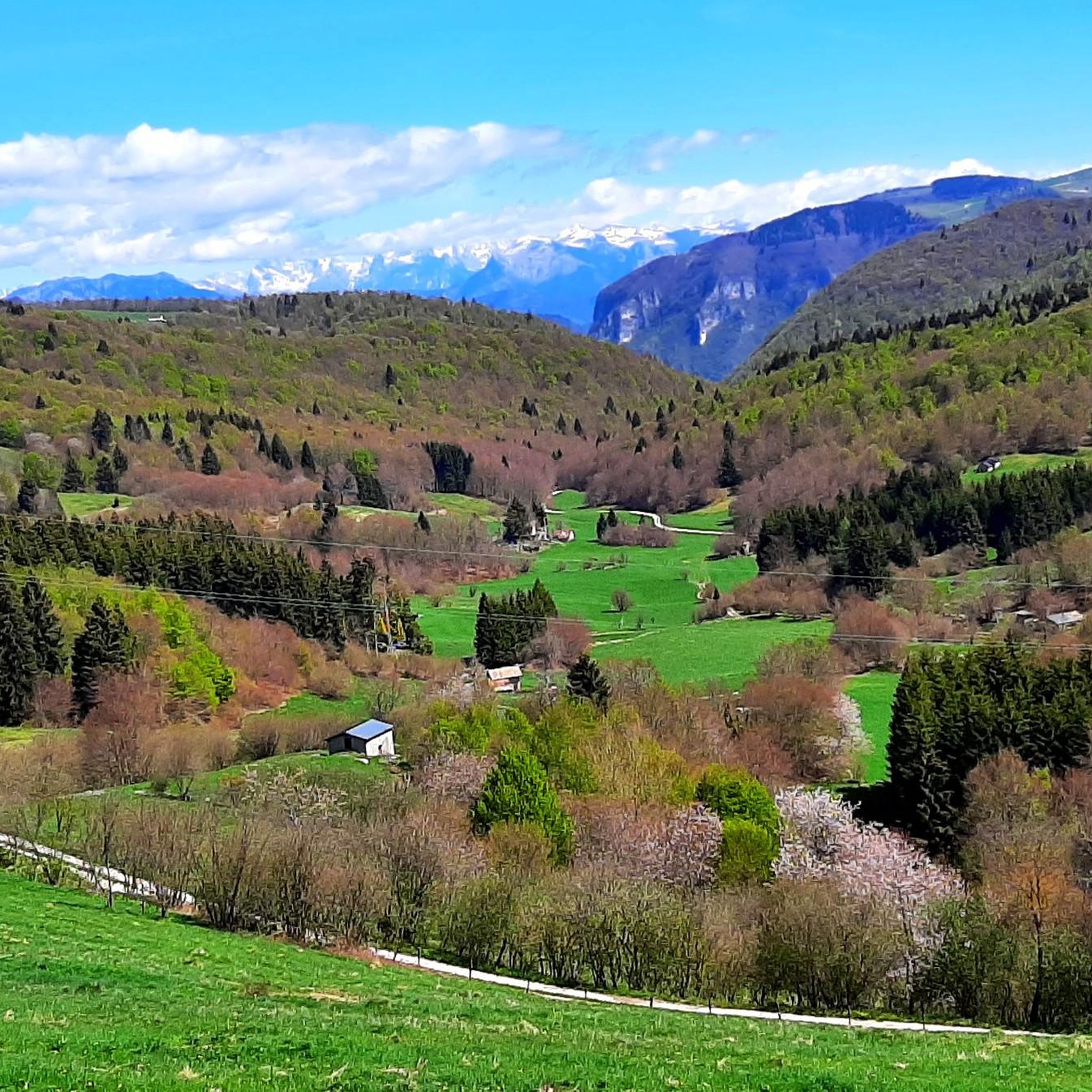
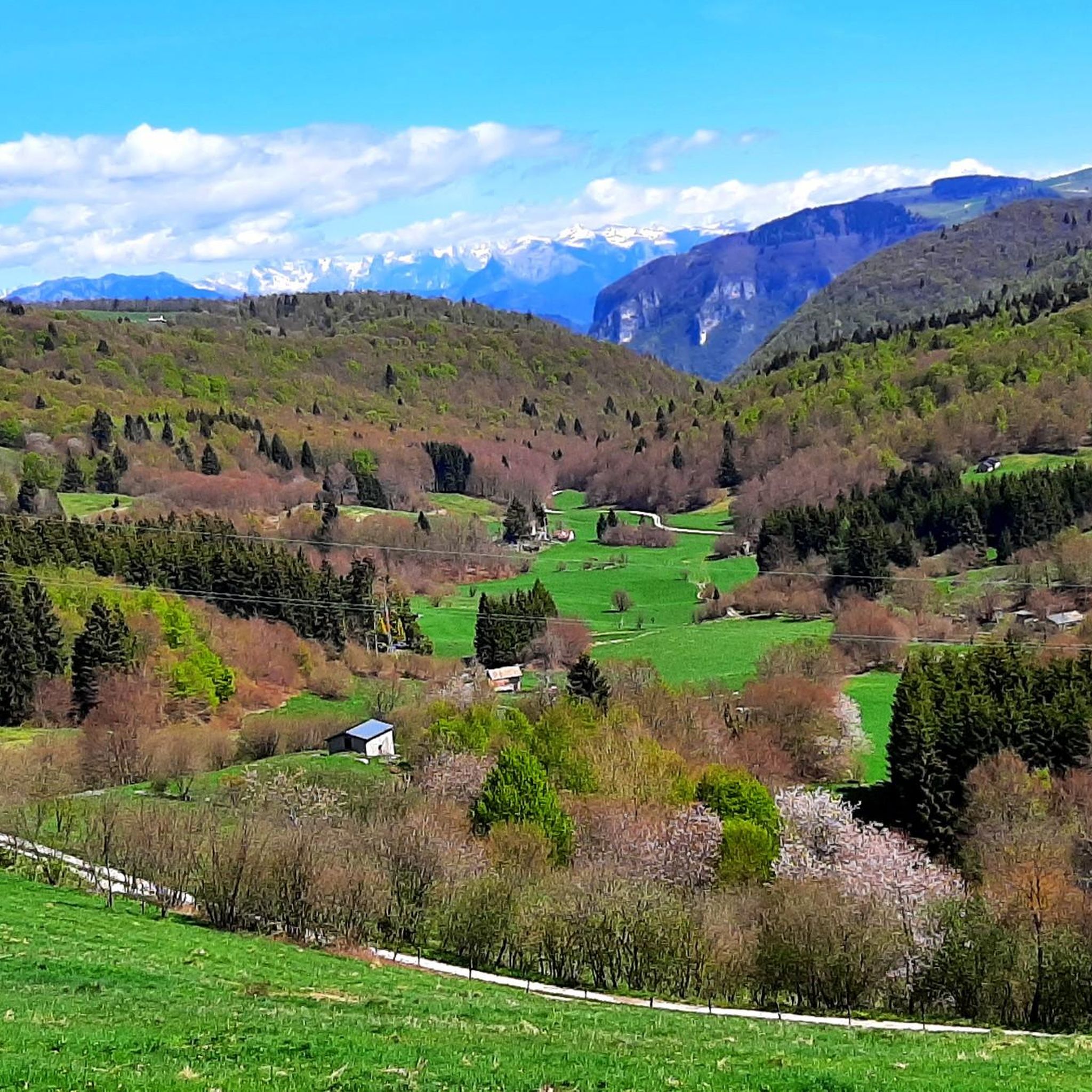
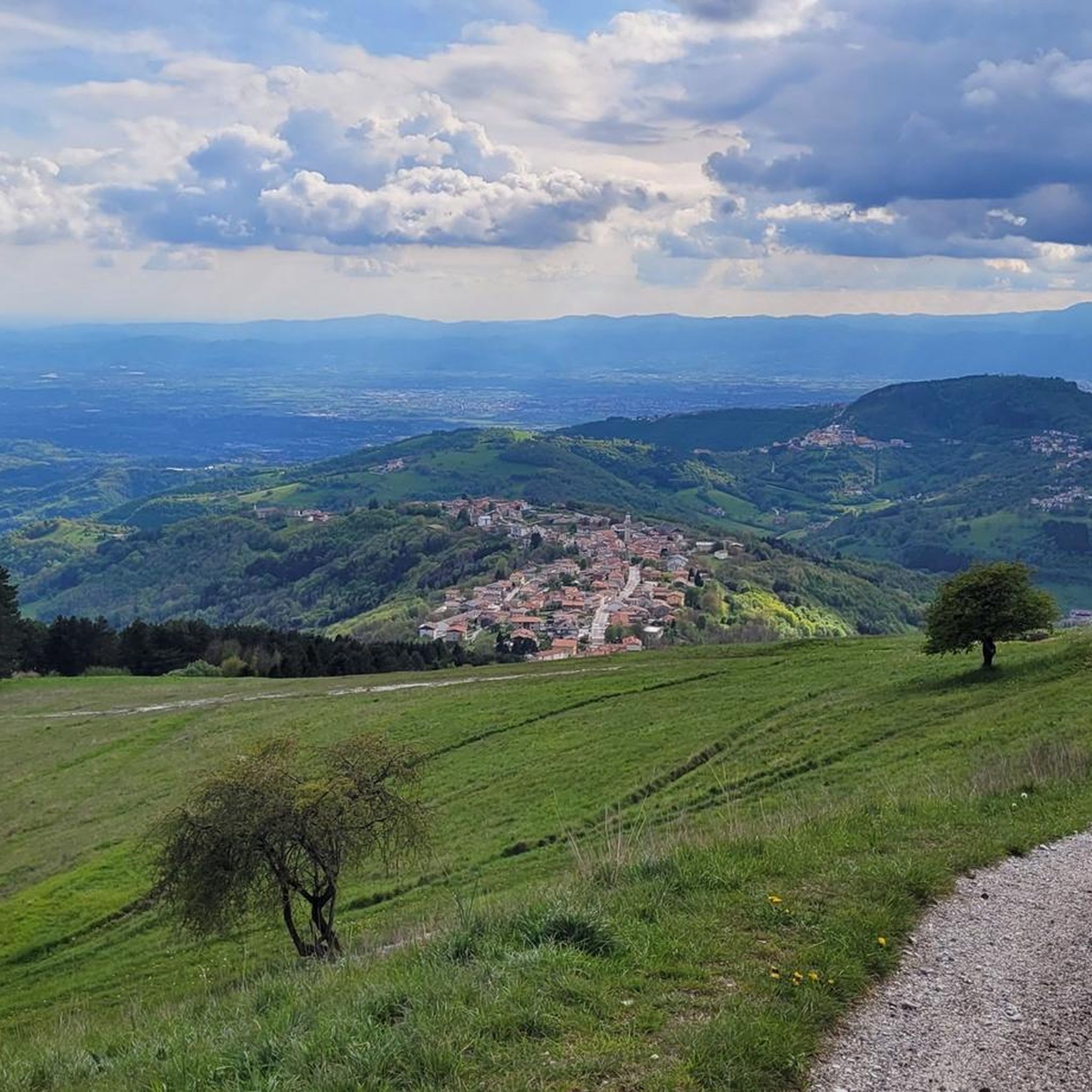
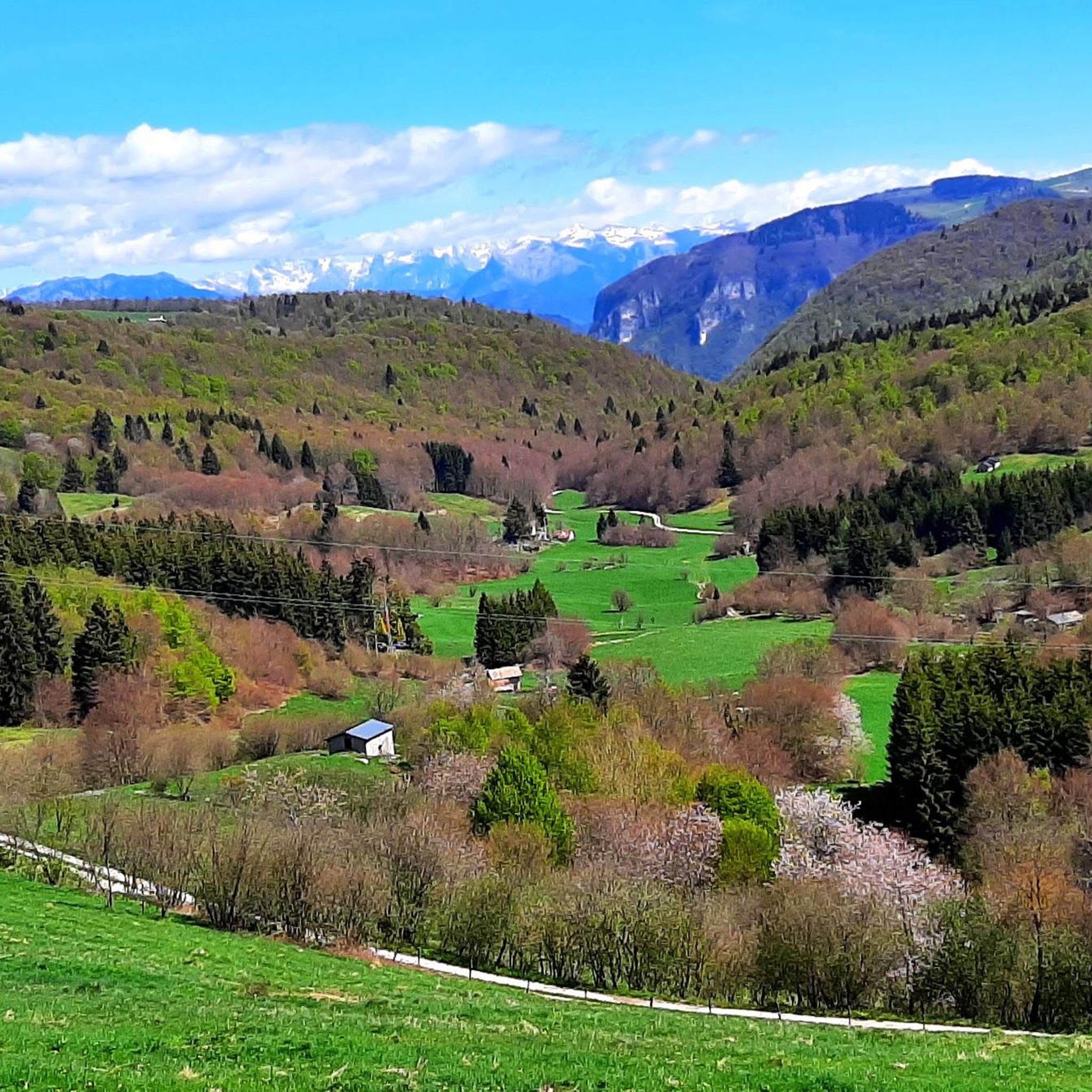
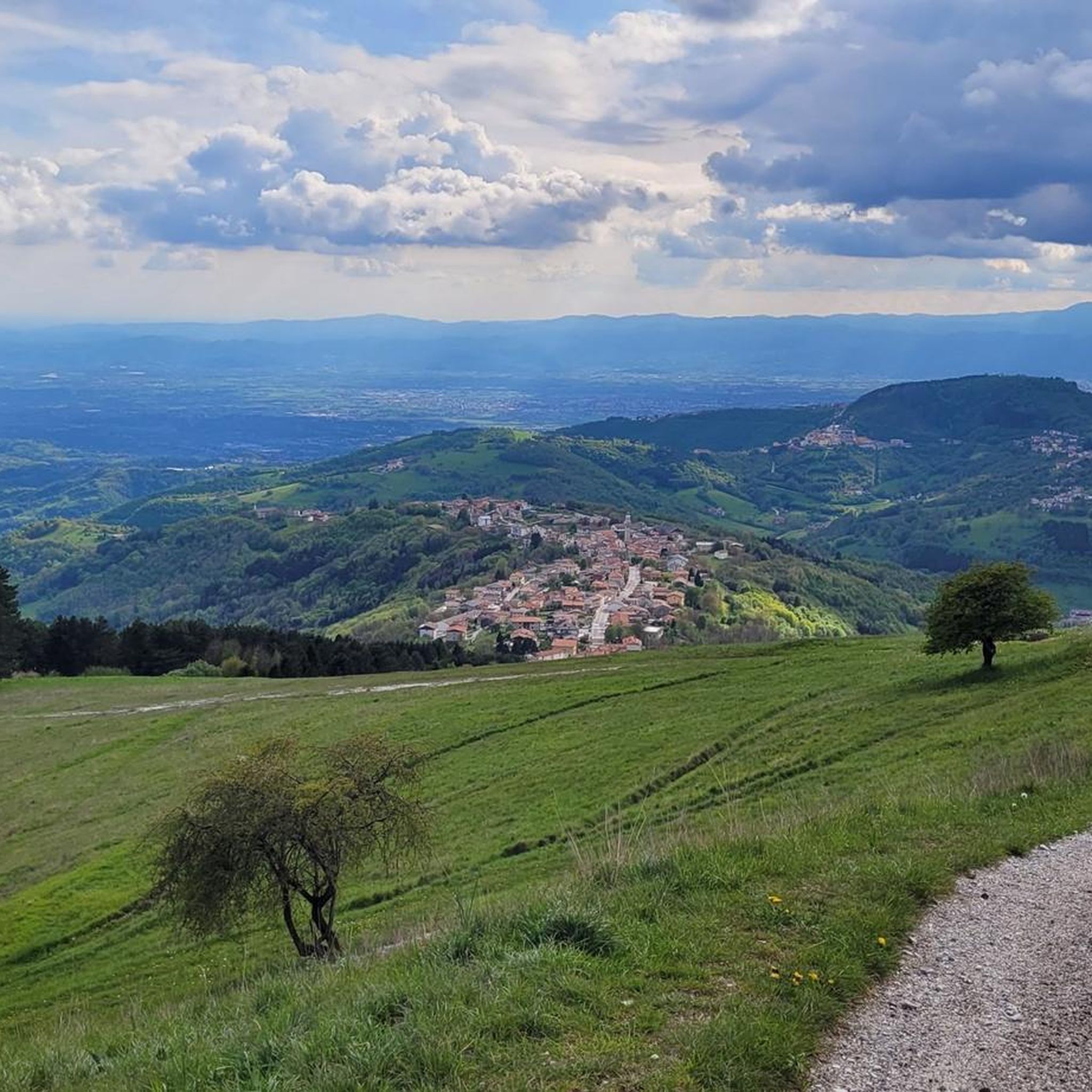
Best canyons around Conco are found in a region characterized by its geological formations, including limestone rock labyrinths, deep gorges, and river valleys. The area features coniferous forests and karst phenomena, with water flowing through caves and forming streams. Conco offers 8 gorges to explore, providing insights into the natural landscape of the Sette Comuni plateau.
Best canyons around Conco
- The most popular canyons is Sanctuary of the Madonna del Caravaggio at Buso, a religious building built above a…
Last updated: August 24, 2026
Sanctuary of the Madonna del Caravaggio at Buso
Highlight • Religious Site
Translated by Google •
Tip by

Monte Corno Rock Labyrinth
Highlight • Gorge
Translated by Google •
Tip by
Sign up now to discover places like this
Get recommendations on the best single tracks, peaks, & plenty of other exciting outdoor places.
Sign up for free
Oliero Caves
Highlight • Cave
Translated by Google •
Tip by

Oliero River, near the Oliero Caves
Highlight • River
Translated by Google •
Tip by

Gorghi Scuri
Highlight (Segment) • Gorge
Translated by Google •
Tip by
Sign up for free to discover even more gorges around Conco.
Sign up for free
Already have an account?
Start today with a free account
Your next adventure awaits.
Login or Signup

Tips from the Community

A simply wonderful place, easy to reach from the Carpanè-Valstagna station, following a well-marked path along the Brenta River. The staff was equally fantastic, allowing us to follow the cave tour in both Italian and English (part of my group didn't speak Italian). I recommend going in spring; it's cooler and there's usually less traffic, so you can enjoy it all better. ;)
0
0

Very small rock labyrinth, but nice to do, be careful in winter that between fallen trees that do not allow passage and the frozen snow you risk getting hurt.
0
1

The Oliero caves are a complex of caverns located on the slopes of the Sette Comuni plateau, near the hamlet of Oliero (municipality of Valbrenta). Much of the water that penetrates through the plateau above flows from the caves, a classic example of karst phenomena. There are four caves currently open to the public: Covol dei Veci and Covol dei Siori from which the Oliero river flows; while the two upper ones, Covol dei Assassini and Covol dee Soree, are now dry. To visit the caves it is necessary to have a ticket and entry is allowed only with a guide. In the park of the caves it is also possible to visit the museum of speleology and karst phenomena and relax at the bike grill bar.
0
0

The "Sanctuary of the Madonna del Caravaggio al Buso" is so named because it is dedicated to the Madonna del Caravaggio (not the painter, but the town in the province of Bergamo where the Virgin appeared in 1432); and because it is built above a high natural gorge (the "Buso Vecio")... however, it is commonly referred to as "the Madonna del Buso." What is striking about this humble little temple and its bell tower is their secluded and solitary location, hidden and almost forgotten: they emerge unexpectedly at the bottom of the narrow and shady Val Frenzèla, immersed in coniferous forests, along the old and obsolete road connecting Gallio and Stoccareddo, used until the construction of the more convenient and faster metal overpass at the end of the 20th century, which now overlooks the shrine at a height of 70 meters! History. Here, in 1830, Fra Giovanni Battista Casera, a Franciscan hermit, returning from one of his many pilgrimages, found himself stranded by a severe spring storm and the resulting "brentana" (river flood), which prevented him from crossing the ravine. He therefore sought shelter among these rocks. As an act of faith for having escaped danger, in accordance with his own wishes, the bridge connecting the two banks and the chapel were built in the years immediately following, serving as a rest stop for travelers and a place of worship. He himself spent the rest of his days as a hermit in that building. The site quickly became a pilgrimage destination. It was destroyed by bombing during World War I and rebuilt in 1927. https://www.vaticano.com/turismo/scheda_1251_il-santuario-del-buso.html
0
0
The Valle dei Gorghi Scuri is a fascinating and narrow impluvium full of waterfalls, natural pools, whirlpools and lively waterways formed by the Valletta stream, which originates right here. As a frame, a florid and lush vegetation of ferns and moss. The path starts from the hamlet of Capo di Sopra, along a dirt road that runs along the rising gorge carved out by the stream from above, where the first water features can be glimpsed; from here you reach the upper part, the most evocative and fairy-tale-like, where you can venture off-track, as far as the water and rocks allow depending on the season. I recommend the route after the rains, even if the path can be slippery (EE), and in spring/summer, when very green and lush vegetation frames the water.
1
0
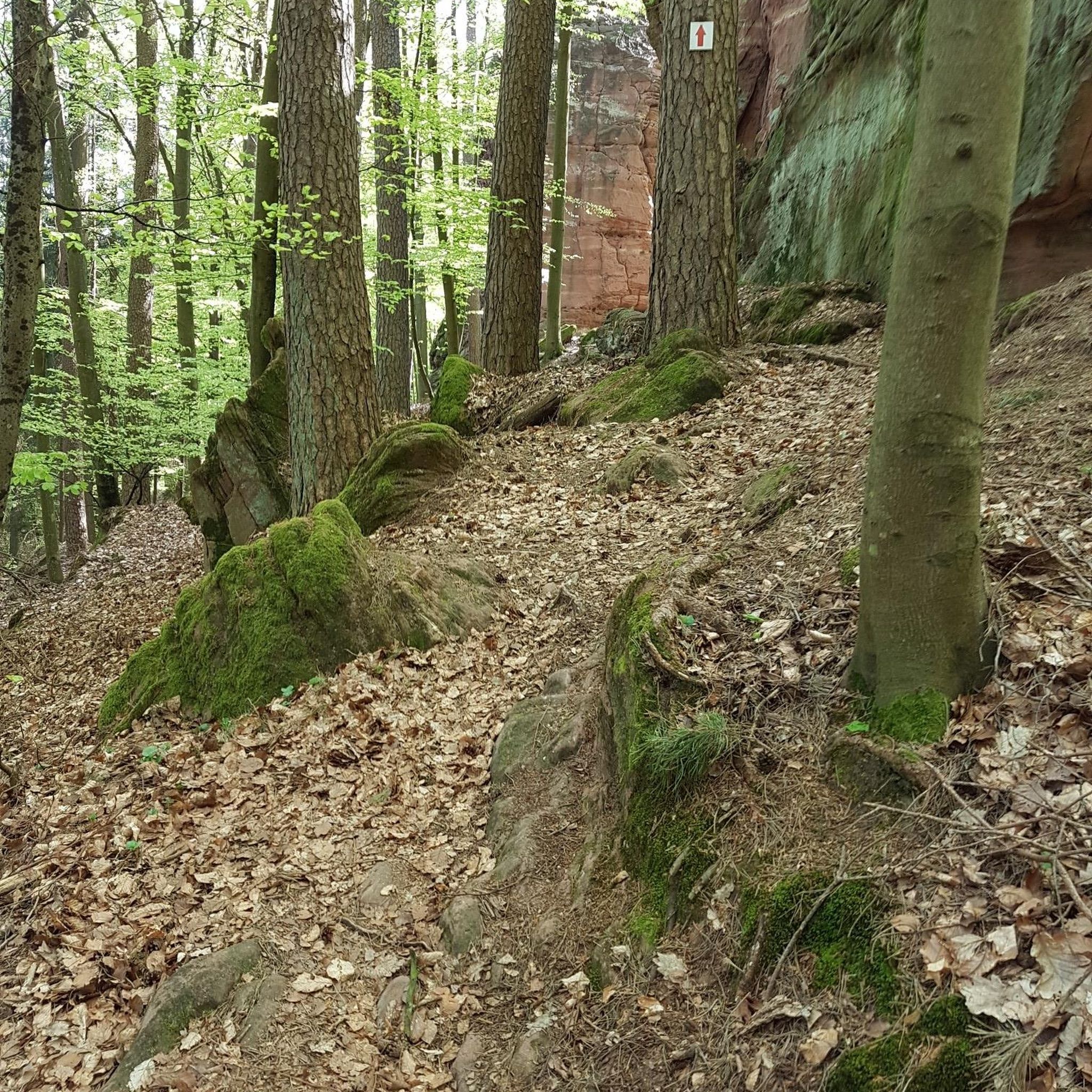
A small but evocative geological labyrinth: nature has carved deep furrows into the hard Rosso Ammonitico limestone, forming corridors that pass through square blocks of rock. Rosso Ammonitico is a pinkish rock from the Jurassic period, generally characterized by a notable abundance of ammonite fossils, hence its name. Within the labyrinth, you'll also find the Cima del Monte Corno (1,383 m): the highest point is here, not where the Monument to the Unknown Soldier overlooks the plain. Along the perimeter of the rocky agglomeration are two Italian artillery emplacements from the First World War, dug directly into rock turrets to defend the Piana di Granezza below, which was an important logistics base. The trail is enjoyable, but not clean: some secondary branches are blocked by fallen trees; in winter, there is ice; in summer, nettles infest some passages.
0
0

L'oliero is a show and if you've never been to the caves you don't know what you're missing. Go there
0
0

The caves of Oliero are beautiful. In MTB near the entrance there is a stand, a pump and a screwdriver for small maintenance. Drinking fountain with fresh water to fill the bottles.
4
0
Frequently Asked Questions
What kind of natural attractions can I expect to see in the canyons around Conco?
The canyons around Conco are characterized by diverse geological formations. You can explore limestone rock labyrinths like the Monte Corno Rock Labyrinth, deep gorges, and river valleys. The area features coniferous forests and karst phenomena, where water flows through caves and forms streams, as seen at the Oliero River, near the Oliero Caves. Gorghi Scuri offers a fascinating impluvium with waterfalls, natural pools, and lush vegetation.
Are there any historical or cultural sites within the canyons of Conco?
Yes, the region blends natural beauty with historical significance. The Sanctuary of the Madonna del Caravaggio at Buso is a religious building uniquely situated above a high natural gorge, with a history dating back to 1830 and rebuilt after World War I. Additionally, the Monte Corno Rock Labyrinth contains Italian artillery emplacements from the First World War, dug directly into rock turrets.
Are the canyons around Conco suitable for families with children?
Yes, several attractions are family-friendly. The Oliero Caves and the Oliero River are noted as family-friendly, offering boat trips into the caves and a pleasant environment for exploration. The park around the Oliero Caves also has a museum of speleology and karst phenomena.
What is the best time of year to visit the gorges around Conco?
Visiting in spring or summer is generally recommended for the gorges around Conco. The Oliero River and Oliero Caves are great on warm days, and spring offers cooler temperatures and less traffic. For Gorghi Scuri, spring/summer is ideal for lush vegetation, and visiting after rains can enhance the waterfalls, though paths may be slippery.
What are some of the more challenging canyon experiences in the Conco area?
For those seeking a more challenging experience, Gorghi Scuri is described as a challenging gorge. The path can be slippery, especially after rains, and allows for venturing off-track depending on water levels and rock conditions. It's an impluvium full of waterfalls and natural pools, requiring careful navigation.
What outdoor activities can I do near the canyons around Conco?
Beyond exploring the canyons, the Conco area offers a variety of outdoor activities. You can find numerous mountain hikes, including routes like the Rifugio Monte Grappa loop. There are also extensive options for road cycling and touring bicycle routes, with varying difficulty levels to suit different preferences.
Are there any specific tips for visiting the Oliero Caves?
When visiting the Oliero Caves, it's necessary to have a ticket, and entry is only allowed with a guide. The complex includes four caves, with Covol dei Veci and Covol dei Siori being the sources of the Oliero River. The park also features a museum of speleology and karst phenomena, and a bike grill bar. It's recommended to go in spring for cooler weather and potentially fewer crowds.
What makes the Monte Corno Rock Labyrinth unique?
The Monte Corno Rock Labyrinth is a small but evocative geological formation where nature has carved deep furrows into Rosso Ammonitico limestone, creating corridors through square rock blocks. This pinkish Jurassic rock is known for its ammonite fossils. The labyrinth also holds historical significance with Italian artillery emplacements from World War I.
What should I know about accessibility and conditions for hiking in the canyons?
While many trails are enjoyable, conditions can vary. For instance, the Monte Corno Rock Labyrinth can have secondary branches blocked by fallen trees, and in winter, ice can make passages risky. In summer, nettles might infest some areas. For Gorghi Scuri, paths can be slippery after rains, so appropriate footwear is essential.
What do visitors enjoy most about the canyons around Conco?
Visitors appreciate the unique blend of natural beauty and historical elements. The secluded and solitary location of the Sanctuary of the Madonna del Caravaggio at Buso, hidden in coniferous forests, is often highlighted. The Oliero Caves are praised for their beauty and the boat trip experience. The dramatic landscapes of gorges with waterfalls and natural pools, like those at Gorghi Scuri, are also highly valued.
Are there any specific geological features to look out for?
Yes, the region is rich in geological interest. The Monte Corno Rock Labyrinth showcases Rosso Ammonitico limestone from the Jurassic period, often containing ammonite fossils. The Oliero Caves and Oliero River are prime examples of karst phenomena, where water from the plateau flows through underground caverns.
Most popular routes around Conco
Most popular attractions around Conco

Get inspired with the komoot mobile app


Explore more
Already discovered everything in this region? See additional gorges around Conco for your next adventure:
