Top 20 Caves around Lusiana Conco
Best caves around Lusiana Conco are situated in a region characterized by its historical significance during World War I and diverse geological formations. The area features a mix of natural karst phenomena and man-made underground structures. These sites offer insights into both natural history and human conflict, set within a landscape of forests and dramatic chasms. The municipality provides a variety of compelling underground experiences.
Best caves around Lusiana Conco
- The most popular caves is Gun Emplacement Tunnel of Monte…
Last updated: July 14, 2026
Gun Emplacement Tunnel of Monte Cengio
Highlight • Historical Site
Translated by Google •
Tip by

Anguane's Cave
Highlight • Cave
Translated by Google •
Tip by

Sign up now to discover places like this
Get recommendations on the best single tracks, peaks, & plenty of other exciting outdoor places.
Sign up for free
Stonhaus Sinkhole
Highlight • Cave
Translated by Google •
Tip by
Campolongo Trenches (WW1)
Highlight (Segment) • Historical Site
Translated by Google •
Tip by
Oliero Caves
Highlight • Cave
Translated by Google •
Tip by

Sign up for free to discover even more caves around Lusiana Conco.
Sign up for free
Already have an account?
Start today with a free account
Your next adventure awaits.
Login or Signup
Popular around Lusiana Conco
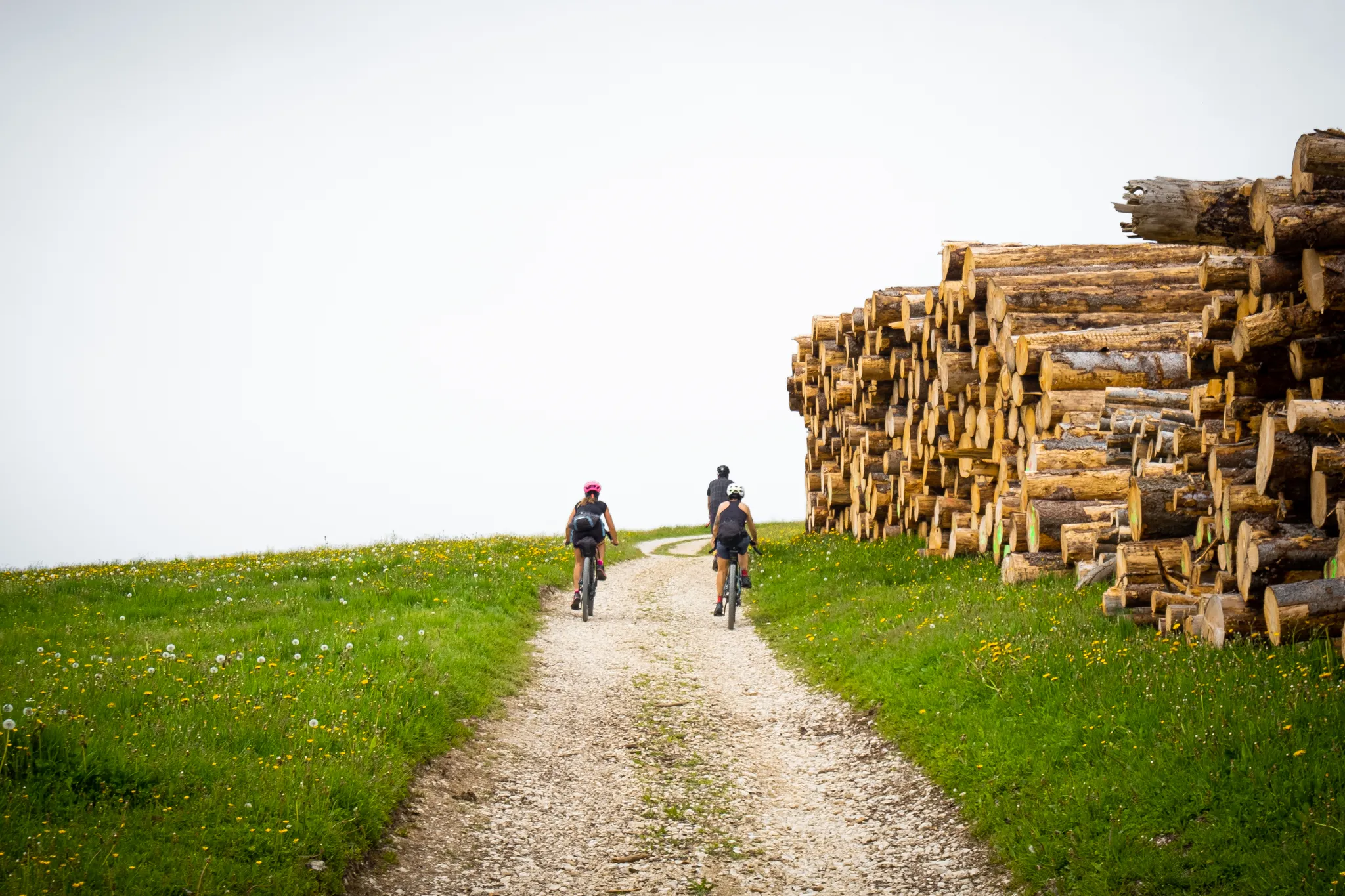

Other adventures around Lusiana Conco

Tips from the Community

When you pass by and observe this place, try to imagine the work done by young people in their early twenties in prohibitive conditions.
0
0

A simply wonderful place, easy to reach from the Carpanè-Valstagna station, following a well-marked path along the Brenta River. The staff was equally fantastic, allowing us to follow the cave tour in both Italian and English (part of my group didn't speak Italian). I recommend going in spring; it's cooler and there's usually less traffic, so you can enjoy it all better. ;)
0
0

Bring a flashlight and go dark.
0
1

74 meter long tunnel with no exit and 4 final outlets where the artillery was positioned. A light was needed.
0
0


Natural chasm that nature is now recovering, worth seeing if you pass through the area
0
0

The Trenchers of Monte Campolongo - not to be confused with the mountain of the same name and its fort exactly on the opposite western side of the Asiago Plateau - are a long and deep Italian trench from the First World War, dug on a promontory which dominates the final stretch of the Val Brenta. It had no active role during the Great War, but served as an extreme bulwark to prevent a possible invasion of the Austro-Hungarian army from Valsugana. Cleaned and recovered, it features walkways, outposts, tunnels and shelters in a dense and silent forest: today the vegetation largely covers the view, especially in summer, but at the time the view of the valley was clean. You can follow the winding of the trench from inside or from above, along a path complete with little bridges... or a little and a little!
2
0
Frequently Asked Questions
What types of underground sites can I explore around Lusiana Conco?
The area offers a diverse range of underground experiences, from natural karst formations like sinkholes and caves to historically significant military tunnels from World War I. You can find geological wonders, poignant historical sites, and even artistically transformed former quarries.
Are there any historical military tunnels or fortifications to visit?
Yes, Lusiana Conco was a significant front-line area during World War I. You can explore sites like the Gun Emplacement Tunnel of Monte Cengio, an Italian military post with four gun emplacements, offering a profound historical experience. Another notable site is the Campolongo Trenches (WW1), a long and deep Italian trench system with walkways, outposts, tunnels, and shelters.
What unique natural geological formations can I see?
You can visit the Stonhaus Sinkhole, a spectacular chasm formed by the collapse of a huge karst cave roof, featuring an opening about 20 meters in diameter and a depth of at least 30 meters. Its slender natural stone arch and fir trees growing from the bottom are very distinctive.
Are there any natural caves that are easy to access or family-friendly?
The Oliero Caves, located near the Sette Comuni plateau, are a complex of caverns where much of the water from the plateau flows. These caves are open to the public with a guide and often include a boat trip into the cave, making them a family-friendly option. It's recommended to check ticket and tour availability in advance.
What is the Buso della Rana and is it accessible from Lusiana Conco?
The Buso della Rana is the largest cave in the Veneto region, known for its extensive passages, active streams, lakes, and unique geological features. While it's a significant speleological site, its official entrance is near Monte di Malo, not directly within Lusiana Conco. Access beyond initial sections is generally recommended for experienced cavers or those with guides due to potential flooding and unmarked routes.
Are there any art installations or unique cultural sites related to caves?
Yes, between Lusiana Conco and Bassano del Grappa, you can find Le Cave di Rubbio. These are former quarries that have been transformed into an outdoor art installation, featuring works like the 'Cava dipinta' (Painted Quarry) with colorful figures and the 'Cava abitata' (Inhabited Quarry) with art made from rusted car parts. It offers a unique blend of art and nature.
What outdoor activities can I combine with visiting caves in the area?
The region around Lusiana Conco offers various outdoor activities. You can find numerous hiking trails, including options like the 'Poilus Loop' or the 'Sentiero dell'Amore'. There are also running trails and gravel biking routes that allow you to explore the diverse landscape surrounding the cave sites.
What is the best time of year to explore caves around Lusiana Conco?
The interior of natural caves like the Buso della Rana maintains a constant temperature of around 12-13°C year-round, making them accessible in different seasons. For historical military tunnels and outdoor art quarries, spring and autumn often offer pleasant weather for exploration. During heavy rains, some natural cave sections might be inaccessible due to flooding, so checking local conditions is advisable.
What should I wear when visiting caves in the region?
Given the constant cool temperatures inside natural caves (around 12-13°C), even in summer, it's advisable to wear layers of clothing. Sturdy, closed-toe shoes with good grip are essential for navigating uneven and potentially wet terrain. For guided tours in more adventurous caves, specific gear like helmets and headlamps might be provided or recommended.
Are there any caves with a strong connection to local legends or history?
The Stonhaus Sinkhole, meaning 'House of Stone' in Cimbrian, is tied to a local legend about an ogre who takes naughty children there. Additionally, the Buso della Spaluga, a natural sinkhole near Monte Corno, is known for its poignant historical events and local legends, offering a place for reflection on past conflicts.
What kind of natural environment surrounds the caves in Lusiana Conco?
The caves and underground sites are set within a landscape characterized by forests and dramatic chasms. The region features a mix of karst and volcanic rocks, contributing to unique geological formations. Many sites are nestled in dense, silent forests, providing a serene natural backdrop for exploration.
Do I need a permit to visit caves in Lusiana Conco?
For some natural caves, especially those requiring guided tours like the Oliero Caves, tickets and entry with a guide are necessary. For more extensive or challenging cave systems like the Buso della Rana, access beyond initial sections might require permits or accompaniment by experienced cavers. Historical military tunnels are generally more accessible, but it's always best to check specific site requirements.
Most popular routes around Lusiana Conco
Most popular attractions around Lusiana Conco

Get inspired with the komoot mobile app


Explore more
Extend your search for the best caves by checking out these guides of the top ones around Lusiana Conco:
