Top 6 Caves around Torre Annunziata
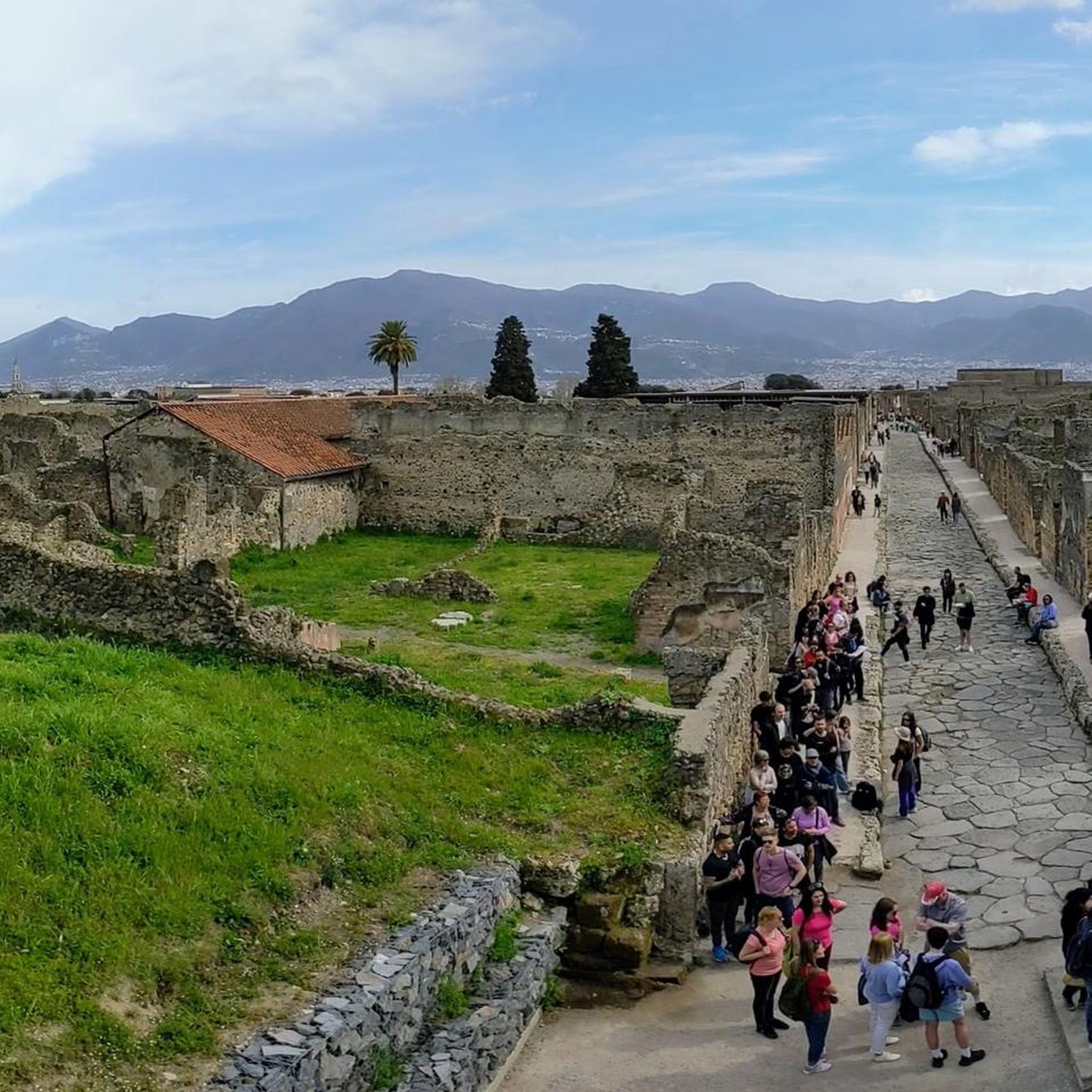
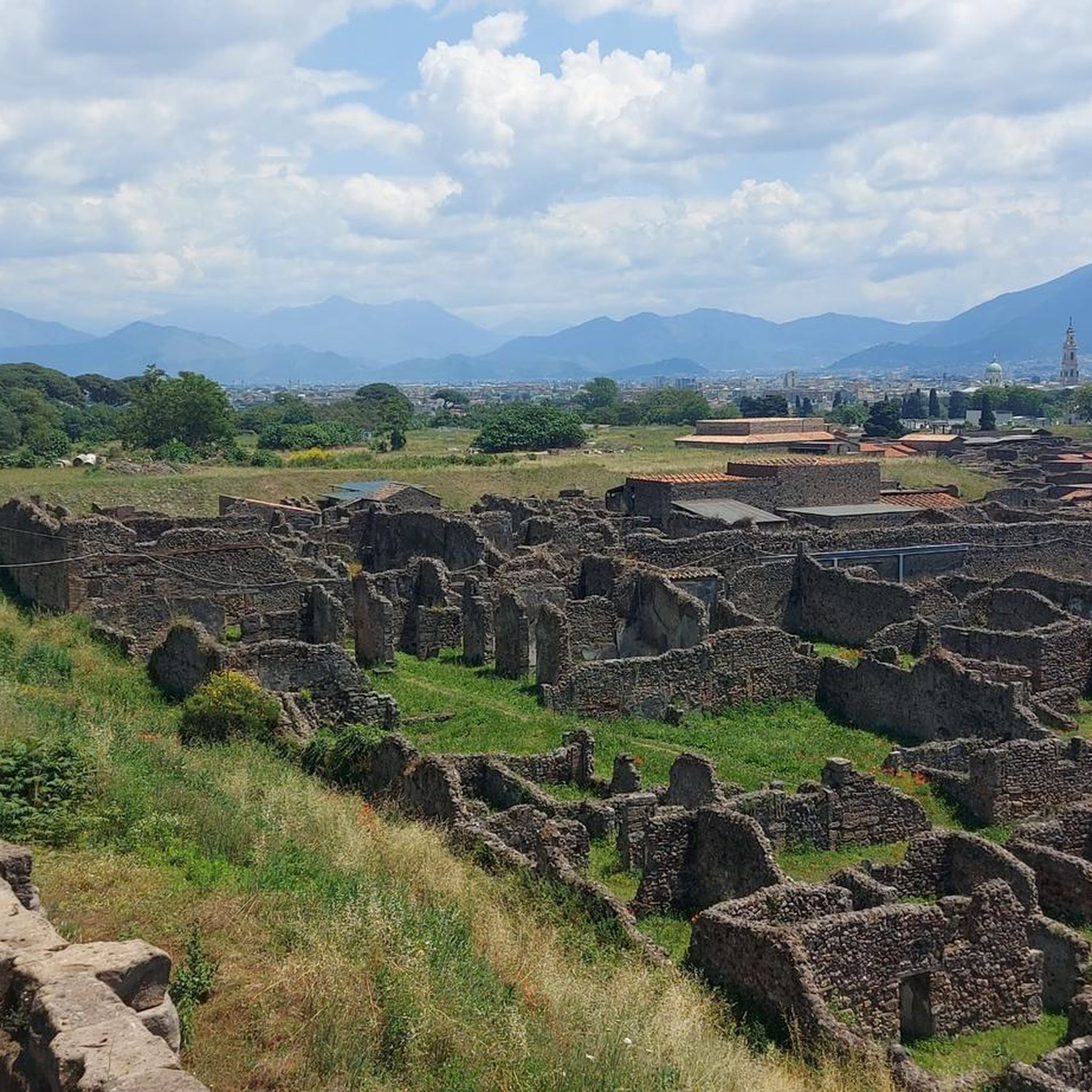
Best caves around Torre Annunziata are found in a region shaped by Mount Vesuvius, offering both natural geological formations and significant archaeological underground features. The area is known for its historical "caves" like the Roman villas of Oplontis, preserved by volcanic ash. These sites provide a unique journey beneath the modern town to explore ancient Roman civilization. Beyond these historical excavations, the surrounding landscape also features natural cave systems.
Best caves around Torre Annunziata
- The most popular caves is Grotta…
Last updated: June 30, 2026
Grotta Fissure
Highlight (Segment) • Cave
Translated by Google •
Tip by

Cave of Saint Benedict
Highlight • Cave
Translated by Google •
Tip by
Sign up now to discover places like this
Get recommendations on the best single tracks, peaks, & plenty of other exciting outdoor places.
Sign up for free
Madonna di Castello Cave at Gavète
Highlight • Cave
Translated by Google •
Tip by

Hermit's Cave and Sculpted Holy Family
Highlight • Cave
Translated by Google •
Tip by

Grotta di Santa Maria della Speranza
Highlight • Cave
Translated by Google •
Tip by

Start today with a free account
Your next adventure awaits.
Login or Signup

Tips from the Community

In this cave, in the area called Trina del Monte, Potecariello, the hermit from Massaquano who lived in the first half of the last century and who left many signs of his passage on our mountains, often spent the night. In this cave, unfortunately poorly maintained today due to the carelessness and neglect of men, he who loved beauty and art even in its absolute simplicity, left to posterity on the upper part of the entrance to the cave a beautiful "Holy Family" carved in the rock and then colored in a simple but lasting way.
1
0

The cave is large, inside there is a crucifix and an altar. From the cave you can enjoy a beautiful view towards Vesuvius and the Lattari Mountains.
0
0

From the table shown in the photo, due to the steep slopes and finally some steps, by bike for the last stretch of about 700/800 meters. we proceed to push, but nothing impossible.
0
0
Natural cave, inside which there is a beautiful lava stone depicting the Madonna di Castello. Every 1st May the pilgrimage under 'e Gavèt is held, guided by faith and devotion to Mamma Schiavona, protector of the Sommesi, hundreds of people participate in the solemn mass which will be held right in front of the small cave, which is positioned under the spring where the ancestors fetched water. Everything is promoted and organized by the friends of the Paranza delle Gavète in collaboration with the group of Zi Riccardo and the women of Tammorra.
0
0
Suggestive natural caves, inside which there is a beautiful lava stone depicting the Madonna di Castello. Every 1st May the pilgrimage under 'e Gavèt is held, guided by faith and devotion to Mamma Schiavona, protector of the Sommesi. Hundreds of people will participate in the solemn mass which will be held right in front of the small cave, which is positioned under the spring where the ancestors went to get water. All promoted and organized by the friends of Paranza delle Gavète in collaboration with the group of Zi Riccardo and the women of Tammorra.
0
0

In Lettere there is the Benedictine hermitage, or the place where the Benedictine hermit monks retired to pray, a place also known as the veins of San Benedetto. The hermitage offers visitors an incomparable panorama of the Sarno Valley and Vesuvius, as well as allowing them to enjoy an unusual view of the historic Castello di Lettere. Around the hermitage a series of small natural cavities were probably used by Benedictine hermit monks to pray, and a completely frescoed chapel was built in one of these. Unfortunately these frescoes have not withstood the neglect of time and acts of vandalism, but what remains of them shows that they dated back to around 1,000 years ago.
23
0

Spectacular place, some stretches are to be done by pushing due to the bottom composed of pyroclastic sand, which makes it difficult to grip the bike.
4
0
Frequently Asked Questions
What unique historical "caves" can I explore in Torre Annunziata?
Torre Annunziata is renowned for the archaeological sites of Oplontis, particularly the Roman villas like Villa Poppaea and Villa of Lucius Crassius Tertius. These sites, buried by Vesuvius, offer a unique underground journey into ancient Roman life. Villa Poppaea is famous for its exceptionally preserved wall paintings and opulent architecture. You can learn more about this UNESCO World Heritage site here: UNESCO World Heritage Centre.
Are there any natural caves to visit around Torre Annunziata?
Yes, beyond the archaeological sites, the region offers natural geological formations. One notable natural cave is Grotta Fissure, which provides a small entrance under a lava gap and offers a panoramic view of the "Hell's valley."
What is the significance of Madonna di Castello Cave at Gavète?
Madonna di Castello Cave at Gavète is a natural cave featuring a beautiful lava stone depicting the Madonna di Castello. It holds significant religious importance, with an annual pilgrimage held every 1st May, guided by devotion to Mamma Schiavona.
Can I find any caves with religious or historical carvings?
Yes, you can visit Hermit's Cave and Sculpted Holy Family. This cave features a "Holy Family" carved into the rock at its entrance, a legacy left by a hermit who lived there in the last century.
Are there any caves that offer panoramic views?
Several caves in the area provide excellent viewpoints. Grotta di Santa Maria della Speranza is a large cave with a crucifix and an altar, offering a beautiful view towards Vesuvius and the Lattari Mountains. Additionally, Grotta Fissure provides a great view of the "Hell's valley."
What kind of historical insights do the caves of Saint Benedict offer?
The Cave of Saint Benedict in Lettere is part of a Benedictine hermitage. These small natural cavities were likely used by Benedictine hermit monks for prayer, and one even housed a completely frescoed chapel dating back about 1,000 years, offering a glimpse into ancient monastic life.
What outdoor activities can I do near the caves in Torre Annunziata?
The area around Torre Annunziata offers various outdoor activities. You can find numerous running trails, such as the 'Running loop from Scoglio di Rovigliano' or 'Panorama loop from Pompei'. For mountain biking enthusiasts, there are challenging routes like 'Grotta Fissure – View of Valle dell’Inferno loop'. Road cyclists can enjoy scenic routes like the 'SS145 Sorrentina Coastal Route'. Explore more options on the dedicated guides for Running Trails, MTB Trails, and Road Cycling Routes around Torre Annunziata.
Are the archaeological 'caves' of Oplontis suitable for families?
The archaeological sites of Oplontis, including Villa Poppaea, offer a fascinating and educational experience for families. Exploring the remarkably preserved Roman villas provides a unique insight into ancient history and daily life, which can be engaging for visitors of all ages. It's a journey back in time beneath the modern town.
What is the typical difficulty level for exploring the natural caves?
Many of the natural caves, such as Madonna di Castello Cave at Gavète, Cave of Saint Benedict, and Hermit's Cave and Sculpted Holy Family, are rated as intermediate difficulty. Grotta Fissure is considered challenging due to its small entrance and descent. Always check specific highlight details for the most accurate difficulty assessment.
How long should I plan for a visit to the Oplontis archaeological site?
To thoroughly explore the main features of the Oplontis archaeological site, particularly Villa Poppaea with its extensive architecture and frescoes, it is recommended to allocate at least 2-3 hours. This allows ample time to appreciate the scale and detail of this ancient Roman villa.
What do visitors appreciate most about the caves and underground features in Torre Annunziata?
Visitors highly appreciate the unique blend of natural geological formations and significant archaeological underground features. The historical 'caves' of Oplontis are particularly valued for their exceptional preservation and the vivid glimpse they offer into ancient Roman civilization. The komoot community has shown significant interest, with over 30 upvotes and more than 60 photos shared across these sites.
Most popular routes around Torre Annunziata
Most popular attractions around Torre Annunziata

Get inspired with the komoot mobile app


Explore more
Extend your search for the best caves by checking out these guides of the top ones around Torre Annunziata:
