Top 8 Caves around Amay
Best caves around Amay are situated within the broader Wallonia region of Belgium, an area known for its extensive underground formations, particularly in the Ardennes. The geological landscape of Wallonia, characterized by Paleozoic rocks including limestone, has facilitated the formation of numerous cave systems through natural dissolution over millions of years. This makes the vicinity of Amay a notable location for exploring diverse subterranean environments.
Best caves around Amay
- The most popular caves is Trou Manto, a cave that…
Last updated: June 30, 2026
Trou Manto
Highlight • Cave
Translated by Google •
Tip by

Schmerling Caves site
Highlight • Cave
Translated by Google •
Tip by

Sign up now to discover places like this
Get recommendations on the best single tracks, peaks, & plenty of other exciting outdoor places.
Sign up for free
La Caverne des Romains
Highlight • Cave
Translated by Google •
Tip by

Cave With Wooden Bench in Réserve Naturelle Aux Roches
Highlight • Cave
Translated by Google •
Tip by

Cave entrance in Bois de Malvin
Highlight • Cave
Translated by Google •
Tip by

Sign up for free to discover even more caves around Amay.
Sign up for free
Already have an account?
Start today with a free account
Your next adventure awaits.
Login or Signup
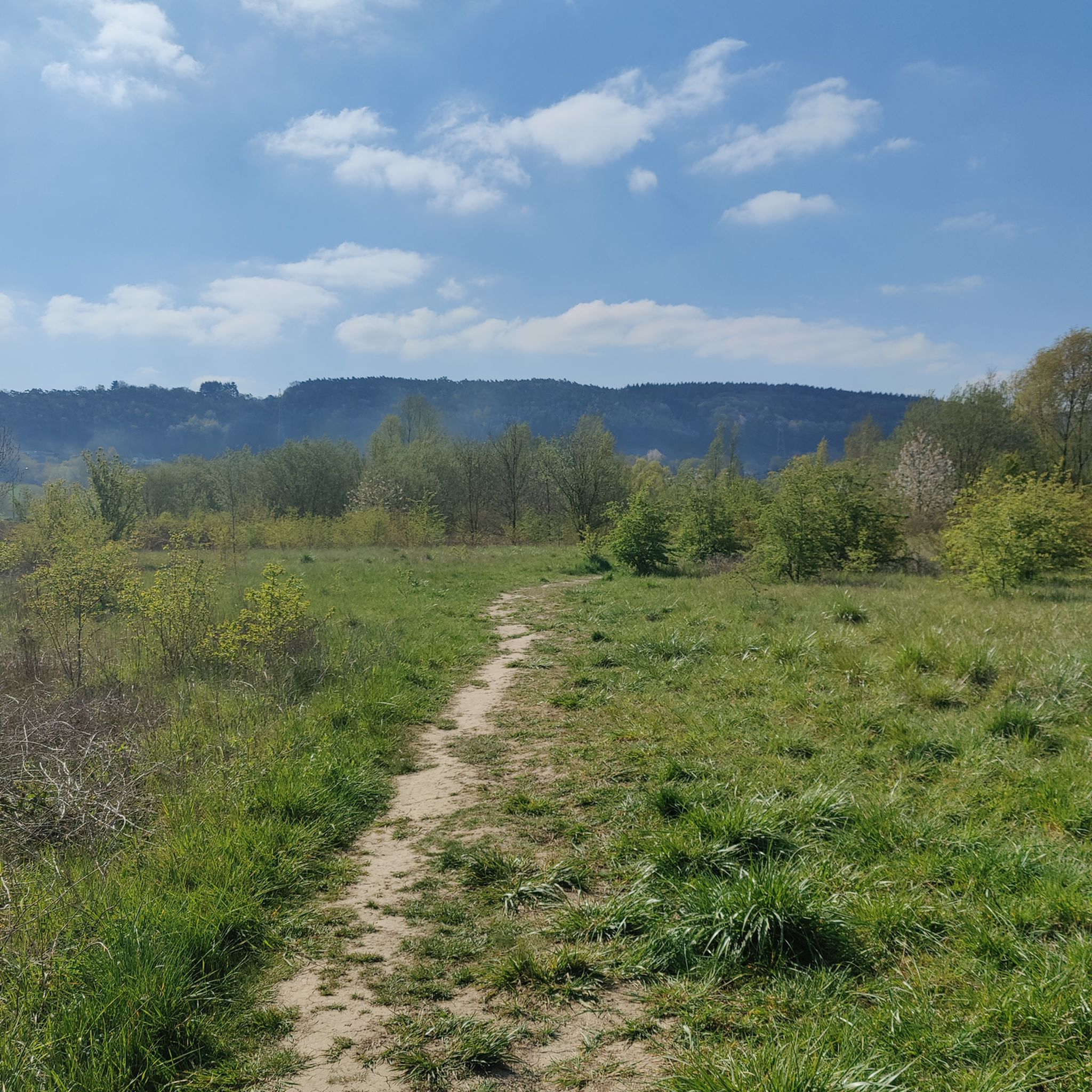
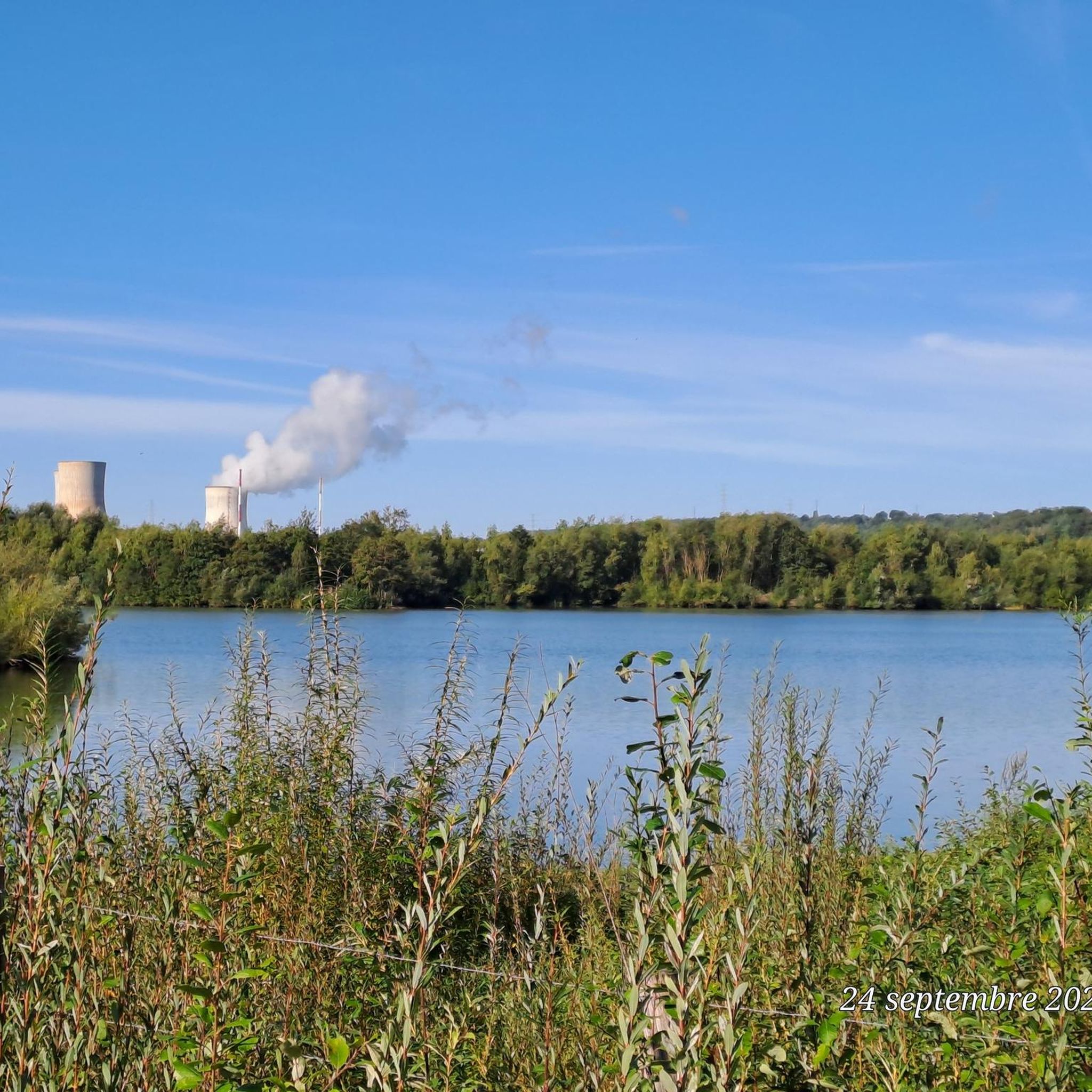
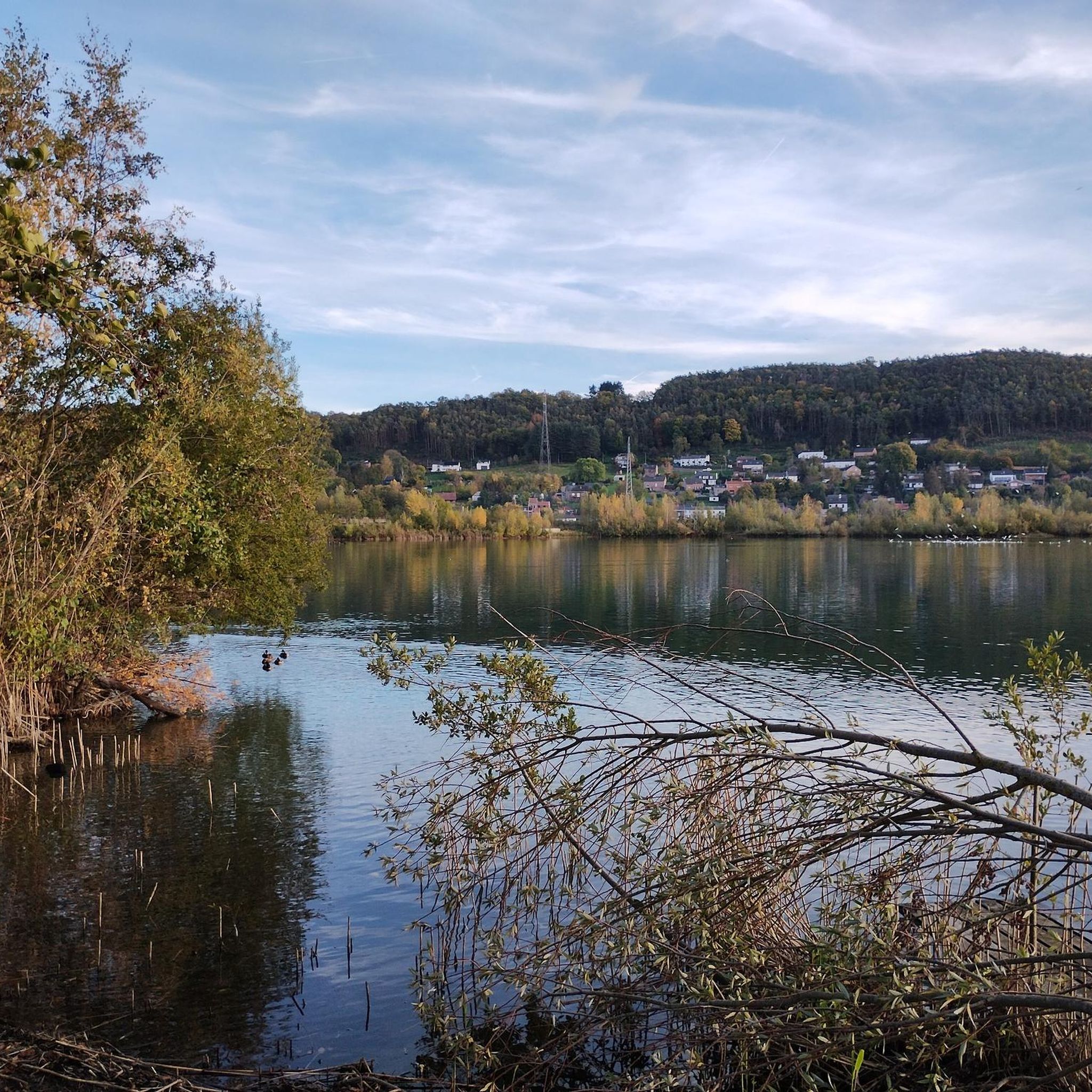
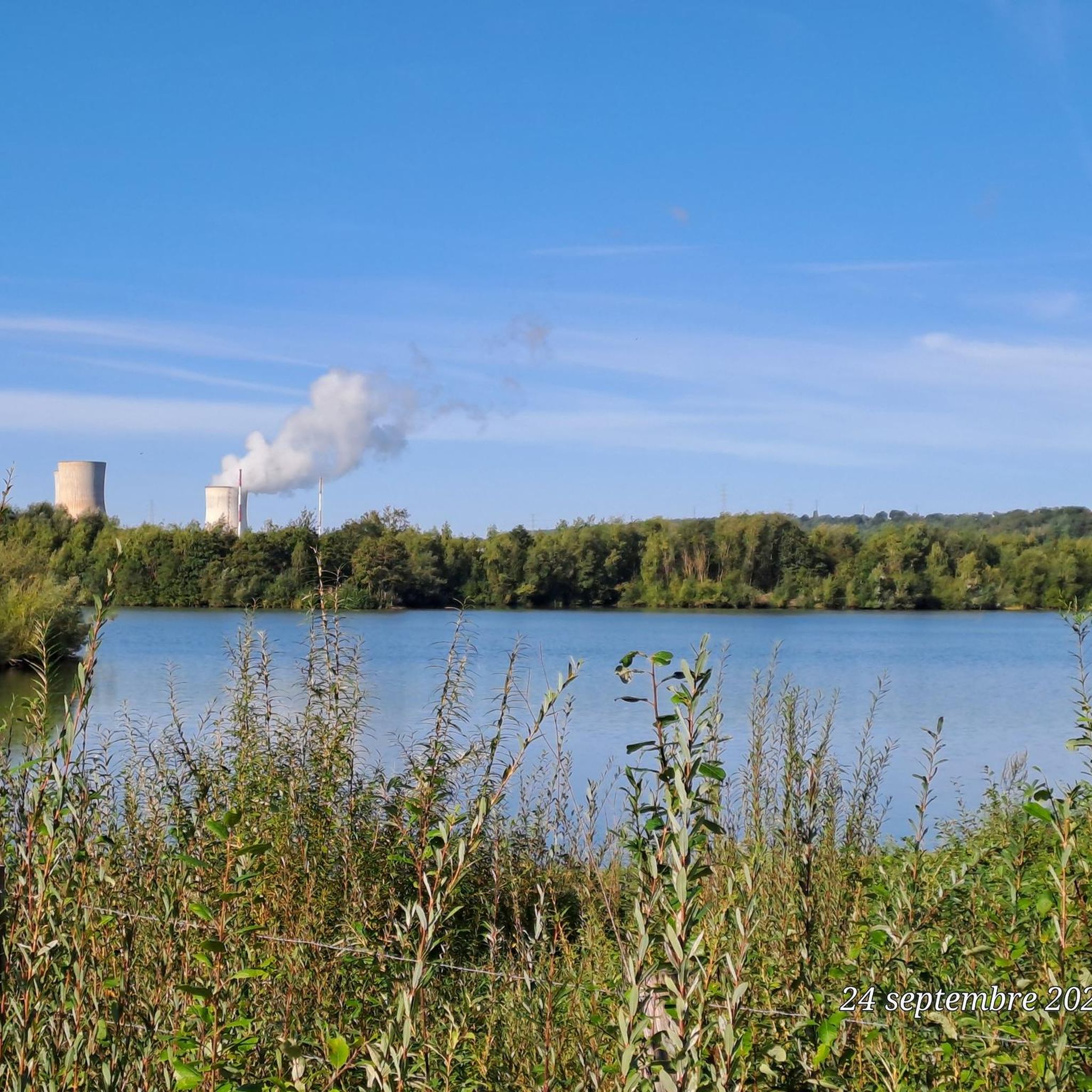

Tips from the Community

Beautiful rock formations at Les Awirs with caves and climbing rocks
0
1
The bank was no longer there
0
0

Located in the Solières valley near Huy, the Trou Manto cave is a limestone cave with a complex network of tunnels. Access is via a steep path supported by a rope. The cave has three levels with magnificent stalactites, a sloping floor with collapses, and twelve large columns supporting the vaults. The entire structure is an impressive karst phenomenon, approximately 600 meters long and 48 meters deep. The cave is protected and fenced off due to vandalism and to protect bats; visits are only possible with a guide or a caving association. The cave is known for its diverse hydrological phenomena and the legend of the Nutons, gnome-like helper beings from folklore. This combination of nature, history, and mythology makes Trou Manto a special place.
3
0
The Caverne des Romains is located at the top of the slope, 70 meters upstream from Trou-Manto. This southwest-facing rock is 12 meters high and 24 meters long. A beautiful porch forms an arcade 5 to 6 meters high, 10 meters wide, and 6 to 7 meters deep; it is made of compact limestone. It is more of a "rock shelter" than a true cavern or grotto, but it also makes a very beautiful climbing rock...
5
0
A collection of four caves, two of which are closed off as bat roosts. A steep climb or descent over a rocky path is definitely worth it.
3
0
A collection of four caves, two of which are closed off as bat roosts. A steep climb or descent over a rocky path is certainly worth the effort.
5
0
The complex originally consisted of four caves, some of which have now disappeared due to natural collapse and the proximity of quarries. The caves have been protected as cultural heritage in Wallonia since 1978 and have an exceptional status due to their scientific value. Although the caves themselves are currently not open to the public, the site remains an important archaeological and natural history location that visualizes the evolution of humanity.
2
0

This is a cave I used to visit a long time ago. Before, you could start at the very bottom and work your way up to the top of the quarry. Now, I don't think that's possible anymore.
0
1
Frequently Asked Questions
What are the most notable caves to explore near Amay?
While Amay itself is located in a region rich with geological formations, the broader Wallonia area, particularly the Ardennes, is home to several spectacular cave systems. These include the famous Trou Manto, known for its complex network of tunnels and impressive karst phenomena, and the Schmerling Caves site, which holds significant historical importance for prehistoric discoveries.
Are there any historical or archaeological cave sites near Amay?
Yes, the Schmerling Caves site is a significant historical location near Amay. In 1829, prehistoric human remains, including those of a Neanderthal child, were discovered here. Although the original caves are no longer accessible due to past limestone mining, the site remains recognized for its archaeological importance. Additionally, Trou du Chena is noted as a Middle Paleolithic cave dwelling where historical finds were made.
What kind of natural features can I expect to see in the caves around Amay?
The caves in the Amay region, such as Trou Manto, are primarily limestone caves. You can expect to see impressive karst phenomena, including stalactites and complex tunnel systems. Rock shelters like La Caverne des Romains also showcase large natural arches formed from compact limestone.
Are there any caves near Amay that are suitable for families or beginners?
Many of the caves and rock shelters around Amay, such as Trou Manto and La Caverne des Romains, involve steep or challenging access. For a more general family experience focused on historical significance rather than deep exploration, the Schmerling Caves site offers an accessible area to learn about prehistoric discoveries, even though the original caves are no longer open.
What outdoor activities can I do near the caves around Amay?
The area around Amay offers a variety of outdoor activities. You can find numerous hiking trails, including easy routes like the Sainte Ode Promenade or moderate options like the Poudingue d'Ombret Trail. For cyclists, there are cycling routes around Jehay castle, and mountain biking enthusiasts can explore MTB trails in the forests.
Do I need a permit or guide to visit the caves near Amay?
For certain caves like Trou Manto, access is restricted due to protection measures for bats and to prevent vandalism. Visits are only possible with a guide or a caving association. It's advisable to check specific access requirements for any cave you plan to explore.
What should I wear when visiting caves in the Amay region?
Given that many caves and rock shelters, such as Trou Manto and La Caverne des Romains, involve steep and potentially slippery paths, especially in wet weather, sturdy footwear with good grip is essential. Layers of clothing are also recommended as cave temperatures can be cooler than outside.
Are there any caves near Amay known for their wildlife, particularly bats?
Yes, Trou Manto is known to be a bat roost, and two of its four caves are closed off specifically for bat protection. The Cave entrance in Bois de Malvin also has a gate, sometimes open, which helps protect its interior, potentially for wildlife.
What is the best time of year to visit the caves around Amay?
The caves in the Wallonia region can generally be visited year-round. However, access to some sites, like La Caverne des Romains, can be more challenging and slippery during winter or rainy seasons due to steep paths. For guided tours of larger cave systems in the broader Ardennes, summer often offers enhanced experiences with special tours.
Are there any accessible caves near Amay for visitors with mobility challenges?
Many of the natural caves and rock shelters directly around Amay, such as Trou Manto and La Caverne des Romains, involve steep and challenging terrain, making them less suitable for visitors with mobility challenges. The Schmerling Caves site, while historically significant, primarily offers an outdoor area to explore rather than accessible cave interiors.
What do visitors enjoy most about the caves and rock shelters near Amay?
Visitors appreciate the unique blend of natural beauty and historical significance. The complex geological formations and the challenge of exploring sites like Trou Manto are highly rated. The historical context of sites like Schmerling Caves site, where prehistoric discoveries were made, also draws significant interest.
Most popular attractions around Amay

Get inspired with the komoot mobile app


Explore more
Extend your search for the best caves by checking out these guides of the top ones around Amay:
