Top 17 Castles around Rijkevorsel
Castles around Rijkevorsel offer insights into the region's historical architecture and past. While Rijkevorsel itself does not feature publicly accessible traditional castles, the surrounding area provides several historical buildings and estates. These sites showcase various architectural styles and historical periods. Visitors can explore these landmarks, often set within natural landscapes.
Best castles around Rijkevorsel
- The most popular castles is Westmalle Castle, a castle that originated as a fortified farm around 1100. The current castle was built in 1561 and…
Last updated: July 14, 2026
Zoerselhof Castle
Highlight • Castle
Translated by Google •
Tip by

Westmalle Castle
Highlight • Castle
Translated by Google •
Tip by

Sign up now to discover places like this
Get recommendations on the best single tracks, peaks, & plenty of other exciting outdoor places.
Sign up for free
Castle de Renesse
Highlight • Castle
Translated by Google •
Tip by
Castle of the Dukes of Brabant (Turnhout)
Highlight • Castle
Translated by Google •
Tip by

Hoogstraten Prison (Former Castle)
Highlight • Castle
Translated by Google •
Tip by

Sign up for free to discover even more castles around Rijkevorsel.
Sign up for free
Already have an account?
Start today with a free account
Your next adventure awaits.
Login or Signup
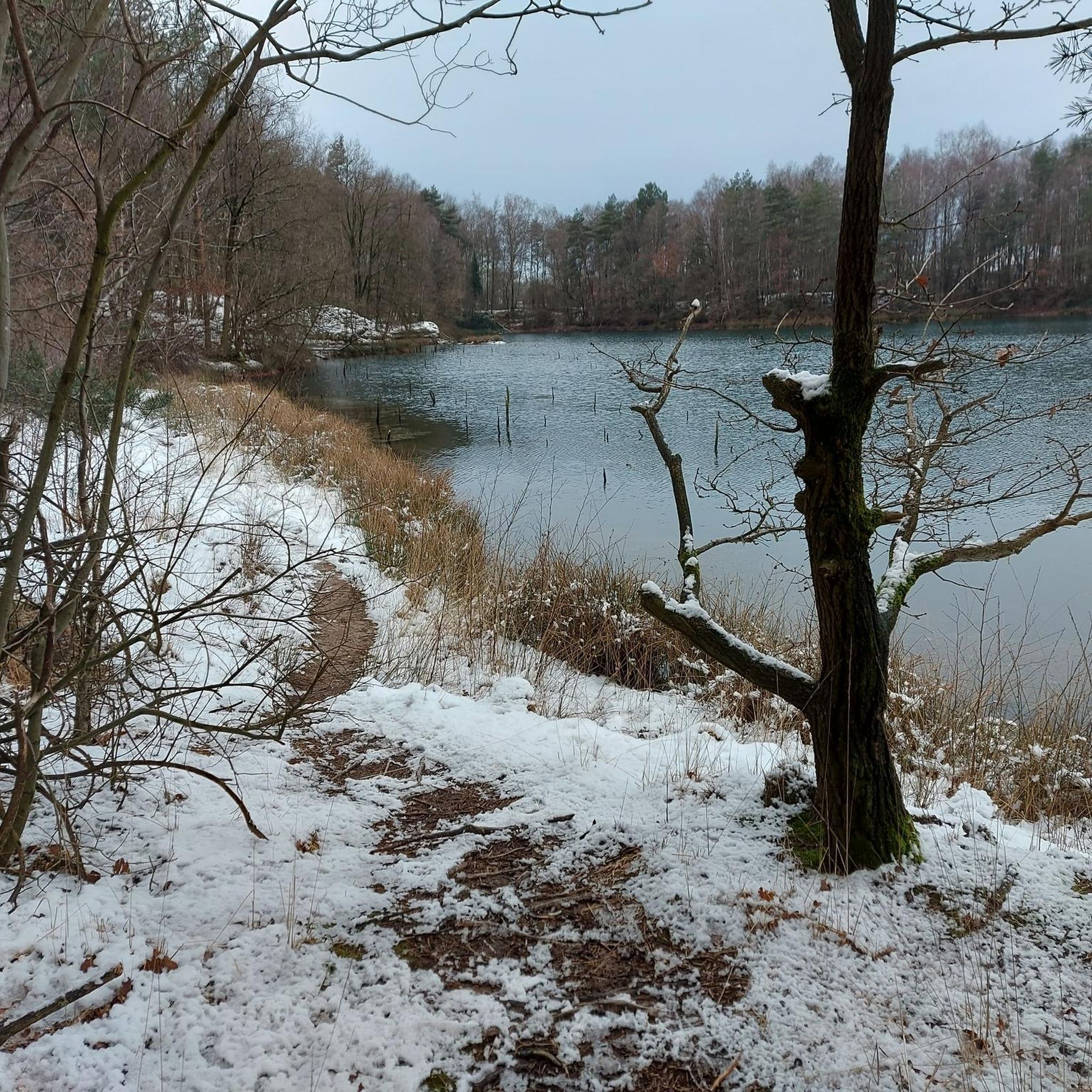
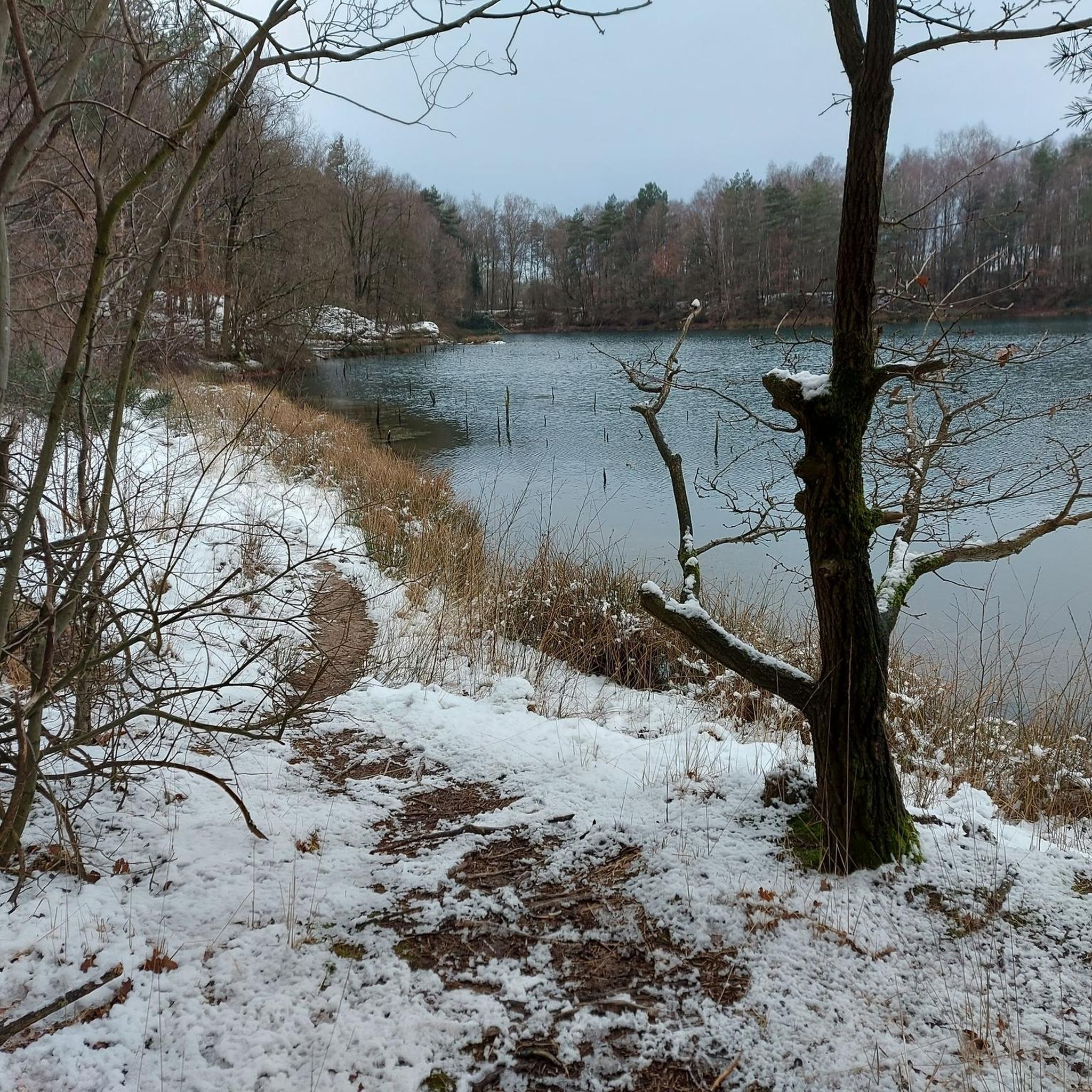
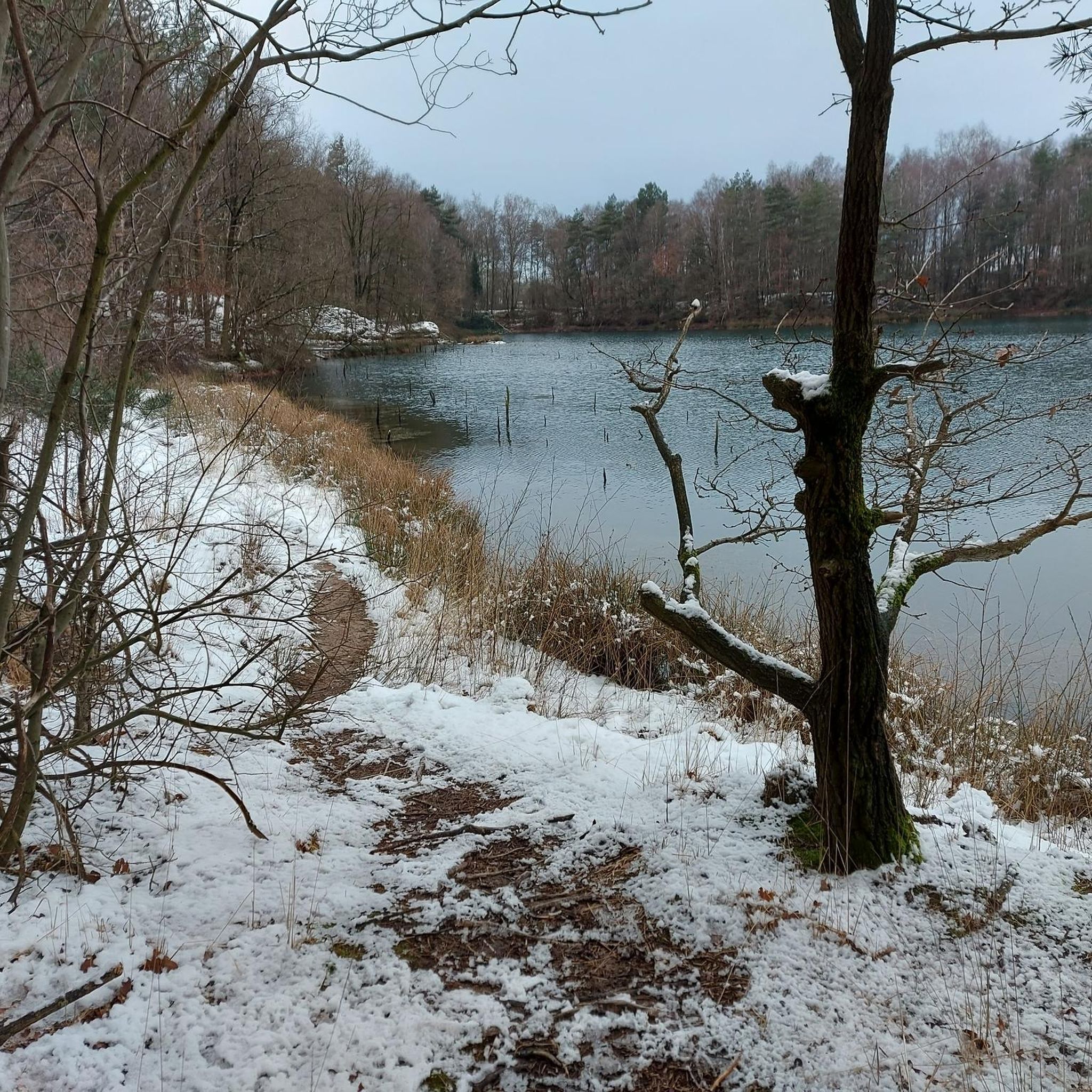
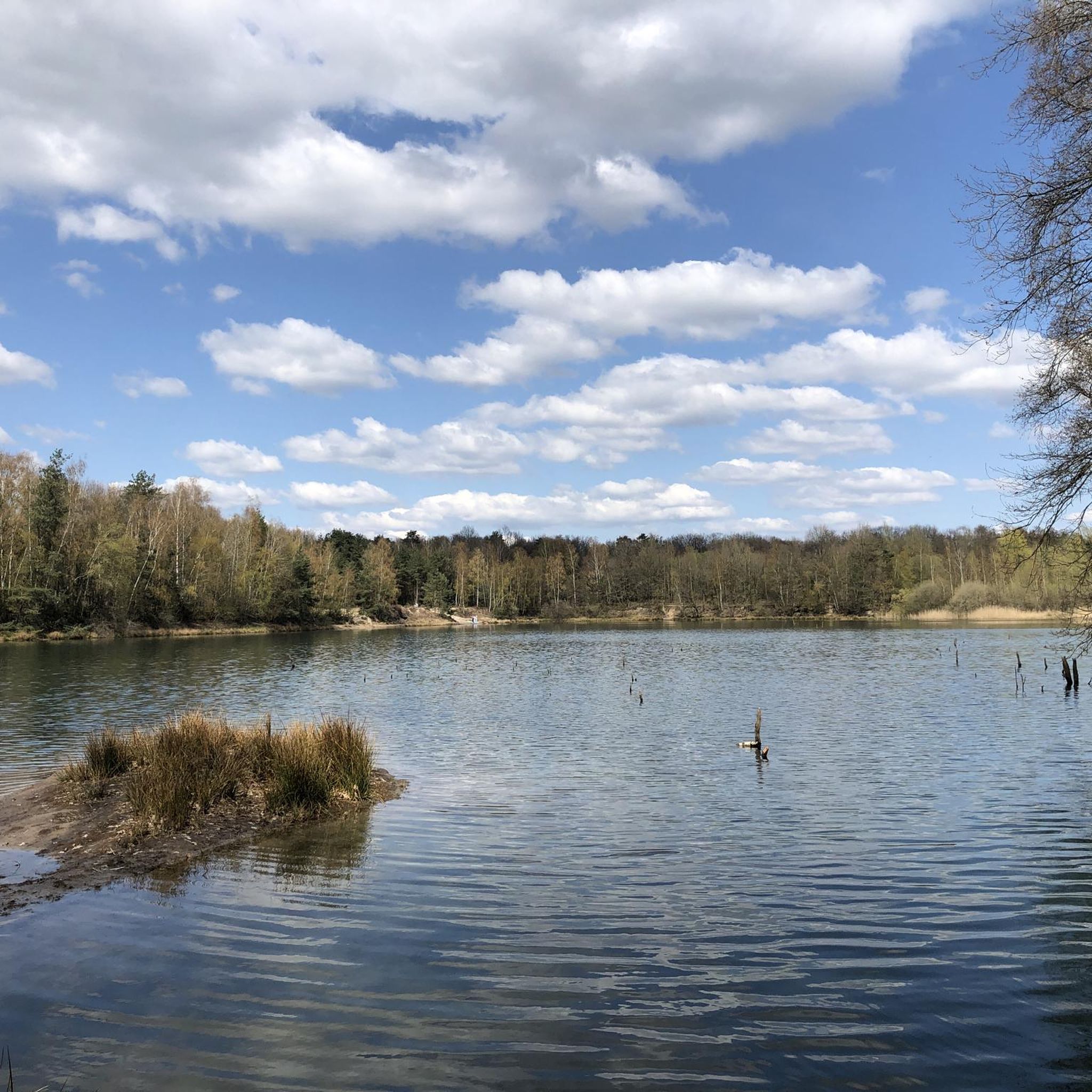

Tips from the Community

Very beautiful castle almost in the center of Oostmalle and yet surrounded by tranquility
0
0

There are also often events held here.
1
0

The castle is surrounded by a moat and an estate of approximately 70 hectares, including meadows and farmland. The castle is not open to the public due to its function as a prison. In the past, the castle also played a role in the Eighty Years' War, where it played a significant role in the battle between Spanish and Dutch troops, according to BENEGO.
6
0
The former castle of Hoogstraten, also known as Gelmelslot, is a castle with a rich history dating back to the 16th century. Today, the castle serves as a Penitentiary School Center (PSC), a penitentiary where inmates receive vocational training. The castle has served various purposes over the years. Built in the 16th century by Rombout II Keldermans, a renowned architect, it originally served a defensive purpose. In the 18th century, the castle was damaged by fire and later looted. After a period of decline, the castle was used as a beggar's asylum, agricultural colony, and refuge in the 19th century. Since 1931, it has been used as a Penitentiary School Center, the only penitentiary in Flanders where inmates systematically receive vocational training.
6
0

The original castle was built in the 15th century by Willem van Berchem. In 1542, this castle was destroyed by Maarten van Rossum. Jan van Renesse built the current castle and the outbuildings a few years later. The architect was Hendrik Lambrechts. Many important people visited, such as Emperor Charles V, William the Silent and Margaret of Parma. In the following centuries, the castle was plundered several times and used as a residence for warring troops. Finally, it fell into disrepair. In 1793, the upper court and the farm were demolished. In 1830, the de Renesse family disappeared from the castle: Count Clément de Renesse-Breidbach sold the whole to Viscount Leonard du Bus de Gisignies. He had the service buildings converted into a country house. He also expanded the entire domain and had an English garden laid out in the park. Among other things, the giant sequoias were planted at that time. His son Bernard Amé du Bus de Gisignies and grandson Bernard du Bus de Gisignies continued to manage the domain. Bernard du Bus de Gisignies became mayor of Oostmalle. His daughter Isabelle married Count Maximilien de Renesse-Breidbach in 1896. The castle thus came back into the hands of the de Renesse family. In 1920, the castle was renovated in Flemish neo-Renaissance style. In 1941, part of the western wing was bombed to pieces by the British. This part was not restored. Later, Count Thierry de Renesse also became mayor of Oostmalle. After his death in 1973, negotiations began on the purchase of the castle by the municipality. In 1983, the municipality bought the castle and part of the domain. The Flemish Region bought the remaining 33 hectares. In 1985, the management of the castle and the entire domain was transferred to the specially established non-profit association Domein de Renesse. Since 1982, the castle has been protected as a monument.[1] Source: Wikipedia
7
0
In 1914, Baron Alfons van der Straten Waillet inherited the castle. By dividing it among his children, it passed to his 4th son, Baron Jacques van der Straten Waillet, in 1973. In 1978, the castle, which has perfectly preserved its appearance from 1561, was protected as a monument. After the death of Baron Jacques van der Straten Waillet in 1984, the castle was inhabited by his widow, born Countess Christiane de Lannoy, and his sister, Lady Marie-Josephe van der Straten Waillet. After the death of the baroness in 2022, the castle was put up for sale. The asking price was 3.8 million euros. The municipality of Malle decided to purchase the castle after a survey among its residents. This purchase was largely financed by the Kempens Landschap Foundation. Source Wikipedia
7
0
In 1695, the last heir of the Cottereau family owed a lot of money to Pierre Farisau, and later to his heir Filips Robijns. In 1702, the castle was claimed by the creditors, but the court returned the castle to Lady Moytray, the widow of the Cottereau. In 1738, her brother inherited the castle and it was sold to the heirs of Filips Robijns. The castle then had the appearance of a fortified castle with a monumental gate, drawbridge, double rampart and forecourt. These heirs sold the castle to Jacques Benoit Pauwens in 1743. The Pauwens family lived in the castle until 1847. In 1829, Baron de Norman renovated the castle. His children sold the castle in 1848 to an Antwerp diamond merchant, Mr Bovie. He renovated the castle and a garden was created by the landscape architect Koelich. From 1874 to 1878 the castle belonged to Louis Geelhand. Baron de Turck de Kersbeeck bought the castle in 1878 and had the building restored and renovated by architect Schadde.
8
0
Frequently Asked Questions
Does Rijkevorsel have any castles that can be visited?
Rijkevorsel itself does not feature publicly accessible traditional castles. The historical Kasteel van Rijkevorsel was demolished centuries ago, and the De Hees hunting estate is private property, not accessible to the public.
Which castles can I visit near Rijkevorsel?
While Rijkevorsel itself doesn't have public castles, you can explore several historical sites nearby. These include Westmalle Castle, Castle de Renesse, and Zoerselhof Castle. The Castle of the Dukes of Brabant (Turnhout) is also a notable historical site.
Are there family-friendly castles to visit near Rijkevorsel?
Yes, several castles near Rijkevorsel are considered family-friendly. Westmalle Castle, Castle de Renesse, Zoerselhof Castle, and the Castle of the Dukes of Brabant (Turnhout) are all listed as suitable for families.
What is the history behind Westmalle Castle?
Westmalle Castle originated as a fortified farm around 1100. The current castle was built in 1561 by Evrard de Cottereau. It has a rich history of ownership changes and renovations, and its 1561 appearance has been perfectly preserved. The castle has been classified as a monument since 1978.
What is unique about Castle de Renesse?
Castle de Renesse has a turbulent history, with the original 15th-century structure destroyed in 1542. The current castle was built shortly after. It has hosted important figures like Emperor Charles V and William the Silent. The domain features an English garden with ancient trees, including giant sequoias, planted in the 19th century.
What kind of historical sites are found around Rijkevorsel?
The area around Rijkevorsel is known for various historical buildings, manor houses, and old estates. These sites showcase diverse architectural styles and historical periods, with structures dating from the 12th to the 18th century. Examples include Westmalle Castle and the Castle of the Dukes of Brabant in Turnhout.
Can I visit the Hoogstraten Prison (Former Castle)?
The Hoogstraten Prison (Former Castle), also known as Gelmelslot, is a historical site dating back to the 16th century. However, due to its current function as a Penitentiary School Center, it is not open to the public.
Are there hiking trails near the castles around Rijkevorsel?
Yes, there are numerous hiking opportunities in the region. For example, you can find routes like the Duivelskuil Pond – Eksterheide Boardwalk loop or the Kievitsheide Nature Reserve loop. You can explore more hiking trails around the area on the Hiking around Rijkevorsel guide.
What other outdoor activities can I do near these castles?
Beyond hiking, the region offers various outdoor activities. You can find gravel biking routes, such as the Warandeplas – 14 Chapels loop, or running trails like the Eksterheide Nature Reserve loop. For more details, check the Gravel biking around Rijkevorsel guide and the Running Trails around Rijkevorsel guide.
What do visitors appreciate most about the castles around Rijkevorsel?
Visitors appreciate the insights into the region's historical architecture and past that these sites offer. The castles and estates showcase various architectural styles and historical periods, often set within natural landscapes. The komoot community has shown significant interest, with more than 230 upvotes and 48 photos shared for these highlights.
What is the significance of Zoerselhof Castle?
Zoerselhof Castle is a historical site with origins dating back to a farm mentioned in 1287. The current building, constructed in 1787 by Bonifacius De Wolf, served the abbots of Hemiksem monastery. It has since had various uses, including a children's home and hotel, reflecting its long and varied history.
Is the Castle of the Dukes of Brabant in Turnhout still in use?
Yes, the Castle of the Dukes of Brabant in Turnhout, originally a 12th-century hunting lodge, has been rebuilt multiple times and now serves as a court. It's a living piece of history in the center of Turnhout, having survived sieges and periods of disrepair to be thoroughly restored in the early 20th century.
Most popular routes around Rijkevorsel
Most popular attractions around Rijkevorsel

Get inspired with the komoot mobile app


Explore more
Looking for the best castles somewhere else? Discover other guides around Rijkevorsel:
