Top 3 Caves around Haaltert
Caves around Haaltert are primarily man-made grottoes, reflecting the region's geological composition. Haaltert is situated in East Flanders, an area characterized by marine clay and sand formations, which do not support the development of natural cave systems. The geology of Haaltert differs significantly from the limestone regions of Belgium, where extensive natural caves are found. The local "caves" are often religious sites, constructed as replicas of famous grottoes.
Best caves around Haaltert
- The most popular caves is Poelk Grotto,…
Last updated: June 30, 2026
Poelk Grotto
Highlight • Religious Site
Translated by Google •
Tip by

Our Lady of Lourdes Grotto Breivelde
Highlight • Religious Site
Translated by Google •
Tip by

Sign up now to discover places like this
Get recommendations on the best single tracks, peaks, & plenty of other exciting outdoor places.
Sign up for free
Cotthem Grotto
Highlight • Cave
Translated by Google •
Tip by

Lourdes Grotto with Processional Path
Highlight • Religious Site
Translated by Google •
Tip by

Grotto Chapel of Omloopstraat
Highlight • Religious Site
Tip by

Start today with a free account
Your next adventure awaits.
Login or Signup
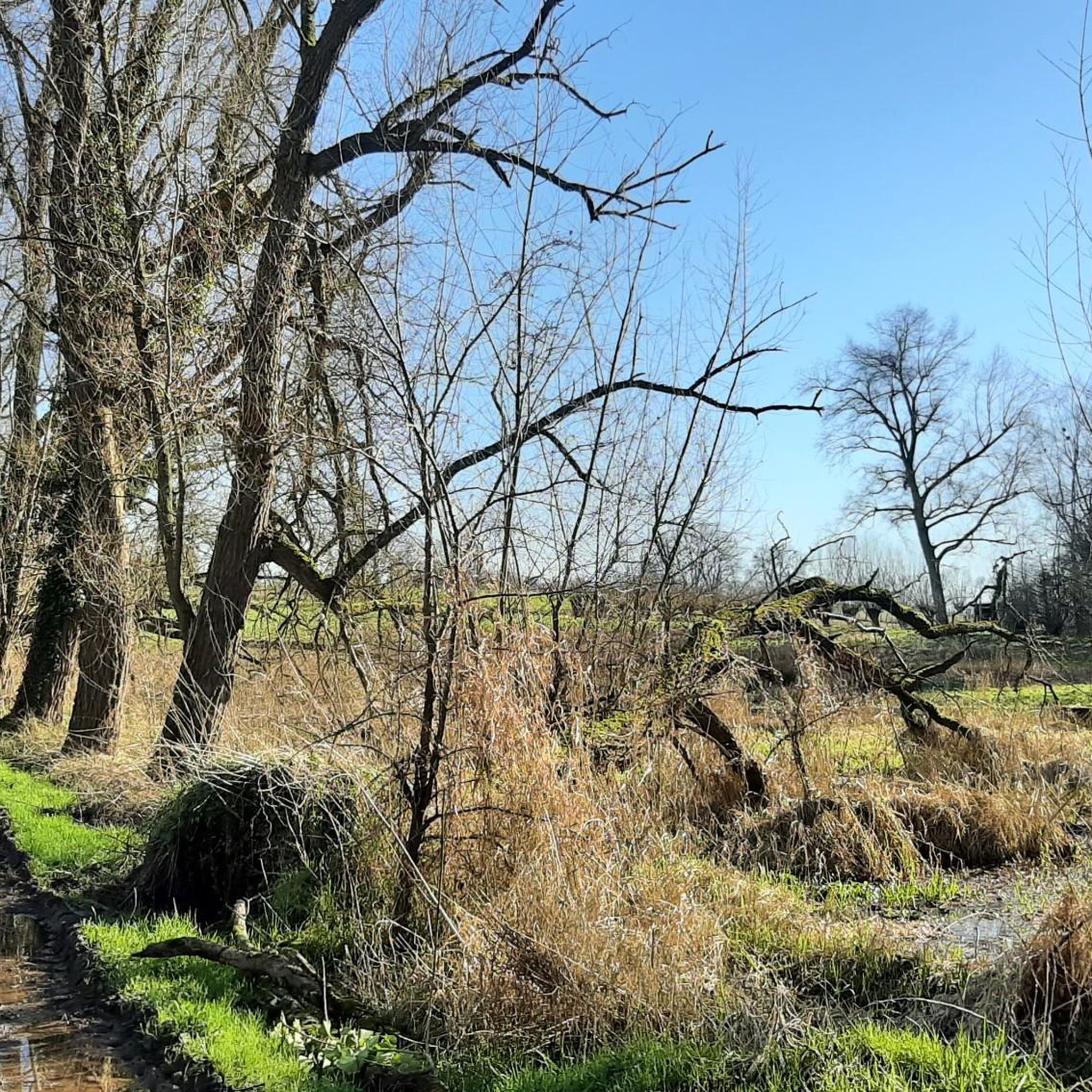
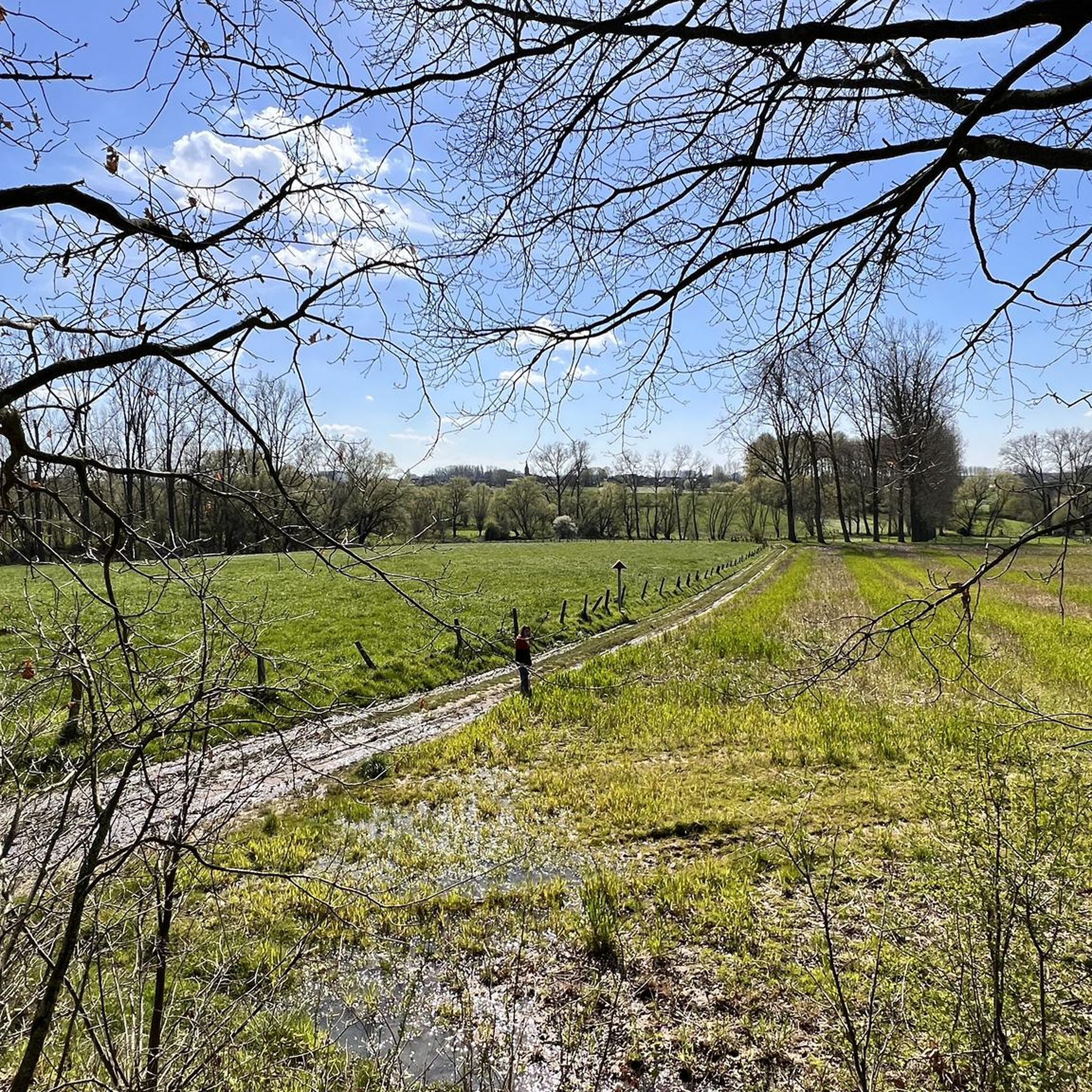
Tips from the Community

The Grotto of Poelk, located at the intersection of Grotstraat and Omloopstraat in the hamlet of Poelk (Roosdaal), is a Marian grotto that is a replica of the famous grotto in Lourdes. Founded in the 19th century by local residents, the grotto was built with sandstone from a demolished castle in the area and the statue of Mary was given a prominent place thanks to a donation from the family of mayor Frans Tondeurs. Since its foundation, the grotto has been a popular place of pilgrimage, where candle processions and Eucharistic celebrations take place every year in May, especially on Ascension Day.
1
0

This Lourdes cave belongs to the Franciscan monastery (since 1875) that is located behind the Sint-Pieters-Banden and Sint-Berlindis churches. The cave was built on the initiative of August De Rouck, who lived in the country house on the Breivelde Domain and was also one of the most important financiers of the construction of the church. The cave is a beautiful example of so-called cement rustic as it was applied to places of pilgrimage. The entrance gate in the brick wall is trimmed with rockwork. On the ground floor there is a small chapel whose walls and ceiling are covered with imitation of rockwork and stalactites and where a door next to the altar gives access to the monastery. Above this chapel is an artificial 'mountain' with rockwork, largely hidden behind busy vegetation, with a statue of Our Lady in a niche and in front of it a statue of a kneeling Bernadette. On the right wall in the chapel hang a number of ex-votos, objects that serve as a support for supplication and/or as a thank you to God or a saint for a favor received. Source: https://inventaris.onroerenderfgoed.be/erfgoedobjecten/208919
2
0

An artificial grotto dedicated to Our Lady of Lourdes. The people's shrine was built in 1879 in Tournai natural stone, which was transported from the Scheldt in Wetteren by horse and cart. Opposite the cave, seven brick chapels were built in 1954 containing representations of the seven joys of Mary. The domain experienced its peak in the 1950s and 1960s when hundreds of believers attended the solemn May celebrations. In recent years, 'De Rots' has mainly become a place of silence for people who seek solace in religion and nature. After volunteers had refreshed the sanctuary in recent years, a new, wheelchair-friendly access road has recently been constructed with a permeable paving on both sides for parking. The weathered chapel circuit has also been completely renovated.
2
0
The Marian Cave, built in a bend of the Cotthem road in Sint-Lievens-Houtem, is an artificial cave from the Marian year 1954. It is a fairly large elaborate cave with two levels between green plantations. In recent years, the copy of the Lourdes Grotto became overgrown by plants. Stones crumbled and the statues of Mary and Bernadette no longer had any appearance. In 2016, the cave was renovated by volunteers from Okra Oombergen and rededicated by pastor Paul De Neve.
1
0

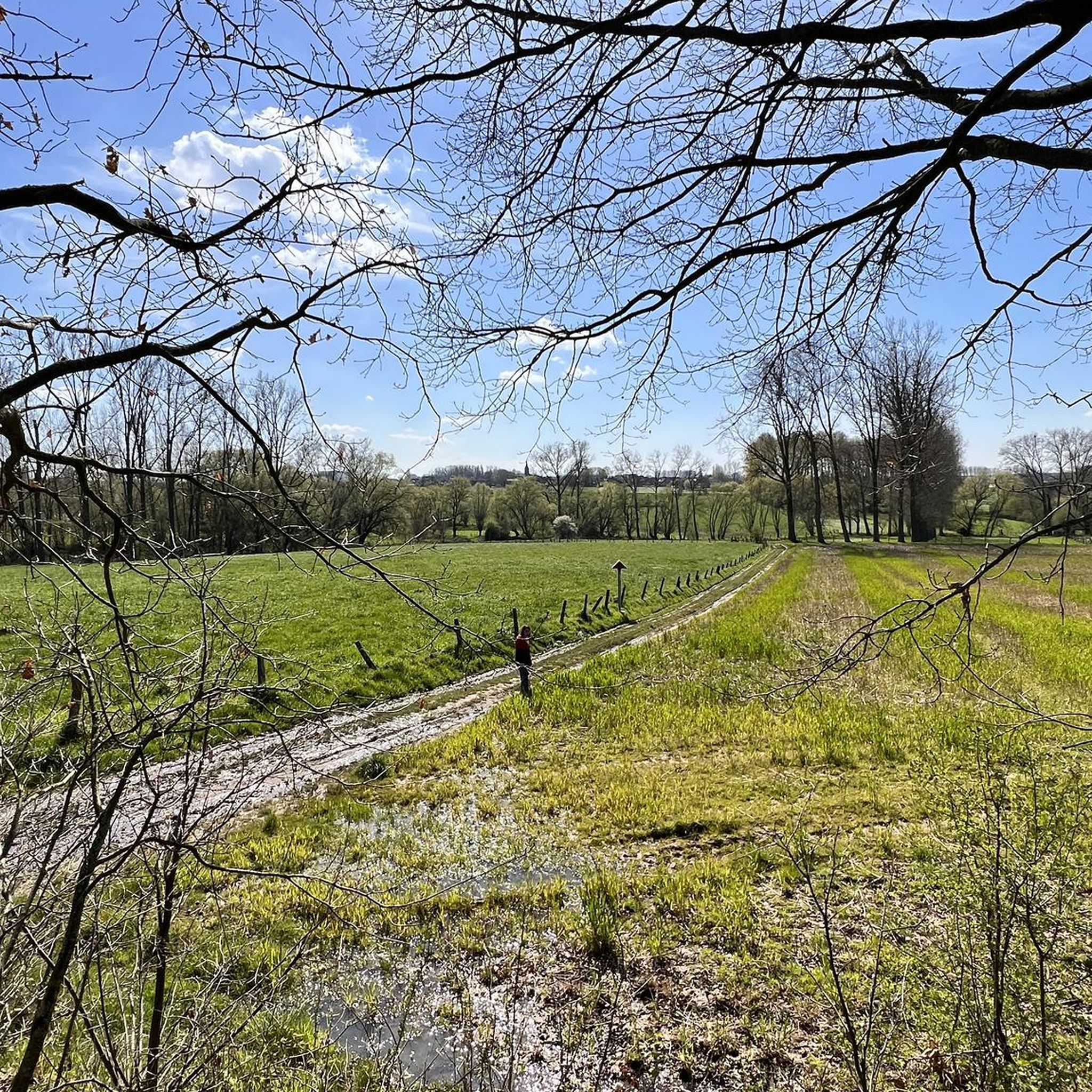
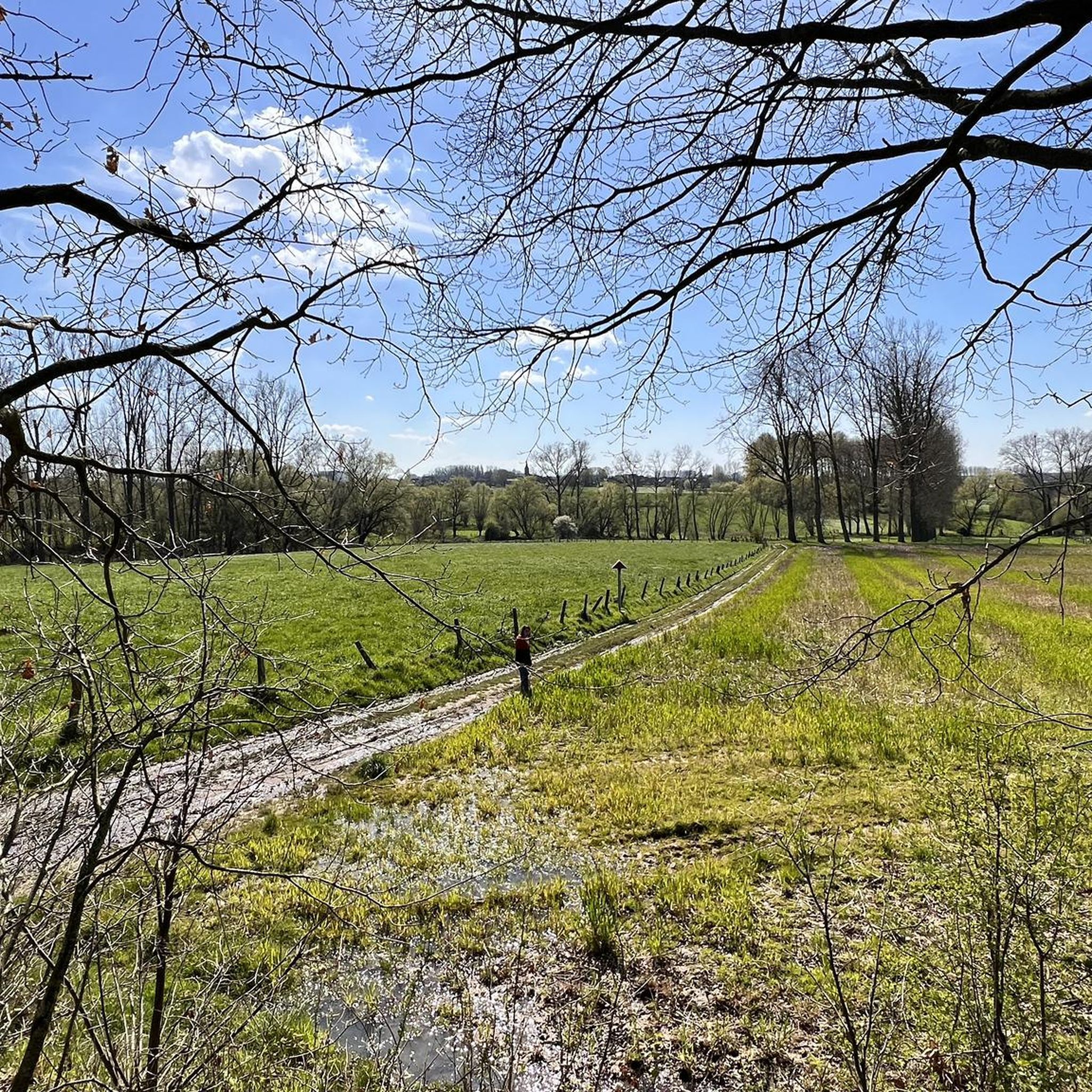
Beautiful, quiet and green environment. Recommended for cycling or walking with the proximity of Cotthembos and the Oomberg forests.
0
0

very beautiful authentic place at the foot of the Flemish Ardennes
4
0

Place to pray before the climb to cafe 'Den Haas'
4
0

This cave was inaugurated on May 25, 1976. Later, a woman with a large family testified that she had seen an apparition there: a bright light with a female statue in a meadow. The woman's family, friends and acquaintances built a faithful copy of the Lourdes cave on that site, in natural stone. A procession is held here every year.
13
0
Frequently Asked Questions
What kind of caves can I expect to find around Haaltert?
The 'caves' around Haaltert are primarily man-made grottoes, often religious sites built as replicas of famous grottoes like Lourdes. The region's geology does not support the formation of natural cave systems.
Are there any natural caves in the Haaltert region?
No, there are no significant natural caves in the Haaltert region. The local geology, consisting mainly of marine clay and sand, is not conducive to the formation of the extensive natural cave systems found in other parts of Belgium, such as the limestone regions of Wallonia.
Which are some of the most visited grottoes around Haaltert?
Popular grottoes include Poelk Grotto, a faithful copy of the Lourdes cave and a pilgrimage site, and Cotthem Grotto, an artificial Marian Cave with two levels set amidst green plantations.
Are the grottoes around Haaltert family-friendly?
Yes, many of the grottoes, such as Poelk Grotto and Cotthem Grotto, are considered family-friendly. They offer peaceful settings for reflection and are generally accessible for visitors of all ages.
Is there an accessible grotto for wheelchair users in the area?
Yes, the Lourdes Grotto with Processional Path has recently been renovated to include a new, wheelchair-friendly access road, making it accessible for visitors with mobility needs.
What kind of historical significance do these grottoes hold?
Many grottoes, like Cotthem Grotto (built in 1954) and the Lourdes Grotto with Processional Path (built in 1879), are historical sites reflecting local religious devotion and community efforts over decades. They often serve as places of pilgrimage and quiet reflection.
What outdoor activities can I do near the grottoes in Haaltert?
The area around Haaltert offers various outdoor activities. You can find numerous routes for cycling, hiking, and running. Popular options include cycling routes like the 'Molen Te Rullegem – Den Dotter Nature Reserve loop' or hiking trails such as the 'Hollow Way – Gentsestraat Field Path loop'.
Are there any grottoes that offer a viewpoint?
Yes, the Grotto Chapel of Omloopstraat is a religious building that also serves as a viewpoint, accessible via a climb. It offers a pleasant location for visitors.
How much time should I plan for visiting a grotto?
Most grottoes are relatively small and can be explored in a short amount of time, typically 30 minutes to an hour, allowing for quiet contemplation or appreciation of their architecture. If you combine it with nearby walking or cycling, you can extend your visit.
What do visitors appreciate most about the grottoes in Haaltert?
Visitors often appreciate the peaceful and authentic atmosphere of these sites. Many find them to be beautiful, quiet places for reflection, often set amidst green surroundings. The community has shared over 20 photos and given more than 90 upvotes for these unique man-made attractions.
Are there any specific events or traditions associated with these grottoes?
Yes, some grottoes, like Poelk Grotto, are popular pilgrimage sites where candle processions and Eucharistic celebrations take place annually, especially in May and on Ascension Day.
Most popular routes around Haaltert
Most popular attractions around Haaltert

Get inspired with the komoot mobile app


Explore more
Extend your search for the best caves by checking out these guides of the top ones around Haaltert:
