Top 8 Castles around Wellin
Castles around Wellin, a municipality in the Belgian province of Luxembourg, offer a rich architectural heritage. The area features historical residences and picturesque villages, providing a glimpse into centuries of regional history. Wellin is characterized by its local limestone architecture and integration into the Ardennes landscape. Visitors can explore the historical context and external grandeur of these sites within their natural surroundings.
Best castles around Wellin
- The most popular castles is Resteigne Castle, a castle that is a sturdy…
Last updated: August 24, 2026
Mirwart Castle
Highlight • Castle
Castle is …
Showing Translation
Tip by

Lavaux-Sainte-Anne Castle
Highlight • Castle
Translated by Google •
Tip by

Sign up now to discover places like this
Get recommendations on the best single tracks, peaks, & plenty of other exciting outdoor places.
Sign up for free
Resteigne Castle
Highlight • Castle
Translated by Google •
Tip by

Porcheresse Castle
Highlight • Castle
Translated by Google •
Tip by

Castel Sainte-Marie Ruins
Highlight • Castle
Translated by Google •
Tip by

Sign up for free to discover even more castles around Wellin.
Sign up for free
Already have an account?
Start today with a free account
Your next adventure awaits.
Login or Signup
Tips from the Community

A castle steeped in history. Nearby (less than 3km away) are the ruins of Baron Hofschmidt's Hermitage, featuring famous poems by Lamartine, Boileau, and others, engraved directly into the rock with exceptional calligraphy.
0
0

The Château de Beauraing is located in the park of Castel Sainte-Marie, a few hundred metres from the city centre. It is possible to enter the park to view the exterior of the towers, walls and outbuildings of the castle, but it is not possible to visit the interior. This old castle was built in the 13th century. It was destroyed and rebuilt several times over the centuries. However, it was the family of the Duke of Osuna, in the 19th century, who gave it a sumptuous appearance. Unfortunately, the castle was destroyed by fire in 1889. Since then, it has only been partially renovated.
1
0

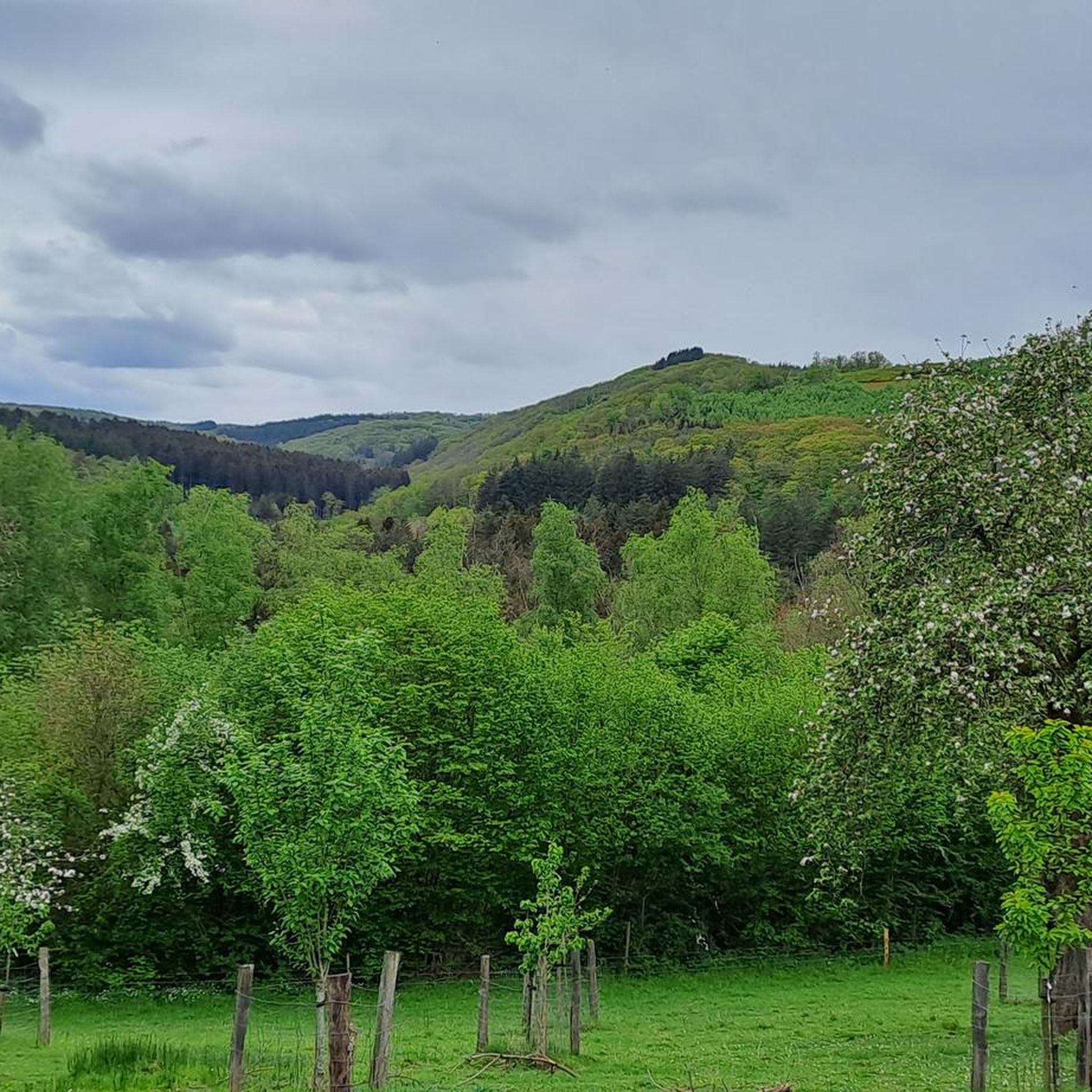
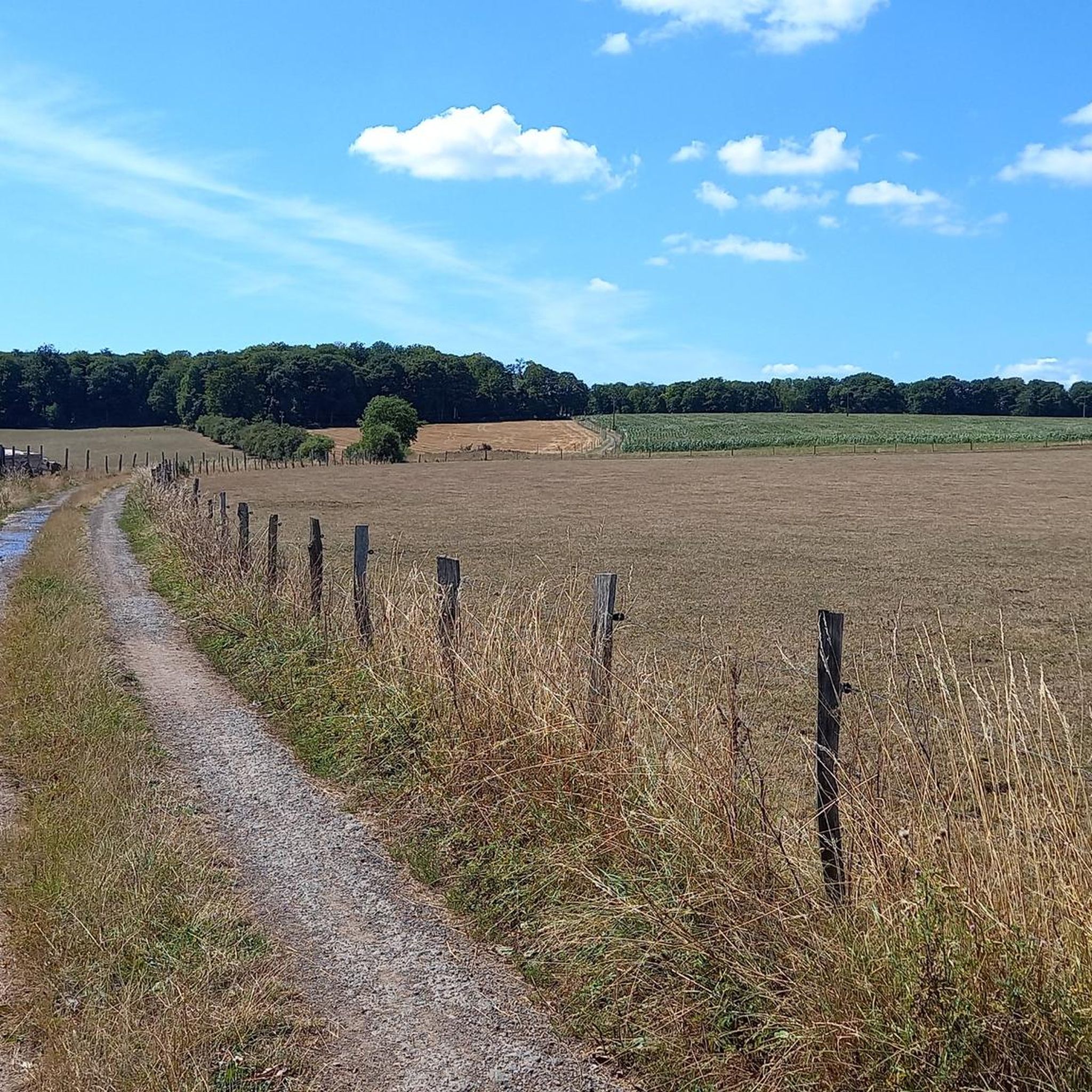
Very beautiful, very quiet, no motorized vehicles.
2
0

Resteigne Castle is a sturdy 18th-century castle located near the picturesque bridge over the Lesse River. It has a long and rich history, dating back to the 12th century, when it belonged to the Loraine family. It has changed hands several times over the centuries, passing to the Berlo, Mérode, Rouveroy, and Hoffschmidt families. The castle is now privately owned but can be rented for events and weddings.
4
0

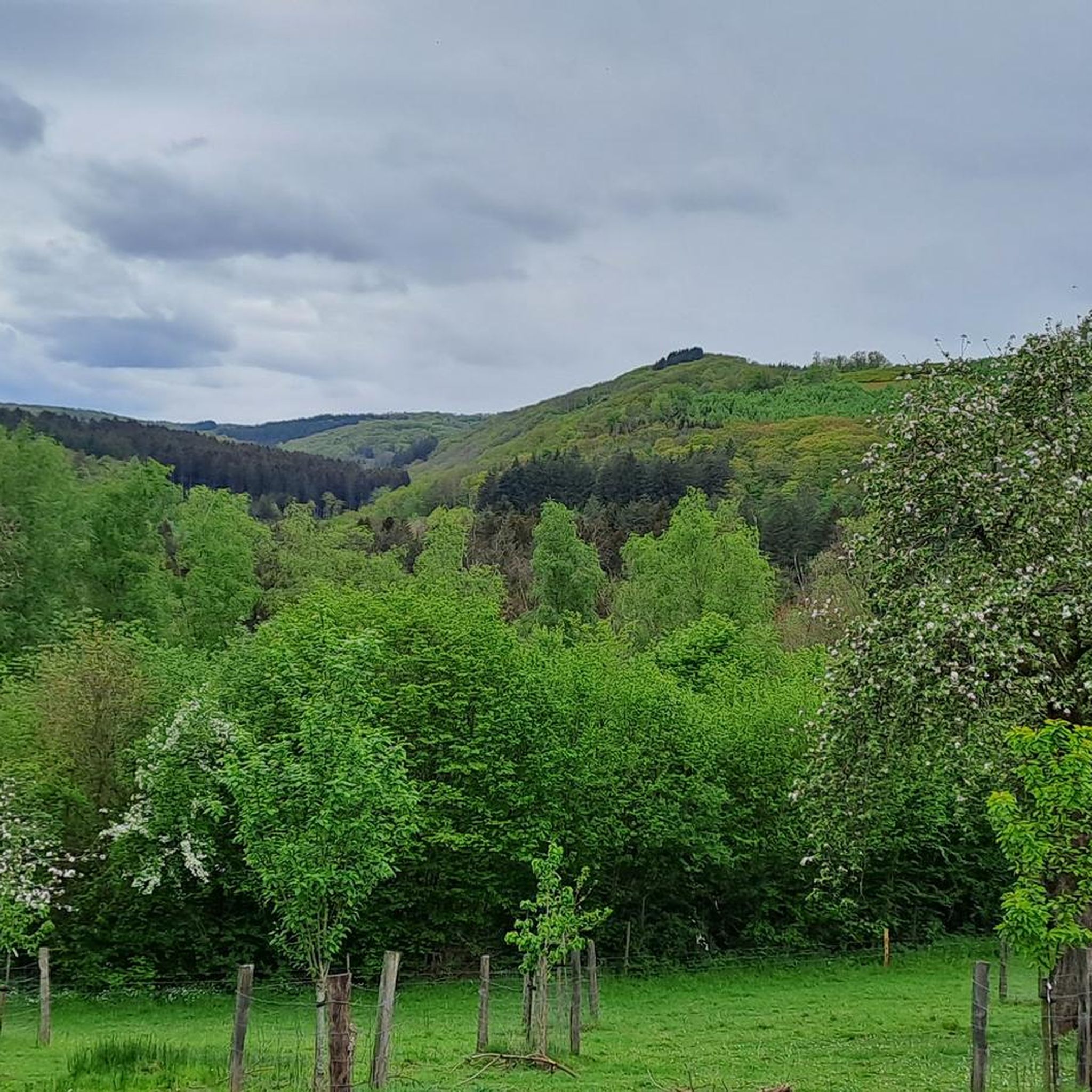
Information board where extensive explanation is given about Porcheresse and its inhabitants before the tragedy of the Great War. In 1914 Porcheresse is a village of clog makers. The inhabitants live mainly from agriculture. the construction of the tram connection opens up new possibilities. However, their living conditions will change dramatically due to the impending war. It is a small village with 460 inhabitants, located in an open place in the forest. THE area is hilly, crossed by the Lesse and the Almache. What do the inhabitants live on? Around 1900, 70% of men were clog makers in their main or secondary occupation. In the lower part of Porcheresse, along the Almache, mills for grain and oil, a sawmill, a tannery and a paper mill were also under development. In short, the inhabitants lived from agriculture and iron mining. How do the inhabitants move? After a long period of containment, the village was connected in 1908 to the tram line Rochefort-Wellin-Graide, as well as to the railway.
6
0
The castle of Porcheresse bears witness to the village's feudal past. this used to be the residence of the noble lord who imposed duties and taxes on the villagers. The castle stood in "la ruelle du Seigneur" (road to Daverdisse), later opposite the farmer's court "Moniotte". The castle was demolished at the beginning of the 19th century and rebuilt on its current site. The castle was destroyed again in 1914 and was rebuilt in 1919 - 1920 in Second Empire style.
6
0

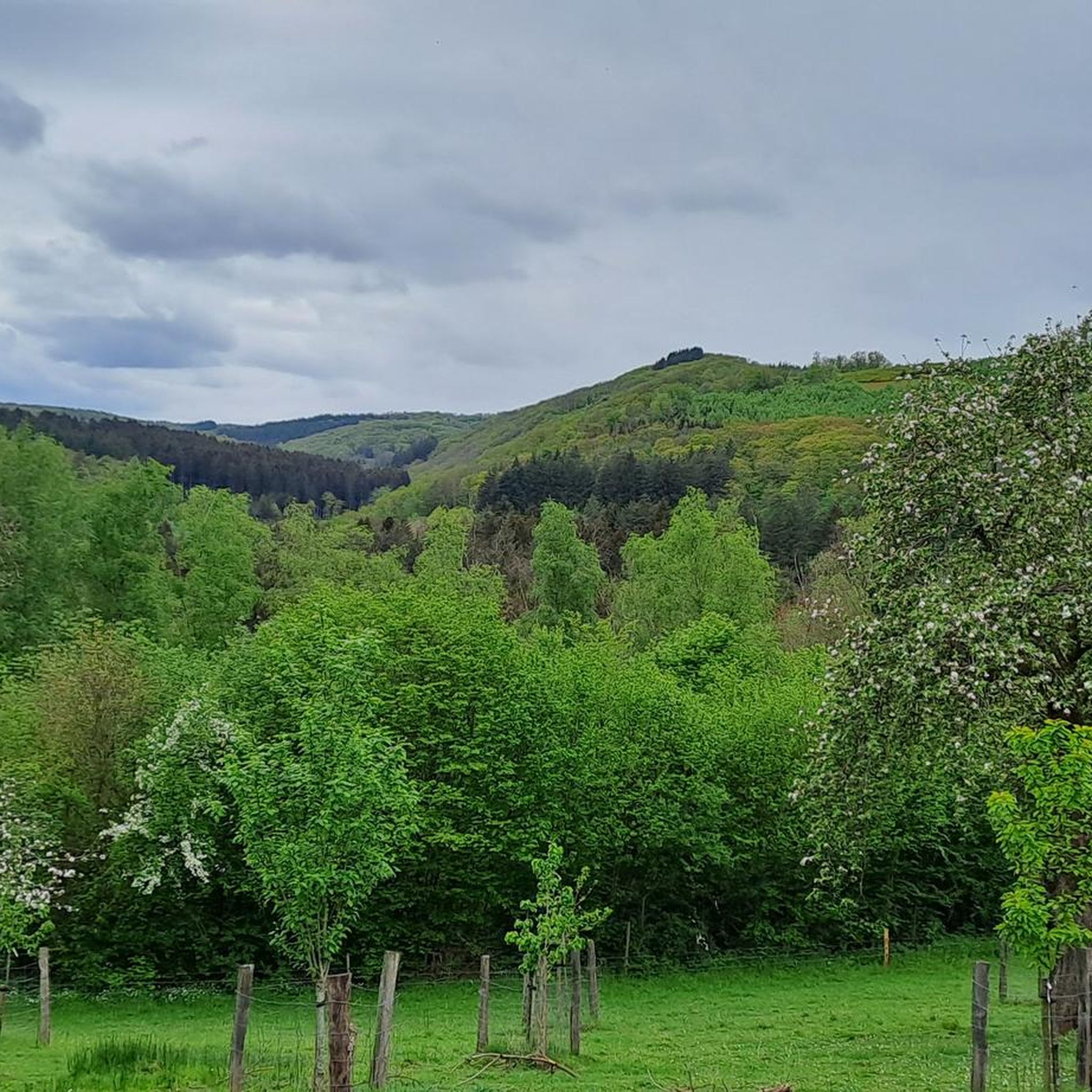
The Castel was partly devastated by a tornado in 2021. It was closed for a long time due to deforestation work. It is now open.
3
0

The castle of Lavaux-Sainte-Anne is located in Wallonia in Lavaux-Sainte-Anne (5580) in Belgium near Rochefort, in the province of Namur. In 1450, Jean II de Berlo ordered the construction of this castle. From century to century, the building was reinforced and renovated. Lavaux-Sainte-Anne did not occupy a very strategic position for long. In Roman times, the Famenne was crossed by several secondary roads. One of them, coming from Givet and continuing towards Ave-et-Auffe, passed through Lavaux about a hundred meters north of the castle. It was bordered by villas like those discovered at Genimont or by fortresses like that of Eprave. The creation of the Principality of Liège will make the Lavaux region a border zone with the neighboring Duchy of Luxembourg. This border is protected by fortresses like Agimont, Revogne, Lavaux and Rochefort. The lords of this period came from the “de Wellin” family. The first known mention of Lavaux dates from 1244; Jacques de Wellin is title of Lavaux during his lifetime.
5
0
Frequently Asked Questions
Can I visit the Château de Wellin or Château de Sohier?
The Château de Wellin (also known as Maison Demblon) and the Château de Sohier are both private properties and are generally not open to the public for interior visits. However, you can appreciate their external grandeur and historical context from public areas. The village of Sohier, where the Château de Sohier is located, is recognized as one of the 'Most Beautiful Villages of Wallonia' and offers an interpretive tour with views of the castle from the outside. Wellin also has a rich built heritage with many buildings constructed from local limestone, including the Château de Wellin.
Are there family-friendly castles to visit around Wellin?
Yes, Lavaux-Sainte-Anne Castle and Porcheresse Castle are both noted as family-friendly options. Lavaux-Sainte-Anne Castle is a well-preserved medieval fortress, while Porcheresse Castle, rebuilt in the Second Empire style, offers insights into the village's feudal past.
What kind of historical insights can I gain from visiting castles in the Wellin region?
The castles around Wellin offer a glimpse into centuries of regional history. For example, Resteigne Castle has a history dating back to the 12th century, changing hands among noble families. Lavaux-Sainte-Anne Castle showcases how buildings were reinforced and renovated over centuries, reflecting its strategic importance. Even the private Château de Sohier demonstrates architectural evolution from defensive origins to a pleasure residence.
Are there any castle ruins I can explore near Wellin?
Yes, you can visit the Castel Sainte-Marie Ruins. This site features the remains of a 13th-century castle that was destroyed and rebuilt several times, notably by fire in 1889. While the interior is not accessible, you can enter the park to view the exterior of the towers, walls, and outbuildings.
What outdoor activities can I do near the castles around Wellin?
The Wellin region, nestled in the Ardennes, offers various outdoor activities. You can find numerous road cycling, touring bicycle, and running routes. For instance, there are road cycling routes like the 'Lavaux-Sainte-Anne Castle – Aqualesse Aquatic Centre loop' or touring bicycle routes such as the 'Almache River – Lesse Riverside Trail loop'. Runners can explore routes like the 'Mare de Sohier loop'. You can find more details on these activities in the Road Cycling Routes around Wellin, Cycling around Wellin, and Running Trails around Wellin guides.
Are there hiking trails near the castles in Wellin?
While specific hiking trails directly around each castle are not detailed, the region offers many opportunities for walks and runs. The village of Sohier, near the Château de Sohier, is known for its beauty and offers an interpretive tour. The Running Trails around Wellin guide lists routes that can also be enjoyed as walks, such as the 'Mare de Sohier loop'.
What is the best time to visit the castles and surrounding areas in Wellin?
The Ardennes region, including Wellin, is beautiful throughout the year. Spring and summer offer pleasant weather for exploring the castle exteriors and enjoying outdoor activities like cycling and running. The richly planted park of Château de Sohier, with its remarkable trees, would be particularly scenic during these seasons. Autumn brings vibrant foliage, while winter offers a different, often serene, landscape, though some outdoor activities might be more challenging.
What are some unique natural features near the castles?
The region around Wellin is rich in natural beauty. Resteigne Castle is located near the picturesque Lesse River. The Château de Sohier is set within a richly planted park that includes about fifteen remarkable trees listed in the Belgian dendrological inventory. Mirwart Castle overlooks the Lomme River from a rocky hill. The area's hilly terrain, crossed by the Lesse and Almache rivers, provides scenic backdrops for exploring.
Can I stay overnight in a castle near Wellin?
Mirwart Castle, located in a typical Ardennes village, was completely renovated in 2020 and now operates as a hotel-restaurant. This offers a unique opportunity to stay in a historic castle setting, though it can only be admired from a distance due to its private nature and ongoing restoration for events.
What are the most popular castles around Wellin according to visitors?
The komoot community highly appreciates several castles in the area. Resteigne Castle, a sturdy 18th-century structure near the Lesse River, is very popular. Lavaux-Sainte-Anne Castle, a significant historical site in Wallonia, is another favorite. Visitors also enjoy Mirwart Castle, situated on a rocky hill overlooking the Lomme River in a typical Ardennes village.
Is there parking available near the castles or starting points for walks?
While specific parking details for each castle are not provided, Wellin itself offers parking information. For exploring the villages and castle exteriors, it's generally advisable to look for public parking in the nearby towns or villages. For routes, starting points often have designated parking areas, especially for popular cycling and running trails listed in the komoot guides.
What is the architectural style of the castles in the Wellin area?
The castles around Wellin showcase a range of architectural styles reflecting their long histories. Resteigne Castle is a sturdy 18th-century structure, while Lavaux-Sainte-Anne Castle dates back to 1450 and has been reinforced over centuries. The private Château de Sohier blends ancient defensive origins with later transformations into a pleasure castle, featuring blue limestone construction and three towers. Porcheresse Castle was rebuilt in the Second Empire style after being destroyed in 1914.
Most popular attractions around Wellin

Get inspired with the komoot mobile app


Explore more
Looking for the best castles somewhere else? Discover other guides around Wellin:
