Top 9 Castles around Merbes-Le-Château
Castles around Merbes-Le-Château offer a glimpse into the region's rich history and architectural heritage. Merbes-Le-Château, a village with historical significance, is surrounded by areas featuring notable castles. These structures range from medieval fortresses to 19th-century châteaux, often set within scenic landscapes. The area provides opportunities to explore historical sites and natural environments.
Best castles around Merbes-Le-Château
- The most popular castles is Ham-sur-Heure Castle, a castle complex with origins in the 15th century. Its well-preserved architecture and picturesque garden make…
Last updated: May 3, 2026
Château d'Hourpes
Highlight • Castle
Translated by Google •
Tip by

Solre-sur-Sambre Castle
Highlight • Castle
Translated by Google •
Tip by

Sign up now to discover places like this
Get recommendations on the best single tracks, peaks, & plenty of other exciting outdoor places.
Sign up for free
Ham-sur-Heure Castle
Highlight • Castle
Translated by Google •
Tip by

Barbençon Castle
Highlight • Castle

Information board The Triumphs of Binche
Highlight • Monument
Translated by Google •
Tip by
Sign up for free to discover even more castles around Merbes-Le-Château.
Sign up for free
Already have an account?
Start today with a free account
Your next adventure awaits.
Login or Signup
Popular around Merbes-Le-Château
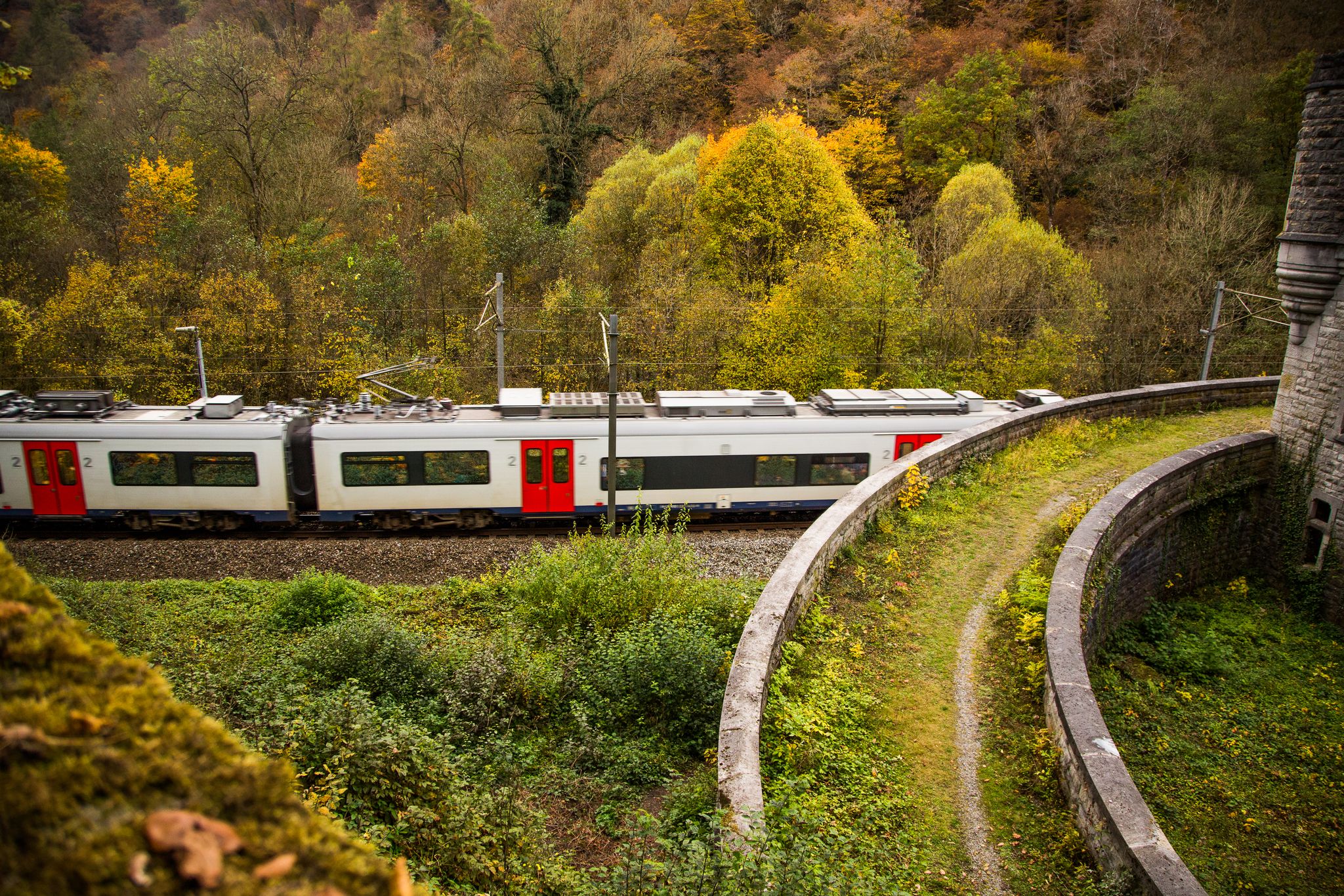
Other adventures around Merbes-Le-Château

Tips from the Community

The Château de Ham-sur-Heure is a historic castle complex with origins in the 15th century, located in the centre of the village of Ham-sur-Heure. This well-preserved building, with its robust towers and elegant Renaissance facades, has undergone various modifications over the centuries. Surrounded by a picturesque garden and a wide moat, it is an impressive example of Walloon castles and an atmospheric place to explore the history of the region.
5
0

The Triumph of Binche was an extravagant celebration of the Habsburg Monarchy from August 22 to 30, 1549 in Binche and Mariemont. The hostess, regent Mary of Hungary, received her brother Emperor Charles V and his son Philip, who was presented as the future heir to the throne in the Netherlands. This celebration is still repeated at the end of August.
8
0
The Château de Marie de Hongrie, also known as the Palace of Binche, is a former royal residence located in Binche. The medieval castle and subsequent Renaissance palace served as a residence for the counts of Hainaut, the dukes of Burgundy and the Habsburg rulers of the Netherlands. The palace was built between 1546 and 1549 by order of Queen Maria of Hungary, governor of the Netherlands. It was one of the first Renaissance palaces in the Low Countries, intended to rival the French Palace of Fontainebleau. It was destroyed in 1554 by soldiers of King Henry II of France. Today, only some medieval walls and foundations of the castle and palace remain.
8
0


You can read the information provided in French, Dutch or English. Very interesting !
6
0
Very interesting to read. You can choose from three languages: French, Dutch or English.
6
0

Built towards the end of the 13th century, located near an enclave of the principality of Liège, the castle defended the border. Important witness to the medieval military architecture of Hainaut.
0
0

This is not entirely correct and the source is not credible. Thomas Bonehill died in 1858 and therefore cannot have started the construction of the castle in 1887. It was his son Emile who initiated it (for his daughter Elisa, information to be validated).
3
0
Frequently Asked Questions
What types of castles can I explore around Merbes-Le-Château?
The region offers a diverse range of castles, from medieval fortresses to 19th-century châteaux and water castles. You can find examples like the 15th-century complex of Ham-sur-Heure Castle, the unique 19th-century Château d'Hourpes, and the impressive water castle of Solre-sur-Sambre Castle.
Are there any castles near Merbes-Le-Château that are publicly accessible?
Many of the notable castles in and around Merbes-Le-Château, such as Château Durot (Château de la Roquette), Château d'Hourpes, and Solre-sur-Sambre Castle, are privately owned and not open for public visits. However, their exteriors can often be appreciated from nearby public areas or routes. Ham-sur-Heure Castle is a complex with origins in the 15th century that is generally more accessible for exploration.
What is the best time of year to visit castles in this region?
Visiting in autumn can be particularly scenic, as the surrounding natural landscapes often display vibrant colors. However, the weather can be unpredictable, so it's advisable to check the forecast and dress in layers, including waterproof clothing and sturdy footwear, for comfortable exploration.
Are there family-friendly castles or activities nearby?
While many castles are private, the areas around them often offer family-friendly outdoor activities. For instance, the picturesque village of Barbençon, home to Barbençon Castle, is recognized for its beauty and tranquil environment, ideal for relaxation with family. The nearby routes also offer various difficulty levels suitable for different family members.
What natural features can I see around the castles?
The castles are often set within scenic natural environments. For example, Barbençon Castle is situated next to the tranquil Barbençon Lake, surrounded by century-old trees like Ginkgo Biloba and Purple Beech. Solre-sur-Sambre Castle is located at the confluence of the Sambre and Thure rivers, with its moat fed by the latter.
What outdoor activities can I do near these castles?
The region around Merbes-Le-Château offers various outdoor activities. You can find numerous cycling routes, including easy and difficult options, such as the 'Towpath along the Sambre – Solre-sur-Sambre Castle loop' from Merbes-le-Château. There are also gravel biking and MTB trails available. For more details on routes, you can explore the Cycling around Merbes-Le-Château, Gravel biking around Merbes-Le-Château, and MTB Trails around Merbes-Le-Château guides.
Are there hiking trails near the castles?
While specific hiking trails directly linked to every castle aren't detailed, the surrounding areas, particularly near Château d'Hourpes and Barbençon Castle, are known for their scenic context, which is ideal for walking and cycling. The nearby cycling and MTB guides also feature routes that pass through these historical landscapes.
What historical insights can I gain from visiting these castles?
The castles offer a window into different historical periods. Barbençon Castle, for instance, has medieval origins from the late 12th or early 13th century, showcasing remnants of a formidable fortress. Château d'Hourpes reflects the region's industrial past, built by an industrialist in the late 19th century as a replica of a German castle.
What do visitors appreciate most about the castles around Merbes-Le-Château?
Visitors frequently appreciate the historical significance and architectural heritage of the castles. The community has shared over 70 photos and given more than 180 upvotes, highlighting the picturesque settings and the glimpse into different periods of regional history and architectural styles that these sites offer.
Are there any less crowded or 'hidden gem' castles to discover?
While specific 'hidden gems' are not explicitly listed, exploring the areas around castles like Barbençon Castle, located in one of Wallonia's most beautiful villages, can offer a more tranquil experience away from larger crowds. The focus here is often on appreciating the historical remnants within a peaceful natural setting.
Are there cafes or restaurants near the castles?
The region around Merbes-Le-Château and its castles features charming villages. While specific establishments are not detailed for each castle, villages like Barbençon, recognized for its beauty, typically offer local amenities where visitors can find places to eat or drink.
What are the parking facilities like for castles in the area?
Information on specific parking facilities for each castle is limited, as many are private properties. When visiting, it's advisable to look for public parking in nearby villages or designated areas for outdoor activities, and then approach the castles on foot or by bike where permitted.
Most popular routes around Merbes-Le-Château
Most popular attractions around Merbes-Le-Château

Get inspired with the komoot mobile app


Explore more
Looking for the best castles somewhere else? Discover other guides around Merbes-Le-Château:
