Top 4 Caves around Diest
Best caves around Diest are primarily man-made grottoes and historical sites, as the region's flat topography and high water tables do not typically support natural cave formation. Diest, situated in the northern plains of Belgium, features a landscape distinct from the limestone-rich Ardennes where most of Belgium's natural cave systems are found. The area offers unique man-made grottoes, often with religious or historical significance, providing points of interest for visitors. These sites are integrated into local parks and natural reserves,…
Last updated: May 3, 2026
Lourdes Grotto Oostham
Highlight • Religious Site
Translated by Google •
Tip by

Park Cerckel: Historic Gate, Grotto, and Iron Bridge
Highlight • Historical Site
The park was later laid out by the brewing family of Cerckel Brewery.
It was opened …
Translated by Google •
Tip by

Sign up now to discover places like this
Get recommendations on the best single tracks, peaks, & plenty of other exciting outdoor places.
Sign up for free
Lourdes Grotto Tielt-Winge
Highlight • Religious Site
Translated by Google •
Tip by
Weg der Ringenpan Grotto
Highlight • Cave
Translated by Google •
Tip by

Start today with a free account
Your next adventure awaits.
Login or Signup



Tips from the Community

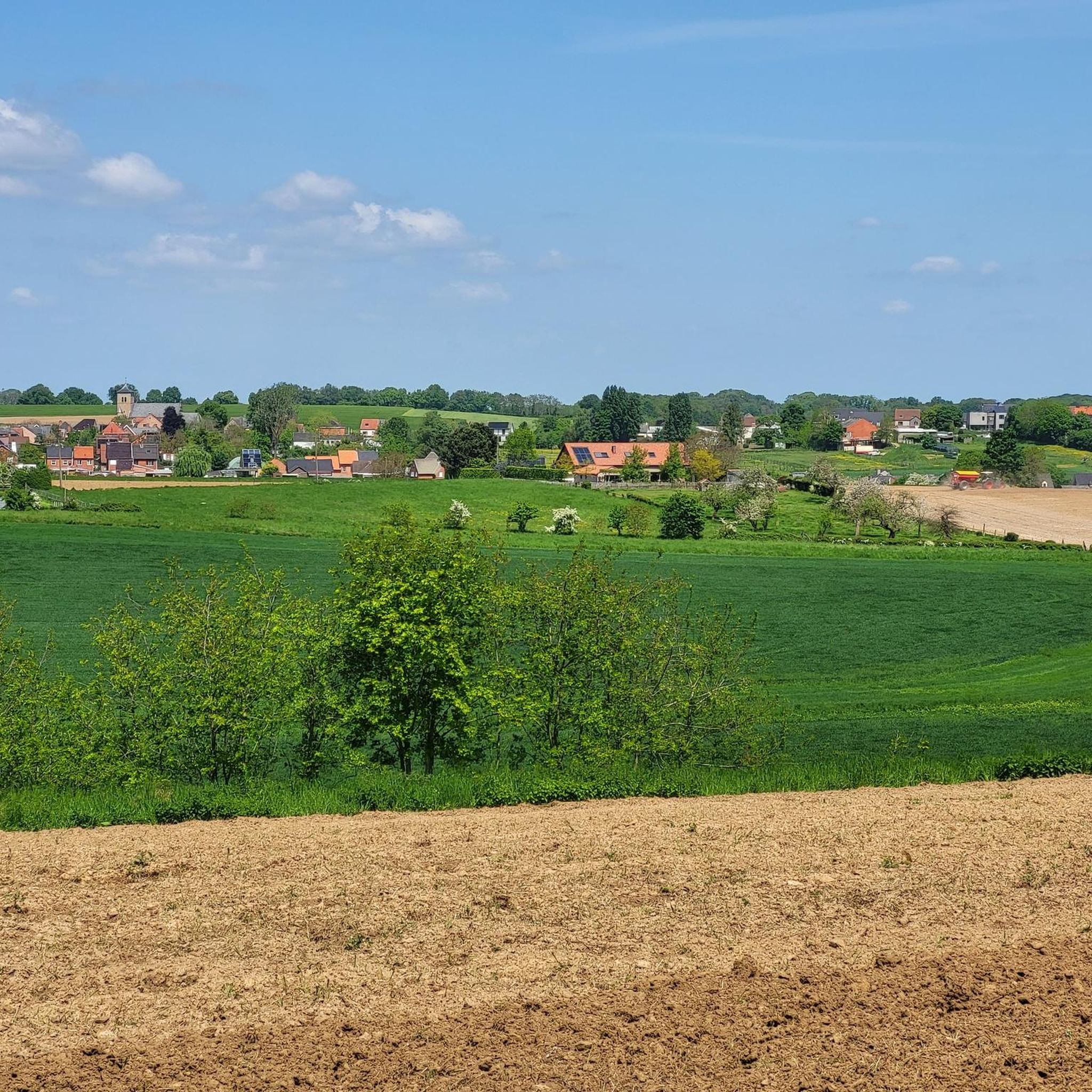
A Lourdes grotto or Marian grotto is a replica of the grotto of Massabielle near the French town of Lourdes, where the Virgin Mary is said to have appeared to Bernadette Soubirous on February 11, 1858. Copies have been built in many countries for the veneration of Our Lady of Lourdes. These are replicas of what is said to have happened at the grotto. An altar may have been placed inside the grotto. Diagonally above the grotto (on the viewer's right) is a niche containing a white statue of the Virgin Mary with a blue sash and a rosary. In front of the grotto stands a statue of Bernadette, looking upward and kneeling in prayer.
3
1

Park Cerckel, in the Michel Theysstraat, breathes almost 800 years of history. In 1228, the order of the Friars Minor, one of the oldest monastic communities in Diest, established itself on the banks of the Demer. A large part of Diest was destroyed in 1580 by the troops of William of Orange, including the Friars Minor monastery. Soldiers robbed the tomb of Anna van Lotharingen (wife of René van Chalon). She was later reburied by the city council in the Sint-Sulpitius church. After 3 years of exile, the Friars Minor returned and started rebuilding. At the end of the 18th century, the monastery was sold publicly by the French, which meant the end for the Friars Minor in Diest. Only the infirmary and the round-arched gate were preserved. During the 19th century, the beer industry in Diest experienced strong growth. Brewery family Pieck - later Cerckel - bought about half of the monastery domain and transformed it into a beautiful pleasure garden. The vegetable gardens became a pond with a beautiful wrought iron bridge, the former monastery infirmary was converted into a garden pavilion with an orangery in its extension. When Brewery Cerckel disappeared, the beautiful city garden also fell into disrepair. In 1990, the city of Diest bought the park. With the renovation of the pond, bridge, cave and round arch gate, the park has welcomed the public again since April 2011. The infirmary and orangery are also being restored to their former glory. Source: https://www.diest.be/vrije-tijd/sport/wandelen/park-cerckel
0
0


Replica of the cave of massabielle. There are some benches.
5
0
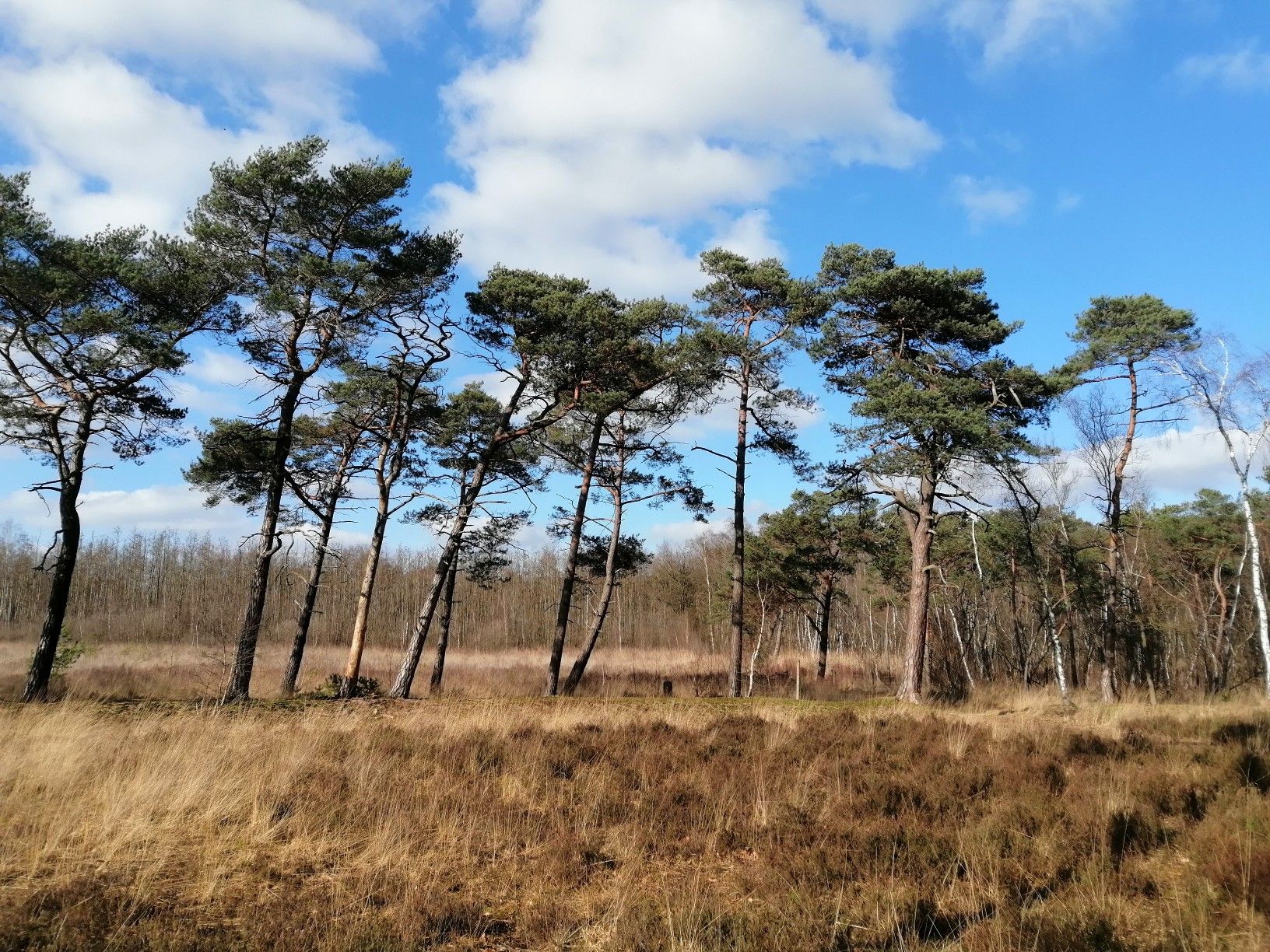
A still very popular Lourdes grotto at the beginning of the so-called forests of the Warande in Ham, with a parking lot nearby from where you can also enter the Gerheserheide nature reserve. The history of the chapel and certainly also the perfect location and beauty of the surroundings ensured that people from all over the region soon came to pray, so that the chapel became a local place of pilgrimage. You can read that and much more at https://lourdesgrotten.com/2008/09/24/ham-oostham-24-9-8/
8
0
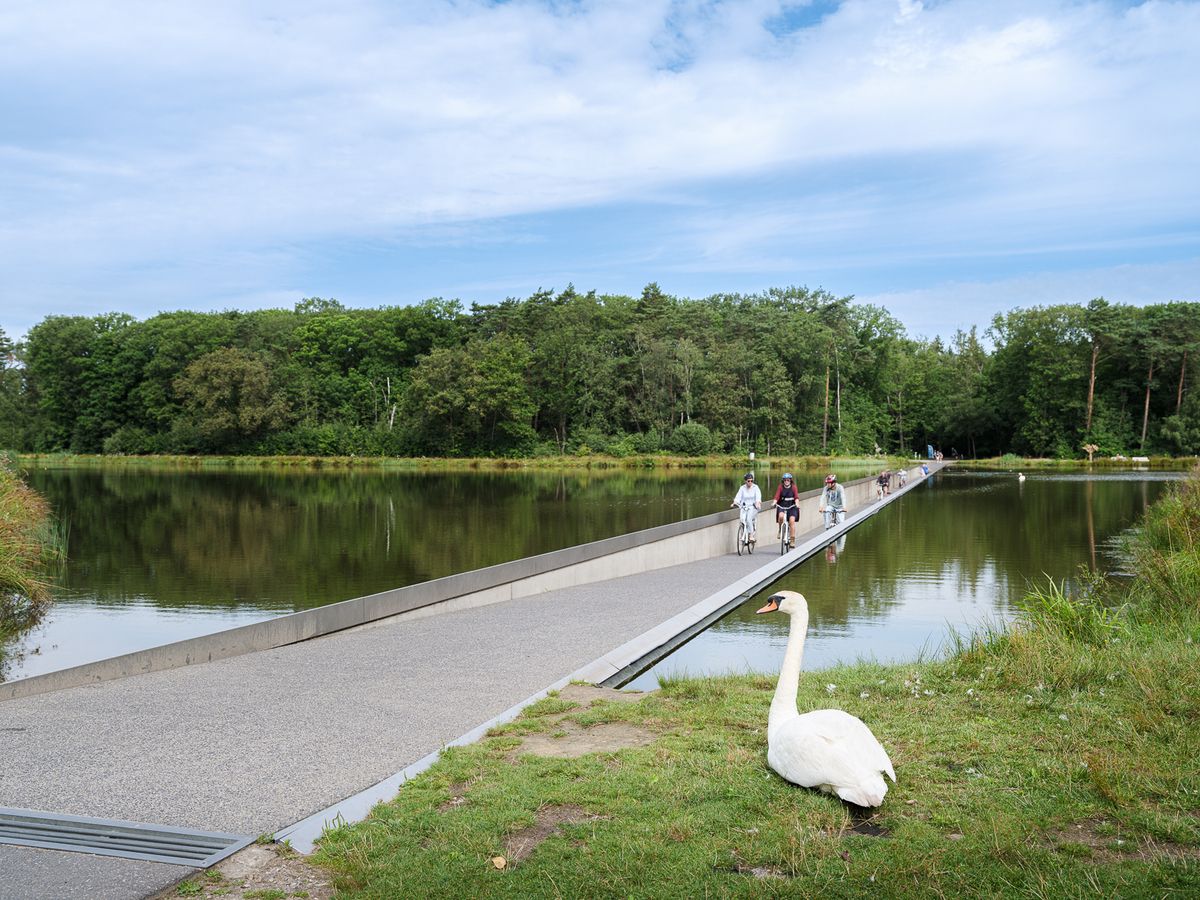
The park needs a bit of maintenance after the long works in the area, including the adjacent hospital. But that is coming. Some things have already been restored. And something beautiful is coming: they are busy renovating the old infirmary, conservatory and orangery. That will be beautiful.
6
3

Not really a highlight for me. But it is in the middle of the forest and in front of it there is a bench to rest on.
2
0
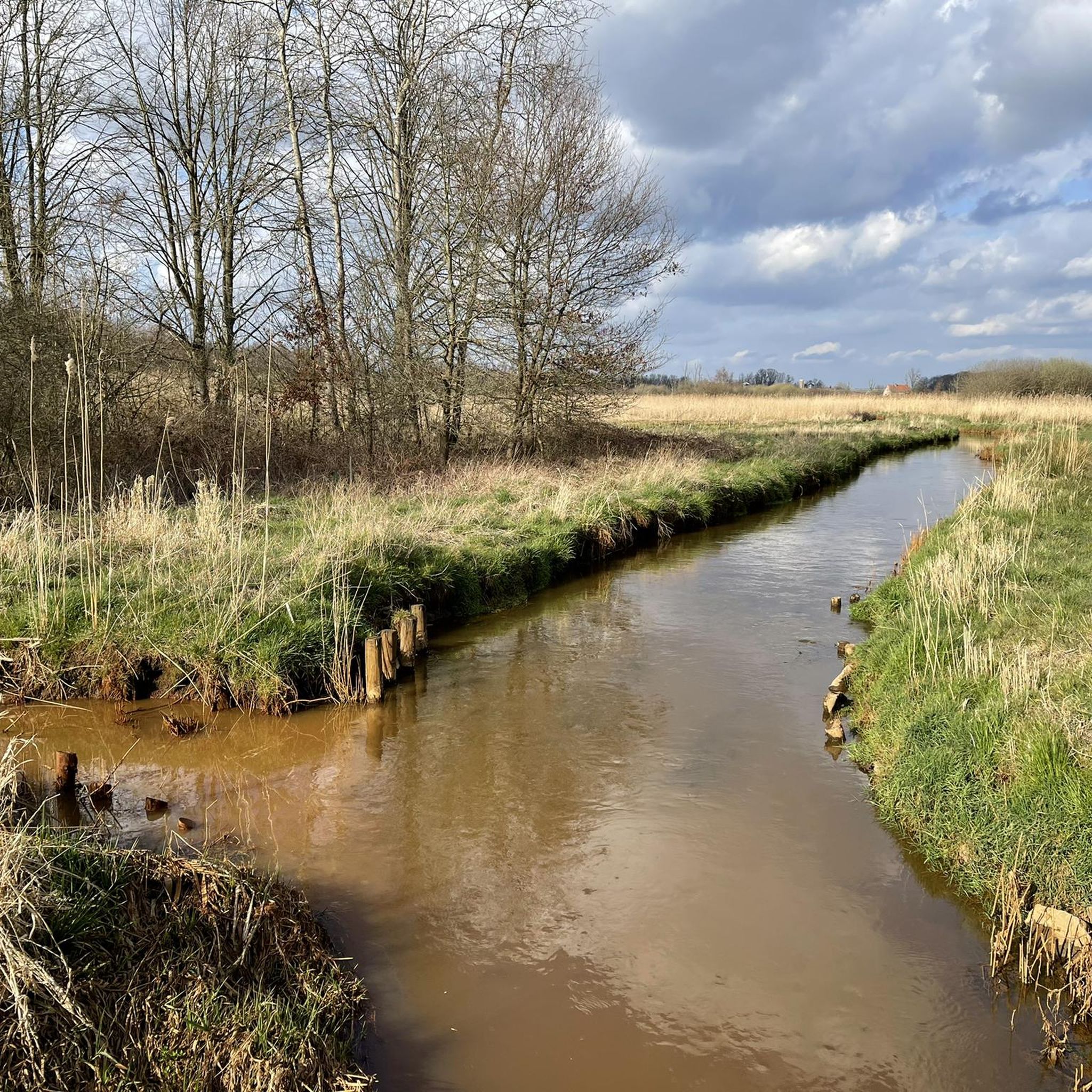
Park on the edge of town...
8
5
Frequently Asked Questions
Are there natural caves to explore around Diest?
Diest's flat topography and high water tables mean there are no significant natural cave formations directly within the region. The 'caves' you'll find here are primarily man-made grottoes, often with historical or religious significance, integrated into parks and natural reserves.
What kind of 'caves' can I visit in the Diest area?
The Diest area features unique man-made grottoes, often with religious or historical significance. These include sites like Park Cerckel: Historic Gate, Grotto, and Iron Bridge, which contains remains of a Franciscan monastery, and the devotional Lourdes Grotto Oostham and Lourdes Grotto Tielt-Winge.
Are the grottoes around Diest suitable for families?
Yes, many of the grottoes and associated sites around Diest are family-friendly. For example, Lourdes Grotto Oostham and Lourdes Grotto Tielt-Winge are historical sites often visited by families. Park Cerckel also offers a green space for relaxation.
What historical significance do the grottoes in Diest hold?
The grottoes around Diest often have rich historical backgrounds. Park Cerckel, for instance, still contains remains of a Franciscan monastery from 1228. The Lourdes grottoes, like Lourdes Grotto Tielt-Winge built in 1878, are preserved heritage sites serving as places of prayer and tranquility.
What outdoor activities can I do near the grottoes around Diest?
The area around Diest offers various outdoor activities. You can find numerous routes for MTB trails, cycling, and gravel biking. These routes often pass through the natural reserves and parks where some of the grottoes are located, offering a blend of cultural and active exploration.
Where can I find parking when visiting the grottoes?
For sites like Park Cerckel, parking is available nearby. Lourdes Grotto Oostham also has a parking lot nearby, which also provides access to the Gerheserheide nature reserve.
What is the best time to visit the grottoes around Diest?
The grottoes and associated parks around Diest can be visited year-round. Given their outdoor nature and integration into green spaces, spring and autumn offer pleasant weather for exploration. However, their historical and religious significance makes them accessible and meaningful in any season.
Are there any natural caves in Belgium that are worth visiting, even if not in Diest?
Yes, if you're interested in natural caves, Belgium's Ardennes region offers spectacular options. These include the famous Caves of Han-sur-Lesse, known for their impressive dripstone formations and underground river, the unique boat tour in the Caves of Remouchamps, or the Grotte La Merveilleuse near Dinant with its striking stalagmites and stalactites.
What kind of natural features can I expect to see around the Diest grottoes?
While the grottoes themselves are man-made, they are often situated within beautiful natural settings. For example, Park Cerckel offers a green space with an iron bridge, and Lourdes Grotto Oostham is nestled in the wooded area of the Warande, providing opportunities to enjoy forests and natural landscapes.
Can I bring my dog to the grottoes and surrounding areas?
Many of the grottoes are located within public parks or wooded areas, which are generally dog-friendly, especially if dogs are kept on a leash. For specific grottoes, it's always best to check local signage or official websites for any restrictions, particularly for religious sites.
What do visitors enjoy most about the grottoes around Diest?
Visitors appreciate the blend of cultural heritage and outdoor exploration. They enjoy the tranquility of the religious sites, the historical context of places like Park Cerckel, and the opportunity to escape into green spaces. The community has shared over 60 photos and given more than 160 upvotes to these unique spots.
Most popular attractions around Diest

Get inspired with the komoot mobile app


Explore more
Extend your search for the best caves by checking out these guides of the top ones around Diest:
