Top 6 Caves around Saint Vith
Best caves around Saint Vith include a variety of underground attractions within the surrounding Ardennes region. While natural caves are not directly in Saint Vith, the area offers former bluestone mines, slate quarries, and natural cave systems. These sites provide insights into local geology, history, and natural formations. The region's diverse underground landscapes are easily accessible from Saint Vith.
Best caves around Saint Vith
- The most popular caves is Bat Tunnel near Huldange, a cave that serves as a…
Last updated: October 3, 2026
Mine Entrance of Thier des Carrières
Highlight • Cave
Translated by Google •
Tip by

Ancient Quarry and Abandoned Tunnel
Highlight • Structure
Translated by Google •
Tip by
Sign up now to discover places like this
Get recommendations on the best single tracks, peaks, & plenty of other exciting outdoor places.
Lourdes Grotto
Highlight • Religious Site
Translated by Google •
Tip by

Place of refuge during World War II
Highlight • Historical Site
Christmas 1944 - Bombing December 23, 24 and 25
In this shelter 300 Malmedians, victims of the tragic events in our city, found shelter for several weeks in miserable conditions.
Translated by Google •
Tip by

Neidinger Grotto of the Virgin Mary
Highlight • Religious Site
Translated by Google •
Tip by

Sign up for free to discover even more caves around Saint Vith.
Already have an account?
Start today with a free account
Your next adventure awaits.
Popular around Saint Vith
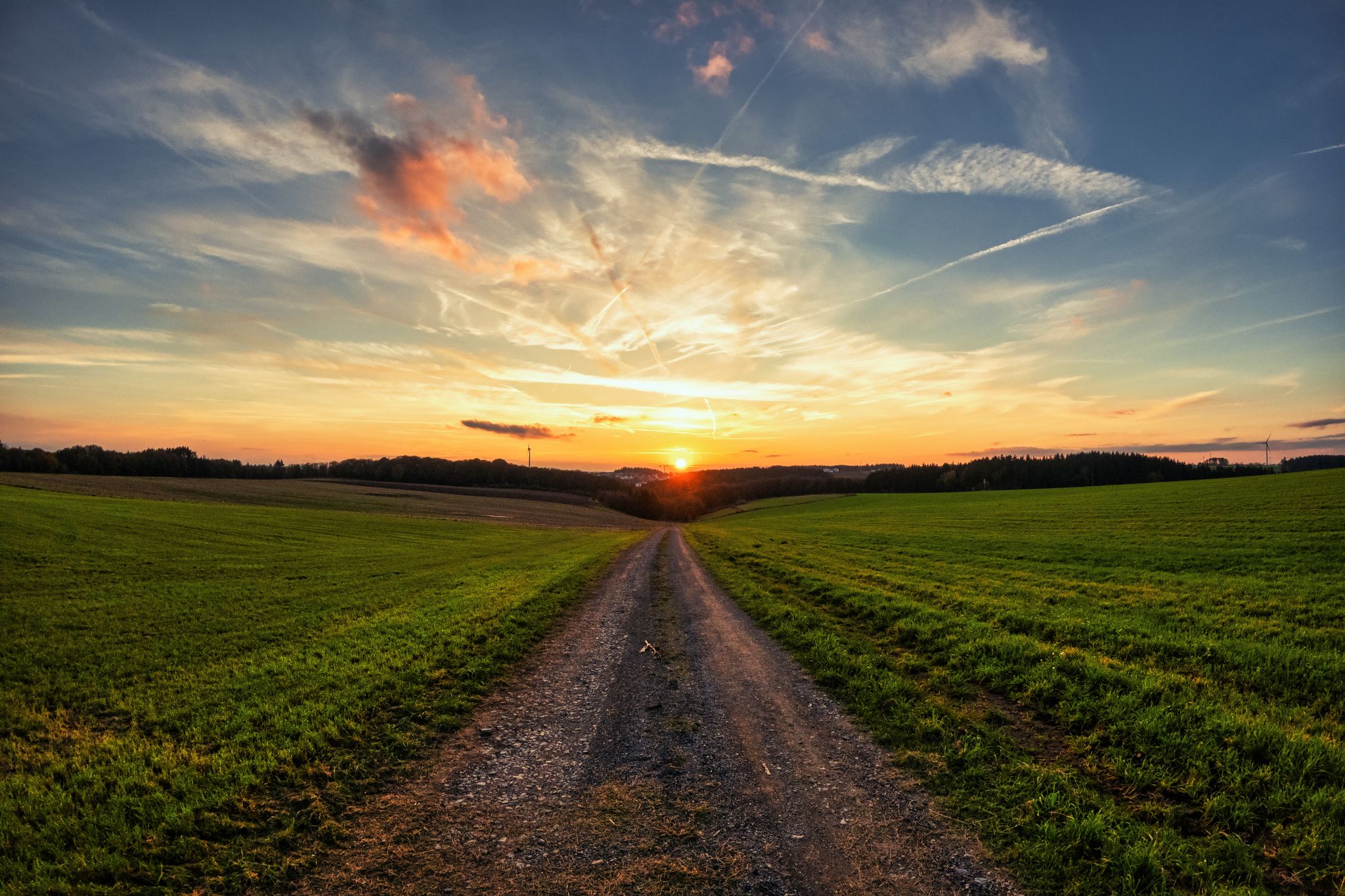
Hardennes Gravel Tour by Resist & Ride - 700 kilometers of unpaved adventure
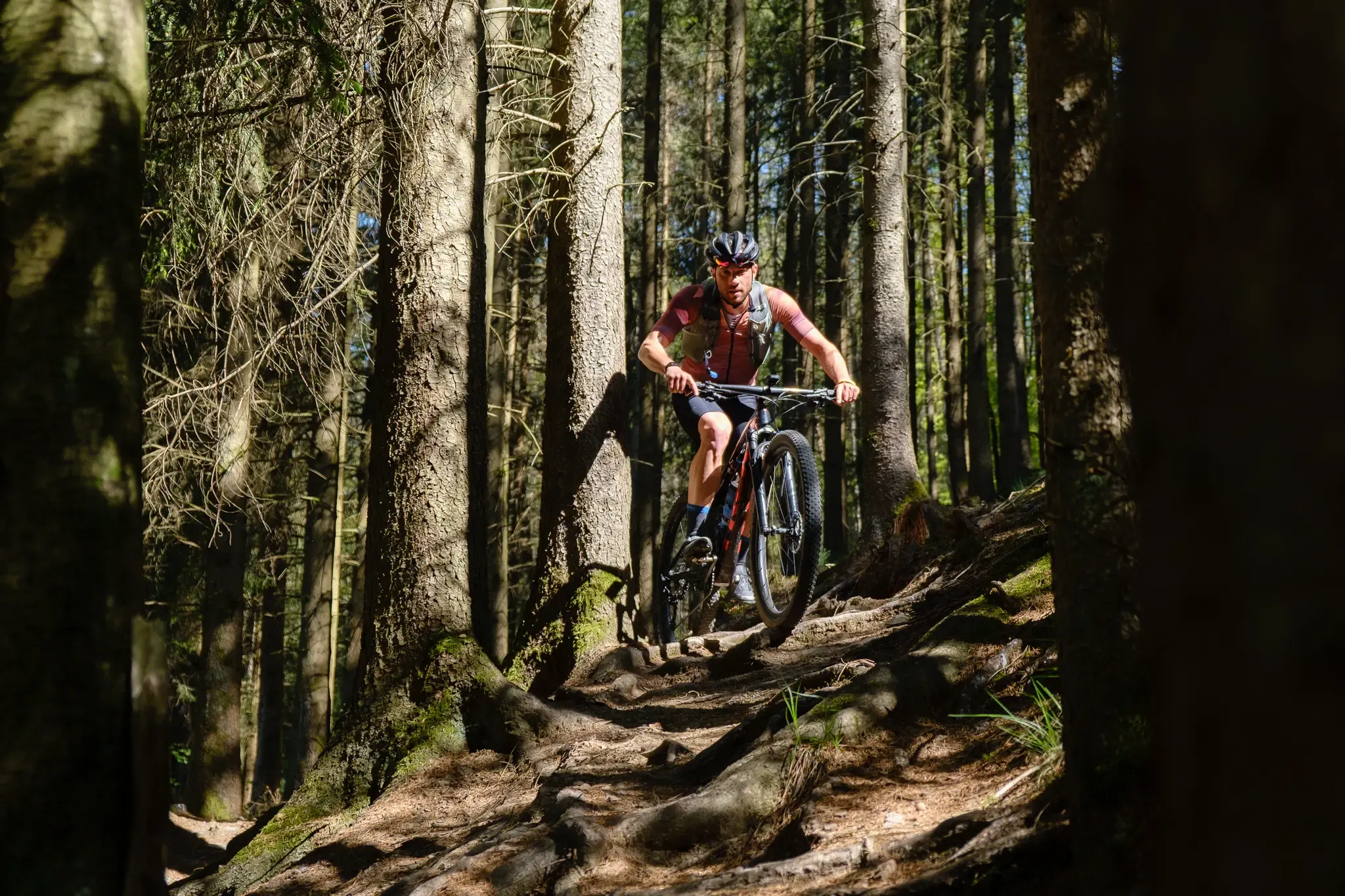
Stoneman Arduenna – old-school mountain biking in East Belgium
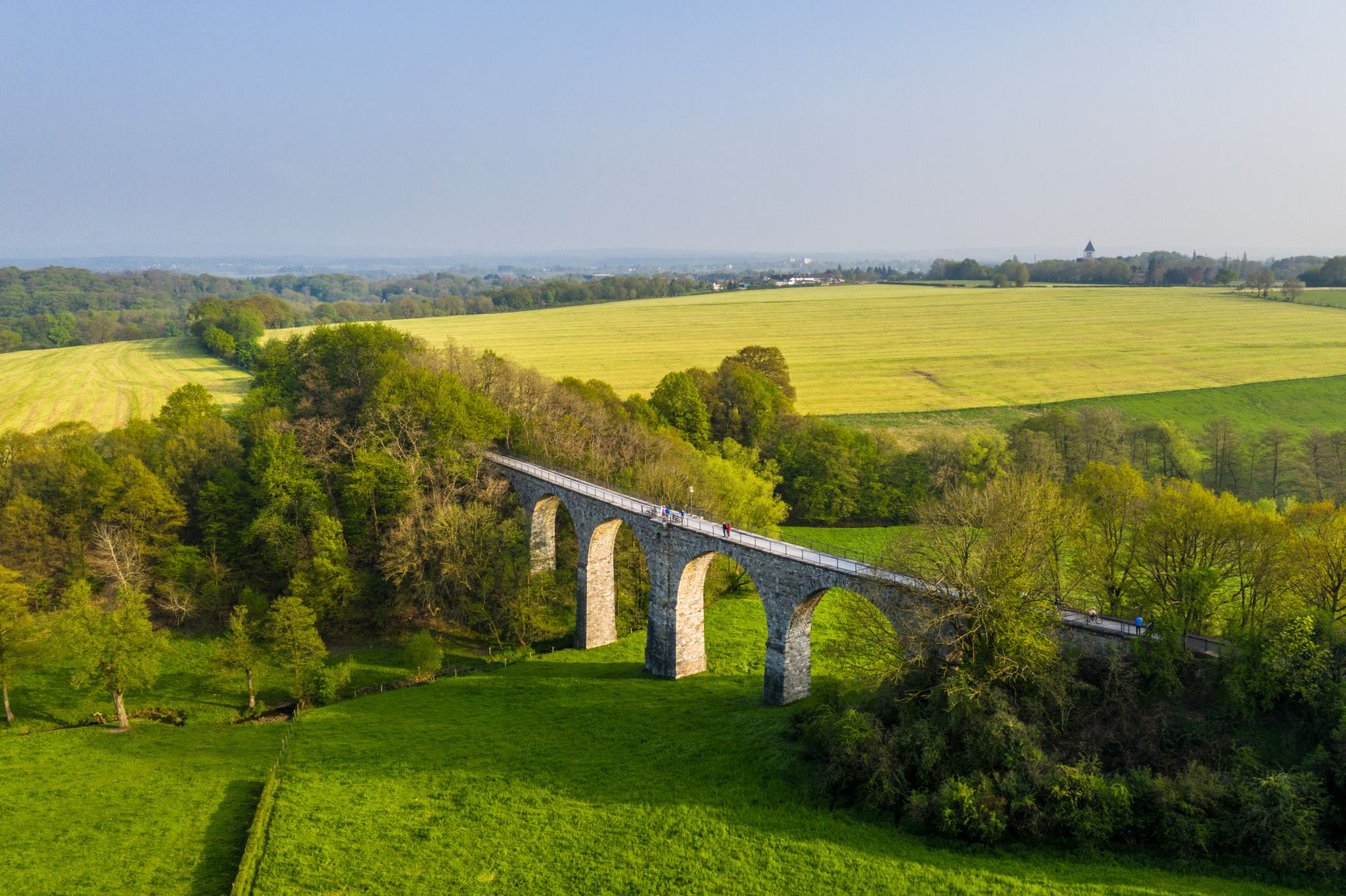
Cycling the tracks of the Vennbahn – the Vennbahnschleifen
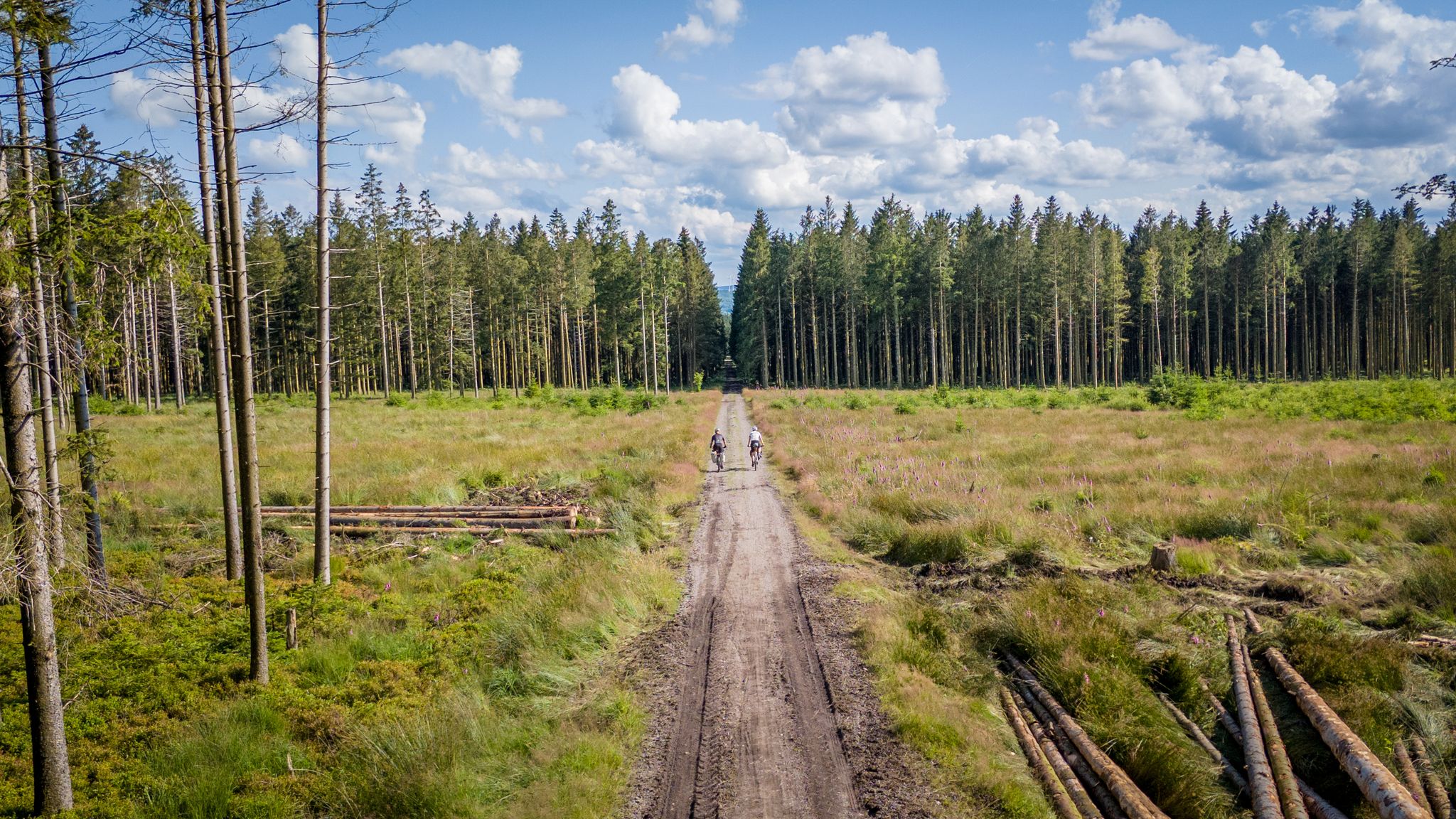
Vennbahn-Variant: A new gravel/MTB adventure
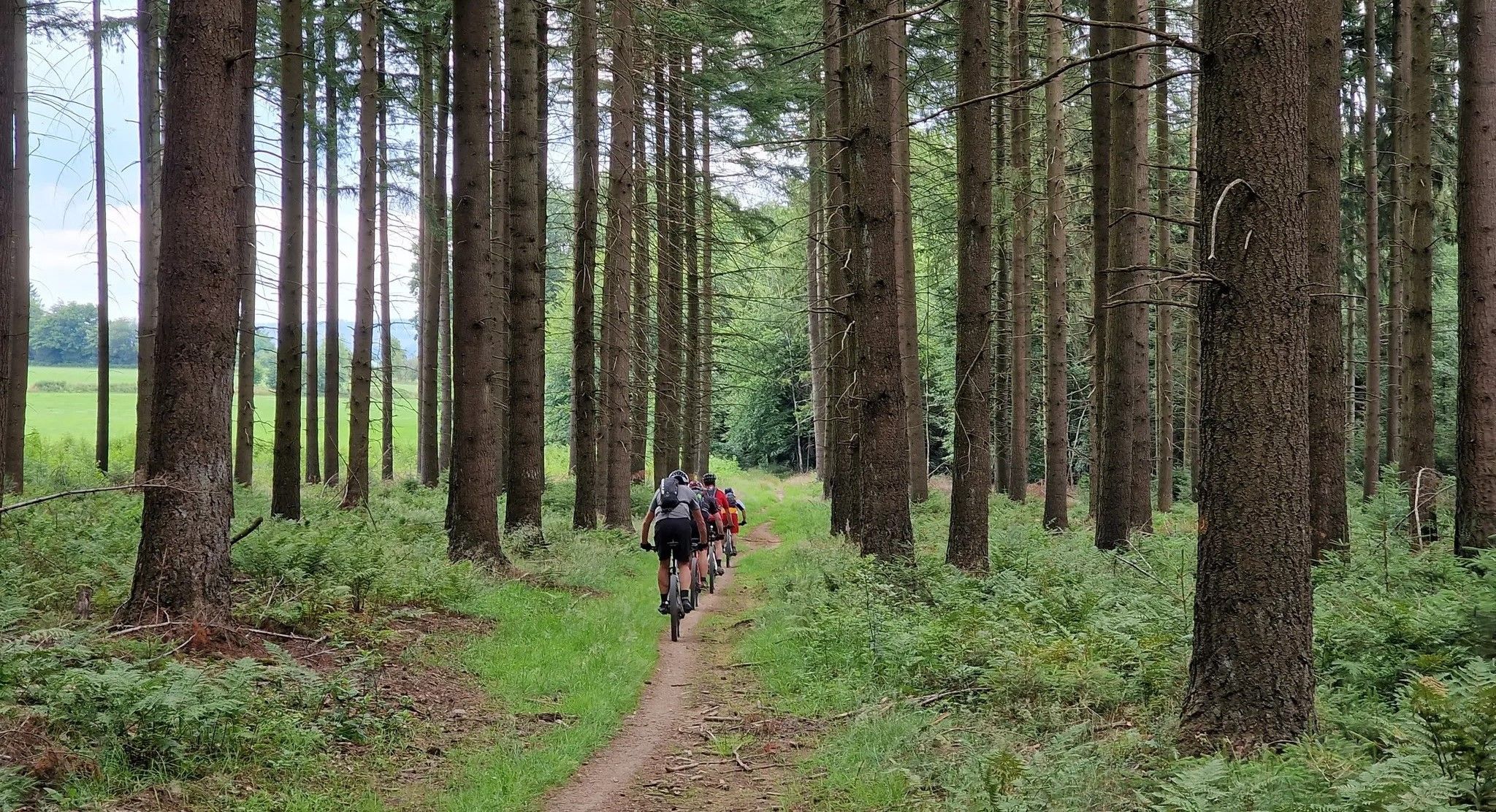
Trail rush through the East Belgian Ardennes
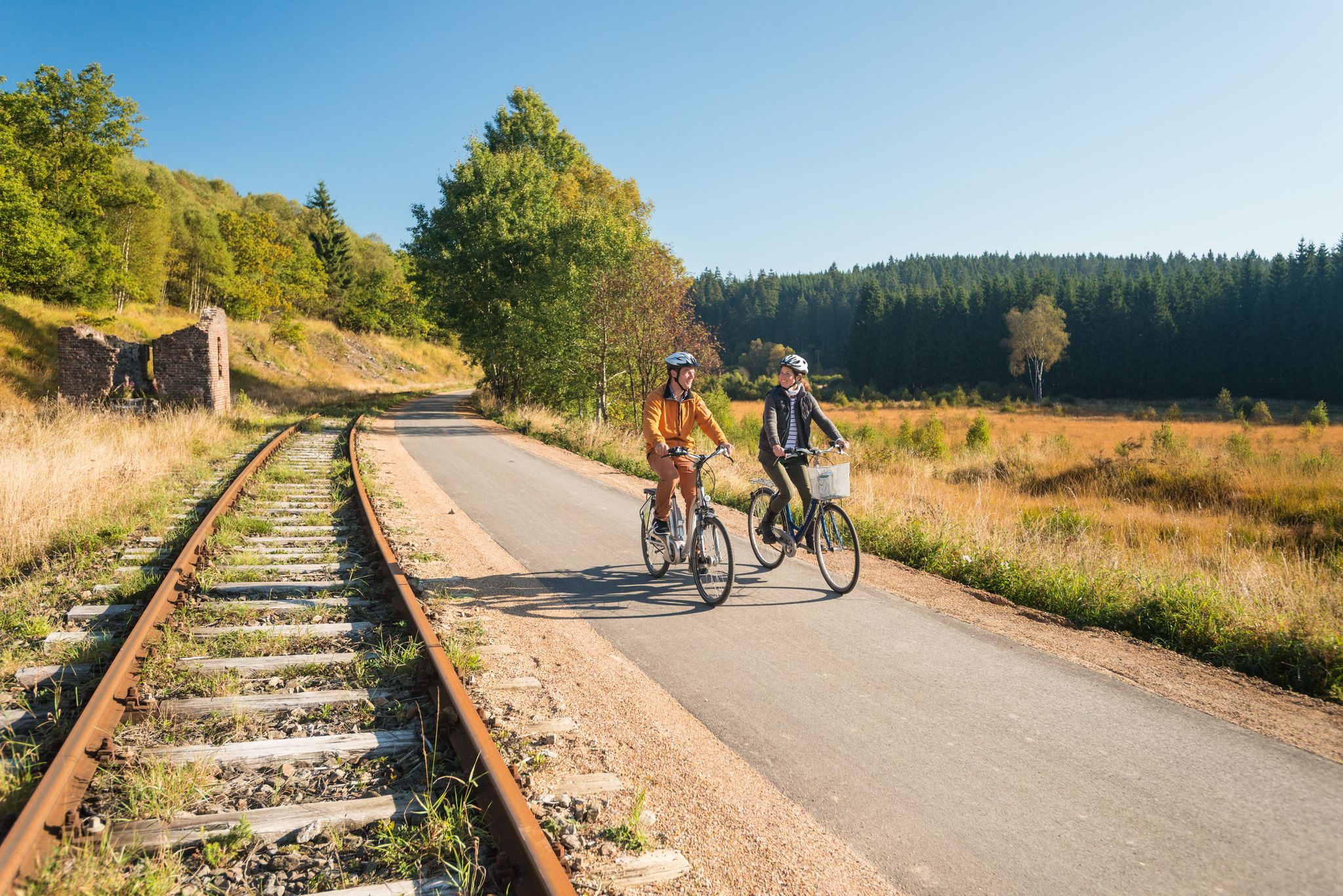
Boundless cycling pleasure on Belgium’s Vennbahn Cycle Route
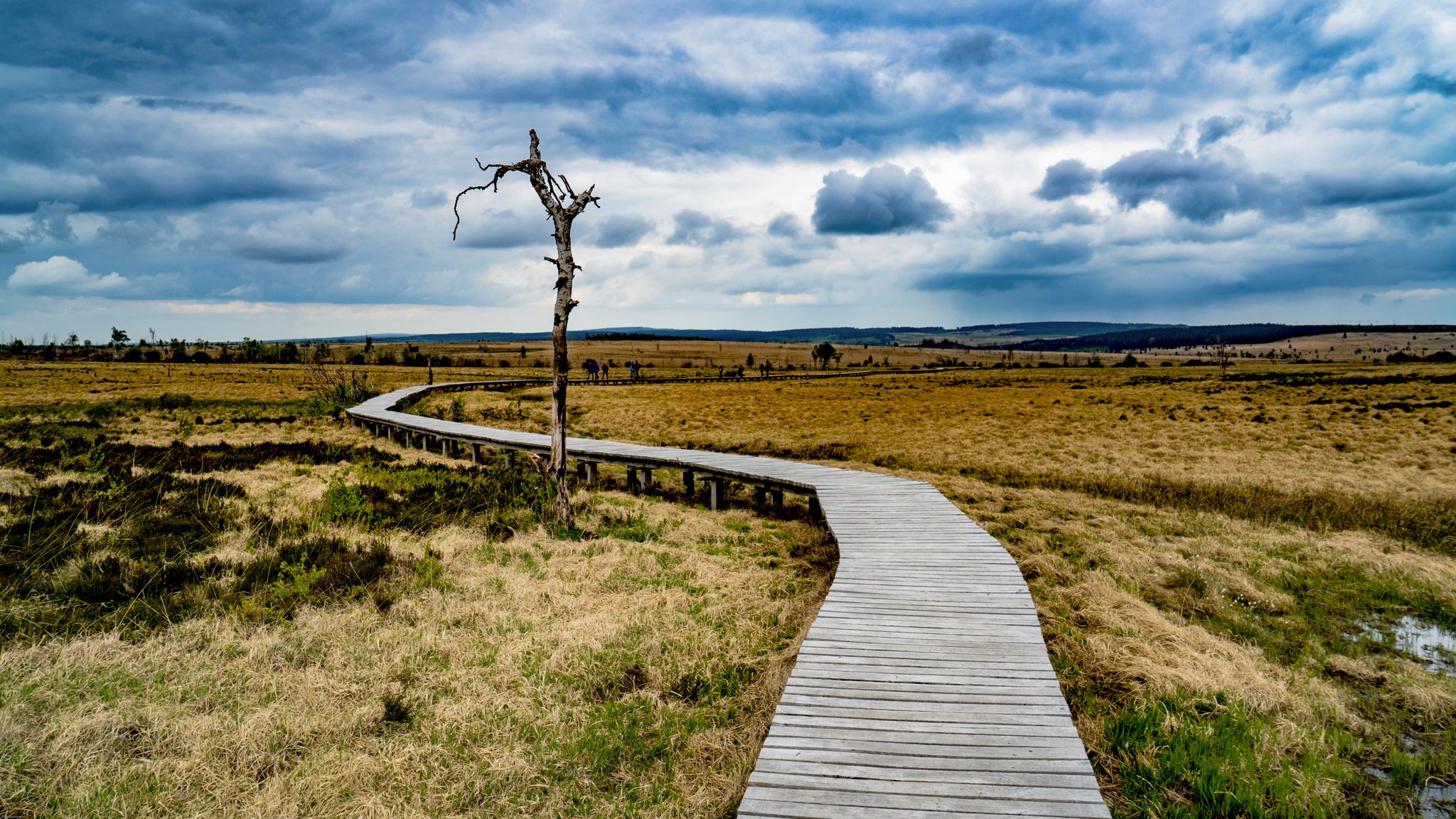
Leisure Tours on enchanted paths – hiking in East Belgium
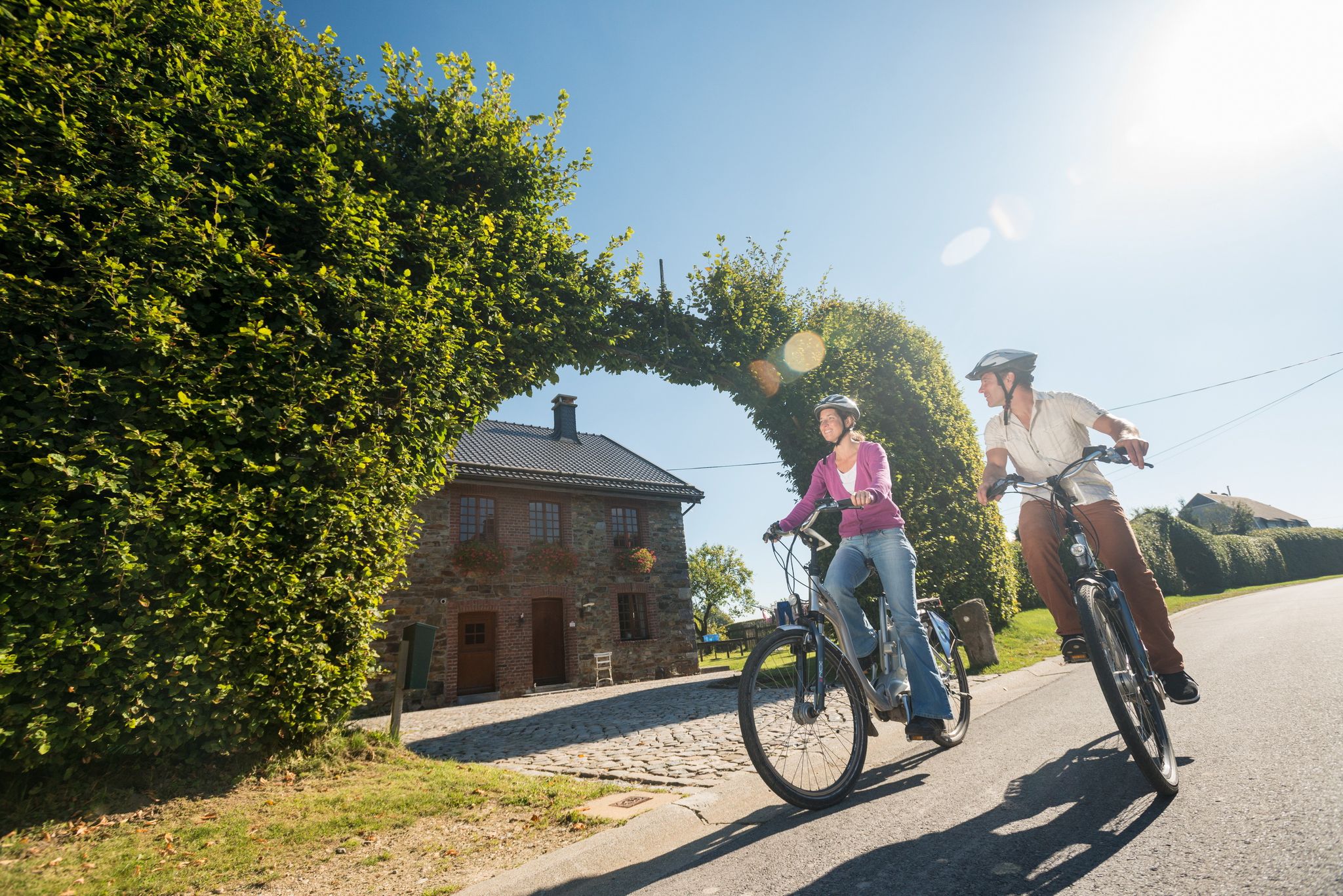
Ovelo cycle Tours in East Belgium – railway paths and natural beauty
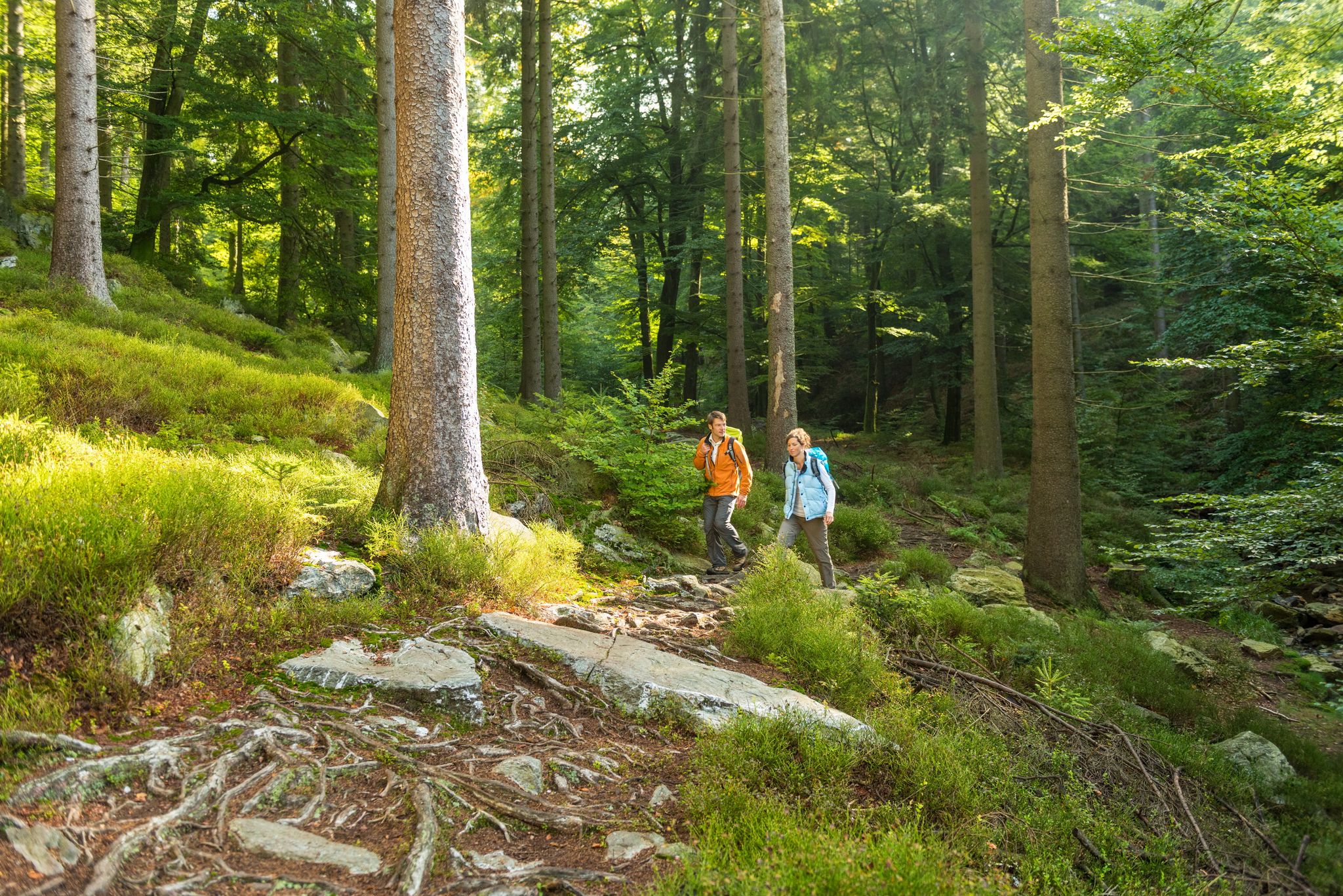
Fantastic regional footpaths — GR hiking paths in East Belgium
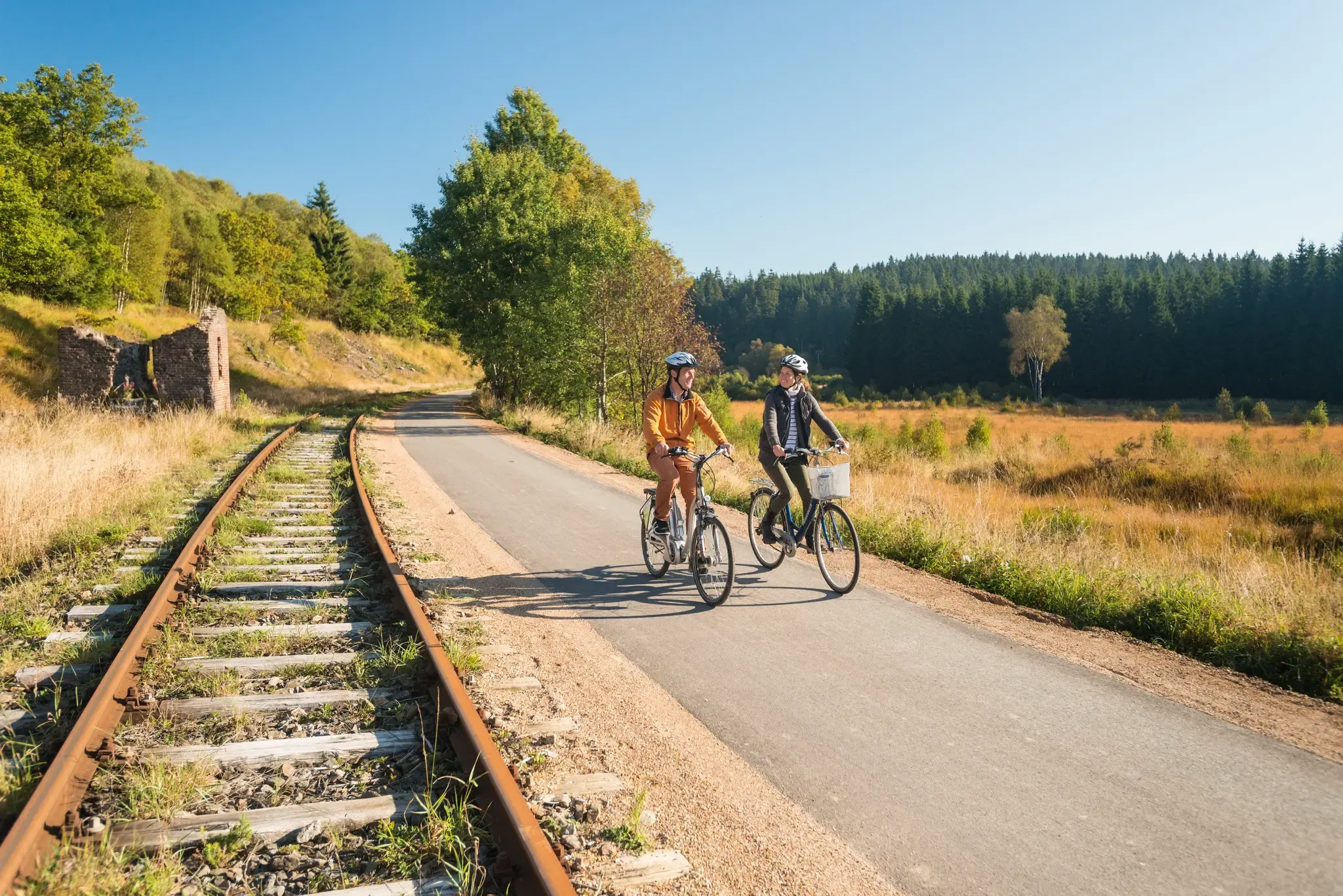
Vennbahn-Radweg – Grenzenloses Radvergnügen
Other adventures around Saint Vith


Tips from the Community

Here you can take a nice break and pause
1
0

Replica of the Grotte de Massabielle in Lourdes.
1
0

The slate quarries of Cahay were located here. The slates of the ‘Pays de Salm’ have long been known and appreciated. For instance, in 1513, the people of Amberloup came here to fetch slates to build their church. A text from 1625 states that “use and the sun harden them to such an extent that the nails used to fasten them are affected by rust, while they (the slates) remain intact”. These very high-quality slates were initially mined in large open-pit mines, which left behind the large pits that we can still see in the landscape. From the second half of the 19th century, the extraction of slate took place via tunnels in the higher-quality layers of the “Thier des Carrières” mountain where you are standing now. The “waste” was dumped in heaps that were subsequently used for all kinds of works (roads, walls, etc.). The large slates with rounded edges are particularly well-known: these are the hérbins, always laid in diagonal lines. They can still be seen on the roofs of old houses in the Pays de Salm. After sawing, the phyllade (schist hardened by (underground) high pressure and temperatures) yielded material for billiard tables, window sills, etc. These slate quarries provided work for numerous laborers in our region. Some were highly specialized, such as the splitters who, after two to three years of practice, were capable of producing slates 3-4 mm thick. (Vielsalm Tourist Office)
12
0
Many mine tunnels run underground here. To gain access to the good layers, the Salm miners sometimes dug long tunnels through the hard rock. The resistance of the rock is so great that the tunnels did not need to be supported. They were equipped with rails on which carts brought the blocks coming out of the mine to the surface. The chambers in which the blocks were loosened were very large: it was said that the church of Vielsalm could stand in the largest chamber. The workers carefully loosened the blocks along the natural fractures of the slate. As long as the rock was wet, the blocks split easily; they were therefore covered with wet sacks to keep them “fresh.” Similar galleries, though shorter, were also dug elsewhere to extract coticule, also called “razor stone.” The galleries followed the very narrow and winding veins. To ensure sufficient light, the miners used lamps for a long time that speleologists still use today. (Vielsalm Tourist Office)
13
0


Class cycle paths Luxembourg and Belgium
1
0

Very well organized gravel tour.
1
0

On December 23, 24 and 25, 1944, Malmedy was bombed by the US Army - although the city was in American hands. More than 250 people died. More than 200 citizens from Malmedy alone fell victim to the bombing, as well as dozens more who had been evacuated to Malmedy from neighboring towns. Source: https://brf.be/regional/834683/
33
1
Frequently Asked Questions
What types of underground attractions can I explore near Saint Vith?
Near Saint Vith, you can explore a variety of underground sites, including former bluestone mines, slate quarries, and natural cave formations. These offer insights into local geology, history, and unique natural features. For example, the Ancient Quarry and Abandoned Tunnel showcases historical slate extraction.
Are there any historical mines or quarries accessible to visitors?
Yes, the region has several historical mines and quarries. The Ancient Quarry and Abandoned Tunnel is a notable example, where high-quality slates were mined. Another is the Mine Entrance of Thier des Carrières, where you can see where miners dug long tunnels to extract slate.
What is the Schieferstollen Mine in Recht and what does it offer?
The Schieferstollen Mine in Recht, about fifteen minutes from Saint Vith, is a former bluestone mine converted into a tourist attraction. It offers guided tours through 800 meters of galleries, providing an educational experience about the mine's history. It's a unique option, especially on a rainy day.
Are there any natural caves with unique features near Saint Vith?
While not directly in Saint Vith, the broader Ardennes region offers impressive natural caves. The Caves of Remouchamps are known for their cathedral-like chambers and Europe's only navigable underground river. Hotton Cave is Belgium's only entirely classified cave, featuring extensive galleries and underground streams. The Nichet Cave, just across the French border, is notable for archaeological discoveries like animal and human remains.
Can I visit a cave that serves as a habitat for wildlife?
Yes, the Bat Tunnel near Huldange is a cave that serves as a winter quarter for rare bat species. The path leading to the tunnel features informative bat boards, though the tunnel itself is closed to protect the bats.
Are there any family-friendly cave experiences in the area?
The Hotton Cave is praised for its entertaining and informative tours, making it an ideal family outing. The Nichet Cave is also suitable for children, though it involves climbing 114 steps to return to the surface. Additionally, the Lourdes Grotto is a family-friendly religious and historical site.
What kind of historical sites related to caves can I find?
Beyond the ancient quarries, you can visit the Place of refuge during World War II, which served as a shelter for Malmedians during the bombings of December 1944. The Lourdes Grotto is also a historical and religious site, popular for gatherings.
What is the best time to visit the caves near Saint Vith?
Many caves, especially the larger tourist attractions like Hotton Cave, maintain consistent temperatures (e.g., 12 to 16 degrees Celsius) year-round, making them suitable for visits in any season. The Schieferstollen Mine is also a good option on a rainy day. For outdoor cave-related sites like the Bat Tunnel, warmer months might be more pleasant for the approach.
Are there hiking trails near these underground sites?
Yes, the Saint Vith region offers numerous hiking opportunities. You can find trails like 'Tour 5: ‘In the Valley of the Butterflies’ Schönberg' or 'Tour 25: 'The endless forest' Rodt'. For more hiking options, explore the Hiking around Saint Vith guide.
What other outdoor activities are available near the caves?
Besides hiking, you can enjoy gravel biking and mountain biking in the Saint Vith area. There are guides for Gravel biking around Saint Vith and MTB Trails around Saint Vith, offering routes like the Vennbahn Rail Trail or the Sankt Vith Round.
Do I need permits to visit caves or mines in the Saint Vith area?
For commercial tourist attractions like the Schieferstollen Mine, Caves of Remouchamps, Hotton Cave, or Nichet Cave, you typically purchase tickets for guided tours, which serve as your entry permit. For natural sites like the Bat Tunnel, access might be restricted to protect wildlife, and no special permits are issued for public entry into the tunnel itself. Always check specific site requirements before visiting.
What should I wear when visiting caves?
Caves generally maintain a cool, consistent temperature, often around 12-16 degrees Celsius, regardless of the outside weather. It's advisable to wear layers, including a light jacket or sweater, and comfortable, sturdy shoes with good grip, as surfaces can be damp or uneven. Some tours might involve walking on wet ground or climbing steps.
Most popular routes around Saint Vith
Most popular attractions around Saint Vith

Get inspired with the komoot mobile app


Explore more
Extend your search for the best caves by checking out these guides of the top ones around Saint Vith:
