Top 11 Caves around Plombières
Best caves around Plombières are found in a region known for its rich industrial heritage and diverse natural landscapes, particularly in Belgium's Liege Province. The area features historical mining sites, natural reserves, and unique geological formations. Visitors can explore remnants of zinc and lead mining operations alongside protected natural habitats. The landscape offers a blend of historical interest and opportunities for light exploration.
Best caves around Plombières
- The most popular caves is Mine entrance and Geul sinkhole — Plombières Nature…
Last updated: May 3, 2026
Mine entrance and Geul sinkhole — Plombières Nature Reserve
Highlight • Cave
Translated by Google •
Tip by

Grube Auberg Bat Cave Entrance
Highlight • Cave
Translated by Google •
Tip by

Sign up now to discover places like this
Get recommendations on the best single tracks, peaks, & plenty of other exciting outdoor places.
Sign up for free
Artificial Tunnel of the Gueule River
Highlight • Structure
Translated by Google •
Tip by

Mary's Grotto, Eys
Highlight • Cave
Translated by Google •
Tip by

Keutenberg Quarry Air-Raid Shelter
Highlight • Historical Site
Translated by Google •
Tip by

Sign up for free to discover even more caves around Plombières.
Sign up for free
Already have an account?
Start today with a free account
Your next adventure awaits.
Login or Signup
Popular around Plombières
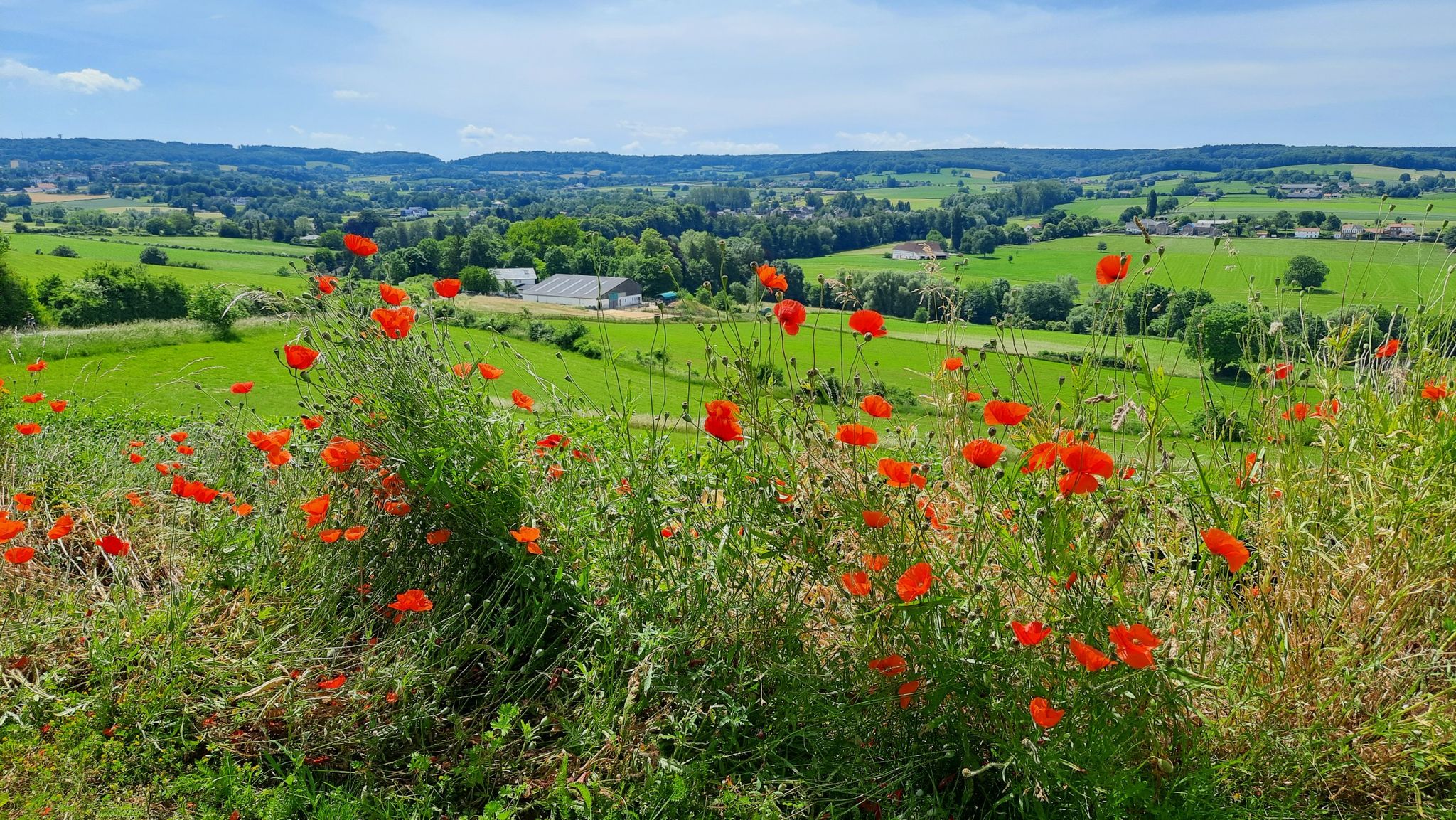
Hiking in the border triangle – GrenzRouten Aachen
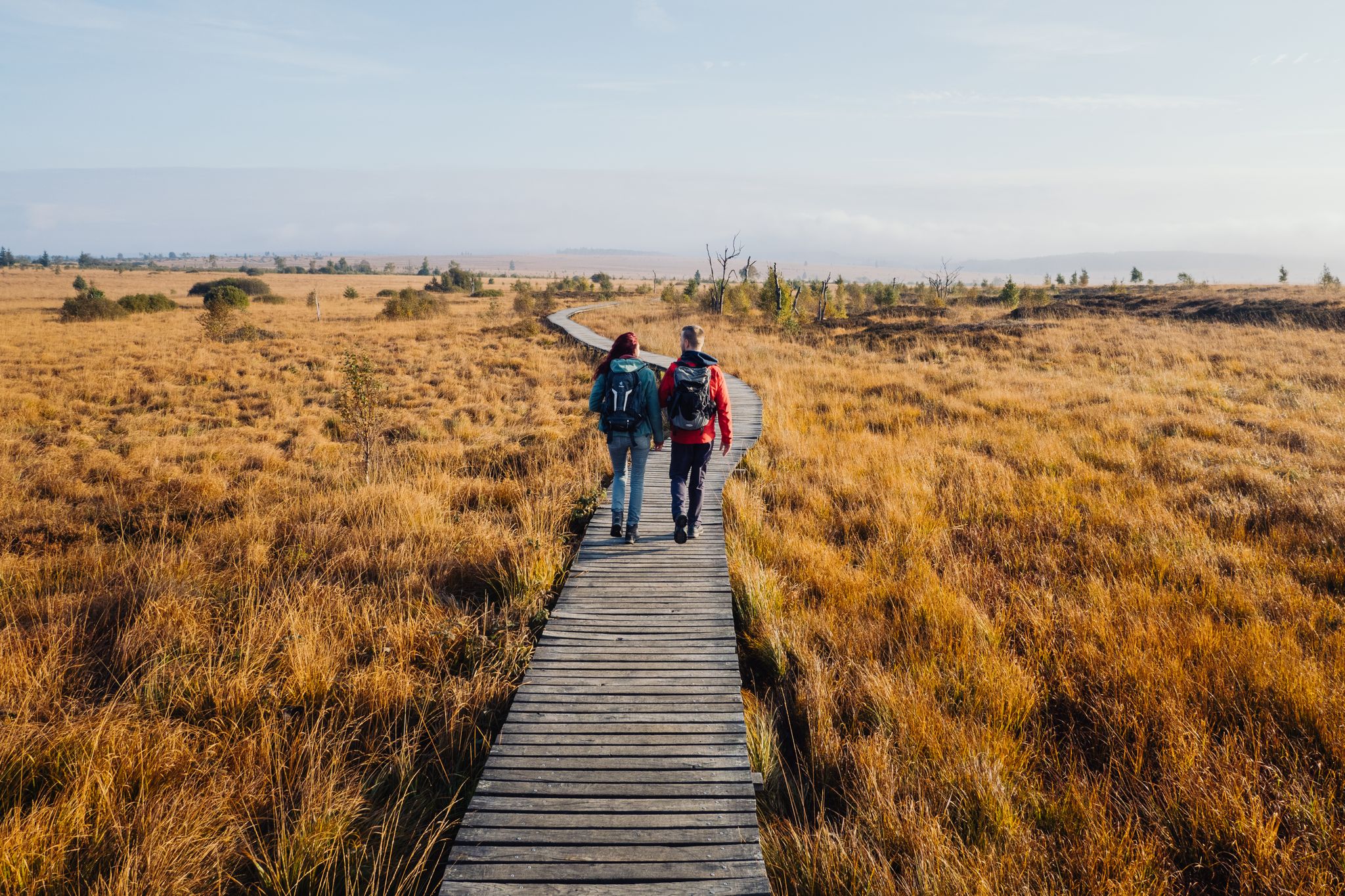
Venntrilogie – the premium hiking experience in East Belgium
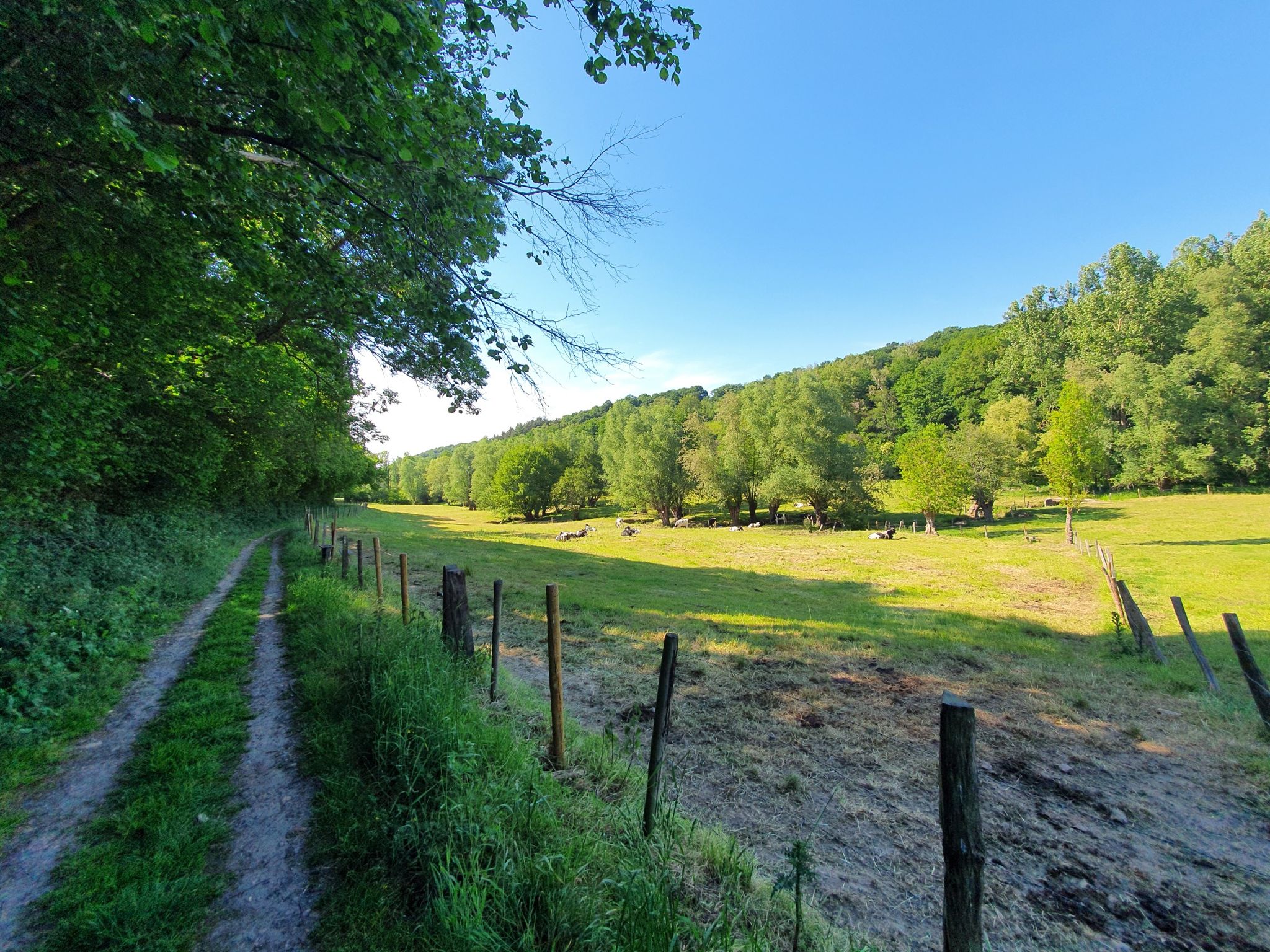
Hike between orchards and hedgerows – Belgium’s Tour du Pays de Herve
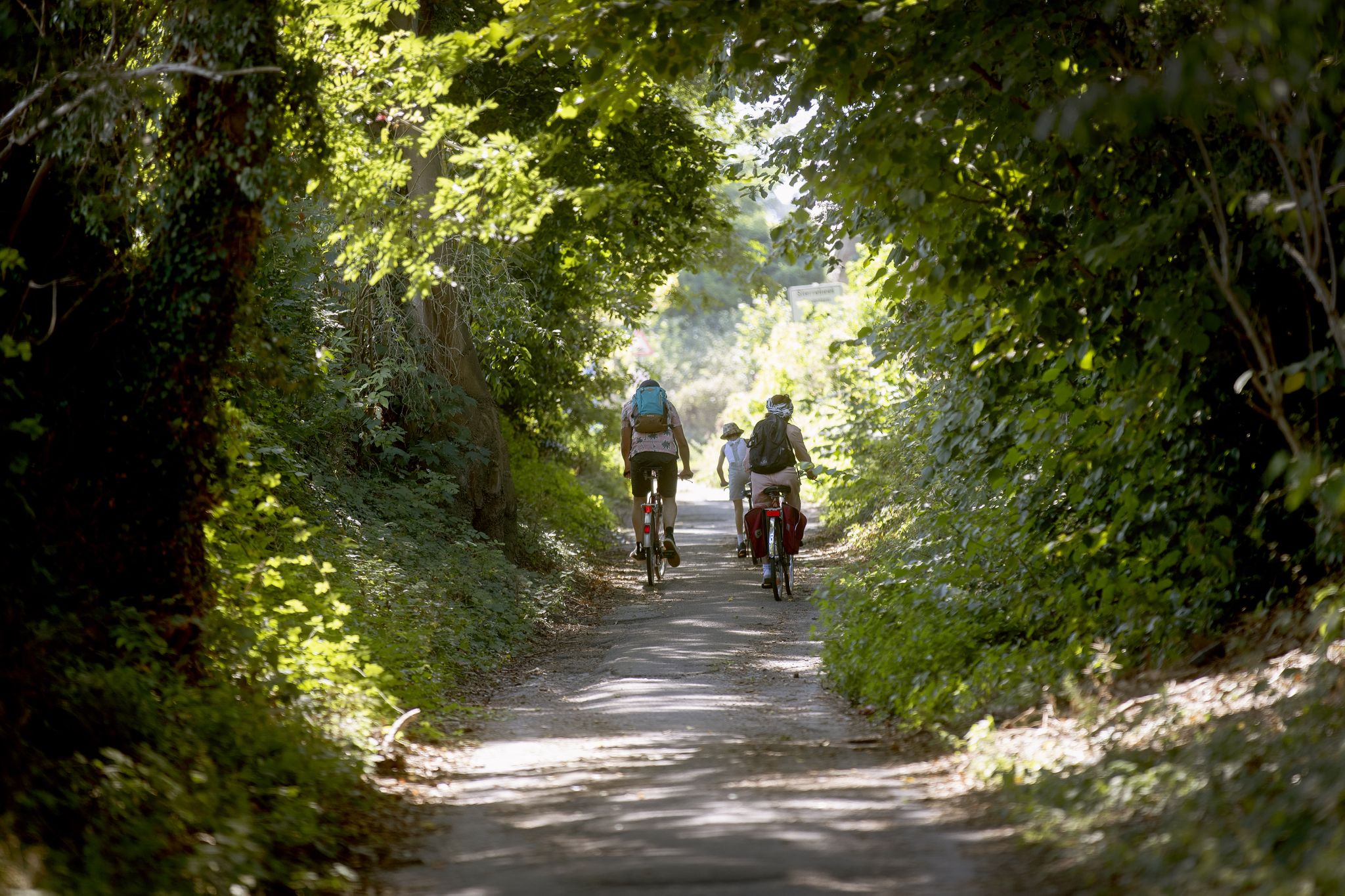
Flanders by bike: Cycling through nature
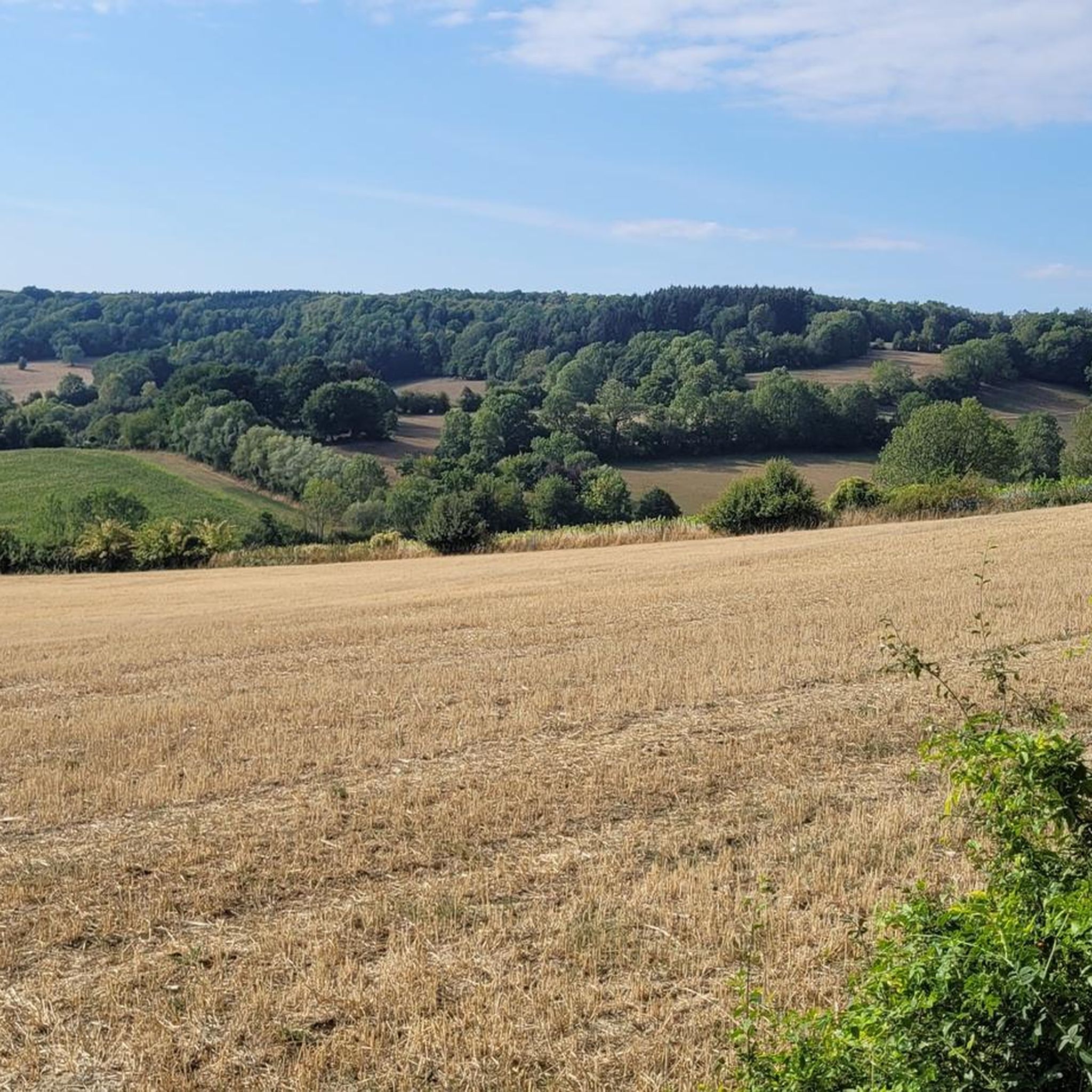
Hiking around Plombières
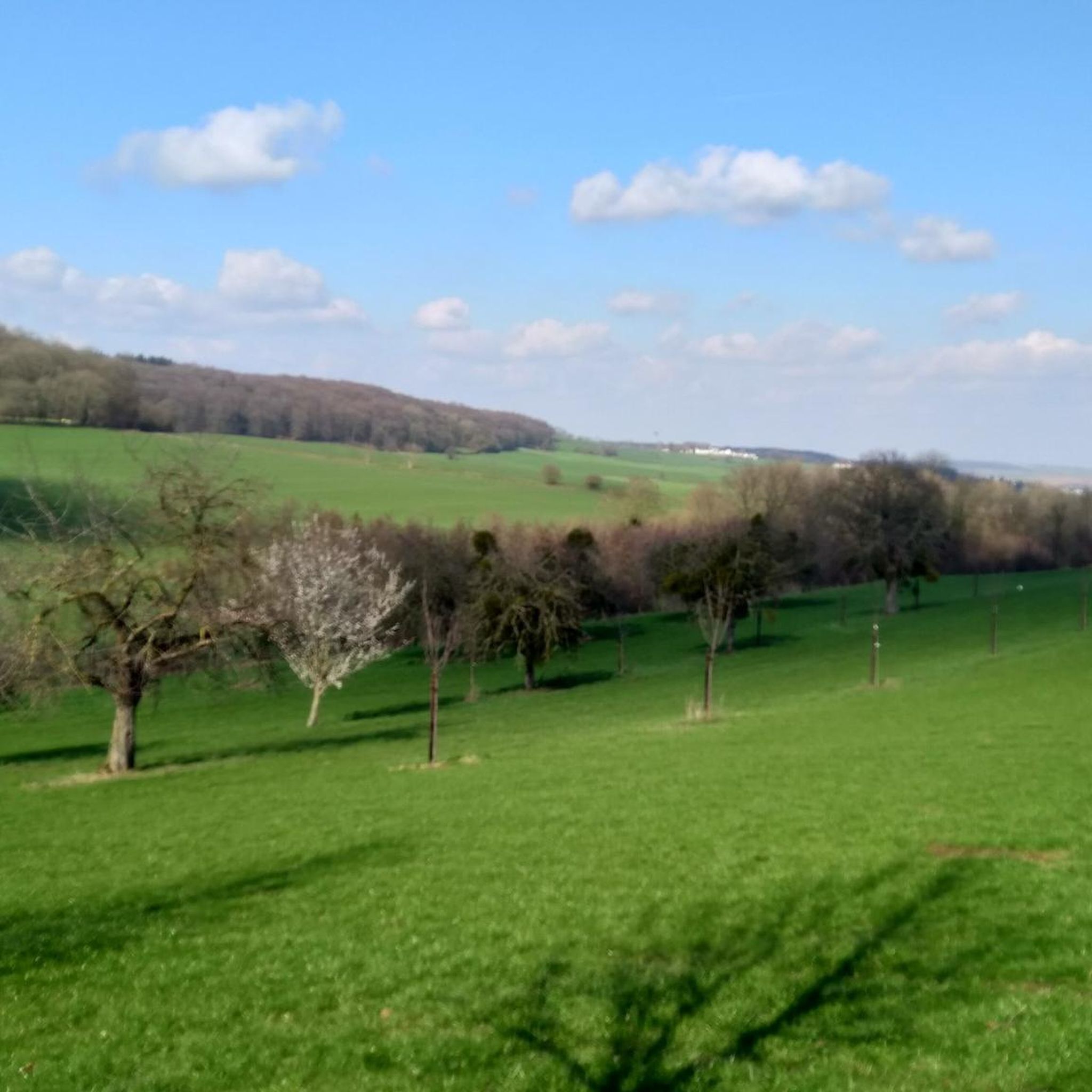
Running Trails around Plombières
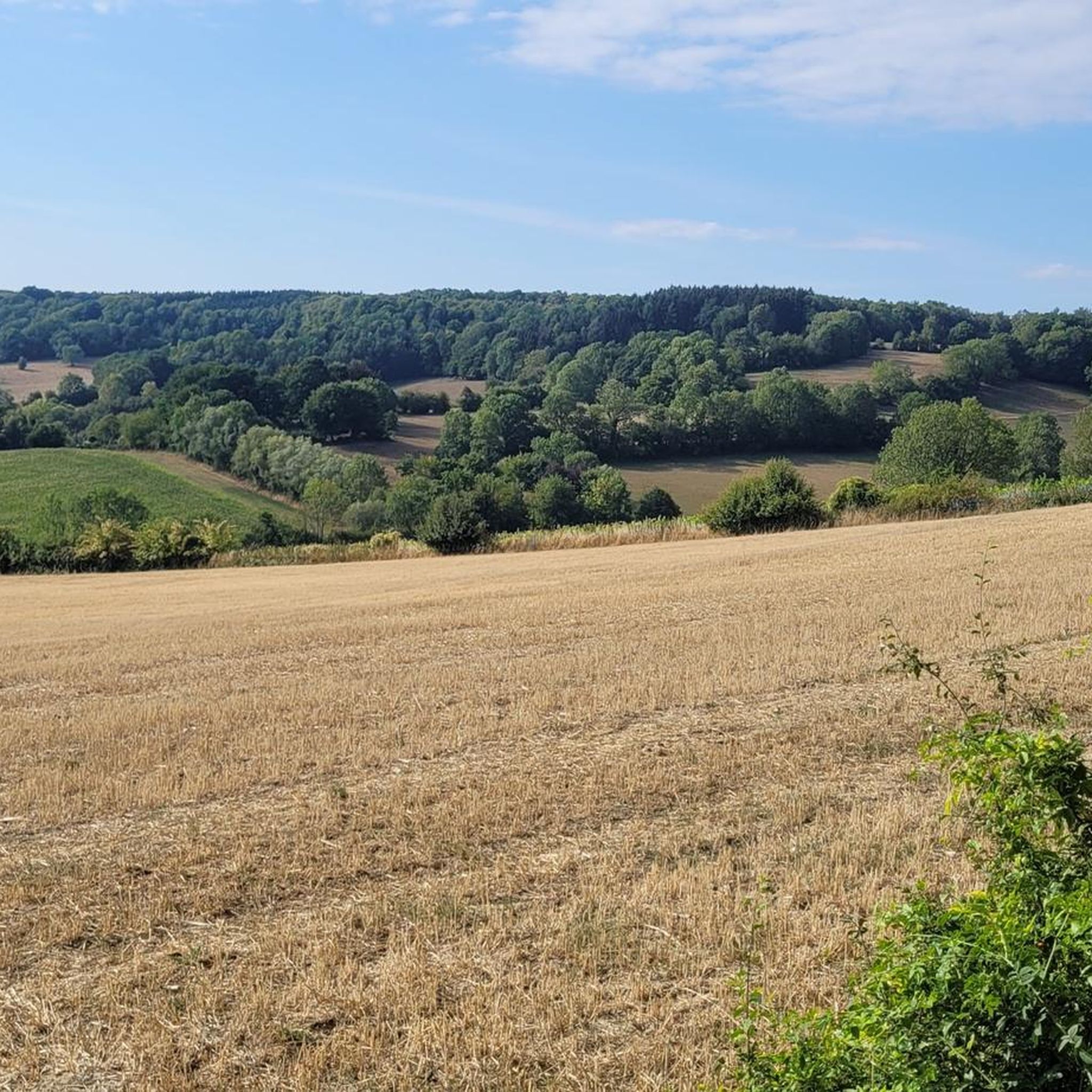
Cycling around Plombières
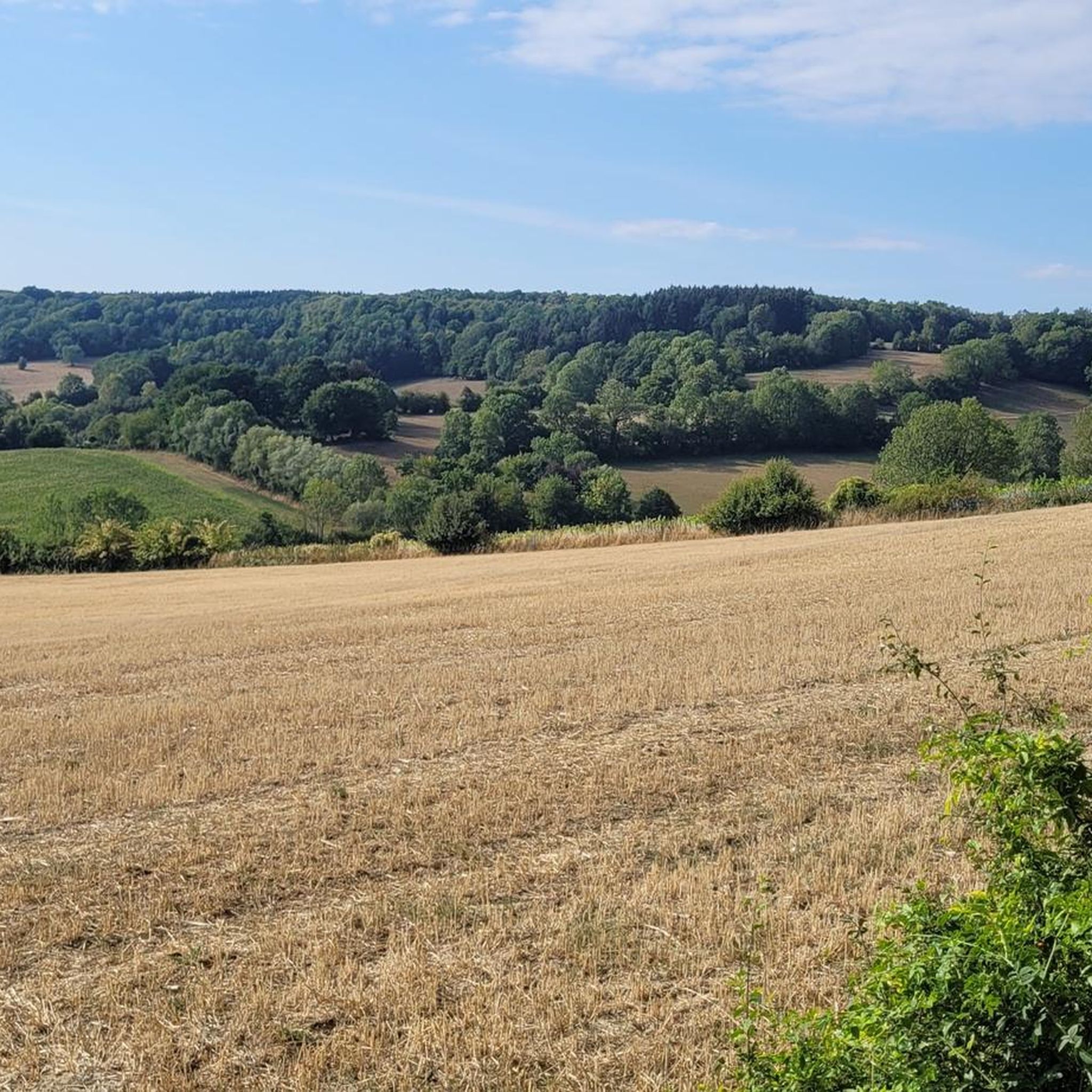
MTB Trails around Plombières
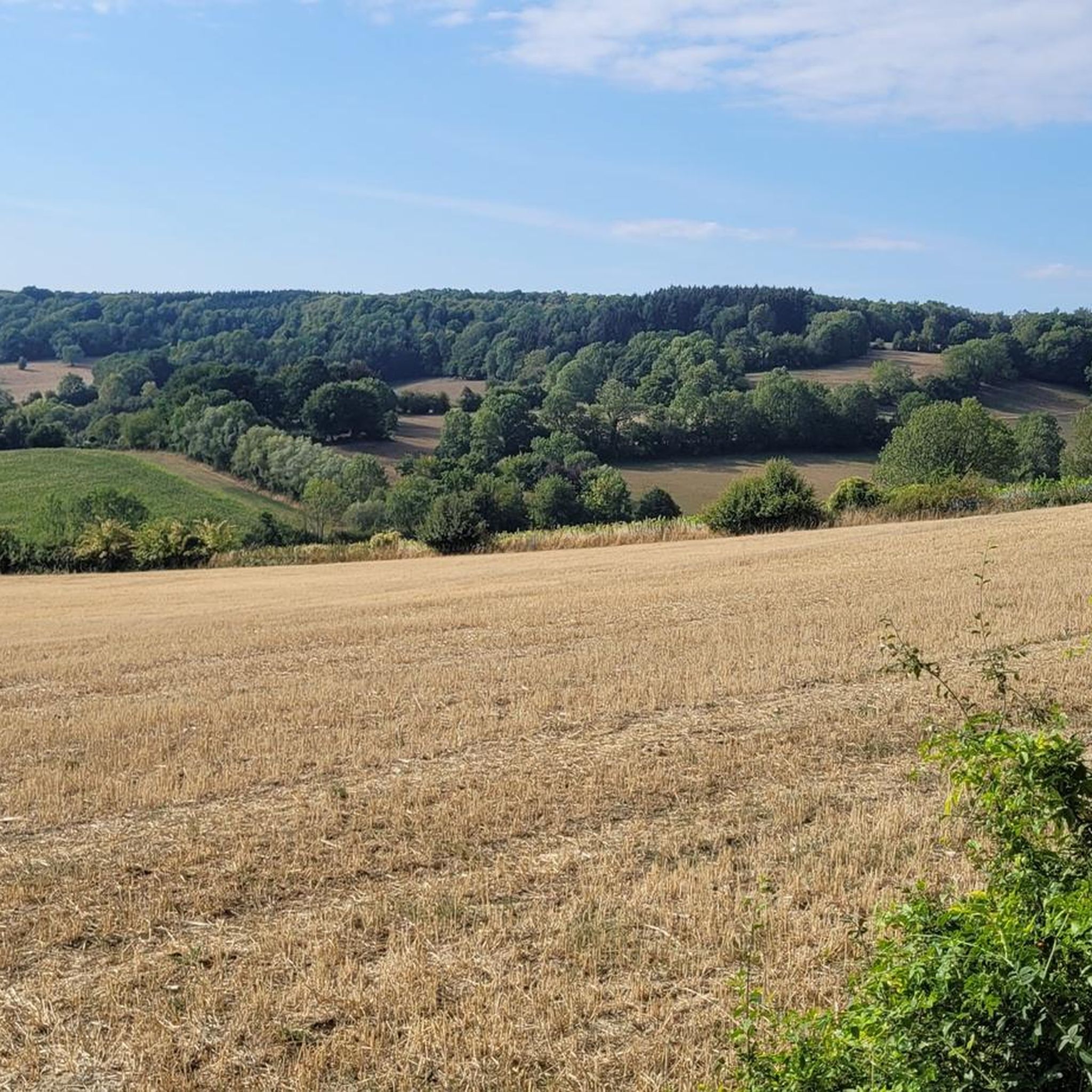
Road Cycling Routes around Plombières
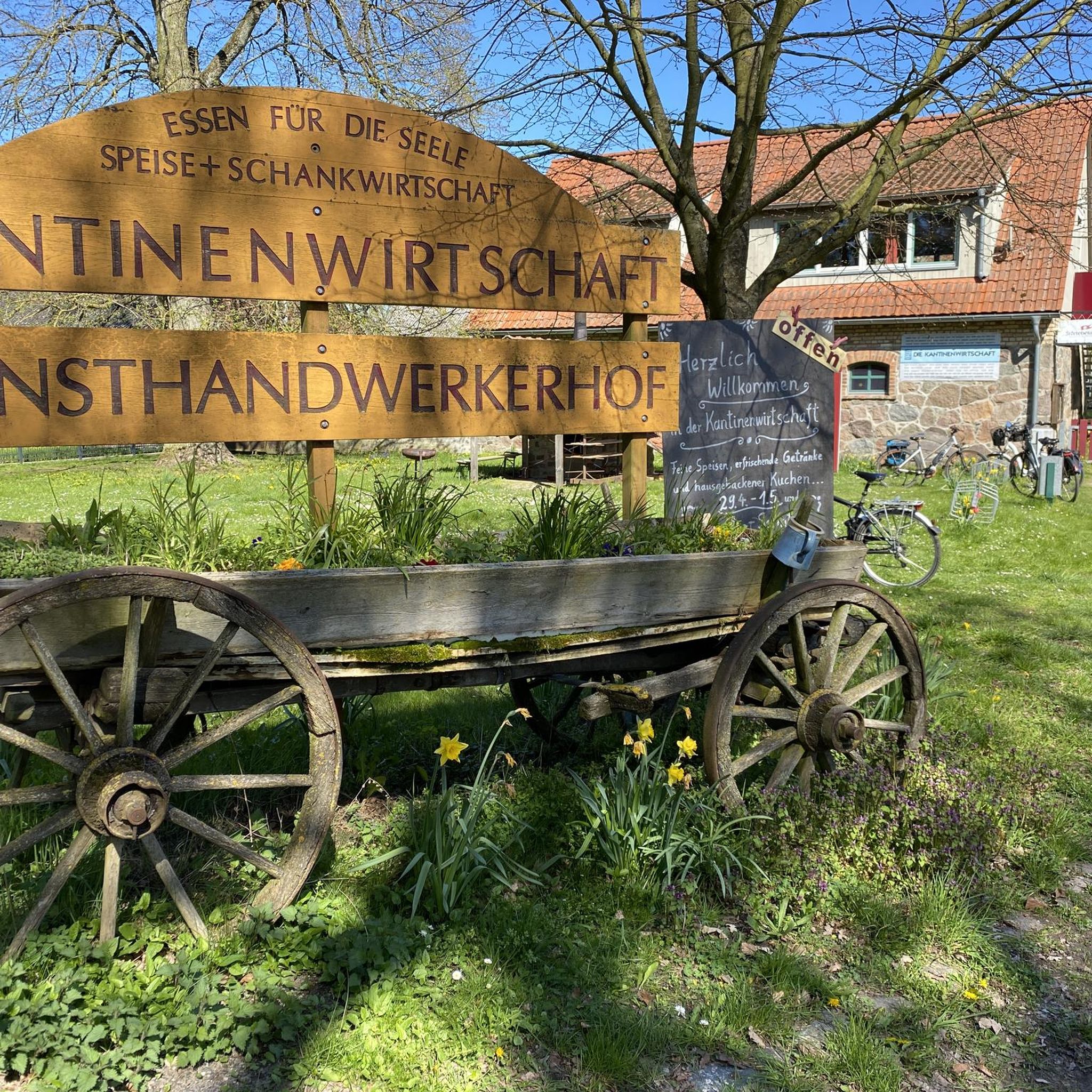
Gravel biking around Plombières
Other adventures around Plombières


Tips from the Community

In the Keutenberg Quarry, you'll find a historic air raid shelter, a remnant from wartime that recalls the region's turbulent history. The shelter is hidden between the marl walls and offers an impressive glimpse into how people protected themselves during conflicts.
0
0
The Marian Grotto in Eys is a small, peaceful sanctuary nestled in the greenery. Surrounded by trees and natural rock formations, it invites a moment of silence and contemplation. The soft song of birds and the rustling of leaves enhance the serene atmosphere of this place.
0
0

Small cave with bat passage..
4
0

Bats hibernate from early November to the end of March. Please leave the animals alone during these five months. Thank you.
2
0

Bats 🦇 are allowed to fly in and out
2
0

The site of the former Plombières mine is home to species-rich calcareous grassland meadows, now protected as a nature reserve. The exceptional flora and fauna of this area are due to the heavy metal-rich soils, particularly the presence of zinc in the subsurface. Among the natural meadow relics, visible traces of the former metal industry can still be found: – Walls from former foundry floors – Remains of old smelting furnaces – Stones from former industrial buildings A small stream meandering through the area further enriches the ecological diversity of this special place. The "Gueule" viewpoint, which offers a glimpse into a cave opening, is particularly impressive and worth a visit.
53
0

For the calf biters: an asphalt road of 22% is available
2
0

The Groeve onder de Keutenberg is an underground quarry and former air raid shelter. The quarry is located between Schin op Geul and Wijlre between the hamlets of Engwegen and Stokhem. Between 3 July and 3 September 1944, a shelter was built here during the Second World War, where the local population of Etenaken could take shelter during air raids and shelling. An emergency bridge was built over the Geul so that the residents could reach the shelter dry. Etenaken was liberated by the American Allies on 14 September 1944. Before the liberation, the families stayed in the shelter for two days and three nights.
2
0
Frequently Asked Questions
What kind of caves can I explore around Plombières?
The region around Plombières, primarily in Belgium, offers a mix of historical mining sites, natural cave entrances, and unique geological formations. You can find remnants of zinc and lead mining operations, natural reserves, and even man-made tunnels that now serve as bat habitats. Notable sites include the Mine entrance and Geul sinkhole — Plombières Nature Reserve and the Oskar Tunnel (Oskarstollen).
Are there any family-friendly cave attractions in the area?
Yes, the Mine entrance and Geul sinkhole — Plombières Nature Reserve is considered family-friendly. It offers a unique combination of industrial heritage, geological interest, and natural beauty with marked routes for light hiking. The nearby Caves of Remouchamps, while not directly in Plombières, are also a popular family attraction known for their navigable underground river.
What historical insights can I gain from visiting the caves?
The caves and underground sites around Plombières are rich in history, particularly related to mining. The Mine entrance and Geul sinkhole — Plombières Nature Reserve was a significant zinc and lead mining operation from the 14th century to 1922. The Oskar Tunnel (Oskarstollen) is a 500-meter long tunnel historically used to transport ore. Additionally, Mary's Grotto, Eys, served as an air raid shelter during WWII.
Where can I see bats or learn about wildlife in the caves?
Several sites around Plombières are important for bat populations. The Oskar Tunnel (Oskarstollen) now serves as a habitat for bats. The Grube Auberg Bat Cave Entrance is a barred entrance in the state forest known for housing a bat colony. Mary's Grotto, Eys, is also closed to protect hibernating bats.
Are there any unique geological features to observe?
Yes, the region offers several interesting geological features. At the Mine entrance and Geul sinkhole — Plombières Nature Reserve, you can observe the Geul river rushing into a cave opening. The area is also known for its calamine lawns, a unique flora due to heavy metal-rich soils. The nearby Caves of Remouchamps feature spectacular spaces carved out by a river, revealing impressive geological formations and ancient fossils.
What outdoor activities can I do near the caves?
The area around Plombières offers various outdoor activities. You can find numerous routes for MTB, Gravel biking, and Cycling. The Plombières Mine Site and Nature Reserve also has two marked routes (1.7 km and 3 km) for light hiking, allowing visitors to explore the historical and natural aspects of the site.
Is there a site where a river flows into a tunnel or cave?
Yes, the Artificial Tunnel of the Gueule River is an impressive spot where the Gueule (Göhl) river rushes into a tunnel. This passage, though man-made in 1861 to divert water from the mines, is now a picturesque location with picnic spots nearby. You can also see the Geul sinkhole at the Mine entrance and Geul sinkhole — Plombières Nature Reserve.
What is the best time to visit the caves around Plombières?
The Plombières Mine Site and Nature Reserve can be enjoyed year-round, with its nature reserve offering pleasant shade on warm days. For sites like the Grube Auberg Bat Cave Entrance and Mary's Grotto, Eys, which are important for hibernating bats, it's best to visit respectfully and quietly, especially during colder months when bats are most sensitive to disturbance. Always check specific opening times for guided tours or attractions like the Caves of Remouchamps.
Are there any religious or cultural sites related to caves in the area?
Yes, the Mary's Grotto, Eys, is a hidden grotto with a statue of Mary, also having historical significance as an air raid shelter. Additionally, the Calvary of Moresnet-Chapelle, near Plombières, features 14 distinct man-made 'caves' as part of a larger religious site, offering a blend of religious history and art.
What do visitors particularly enjoy about the caves and sites near Plombières?
Visitors appreciate the unique blend of industrial heritage and natural beauty, especially at the Mine entrance and Geul sinkhole — Plombières Nature Reserve, where the view of the Geul river is particularly impressive. The historical significance of sites like the Oskar Tunnel (Oskarstollen) and the picturesque setting of the Artificial Tunnel of the Gueule River are also highly valued.
Are there any caves that are not natural formations?
Yes, the Artificial Tunnel of the Gueule River is a notable example. It was dug by man in 1861 to divert the river's course and prevent flooding in the mines, rather than being a natural cave. The Calvary of Moresnet-Chapelle also features 14 distinct 'caves' that are man-made structures.
Most popular routes around Plombières
Most popular attractions around Plombières

Get inspired with the komoot mobile app


Explore more
Extend your search for the best caves by checking out these guides of the top ones around Plombières:
