Top 15 Caves around Baelen
Best caves around Baelen are found within a region known for its natural landscapes and historical significance, particularly in the Wallonia region of Belgium. While Baelen itself is noted for historical buildings and the Gileppe Dam, the broader area features several notable underground formations. The geology of the Belgian Ardennes provides a setting for various cave systems and former mining operations. This area offers a blend of natural and man-made subterranean features for exploration.
Best caves around Baelen
- The most…
Last updated: October 3, 2026
Mine entrance and Geul sinkhole — Plombières Nature Reserve
Highlight • Cave
Translated by Google •
Tip by

Oskar Tunnel (Oskarstollen)
Highlight • Historical Site
Translated by Google •
Tip by

Sign up now to discover places like this
Get recommendations on the best single tracks, peaks, & plenty of other exciting outdoor places.
Grube Auberg Bat Cave Entrance
Highlight • Cave
Translated by Google •
Tip by

Lourdes Grotto Rohren
Highlight • Religious Site
By …
Translated by Google •
Tip by

Entrance to Lu Hayîre Slate Mine
Highlight • Cave
Translated by Google •
Tip by

Sign up for free to discover even more caves around Baelen.
Already have an account?
Start today with a free account
Your next adventure awaits.

Tips from the Community

The Lourdes Grotto was built in 1903 on the initiative of Father Hesseler, the parish priest of Rohren. It is an expression of the deep piety and trust in God of the people. Even today, the grotto is a destination for pilgrims who implore the Virgin Mary for help in times of need.
3
0

In the mid-19th century, flooding from the Göhl River posed a major threat to the mine in Bleyberg/Plombières: Water repeatedly penetrated the tunnels and claimed lives. To prevent this, a diversion of part of the river was requested and approved in 1861. By 1862, a tunnel several hundred meters long was built beneath the rock, keeping the Göhl away from the mine. The construction cost approximately 200,000 francs. The tunnel is a technical monument to mining engineering from an era when hazards were deliberately controlled while simultaneously harnessing hydropower. It demonstrates how work-related accidents were prevented while simultaneously harnessing resources.
54
0

Small cave with bat passage..
4
0

Bats hibernate from early November to the end of March. Please leave the animals alone during these five months. Thank you.
2
0

Bats 🦇 are allowed to fly in and out
2
0
Situated in the quieter part of the valley. The higher paths are more frequented, rockier and more adventurous than this part. Definitely worth a visit!
1
0
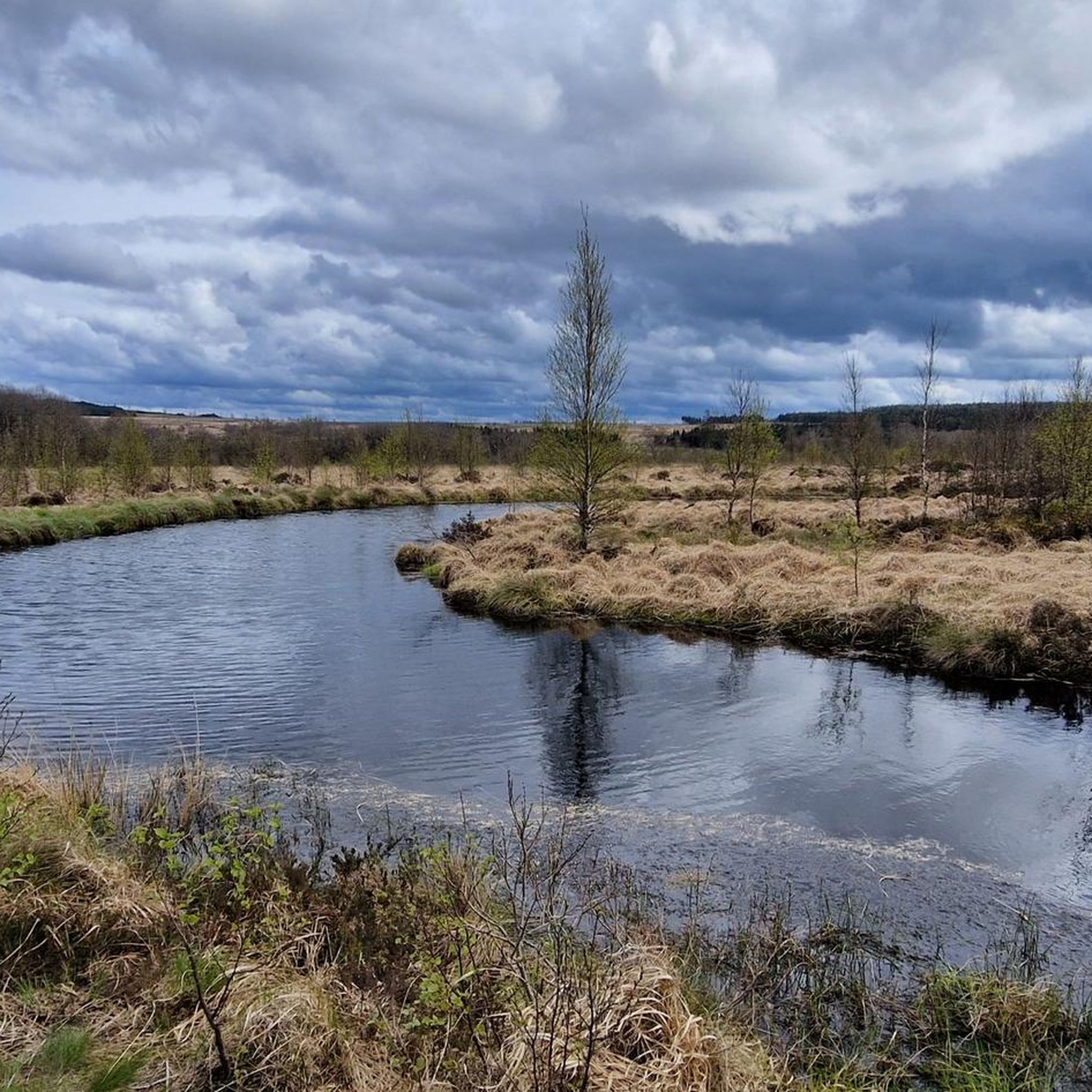
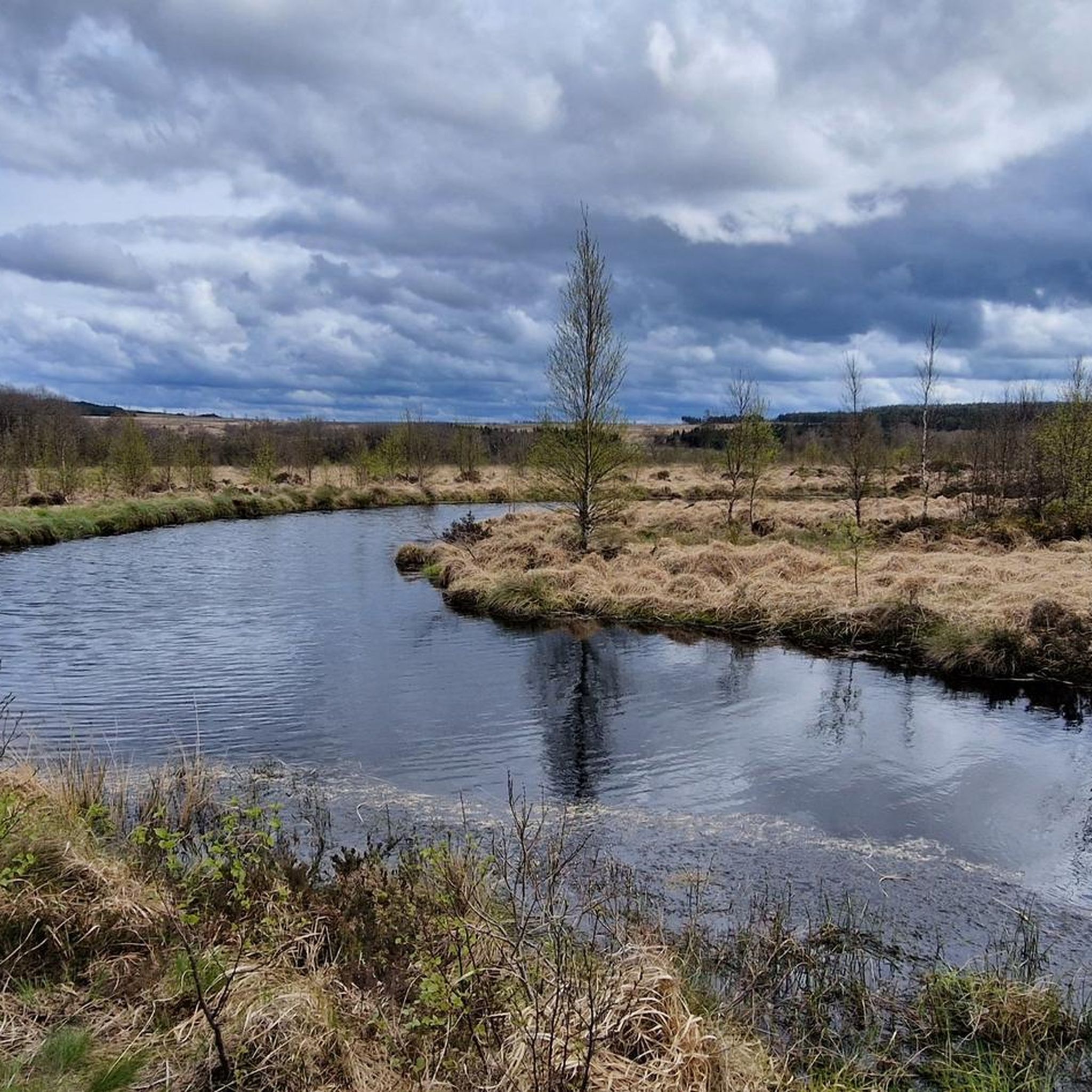
The site of the former Plombières mine is home to species-rich calcareous grassland meadows, now protected as a nature reserve. The exceptional flora and fauna of this area are due to the heavy metal-rich soils, particularly the presence of zinc in the subsurface. Among the natural meadow relics, visible traces of the former metal industry can still be found: – Walls from former foundry floors – Remains of old smelting furnaces – Stones from former industrial buildings A small stream meandering through the area further enriches the ecological diversity of this special place. The "Gueule" viewpoint, which offers a glimpse into a cave opening, is particularly impressive and worth a visit.
53
0
It is quite possible that this old slate tunnel serves as a quarters for bats in winter.
2
0
Frequently Asked Questions
What types of caves can I explore around Baelen?
Around Baelen, you'll find a mix of historical mining tunnels, natural cave formations, and industrial sites with cave-like features. These include former lead-zinc mines and natural sinkholes. For example, the Mine entrance and Geul sinkhole — Plombières Nature Reserve offers a glimpse into an industrial and natural site, while the Oskar Tunnel (Oskarstollen) is a historical mining tunnel.
Are there any family-friendly cave experiences near Baelen?
Yes, several spots are suitable for families. The Mine entrance and Geul sinkhole — Plombières Nature Reserve is considered family-friendly, offering a nature reserve setting. Additionally, the Lourdes Grotto Rohren, an artificially created grotto with religious significance, is also a nice, calm spot for families.
What historical insights can I gain from visiting caves in the Baelen area?
The caves and tunnels around Baelen offer a rich historical perspective, primarily linked to the region's mining past. The Oskar Tunnel (Oskarstollen) is a significant historical site, a 500-meter long tunnel once used for transporting ore from a deep lead-zinc mine. The Plombières Nature Reserve also features remnants of former foundry floors and smelting furnaces, showcasing the area's industrial heritage.
Are there any caves around Baelen that are important for wildlife?
Yes, some cave entrances and tunnels in the region serve as important habitats, particularly for bats. The Oskar Tunnel (Oskarstollen) is recognized as a bat habitat. Similarly, the Grube Auberg Bat Cave Entrance is a barred cave entrance in a state forest specifically known as a bat habitat.
What are the most notable natural cave formations or features near Baelen?
While many sites are related to mining, you can find natural features like the Geul sinkhole at the Plombières Nature Reserve. The Grube Auberg Bat Cave Entrance is a natural cave entrance. The Artificial Tunnel of the Gueule River, though man-made, features an impressive river diversion through a tunnel, creating a picturesque natural-like setting.
What should I wear when visiting caves or cave-related sites in the Baelen area?
Even in summer, temperatures inside caves can be cool and consistent. It's advisable to wear layers, including a light jacket or sweater. Sturdy, closed-toe shoes with good grip are essential, as paths can be uneven or damp. For outdoor cave entrances or nature reserves, comfortable walking shoes are recommended.
What outdoor activities can I combine with a visit to the caves near Baelen?
The Baelen region offers various outdoor activities. You can find numerous hiking trails, such as those around the Gileppe Dam or the Soor River, which are part of Hiking around Baelen. There are also running trails, including routes around Lake Gileppe, detailed in Running Trails around Baelen, and even mountain hikes in the broader Eifel region, accessible via Mountain Hikes around Baelen.
Are there any well-known large show caves in the broader Belgian region?
While Baelen itself features smaller, more historical or natural cave entrances, the broader Wallonia region of Belgium is home to several impressive show caves. These include the famous Caves of Han-sur-Lesse, known for their vast chambers and underground river, and the Caves of Remouchamps, which offer Belgium's longest underground boat trip. The Hotton Caves and Grotte La Merveilleuse in Dinant are also highly regarded for their stunning formations.
What is the best time of year to visit the cave sites around Baelen?
The cave entrances and historical mining sites around Baelen can generally be visited year-round. However, for exploring the surrounding nature reserves and trails, spring and autumn offer pleasant temperatures and beautiful scenery. Summer is also suitable, providing a cool escape inside the cave features. Always check local opening hours for specific sites.
Can I find any unique geological features in the Baelen area?
Yes, the region's geology is influenced by its mining history. The Plombières Nature Reserve is notable for its species-rich calcareous grassland meadows, which thrive due to heavy metal-rich soils, particularly zinc. This unique soil composition contributes to an exceptional flora and fauna not commonly found elsewhere.
What do visitors particularly enjoy about the cave-related sites near Baelen?
Visitors appreciate the blend of natural beauty and historical significance. Many enjoy the peaceful atmosphere at places like the Lourdes Grotto Rohren. The impressive sight of the Gueule river disappearing into the Artificial Tunnel and the unique ecosystem of the Plombières Nature Reserve are also frequently highlighted.
Are there any specific safety considerations for exploring these sites?
When visiting cave entrances or historical tunnels, always stay on marked paths and respect any barriers or signage. Some areas, like the Grube Auberg Bat Cave Entrance, are protected bat habitats, so it's important to keep quiet and avoid disturbing the wildlife. Paths can be uneven or slippery, so appropriate footwear is crucial.
Most popular routes around Baelen
Most popular attractions around Baelen

Get inspired with the komoot mobile app


Explore more
Extend your search for the best caves by checking out these guides of the top ones around Baelen:
