Top 5 Lakes around Geer
Lakes around Geer are primarily found in the surrounding natural reserves, as the municipality itself, located in the province of Liège, Wallonia, Belgium, is characterized by meadows, loamy soil, and the Geer River. The region offers a landscape of natural beauty, with the Geer River providing a prominent natural water feature. While large natural lakes are not a feature within Geer's immediate borders, nearby nature reserves contain significant ponds and water bodies. These areas provide habitats for diverse wildlife and…
Last updated: August 24, 2026
Haut-Geer Nature Reserve
Highlight • Lake
Translated by Google •
Tip by

Hay meadow in De Beemden
Highlight • Forest
Translated by Google •
Tip by

Sign up now to discover places like this
Get recommendations on the best single tracks, peaks, & plenty of other exciting outdoor places.
Sign up for free
Pond Path in Attenhovense Beemden
Highlight (Segment) • Trail
Translated by Google •
Tip by
Pond with Tadpoles
Highlight • Lake
Translated by Google •
Tip by

Beemden Landen Nature Reserve
Highlight • Natural Monument
Translated by Google •
Tip by
Sign up for free to discover even more lakes around Geer.
Sign up for free
Already have an account?
Start today with a free account
Your next adventure awaits.
Login or Signup

Tips from the Community

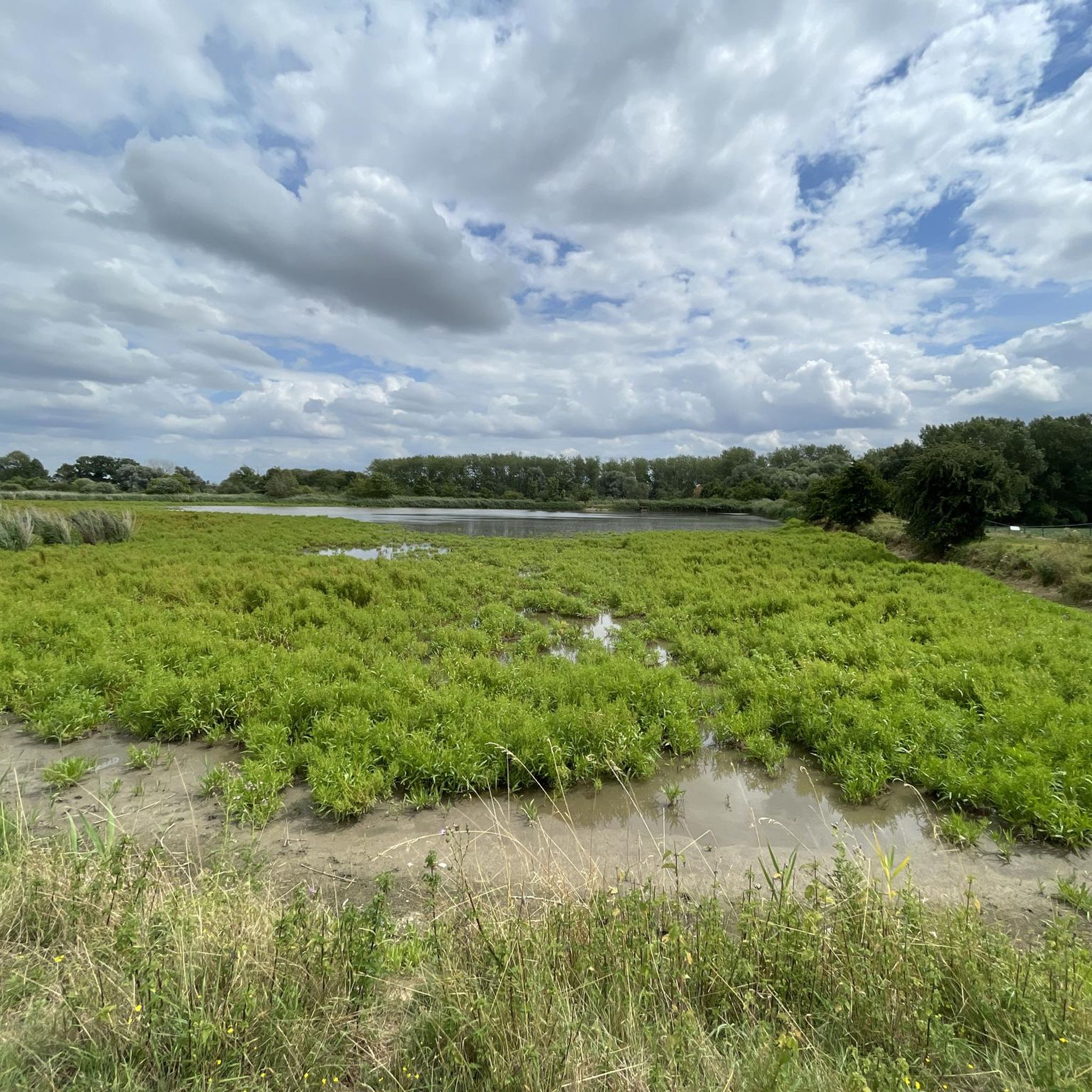
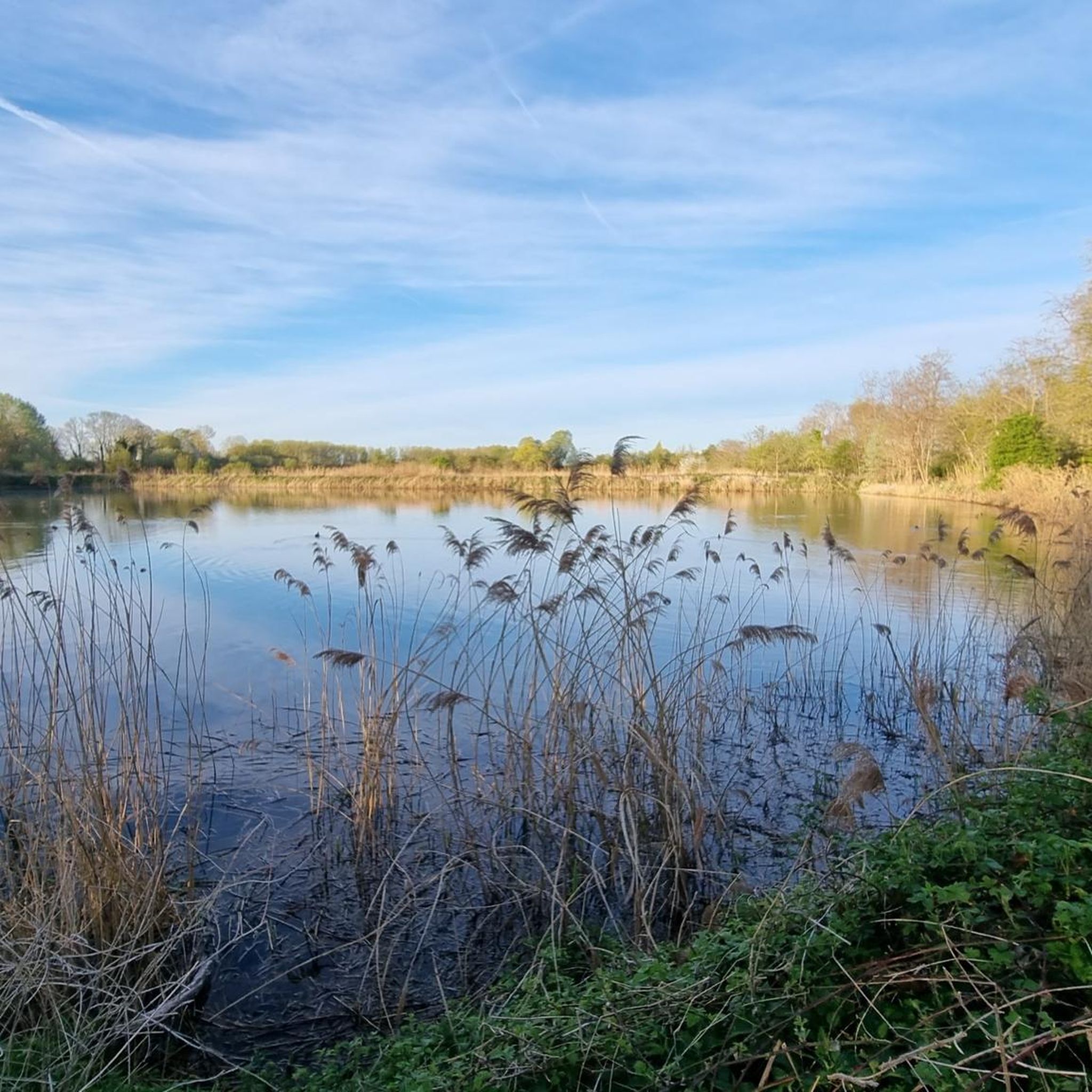
The ponds were created in the 1960s and small willow groves spontaneously emerged between the ponds, where woodpeckers and the golden oriole, among others, build their nests. The relatively pure groundwater in the ponds allows for a very diverse aquatic life, ranging from dragonflies, fish, kingfishers, cormorants, to even yellow-bellied turtles. Around the ponds, the white willows are particularly striking. They grow quickly, but their branches break easily. Because they do not contain hard heartwood, birds such as the green woodpecker and the great spotted woodpecker use them to carve out their nests. The branches hanging close to the water offer ideal resting or lookout spots for mallards and grey herons.
3
0
Probably already in the Middle Ages and certainly from the 17th century onwards, the wet valley of the Dormaalbeek and the Zeyp was used by the villagers of Attenhoven and Rumsdorp as hay meadows, hence the name 'Beemden'. After WWII, land use changed. The wet areas became unprofitable for agriculture and were abandoned. The hay meadows were drained and used as pasture for cattle or sheep. Certain parts were planted with poplars. Here and there you can still find remnants of former hay meadows, but from the 1960s onwards, the appearance of the Beemden changed drastically, and currently there are about seven distinct biotopes. This rich variety ensures a great diversity of wild species. Organisms from both wet and dry soils, from running and stagnant water, from forest and hay meadow feel at home there.
3
0
Ponds are crucial, small water bodies that bring life to the landscape by serving as indispensable breeding grounds for amphibians (frogs, toads, newts), dragonflies, and numerous aquatic insects.
1
0

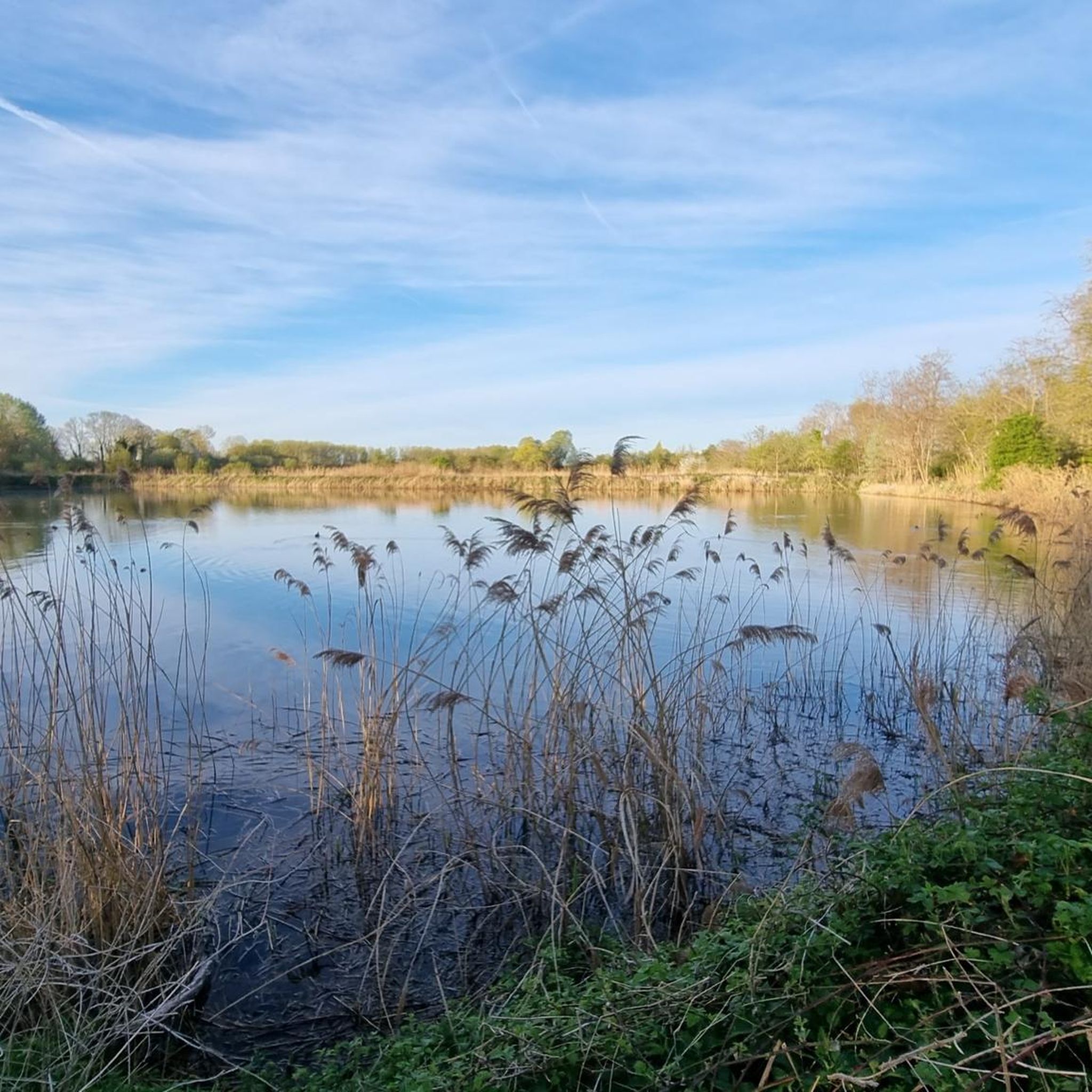
A beautiful area of (only) 34.5 hectares, characterized by reed beds, cattail ponds, and pools fringed by shrubs or with open banks... These diverse habitats offer countless bird species places to forage, nest, hibernate, or rest during their migration. No fewer than 212 species have already been observed! (Source: www.natagora.be)
3
0

In the midst of the large-scale cultural landscape, this area is one of the last refuges for wild animals and plants in Landen. Small willow groves spontaneously developed between the ponds, where woodpeckers and golden orioles, among others, make their nests. The relatively pure groundwater in the ponds makes a very varied aquatic life possible, ranging from the large yellow-edged water beetle to dragonflies, fish and kingfishers. The pussy willows around the ponds are particularly striking. They grow quickly, but their branches break off easily. Because they do not contain any hard heartwood, birds such as the green and the great spotted woodpecker use them to carve out their nests. The branches that hang close to the water offer ideal resting or viewing places for wild ducks and blue herons. They are especially vital for the kingfisher. Sitting on a lookout post, it hunts for rudd, sticklebacks and other aquatic animals in the water. In early summer, white foam drops sometimes fall from the pussy willows: cuckoo spit. It comes from the larvae of the foam cicada, which produce foam and hide in it. Many other insects live on the pussy willows. They are eagerly eaten by insectivorous birds such as the chiffchaff, the willow warbler and the spotted flycatcher. The bankside vegetation with bulrush, hairy willowherb and marsh sedge offers nesting opportunities for the moorhen and the coot. In summer, many dragonflies and damselflies float above and around the ponds, the most striking of which is the large emperor dragonfly. Swallows hunt for mosquitoes above the ponds. This is therefore the ideal place for a hobby to catch both a swallow and a large dragonfly. In addition to the various types of grass, you will find plants here that feel at home in a dry, calcareous environment. Striking features include the box pod, the cinquefoil and the wild marjoram. Here you can observe numerous species of butterflies in the summer. From the piled-up area you have a good view of the reed field, the breeding area of the reed warbler, the sedge warbler, the reed bunting and many other marsh birds. Wood edges screen the hayfield and the berry or nut-bearing shrubs offer shelter and food to birds such as the garden warbler, chiffchaff and jay. On the darkest parts you can sometimes find glowworms in the evening. Source: https://www.natuurpunt.be/natuurgebieden/beemden-landen
7
0
The most beautiful part. You can also go around some ponds. I was surprised to see so many water birds on such a relatively short and small part and to see two kingfishers sitting. A path to take some time when it is quiet and observe well.
7
0
In the midst of the large-scale cultural landscape, this area is one of the last refuges for wild animals and plants in Landen. Small willow groves spontaneously developed between the ponds, where woodpeckers and golden orioles, among others, make their nests. The relatively pure groundwater in the ponds makes a very varied aquatic life possible, ranging from the large yellow-edged water beetle to dragonflies, fish and kingfishers. The pussy willows around the ponds are particularly striking. They grow quickly, but their branches break off easily. Because they do not contain any hard heartwood, birds such as the green and the great spotted woodpecker use them to carve out their nests. The branches that hang close to the water offer ideal resting or viewing places for wild ducks and blue herons. They are especially vital for the kingfisher. Sitting on a lookout post, it hunts for rudd, sticklebacks and other aquatic animals in the water. In early summer, white foam drops sometimes fall from the pussy willows: cuckoo spit. It comes from the larvae of the foam cicada, which produce foam and hide in it. Many other insects live on the pussy willows. They are eagerly eaten by insectivorous birds such as the chiffchaff, the willow warbler and the spotted flycatcher. The bankside vegetation with bulrush, hairy willowherb and marsh sedge offers nesting opportunities for the moorhen and the coot. In summer, many dragonflies and damselflies float above and around the ponds, the most striking of which is the large emperor dragonfly. Swallows hunt for mosquitoes above the ponds. This is therefore the ideal place for a hobby to catch both a swallow and a large dragonfly. In addition to the various types of grass, you will find plants here that feel at home in a dry, calcareous environment. Striking features include the box pod, the cinquefoil and the wild marjoram. Here you can observe numerous species of butterflies in the summer. From the piled-up area you have a good view of the reed field, the breeding area of the reed warbler, the sedge warbler, the reed bunting and many other marsh birds. Wood edges screen the hayfield and the berry or nut-bearing shrubs offer shelter and food to birds such as the garden warbler, chiffchaff and jay. On the darkest parts you can sometimes find glowworms in the evening. Source: https://www.natuurpunt.be/natuurgebieden/beemden-landen
7
0

Beautiful path along the Attenhovense Beemden. On one side flanked by the Zyp that runs a little further into the Dormaalbeek. On the other side the beautiful natural meadow ponds.
3
0
Frequently Asked Questions
What kind of water bodies can I expect to find around Geer?
The municipality of Geer, Belgium, is characterized by meadows, loamy soil, and the Geer River, rather than large natural lakes. You will primarily find significant ponds and water bodies within nature reserves. These areas offer diverse habitats for wildlife and opportunities for nature observation.
What are some popular nature reserves with water features near Geer?
Popular spots include Haut-Geer Nature Reserve, known for its reed beds and pools, and Hay meadow in De Beemden, which features grasslands, flowery meadows, and artificial ponds supporting varied aquatic life.
Are there family-friendly places to visit near the water around Geer?
Yes, several areas are suitable for families. Haut-Geer Nature Reserve is considered family-friendly, offering a chance to observe birds. The Beemden Landen Nature Reserve also features a fantastic water playground with locks, an Archimedes screw, and a small sandy beach, making it ideal for children.
What natural features can I observe in the water bodies around Geer?
The nature reserves around Geer are rich in biodiversity. You can observe reed beds, cattail ponds, and various aquatic life. These habitats attract numerous bird species, including kingfishers, moorhens, coots, and various marsh birds. Dragonflies and damselflies are also common in summer.
Are there walking trails along the water near Geer?
Yes, the Pond Path in Attenhovense Beemden offers a trail along natural meadow ponds, providing opportunities to observe water birds and kingfishers. Additionally, the Geer River itself has a 7 km walking path called 'La Promenade du Geer'.
What outdoor activities can I do near these water areas?
Beyond walking and nature observation, you can explore various cycling and mountain biking routes. For cycling, consider routes like the 'Watermill of 1646 on the Jeker – Insectarium Hexapoda loop' or the 'Geer River Trail – The Haut-Geer Nature Reserve loop'. You can find more details on Cycling around Geer. For mountain biking, there are routes such as the 'Haut-Geer Nature Reserve loop from Blehen', detailed in MTB Trails around Geer.
What is the best time of year to visit the water bodies around Geer?
Spring and summer are excellent for observing the diverse flora and fauna. In spring, you might see tadpoles in ponds like the Pond with Tadpoles, and in summer, many dragonflies and damselflies float above the ponds. The flowery meadows are also at their best during these seasons.
Can I bring my dog to the nature reserves with water features?
While specific dog policies vary by reserve, many natural areas in Belgium allow dogs on a leash. It's always best to check local signage or the specific reserve's website before visiting to ensure compliance with regulations.
Are there any viewpoints to appreciate the water landscapes?
Yes, areas like Haut-Geer Nature Reserve are recognized as observation sites. The Pond Path in Attenhovense Beemden also offers good vantage points for observing water birds. In Hay meadow in De Beemden, piled-up areas provide views of reed fields and breeding grounds for marsh birds.
What do visitors enjoy most about the water areas near Geer?
Visitors particularly appreciate the tranquility and the rich biodiversity. Many enjoy the opportunity to observe numerous bird species, kingfishers, and diverse aquatic life in these ecological sites. The quiet walks along the ponds and through the meadows are also highly valued.
Are there any specific tips for visiting Haut-Geer Nature Reserve?
The Haut-Geer Nature Reserve is a small paradise for birds, formed from old settling basins. It's considered one of the most beautiful observation sites in the Walloon Region. It's characterized by reed beds, cattail ponds, and pools, making it an excellent spot for birdwatching.
What makes the Hay meadow in De Beemden unique?
The Hay meadow in De Beemden is a refuge for wild animals and plants amidst a larger cultural landscape. It features grasslands, flowery meadows, and winding waters with artificial ponds. These ponds, despite being artificial, support a very varied aquatic life, from large yellow-edged water beetles to dragonflies, fish, and kingfishers.
Most popular attractions around Geer

Get inspired with the komoot mobile app


Explore more
Still not found your perfect lake around Geer? Check out the guides of these regions to see even more beautiful places.
