Top 10 Gorges in Cantabria
Best canyons in Cantabria are carved through limestone, sandstone, and slate, offering diverse experiences. This region in northern Spain features a landscape with significant natural monuments and deep river valleys. Cantabria provides various canyoning opportunities, from accessible routes to more challenging descents. The area is characterized by its rugged terrain and natural beauty, making it suitable for outdoor exploration.
Best canyons in Cantabria
- The most popular canyons is Tornos de Liordes, a gorge that offers impressive views on the…
Last updated: August 27, 2026
El Bolao Cliff
Highlight • Gorge
You can also see the ruins of a mill at the mouth of Arroyo de la Presa
Translated by Google •
Tip by

Urdón to Tresviso Trail
Highlight • Trail
Translated by Google •
Tip by

Sign up now to discover places like this
Get recommendations on the best single tracks, peaks, & plenty of other exciting outdoor places.
Sign up for free
Canal Honda
Highlight (Segment) • Gorge
Translated by Google •
Tip by

Canal de la Jenduda
Highlight • Gorge
Translated by Google •
Tip by

Ebro Trail
Highlight • Trail
Translated by Google •
Tip by

Santa Catalina Viewpoint
Highlight • Viewpoint
Translated by Google •
Tip by
Desfiladero de Cades
Highlight (Segment) • Gorge
Translated by Google •
Tip by

Deva River
Highlight • River
A paved road in the purest alpine style. You cross winding curves that open a gap between high limestone walls.
Translated by Google •
Tip by

Pozo del Hasta Luego
Highlight • Gorge
To enjoy! Worth.
Translated by Google •
Tip by
Canal de los Vados
Highlight • Gorge
Showing Translation
Tip by

Start today with a free account
Your next adventure awaits.
Login or Signup
Popular around Cantabria
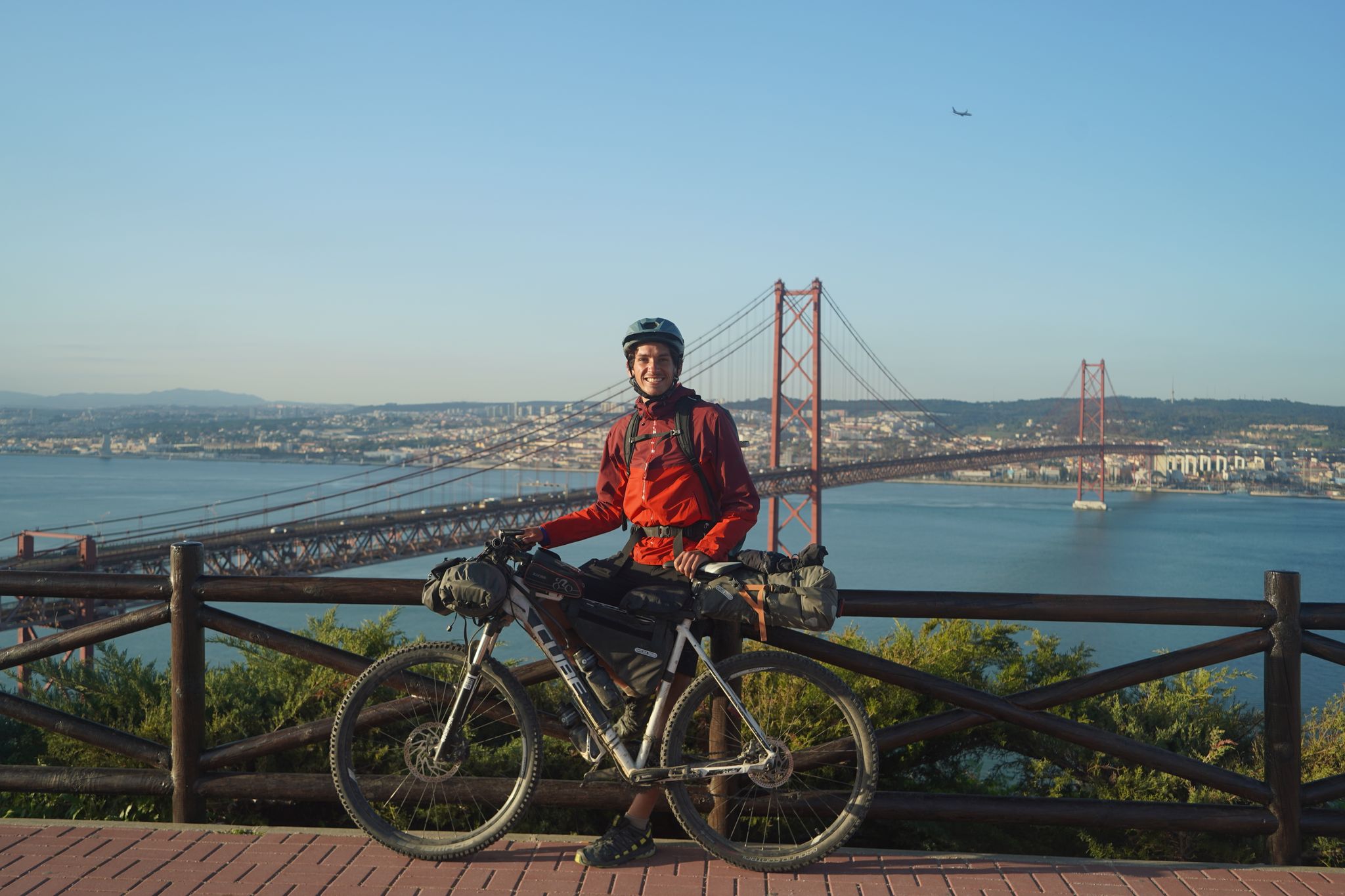
Road to Lisbon – bikepacking the Alps, Pyrenees and Picos de Europa
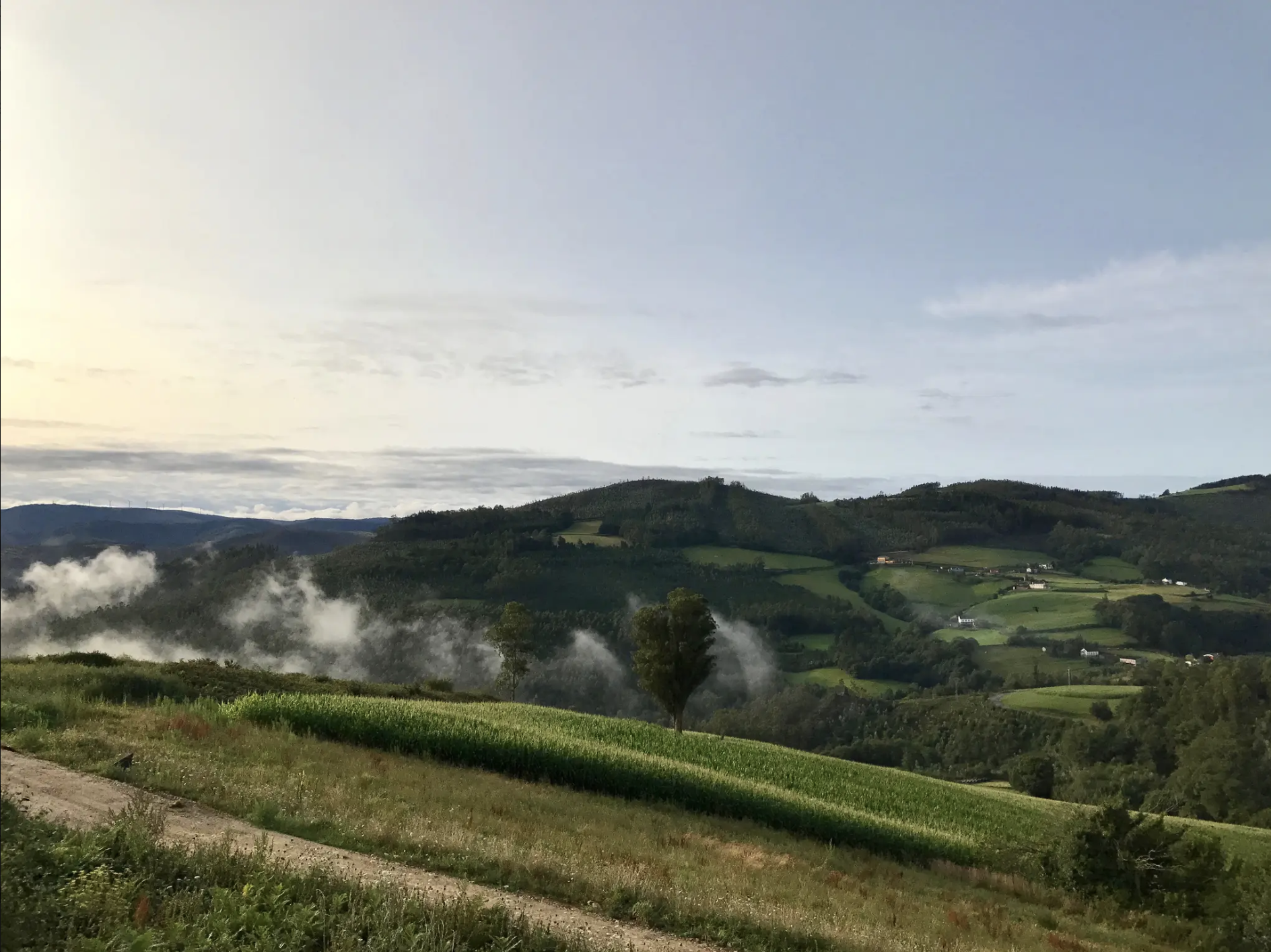
Camino del Norte (in reverse) – Discovering northern Spain's stunning coastline
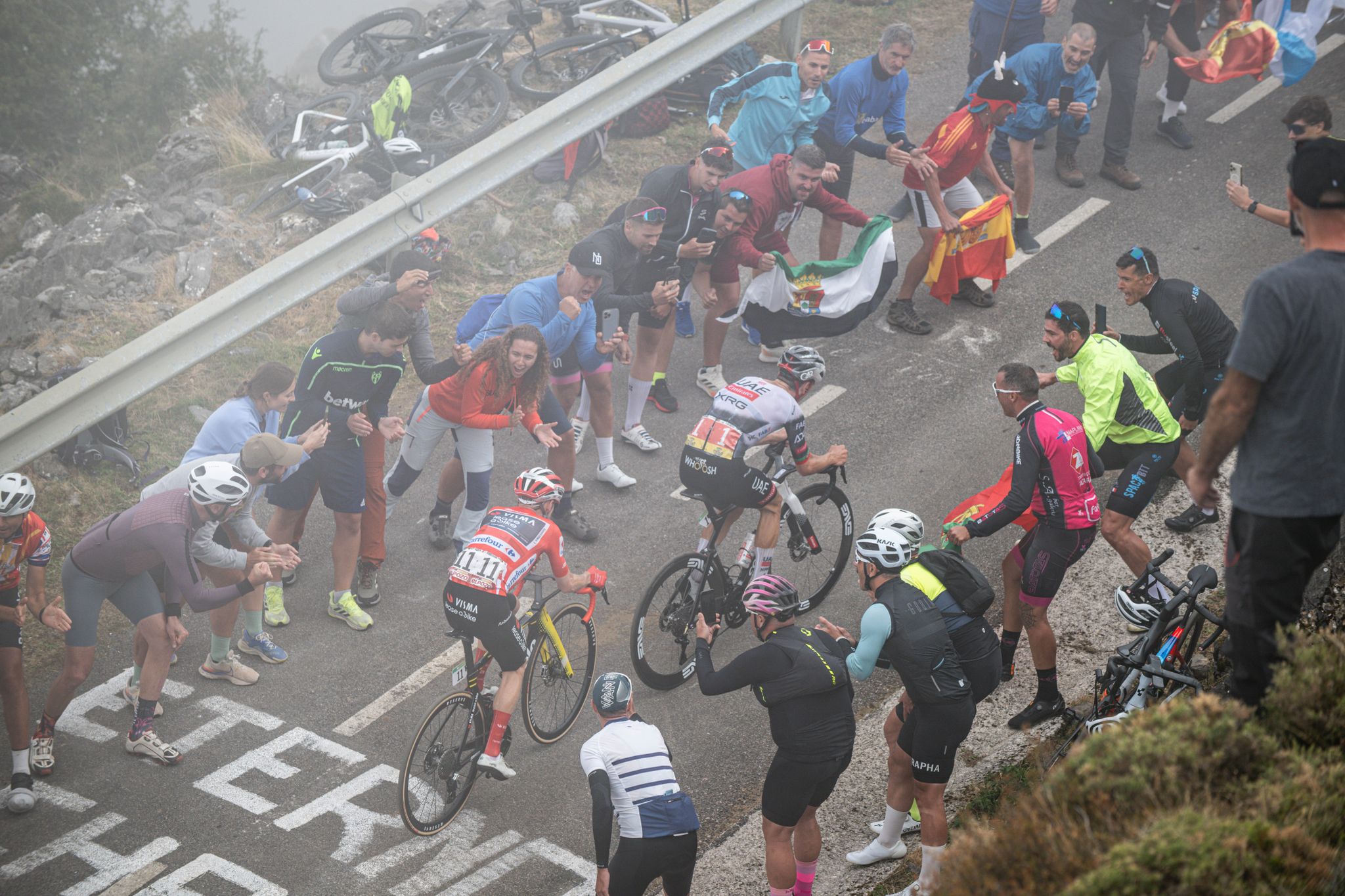
Mythical Passes and Sections of La Vuelta
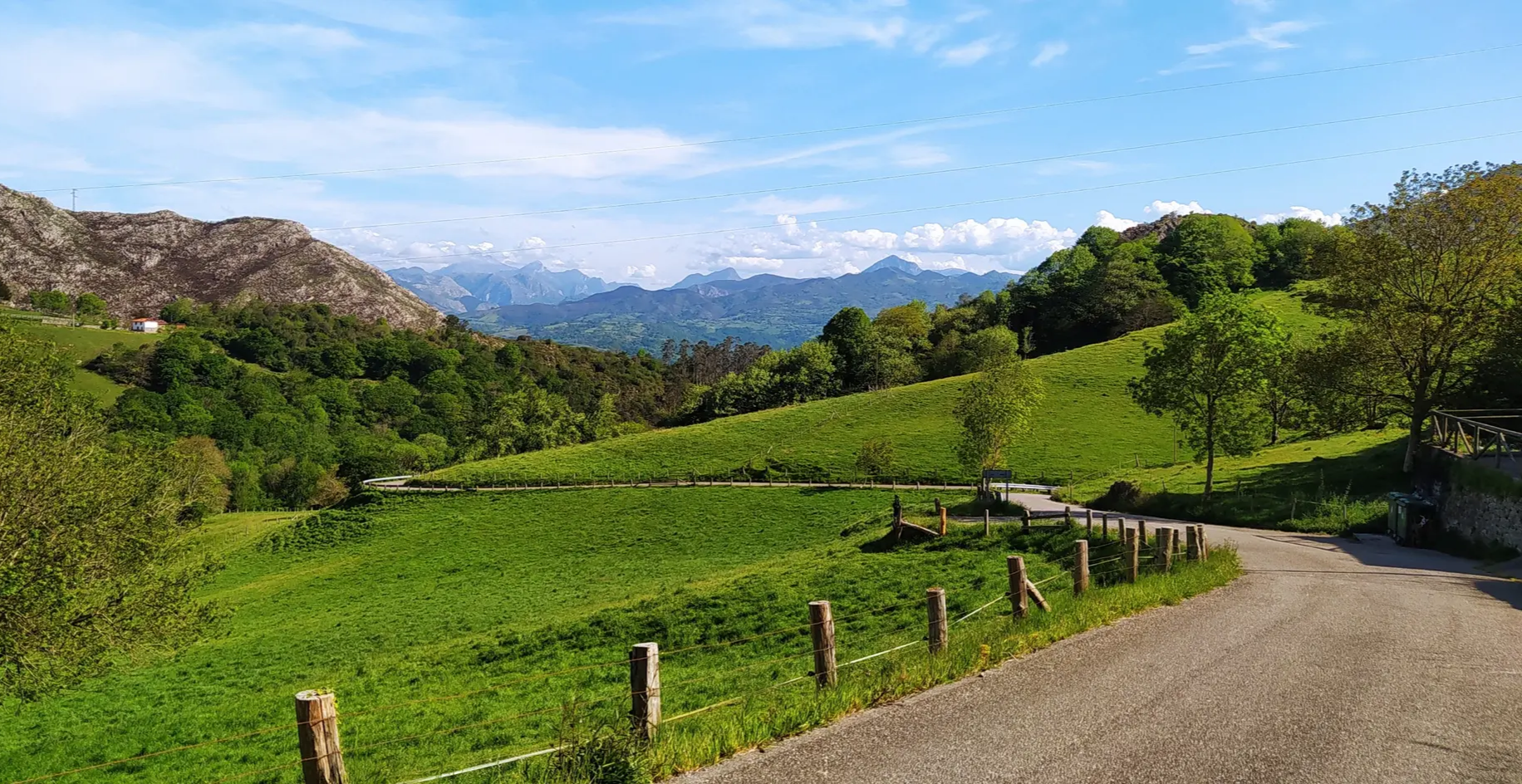
Great mountain passes of Picos de Europa on road bikes
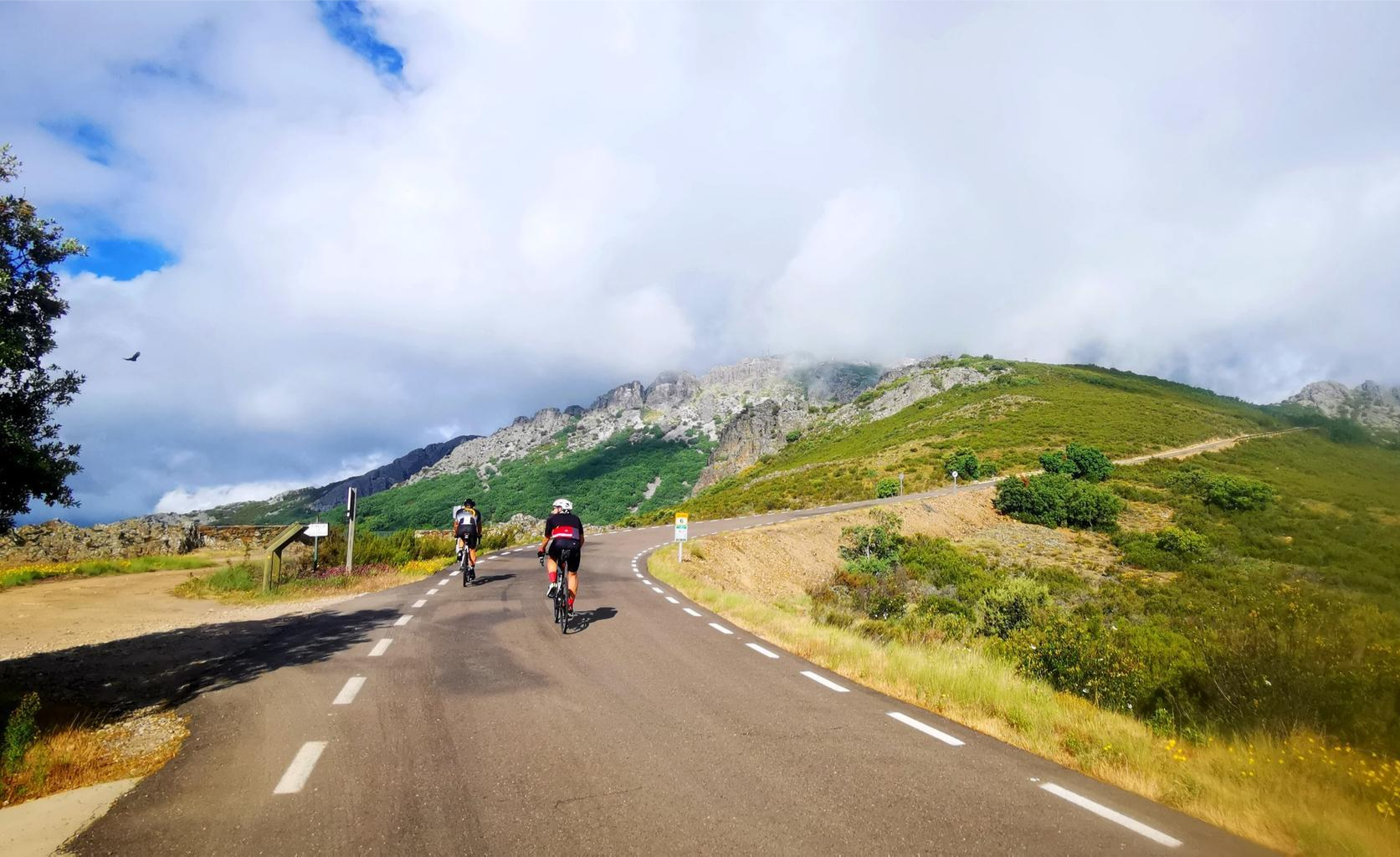
Legendary climbs - Ports of La Vuelta a España
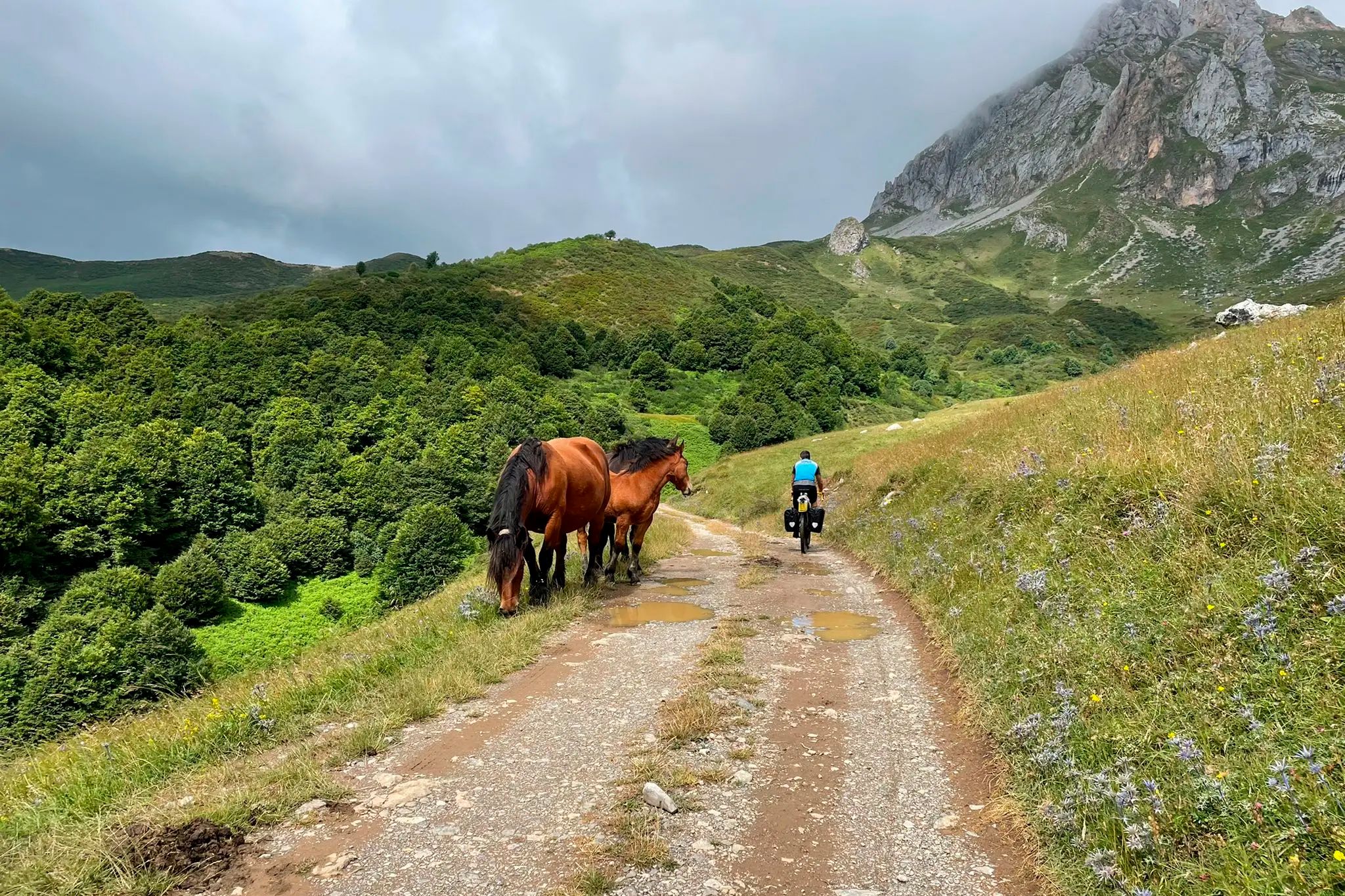
TransCantabrica – Extreme mountain biking in northern Spain
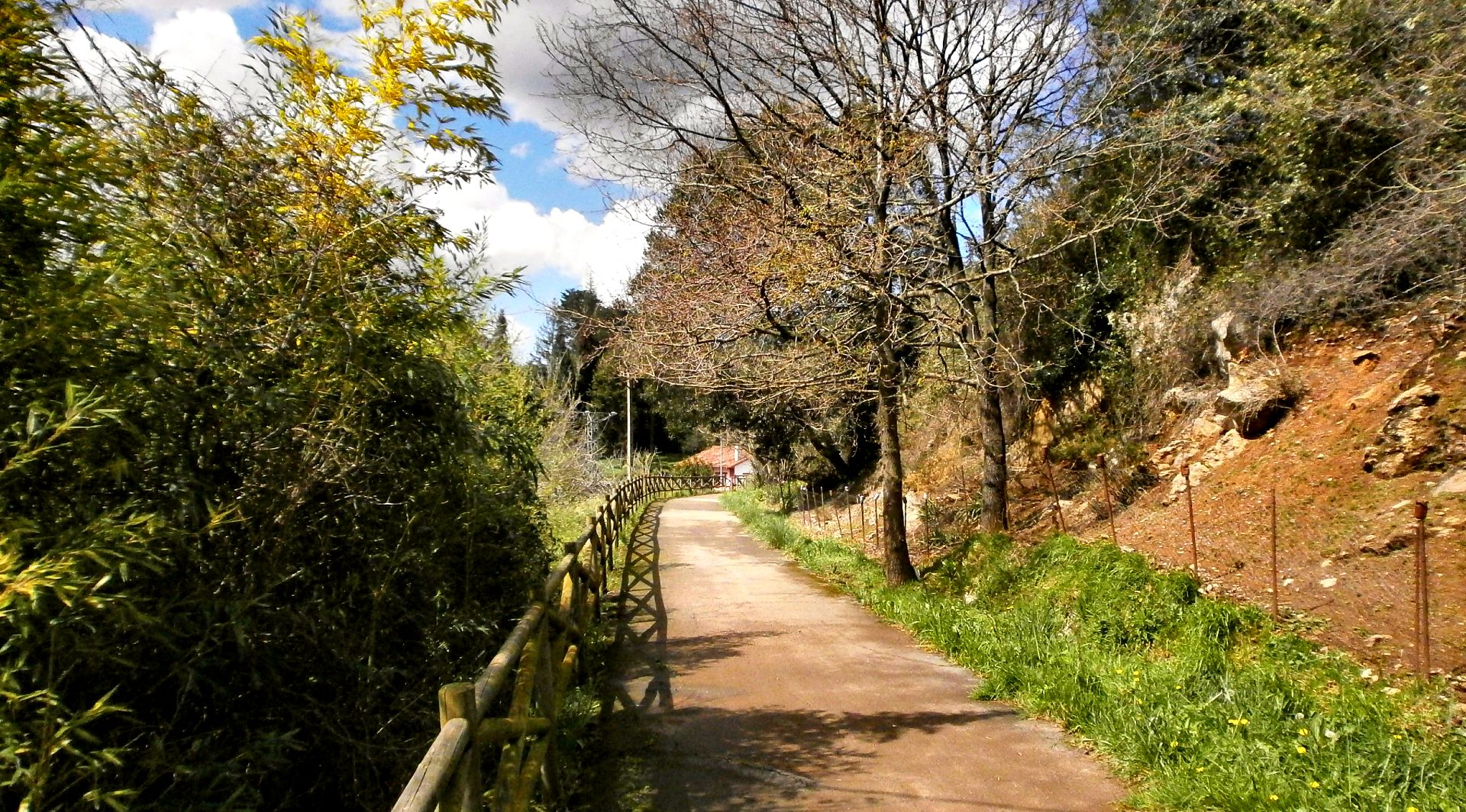
Vía Verde del Pas - Along the Riverbank through Cantabria
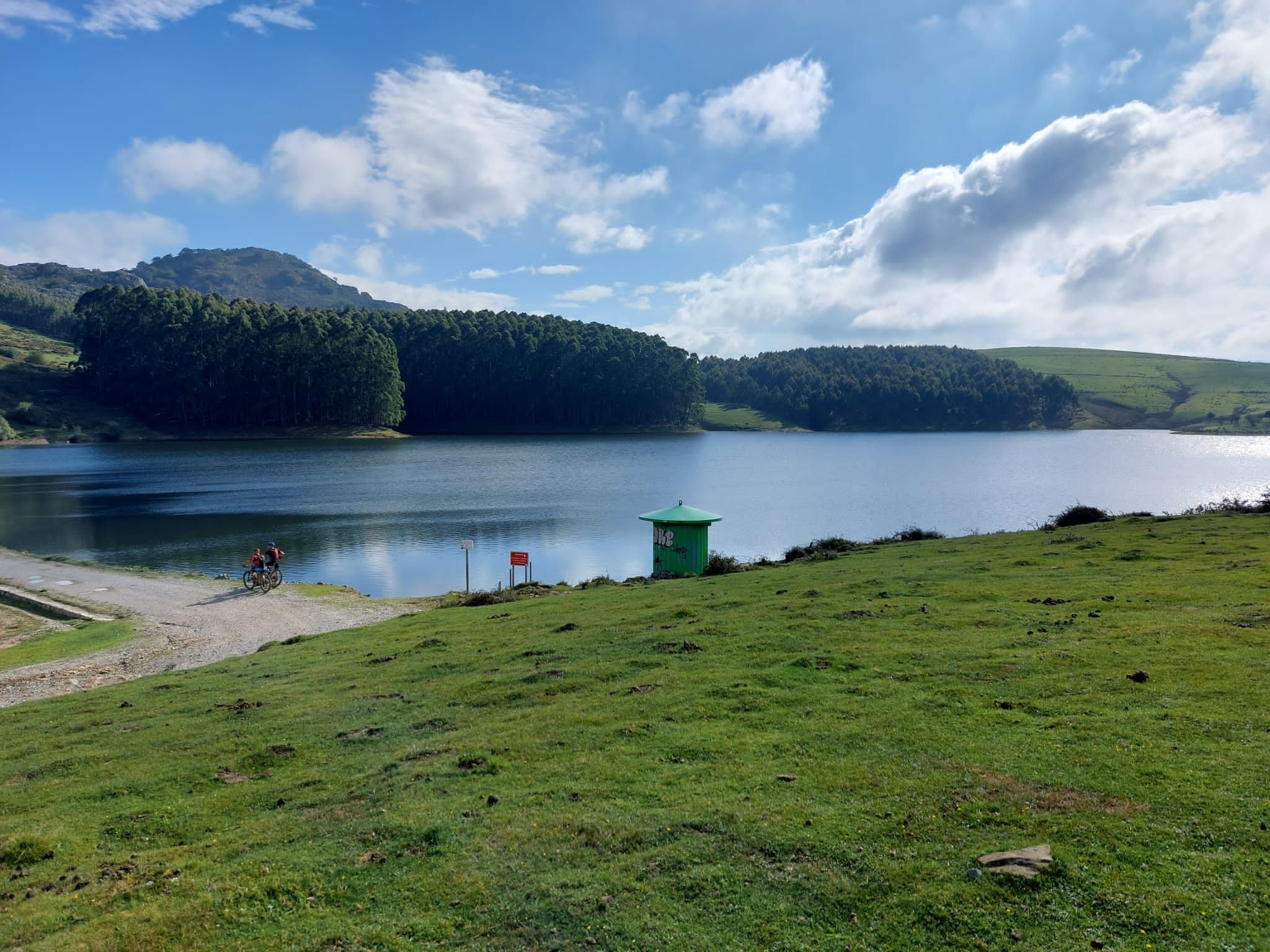
Cycle between land and sea in northern Spain – Pedales de Cantabria
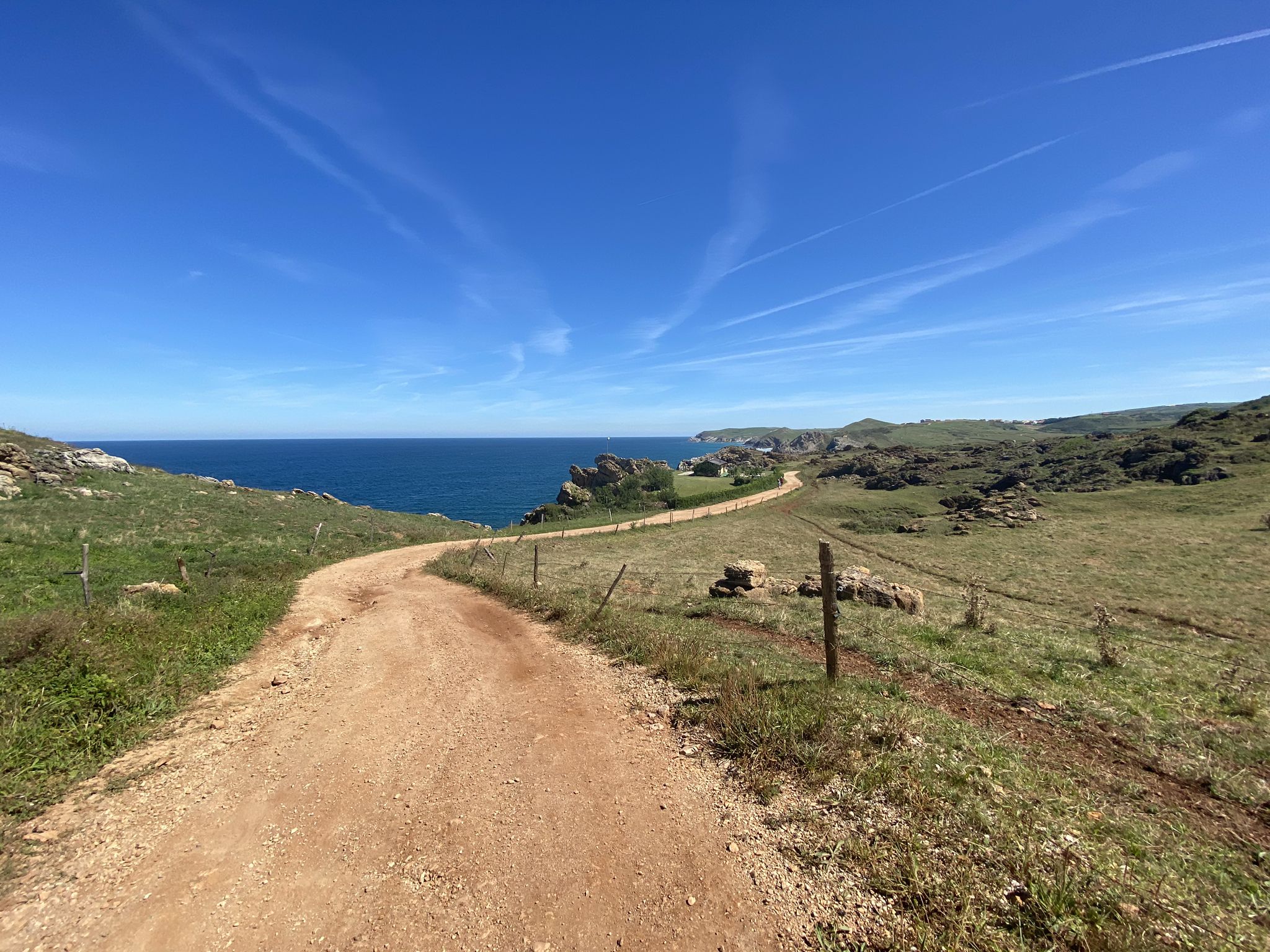
Paths and waves – surf trip by bike in Cantabria
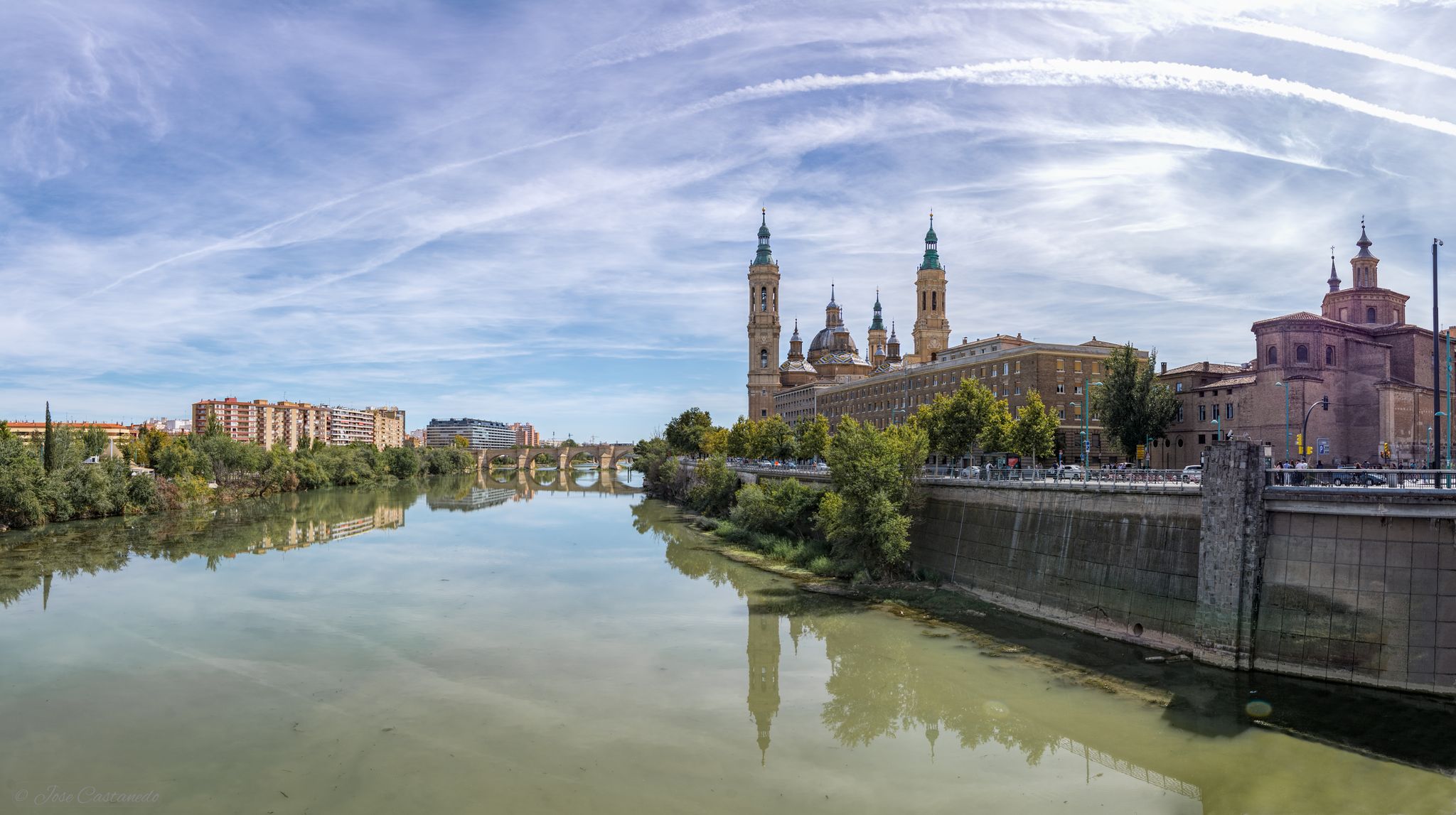
A river getaway – Ebro Natural Trail (GR 99)
Other adventures in Cantabria


Tips from the Community

Going down the Camino del Potro when you finally find some shade and therefore the desired shade, you come across this wonderful stream that served as our spot to rest and regain strength after a good path with a lot of sun and heat. (We went in July and until then there wasn't a single shadow) So much so that the dog got in and lay down in the water and the rest of us took the opportunity to regain some strength and cool our feet.
0
0

The hike is not suitable for people with a fear of heights.
0
0

Spectacular area for hiking routes
0
0

I went first thing in the morning and loved watching the sunrise. The route is manageable, although the descent is a bit long due to the curves and loose stones.
0
0

The Bolao Cliff is a stunning natural setting on the coast of Cantabria, Spain, between Cóbreces and Toñanes. It is famous for the El Bolao waterfall, which falls directly into the sea, and for the ruins of a medieval mill. The landscape combines the green meadows with the rugged Cantabrian Sea coast, offering spectacular views.
3
1

zrvgl net that r c r teste ry ko je that gg ö with k to p jv h m bbb b t
0
0

Incredible views of the Hermida gorge.
1
0

Very steep and parts with chains. Not for people with vertigo. Mountain experience is a must.
1
0
Frequently Asked Questions
Are there family-friendly canyoning options in Cantabria?
Yes, Cantabria offers several canyons suitable for families and beginners. The Navedo Canyon in Hermida Gorge is considered beginner-friendly and suitable for all ages, offering a fun 'water park' experience. The Yera Canyon (especially Yera II) in Vega de Pas is also easy and perfect for families. Additionally, Chorretones Canyon near Ramales de la Victoria and the lower section of Rubó Canyon (Barranco de Trescares) are ideal for first-timers and those with lower physical fitness, featuring natural slides and optional jumps.
Which canyons are suitable for beginners or those new to canyoning?
For beginners, Aján Canyon in Vega de Pas is highly popular and well-suited, known for being very aquatic and fun with accessible routes. Navedo Canyon, while offering a medium difficulty, is considered beginner-friendly. Both sections of Yera Canyon are generally easy. Chorretones Canyon is ideal for first-timers, and the Barranco del Calera is classified as an easy canyon suitable for all audiences, even if it can be dry seasonally. The lower section of Rubó Canyon also provides an easy entry point with natural slides and optional jumps.
What kind of natural features can I expect to see in Cantabria's canyons?
Cantabria's canyons are carved through limestone, sandstone, and slate, offering diverse geological formations. You can expect to see impressive rock walls, waterfalls, natural slides, and deep pools. Notable features include the 'Ojo de gigante' (Giant's Eye) in Rubó Canyon, immense limestone rock walls in Canal Honda, and the stunning coastal setting of El Bolao Cliff with its waterfall falling directly into the sea.
What is the best time of year for canyoning in Cantabria?
Given that many canyons in Cantabria are very aquatic and involve water features like jumps, slides, and pools, the warmer months, typically from late spring through summer and early autumn, are generally the best time for canyoning. This ensures more comfortable water temperatures and sufficient water flow for an enjoyable experience. Some canyons, like Barranco del Calera, can be dry in summer, offering a different kind of experience.
Are there challenging canyoning routes for experienced adventurers in Cantabria?
Yes, for those seeking more challenge, Navedo Canyon offers a complete and challenging descent with a significant drop and numerous slides and abseils. The Rubó Canyon also features a technical start with several rappels, providing sporting challenges for experienced individuals before transitioning into easier sections. Additionally, the Urdón to Tresviso Trail, while a hiking route, is described as challenging due to its unevenness and vertical drops, offering a strenuous outdoor experience in a gorge setting.
What makes the Aján Canyon a popular choice for canyoning?
The Aján Canyon in Vega de Pas is highly popular due to its very aquatic and fun nature, making it suitable for beginners to intermediate canyoners. It features numerous jumps (some up to 6 meters), slides, and rappels, including a 5-meter rappel. Its comprehensive route offers a variety of obstacles, providing an adrenaline-filled experience in the beautiful Pasiegos valleys. The lower section, 'Aján Inferior,' is particularly accessible for first-timers.
Where can I find canyons with unique geological formations or impressive views?
For unique geological formations, Rubó Canyon (Barranco de Trescares) is known for its impressive 'Ojo de gigante' (Giant's Eye), a large, often emerald-green oval pool. For impressive views, the Santa Catalina Viewpoint offers beautiful vistas of the Deva river valley and the Hermida gorge. The Tornos de Liordes gorge also provides impressive views on the way to the plain of Vegas de Liorde.
What outdoor activities can I do near the canyons in Cantabria?
Beyond canyoning, Cantabria offers a wide range of outdoor activities. You can explore various hiking trails, including challenging routes in the Picos de Europa National Park like 'Puertos de Áliva from Fuente Dé'. There are also numerous mountain hikes and running trails throughout the region, allowing you to experience the diverse landscapes, from coastal paths to mountain ascents.
Are there any canyons located in the Hermida Gorge area?
Yes, the picturesque Hermida Gorge is home to several canyons. The Navedo Canyon, often considered one of the best in the area, is located here and offers spectacular views. Additionally, Cicera Canyon is situated between La Hermida and Potes, eventually merging with the Deva River in the Hermida Gorge, suggesting beautiful natural surroundings for a canyoning adventure.
What do visitors enjoy most about the gorges and canyons in Cantabria?
Visitors consistently praise the stunning natural beauty and the diverse experiences offered by Cantabria's gorges and canyons. They appreciate the adrenaline-filled descents, the fun of jumps and slides, and the opportunity to connect with nature. The combination of rugged terrain, lush vegetation, and impressive geological formations, such as those found at El Bolao Cliff or Canal Honda, makes for memorable outdoor adventures.
Are there canyons near Ramales de la Victoria?
Yes, the area around Ramales de la Victoria features notable canyons. Chorretones Canyon is a beginner-level option ideal for first-timers or families, typically taking about 3 hours to complete and offering stunning views of the Picos de Europa. The Barranco del Calera is also located near Ramales de la Victoria, offering a unique experience with a combination of rappels and scrambling through a deeply incised course, surrounded by beech forests, moss, and ferns.
Can I find canyons in the Vega de Pas region?
Absolutely. The Vega de Pas area is home to some of Cantabria's most popular canyoning spots. The Aján Canyon is a highly popular and aquatic option suitable for various skill levels. The Yera Canyon, divided into two sections, is also located in Vega de Pas and is known for its easier difficulty, making it perfect for families and beginners looking to enjoy the beautiful natural surroundings.
Most popular routes in Cantabria
Most popular attractions in Cantabria

Get inspired with the komoot mobile app


