Top 12 Gorges around Castellcir
Best canyons around Castellcir are characterized by significant natural erosion, creating distinctive geological formations and river valleys. The area features notable natural attractions like the Riera de Marfà, which showcases eroded rock formations and meanders. These geographical features around Castellcir offer diverse landscapes for exploration, including cliffs, waterfalls, and historical sites integrated into the natural terrain. The region provides various hiking routes Castellcir canyons, allowing visitors to experience its unique blend of natural beauty and historical elements.
Best canyons around…
Last updated: July 3, 2026
Sant Miquel del Fai Road
Highlight • Cycleway
Tip by

Balma la Miquelona
Highlight • Cave
Translated by Google •
Tip by

Sign up now to discover places like this
Get recommendations on the best single tracks, peaks, & plenty of other exciting outdoor places.
Sign up for free
Waterfall of Sot del Bac
Highlight • Waterfall
Translated by Google •
Tip by

Bertí Cliffs
Highlight • Gorge
Translated by Google •
Tip by

Gorg de la Sort
Highlight • Waterfall
Translated by Google •
Tip by

Sign up for free to discover even more gorges around Castellcir.
Sign up for free
Already have an account?
Start today with a free account
Your next adventure awaits.
Login or Signup

Tips from the Community

A real discovery! Superb views, decent asphalt and virtually no cars.
0
0


Impressive views of the construction and the cliffs of Sant Miquel del Fai on this path that climbs along the walls of the valley.
0
0

An incredible road with almost no cars. On one side you have cliffs and on the other stunning views. At the end of the road you will come to a monastery. Pay attention in the curves because, despite the fact that there are not many cars, when one passes there is not much space left on the road.
0
1

Old Benedictine sanctuary located in the municipality of San Feliu de Codinas, in the Catalan region of Vallés Oriental. The church was built in a cave, with its own stone serving as a roof. It is the largest troglodyte church in the country. It has a Romanesque portal formed by a semi-circular arch.
1
0

The Bosc Negre torrent is the most important of the water courses that lead to Sot del Bac, where the Salt del Prat stands out, where a magnificent horse's tail manifests itself in the most generous periods of water of about 30 meters height, and goes to deposit the water in the gorge of the Bac, the surplus continues its course until the confluence with the river Congost, next to the Figaró. You can see how Travertine has been formed by the action of water on the rock.
1
0
Small bauma located on the right bank of the PR-33 that leads from Figaró to Montmany, inside the Sot del Bac. Bauma formed by the lateral excavation of the Sot del Bac stream, 35-40 meters above the current talveg. It is a not very deep cavity excavated in a rocky margin or slope where the light penetrates. This has graffiti and evidence of occupation inside, with traces of having been set on fire. It is a suitable place for shelter or bivouac. At least before it was very common to use it. The Sot del Bac pass would be a natural path used by the first human communities, both to stock up on various natural resources (water, hunting and gathering) and as a place of passage and communication between the Gorge sector and Puiggraciós and the Cingles de Bertí. Currently this is occupied sporadically by walkers and climbers.
1
0

Beautiful grand canyon style road with a nice monastry build in the mountains...a must see if you are in the region !
0
0
Frequently Asked Questions
What are the main natural features to explore in the Castellcir area?
The Castellcir area is characterized by significant natural erosion, creating distinctive geological formations and river valleys. Key features include the Riera de Marfà, known for its eroded rock formations and meanders, and the dramatic cliffs like Bertí Cliffs. You can also find waterfalls such as the Waterfall of Sot del Bac and natural caves like Balma la Miquelona.
Are there specific hiking routes that explore the gorges and eroded landscapes around Castellcir?
Yes, the Marfà Valley, through which the Riera de Marfà flows, offers popular hiking routes. These trails often pass through pine forests and along the stream's meanders, allowing visitors to explore diverse landscapes and discover natural and historical elements. Many routes will lead you to viewpoints overlooking features like Bertí Cliffs.
What makes the Riera de Marfà a notable natural attraction?
The Riera de Marfà showcases the beauty of rocks carved by the stream over time, forming numerous meanders and interesting geological formations. It features sections with narrow and deep passages, and the notable Salt de la Tosca, a picturesque waterfall near the Molí de Brotons, which cascades into a large pool.
Can I visit historical sites while exploring the natural formations in Castellcir?
Absolutely. The area blends natural beauty with history. Near the Salt de la Tosca along the Riera de Marfà, you can find the ancient Molí de Brotons, ingeniously sheltered within a natural rock overhang, and the nearby hermitage of Mare de Déu de la Tosca. Additionally, the Castell de la Popa (Castle of Castellcir) is perched on a dramatically eroded rocky cliff, offering a unique spectacle of history and geomorphology.
Are there any family-friendly spots or trails among the gorges in Castellcir?
Yes, some areas are suitable for families. For instance, the Gorg de la Sort is known for being an ideal spot for routes with children, offering a beautiful and enjoyable walk. Many trails along the Riera de Marfà are also accessible for family outings.
What kind of views can I expect when visiting the canyons and gorges?
Visitors can expect impressive panoramic vistas. From locations like Bertí Cliffs, you get broad views of the surrounding landscape and the cliffs of Sant Miquel del Fai. The Sant Miquel del Fai Road offers scenic routes with tall cliffs on one side and a steep fall into a valley on the other, with the monastery visible in the distance.
What outdoor activities are available near the gorges of Castellcir besides hiking?
Beyond hiking, the Castellcir area offers diverse outdoor activities. You can explore various MTB Trails around Castellcir, with routes ranging from moderate to difficult. There are also options for Gravel biking around Castellcir and dedicated Running Trails around Castellcir, catering to different fitness levels.
Is it possible to bring dogs on trails around Castellcir's gorges?
While specific dog-friendly designations for every trail are not always available, many natural areas and hiking trails in the region are generally welcoming to dogs, especially if kept on a leash. It's always recommended to check local signage or specific trail guidelines before heading out with your pet.
What is the best time of year to visit the gorges and natural areas in Castellcir?
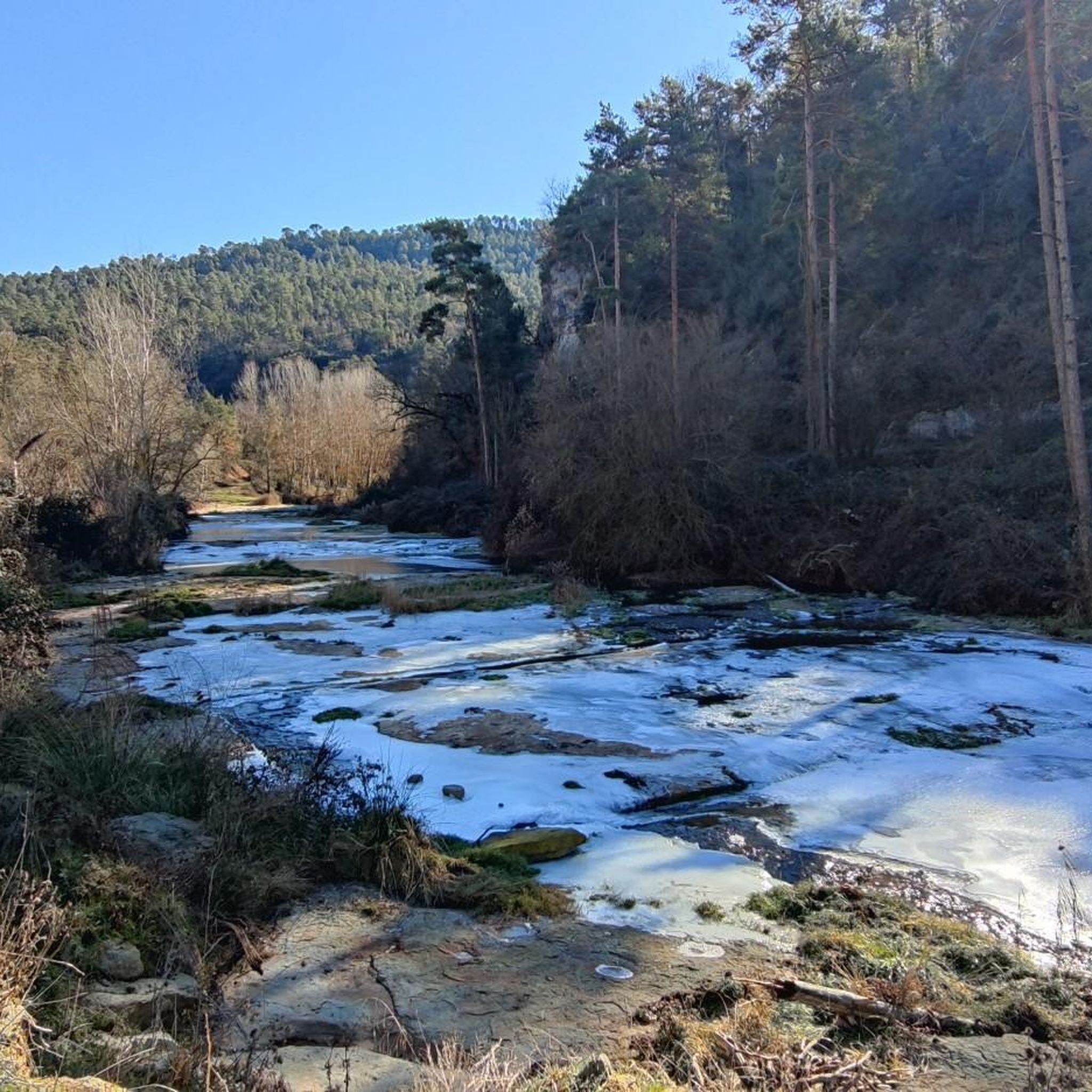
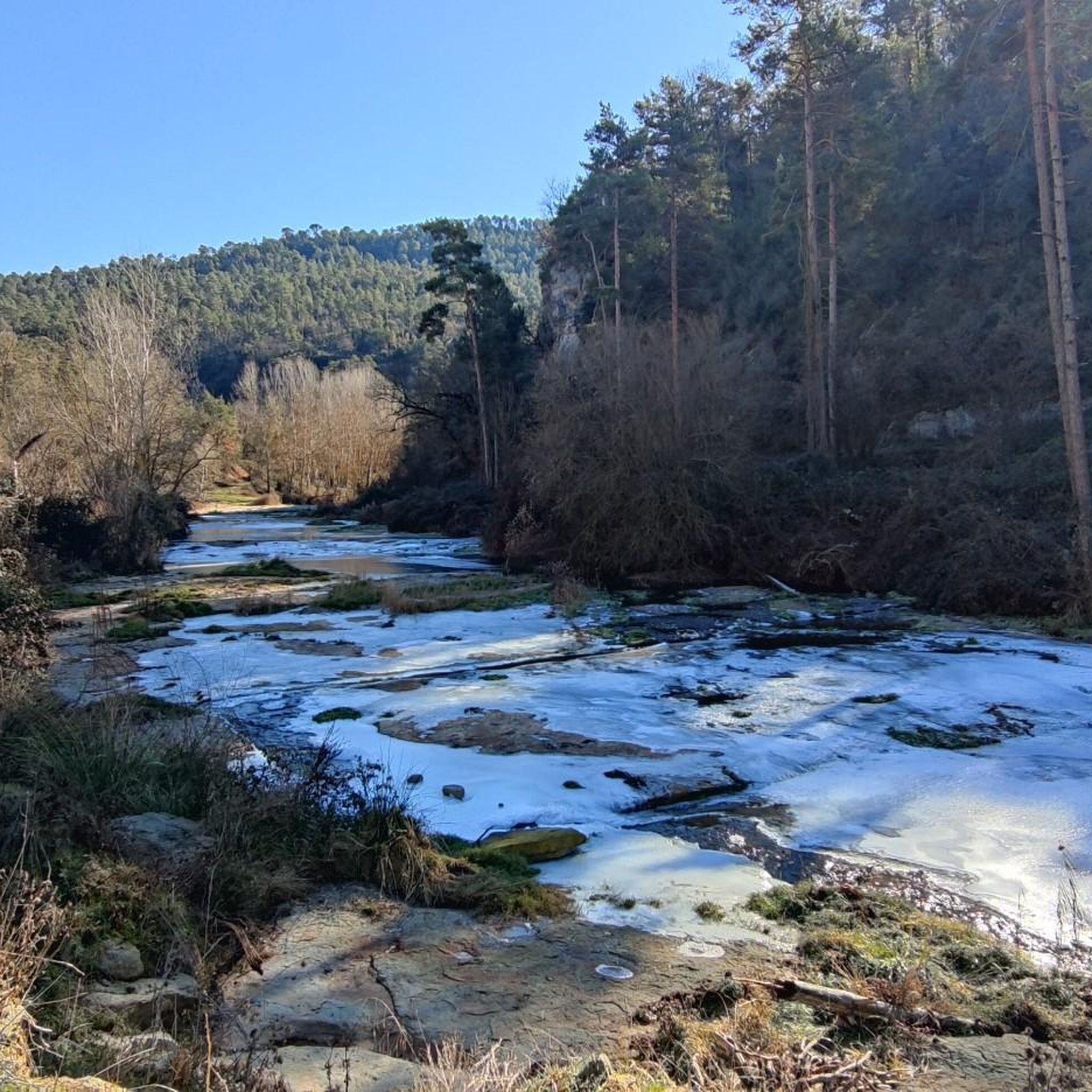
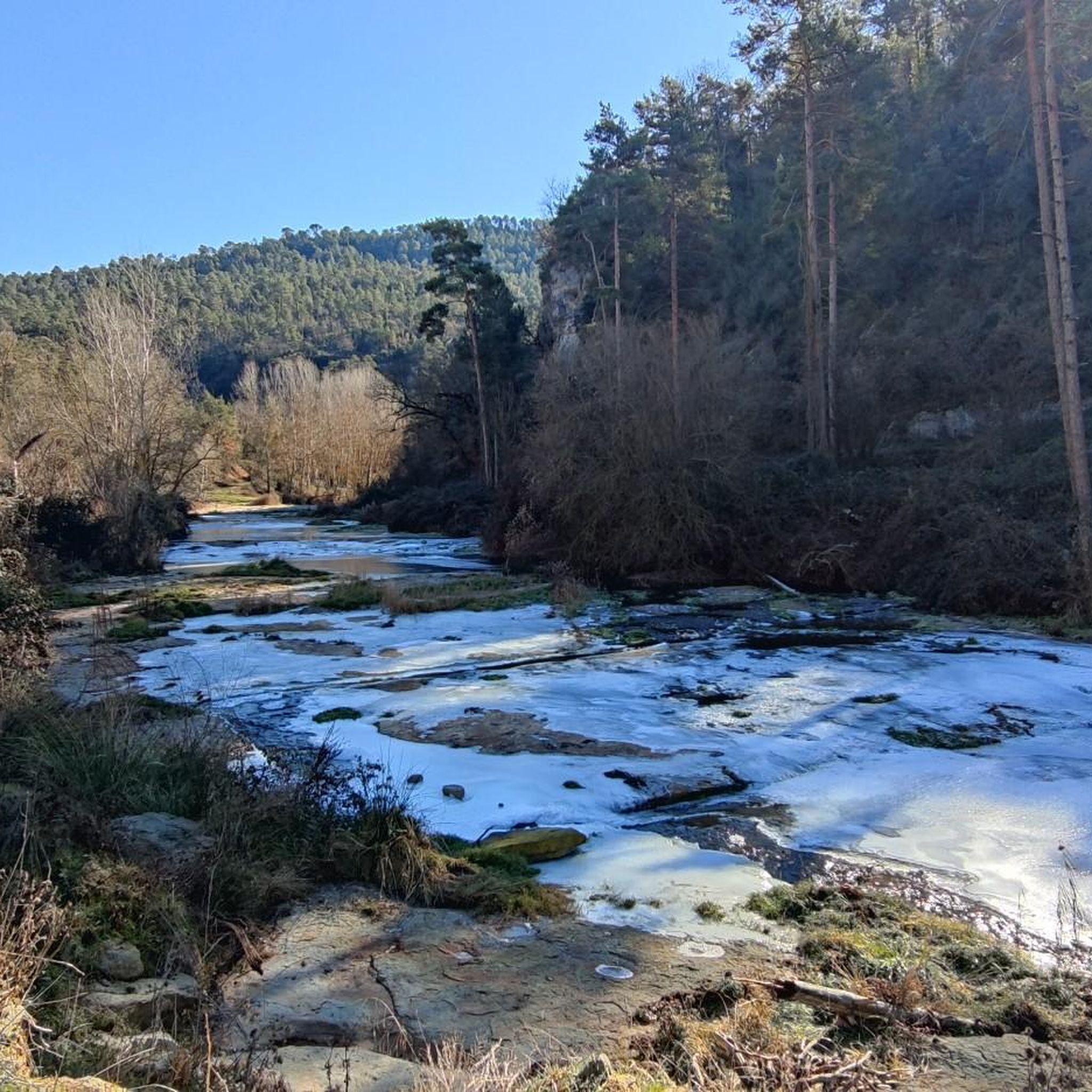
The best time to visit depends on your preferences. Spring and autumn generally offer pleasant temperatures for hiking and exploring. In winter, you might even witness the Waterfall of Sot del Bac frozen, creating a unique spectacle. Summers can be warm, so early mornings or late afternoons are ideal for activities.
Where can I find parking when visiting the natural attractions in Castellcir?
Parking availability varies by specific location. For popular hiking trailheads or natural attractions, designated parking areas are often available. For example, when visiting the Sant Miquel del Fai Road, you can often find parking near the starting points of routes or in nearby villages like Sant Feliu de Codines.
What do visitors particularly enjoy about the natural areas around Castellcir?
Visitors appreciate the diverse landscapes, from deep valleys to natural caves, and the blend of natural beauty with historical elements. The komoot community has shared 40 photos and given 117 upvotes to the natural features, highlighting the general appeal and visual interest of the region. Many enjoy the impressive views, the quiet hiking trails, and the picturesque waterfalls.
Are there any unique geological formations to see, like the Castell de la Popa?
Yes, the Castell de la Popa (Castle of Castellcir) is a striking example. While not a canyon itself, it's situated on an isolated rocky cliff, approximately 10-12 meters tall, which has been severely eroded. This erosion has given the cliff a distinctive 'ship's stern' shape, especially at its northeastern tip, offering a unique spectacle of history atop a dramatic geological formation.
Are there any waterfalls to visit in the gorges around Castellcir?
Yes, the area features several beautiful waterfalls. The Waterfall of Sot del Bac is a well-known spot, accessible and picturesque, and can even be frozen in winter. Another notable waterfall is the Salt de la Tosca, located along the Riera de Marfà, which cascades over hard rock into a large pool.
Most popular routes around Castellcir
Most popular attractions around Castellcir

Get inspired with the komoot mobile app


Explore more
Already discovered everything in this region? See additional gorges around Castellcir for your next adventure:
