Top 9 Castles around Solivella
Castles around Solivella, a municipality in the Conca de Barberà region of Tarragona, Spain, offer insights into Catalan history and medieval architecture. The area is characterized by its historical significance, with structures dating back to the 11th century. Perched on elevated positions, these sites often provide views of the surrounding municipal area. The region's heritage is preserved through various historical sites and architectural remains.
Best castles around Solivella
- The most popular castles is Milmanda Castle, a castle that is…
Last updated: July 3, 2026
Milmanda Castle
Highlight • Castle
Translated by Google •
Tip by

Prenafeta Castle
Highlight • Castle
Translated by Google •
Tip by

Sign up now to discover places like this
Get recommendations on the best single tracks, peaks, & plenty of other exciting outdoor places.
Sign up for free
Sant Jordi Wall, Montblanc
Highlight • Monument
Translated by Google •
Tip by
Rocafort de Queralt
Highlight • Settlement
Its origin is …
Translated by Google •
Tip by
Montbrió de la Marca
Highlight • Settlement
Translated by Google •
Tip by
Sign up for free to discover even more castles around Solivella.
Sign up for free
Already have an account?
Start today with a free account
Your next adventure awaits.
Login or Signup
Tips from the Community

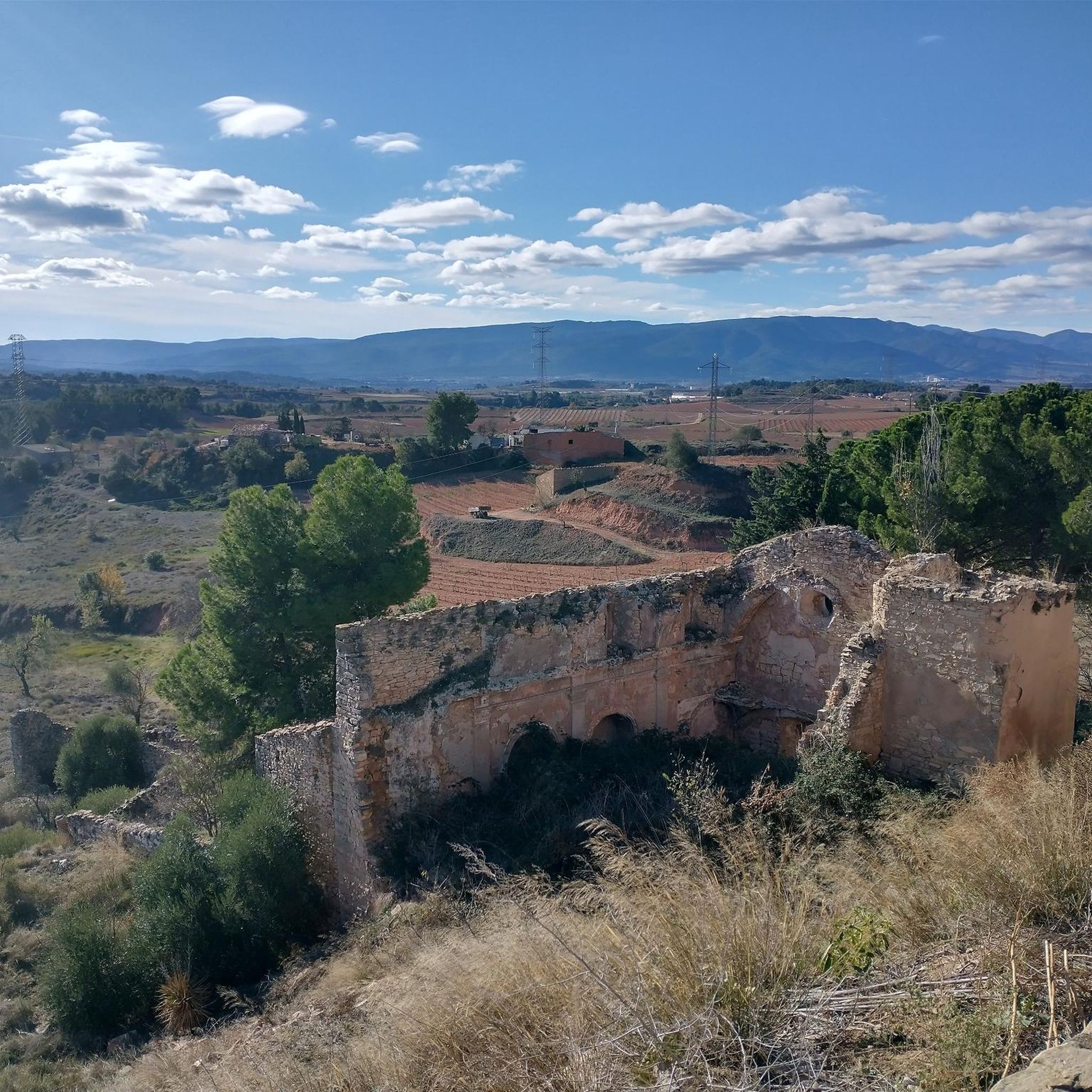
The ruins of the castle of Prenafeta (11th century) also include part of the original nucleus of the population of Prenafeta. You can still see remains of the castle, the church and the fountain of Sant Salvador. The castle is also known as Torre del Moro.
0
0
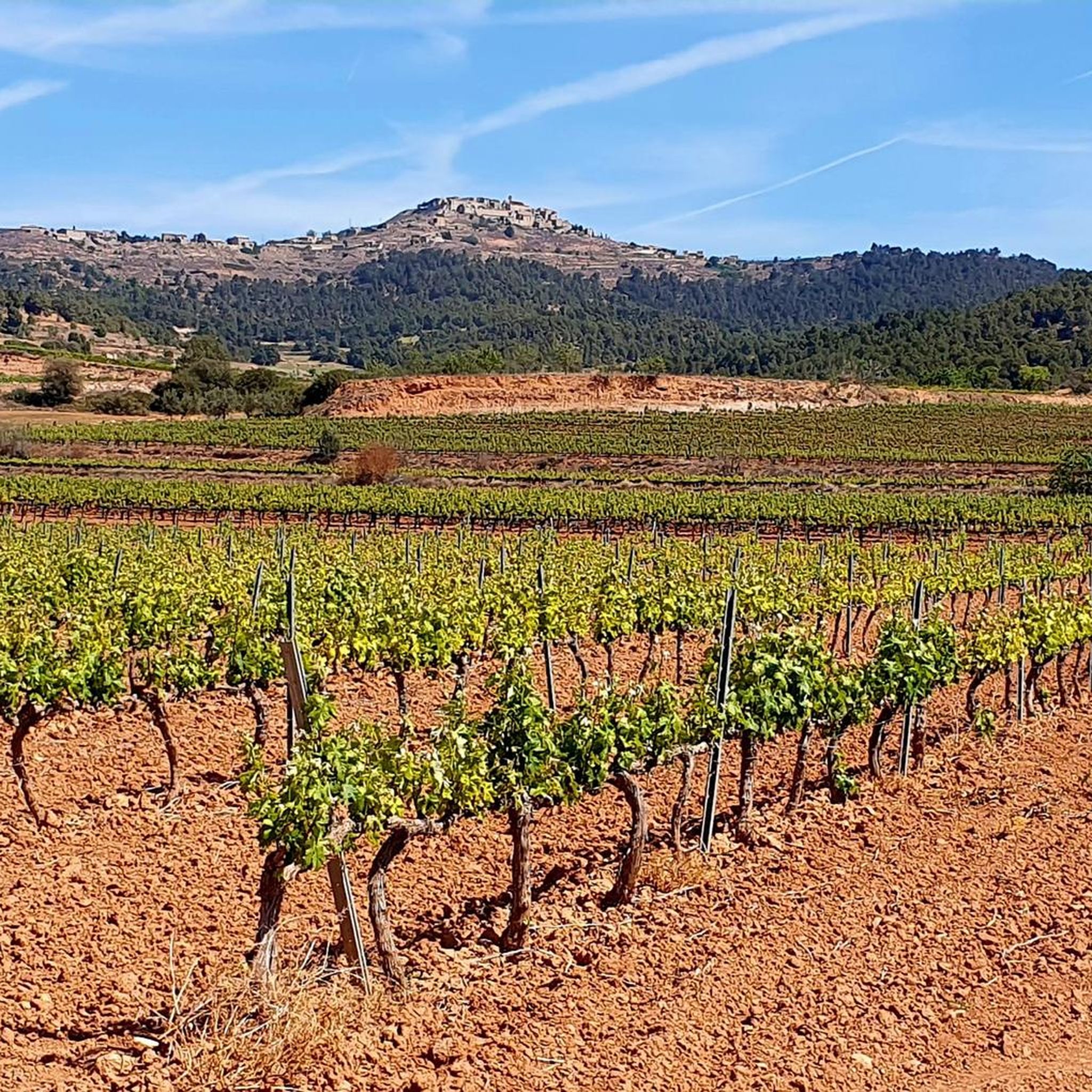
Montbrió de la Marca is a small nucleus belonging to the municipality of Sarrat, in the Conca de Barberà region (Tarragona). It is located on the slopes of a promontory where the old castle of Montbrió was located, from the 11th century. Very close to the location of the castle, in the upper part of the town, the church of Sant Llorenç was erected, documented as early as the 12th century. Originally in a transitional style between Romanesque and Gothic, later reforms ended up giving it a Baroque appearance. It has a small dome and is crowned by a belfry bell tower.
0
0
Halfway between the monasteries of Santa Maria de Vallbona and Santes Creus, the town of Rocafort de Queralt belongs to the region of Conca de Barberà (Tarragona). Its origin is in the 11th century and in 1370 the barony of Rocafort de Queralt was established. It has a parish church dedicated to Sant Salvador (18th century), built on top of a previous church. The castle, from the 12th century, was completely rebuilt in 1964. Two portals of the wall that protected the town are also preserved.
0
0

Imposing arrival at Montblanc, Tarragona
0
0

Montblanc is one of the most beautiful medieval towns in Catalonia. Take the opportunity to visit the Ronda Passage of the wall, a museum space where you will discover a very well preserved medieval military work. There are fantastic views of the town and its surroundings from the towers.
0
0
This monument is located next to the Poblet Monastery. Milmanda's name means small castle. Milmanda Castle, an artistic and historical fortification where Emperors Carlos V and Felipe II hunted, can be visited from Monday to Sunday by booking in advance through its website. The tour includes a visit to the vineyard, in the Milmanda Castle, tasting of two wines, and an expert guide or sommelier throughout the tour.
1
0
Frequently Asked Questions
What are some notable castles and historical sites to visit in the Solivella area?
Beyond the ruins of Castillo de Solivella, you can explore several other significant sites. Consider visiting Milmanda Castle, an artistic and historical fortification near the Poblet Monastery. Another option is Prenafeta Castle, where you can explore 11th-century ruins and enjoy a viewpoint. The settlement of Rocafort de Queralt features a 12th-century castle and preserved wall portals. Don't miss the medieval town of Montblanc, with its impressive Sant Jordi Wall.
What remains of the Castillo de Solivella today?
Despite being largely in ruins after its dynamiting in 1915, significant vestiges of the Castillo de Solivella still stand. Visitors can observe the remains of a substantial wall, a medieval gate, and parts of the original primitive wall. The outlines of the double-walled enclosure, sections of towers, and the large central courtyard are discernible. An angle wall approximately 10 meters high remains on the northeast side, along with rows of ashlar stones on the west side.
Are there family-friendly castles or historical sites around Solivella?
Yes, several sites are suitable for families. Milmanda Castle and the Sant Jordi Wall in Montblanc are both categorized as family-friendly. The settlement of Rocafort de Queralt, with its rebuilt castle and preserved wall portals, also offers an engaging visit for all ages.
What kind of historical insights can I gain from visiting the castles in this region?
The castles around Solivella offer a tangible connection to the feudal history of the Conca de Barberà region. Sites like the Castillo de Solivella, with its origins in the 11th century and its development into a Gothic-Renaissance palace, tell a compelling story of powerful families and medieval architecture. You can appreciate the scale and strategic importance of these structures, and understand the historical evolution of the area through their ruins and preserved elements.
What outdoor activities can I do near the castles around Solivella?
The region offers various outdoor activities. For cycling enthusiasts, there are gravel biking routes and MTB trails. Hikers can explore numerous hiking trails, including routes to the Santuario del Tallat or around El Cogulló Summit. Many of these routes pass through scenic landscapes and near historical points of interest.
Are there hiking trails directly around Solivella castle?
While the immediate area around the Castillo de Solivella is more about exploring the ruins, the broader Solivella region offers numerous hiking opportunities. You can find various hiking trails that allow you to explore the natural features and other historical sites in the vicinity. These trails range in difficulty and offer different perspectives of the landscape.
What is the best time of year to visit the castles around Solivella?
The region generally enjoys a Mediterranean climate. Spring (April-May) and autumn (September-October) are often ideal, offering pleasant temperatures for exploring the outdoor ruins and engaging in activities like hiking. Summers can be hot, while winters are milder but can be chilly, especially for exposed castle sites.
Is there an interpretation center or audio guide available for Castillo de Solivella?
Yes, the Castillo de Solivella is integrated into the Conca de Barberà County Museum (MCCB) as a tourist space. There is an Interpretation Center at the castle. Additionally, visitors can use the Visitmuseum app from the Generalitat de Catalunya, which provides audio guides in multiple languages (Catalan, Spanish, English, and French) for a self-guided tour of the site.
What are the accessibility options for Castillo de Solivella?
The castle is open on weekends for free self-guided visits. Guided tours are also available and can be arranged to include other local attractions. While the ruins themselves might present some uneven terrain, the ongoing efforts for recovery and preservation aim to improve visitor experience.
Are there any viewpoints near the castles that offer scenic views?
Many castles in the region are strategically located on elevated positions, offering commanding views. Prenafeta Castle is specifically noted as a viewpoint. The Castillo de Solivella, perched on the highest part of Solivella, also provides excellent views of the surrounding municipal area. The Sant Jordi Wall in Montblanc offers fantastic views of the town and its surroundings from its towers.
What do visitors enjoy most about the castles around Solivella?
Visitors appreciate the deep historical significance and architectural insights offered by these sites. The opportunity to explore ancient ruins, such as those at Prenafeta Castle, and to see well-preserved medieval towns like Montblanc with its Sant Jordi Wall, is a major draw. The scenic locations, often providing panoramic views, also contribute to a memorable experience.
Most popular routes around Solivella
Most popular attractions around Solivella

Get inspired with the komoot mobile app


Explore more
Looking for the best castles somewhere else? Discover other guides around Solivella:
