Top 6 Castles around Cervera Del Río Alhama
Best castles around Cervera Del Río Alhama are found in a region characterized by its historical significance and varied landscape. The area is located on the banks of the Alhama River, with its main settlement divided by "La Peña," a rocky peak. This strategic location offered commanding views over the river valley, making it a crucial defensive outpost throughout history. The castles here reflect centuries of architectural evolution, with origins tracing back to Celtiberian, Roman, and Muslim occupations, followed by…
Last updated: July 17, 2026
Cornago Castle
Highlight • Castle
Translated by Google •
Tip by

Tudején Castle
Highlight • Castle
Translated by Google •
Tip by

Sign up now to discover places like this
Get recommendations on the best single tracks, peaks, & plenty of other exciting outdoor places.
Sign up for free
Views of Cornago from the GR 93
Highlight • Viewpoint
Translated by Google •
Tip by

Inestrillas Castle
Highlight • Castle
Translated by Google •
Tip by

Views of the Castle of Cervera from the GR 93
Highlight • Viewpoint
Translated by Google •
Tip by
Start today with a free account
Your next adventure awaits.
Login or Signup
Popular around Cervera Del Río Alhama
Other adventures around Cervera Del Río Alhama

Tips from the Community

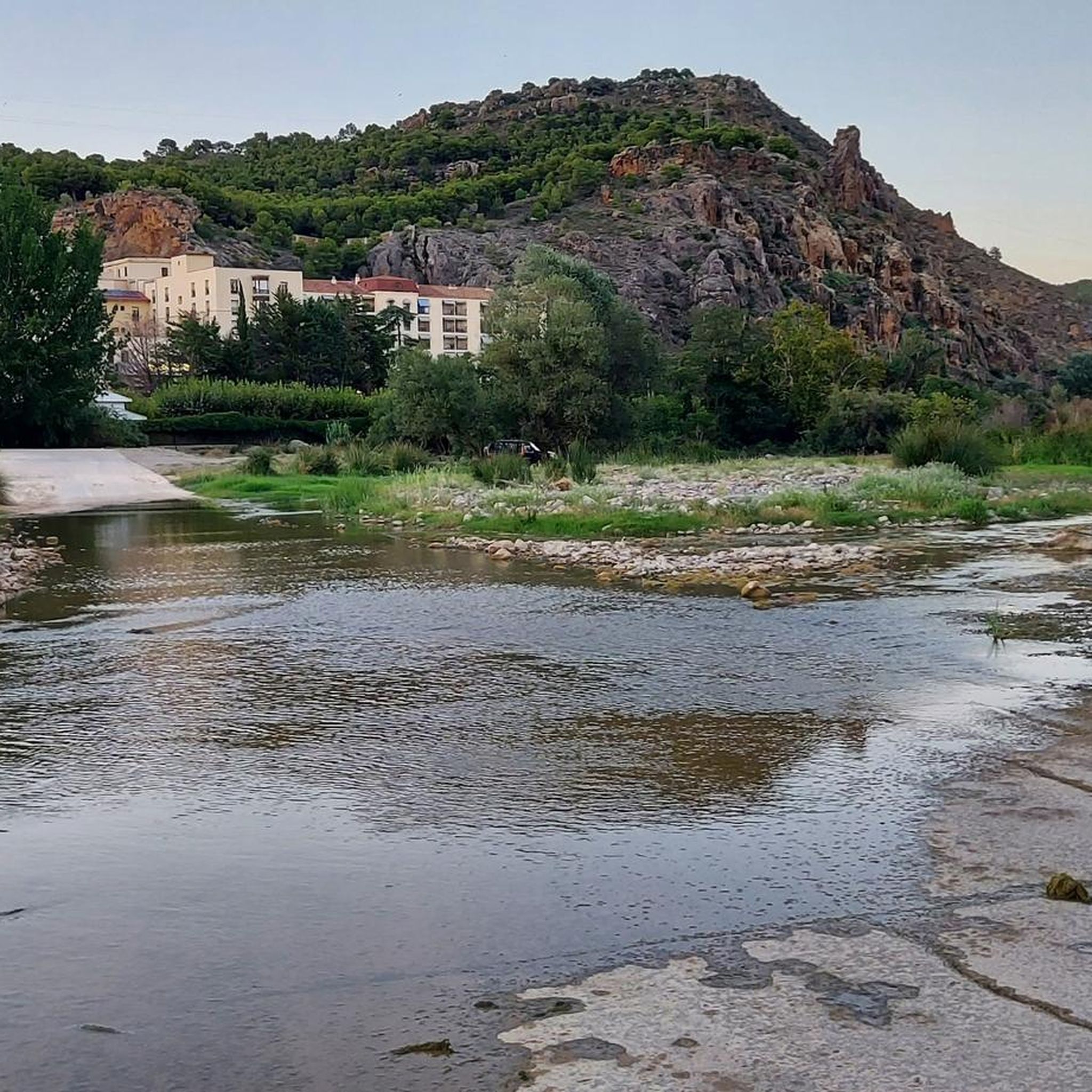
Perched atop a rocky outcrop, guarding passage over the Alhama River, stand the remains of a keep and a building with a vaulted roof. It was here that the Treaty of Tudilén was signed between the Kingdom of Castile and the Kingdom of Aragon in 1151. It is located southeast of the Baths, on the right bank of the Alhama River. Remnants of its keep and some dwellings are still preserved. Its earliest records date from the 12th century, although it is believed to have been built during the period of Moorish occupation.
0
0

Impressive population that is attached to one of the walls created by the river itself, not only the church but also the houses and the castle. It's worth a stop.
0
0

At the top of the Cornago hill is this late 13th century fortress built on a previous castle. The place of construction is not chosen at random, since this area was a borderland between Arabs and Christians and the enclave of the castle played a strategic role in the defense of the Ebro valley.
0
0

At the top of the Cornago hill is a beautiful 18th century castle, built during the Late Middle Ages. Rectangular in plan with a tower at each vertex, the castle was built in ashlar masonry on the ruins of an old fortress from the 9th century.
2
0

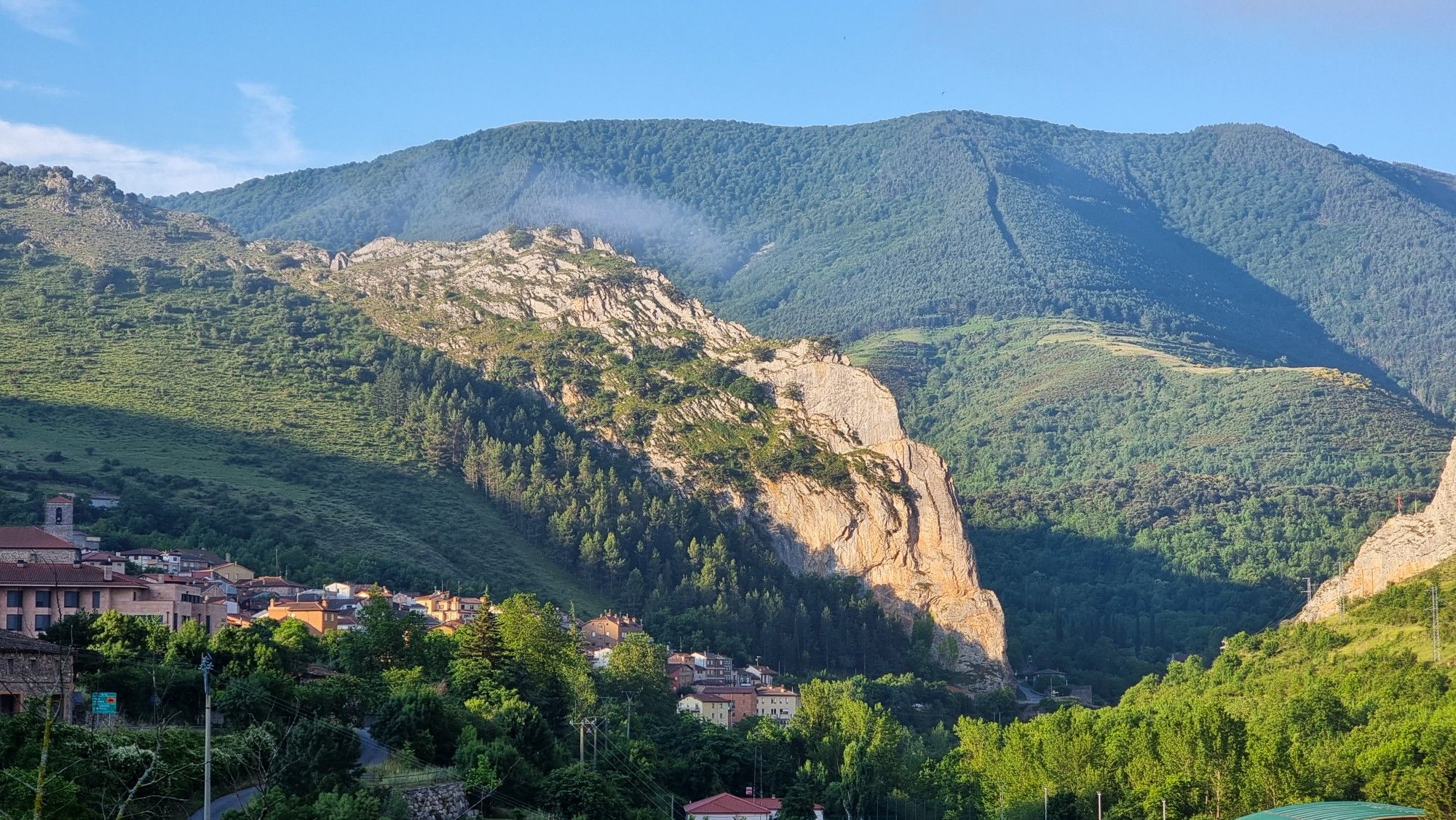
This is one of the best views of the GR 93. Coming from Cornago, you reach Cervera del Río Alhama via a cliff where there are some ruins that reveal the Alhama valley. On the ridge above Cervera are the ruins of a typical Moorish fortress built on the most inaccessible site.
0
0
This section of the GR 93 south of Cornago is unforgettable. The hillside is covered with gray, marl-like sediment, which is uncovered at times to reveal strata rock slabs. Look closely as you pass by, this was the shoreline where dinosaurs fished millions of years ago, you might see a footprint. Halfway up the slope you can see Cornago and its castle. I can imagine how it would be viewed by the Muslims who tried to take it back from the Christians during the wars.
1
0
Frequently Asked Questions
What historical significance do the castles around Cervera del Río Alhama hold?
The castles in this region, particularly the Castillo de Cervera del Río Alhama, have a rich history dating back to Celtiberian and Roman times, with significant development during Muslim occupation and the Christian Reconquest. They served as crucial defensive outposts, witnessing numerous conflicts and transformations, including during the Carlist Wars. The region's strategic location on the Alhama River valley made it a contested area for centuries.
Can I explore the ruins of the castles?
Yes, many of the castles, such as the Castillo de Cervera del Río Alhama, are largely in ruins but are open for exploration. You can walk through centuries of history, observe the complex defensive structures, and see remains of keeps and walls. The irregular layout of these fortresses, adapting to the rocky terrain, offers a unique architectural experience.
What kind of views can I expect from the castles?
The elevated positions of these castles offer breathtaking panoramic views. For instance, the Castillo de Cervera del Río Alhama provides commanding views of Cervera del Río Alhama and the surrounding Alhama River valley. Similarly, from viewpoints like Views of the Castle of Cervera from the GR 93, you can see the typical Moorish fortress built on an inaccessible site, revealing the valley below.
Are there any unique castle structures in the area?
Yes, the region features unique castle structures. Beyond the traditional fortresses, you can find examples of rupestrian fortification, such as the Tudején Castle, which is carved directly into the rock. This offers a distinct architectural style compared to the more conventional stone-built castles.
What outdoor activities can I do near the castles?
The area around Cervera del Río Alhama offers various outdoor activities. You can find numerous hiking routes, such as the 'Las Roscas Circuit' or 'Cervera del Río Alhama and Contrebia Leucade Loop'. For running enthusiasts, there are trails like 'Vulture Nests in the Cliffs'. Cyclists can explore routes such as 'Cervera del Río Alhama – Fitero loop'. You can find more details on these activities in the Hiking around Cervera Del Río Alhama, Running Trails around Cervera Del Río Alhama, and Road Cycling Routes around Cervera Del Río Alhama guides.
Are there hiking trails that pass by the castles?
Yes, several hiking trails offer views of or lead to the castles. For example, the GR 93 trail provides excellent perspectives, such as the Views of Cornago from the GR 93, where you can see the town and its castle. Another section offers Views of the Castle of Cervera from the GR 93, showcasing the Moorish fortress. Explore more hiking options in the Hiking around Cervera Del Río Alhama guide.
What is the best time to visit the castles in Cervera del Río Alhama?
While specific seasonal data isn't provided, visiting during spring or autumn generally offers pleasant weather for exploring ruins and hiking. These seasons avoid the intense heat of summer and the colder, potentially wetter conditions of winter, making outdoor activities and castle exploration more comfortable.
What can I see at Tudején Castle?
Tudején Castle, perched atop a rocky outcrop, preserves remnants of its keep and some dwellings. It's historically significant as the site where the Treaty of Tudilén was signed in 1151. Its earliest records date from the 12th century, though it's believed to have Moorish origins.
What makes Cornago a notable place to visit in this region?
Cornago is a spectacular historical settlement located on the northern side of the Sierra de Alcarama. Its town center is prominently situated at the top of a hill, with its church serving as a landmark. The cluster of houses forms a very beautiful perspective, and its castle is visible from various viewpoints, including the GR 93 trail.
Are there any less crowded or 'hidden gem' castles to explore?
While the Castillo de Cervera del Río Alhama is a significant site, the region also features less prominent but equally interesting locations. The Tudején Castle, with its rupestrian fortification carved into rock, offers a unique and potentially less crowded experience for those interested in distinct historical structures.
What kind of architectural styles can be observed in the castles?
The castles display a mix of construction materials and styles, reflecting their numerous building phases across different historical periods. You can observe masonry, ashlar, and plaster work. The Castillo de Cervera del Río Alhama, for instance, shows an evolution from Celtiberian and Roman origins through Muslim and Christian developments, adapting its structure to the intricate topography of the rocky peak.
Most popular routes around Cervera Del Río Alhama
Most popular attractions around Cervera Del Río Alhama

Get inspired with the komoot mobile app


Explore more
Looking for the best castles somewhere else? Discover other guides around Cervera Del Río Alhama:
