Top 7 Caves around Talveila
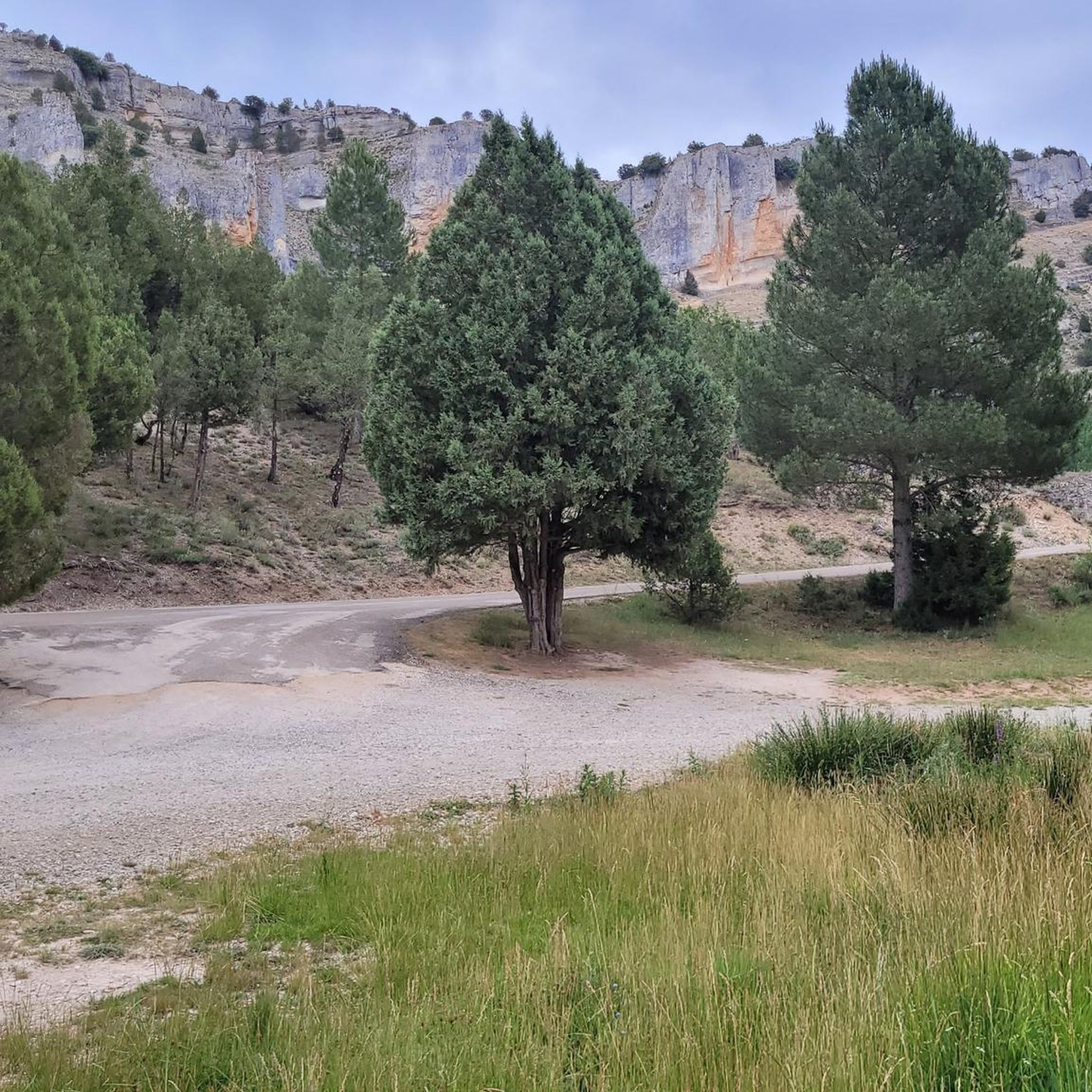
Caves around Talveila, a municipality in Soria, Spain, are primarily found within the Cañón del Río Lobos Natural Park. This region is characterized by a protected limestone landscape with significant geological heritage. The area features numerous natural rock formations and subterranean features carved by water erosion. Visitors can explore various caves and natural monuments that showcase the powerful forces of nature.
Best caves around Talveila
- The most popular caves is Cueva Grande (Río Lobos Canyon), a cave located in…
Last updated: August 27, 2026
Cueva Grande (Río Lobos Canyon)
Highlight • Cave
Translated by Google •
Tip by

Entrance Trail to Cañón del Río Lobos from Casarejos (GR-86)
Highlight (Segment) • Trail
Translated by Google •
Tip by

Sign up now to discover places like this
Get recommendations on the best single tracks, peaks, & plenty of other exciting outdoor places.
Sign up for free
Devil's Eye (Natural Rock Arch)
Highlight • Natural Monument
Translated by Google •
Tip by

View of the Hermitage of San Bartolomé from Cueva Grande
Highlight • Cave
Translated by Google •
Tip by
El Chorrón Waterfall
Highlight • Waterfall
Translated by Google •
Tip by
Sign up for free to discover even more caves around Talveila.
Sign up for free
Already have an account?
Start today with a free account
Your next adventure awaits.
Login or Signup
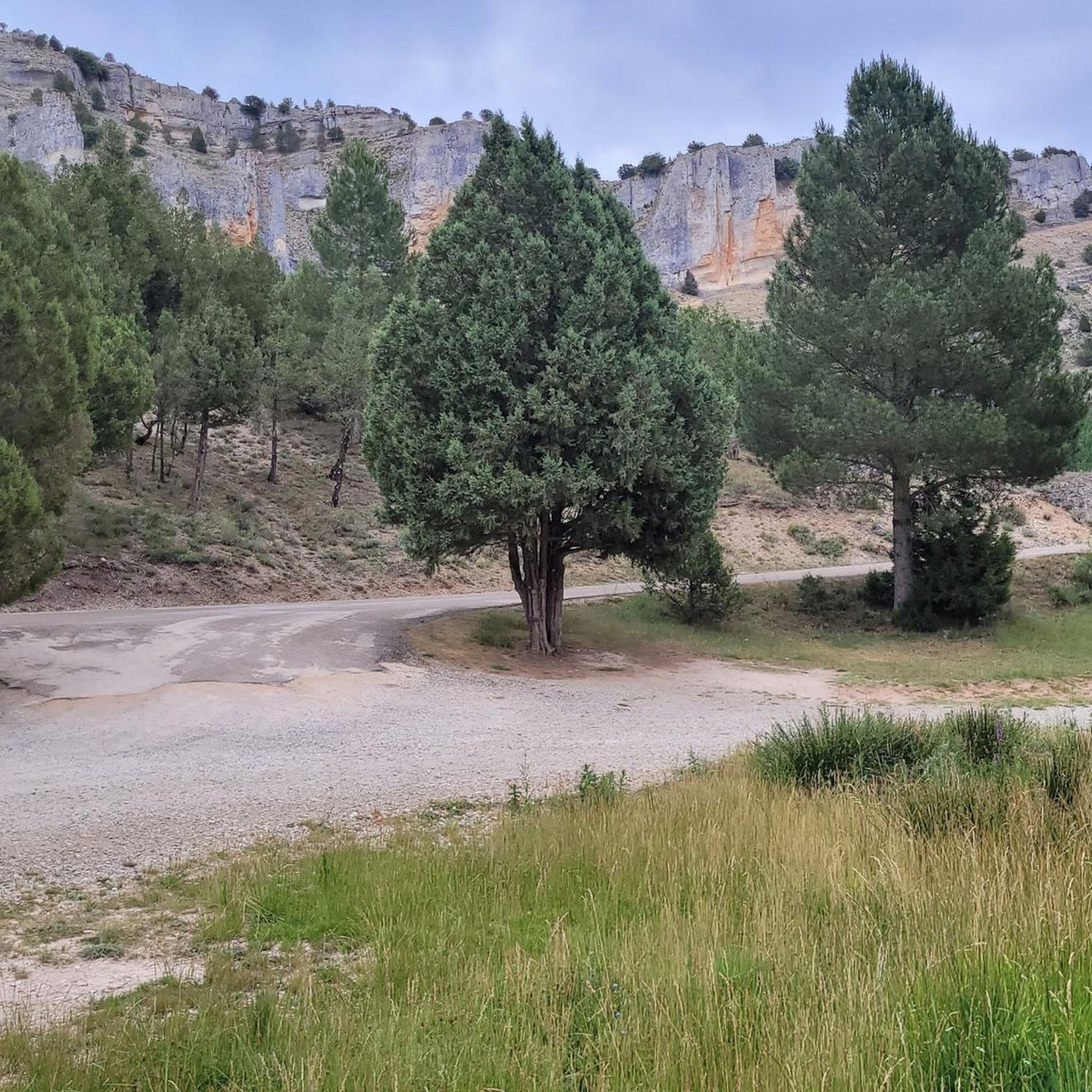
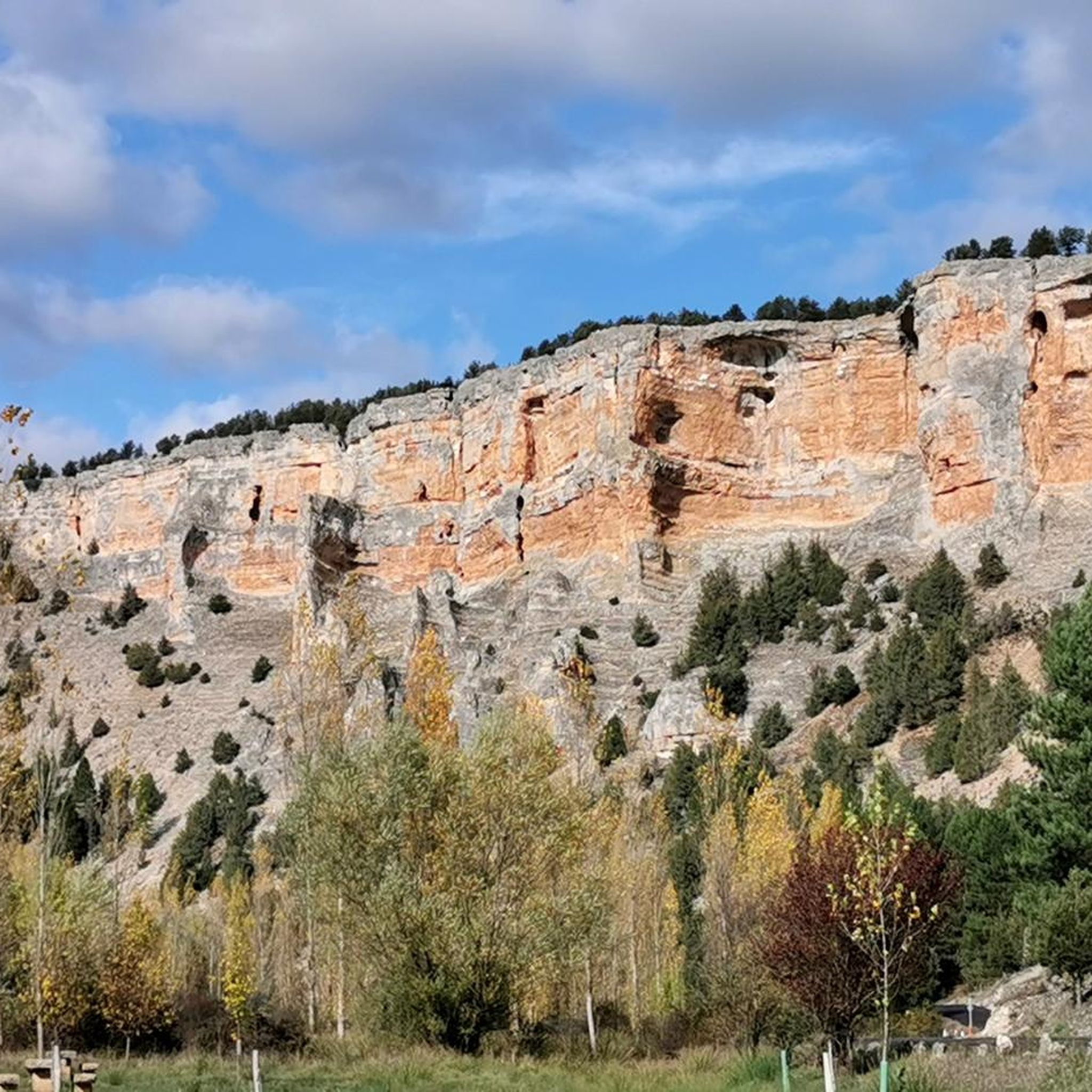
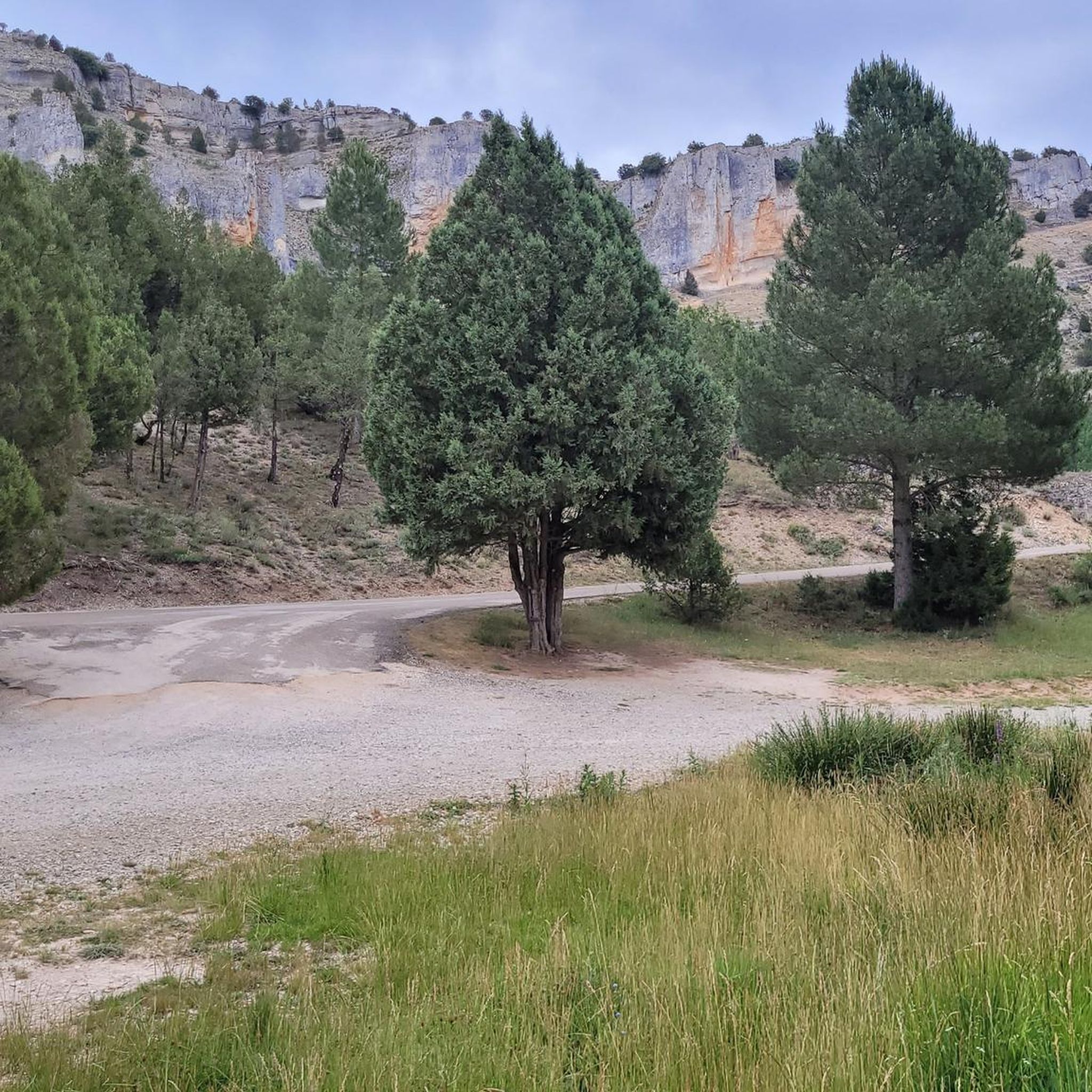
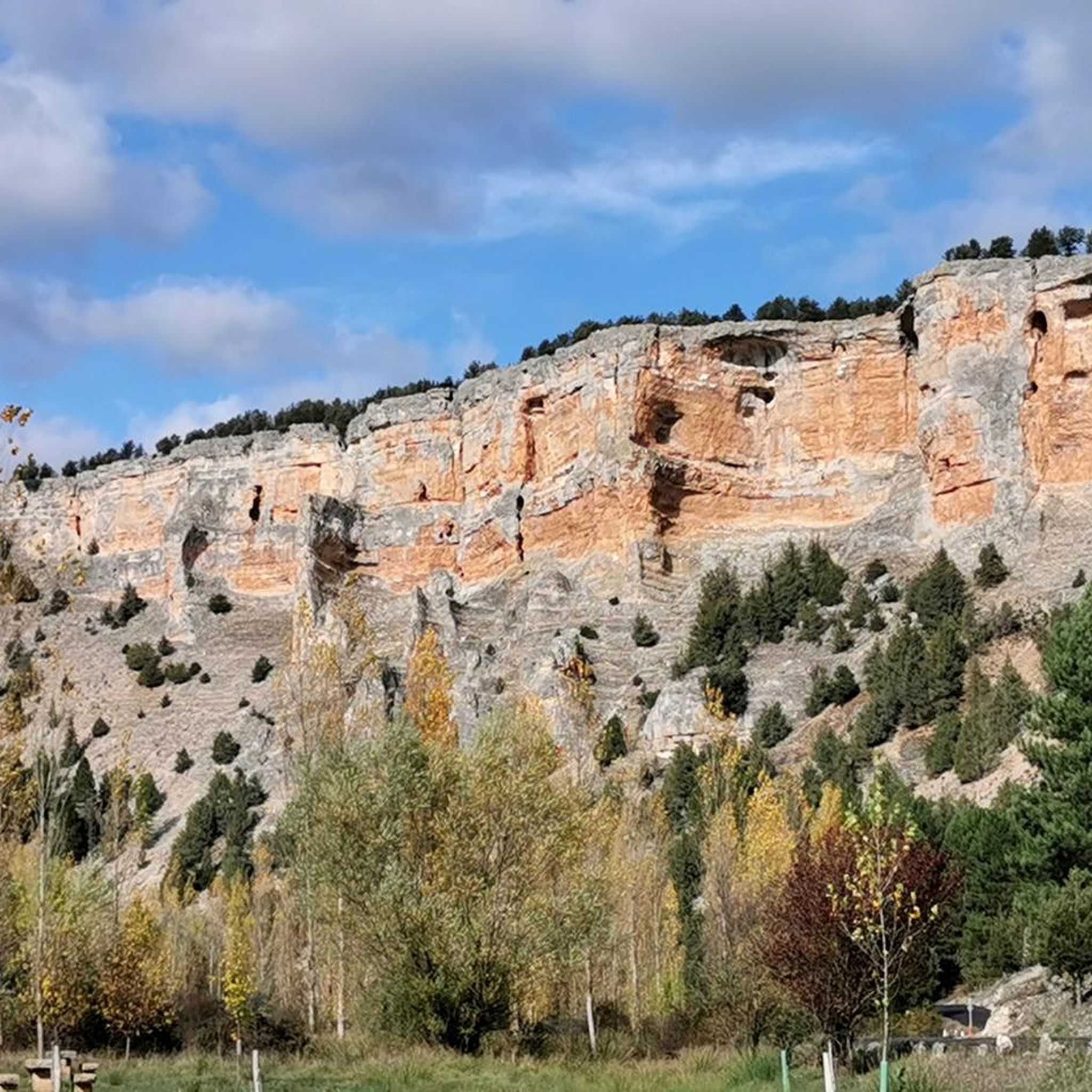

Tips from the Community

Spectacular area for hiking routes
0
0
We were there today, Sunday, and it was spectacular. April 6, 2025
0
0
The LOBOS River canyon is worth visiting
0
0
The large cave, a large cavity in an idyllic landscape, which is the surroundings of the hermitage of San Bartolomé
0
1
The number of times I've climbed up there
0
0

Impressive cave created by nature over millions of years
1
0

Very interesting and beautiful descent into the Lobos River canyon from San Leonardo.
0
0

In my case I used it to get out of the Canyon. In some sections you have to put your feet on the ground because the stones (pebbles) make it impossible for you to continue, but it is very very beautiful and cool.
0
0
Frequently Asked Questions
What are the main caves and natural formations to visit around Talveila?
The primary attractions are within the Cañón del Río Lobos Natural Park. These include Cueva Grande (Río Lobos Canyon), known for its high ceilings and prehistoric engravings, and the striking Devil's Eye (Natural Rock Arch), offering panoramic canyon views. Additionally, near Villamayor, you can find the El Chorrón Waterfall, where a stream emerges from a cave with stalactites and stalagmites.
What kind of natural features can I expect to see in the caves and surrounding areas near Talveila?
The region is characterized by a protected limestone landscape, featuring spectacular vertical limestone walls carved by the Río Lobos. You'll encounter natural rock arches, deep gorges, and subterranean formations like stalactites and stalagmites. The area is also a haven for wildlife, particularly birds of prey such as griffon vultures soaring above the canyon.
Are there any historical or archaeological aspects to the caves in this region?
Yes, Cueva Grande is notable for evidence of prehistoric human activity, including Bronze Age rock engravings found within its walls. The area also holds historical intrigue with its proximity to the Templar Hermitage of San Bartolomé, which can be viewed from inside Cueva Grande.
Are the caves around Talveila suitable for families?
Yes, several areas are family-friendly. The route to the El Chorrón Waterfall is considered an easy hiking trail, making it suitable for families to enjoy nature and the associated cave. The Cañón del Río Lobos Natural Park generally offers accessible paths for exploration.
What hiking opportunities are available near the caves?
The Cañón del Río Lobos Natural Park offers numerous hiking trails. You can find routes that lead to the popular caves and natural monuments. For more detailed hiking options, explore the Gravel biking around Talveila guide, which also covers trails, or the MTB Trails around Talveila guide for routes that often intersect with hiking paths.
Is it possible to visit the caves with a dog?
While the Cañón del Río Lobos Natural Park is generally welcoming, specific rules regarding dogs in caves or protected areas can vary. It's advisable to check local park regulations or signage upon arrival, especially concerning access to sensitive areas or inside caves, to ensure a pleasant visit for everyone.
What is the best time of year to visit the caves around Talveila?
The Cañón del Río Lobos Natural Park is beautiful year-round. Spring and autumn offer pleasant temperatures for hiking and exploring, with lush landscapes. During rainy or thaw seasons, the El Chorrón Waterfall is particularly spectacular, as the stream emerges in full splendor.
How accessible are the caves and natural formations in the Cañón del Río Lobos Natural Park?
Access to the Cañón del Río Lobos Natural Park is generally free. While some areas like Cueva Grande are noted for being accessible, paths to natural formations like the Devil's Eye involve some hiking. Parking fees may apply during peak seasons, so it's good to be prepared.
What should I wear or bring when exploring caves near Talveila?
For exploring caves and hiking in the natural park, wear comfortable walking shoes or hiking boots. Layers of clothing are recommended as cave temperatures can be cooler, and the weather in the canyon can change. Bringing water, snacks, and a flashlight for darker cave sections is also advisable.
Are there any guided tours available for the caves?
While the provided information doesn't explicitly mention guided tours for the caves themselves, the Cañón del Río Lobos Natural Park is a popular area for guided nature walks and birdwatching. It's recommended to check with local tourist information centers in towns like Talveila or Ucero for current offerings.
Where can I find food or accommodation near the caves?
Talveila and nearby villages like Ucero offer options for cafes, pubs, and accommodation. These towns serve as good bases for exploring the Cañón del Río Lobos Natural Park and its caves, providing amenities for visitors.
Are there other outdoor activities besides caving and hiking in the area?
Yes, the region around Talveila is excellent for various outdoor sports. You can find numerous routes for gravel biking, mountain biking, and cycling, with routes passing through scenic landscapes and near natural attractions.
What makes the Cañón del Río Lobos Natural Park significant for caves?
The park is a protected limestone landscape with an invaluable geological heritage. The Río Lobos has carved spectacular formations, including numerous caves like Galiana, Fría, and Negra, in addition to the more prominent ones. It showcases the powerful erosive forces of water shaping the landscape over millennia.
Most popular routes around Talveila
Most popular attractions around Talveila

Get inspired with the komoot mobile app


Explore more
Extend your search for the best caves by checking out these guides of the top ones around Talveila:
