Top 4 Castles around Sant Martí Sesgueioles
Best castles around Sant Martí Sesgueioles are primarily historical remnants located in the Anoia comarca of Barcelona. The area features fortified structures such as the urban wall, with the notable Portal del Carrer Vell, and the site of the former Castillo de Vilallonga. These sites offer insights into the town's medieval heritage and architectural evolution. Sant Martí Sesgueioles provides a historical context for those interested in past fortifications and ongoing restoration projects.
Best castles around Sant Martí Sesgueioles
- The most…
Last updated: July 17, 2026
Castell de Boixadors
Highlight • Castle
The Castell de Boixadors is on top of a hill in a very privileged position. It is located at the western end of the Castelltallat mountain range. It was …
Translated by Google •
Tip by

Castellfollit de Riubregós
Highlight • Settlement
Translated by Google •
Tip by

Sign up now to discover places like this
Get recommendations on the best single tracks, peaks, & plenty of other exciting outdoor places.
Sign up for free
View of Castillo de Boixadors
Highlight • Castle
Boixadors Castle looms over the top. It was built in the 11th century and has views of the entire Calaf plateau.
Since 1971 it has been restored several times.
Translated by Google •
Tip by

Rubió
Highlight • Settlement
Translated by Google •
Tip by

The Castle of Santa Maria
Highlight • Castle
Translated by Google •
Tip by
Start today with a free account
Your next adventure awaits.
Login or Signup
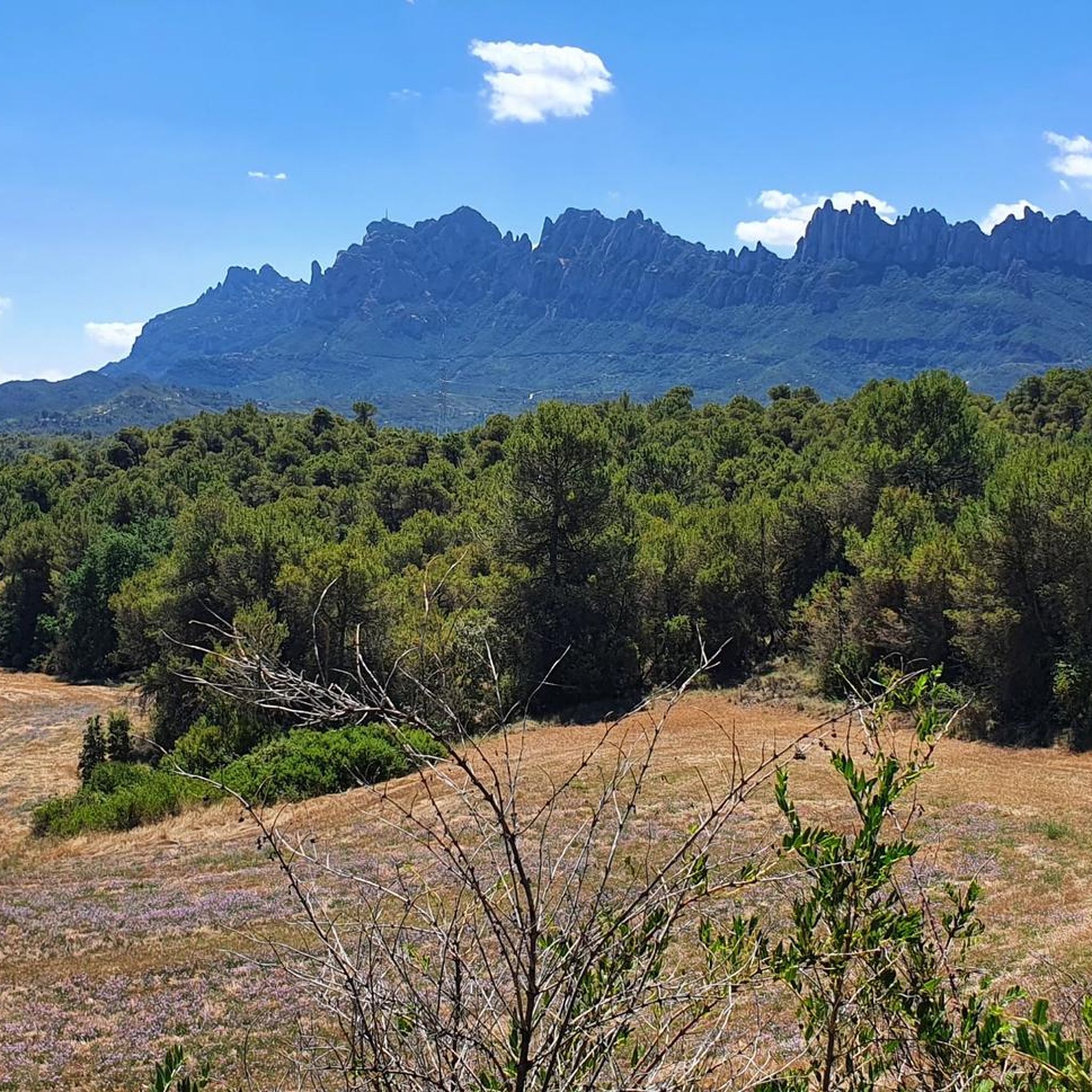
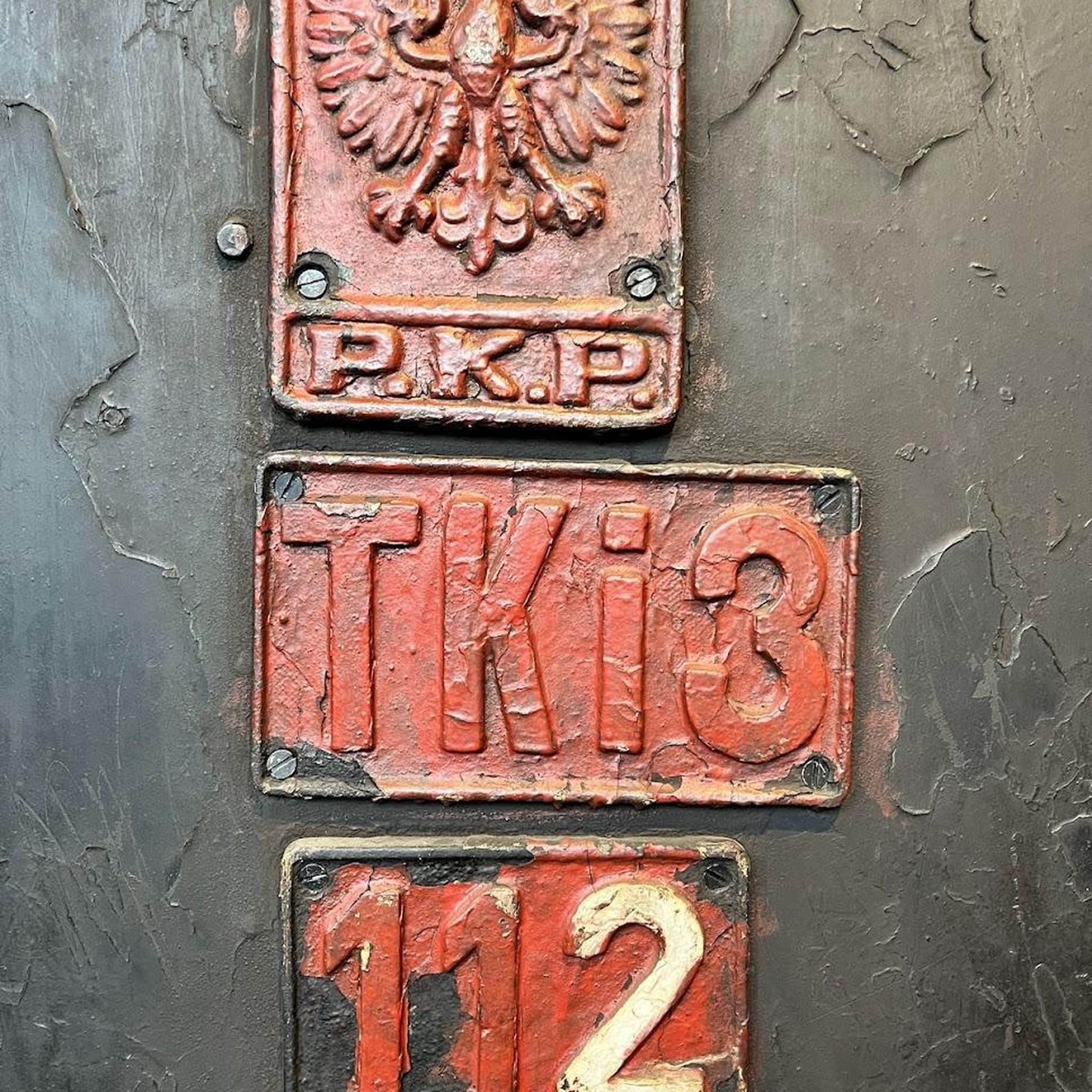
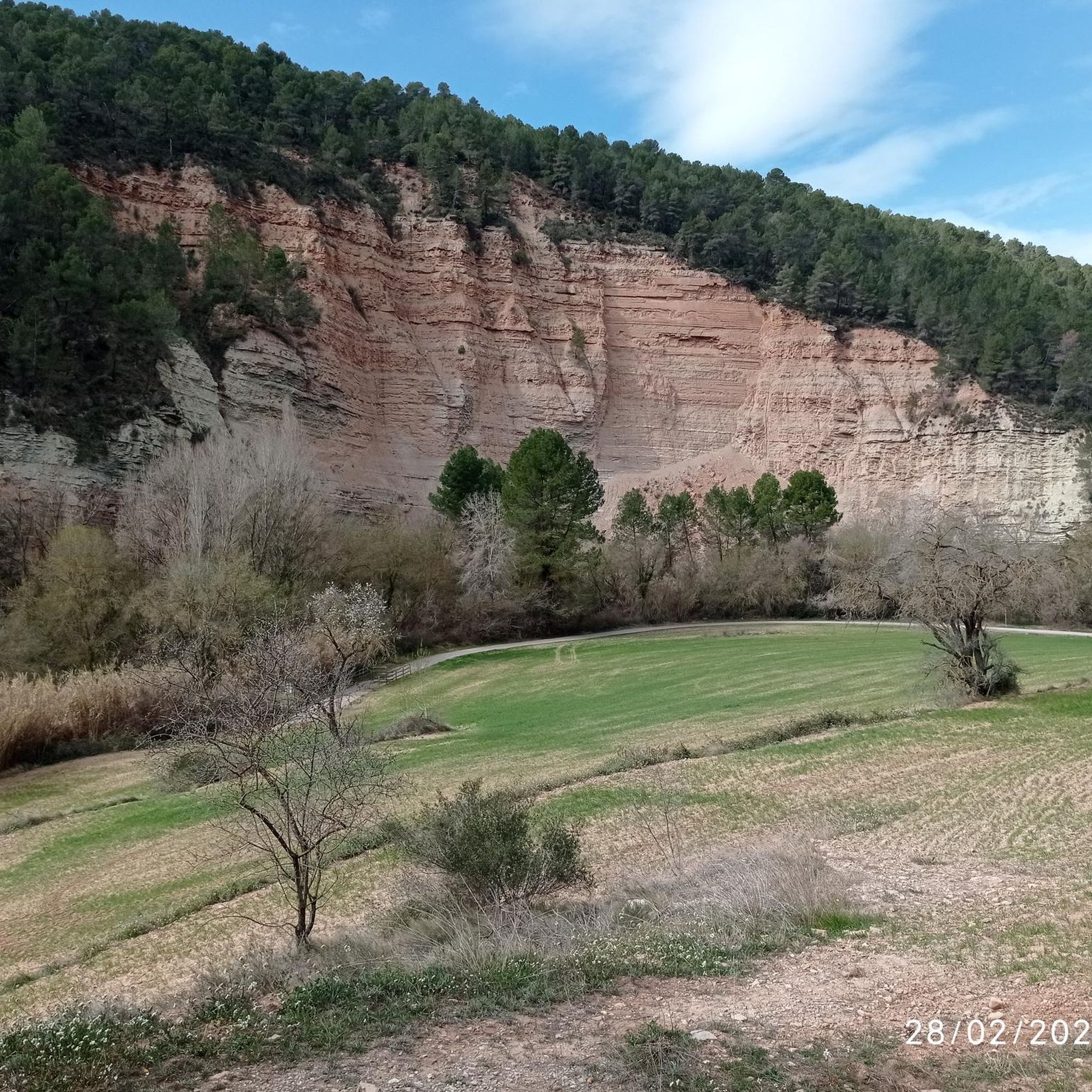
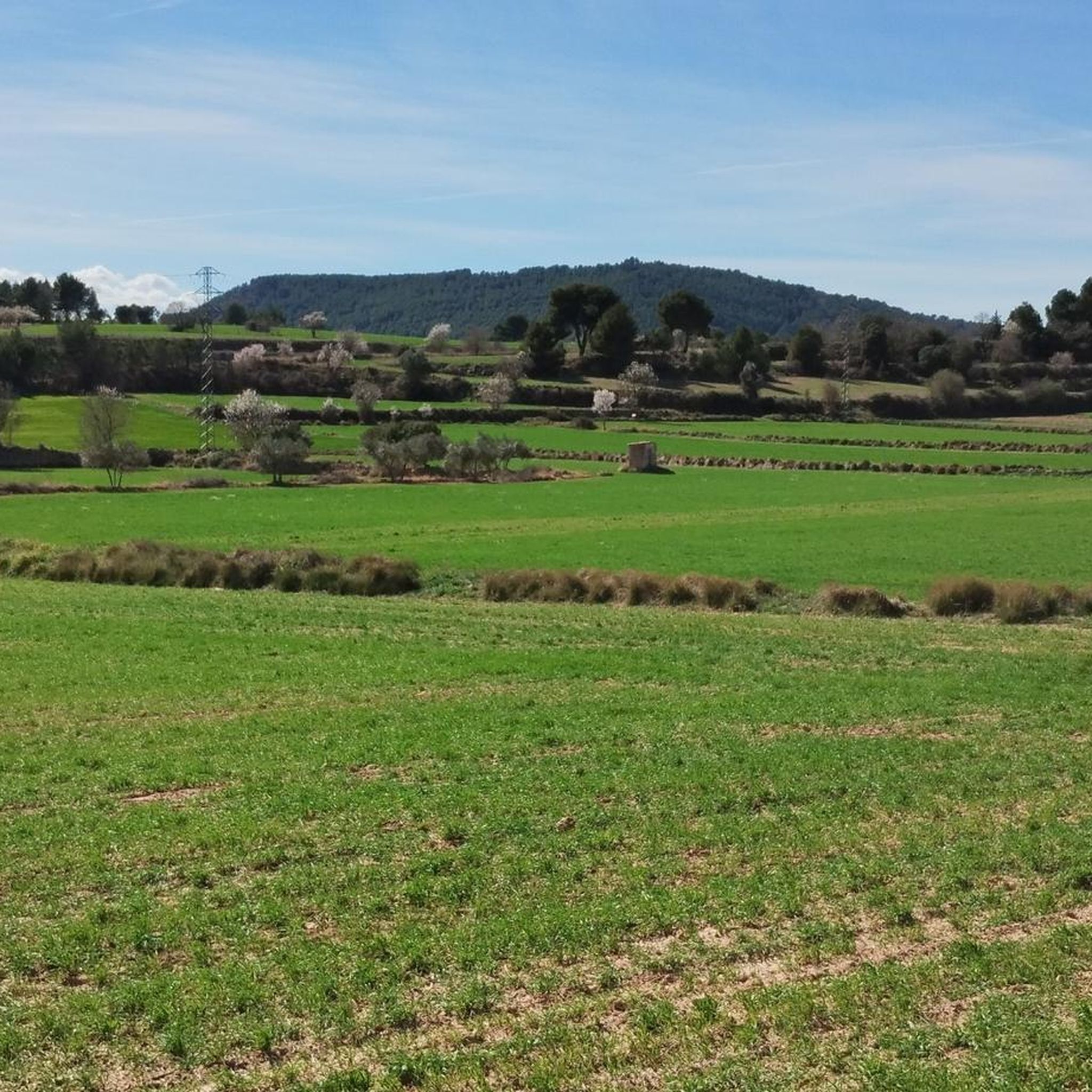

Tips from the Community

Within the municipality of Sant Guim de Freixenet is this church and town in general, which have the same name, called the Church of Santa Maria del Castell. Small, stone and Romanesque where it is located to the north of the same nucleus.
0
0
Small town located above the Serra de Cererols. In Rubió there is the church of Santa Maria and also an old castle, which, thanks to its elevated geographical location, allowed you to see the surrounding lands.
0
0

Castellfollit de Riubregós is a municipality located in the Llobregós river valley. The town, of medieval origin, lies at the foot of a hill where a castle stands, today in ruins. A few meters from the rural center is also the beautiful Romanesque church of Santa Maria del Priorat.
0
0

Hill with a tower and church on top. Boixadors Castle looms over the top. It was built in the 11th century and has views of the entire Calaf plateau. Since 1971 it has been restored several times.
0
0

http://www.altaanoia.info/es/Activitats/Visita-guiada-al-Castell-de-Boixadors The Castell de Boixadors is on top of a hill in a very privileged position. It is located at the western end of the Castelltallat mountain range. It was important in times of reconquest. It has been documented since 1015. Assigned to the Salavinera City Council, since 1971 the Barcelona Provincial Council has carried out several restoration campaigns.
0
0
Frequently Asked Questions
What kind of castles and historical sites can I expect to find around Sant Martí Sesgueioles?
The region around Sant Martí Sesgueioles features a mix of historical remnants, ruins, and sites with significant pasts rather than fully preserved, grand castles. You'll discover places like the site of Castell de Boixadors, which has undergone restoration, and the historical site of Castell de Castellfollit. Within Sant Martí Sesgueioles itself, you can explore the remnants of its 16th-century urban wall, particularly the Portal del Carrer Vell, and the historical location of Castillo de Vilallonga, which is mostly ruins but holds considerable historical significance.
What is the historical significance of the castles and fortified sites in this region?
The castles and fortified sites around Sant Martí Sesgueioles played a crucial role in the region's medieval history, particularly during the Reconquista. Sites like Castell de Boixadors, documented since 1015, were strategically important. The urban wall of Sant Martí Sesgueioles, with its Portal del Carrer Vell, highlights the town's defensive needs in the 16th century. These sites offer a glimpse into the area's past as a contested borderland.
Are there any family-friendly castles or historical sites to visit?
While many sites are historical ruins, exploring the old quarter of Sant Martí Sesgueioles, including the Portal del Carrer Vell, can be an engaging activity for families. The unique standalone bell tower also offers an interesting architectural curiosity. For those who enjoy a walk, the sites of Castell de Castellfollit and Castell de Boixadors can be reached via moderate walks, providing a sense of adventure for older children.
What outdoor activities can I combine with a visit to these historical sites?
The area around Sant Martí Sesgueioles is excellent for outdoor activities. You can find numerous routes for gravel biking, road cycling, and mountain biking. For example, there are challenging gravel biking routes like the "Molí de la Roda – View of Castellfollit del Boix loop" or moderate MTB trails such as the "Ermita de Sant Ermengol – Molí de la Roda loop." You can explore more options on the Gravel biking around Sant Martí Sesgueioles, Road Cycling Routes around Sant Martí Sesgueioles, and MTB Trails around Sant Martí Sesgueioles guide pages.
Where can I find scenic viewpoints near the castles?
Many of the castle sites are located on elevated positions, offering panoramic views. Castell de Boixadors is situated on a hilltop, providing a privileged perspective. Similarly, the View of Castillo de Boixadors highlight specifically points out a location with excellent views of the 11th-century castle and the Calaf plateau. The old castle in Rubió also offered views of the surrounding lands due to its elevated geographical location.
What is the best time of year to visit the castles and historical sites?
Spring and autumn generally offer the most pleasant weather for exploring the historical sites and engaging in outdoor activities around Sant Martí Sesgueioles. Temperatures are milder, making walks and cycling more comfortable. Summer can be hot, while winter might be cooler, but still suitable for visits on clear days.
Are there any unique historical landmarks in Sant Martí Sesgueioles besides castles?
Yes, Sant Martí Sesgueioles is known for its distinct bell tower, dating from the 15th century, which stands alone because the original church it belonged to was replaced. This 'bell tower without a church' is a curious architectural sight. The town also features Gothic porticos and stately homes in its old quarter, adding to its medieval charm.
How accessible are the castle sites and historical remnants?
Accessibility varies by site. The Portal del Carrer Vell in Sant Martí Sesgueioles is easily accessible within the town's old quarter. Sites like Castell de Castellfollit are a short walk from the town. Other sites, such as the ruins of Castillo de Vilallonga or Castell de Boixadors, may involve walking on uneven terrain or uphill paths, so comfortable footwear is recommended.
What should I wear when visiting the castles and historical sites?
Given that many sites involve walking and are outdoors, comfortable walking shoes are highly recommended. Layers of clothing are advisable, especially during spring and autumn, to adapt to changing temperatures. A hat and sunscreen are useful during sunnier months, and a light jacket might be needed for cooler evenings or windy viewpoints.
Are there any cafes or places to eat near the historical sites?
Sant Martí Sesgueioles itself offers local amenities, including cafes and places to eat, where you can refresh after exploring the urban wall and other town features. For sites further afield, it's advisable to check local services in nearby villages or plan to bring snacks and drinks, especially if you are embarking on longer cycling or hiking routes that pass by these historical locations.
What is the status of the Castillo de Vilallonga site?
The Castillo de Vilallonga, documented since 1022, exists primarily as scattered rocks and ruins near the Romanesque hermitage of Sant Valentí de Vilallonga. While not a standing castle, it holds significant historical value. There are plans for archaeological research, consolidation of remaining structures, and public access development to restore and highlight this historical asset in the future.
Most popular routes around Sant Martí Sesgueioles
Most popular attractions around Sant Martí Sesgueioles

Get inspired with the komoot mobile app


Explore more
Looking for the best castles somewhere else? Discover other guides around Sant Martí Sesgueioles:
