Top 8 Caves around La Pobla De Claramunt
Best caves around La Pobla De Claramunt are primarily known for their archaeological significance and geological formations. The region features several caves, including notable prehistoric sites that offer insights into ancient human activity. These sites are often found within travertine formations, a type of sedimentary limestone. The area provides opportunities to explore both natural cave structures and historical archaeological excavations.
Best caves around La Pobla De Claramunt
- The most popular caves include Prehistoric Park of Capellades, a historical site…
Last updated: July 17, 2026
Font de l'Esllavissada
Highlight • Cave
off the cliff, hence the toponym of the landslide. Inside there is a small perennial water …
Translated by Google •
Tip by

Les Deus Fountains
Highlight • Natural Monument
Translated by Google •
Tip by

Sign up now to discover places like this
Get recommendations on the best single tracks, peaks, & plenty of other exciting outdoor places.
Sign up for free
Pruneres Cave
Highlight • Cave
Despite the fact that in many maps and texts it appears as a balm, we prefer to mention it …
Translated by Google •
Tip by
Cova de l'Arcada
Highlight • Cave
Translated by Google •
Tip by

The Birdhouse of Montserrat
Highlight • Cave
Translated by Google •
Tip by
Sign up for free to discover even more caves around La Pobla De Claramunt.
Sign up for free
Already have an account?
Start today with a free account
Your next adventure awaits.
Login or Signup
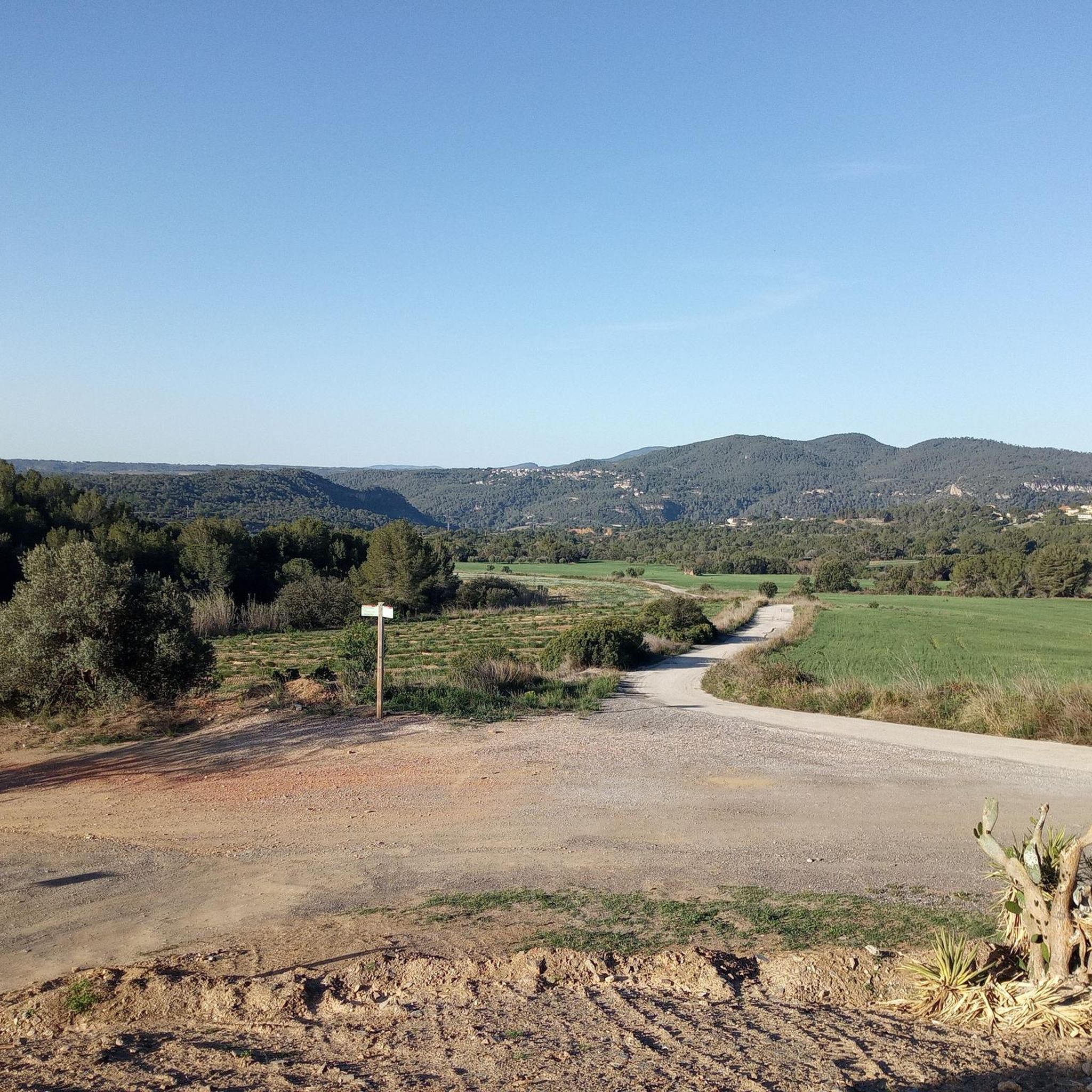
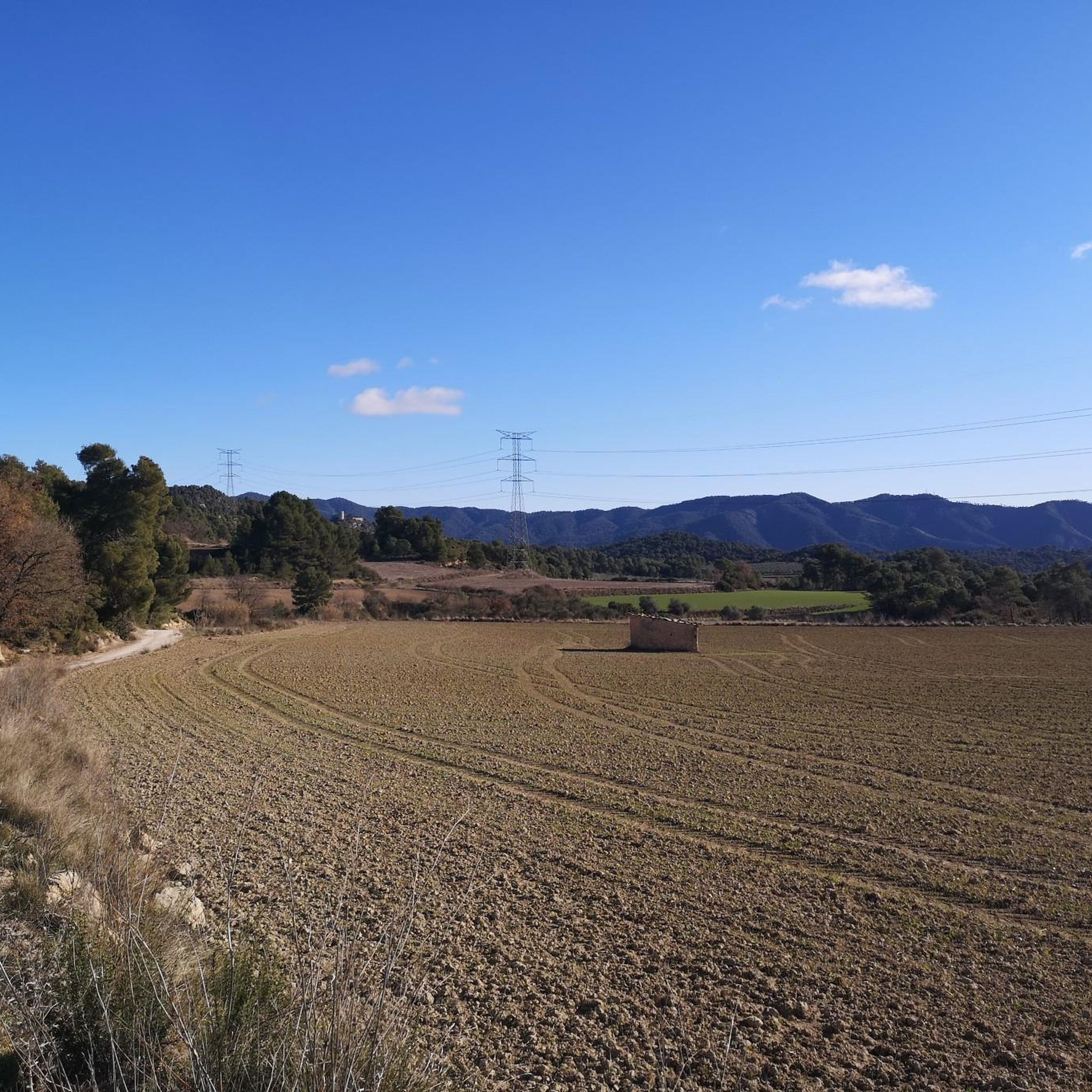
Tips from the Community

Les Deus is a natural site of Sant Quintí de Medionai is a space where there are 23 sources of water in a beautiful area to take a break.
0
0

A natural area where you can enjoy lakes, pools, caves and waterfalls. Les Deus are a series of 23 fountains in a row - the water comes from a main source of the Carme Capellades aquifer. In high season, people take advantage of the lakes as a bathing area. On the highest part there is a restaurant and a bar with views and below there is a picnic area. There is also an adventure park where there is via ferrata etc.
1
0

Spacious balma that had been enabled as a refuge in Montserrat Despite the fact that in many maps and texts it appears as a balm, we prefer to mention it as a cave, which is what it is in reality and, moreover, this is how it appears on the map of the Cartographic and Geological Institute of Catalonia. It is a fairly spacious cave, it is 16 meters deep and 45 meters wide, inside there is a small wall of stones. Josep Fatjó tells us about this cavity, "it was fixed throughout the year 1959 and on the day of the inauguration the climbing monks said a mass". In the cave there was a wall in front of wood, bedrooms with two rows of wooden bunks and logs with a capacity for about 15-20 people, there was also a firewood store and a dining room with a fireplace, all made by members of the GAM of the Barcelonès Mountain Club. The unsightly people who roam the mountains with their lack of civility have dedicated themselves to burning everything and have reduced this emblematic place to a pile of ashes.
0
0
Cavity 23 meters long by 5 meters wide. It is formed under some rocks off the cliff, hence the toponym of the landslide. Inside there is a small perennial water cistern, built in 1947, and next to it there is a chest with a fountain, which although years ago we had seen in good condition, is currently unusable. All of this favored the climbers' stay. Known since time immemorial. Mentioned in all the collections of cavities and guides of Montserrat, but of little speleological interest.
1
0

Small fountain hidden inside a bauma.
0
0
On the northern slope of the Serrat del Cabrit, there is a deep torrent hidden in the shade of holm oaks: the Coma Alta. This torrent, usually dry, descends in a SW direction until it reaches a vertical jump of 50 meters. At the foot of this jump, we find the Cova de l'Arcada. Unlike the Salnitre, the Arcada is not underground and has a small entrance. It's just the opposite: open and shallow, but of colossal size. Its monumental arch is approximately 30 meters high by 60 meters wide and 10 meters deep. Canyoning enthusiasts can access it from above, through the Torrent de la Coma Alta, abseiling to the entrance of the cave.
0
0
It was located at the head of the torrent of the same name, under the rocks known as the viewpoint of Sant Joan, about fifty meters below the hermitage of Sant Joan, a little to the right of the ravine, facing south, at an altitude of 985 meters. For the construction, a wide balma was used, in which some parts of the walls are still standing, holes to point the beams, and, above all, the important pipes worked in the rock, of considerable depth and very well distributed for water conduction. Due to its excellent orientation towards the south and well sheltered, it had a reputation for sheltering many nests, especially nightingales and blackbirds, so much so that it was known by the Montserrat Birdhouse.
0
0

Frequently Asked Questions
What is the most significant archaeological cave site near La Pobla de Claramunt?
The most significant archaeological site is the Prehistoric Park of Capellades, which encompasses the Abric Romaní. This site is renowned globally for its exceptional preservation of Neanderthal life, including over 200 hearths and numerous wooden objects, offering rare insights into their daily activities from 110,000 to 40,000 years ago.
Are there other caves with historical significance in La Pobla de Claramunt itself?
Yes, within La Pobla de Claramunt, you can find the Cova de l'Olivera and the Cova del Mallorquí. The Cova de l'Olivera is an archaeological site believed to have been a prehistoric burial ground, yielding Calcolithic and Bronze Age artifacts. The Cova del Mallorquí also has prehistoric significance, classified as a late Neolithic burial cave, and has a more recent history of being inhabited and used for livestock.
What kind of geological formations are typical for the caves in this region?
Many caves in the region, including Cova de l'Olivera and Cova del Mallorquí, are formed within travertine, a type of sedimentary limestone. The Prehistoric Park of Capellades is also situated on a travertine cliff, which contributes to the unique preservation of its archaeological layers.
Are there family-friendly cave experiences near La Pobla de Claramunt?
Yes, the Prehistoric Park of Capellades is considered family-friendly, offering exhibitions, audiovisual displays, and workshops to learn about Neanderthal life. Another great option for families is Les Deus Fountains, a natural area with pools, small caves, waterfalls, and a picnic area, which also features an adventure park.
What natural features can I expect to see in the caves or surrounding areas?
Beyond the caves themselves, you can explore natural features like those at Les Deus Fountains, which boasts over 20 water sources, pools, and waterfalls. The Font de l'Esllavissada features a small perennial water cistern within its cavity. The region's landscape also includes deep torrents and cliffs, such as those near Cova de l'Arcada.
Are there caves suitable for more adventurous exploration?
For those seeking adventure, Cova de l'Arcada offers a challenging experience. It's located at the foot of a 50-meter vertical drop in the Torrent de la Coma Alta, and canyoning enthusiasts can access it by abseiling. The Cova del Mallorquí also has a somewhat difficult-to-access location, appealing to those looking for a more rugged exploration.
What outdoor activities can I combine with a visit to the caves?
The area around La Pobla de Claramunt is excellent for outdoor activities. You can find numerous hiking opportunities, including easy loops like the 'Prehistoric Park of Capellades loop' or moderate trails like the 'Esgavellats Entrance – Can Titó Bridge loop'. For more details on hiking, visit the Hiking around La Pobla De Claramunt guide. There are also road cycling and mountain hiking routes available.
What do visitors enjoy most about the caves and natural sites in this area?
Visitors appreciate the unique blend of natural beauty and historical significance. The exceptional preservation of Neanderthal evidence at the Prehistoric Park of Capellades is a major draw. The natural areas like Les Deus Fountains are loved for their serene atmosphere, water features, and recreational opportunities. The geological formations, particularly the travertine, also add to the appeal.
Is there a cave that served as a shelter or dwelling in more recent history?
Yes, the Cova del Mallorquí has a documented history of being inhabited. It was known as 'Cal Patera' and was home to a Mallorcan man in the early 19th century, and later used for keeping livestock. Similarly, the Cova del Cabrit is a spacious rock shelter often used by climbers for refuge and even cooking.
Are there any caves with unique water features or cisterns?
The Font de l'Esllavissada is a notable example, featuring a small perennial water cistern built in 1947 within its 23-meter-long cavity. Additionally, Les Deus Fountains is characterized by its series of 23 water sources, pools, and waterfalls, making it a significant natural water-rich site.
What is the best time to visit the caves and archaeological sites?
While specific opening hours or seasonal recommendations for all sites are not provided, generally, spring and autumn offer pleasant weather for exploring outdoor archaeological sites and natural caves. For sites like the Prehistoric Park of Capellades, checking their official website for current operating hours and seasonal events is advisable. For natural areas like Les Deus Fountains, warmer months might be preferred if you wish to use the bathing areas.
Most popular routes around La Pobla De Claramunt
Most popular attractions around La Pobla De Claramunt

Get inspired with the komoot mobile app


Explore more
Extend your search for the best caves by checking out these guides of the top ones around La Pobla De Claramunt:
