Top 13 Caves around La Vall De Laguar
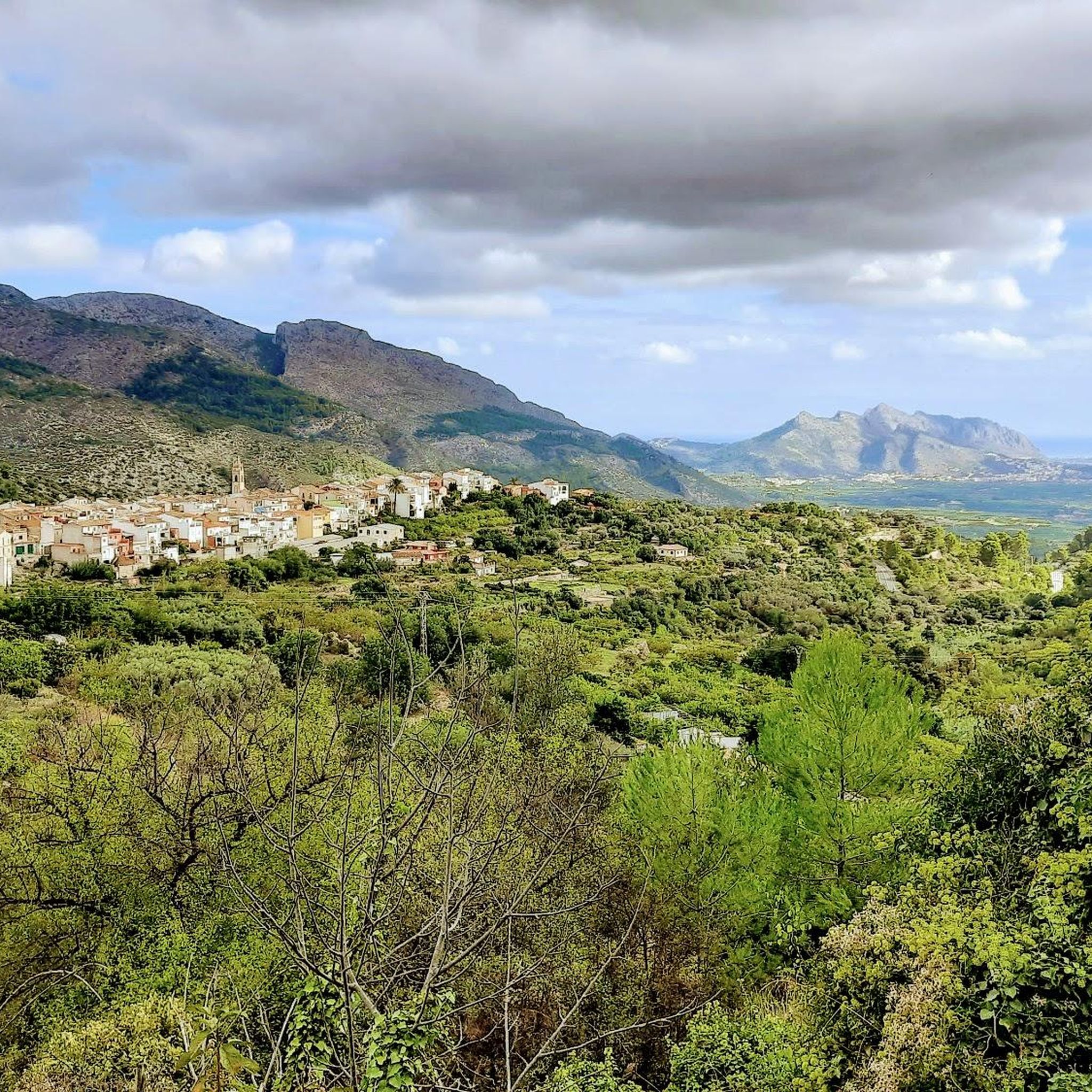
Best caves around La Vall De Laguar are found within a region known for its dramatic landscapes, towering limestone cliffs, and numerous natural rock formations. This area in the Alicante province of Spain offers significant caving opportunities, particularly within its famous natural areas. The geological features of caves in La Vall De Laguar include impressive limestone formations and ravines, carved by water over thousands of years. The region also holds archaeological significance, with ancient cave paintings indicating a rich historical heritage.
Best caves around La Vall De Laguar
- The most popular caves is Forat de la Juvea, a cave and natural monument that features a natural hole conditioned for a path through the mountain. This spot offers a spectacular entrance into the environmental space of the Girona River.
- Another must-see spot is Dark Cave, a cave, viewpoint, and natural monument. It is of geological importance and provides very nice views from its access point.
- Visitors also love Cave of the Skulls, a cave and historical site over 400 meters in length. This cavity allows visitors to learn about how early inhabitants lived, and it maintains a cool temperature, making it suitable for visits year-round.
- La Vall De Laguar is known for its natural caves, historical cave sites, and natural monuments. The region offers a variety of caves to see and explore, from those with geological importance to others featuring ancient rock art.
- The caves around La Vall De Laguar are appreciated by the komoot community, with nearly 100 upvotes and 80 photos shared by visitors.
Last updated: July 17, 2026
Dark Cave
Highlight • Cave
Translated by Google •
Tip by

Forat de la Juvea
Highlight • Cave
Translated by Google •
Tip by

Sign up now to discover places like this
Get recommendations on the best single tracks, peaks, & plenty of other exciting outdoor places.
Sign up for free
Cave of the Skulls
Highlight • Cave
It is one of the oldest caves in the entire Valencian Community. This cavity of more than 400 meters in length allows the visitor to take a trip back in time and learn how our ancestors lived long ago.
Translated by Google •
Tip by

El Badall Cave
Highlight • Cave
Tip by

Camino de Petracos – Remote Beauty & Ancient Rock Art
Highlight (Segment) • Cave
The paintings are protected behind fences but still visible — abstract symbols, anthropomorphic figures, and mysterious shapes left by early Iberian cultures.
It’s absolutely worth a stop for a moment of silence and awe — but be warned: the trail isn’t cycling-shoe friendly. You’ll either need cleat covers or the willingness to carry your bike over rocky steps for a short hike. 😅
A unique mix of nature, history, and quiet that most riders simply roll past.
Tip by

Sign up for free to discover even more caves around La Vall De Laguar.
Sign up for free
Already have an account?
Start today with a free account
Your next adventure awaits.
Login or Signup


Tips from the Community

Great little hidden ascent which feels like it it inside the cliff face. Annoyingly difficult approach path but once you get to the ascent proper the magic begins. NOTE - this is a SAC T4 section of path - nothing technical but still a challenge. I suggest you may like to take gloves for the chains and staples. Gloves are also useful in the tight area where you have to partially crawl through a semi cave. I had a head torch but it was not really necessary. Sticks were a pain and might be best stowed at the start of the ascent. An disposable overbag (I always use a heavy duty dustbin liner) for your rucksack where it is best dragged behind you might also be useful but not 100% necessary. There is one particularly narrow place "a fatmans squeeze" that might give you trouble if your a big person,
0
0

An approximately 1 km long area within the Sierra Segaria, which contains various caves - the Cova Fosca is of course the largest, most famous, and most spectacular!
1
0

About halfway up the narrow road toward Petracos, there's a path leading to one of the Costa Blanca’s hidden gems: the prehistoric rock paintings of Les Coves de Pintures Rupestres de la Sarga de Petracos. These sacred cave sites are over 6,000 years old and are recognised as UNESCO World Heritage. The paintings are protected behind fences but still visible — abstract symbols, anthropomorphic figures, and mysterious shapes left by early Iberian cultures. It’s absolutely worth a stop for a moment of silence and awe — but be warned: the trail isn’t cycling-shoe friendly. You’ll either need cleat covers or the willingness to carry your bike over rocky steps for a short hike. 😅 A unique mix of nature, history, and quiet that most riders simply roll past.
2
0

The start of the climb is demanding and gradually becomes easier. A rocky climb with ruts. A slight descent on stones, an accessible path and a descent on a well-paved road.
1
0

Short video about my hikes around this area could be found under the following links: https://www.youtube.com/watch?v=O44Xq6hudm8 https://www.youtube.com/watch?v=GWr6CrRNXL8 https://www.youtube.com/watch?v=v44NMToT9tA
1
0
Short video about sunrise taken from COVA FOSCA could be found under the following link:https://www.youtube.com/watch?v=GWr6CrRNXL8
1
0

Medium difficulty is an understatement! We are in good shape and really fit, but this tour was difficult. Partly there were no paths, it was more of a climbing tour on the mountainside. Good shoes and a head for heights are a must!
3
1

Frequently Asked Questions
What are the general difficulty levels for exploring caves in La Vall De Laguar?
The difficulty levels for exploring caves in La Vall De Laguar vary. Some, like the Dark Cave, are considered challenging and may involve climbing or abseiling, requiring guides and safety equipment. Others, such as the Cave of the Skulls, are more accessible with well-maintained paths suitable for general visitors. Always check specific highlight details for difficulty ratings.
Are there family-friendly caves to visit in La Vall De Laguar?
Yes, the Cave of the Skulls is considered family-friendly. It's over 400 meters long, allowing visitors to learn about early inhabitants, and maintains a cool temperature, making it an ideal visit for families, especially during warmer months.
What is the best time of year to visit the caves in La Vall De Laguar?
The caves in La Vall De Laguar can be visited year-round. For instance, the Cave of the Skulls maintains a cool temperature, making it particularly pleasant during summer. However, if you plan to combine caving with hiking in areas like Barranc de l'Infern, spring and autumn offer more moderate weather conditions.
What historical or archaeological significance do the caves in La Vall De Laguar hold?
The region's caves are rich in history. The Cave of the Skulls is one of the oldest in the Valencian Community, offering insights into how ancient ancestors lived. Additionally, the Barranc de l'Infern features ancient cave paintings, and the Camino de Petracos highlights prehistoric rock paintings that are over 6,000 years old and recognized as UNESCO World Heritage.
What unique natural features can be found in the caves of La Vall De Laguar?
The caves showcase impressive geological formations. Forat de la Juvea is a natural hole conditioned for a path through the mountain, offering a spectacular entrance into the Girona River's environmental space. The Dark Cave is also noted for its great geological importance and stunning views from its access point.
Are there hiking routes near the caves in La Vall De Laguar?
Yes, La Vall De Laguar is excellent for hiking. The Barranc de l'Infern, often called the 'Cathedral of Hiking,' features a 14-kilometer circular path with ancient stone steps and numerous caves. You can find many routes, including 'The Cathedral of Hiking (PR-CV 147)' and 'Rocky Staircase Trail – Forat de la Juvea loop from el Campell,' on the Hiking around La Vall De Laguar guide.
What other outdoor activities can I do near the caves?
Beyond caving and hiking, the region offers opportunities for gravel biking and mountain biking. You can explore routes like 'View of Guadalest Reservoir – Castell de Castells loop' for gravel biking or 'Vall d'Alcalà Pla de Petracos Trail' for mountain biking. More details are available in the Gravel biking around La Vall De Laguar and MTB Trails around La Vall De Laguar guides.
Do I need permits for caving in La Vall De Laguar?
While general access to some cave entrances may not require permits, engaging in risky activities like caving or abseiling in places like the Dark Cave is strongly recommended with guides who have all the necessary safety equipment. Always check local regulations for specific caves or protected areas.
What should I wear when visiting caves in La Vall De Laguar?
For general cave visits, comfortable clothing and sturdy walking shoes are advisable. If you plan to explore more challenging caves or engage in activities like climbing, good shoes, a head for heights, and potentially gloves for chains or staples (as suggested for El Badall Cave) are essential. A head torch can also be useful.
What do visitors enjoy most about the caves in La Vall De Laguar?
Visitors appreciate the combination of natural beauty, geological wonders, and historical significance. The spectacular entrances, like that of Forat de la Juvea, and the insights into ancient life offered by sites like the Cave of the Skulls are frequently highlighted. The adventure and exploration opportunities amidst stunning scenery are also a major draw.
Are there any hidden gem caves or less-known spots worth exploring?
The region's karst areas, particularly around Cavall Verd (Serra del Penyó), are rich in caves and chasms, many of which are less publicized. While specific names are not widely detailed, these areas promise numerous hidden formations for experienced cavers. El Badall Cave is described as a 'great little hidden ascent' that feels like it's inside the cliff face, offering a unique challenge.
Where can I find parking when visiting the caves?
Parking availability varies by specific cave location. For popular hiking areas like Barranc de l'Infern, designated parking areas are usually available near trailheads. For highlights like the Cave of the Skulls, it is located next to the road from Pedreguer to Benidoleig, suggesting roadside or nearby parking options. Always check specific access points for parking information.
Most popular routes around La Vall De Laguar
Most popular attractions around La Vall De Laguar

Get inspired with the komoot mobile app


Explore more
Extend your search for the best caves by checking out these guides of the top ones around La Vall De Laguar:
