Top 9 Lakes around La Vall De Laguar
Best lakes around La Vall De Laguar include a variety of water features, from natural pools formed by rivers to significant reservoirs in the surrounding area. The region is characterized by its dramatic gorges, such as the Barranco del Infierno, and the Girona River, which carves through the landscape. These natural features contribute to diverse water bodies, offering opportunities for exploration and scenic views.
Best lakes around La Vall De Laguar
- The most popular lakes is Guadalest Reservoir, an…
Last updated: July 17, 2026
Guadalest Reservoir
Highlight • Lake
Translated by Google •
Tip by

El Castell de Guadalest and the Guadalest Reservoir
Highlight • Historical Site
Translated by Google •
Tip by

Sign up now to discover places like this
Get recommendations on the best single tracks, peaks, & plenty of other exciting outdoor places.
Sign up for free
Marjal de Pego-Oliva Natural Park
Highlight • Natural Monument
Translated by Google •
Tip by

Guadalest Dam
Highlight • Monument
Translated by Google •
Tip by
L'Ombria del Castell Path
Highlight (Segment) • Trail
Translated by Google •
Tip by

Sign up for free to discover even more lakes around La Vall De Laguar.
Sign up for free
Already have an account?
Start today with a free account
Your next adventure awaits.
Login or Signup


Tips from the Community

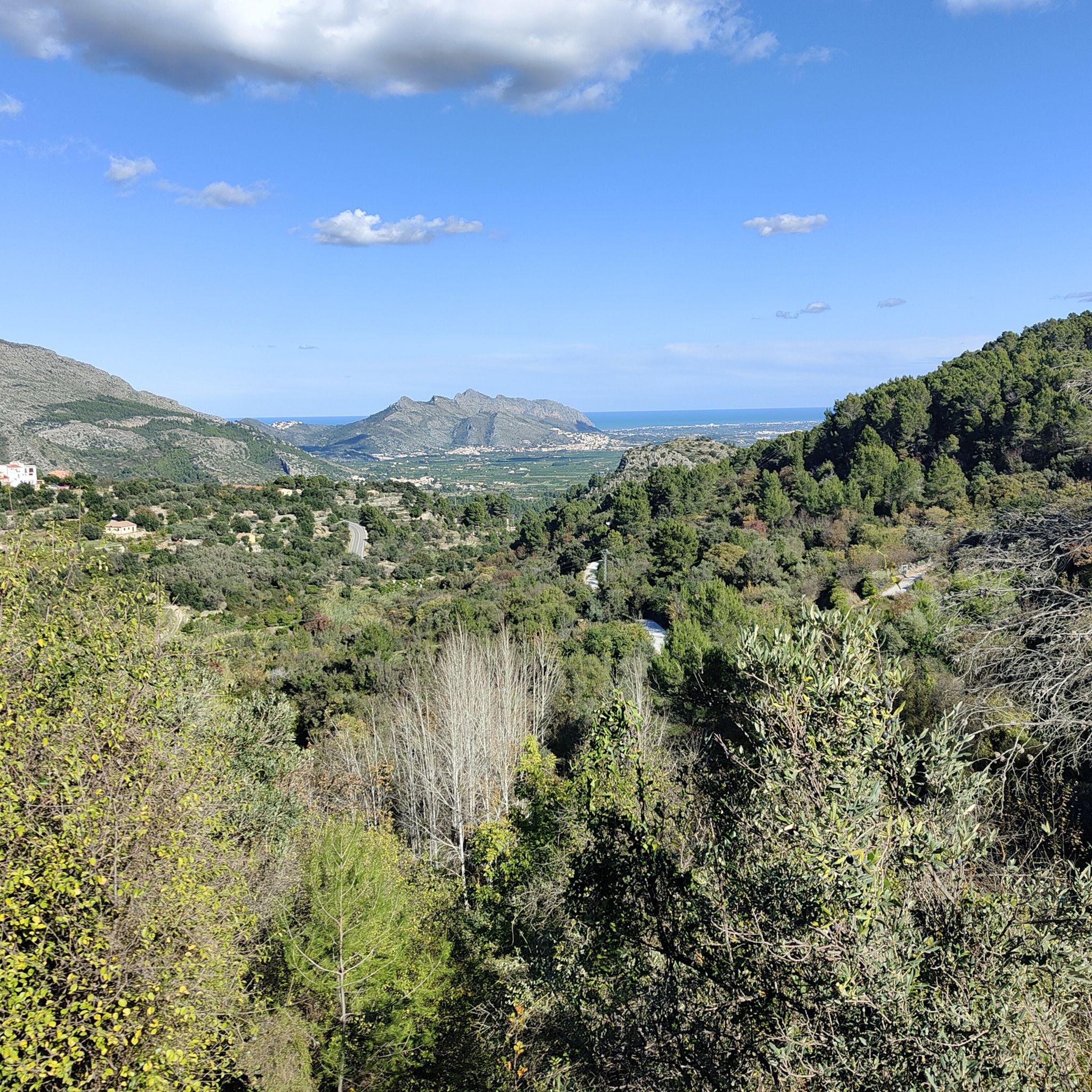
Good paved road, moderate traffic. Views of the reservoir, the Aitana and Serrella mountain ranges, and villages like Beniardà and Benimantell.
6
0

If you’re looking for a peaceful and scenic day out in nature, Marjal de Pego-Oliva Natural Park is a hidden gem worth exploring. It’s a beautiful wetland area located between the towns of Pego and Oliva on the Costa Blanca, full of wildlife, rice fields, and freshwater springs. 🚶♂️ What to Do There • Walk or cycle the trails: There are several easy routes, including wooden boardwalks over the marsh, great for families or casual walkers. One of the most popular paths is the Ruta del Bullent, a circular walk that brings you close to rivers, rice fields, and the famous natural spring. • Swim in the Font Salada: This is a warm natural spring (about 21–24°C all year) where you can take a dip. The water is known for its skin-healing properties. • Birdwatching: The area is rich in biodiversity, with herons, ducks, and even rare fish and turtles. Bring binoculars if you can. • Enjoy the peaceful views: There are viewing platforms offering panoramic vistas of the marshes and surrounding mountains. 🧭 Tips for Your Visit • Follow the marked trails to protect the environment and avoid getting lost. • Bring water and sun protection, especially in summer. • Respect nature: take your trash with you, keep noise down, and don’t disturb animals or plants. • Avoid weekends in high season if you prefer quiet – it can get busy, especially at the spring. 🚗 Getting There & Parking Access is easy from the N-332 or the CV-700. If you’re visiting Font Salada, note that parking has recently been restricted. There’s a new small car park nearby (Racó del Fuster), and the spring is a short walk from there. It’s a perfect half-day trip, especially if you’re staying near Denia, Oliva, Jávea or inland in places like Pego or Alcalalí. Ideal for nature lovers, photographers, families, or anyone needing a peaceful break in nature.
0
0

This marsh is a refuge for aquatic flora and fauna. It is also an important area for growing rice and other fruit trees, especially citrus.
0
0

Insider tip for hikers. Enjoy the slowly flowing, clear water.
0
1

Good weather in November. Relative flat terrain - it was a great relaxing cycling with Friends. Short video about this tour could be found under following link: https://youtu.be/tWZ3ar2pp6s?si=cs7GNwL7_qGpKfxB
0
0

Very nice tour around the lake, directly, but high along the shore. There are ways to climb down to the water. At the end of the reservoir (tributary) there is a path leading down where you can also swim.
1
0

very interesting area with great biotopes
0
1
A steep, asphalted road leads down to the back of the dam. If the large iron gate is closed, there is a smaller, unlocked door in the fence. Driving through is permitted, and the trail is open to mountain bikes all the way down to the coastline in Altea.
11
0
Frequently Asked Questions
What are the main water features directly within La Vall de Laguar?
La Vall de Laguar is known for its impressive water features associated with the Girona River and the dramatic Barranco del Infierno. These include the emerald-green natural pool of El Toll Blau and the historic Isbert Dam, which, despite not being fully operational, contributes to the river's flow.
Can I go wild swimming in La Vall de Laguar?
Yes, El Toll Blau is an ideal spot for a refreshing dip. This emerald-green natural pool, fed by the Girona River, offers consistently cold and crystal-clear water in a natural setting. Access can be challenging, involving a descent down a 4-meter rock wall, so caution is advised.
What is the Barranco del Infierno and what activities can I do there?
The Barranco del Infierno (Gorge of Hell) is a spectacular canyon sculpted by the Girona River, featuring vertical walls, deep pools, and waterfalls. It's renowned for its 'Cathedral of Hiking' trail (PR-CV 147), famous for its approximately 6,000 ancient Moorish stone steps. For adventure enthusiasts, the canyon is also a popular spot for canyoning, requiring specialized skills and equipment.
Are there any historical water-related sites in the area?
Yes, the Isbert Dam, constructed in the 1930s at the foot of the Barranco del Infierno, is an interesting historical structure. It's accessible via a 50-meter tunnel along a branch of the PRV-181 trail, offering a unique element to hiking explorations. Additionally, the ancient Moorish steps within the Barranco del Infierno are a significant historical feature.
What are some popular lakes located around La Vall de Laguar?
Beyond the immediate water features of La Vall de Laguar, popular lakes in the wider region include the Guadalest Reservoir, known for its turquoise water and surrounding mountains, and the Marjal de Pego-Oliva Natural Park, a wetland area rich in aquatic flora and fauna.
Are there family-friendly options for visiting lakes or water features near La Vall de Laguar?
Yes, the Marjal de Pego-Oliva Natural Park is considered family-friendly, offering easy trails and wooden boardwalks over the marsh. The Guadalest Reservoir also offers easy walks, such as the L'Ombria del Castell Path, which is suitable for families.
What kind of hiking trails are available near these water bodies?
The region offers diverse hiking opportunities. The Barranco del Infierno features the challenging 'Cathedral of Hiking' trail (PR-CV 147). Around the Guadalest Reservoir, you can find the L'Ombria del Castell Path, which offers beautiful views and is in very good condition. The Marjal de Pego-Oliva Natural Park has several easy routes, including the Ruta del Bullent, a circular walk close to rivers and rice fields.
What is the best time to visit the water features and lakes in and around La Vall de Laguar?
The best time to visit is generally during spring and autumn when temperatures are milder, making hiking and outdoor activities more comfortable. Summer can be very hot, but the cold waters of El Toll Blau offer a refreshing escape. Winter is also pleasant for hiking, especially in areas like the Marjal de Pego-Oliva Natural Park.
Are there opportunities for cycling near the lakes?
Yes, the area around La Vall de Laguar offers various cycling routes. For instance, the L'Ombria del Castell Path around the Guadalest Reservoir is suitable for mountain biking or gravel cycling. The Cycling around La Vall De Laguar guide provides more options, including routes like 'Font del Llavador de Parcent – Velosol Café loop'.
What do visitors enjoy most about the lakes and water features in this region?
Visitors particularly enjoy the breathtaking natural beauty, the unique geological formations of the Barranco del Infierno, and the tranquil escape offered by spots like El Toll Blau for wild swimming. The panoramic views from sites like El Castell de Guadalest overlooking the Guadalest Reservoir are also highly appreciated, as is the rich biodiversity of the Marjal de Pego-Oliva Natural Park.
Is there parking available near the main water attractions?
Parking availability varies. For the Marjal de Pego-Oliva Natural Park, there's a small car park near Font Salada (Racó del Fuster). For the Isbert Dam, a paved road leads down to a viewpoint at its foot. When visiting popular areas like Guadalest Castle and its reservoir, designated parking areas are available in the village.
Are there any less crowded water spots to visit?
While popular, El Toll Blau is a small area, comfortably accommodating only about three people at a time. Visiting during off-peak times or weekdays might offer a more secluded experience. For the Marjal de Pego-Oliva Natural Park, avoiding weekends in high season is recommended if you prefer quiet.
Most popular routes around La Vall De Laguar
Most popular attractions around La Vall De Laguar

Get inspired with the komoot mobile app


Explore more
Still not found your perfect lake around La Vall De Laguar? Check out the guides of these regions to see even more beautiful places.
