Top 4 Caves around Cella
Best caves around Cella are primarily rock shelters located within the Sierra de Albarracín Cultural Park, specifically in the protected landscape of the Pinares de Rodeno. These sites are known for their significant prehistoric cave paintings, which are part of a UNESCO World Heritage Site. The area offers a natural landscape characterized by unique geological formations and historical significance. These caves provide insight into ancient human activity in the region.
Best caves around Cella
- The most popular caves is Prado…
Last updated: July 3, 2026
Shelter of the Archer of the Enclosed Ravines
Highlight • Historical Site
Translated by Google •
Tip by

Prado del Navazo Bulls Rock Shelter
Highlight • Historical Site
Translated by Google •
Tip by
Sign up now to discover places like this
Get recommendations on the best single tracks, peaks, & plenty of other exciting outdoor places.
Sign up for free
Bishop's Little Kitchen Rock Shelter
Highlight • Historical Site
Translated by Google •
Tip by

Deer rock shelter and various figures
Highlight • Historical Site
Translated by Google •
Tip by
Lázaro Shelter
Highlight • Historical Site
Translated by Google •
Tip by

Sign up for free to discover even more caves around Cella.
Sign up for free
Already have an account?
Start today with a free account
Your next adventure awaits.
Login or Signup
Popular around Cella
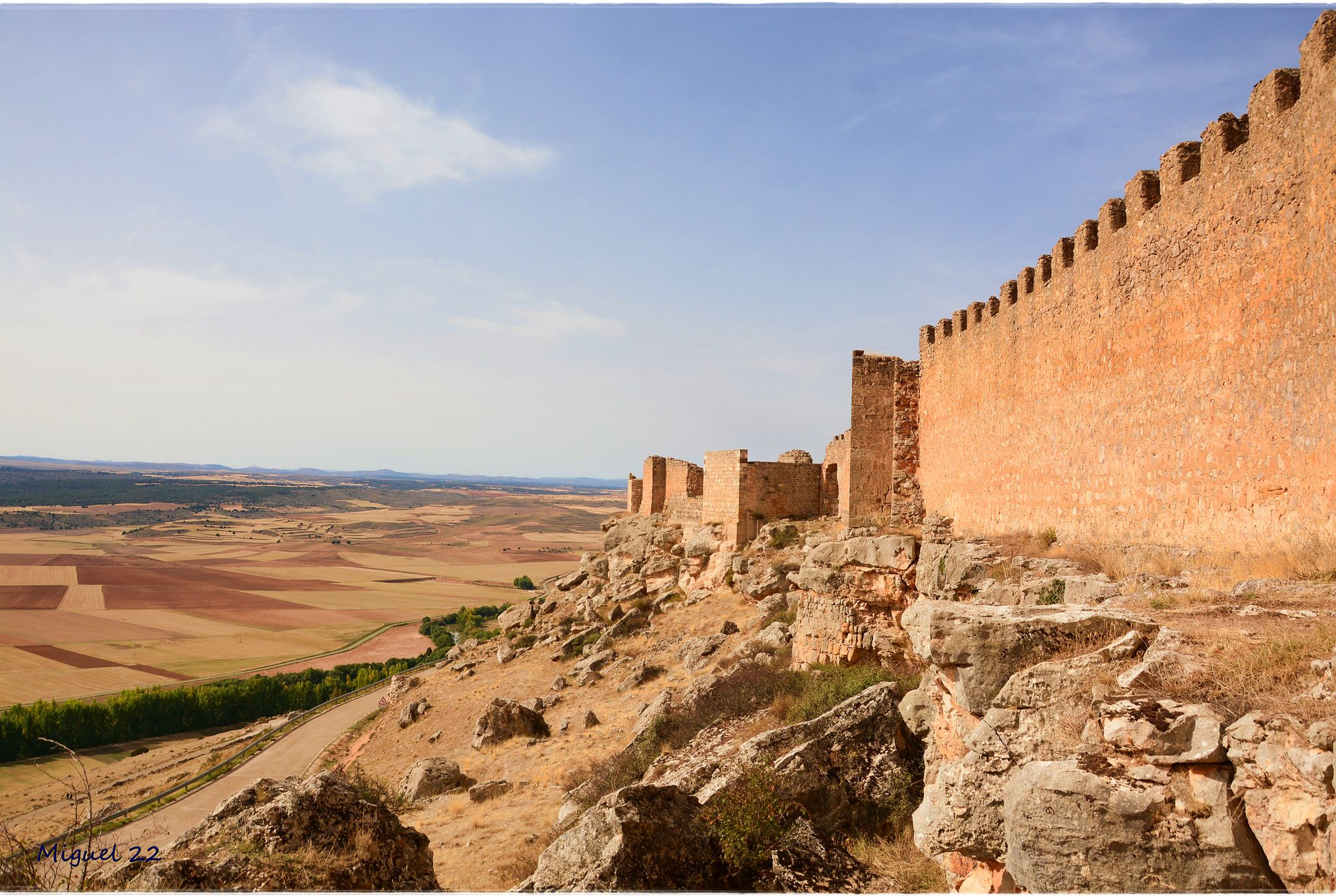
A journey through mediaeval Spain – El Camino del Cid (GR 160)
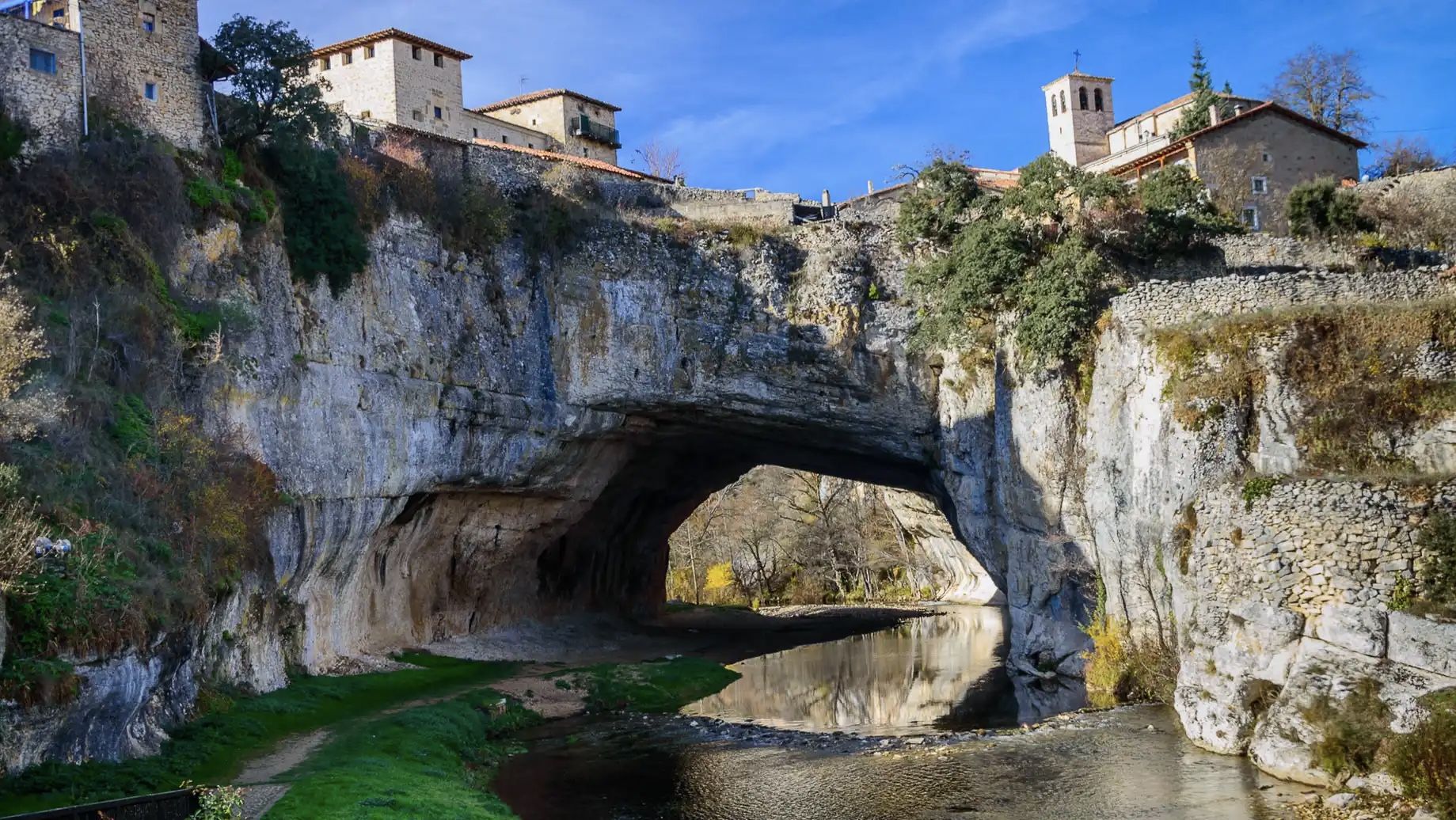
An epic getaway – Santander-Mediterráneo Nature Trail
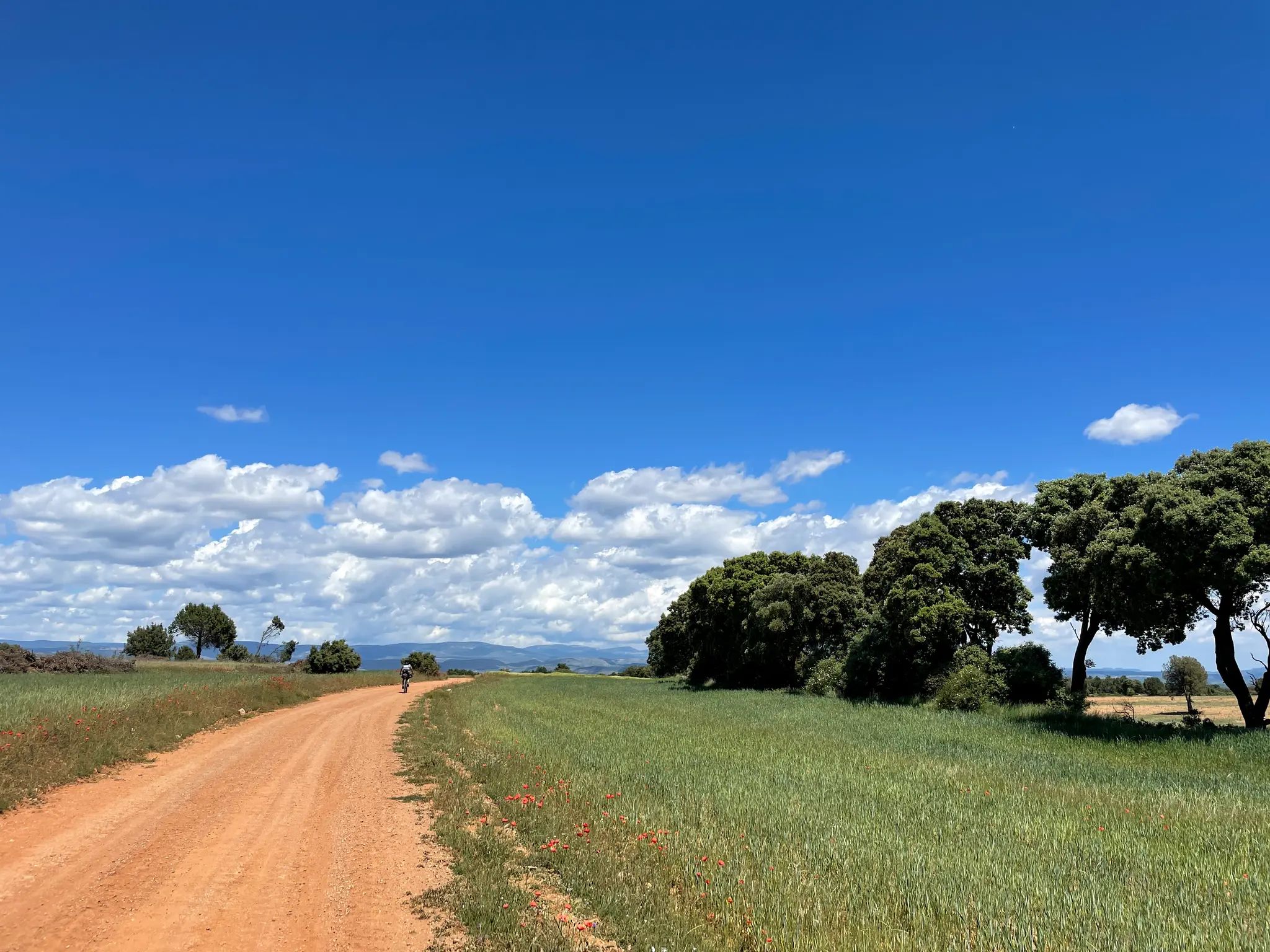
El Camino del Cid – The Conquest of Valencia on MTB
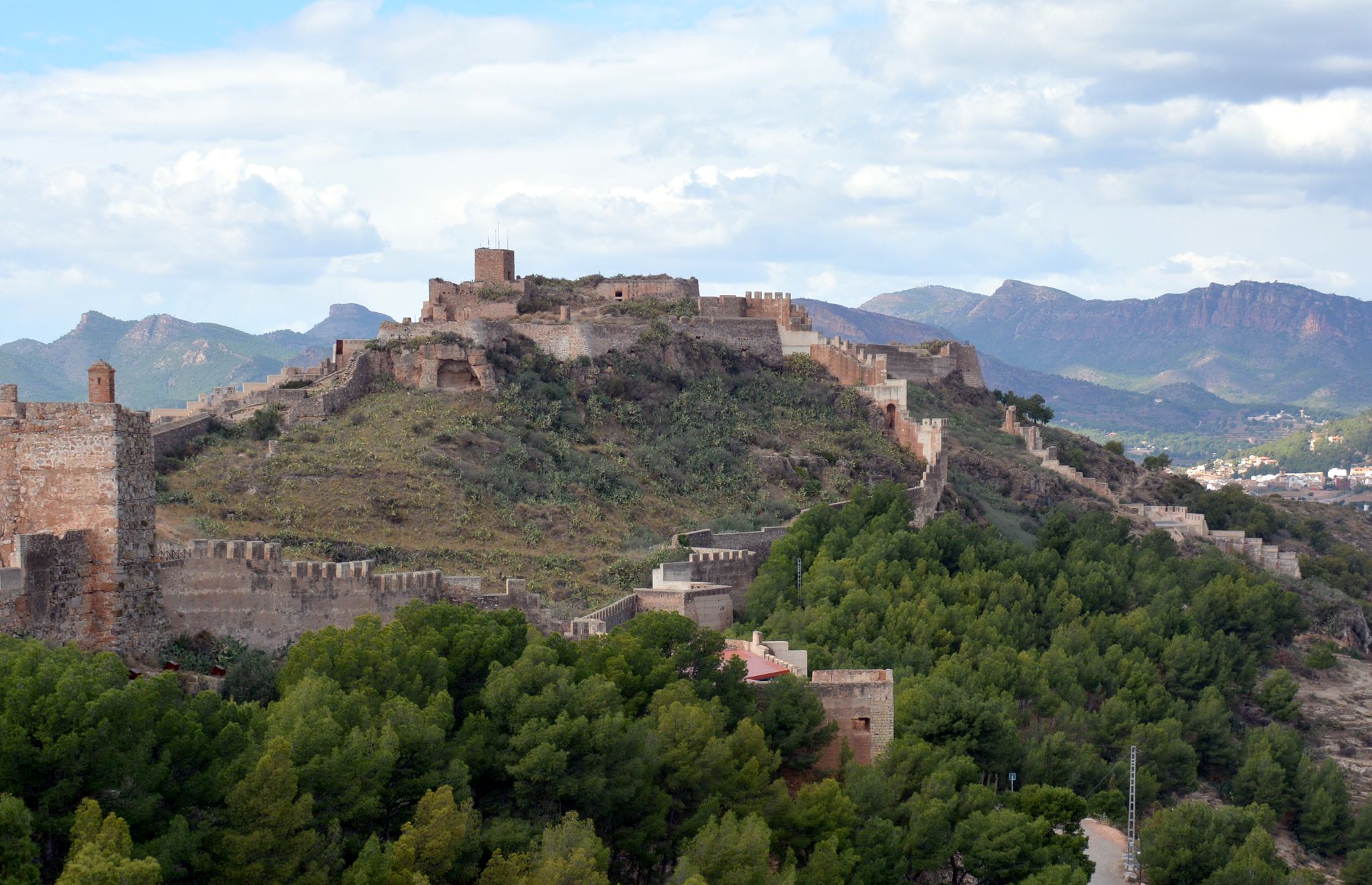
The Way of El Cid by bicycle – Conquest of Valencia
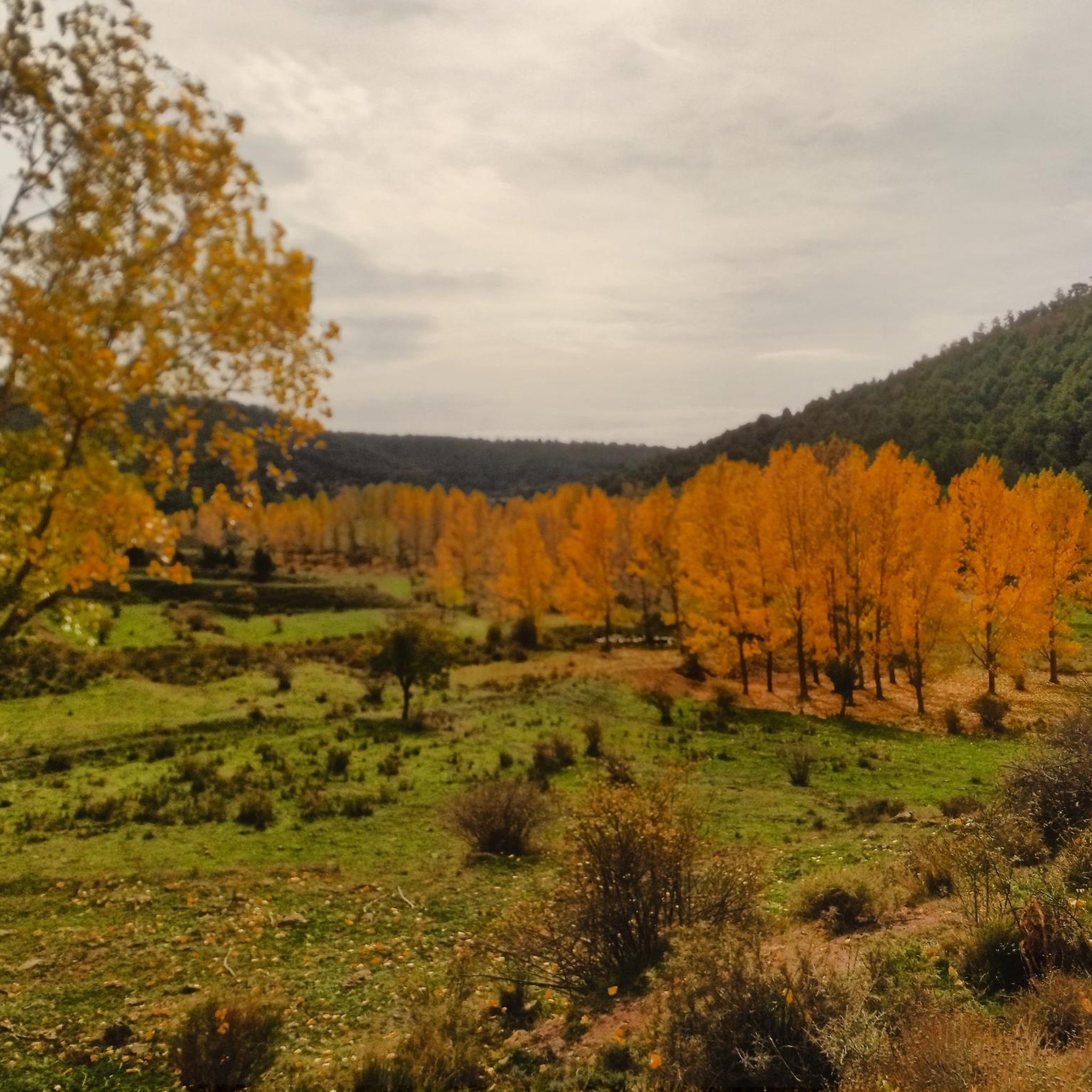
MTB Trails around Cella
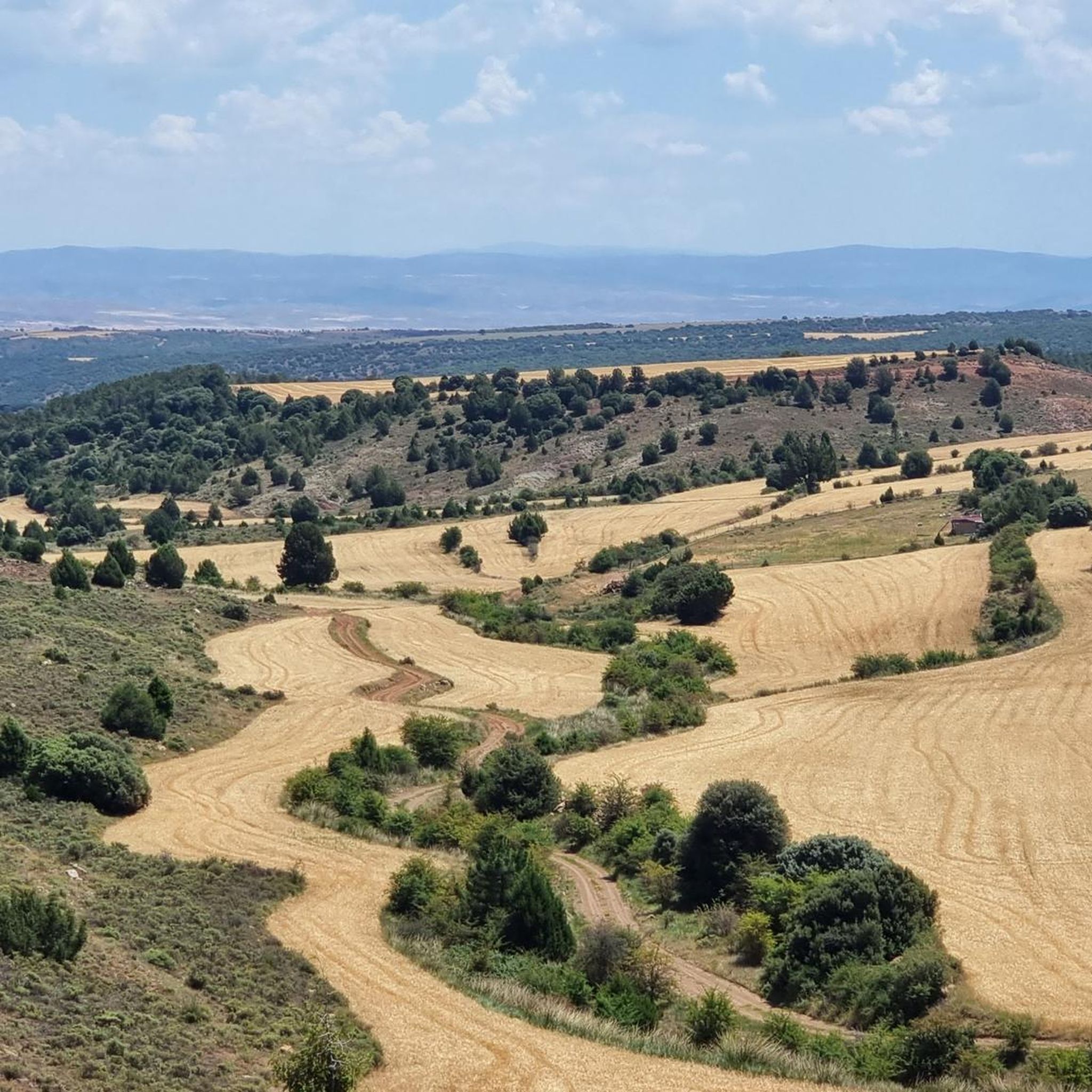
Hiking around Cella
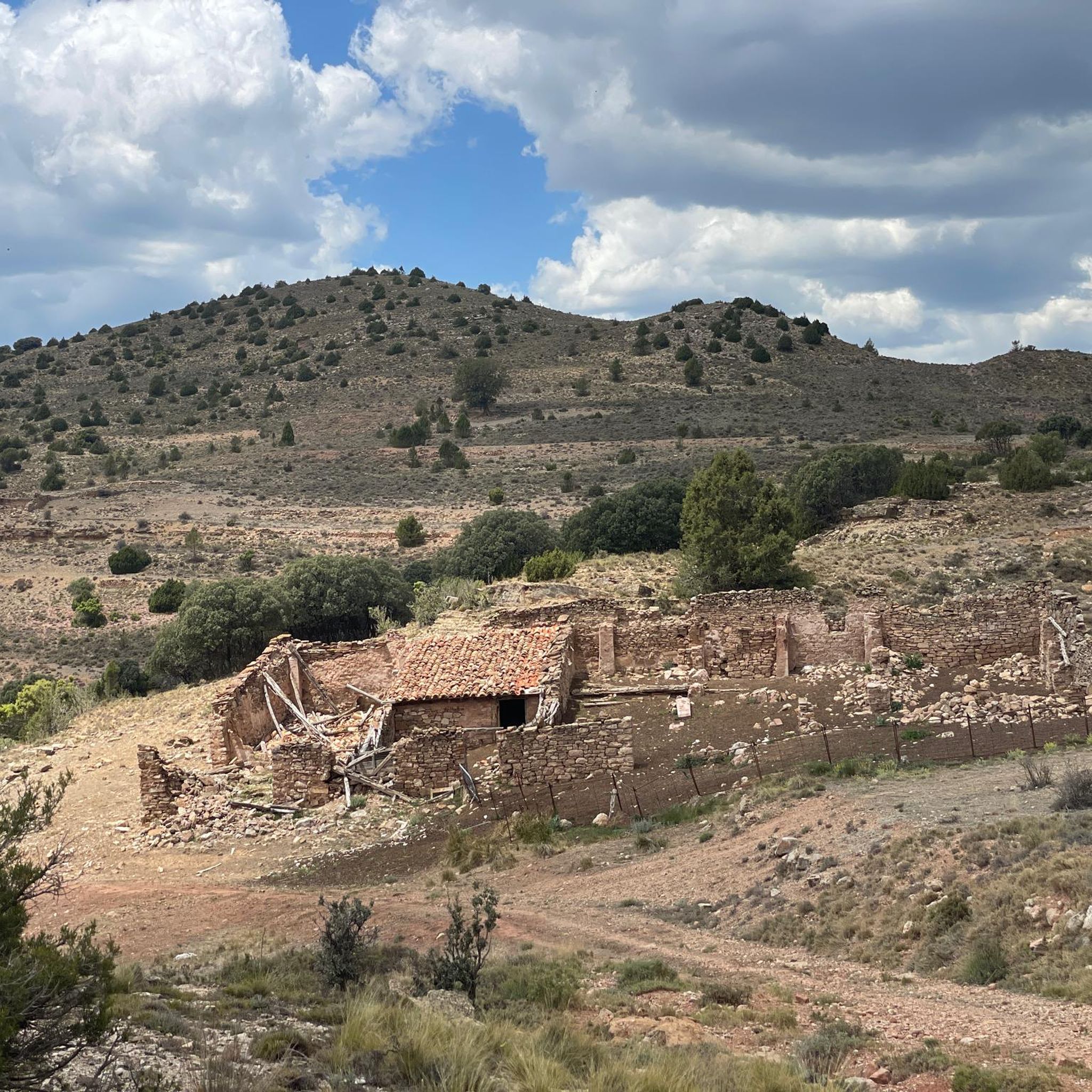
Running Trails around Cella
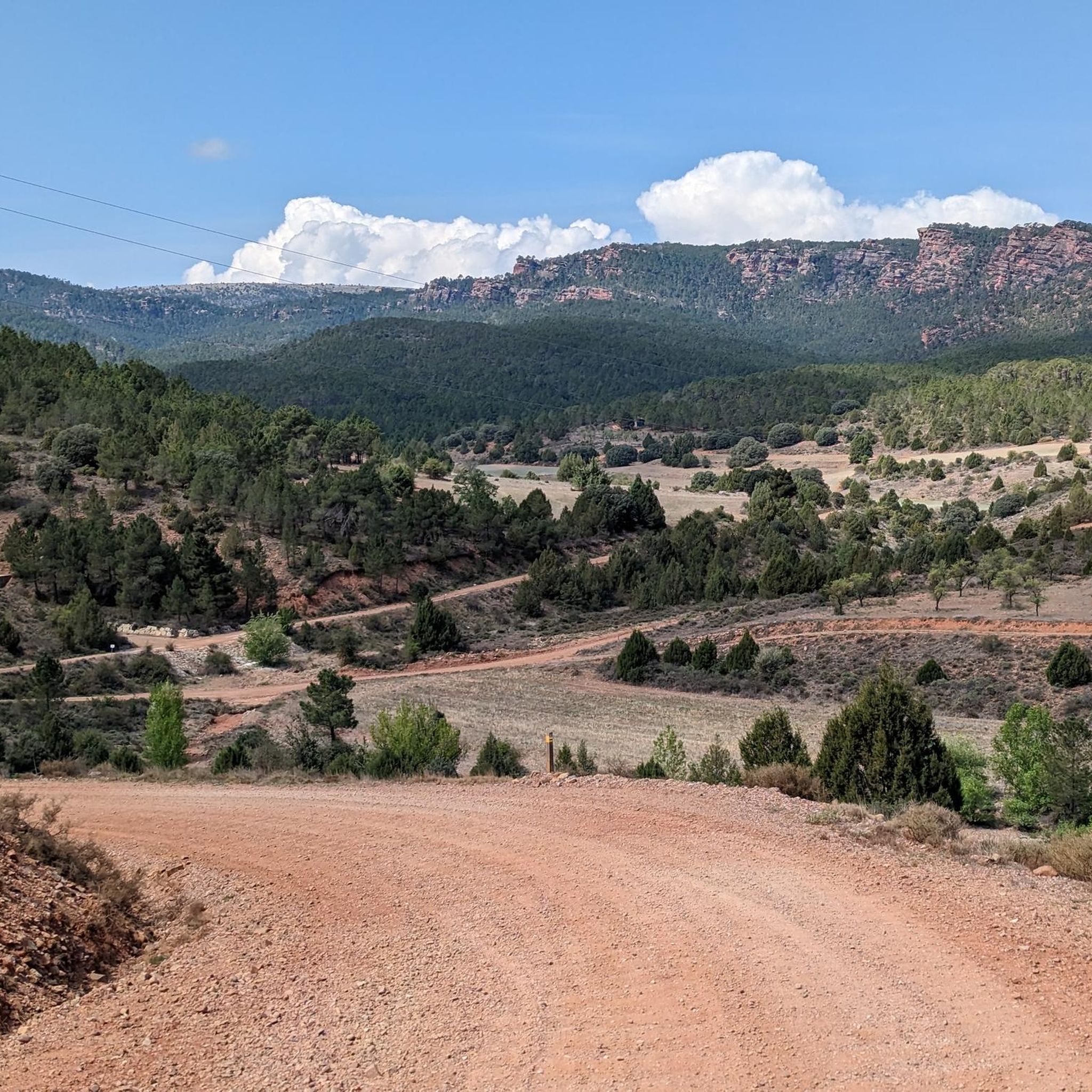
Cycling around Cella
Road Cycling Routes around Cella

Gravel biking around Cella
Other adventures around Cella


Tips from the Community

The Bull Shelter of Prado del Navazo, also known as Toricos del Navazo, is one of the most prominent sites of Levantine Rock Art in the Sierra de Albarracín (Teruel), and is part of the complex declared a Site of Cultural Interest and World Heritage Site by UNESCO. Naturalistic representations of large bovids are painted in a yellowish-white color, unique in Levantine rock art, which typically uses reddish tones.
4
0

With protected cave paintings.
2
0
With protected cave paintings and access platform.
3
0
Protected landscape in the Sierra de Albarracin Cultural Park. In the middle of the Pinar de Ródeno
7
0

Discovered in 1986, two different scenes are represented, in one there are two archers fighting and in the other an archer with his legs bent facing an animal. It is estimated that they date from 4500-7000 years BC.
2
1
Discovered in 1892, it is one of the most important stops in the park. On the rock, 19 figures have been distinguished, including 5 people representing 3 different moments in time. It is estimated that they date from 4500-7000 years BC
2
1
Paintings discovered in 1974 representing a clearly distinguishable deer on the rock and various other figures that are somewhat more difficult to find. It is estimated that they date from 4500-7000 years BC. c.
2
1
Discovered in 1892, it is one of the most important representations of the park. Figures of bulls (35x70 cm) can be clearly distinguished, the indisputable symbol of the current region of Teruel. It is estimated that these paintings date from 6000-7000 years B.C.
1
0
Frequently Asked Questions
What kind of caves can I explore around Cella?
The caves around Cella are primarily ancient rock shelters located within the Sierra de Albarracín Cultural Park. These sites are renowned for their significant prehistoric cave paintings, which are part of a UNESCO World Heritage Site, offering a glimpse into ancient human activity in the region.
Are there family-friendly cave sites near Cella?
Yes, several rock shelters are suitable for families. The Prado del Navazo Bulls Rock Shelter and the Bishop's Little Kitchen Rock Shelter are both marked as family-friendly and feature impressive cave paintings.
What unique geological formations can be found in the Cella cave area?
The region is characterized by the unique geological formations of the Pinares de Rodeno, a protected landscape. These formations create the distinctive rock shelters that house the prehistoric cave art, set amidst a natural landscape of pine forests and sandstone.
What historical significance do the caves around Cella hold?
The caves are of immense historical importance as they contain Levantine Rock Art, dating back approximately 4500-7000 years BC. Sites like the Shelter of the Archer of the Enclosed Ravines depict ancient hunting scenes, while the Prado del Navazo Bulls Rock Shelter showcases unique yellowish-white representations of bovids, providing invaluable insights into prehistoric life.
What is the best time of year to visit the caves around Cella?
The Sierra de Albarracín region, where these caves are located, experiences a continental Mediterranean climate. Spring (April-June) and Autumn (September-October) generally offer pleasant temperatures for exploring the outdoor rock shelters and surrounding natural park. Summers can be hot, and winters can be cold.
Are permits required to visit the rock shelters?
Access to the protected rock shelters, which are part of a UNESCO World Heritage Site, is often regulated to preserve the delicate cave paintings. While specific permits for individual exploration are not detailed, it is advisable to check with the Sierra de Albarracín Cultural Park visitor center for current access requirements and guided tour availability.
What outdoor activities can I do near the caves around Cella?
Beyond exploring the rock shelters, the area offers various outdoor activities. You can find numerous routes for Road Cycling, Gravel Biking, and MTB Trails. These routes allow you to experience the natural beauty of the Pinares de Rodeno and the Sierra de Albarracín.
What should I bring for a visit to the Cella rock shelters?
For a comfortable visit, bring appropriate footwear for walking on natural terrain, water, and sun protection, especially during warmer months. Binoculars can enhance your view of the cave paintings, and a camera is recommended for capturing the scenery. Check local weather forecasts before your visit.
Where can I see a deer painting in the Cella area?
You can see a clearly distinguishable deer painting at the Deer rock shelter and various figures. This historical site, discovered in 1974, features protected cave paintings estimated to be from 4500-7000 years BC.
What do visitors enjoy most about the caves around Cella?
Visitors highly appreciate the unique opportunity to witness ancient prehistoric cave paintings firsthand, set within the beautiful natural landscape of the Pinares de Rodeno. The historical significance and the well-preserved art, such as the archer at Shelter of the Archer of the Enclosed Ravines, are frequently highlighted.
Are there any rock shelters depicting fighting scenes?
Yes, the Lázaro Shelter, discovered in 1986, features two distinct scenes. One depicts two archers engaged in a fight, while the other shows an archer with bent legs facing an animal. These paintings are estimated to date from 4500-7000 years BC.
Can I find any viewpoints near the cave sites?
Yes, the Bishop's Little Kitchen Rock Shelter is also noted as a viewpoint, offering scenic vistas in addition to its protected cave paintings. The entire protected landscape of the Pinares de Rodeno provides numerous opportunities for panoramic views.
Most popular attractions around Cella

Get inspired with the komoot mobile app


