Top 5 Gorges around Yernes Y Tameza
Canyons around Yernes y Tameza are characterized by the region's high altitudes, steep slopes, and extensive karst systems. This topography is conducive to the formation of dramatic geological features, including gorges, chasms, and depressions. The area offers a rugged landscape with pronounced natural features, providing opportunities for active tourism. These natural formations are a key aspect of the region's appeal for outdoor enthusiasts.
Best canyons around Yernes y Tameza
- The most popular canyons is Route of the Xanas, a…
Last updated: May 6, 2026
Route of the Xanas
Highlight (Segment) • Gorge
Translated by Google •
Tip by

Desfiladero de Peñas Juntas on the Senda del Oso
Highlight • Gorge
Moderate your speed: remember that we share the road with pedestrians.
Translated by Google •
Tip by

Sign up now to discover places like this
Get recommendations on the best single tracks, peaks, & plenty of other exciting outdoor places.
Sign up for free
Senda del Oso
Highlight (Segment) • Trail
Translated by Google •
Tip by

Bear Trail
Highlight • Cycleway
Translated by Google •
Tip by
Senda del Oso Tunnel (Valdecerezales Gorge)
Highlight (Segment) • Structure
Translated by Google •
Tip by
Start today with a free account
Your next adventure awaits.
Login or Signup
Tips from the Community

This trail is very easy to walk, as it's mostly shaded. However, you should still wear good, sturdy shoes.
0
0

Before renting a bike from the "Oso goloso" rental shop in Proaza, you should know the following: the gearshift on the mountain bikes (without mudguards, bell, or luggage rack) is absurdly intentionally locked so that, out of a hypothetical 18 gears, you can only use 4 in the middle range (so the chain doesn't come off, hahaha). After you pay and sign, they'll explain this to you. However, this is completely unsuitable for riding the Bear Trail, especially the rather steep eastern variant with its very poor surface. Even with good fitness, you'll often have to dismount. Apparently, there's another rental shop in Proaza...
1
0
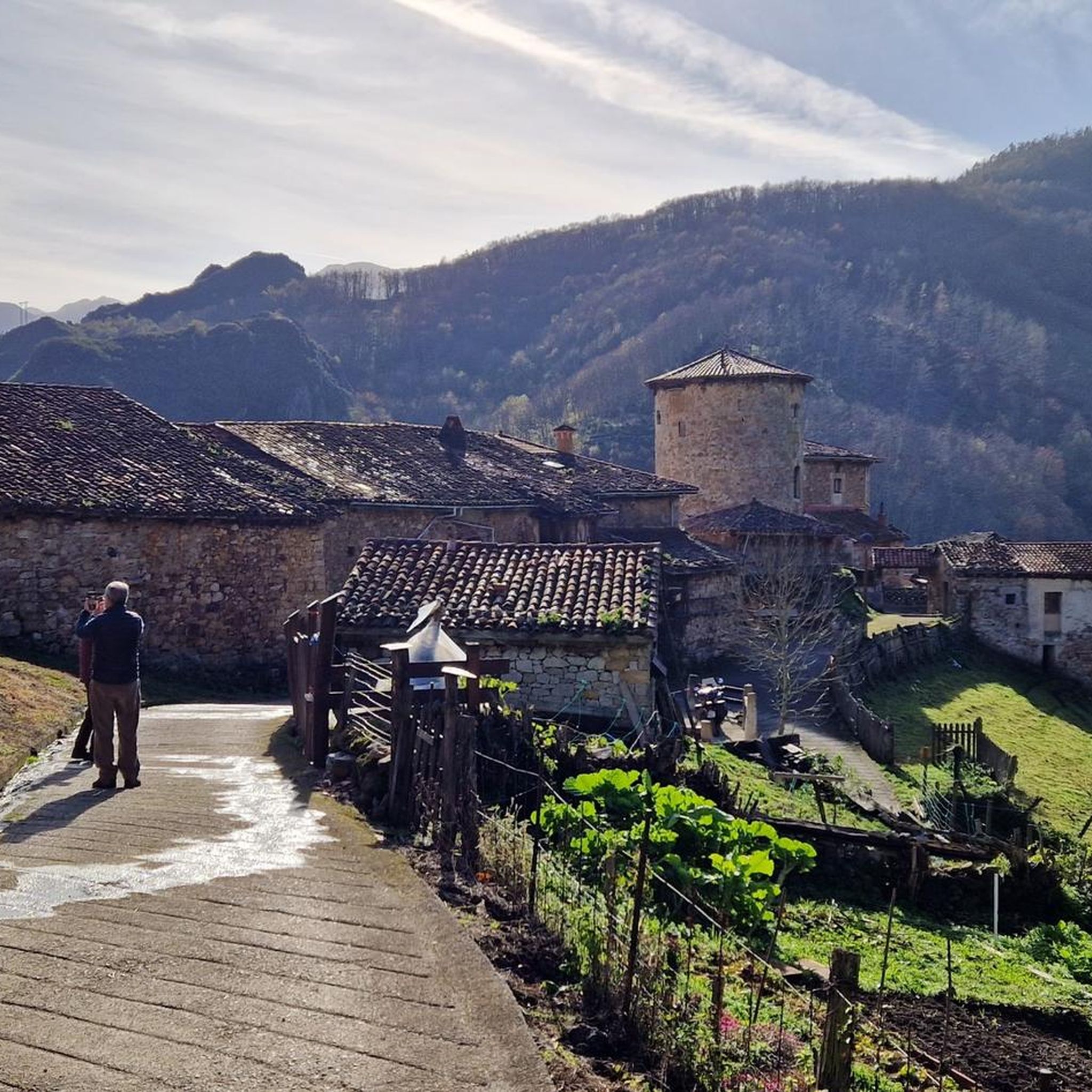
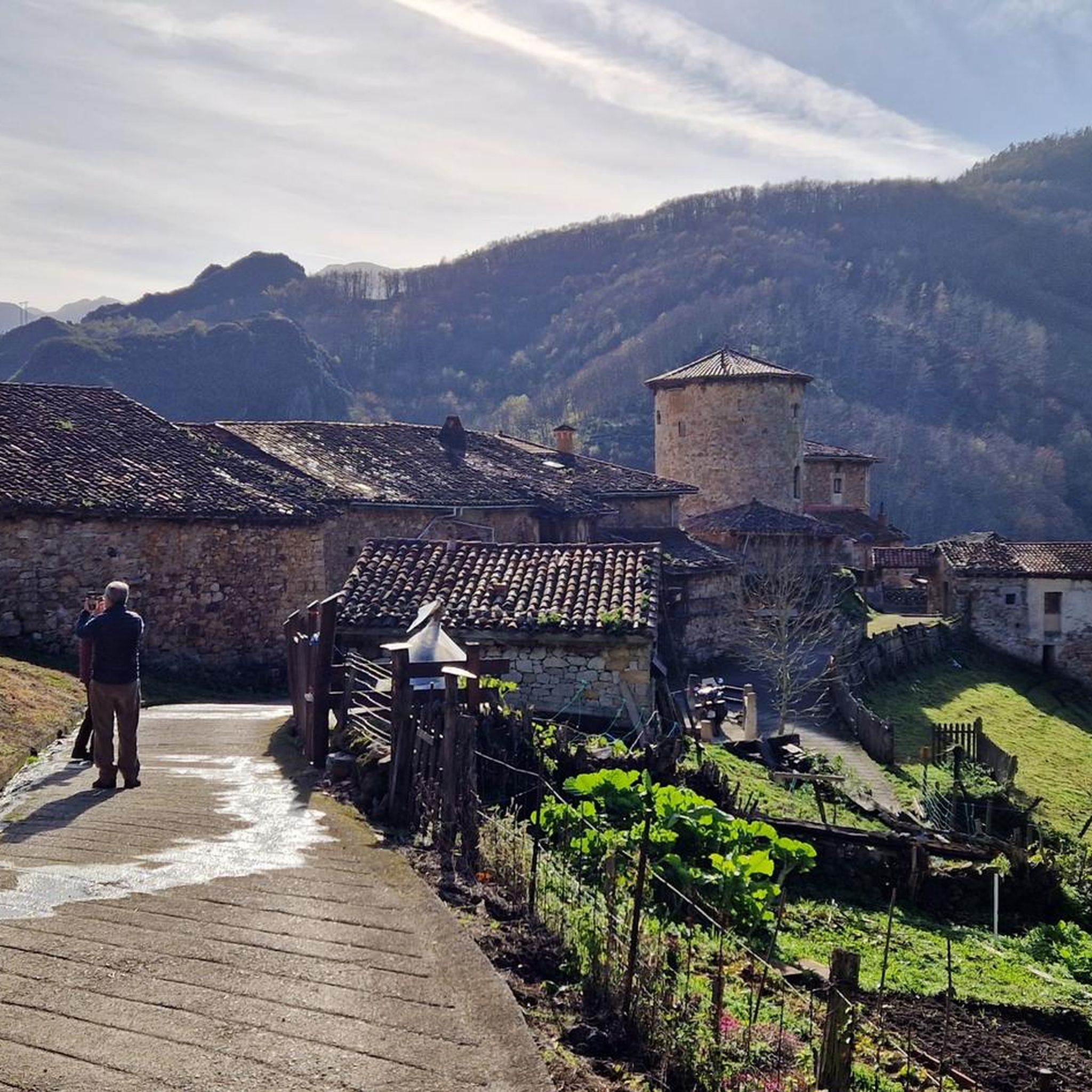
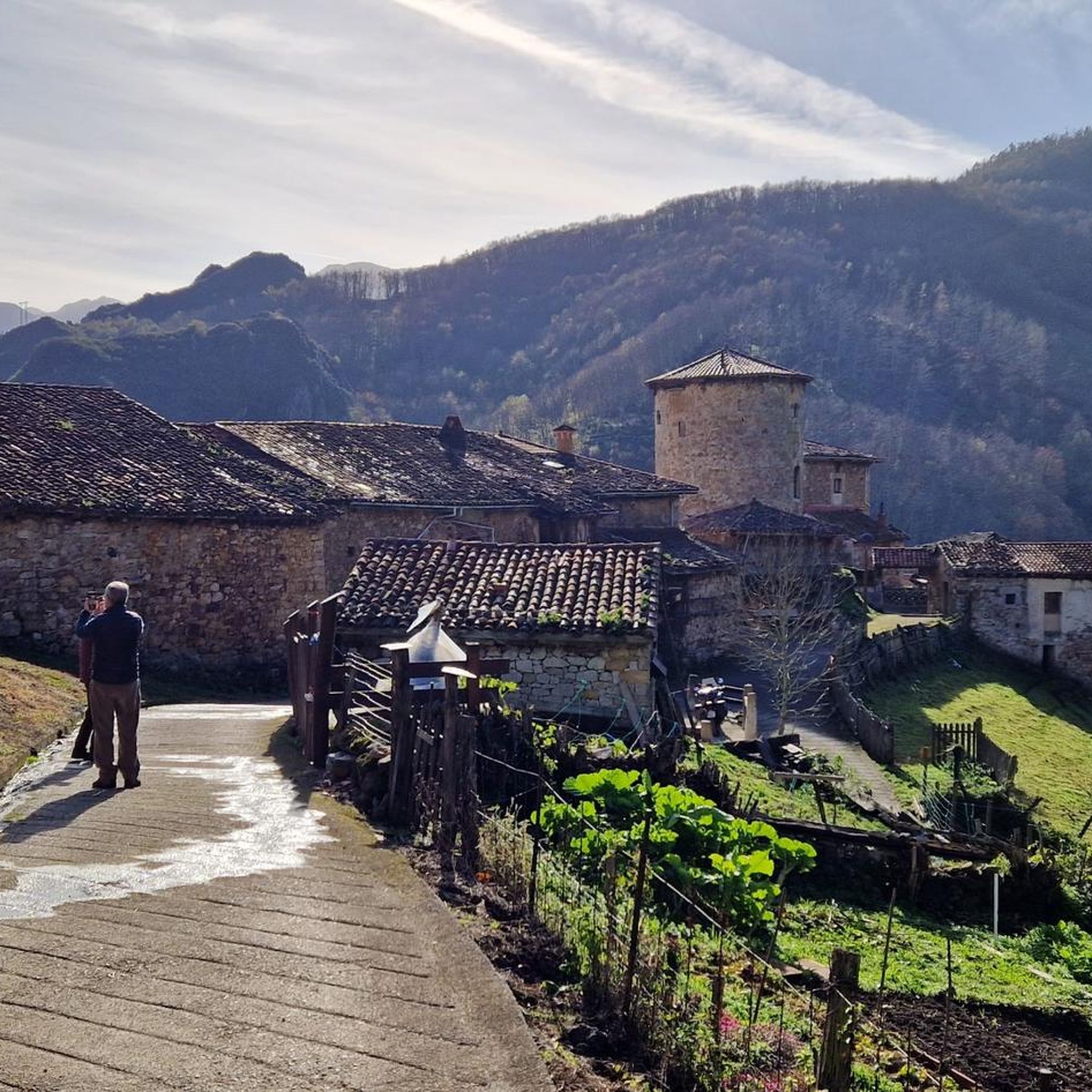
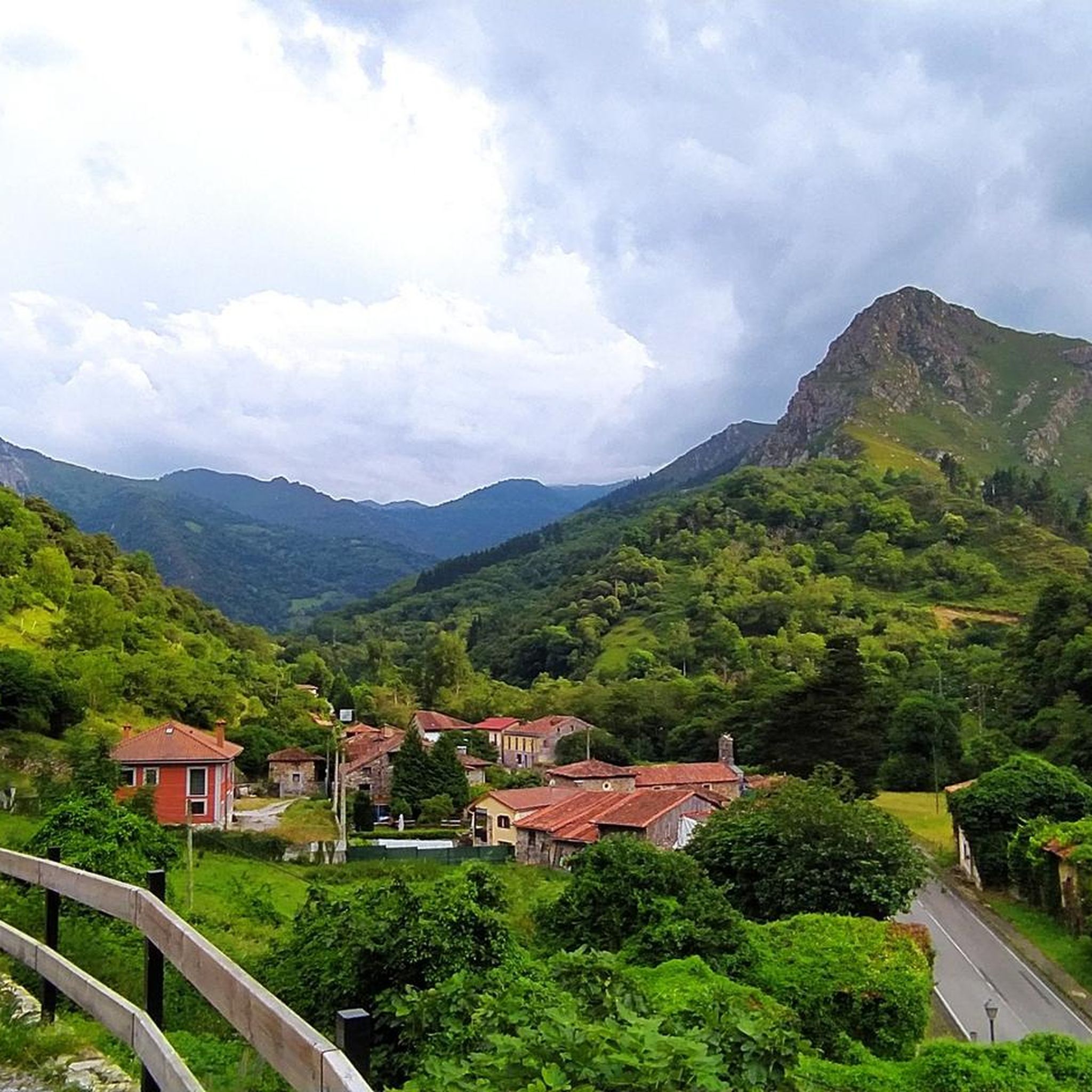
The "Xanas," after whom the gorge is named, are Asturian mountain stream nymphs who enchant shepherds on St. John's Eve. The path was created in the 1930s as preparatory work for a planned road from Villanueva to Pedroveya, which ultimately never came to fruition.
1
0


The Teverga Gorges are an impressive part of the Senda del Oso, a very popular hiking and cycling route in Asturias. This trail follows the route of an old mining railway and crosses the Valles del Oso, which include the municipalities of Quirós, Santo Adriano, Proaza and Teverga.
2
0
The Bear Trail Tunnel, also known as the Valdecerezales Gorge, is one of the highlights of the Bear Trail in Asturias. This tunnel runs through an impressive gorge, offering a unique experience for hikers and cyclists who follow the route.
2
1

In Santa Marina there are some steps that connect with the section of the Senda del Oso in the municipality of Quirós, perfectly conditioned in the valley of the river Trubia. In autumn the trees are colourful and the warm lights of the most suggestive season of the year envelop the landscapes in a very seductive luminous effervescence. Bárzana is the capital of the municipality of Quirós, it is on the other side of the river, like many villages along the route. The route of the old mining train runs solitary and hidden to the Valdemurio reservoir, a reserve for aquatic birds and an active leisure centre. The Senda crosses the Cuevafurada gorge through an illuminated tunnel and reaches the Caranga de Abajo detour. The Teverga branch deviates to the left, this is the path we will take later on the return from Tuñón. The route continues straight ahead through the tunnels of the Peñas Juntas and Peña Caranga Gorges to the Proaza valley, where the Bear Enclosure is located. At times you can see bears that live in semi-freedom and come to the Senda Enclosure to eat. The cycle route continues through Villanueva and ends at the Tuñón Recreational Area, set up at the Esgarrada bridge. There is a fountain, benches, a children's playground and a bear sculpture. The route returns along the same path to the Caranga de Abajo turn-off and continues through the Teverga valley. On the way back you can take advantage of the opportunity to visit the town of Proaza, connecting again with the Senda at the bridge of the Hydraulic Power Station. The Bear Enclosure is still beautiful, wooded and comfortable for cycling, small villages appear, well-lit tunnels and after several curves the canyon opens up and the houses of Entragu emerge between the trees. The stage continues for a couple of kilometres to San Martín de Teverga, an important crossroads and town with all services.
0
1
Frequently Asked Questions
What are the most notable canyon-like formations around Yernes y Tameza?
The most prominent canyon-like formation is the Route of the Xanas, a dramatic gorge carved by the Las Xanas stream. It's known for paths carved directly into the rock face and its resemblance to the famous Ruta del Cares. Another impressive spot is the Desfiladero de Peñas Juntas on the Senda del Oso, where the gorge walls appear to touch, forming a natural monument along a popular cycling route.
What kind of natural features can I expect to see in the canyons of Yernes y Tameza?
You'll encounter dramatic geological features such as steep rock walls, narrow passages, and river-carved valleys. The Route of the Xanas, for instance, features exposed stalactites from ancient caves and lush vegetation. The region's extensive karst systems also contribute to the formation of chasms and depressions, offering a rugged and diverse landscape.
Are there family-friendly canyon experiences around Yernes y Tameza?
Yes, several options are suitable for families. The Desfiladero de Peñas Juntas on the Senda del Oso is part of a popular cycling route that is considered suitable for all ages. The Bear Trail, which passes through tunnels, bridges, and gorges, is also a family-friendly cycle path.
What is the best time to visit the canyons and gorges in this region?
While the guide doesn't specify a single 'best' time, the lush vegetation mentioned in the Route of the Xanas tips suggests spring and early summer when nature is in full bloom. The region's dramatic features are impressive year-round, but checking local weather for pleasant hiking or cycling conditions is always advisable.
What outdoor activities can I do near the canyons of Yernes y Tameza?
The area offers a variety of outdoor activities, particularly cycling and running. You can explore routes like the 'Senda del Oso and Cruz de Linares Loop' for cycling or the 'Senda del Oso (Desfiladero de Valdecerezales) — round trip from Entragu' for running. Many of these routes incorporate the stunning gorges and natural features of the region. For more details on cycling routes, visit the Cycling around Yernes Y Tameza guide, and for running, see the Running Trails around Yernes Y Tameza guide.
Are there any historical or cultural aspects associated with the canyons?
Yes, the Route of the Xanas is named after 'Xanas,' mythological nymphs from Asturian folklore, adding a magical allure. The path itself has historical significance, created in the 1930s as part of an uncompleted road project. Additionally, the Desfiladero de Peñas Juntas and the Bear Trail follow old mining train routes, now repurposed as greenways, showcasing the region's industrial past.
What do visitors enjoy most about the canyons and gorges in Yernes y Tameza?
Visitors frequently appreciate the dramatic scenery and the unique experience of paths carved directly into rock faces, as seen in the Route of the Xanas. The impressive gorges where walls appear to touch, like the Desfiladero de Peñas Juntas, are also highly valued. The transformation of old railway lines into scenic cycling and hiking paths, such as the Bear Trail, is also a major draw.
Is the Ruta de las Xanas suitable for all fitness levels?
The Ruta de las Xanas is generally considered a low to medium difficulty hike, making it suitable for most ages and fitness levels. The path is well-defined, but caution is advised in certain sections with vertical drops. It's a comfortable and spectacular route, as noted by visitors.
Can I cycle through any of the gorges in the area?
Yes, the Bear Trail is a popular cycle path that passes through tunnels, bridges, and breathtaking canyons, including the Teverga Gorges. The Desfiladero de Peñas Juntas is also part of the Senda del Oso, a well-known cycling route. Be aware that some sections of the Senda del Oso can be narrow with uneven surfaces, requiring good cycling skills.
Are there any natural monuments among the canyons?
Yes, the gorge of Las Xanas, which the Route of the Xanas traverses, was declared a Natural Monument in 2002. The Desfiladero de Peñas Juntas is also recognized as a natural monument due to its unique geological formation.
What kind of wildlife might I encounter in the canyons?
While specific wildlife details for the canyons are not provided, the region's rugged topography and lush forests of chestnut, birch, and hazel trees suggest a diverse ecosystem. The Bear Trail is named after the brown bears that inhabit the surrounding valleys, though sightings are rare. You might also spot various bird species and other small forest animals.
Most popular attractions around Yernes Y Tameza

Get inspired with the komoot mobile app


Explore more
Already discovered everything in this region? See additional gorges around Yernes Y Tameza for your next adventure:
