Top 6 Caves around Vallbona D'Anoia
Best caves around Vallbona D'Anoia offers 6 unique underground experiences. While Vallbona D'Anoia itself features natural caves, the broader Anoia region is also known for its extensive cava cellars, which are underground wineries. These "caves" provide a cultural and enological experience, showcasing traditional winemaking methods. The area combines geological formations with historical sites, offering diverse exploration opportunities.
Best caves around Vallbona D'Anoia
- The most popular caves is Cova de l'Arcada, a natural cave that features a monumental arch approximately…
Last updated: July 3, 2026
Les Deus Fountains
Highlight • Natural Monument
Translated by Google •
Tip by

Cova de l'Arcada
Highlight • Cave
Translated by Google •
Tip by

Sign up now to discover places like this
Get recommendations on the best single tracks, peaks, & plenty of other exciting outdoor places.
Sign up for free
The Birdhouse of Montserrat
Highlight • Cave
Translated by Google •
Tip by

Prehistoric Park of Capellades
Highlight • Historical Site
Translated by Google •
Tip by

Bauma dels Plecs del Llibre
Highlight • Cave
Translated by Google •
Tip by
Start today with a free account
Your next adventure awaits.
Login or Signup
Tips from the Community

The Capellades prehistoric park is a cultural facility located in the Cinglera del Capelló, the cliff on which the town of Capellades sits, in the Catalan region of l'Anoia. This area, in addition to its geological and landscape value, has great archaeological value, due to the presence of around twenty sites from various periods. The cliff itself is one of the park's attractions. Its origin is in the action of carbonated waters that, by fossilizing plant colonies, form fall travertines, a type of fossil waterfall that is locally called "capellons". Its growth formed cornices, grottoes and caves that were used as shelter by groups of prehistoric settlers. One of these caves constitutes the best preserved Paleolithic archaeological site in the complex, known as "l'Abric Romaní", used as a refuge by groups of Neanderthals and which has been excavated since 1983.
0
0

Les Deus is a natural site of Sant Quintí de Medionai is a space where there are 23 sources of water in a beautiful area to take a break.
0
0

Three large blocks in the middle of the Migdia stream make up a good "duplex" with dining room, bedroom for 4-5 people, garden and terrace with views of the Plecs del Llibre. One of the bivouacs with the most atmosphere given its privileged location and low attendance. On calm nights, the silence is so penetrating that the fall of a leaf already produces a noticeable noise. It is the ideal base for climbing the Plecs, the Cajoleta or the Montgròs. To get water, the nearest spring is that of La Cadireta, located below the Salamandra before overcoming the singular passage between rocks. The approach can be made both from Santa Cecília along the Coll del Migdia path, and from Can Jorba along the Camí dels Francesos (1.20 hours). It should be noted that if we do it from the N then we will have to climb again to the Col del Migdia, and if we do it from the S the return will be all downhill, with the incentive of going down the interesting ravine of the Joc de l Goose to round off the day.
0
0

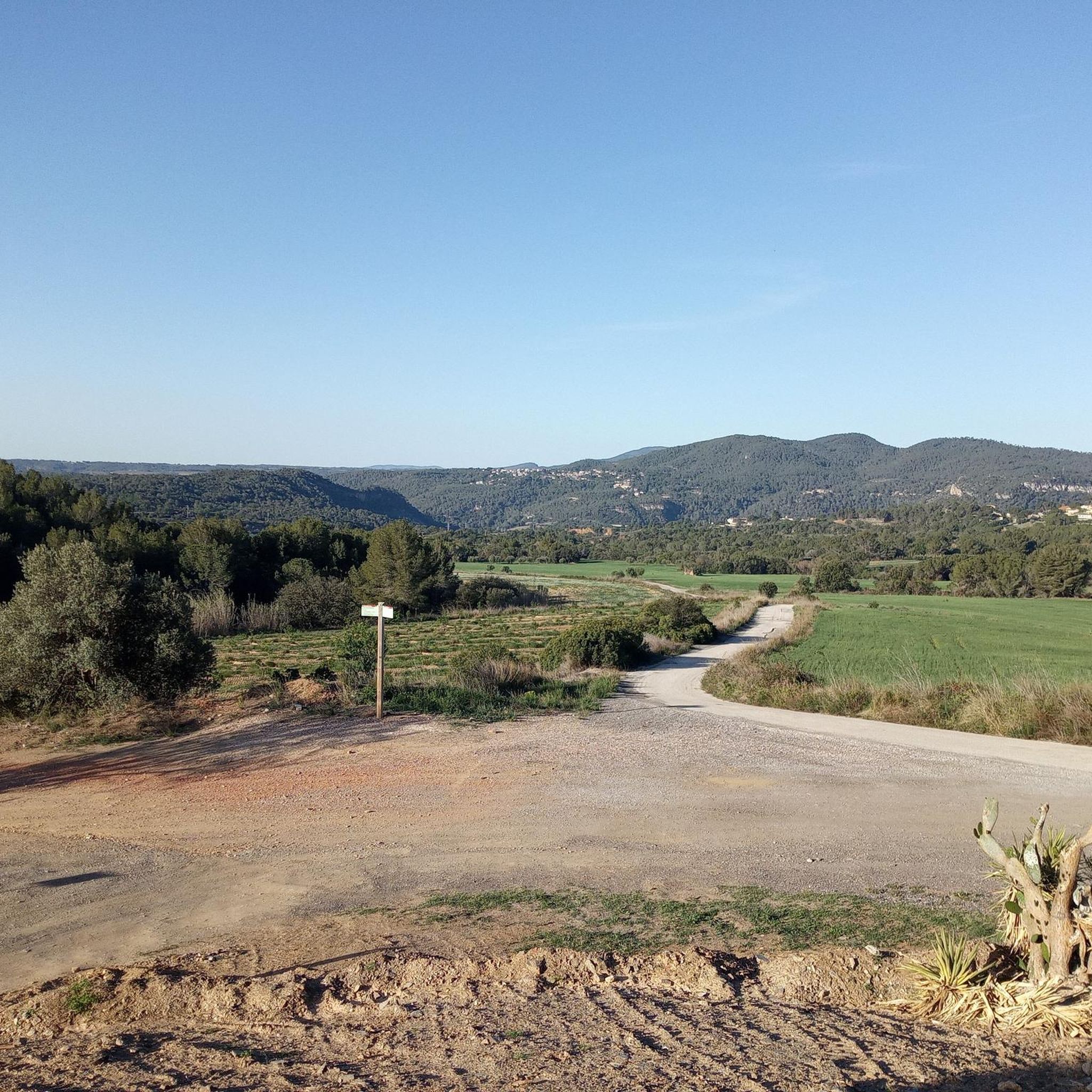
A natural area where you can enjoy lakes, pools, caves and waterfalls. Les Deus are a series of 23 fountains in a row - the water comes from a main source of the Carme Capellades aquifer. In high season, people take advantage of the lakes as a bathing area. On the highest part there is a restaurant and a bar with views and below there is a picnic area. There is also an adventure park where there is via ferrata etc.
1
0
On the northern slope of the Serrat del Cabrit, there is a deep torrent hidden in the shade of holm oaks: the Coma Alta. This torrent, usually dry, descends in a SW direction until it reaches a vertical jump of 50 meters. At the foot of this jump, we find the Cova de l'Arcada. Unlike the Salnitre, the Arcada is not underground and has a small entrance. It's just the opposite: open and shallow, but of colossal size. Its monumental arch is approximately 30 meters high by 60 meters wide and 10 meters deep. Canyoning enthusiasts can access it from above, through the Torrent de la Coma Alta, abseiling to the entrance of the cave.
0
0
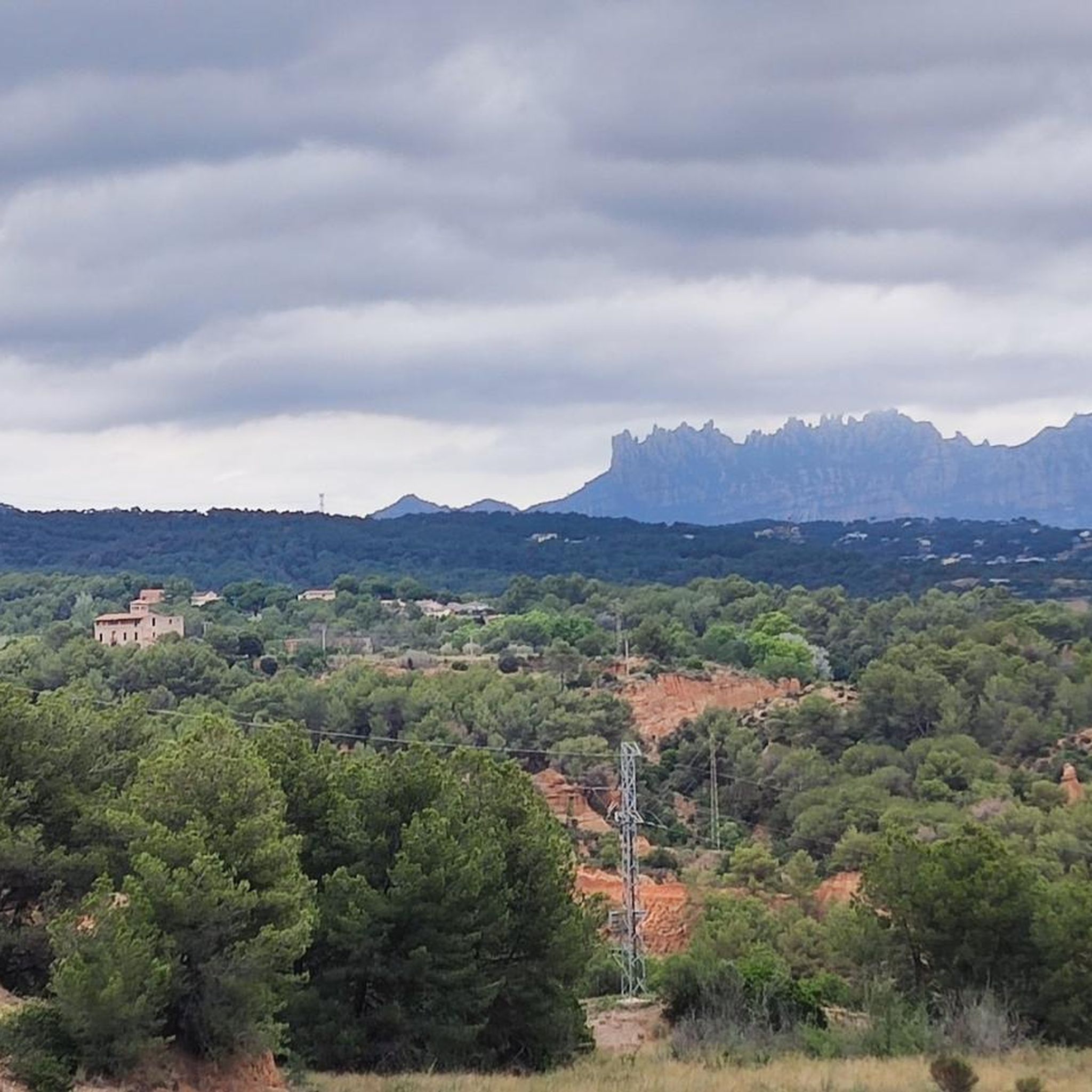
It was located at the head of the torrent of the same name, under the rocks known as the viewpoint of Sant Joan, about fifty meters below the hermitage of Sant Joan, a little to the right of the ravine, facing south, at an altitude of 985 meters. For the construction, a wide balma was used, in which some parts of the walls are still standing, holes to point the beams, and, above all, the important pipes worked in the rock, of considerable depth and very well distributed for water conduction. Due to its excellent orientation towards the south and well sheltered, it had a reputation for sheltering many nests, especially nightingales and blackbirds, so much so that it was known by the Montserrat Birdhouse.
0
0

Frequently Asked Questions
What types of 'caves' can I explore around Vallbona D'Anoia?
The region offers a diverse range of underground experiences. You can visit natural geological formations like Cova de l'Arcada and Cova del Cabrit, historical sites such as the Prehistoric Park of Capellades, and the renowned underground cava cellars (wineries) in the broader Anoia region.
Are there any historical or archaeological cave sites nearby?
Yes, the Prehistoric Park of Capellades is a significant historical site featuring caves and grottoes, including l'Abric Romaní, which were used as shelters by Neanderthals. This park offers insights into the region's ancient past.
What are the famous cava cellars in the Anoia region, and what do they offer?
The Anoia region, particularly Sant Sadurní d'Anoia, is home to renowned cava cellars. Notable examples include Freixenet, Codorníu, Parés Baltà, and Recaredo. These 'caves' offer guided tours explaining the traditional cava production process, exploration of vast underground tunnels, and tastings of their sparkling wines. Codorníu is also known for its impressive modernist architecture.
Are there any family-friendly cave activities or sites?
The Prehistoric Park of Capellades is considered family-friendly, offering an educational experience about Neanderthals and the region's geology. Some cava cellars, like Freixenet, also offer family tours that include grape juice for children, making them suitable for all ages.
What natural features can I expect to see in and around the caves?
Beyond the caves themselves, you can find natural monuments like Les Deus Fountains, which feature lakes, pools, and waterfalls. Cova de l'Arcada is notable for its monumental arch, approximately 30 meters high by 60 meters wide.
What is the best time to visit the caves and cava cellars in the Anoia region?
The Anoia region generally enjoys a Mediterranean climate. Spring (April-June) and autumn (September-October) offer pleasant temperatures for exploring both natural caves and cava cellars. These seasons avoid the peak heat of summer and the cooler, wetter days of winter, making outdoor activities and tours more comfortable.
Are there hiking trails that incorporate cave visits?
Yes, there are hiking opportunities that can lead you to or near some of these sites. For instance, you can find routes around the Prehistoric Park of Capellades. For more hiking options in the area, refer to the Hiking around Vallbona D'Anoia guide.
What other outdoor activities can I do near the caves?
The area around Vallbona D'Anoia offers various outdoor activities. You can find numerous running trails, such as the 'PR-C 119 Conca d'Òdena Loop,' and road cycling routes, including the 'Coll de les Ventoses Climb.' For detailed routes, explore the Running Trails around Vallbona D'Anoia and Road Cycling Routes around Vallbona D'Anoia guides.
What do visitors enjoy most about the caves and underground experiences in this region?
Visitors appreciate the unique combination of natural beauty, historical significance, and cultural experiences. The monumental arch of Cova de l'Arcada, the archaeological insights at the Prehistoric Park of Capellades, and the educational tours and tastings at the cava cellars are frequently highlighted.
Are there any rock shelters suitable for a break or shelter?
Yes, Cova del Cabrit is a spacious rock shelter (balma) that is well-suited for taking a break. It's a known spot for climbers and sometimes has utensils for cooking, making it a practical stop during an outing.
Can I find accommodation or places to eat near the cave sites?
While Vallbona D'Anoia is a smaller municipality, the broader Anoia region and nearby towns offer various accommodation options, including hotels, guesthouses, and rural accommodations. You'll also find cafes, pubs, and restaurants in these areas, especially in towns like Sant Sadurní d'Anoia, which is central to the cava cellars.
How can I reach the cava cellars from Vallbona D'Anoia using public transport?
To reach the cava cellars, primarily located in Sant Sadurní d'Anoia, you would typically use a combination of public transport. From Vallbona D'Anoia, you can take the FGC R6 train line. This would likely involve a connection to reach Sant Sadurní d'Anoia, which is well-connected by train.
Is there a cave or rock formation that offers a unique bivouac experience?
Yes, the Bauma dels Plecs del Llibre offers a distinctive bivouac spot. It consists of three large blocks forming a natural shelter with a dining room, a sleeping area for 4-5 people, and a terrace with views. It's known for its serene atmosphere and is an ideal base for climbing in the area.
Most popular routes around Vallbona D'Anoia
Most popular attractions around Vallbona D'Anoia

Get inspired with the komoot mobile app


Explore more
Extend your search for the best caves by checking out these guides of the top ones around Vallbona D'Anoia:
