Top 5 Castles around Soto En Cameros
Castles around Soto En Cameros are situated in a region known for its natural landscapes, dinosaur footprints, and historical architecture. The area, part of La Rioja's Tierra de Cameros, features a broken terrain with forests of holm oaks and oaks. While Soto En Cameros itself is recognized for its charming historical structures like the Palace of the Marquis of Vallejo, the broader vicinity offers access to historically significant fortifications. This region provides a blend of historical sites and natural beauty,…
Last updated: May 6, 2026
Clavijo Castle
Highlight • Castle
Translated by Google •
Tip by

Nalda Castle
Highlight • Castle
Translated by Google •
Tip by

Sign up now to discover places like this
Get recommendations on the best single tracks, peaks, & plenty of other exciting outdoor places.
Sign up for free
Peña Clavijo
Highlight • Castle
Translated by Google •
Tip by
Castle
Highlight • Castle
Translated by Google •
Tip by
Devil's Chair
Highlight • Castle
Translated by Google •
Tip by
Start today with a free account
Your next adventure awaits.
Login or Signup
Tips from the Community

The name doesn't surprise me, because the climb is "devilish", I recommend not doing it on wet terrain. Above are the ruins of a small castle or fortification.
2
0

Possibly built in the 10th century. In the enclave of Clavijo, legend has it that the apostle Santiago, as patron saint of Spain, supported the troops of the king of León who had refused to pay homage to the Muslims of the south who demanded the famous tribute of the hundred maidens.
1
0

The chronicles of King Fernando IV bring the first news about this fortress, which in 1299 served as a prison for Juan Nuñez de Lara, defeated after attacking the lands of the bishopric of Calahorra. In the 14th century it was the center of power of the Señorío de Cameros, linked to the Ramírez de Arellano family. The abolition of manors in the 19th century ended its raison d'être, and it was quickly used as a source of construction materials by the local inhabitants. With time and the effect of rain and wind, landslides followed one another, and the base of the castle was flattened and conditioned as it was for threshing.
2
0

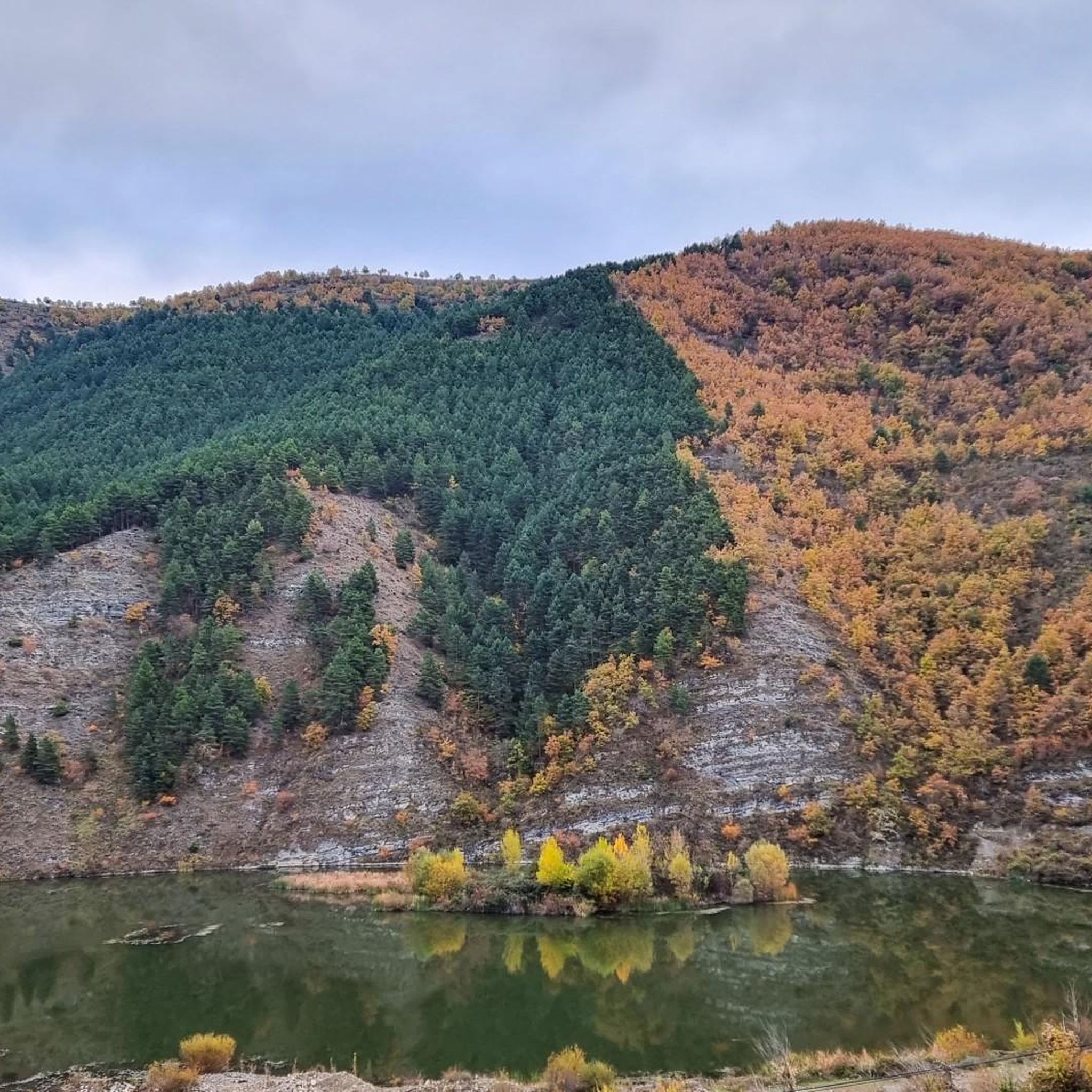
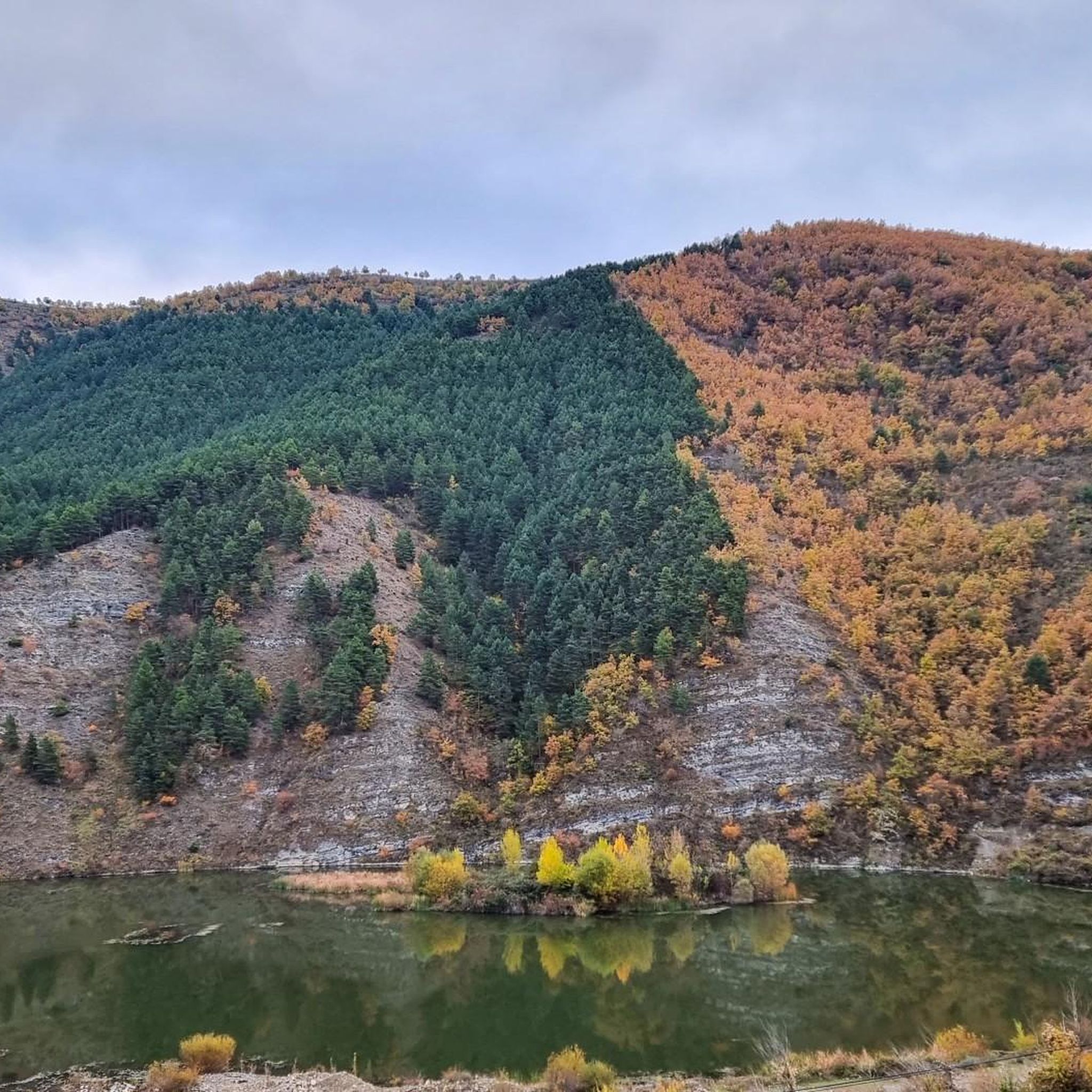
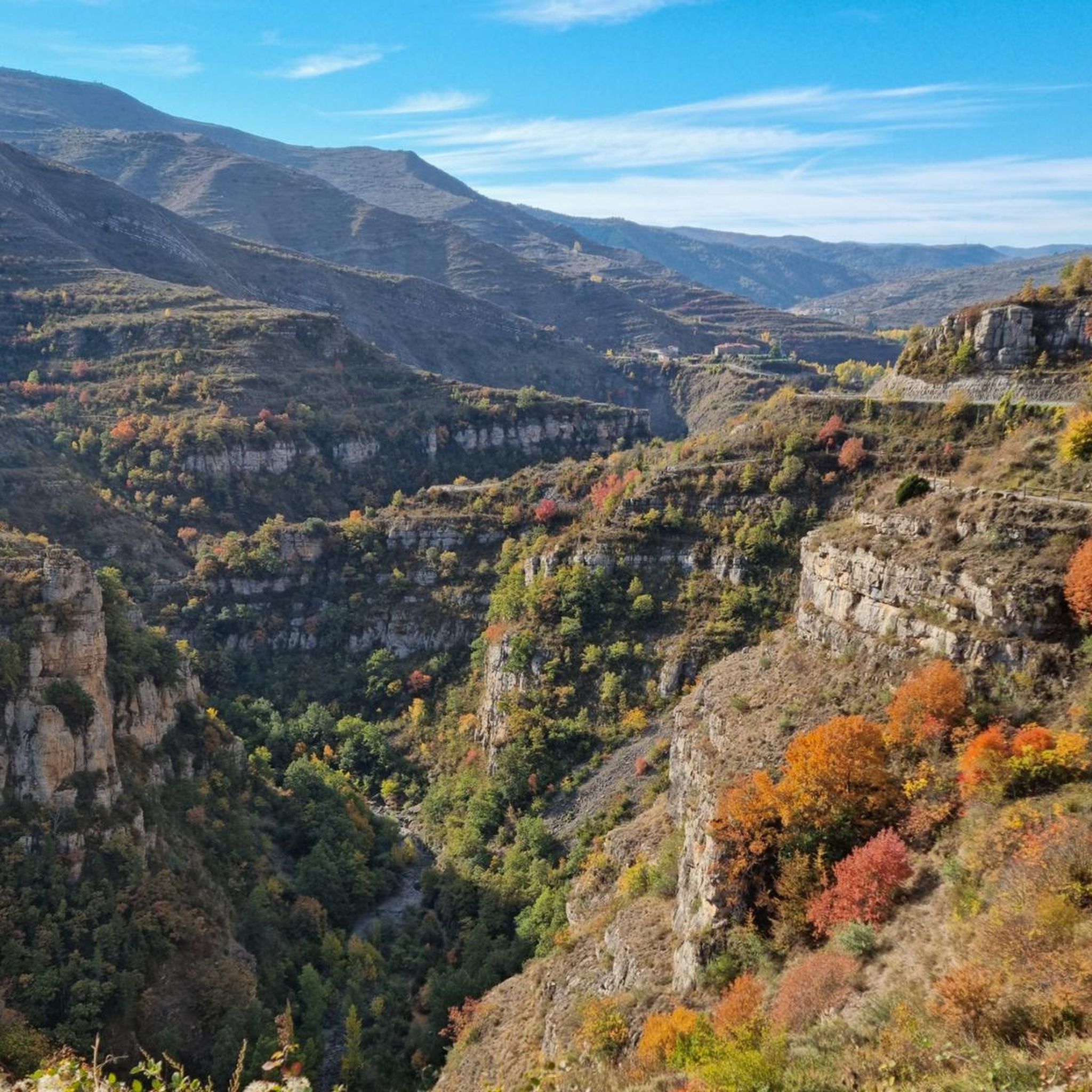
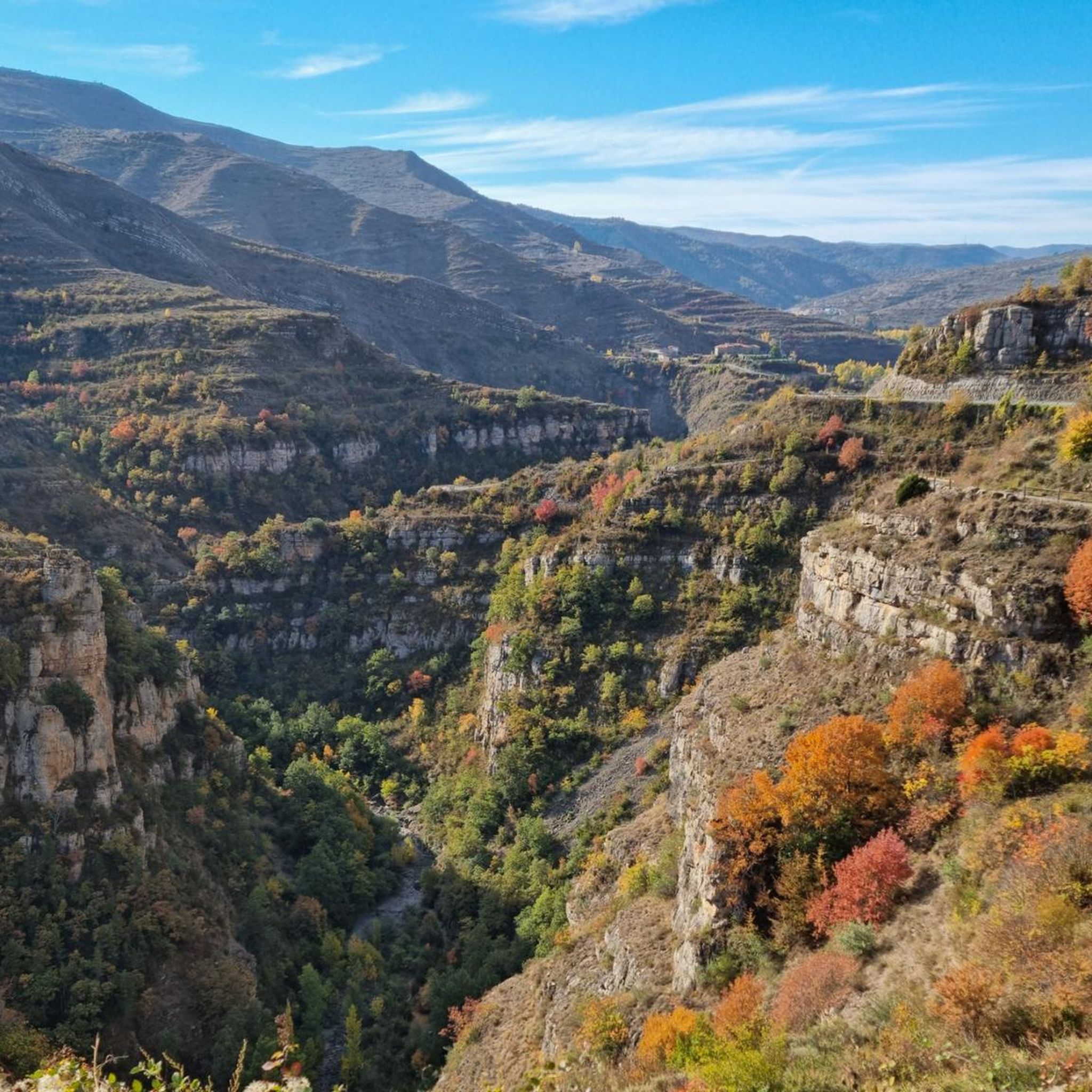
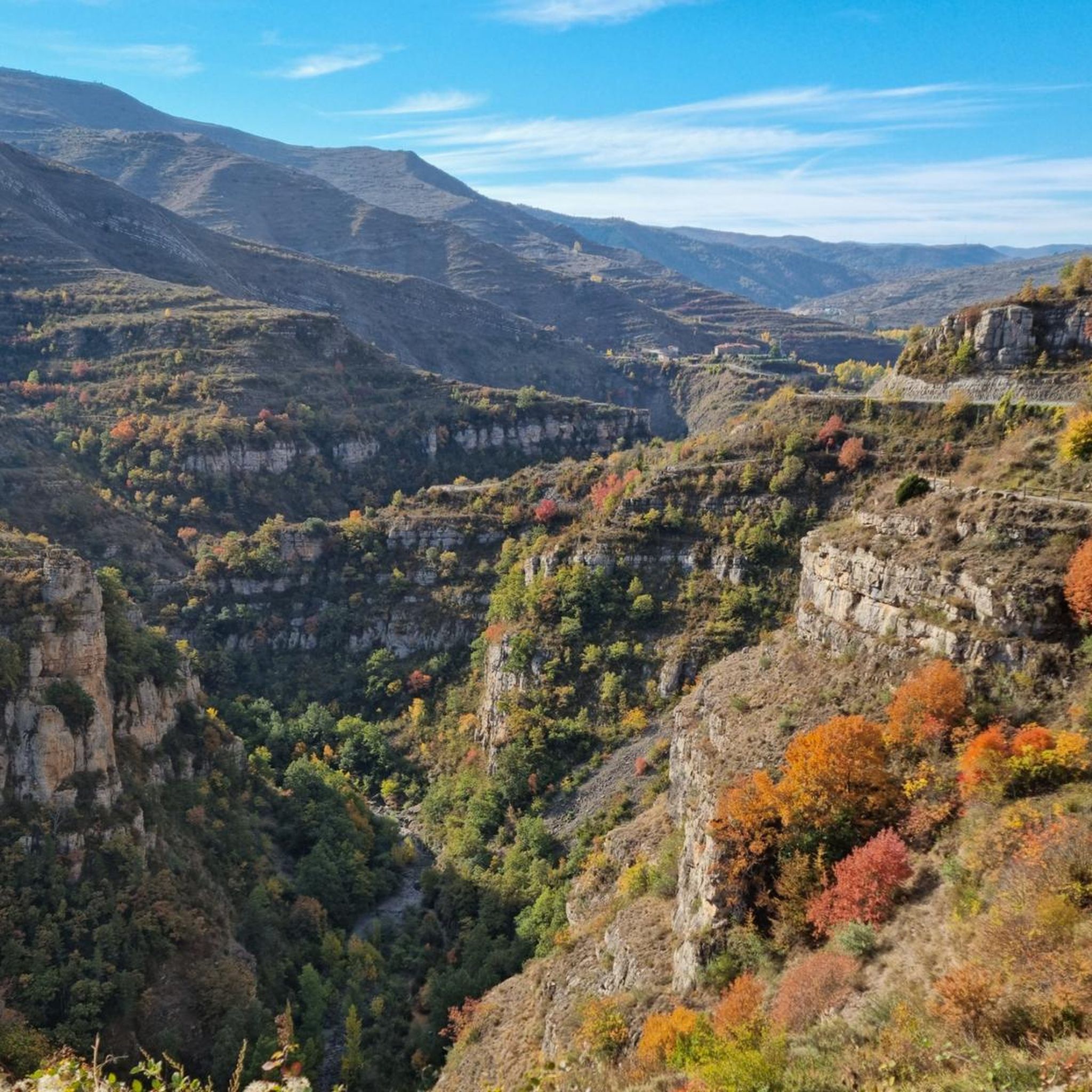
The town of Clavijo is located in the heart of Rioja's Tierra de Cameros, in a very broken terrain, surrounded by mountains with forests of holm oaks and oaks, Clavijo emerges, a place with a lot of legend and history. Barely 16 kilometers from Logroño, its fortress watches over from its battlements the roads that connect Castilla, Navarra and Aragón, the Leza river gorge and the Iregua and Ebro river valleys.
2
0

The remains of the rocky castle of Clavijo with a wall about 85 meters long and 1.50 meters thick. This spectacular fortification is made up of four towers from which you have a wide view of all the surroundings.
2
0

There are the remains of the rocky castle of Clavijo where, according to tradition, the battle took place in which the Apostle Santiago appeared, riding a white horse, in support of the Christian hosts. It is accessed by going up the path that ascends to the west of the urban area. The views are very beautiful from there.
0
0
Splendid castle in the process of restoration, it is worth the climb. The date of construction is not clear but it seems to have been in the 13th century. In the 19th century it suffered abandonment and plunder, its stones being used for other constructions in the area.
4
0
On one of the sides of the castle. With several climbing holds, both on the top and on the lower walls.
2
0
Frequently Asked Questions
What historical significance do the castles around Soto en Cameros hold?
The castles in the broader Tierra de Cameros region, such as Clavijo Castle, are historically significant. Clavijo Castle, for instance, dates back to the 9th century and is legendary as the supposed site of the Battle of Clavijo. These fortifications were strategically placed to watch over crucial routes and river valleys, reflecting centuries of regional power struggles and defense.
Are there any well-preserved castles to visit near Soto en Cameros?
While Soto en Cameros itself is known for historical architecture like the Palace of the Marquis of Vallejo, the most prominent castle in the wider area is Clavijo Castle. Its impressive wall, cylindrical towers, and homage tower remain, and visitors can freely explore the ruins, which are currently undergoing restoration. Nalda Castle is also a significant historical site undergoing restoration.
What makes Clavijo Castle a notable destination?
Clavijo Castle is notable for its rich history, dating back to the 9th century, and its strategic location offering panoramic views of the entire La Rioja region. It features an 85-meter long, 1.50-meter thick wall with four towers. The blend of historical intrigue, architectural remnants, and breathtaking vistas makes it a compelling destination.
Can I explore the ruins of Nalda Castle?
Yes, Nalda Castle is a splendid castle in the process of restoration, and it is worth the climb to visit. Its construction dates back to at least the 13th century, and it served as a center of power for the Señorío de Cameros. You can explore the site and appreciate its historical significance.
What kind of views can I expect from the castles in this region?
The castles around Soto en Cameros, particularly Clavijo Castle and Peña Clavijo, are strategically located on broken terrain and offer expansive, panoramic views. From Clavijo, you can see the roads connecting Castilla, Navarra, and Aragón, as well as the Leza river gorge and the Iregua and Ebro river valleys. There are also specific viewpoints like View of Clavijo Castle that provide stunning perspectives.
Are there hiking opportunities around the castles near Soto en Cameros?
Yes, the region offers various hiking opportunities. For example, the area around Clavijo Castle is known for its broken terrain and forests, providing scenic routes. You can find several running and MTB trails in the wider area, including routes that pass by or near these historical sites. For more details on trails, check out the Running Trails around Soto En Cameros or MTB Trails around Soto En Cameros guides.
What other historical sites or natural attractions are near Soto en Cameros?
Beyond castles, Soto en Cameros is known for its charming historical architecture, such as the Palace of the Marquis of Vallejo. The broader region is also famous for its stunning natural landscapes, including the Leza river gorge, and significant dinosaur footprints. These sites offer a glimpse into the area's deep past and natural beauty.
Is it possible to visit the castles with children or pets?
The ruins of castles like Clavijo Castle are generally open for exploration, which can be an engaging experience for families. However, some areas, particularly around sites like Castle (ID 4936635), can be challenging to access due to neglected conditions. For specific information on pet policies or accessibility for children, it's advisable to check local regulations or visitor information for each site.
What is the best time of year to visit the castles around Soto en Cameros?
The region's natural beauty, with forests of holm oaks and oaks, suggests that spring and autumn would offer pleasant weather for exploring the castle ruins and surrounding landscapes. These seasons typically provide comfortable temperatures for hiking and enjoying the panoramic views without the intense heat of summer or the potential challenges of winter weather on uneven terrain.
Are there any challenging routes or climbs associated with these castles?
Yes, some castle sites and viewpoints in the area involve challenging routes. For instance, reaching the View of Clavijo Castle from Ribafrecha involves significant unevenness. Peña Clavijo, located on one side of Clavijo Castle, even offers climbing holds. The highlight simply named Castle (ID 4936635) is described as hard to get in and out of, requiring climbing.
What amenities are available near the castles?
The town of Clavijo, where Clavijo Castle is located, is barely 16 kilometers from Logroño, a larger city where you can find a wider range of cafes, pubs, and accommodation options. Soto en Cameros itself is a charming town with local amenities. For specific services directly adjacent to the castle ruins, it's best to plan ahead as they might be limited.
How can I access the castles, and is parking available?
Access to castles like Clavijo Castle is generally by road, with parking typically available in nearby towns or designated areas. Given the historical nature and often remote locations of these sites, specific parking details can vary. It's recommended to check local information for each castle regarding the closest parking and any public transport options, which might be limited in rural areas.
Most popular attractions around Soto En Cameros

Get inspired with the komoot mobile app


Explore more
Looking for the best castles somewhere else? Discover other guides around Soto En Cameros:
