Top 8 Castles around Jimena De La Frontera
Best castles around Jimena De La Frontera are centered around the prominent Castillo de Jimena de la Frontera, a significant cultural monument. This 8th-century Arab fortress is strategically built on the Cerro de San Cristobal, offering panoramic views. The region's landscape is characterized by its historical importance as a military stronghold, with architecture reflecting Roman, Moorish, and Christian eras.
Best castles around Jimena De La Frontera
- The most popular castles is Castellar de la Frontera Castle, a castle that…
Last updated: May 6, 2026
Gaucín
Highlight • Settlement
Translated by Google •
Tip by

Castellar de la Frontera Castle
Highlight • Castle
Translated by Google •
Tip by
Sign up now to discover places like this
Get recommendations on the best single tracks, peaks, & plenty of other exciting outdoor places.
Sign up for free
Eagle Castle
Highlight • Castle
Translated by Google •
Tip by

Castillo de la Duquesa
Highlight • Castle
Translated by Google •
Tip by

Castillo de Jimena de la Frontera
Highlight • Castle
Translated by Google •
Tip by
Sign up for free to discover even more castles around Jimena De La Frontera.
Sign up for free
Already have an account?
Start today with a free account
Your next adventure awaits.
Login or Signup
Popular around Jimena De La Frontera
Andalusia without limits – Tarifa to La Puebla de Don Fabrique on the GR 7
Road Cycling Routes around Jimena De La Frontera
Hiking around Jimena De La Frontera
MTB Trails around Jimena De La Frontera
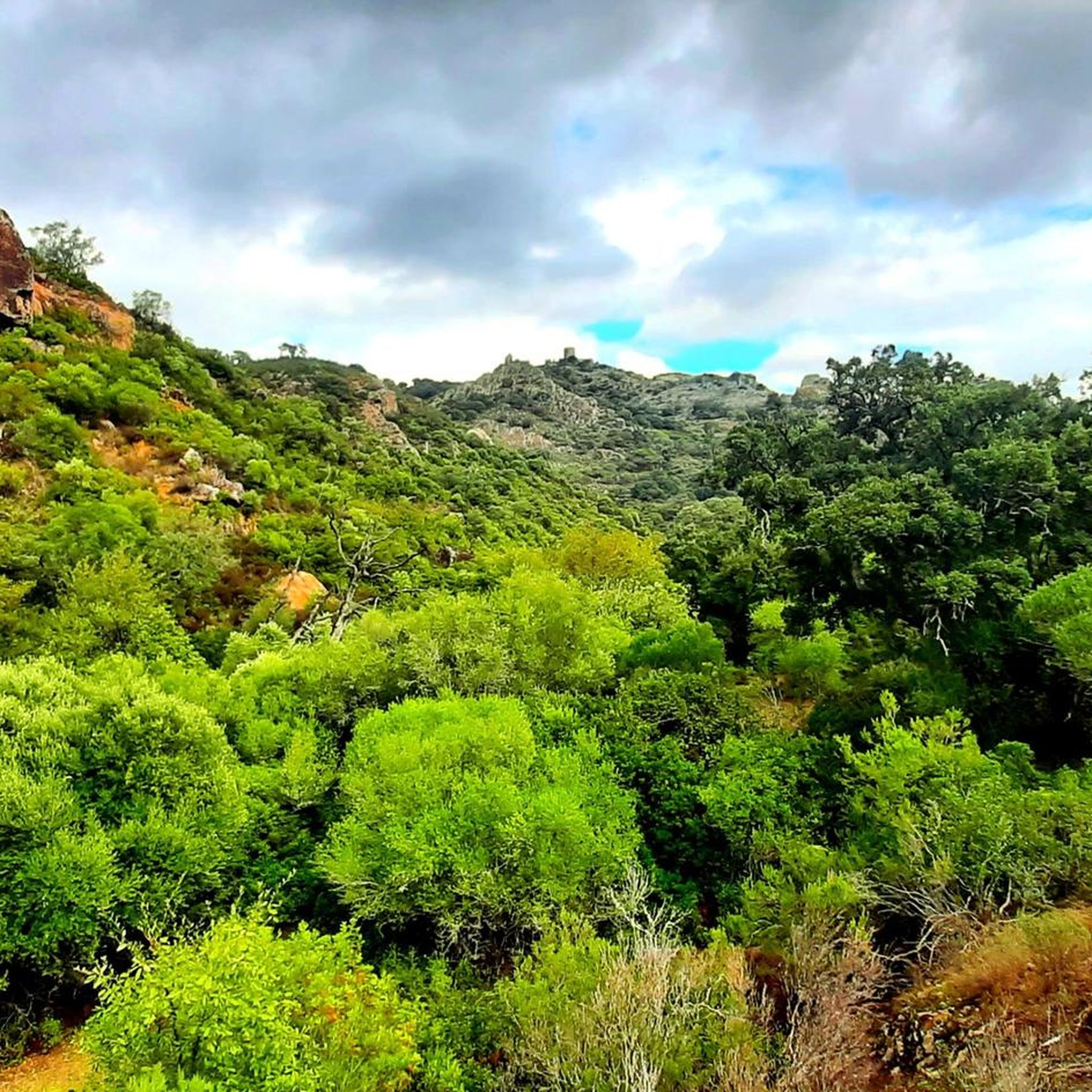
Cycling around Jimena De La Frontera
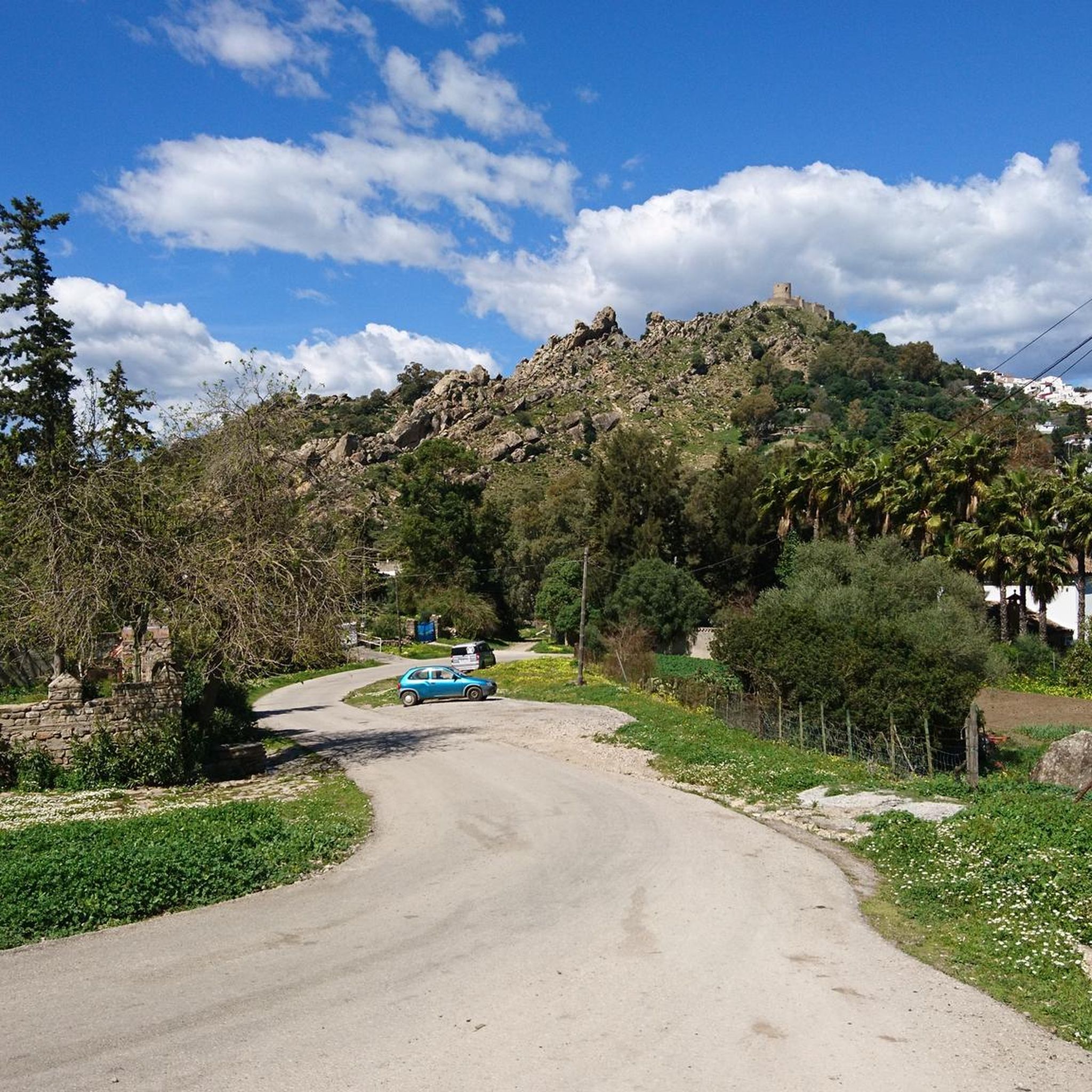
Running Trails around Jimena De La Frontera

Gravel biking around Jimena De La Frontera
Other adventures around Jimena De La Frontera

Tips from the Community

A must-see stop, taking your time to admire the scenery of the Sierras and the Rock of Gibraltar.
0
0

The Castle of Águila, also called Gaucín Castle, is a fortress in the municipality of Gaucín in Malaga, Spain. Its name comes from the fact that birds of prey can often be seen there. It is a castle that was built in the Andalusian period and has been rebuilt several times. The wall, the keep, the water reservoirs and an escape mine have been preserved. Guzmán el Bueno died in 1309 near the castle, while trying to conquer it from the Arabs. The Hermitage of the Holy Child is located there. Many eagles live in the area, hence the name. The Eagle Castle was built by the Romans. In the year 914, during the campaign against Belda (Gaucín), the inhabitants of this city witnessed from the castle the burning of the ships of Omar ben Hafsún in Algeciras. Abd al Yabbar, son of Al-Mutamid, conquered the castle of Gauyan (Gaucín) in the 11th century.
0
1

The Castillo de la Duquesa, also known as the Fuerte de Sabinillas, is a fortification located in the town of Manilva, in the province of Málaga. It was built in 1767 during the reign of Charles III as part of an effort to fortify the coast of the Kingdom of Granada.
5
0

A must-do climb if you are in the area, beautiful views, a lovely climb of just over 3 kilometres and with a gradient of 6.1% with ramps of more than 10%. At the top is the Castle, ideal for stopping for a snack and enjoying the place, which is listed as one of the "beautiful villages of Spain".
0
0

Beautifully restored castle. We stayed at this place on our long-distance hike from Tarifa to Switzerland and we can highly recommend it.
0
1
Beautifully restored castle. We stayed at this place on our long-distance hike from Tarifa to Switzerland and we can highly recommend it.
3
0

From the Adlerburg (9th century) there is a gigantic view all the way to the Mediterranean. If the weather is perfect you can even see as far as Africa. But even when it's slightly cloudy, as was the case during our visit, the easy climb is definitely worth it. Far away from mass tourism and entry is free.
3
1

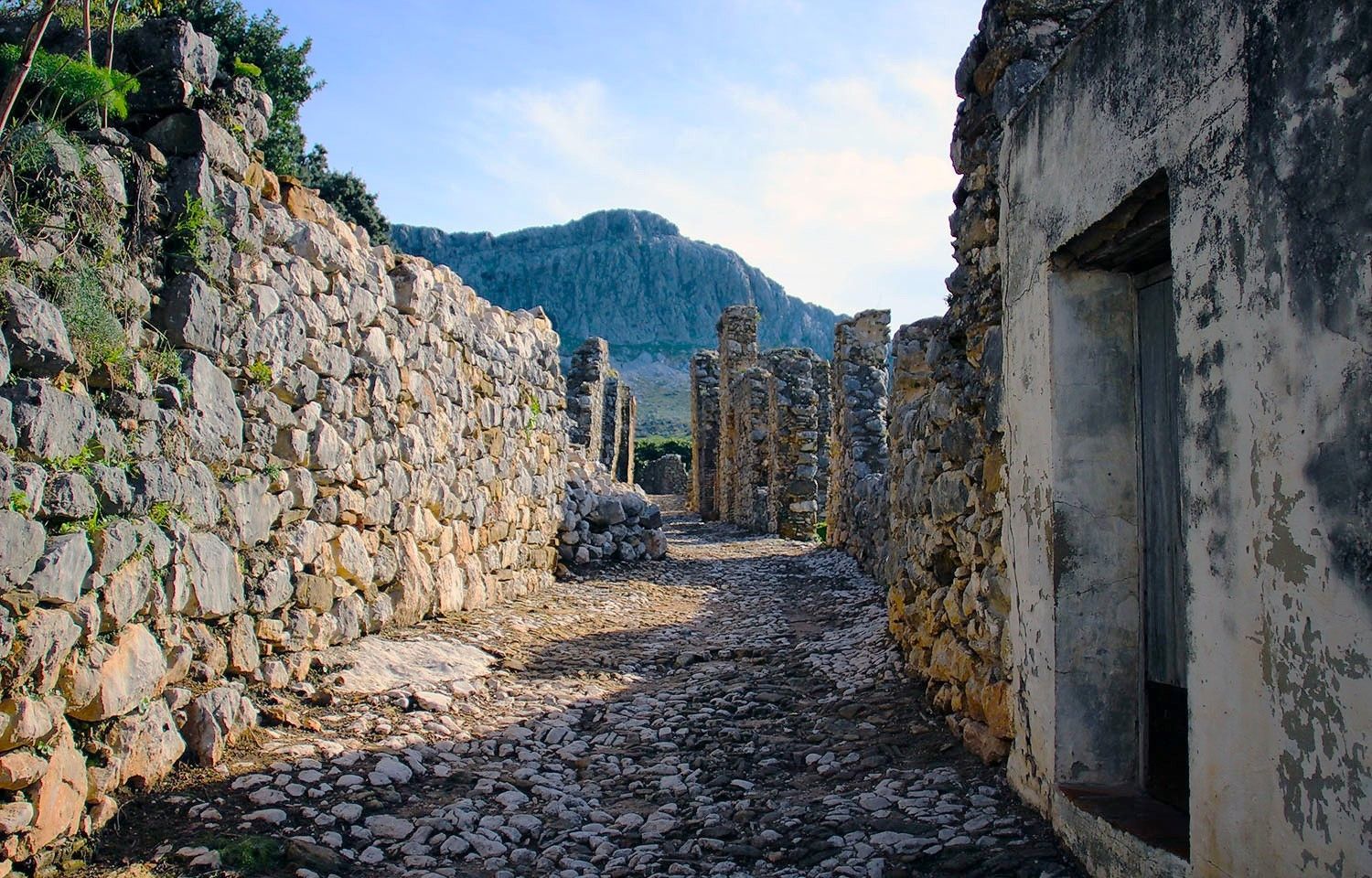
The Castillo de Jimena de la Frontera was a medieval Arab castle complex near Jimena de la Frontera in the province of Cádiz in Spain. The Castillo has been classified as Bien de Interés Cultural since 1931. Sturdy shoes are an advantage
1
1
Frequently Asked Questions
What is the main historical castle to visit in Jimena de la Frontera?
The most prominent historical site is the Castillo de Jimena de la Frontera. This 8th-century Arab fortress is strategically built on the Cerro de San Cristobal, offering breathtaking panoramic views that can extend to Gibraltar and the North African coast on clear days. It showcases a layered history with Roman, Moorish, and Christian architectural elements.
What historical features can I explore at the Castillo de Jimena de la Frontera?
The Castillo de Jimena de la Frontera offers a deep dive into centuries of history. You can see Roman remains, including an ancient stronghold gate and temple barrel vaults, as the castle was built over the Roman city of Oba. Other features include the Torre del Reloj, the Alcázar, and the 13-meter-tall Torre del Homenaje, which you can often ascend for expansive views.
Are there other notable castles or fortresses near Jimena de la Frontera?
Yes, beyond the main castle, you can visit Castellar de la Frontera Castle, a great fortress of Arab origin whose wall surrounds an old town. Another significant site is the ruins of the Castillo del Águila fortress in Gaucín, a white town offering views between the Campo de Gibraltar and the Serranía de Ronda.
What kind of views can I expect from the castles in this region?
The castles in this region are known for their exceptional viewpoints. From the Castillo de Jimena de la Frontera, you get stunning vistas of the town, surrounding countryside, and even the Bay of Algeciras and the mountains of Cadiz. The Eagle Castle (Castillo del Águila) in Gaucín also provides gigantic views all the way to the Mediterranean, and on clear days, you might even see Africa.
What is the best time of year to visit the castles around Jimena de la Frontera?
The best time to visit is generally during the spring (April-May) and autumn (September-October) when the weather is mild and pleasant for exploring. Summers can be very hot, making extensive outdoor exploration less comfortable, while winters are cooler but still offer good conditions for visiting, especially on sunny days.
Are there family-friendly castles to visit in the area?
Yes, the historical sites can be engaging for families. The Castillo de la Duquesa, a fortification built in 1767, is listed as family-friendly. Exploring the grounds and imagining the history of these fortresses can be an exciting experience for children.
What outdoor activities can I do near these castles?
The region around Jimena de la Frontera offers various outdoor activities. You can find numerous hiking trails, including easy loops like 'Jimena de la Frontera – El Risco Viewpoints'. There are also cycling routes and running trails, allowing you to explore the natural beauty surrounding these historical sites.
How difficult is the walk to the Castillo de Jimena de la Frontera?
The walk to the Castillo de Jimena de la Frontera involves ascending to its elevated position on Cerro de San Cristobal. While not overly strenuous for most, sturdy shoes are recommended due to uneven terrain. The effort is well rewarded with the historical insights and panoramic views from the top.
Are there cafes or places to eat near the castles?
Yes, particularly in the towns where the castles are located. For instance, in Jimena de la Frontera, you'll find cafes and restaurants in the town below the castle. Similarly, in Gaucín, there are options like Casa Antonia or Restaurante La Raiz, which offer pleasant breaks after exploring the Castillo del Águila ruins.
Can I find accommodation within a castle in this region?
Yes, the Castellar de la Frontera Castle has been converted into a hotel, offering a unique opportunity to stay within the walls of an ancient fortress. It's located on a mountain in the Los Alcornocales natural park.
What is the historical significance of the Castillo de Jimena de la Frontera?
The Castillo de Jimena de la Frontera served as a crucial border fortification for the Nasrid Kingdom during the 14th and 15th centuries, changing hands between Moorish and Christian forces multiple times. It was also used as barracks during the Peninsular Wars and was declared a National Monument in 1931, testifying to its rich and complex history.
Is there public transport available to reach the castles?
While specific public transport routes directly to the castle entrances might be limited, Jimena de la Frontera is accessible by public transport. From the town, you would typically walk to the Castillo de Jimena de la Frontera. For other castles like those in Gaucín or Castellar de la Frontera, local transport or a short drive from nearby towns would be necessary.
Most popular routes around Jimena De La Frontera
Most popular attractions around Jimena De La Frontera

Get inspired with the komoot mobile app


Explore more
Looking for the best castles somewhere else? Discover other guides around Jimena De La Frontera:
