Top 20 Caves around Talamanca
Best caves around Talamanca offer a diverse range of natural and historical underground features. This region presents geological formations that include large rock monoliths and natural tunnels. The landscape is characterized by its rugged terrain, providing settings for various cave explorations. These sites often hold historical significance, having served different purposes throughout the centuries.
Best caves around Talamanca
- The most popular caves is Morral del Drac, a natural monument that consists of two large blocks of conglomerate, about 32…
Last updated: July 17, 2026
Morral del Drac
Highlight • Natural Monument
Translated by Google •
Tip by

The Blood Hospital
Highlight • Cave
Translated by Google •
Tip by

Sign up now to discover places like this
Get recommendations on the best single tracks, peaks, & plenty of other exciting outdoor places.
Sign up for free
Hermitage of Santa Agnès
Highlight • Religious Site
Translated by Google •
Tip by

Cau dels Emboscats Cave
Highlight • Cave
Translated by Google •
Tip by

Sescorts Caves
Highlight • Cave
Translated by Google •
Tip by

Sign up for free to discover even more caves around Talamanca.
Sign up for free
Already have an account?
Start today with a free account
Your next adventure awaits.
Login or Signup

Tips from the Community


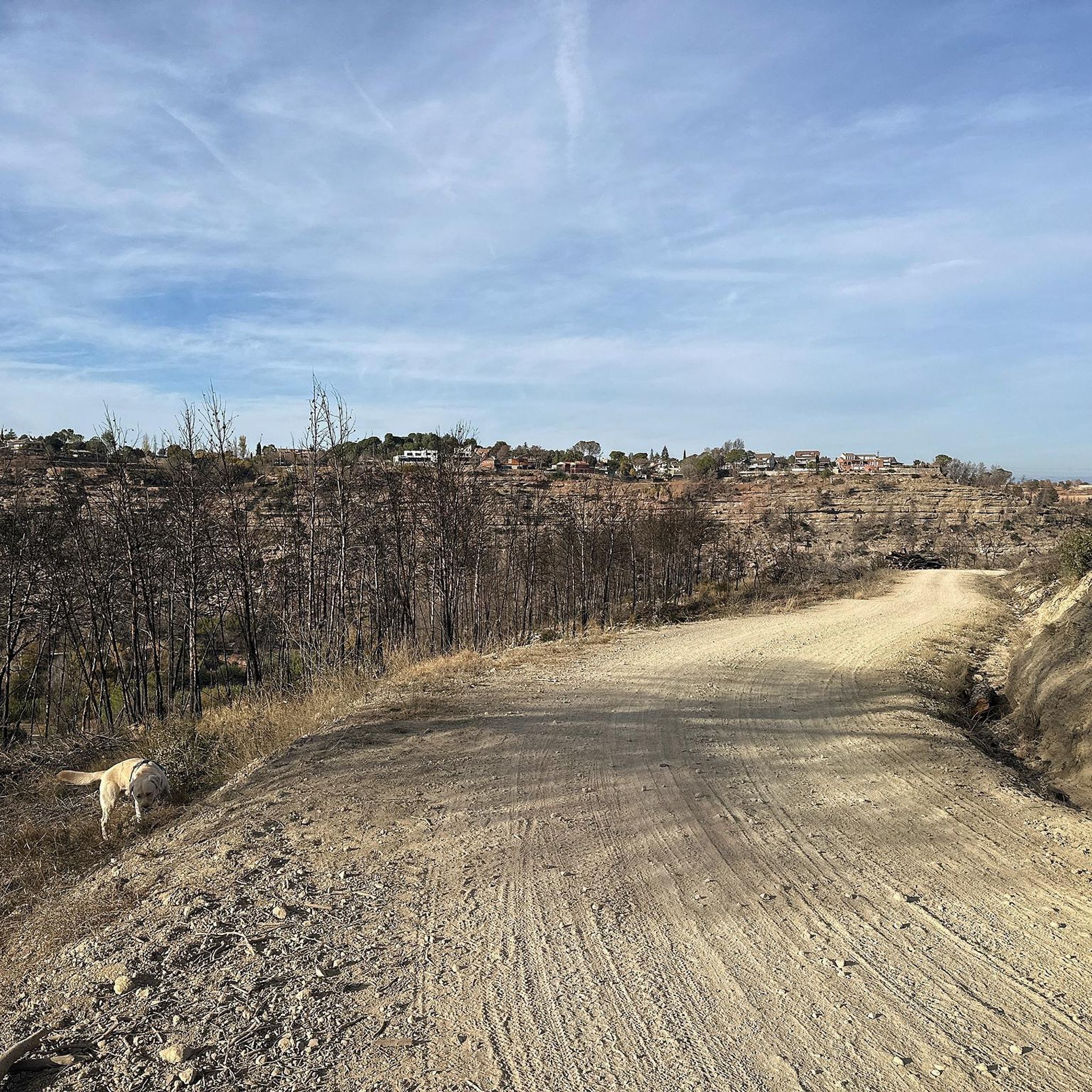
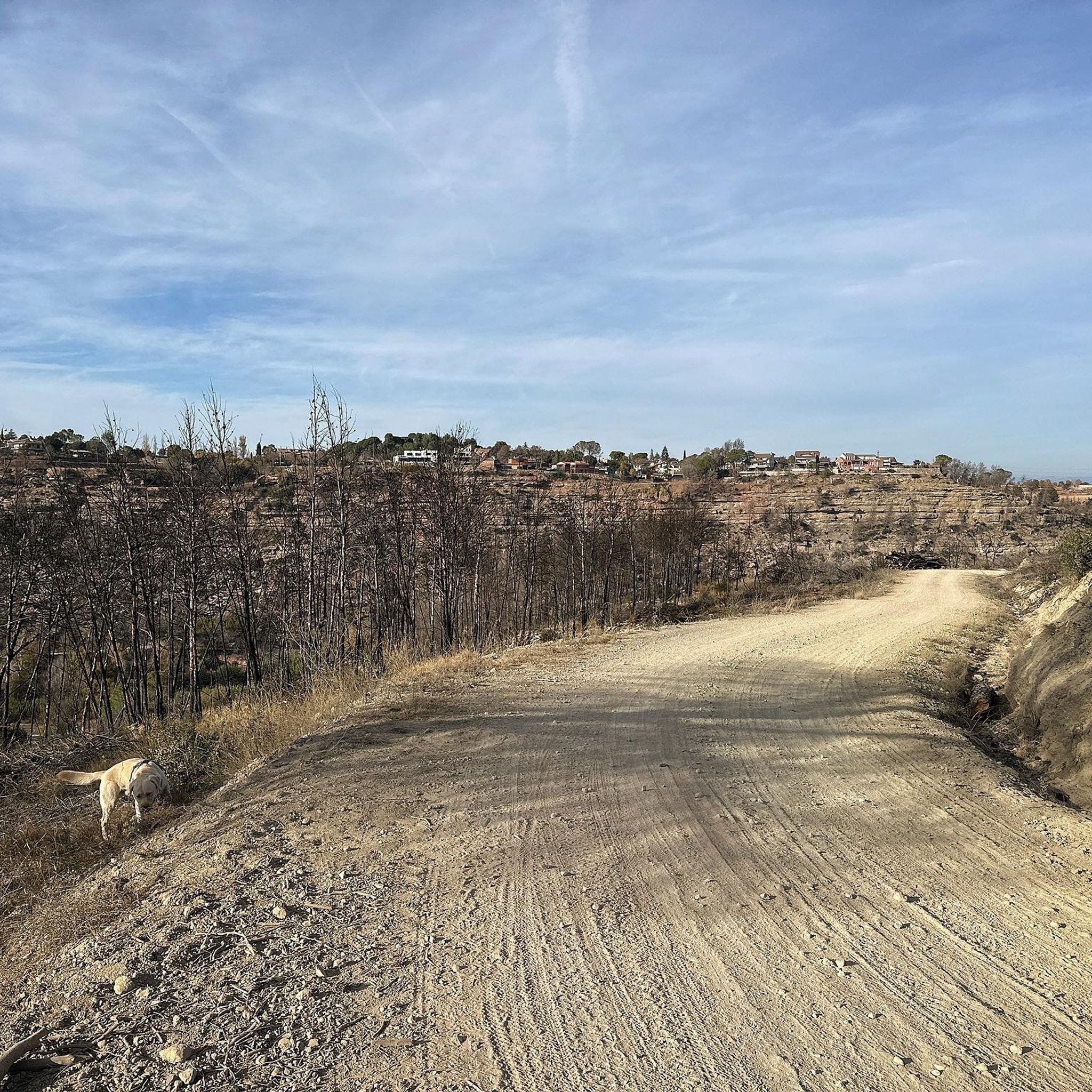
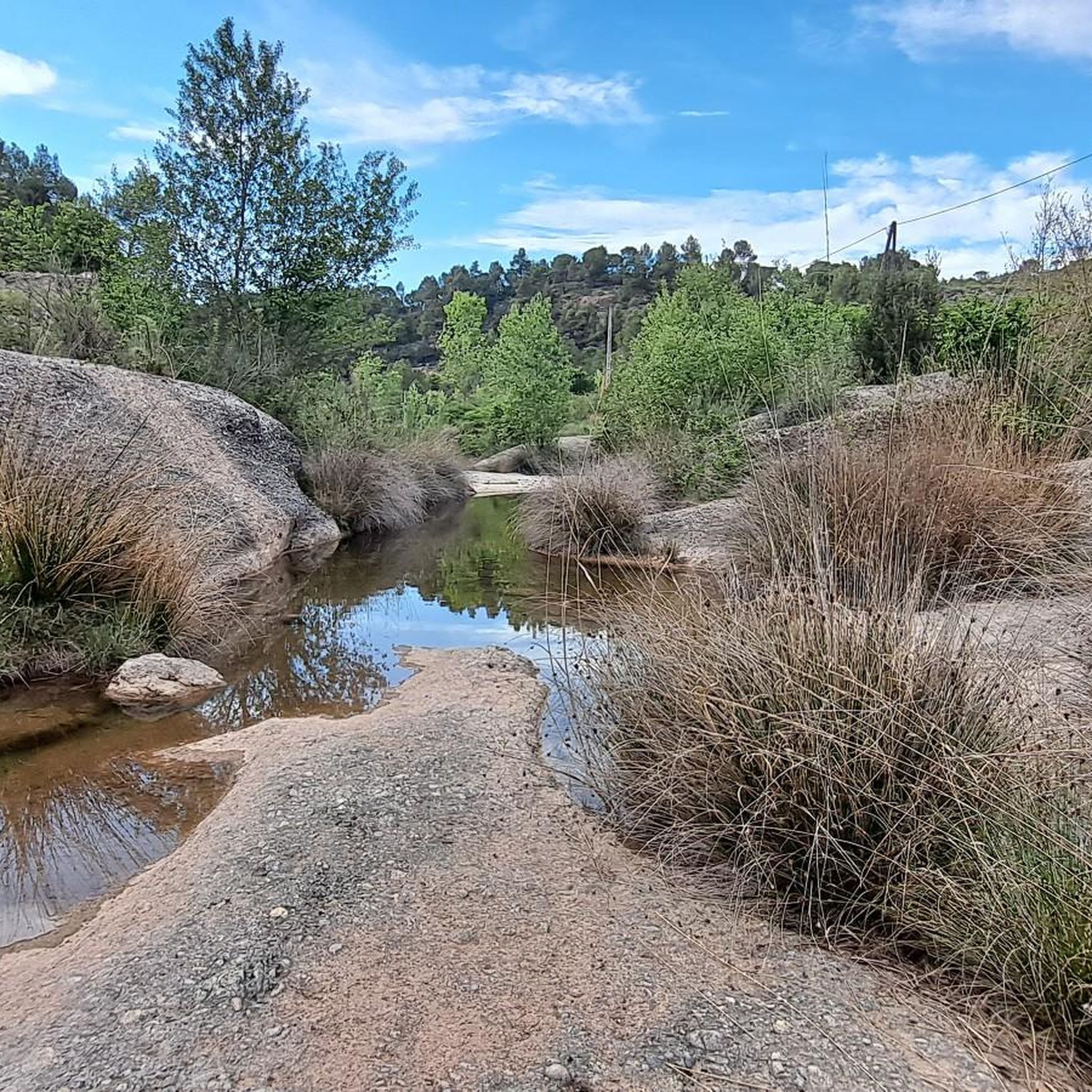
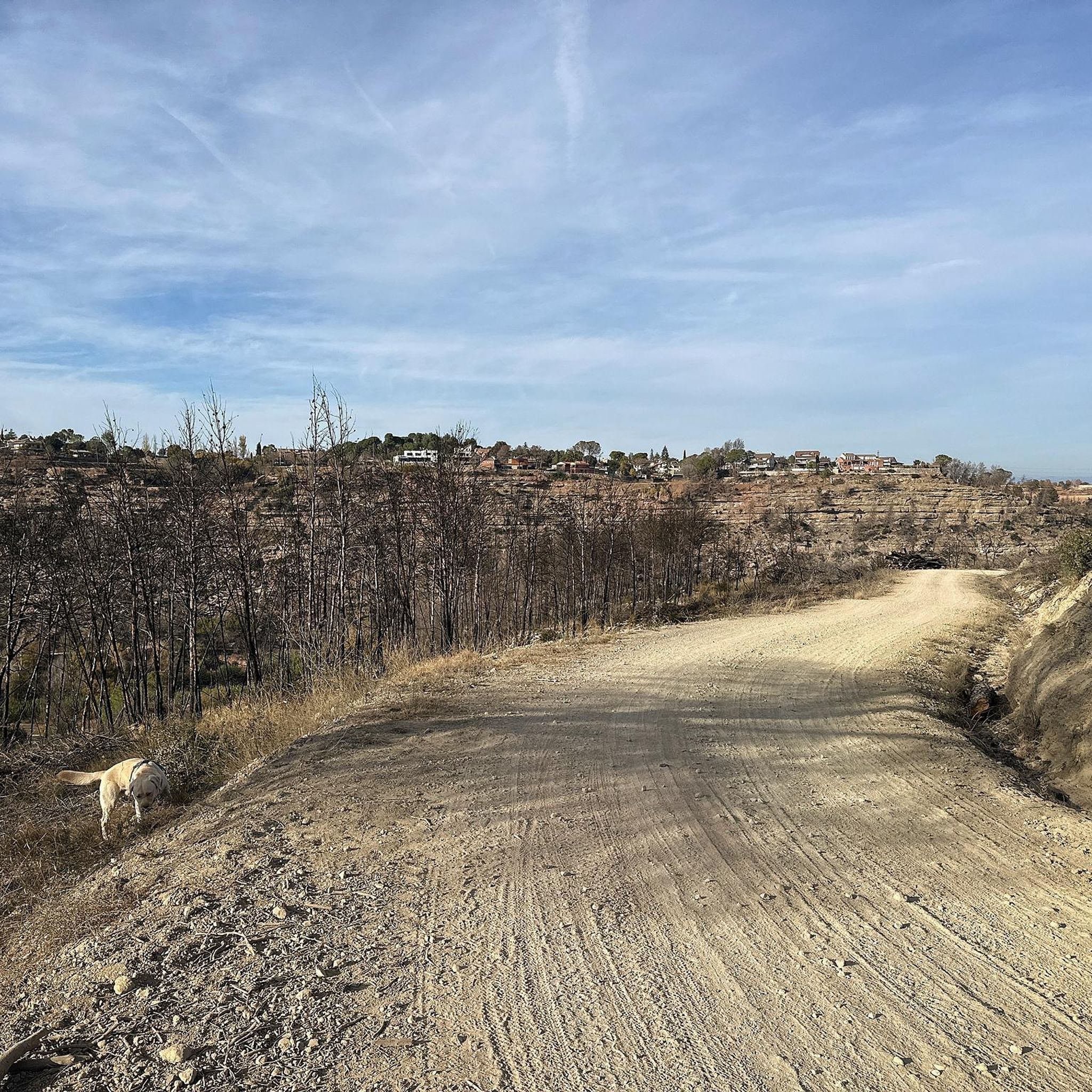
The Cau dels Emboscats is one of the cavities that served as a refuge during the civil war. Specifically, several people hid from Sant Llorenç Savall. The situation of the cave was kept secret for many years after the end of the conflict. It wasn't until October 28, 1956, that Biel Dalmau, from the Mas de les Oliveres, explained its location and history to Josep Maria Torras Homet. The mouth is very irregular. It opens in the form of a chasm that falls on an inclined floor. Then there is a 2 meter ledge leading to the main gallery parallel to the cliff and about 20 meters long. In the middle of the gallery there is a large window that forms a kind of side room poured into the steeply sloping cliff. The cavity ends in an elbow and a small room, where small stalactite formations and parietal crusts can be observed.
0
0

The Sescorts caves, also called Les Corts and Los Estables, are located below the Morral del Drac, on the path that goes from the Estenalles pass to La Mola. The caves are close to the Coma de l'Abella cliff, at the foot of the Petanta Rock. They were used a few years ago to keep cattle and we can still find the roof quite smoky from the fire on the ground that they made. There are 7 small cavities with an approximate length of 25 meters. From inside there are views of the monastery of Sant Llorenç del Munt, at the top of the summit of La Mola.
1
0
The hermitage of Santa Agnès is a chapel built under the rock, near the monastery of Sant Llorenç del Munt, of which it depended. It is located in the cave that bears his name. It is documented since the 14th century and was worshiped until the end of the 18th century. It is one of the architectural vestiges in Sant Llorenç del Munt park that remain today. It is in the Santa Agnès channel on the north side of La Mola, approximately 900 meters above sea level. Traditionally it has been said that it belonged to a convent of religious women although little is known about the congregation to which they belonged. As a point of interest we find sinks inside the cave that have been used as a fountain and cistern until today, attached to the same balma where the chapel is located. This church was built in the medieval period in the Gothic style, in the form of a small rectangular nave with a pointed vault, reinforced with two lateral arches. The part of the head pours into the living rock, leaving an excavated space where there was once an altar. The existence of the hermitage has been documented since the 14th century and it is known that ceremonies were held until the 18th century.
1
0
It is located on the northern slope of La Mola (1,103.3 m), the highest point of the massif, at a distance of about 550 meters from the summit. It is in the pass between the summit of La Mola and the hill of Griera (1,002.4), at the beginning of the Pagès ridge, which forms the backbone of the massif of Sant Llorenç del Munt up to the pass of Eres, southeast of Montcau. It has an elevation of 980.2 m. It is in the municipality of Matadepera, in Vallès Occidental. On the south-west side of the pass where it is located there is the Coma de l'Abella canal and on the north-east side there is the Santa Agnès canal, where the chapel of Santa Agnès is located. It is a monolith of conglomerate with a carbonate composition formed by two large blocks of about 32 meters high, separated at their base, where they leave a large opening. It is the scene of one of the most remote traditional legends of Sant Llorenç del Munt, the legend of the dragon of Sant Llorenç. The first ascent was made on February 11, 1923 by members of the Terrassa Hiking Center.
1
0

The Morral del Dragon or Dragon Cave, is a monolith in the Sant Llorenç del Munt massif. It is located on the north slope of La Mola (1,103.03m), the highest point of the massif, at a distance of about 550 meters from the top. It is on the hill between the top of La Mola and the En Griera hill (1,1002.4 m), at the beginning of the El Pagès ridge, which runs through the Sant Llorenç del Munt massif up to the Eres hill, at southwest of Montcau. It has an elevation of 980.2 m. It is in the municipality of Matadepera, in the Vallès Occidental. On the southwest side of the hill where the Coma de l’Abella channel is located, and on the northeast side is the Santa Agnès channel. Where is the hermitage of Santa Agnès.
1
0

It has 2 irons and a handmade ladder to go down
1
0

Frequently Asked Questions
What types of caves can I explore around Talamanca?
The caves around Talamanca offer a mix of natural monuments and historical sites. You can find large rock monoliths like Morral del Drac, which is associated with a traditional legend, and smaller cavities with historical significance such as The Blood Hospital, a natural tunnel used during the 19th-century Carlist wars.
Are there any caves with historical significance in the area?
Yes, several caves have rich historical backgrounds. The Blood Hospital served as a Carlist army hospital in the 19th century. The Hermitage of Santa Agnès is a chapel built under a rock, documented since the 14th century. Additionally, Cau dels Emboscats Cave was used as a refuge during the civil war.
What natural features can I expect to see in these caves?
You'll encounter unique geological formations. Morral del Drac consists of two large conglomerate blocks, 32 meters high, separated at their base. The Blood Hospital is a large triangular ravine functioning as a natural tunnel. Inside Cau dels Emboscats Cave, you can observe small stalactite formations and parietal crusts.
Are there any caves that offer scenic views?
Yes, Sescorts Caves provide views of the monastery of Sant Llorenç del Munt from inside. These caves are located below Morral del Drac and are appreciated for their scenic outlooks.
What are some popular activities near the caves?
Beyond cave exploration, the region offers various outdoor activities. You can find numerous cycling routes, including touring bicycle options like the 'Mura – Mura Village loop' or 'The Manresa Canal – Gironella Stone Bridge loop'. For road cycling, consider routes such as 'Moià – Moià Old Town loop'. There are also mountain hikes available, like the 'Mountaineering loop from Sant Llorenç del Munt'. You can find more details on these routes in the Cycling around Talamanca, Road Cycling Routes around Talamanca, and Mountain Hikes around Talamanca guides.
Are there hiking trails that lead to or past these caves?
Yes, many caves are integrated into hiking routes. For instance, Morral del Drac is located on the northern slope of La Mola, along the Pagès ridge. Sescorts Caves are found on the path from the Estenalles pass to La Mola. You can explore various mountain hikes in the area, such as the 'Mura – Puig de la Balma loop' which is a difficult 14.9 km route.
What is the difficulty level for exploring these caves?
The difficulty varies. Some caves like Morral del Drac and Sescorts Caves are generally considered intermediate. Cau dels Emboscats Cave is rated as challenging, featuring irons and a handmade ladder for descent. Always check specific route details for individual cave access.
What do visitors say about the caves around Talamanca?
Visitors appreciate the unique natural formations and historical context. For example, Morral del Drac is described as a 'beautiful rock with a cave inside on the edge of a cliff'. The Sescorts Caves are noted for their 'nice sunset' views and being 'nice caves with la Mola view'.
Are there any unique features or legends associated with these caves?
Yes, Morral del Drac is famously associated with the legend of the Dragon of Sant Llorenç, a frightful being said to have inhabited its caves. This adds a mythical element to its natural grandeur.
Can I find religious or spiritual sites within or near the caves?
Yes, the Hermitage of Santa Agnès is a chapel built under a rock, located in a cave that bears its name. It was a place of worship from the 14th to the 18th century and is one of the architectural vestiges in the Sant Llorenç del Munt park.
What kind of wildlife might I encounter near the caves?
While the specific cave systems in this region are not primarily known for extensive cave-dwelling wildlife, the broader natural park areas surrounding them are rich in biodiversity. You might encounter various bird species, butterflies, and other animals typical of the Mediterranean forest and mountain environments during your approach to the caves.
Are there any specific tips for exploring the caves?
When exploring, be aware of the terrain. For caves like Cau dels Emboscats Cave, be prepared for challenging sections that may require using irons and ladders. Always check local conditions and be mindful of historical significance, as many sites have preserved structures or unique geological features.
Most popular routes around Talamanca
Most popular attractions around Talamanca

Get inspired with the komoot mobile app


Explore more
Extend your search for the best caves by checking out these guides of the top ones around Talamanca:
