Top 3 Lakes around Bardenas Reales De Navarra
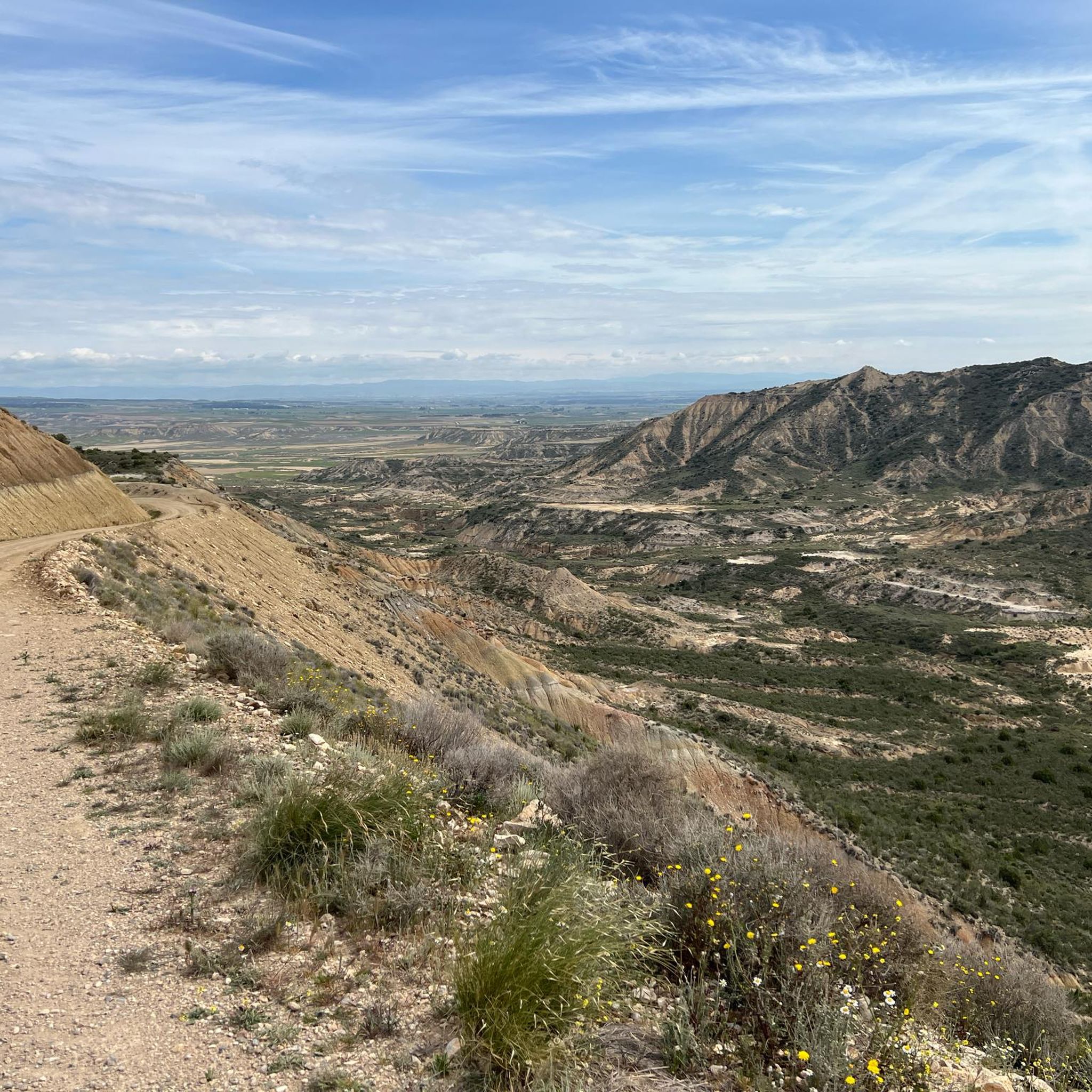
Best lakes around Bardenas Reales de Navarra are characterized by a unique blend of semi-desert landscapes and vital water bodies. While large natural lakes are absent, the region features artificial water storage pools, seasonal lagoons, and significant reservoirs. These water sources play a crucial role in the local ecosystem, supporting diverse wildlife and agricultural needs. They offer a contrasting perspective to the arid terrain, providing areas for nature observation and understanding regional water management.
Best lakes around Bardenas Reales de…
Last updated: October 20, 2026
Cortinas Reservoir
Highlight • Lake
Translated by Google •
Tip by

Zapata Pond
Highlight • Lake
Translated by Google •
Tip by

Sign up now to discover places like this
Get recommendations on the best single tracks, peaks, & plenty of other exciting outdoor places.
Laguna de Pitillas Nature Reserve
Highlight • Lake
Translated by Google •
Tip by

Start today with a free account
Your next adventure awaits.
Popular around Bardenas Reales De Navarra

Tips from the Community

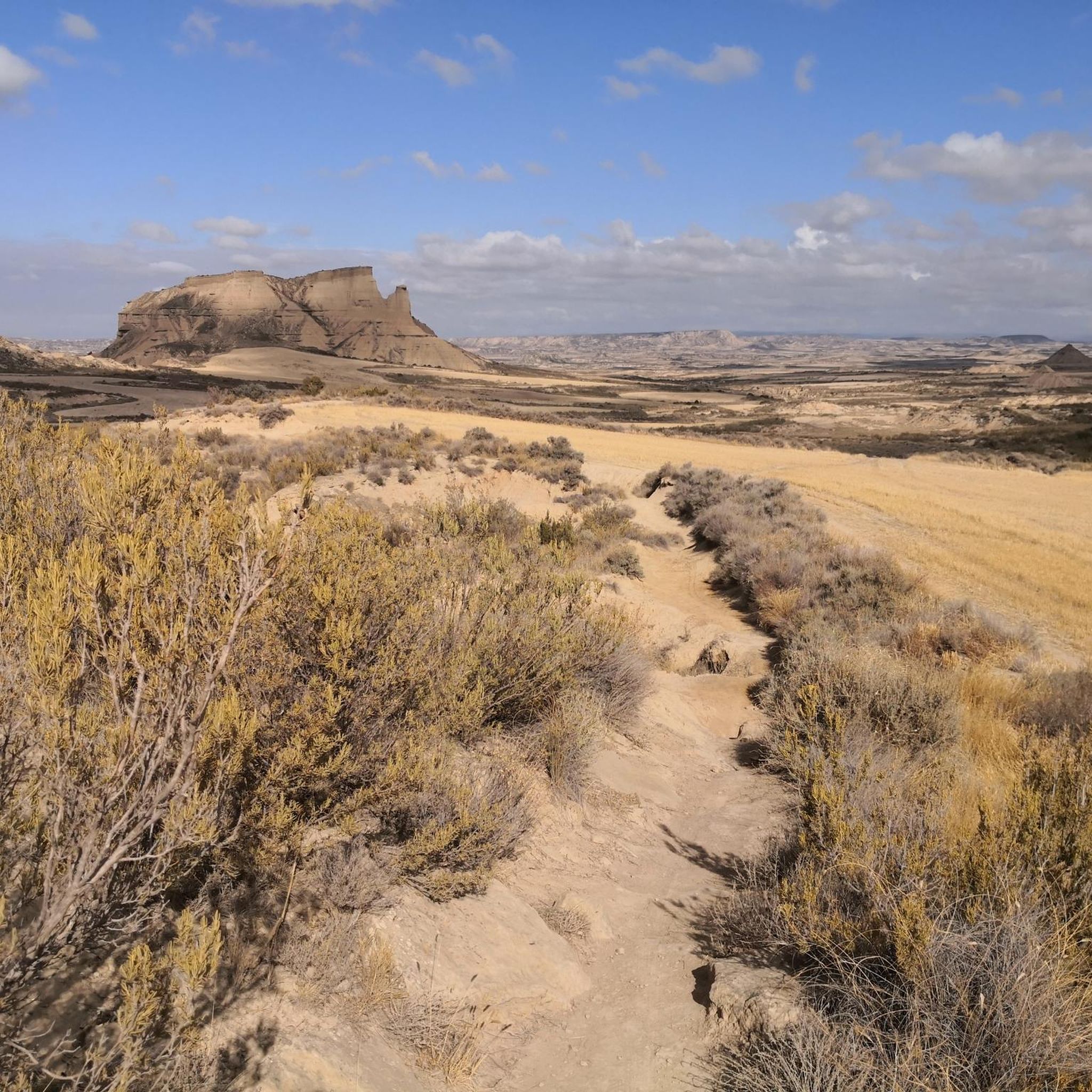
A touch of the Wild West so close to France. Clearly the nicest way to discover the place because otherwise it's 34km of track to do by car and it's a bit like Las Vegas. In September, there are few people, the track is wide and it's not a problem to share with cars: in any case it's 40km/h for them!
1
0

Small point of view on the small pond so it is forbidden to approach on foot to protect the environment.
2
0

The Embalse de Cortinas reservoir is of great ecological value since it has all the vegetation belts (submerged, amphibious and emerging). The Cortinas reservoir biologically balances an ecological area larger than its own wet environment.
9
0

The Laguna de Pitillas is located just 3 km from the town of the same name. It is a protected wetland of 216 hectares that has become and popularized among lovers of bird watching. Here you can see from bitterns, harriers and herons as well as the native vegetation of such a particular natural space.
1
0
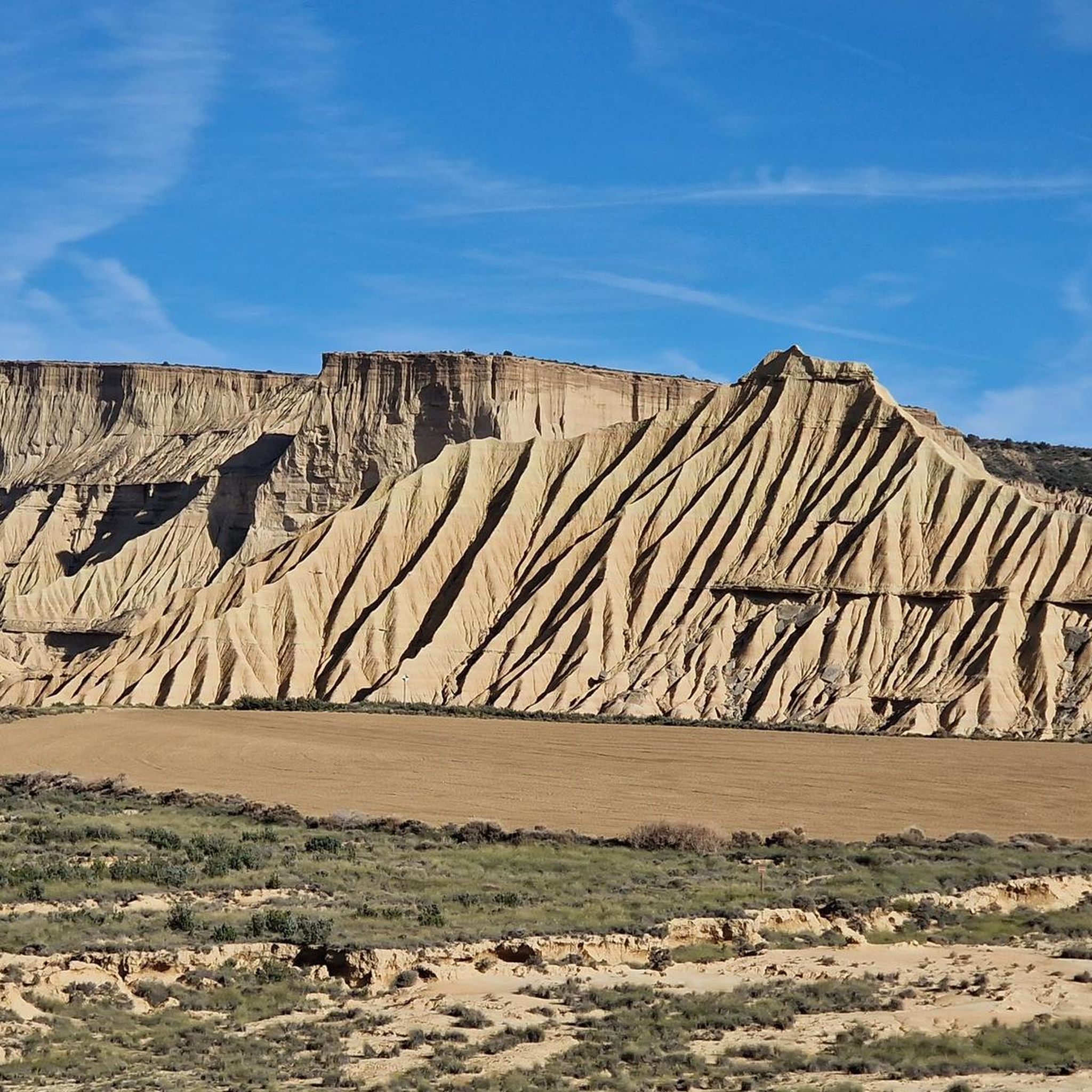
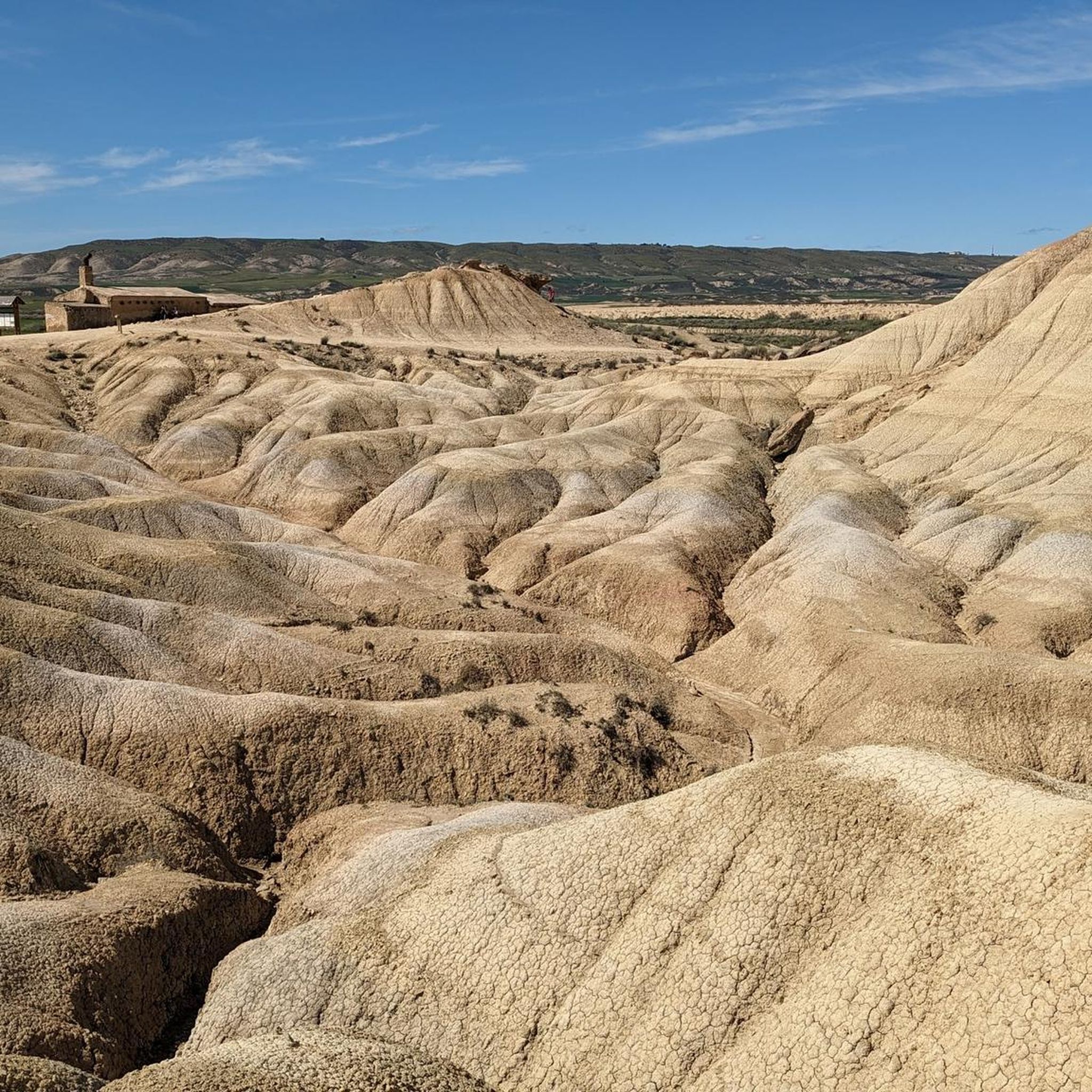
The landscape of the Bardenas Reales together with the Cortinas Reservoir make a unique and wonderful postcard that gives the impression that it was an oasis within the desert. You cannot miss visiting this wonderful place created by nature and centuries of wind and water erosion.
7
0

Frequently Asked Questions
What types of water bodies can I find near Bardenas Reales de Navarra?
While Bardenas Reales de Navarra is known for its semi-desert landscape, the region features a variety of water bodies. These include significant artificial reservoirs like the Cortinas Reservoir, ecologically important natural lagoons such as the Laguna de Pitillas Nature Reserve, and numerous smaller artificial water storage pools within the Bardenas themselves that collect rainwater.
Which lakes are best for birdwatching in the region?
The Laguna de Pitillas Nature Reserve is highly recommended for birdwatching. This protected wetland is a crucial resting and feeding ground for migratory birds, where you can observe species like bitterns, harriers, and herons. It's an ideal spot for nature photography as well.
Are there any family-friendly lakes or ponds to visit?
Yes, the Zapata Pond offers a family-friendly viewpoint. While you cannot approach the small pond on foot to protect the environment, it provides a unique 'Wild West' landscape that can be enjoyed by car along the track.
What unique natural features can I expect to see at these lakes?
The Cortinas Reservoir stands out for its ecological value, featuring all vegetation belts (submerged, amphibious, and emerging), creating a unique oasis-like landscape against the semi-desert terrain. The artificial water storage pools within Bardenas Reales themselves, though often ephemeral, contribute to unique micro-ecosystems.
What outdoor activities can I do near the lakes in Bardenas Reales de Navarra?
The area around Bardenas Reales de Navarra offers various cycling opportunities. You can find traffic-free bike rides and road cycling routes. For example, there are mountain biking routes like the 'Castildetierra Hill – Bardenas Reales Badlands loop from Embalse de Cortinas' which passes near the Cortinas Reservoir. Explore more options in the traffic-free bike rides guide or the road cycling routes guide.
Is it possible to hike around these water bodies?
While direct hiking trails around every water body might be limited, the region offers various routes that allow you to experience the landscapes surrounding these lakes and reservoirs. For instance, mountain biking routes often provide scenic views of the water bodies within the Bardenas. Always check local regulations, especially for protected areas like Laguna de Pitillas where access might be restricted to certain viewpoints.
What is the best time to visit the lakes near Bardenas Reales?
The best time to visit depends on your activity. Spring and autumn generally offer milder temperatures, which are ideal for exploring the region and observing wildlife, especially migratory birds at Laguna de Pitillas. Summers can be very hot, making early mornings or late afternoons preferable. During autumn, a single storm can replenish the ephemeral artificial pools within the Bardenas, offering a unique sight.
Are there any restrictions or permits needed to visit these lakes?
For the Laguna de Pitillas Nature Reserve, dogs are not allowed to protect the wildlife. At Zapata Pond, approaching the pond on foot is forbidden for environmental protection. Always respect local signage and regulations in protected areas to preserve their natural state.
What role do these water bodies play in the Bardenas Reales region?
These water bodies are crucial for the region's ecology and agriculture. The Yesa Reservoir, for example, is vital for water supply and irrigation for the Bardenas Reales. The artificial water storage pools within the Bardenas collect rainwater, creating unique micro-ecosystems, while the Laguna de Pitillas serves as a critical habitat for migratory birds.
Can I find any large reservoirs near Bardenas Reales de Navarra?
Yes, the Yesa Reservoir is a major water body in the broader region, though not directly within the Bardenas Reales. It's significant for water supply, irrigation, and hydroelectric power. You can appreciate its vastness and its role in sustaining the surrounding agricultural areas. The Visit Alta Navarra website provides more information.
What do visitors enjoy most about the lakes and reservoirs in this area?
Visitors often appreciate the striking contrast these water bodies provide against the arid Bardenas landscape, creating serene views and unique photographic opportunities. The ecological richness, especially at places like Laguna de Pitillas for birdwatching, and the sense of an 'oasis within the desert' at Cortinas Reservoir, are frequently highlighted.
Most popular routes around Bardenas Reales De Navarra
Most popular attractions around Bardenas Reales De Navarra

Get inspired with the komoot mobile app


Explore more
Still not found your perfect lake around Bardenas Reales De Navarra? Check out the guides of these regions to see even more beautiful places.
