The 10 Most Amazing Peaks around La Cellera De Ter
Best mountain peaks around La Cellera De Ter are found within the Guilleries mountains, offering access to notable peaks. The region is characterized by an ancient massif primarily composed of granitic and shale materials, with forested slopes. La Cellera De Ter serves as a base for exploring the natural landscape, which includes prominent peaks like Puig d'Afrou. These mountains provide opportunities for outdoor activities and offer extensive views of the surrounding areas.
Best mountain peaks around La Cellera De Ter
…Last updated: July 3, 2026
Ermita de Santa Bárbara
Highlight • Religious Site
Translated by Google •
Tip by

Turó de vent
Highlight • Summit
Translated by Google •
Tip by

Sign up now to discover places like this
Get recommendations on the best single tracks, peaks, & plenty of other exciting outdoor places.
Sign up for free
Sant Grau Hermitage
Highlight • Religious Site
Translated by Google •
Tip by

Sant Miquel de les Formigues
Highlight • Summit
Translated by Google •
Tip by
Puigdefrou
Highlight • Summit
Translated by Google •
Tip by

Sign up for free to discover even more peaks around La Cellera De Ter.
Sign up for free
Already have an account?
Start today with a free account
Your next adventure awaits.
Login or Signup
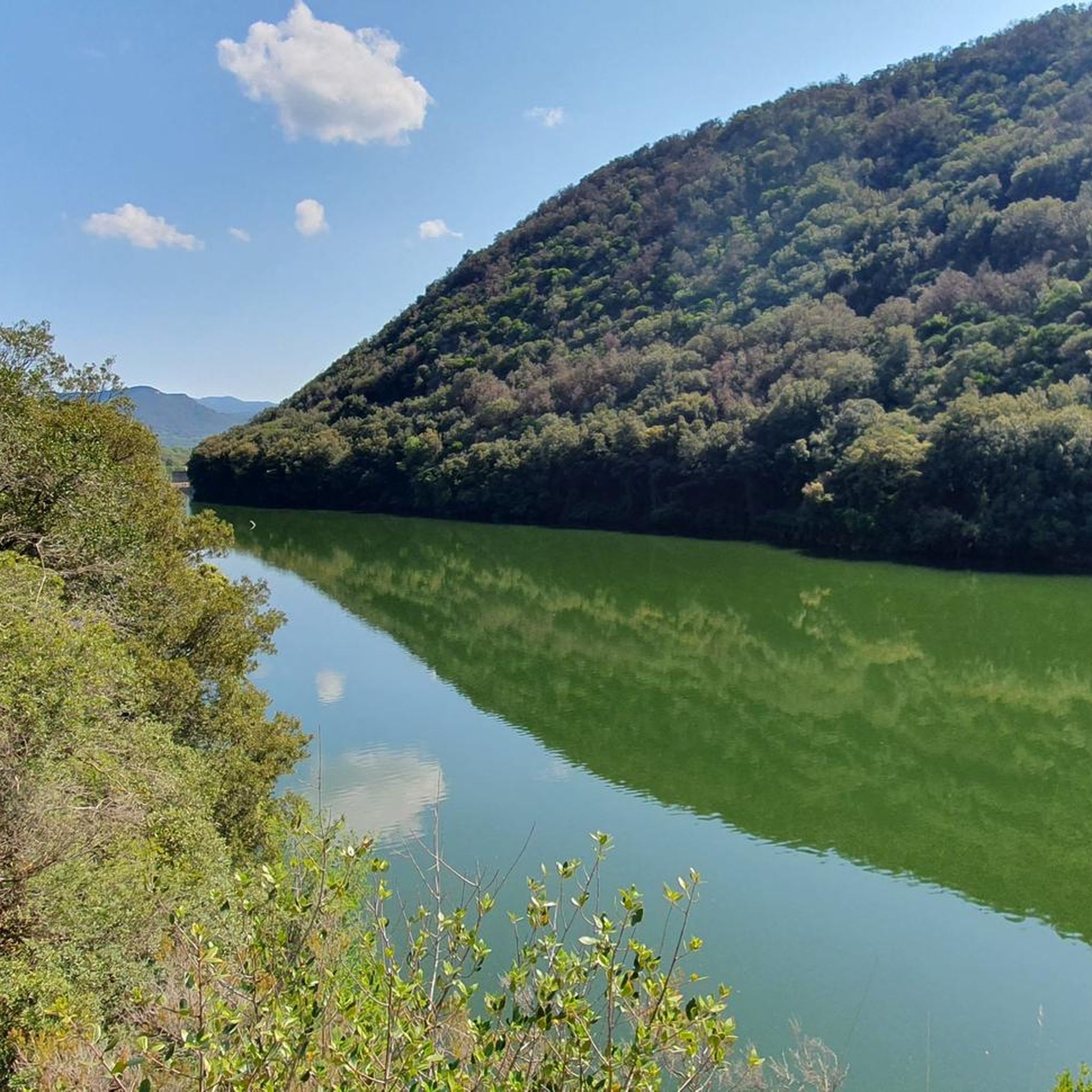
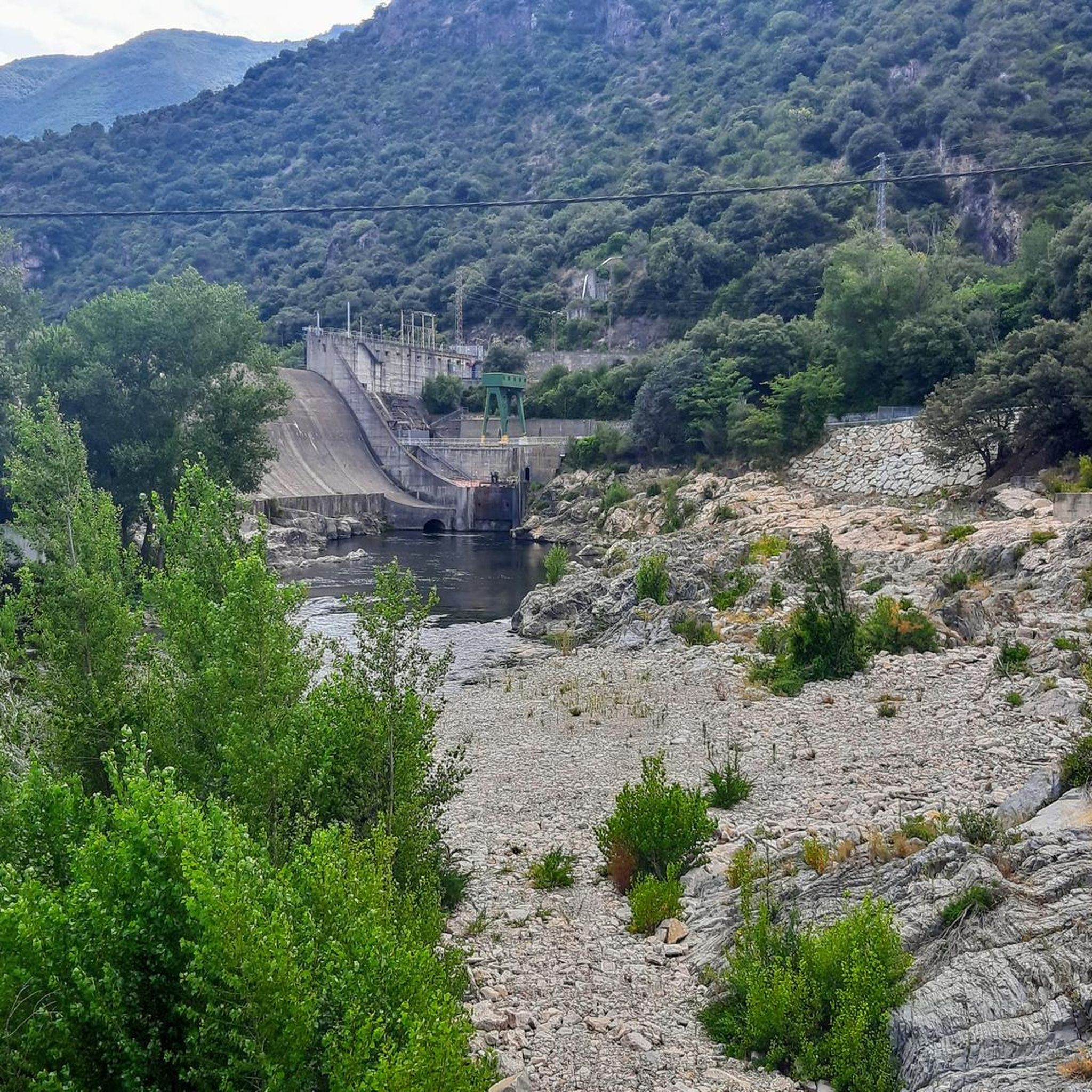
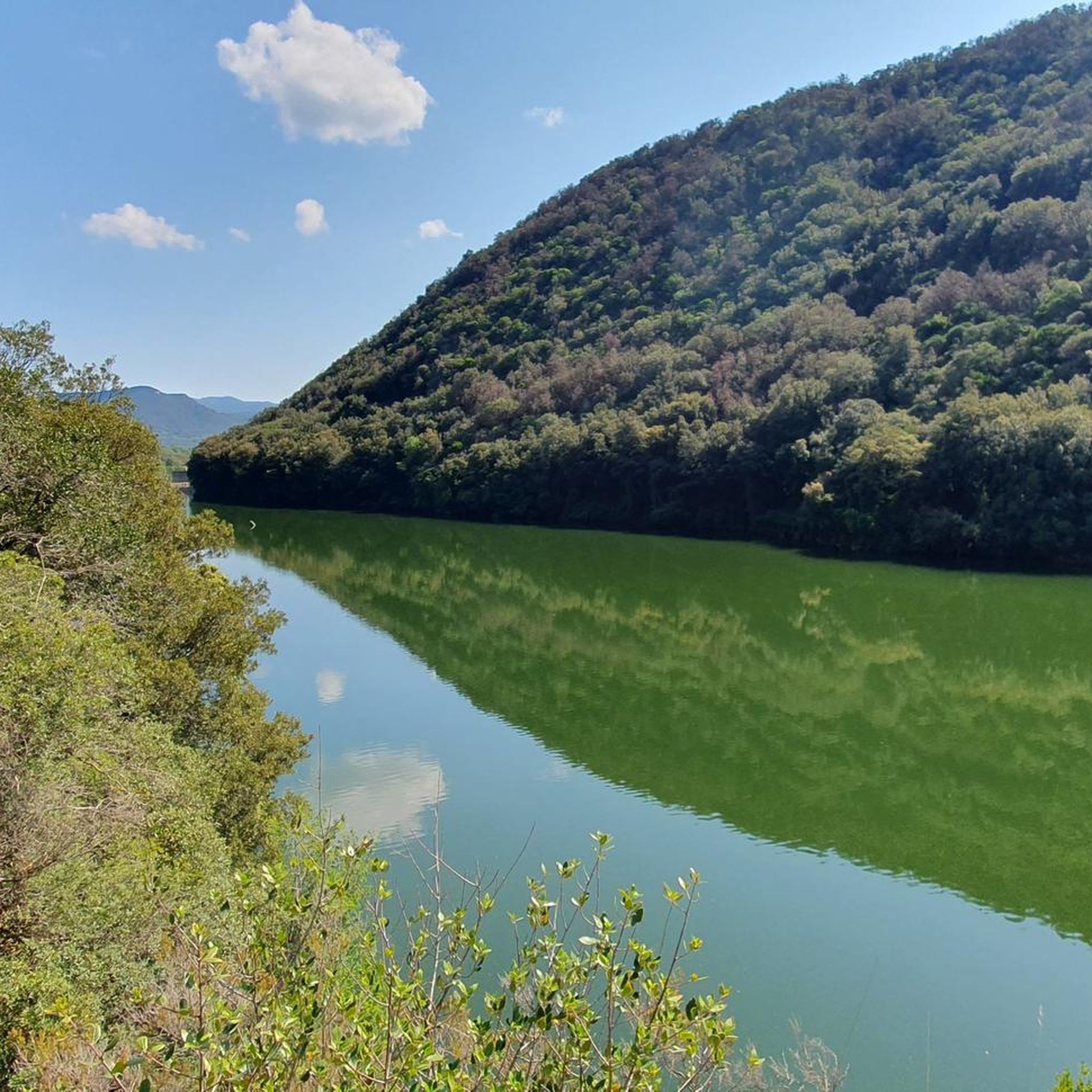
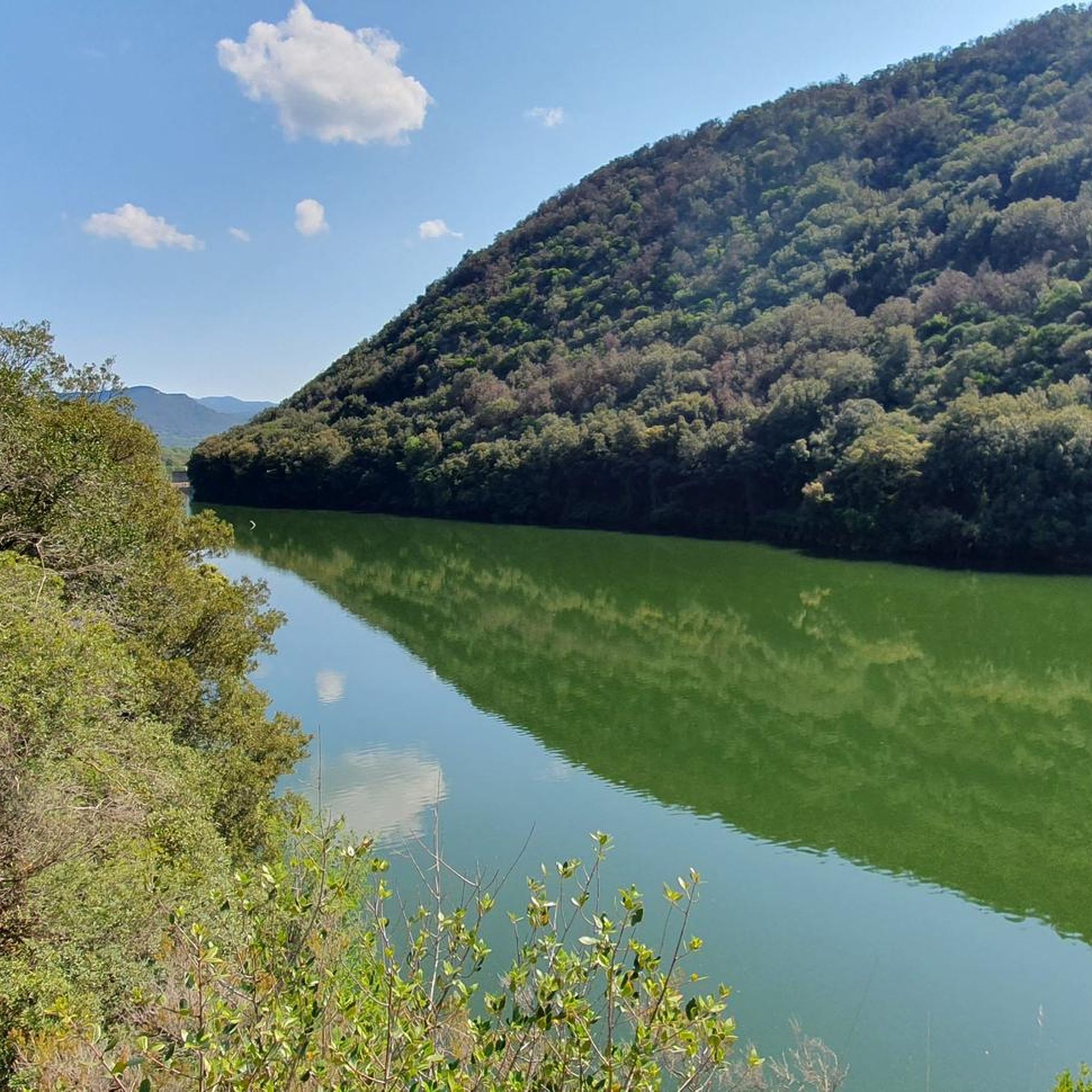

Tips from the Community


Santa Bárbara is a hermitage known and recognized by all the inhabitants of the plain of Ter such as Cellera, Anglès or Sant Martí Sapresa. Together with PuuigdeFrou they form a ridge line that shows the first mountains of the Guilleries from this northern side of the mountain range with a beautiful Hermitage, currently preserved and full of life, which gives us beautiful views of the area.
0
0

Great views even though I was in a hurry today. There are many tables and benches to sit on, but I have not seen a fountain and in the attached farmhouse I would say that no one lives there.
3
0
The climb is demanding, but once at the top the views compensate for the effort.
2
2

The current hermitage of Santa Bárbara is structured in two parts.[1] On one side is what would be the two-story shelter covered with a gabled roof with slopes facing the façade. On the ground floor there are three openings, such as two small windows framed by stone posts and covered by a wrought iron lattice. But above all, the lintel portal with a semicircular arch with some medium-sized voussoirs stands out. On the first floor there are two openings of similar typology, that is, rectangular, with a monolithic lintel forming a flat arch, stone pillars and a worked parapet.[1] On the other hand, the hermitage itself is arranged, covered with a mixed roof, that is, half with gable slopes on the façade and the other half with a single slope on the façade. On the ground floor, the large voussoir portal with a semicircular arch stands out with some large and very well squared voussoirs.[1] As for the first floor, we find a rectangular opening with a monolithic lintel and stone pillars with a stained glass window that reproduces a tree. But in this sector the impressive belfry with a single lowered arch eye stands out especially. Its bell contains a long inscription. On one side it says: "Parish of Sant Martí Sapresa: Hermitage of Santa Bárbara 1952 Laus Deu." And to the other "Friends of Santa Bàrbara 2002: the friends of Santa Bàrbara to the Poble d'Anglès and to all those who venerate this indret".[1] The interior of the hermitage is a small chapel with a single nave, with two sections and a chancel and basically supported by two pointed arches with an arrow much more accentuated than the light. The section of the head, where we find the half-round apse, would correspond to the roof on one slope; The middle section would correspond to the bell tower and the foot section is where we find the gabled roof. In this sector we also find two important elements, such as a large quadrangular opening, with a monolithic lintel, stone pillars and a worked parapet, and a colored stained glass window that alludes to the crucifixion. The other would be a stone portal that communicates with the shelter.[1] In the section of the head there is a small altar table, as well as a small niche framed in stone that houses an image of Saint Barbara made in Osor following the resin procedure or technique.[1]
0
1

Hill with panoramic views of the castle of Farners, the hermitage and its surroundings. Access to its highest point requires the help of fixed ropes that have been installed to help progress.
0
0

The most representative summit of Cellera del Ter that rises to 839 meters from where you can see the Pica de Canigó and the Medes Islands.
4
0

843 meters. It is the mountain that governs the valley of the Cellera de Ter. From the summit we will contemplate splendid views towards the valley, the plain of the Forest and the mountains of the Guilleries. The large wooden cross was first installed in 1966 by the Scout Group of the same name.
0
0
Frequently Asked Questions
What are the most prominent mountain peaks directly accessible from La Cellera de Ter?
The most prominent mountain directly associated with La Cellera de Ter is Puig d'Afrou. It offers a well-marked circular hiking route from the town and provides spectacular panoramic views. Another neighboring mountain, Santa Brígida, is also noted for adventure sports like paragliding.
What kind of views can I expect from the mountain peaks in this region?
The peaks around La Cellera de Ter offer extensive and diverse views. From Puig d'Afrou, you can see the Selva region, the Girona Pyrenees, the Costa Brava, the Ter Valley, the Collsacabra mountain range, and the Empordà plain. Sant Miquel de les Formigues is known for its wide panoramic views extending from Pedraforca to Cap de Creus, while Turó de vent provides views of the castle of Farners and the surrounding area.
Are there any family-friendly mountain peaks or viewpoints suitable for all ages?
Yes, Ermita de Santa Bárbara is considered family-friendly. It offers great views and has tables and benches, making it a good spot for a break. The hike to Puig d'Afrou, while involving elevation gain, can also be enjoyed by families depending on their fitness level, with its path winding through chestnut forests.
What historical or religious sites can be found on these mountain peaks?
Several peaks feature historical and religious sites. The Sant Grau Hermitage is a religious building and summit offering impressive views. Similarly, Ermita de Santa Bárbara and Sant Roc Hermitage are significant religious buildings located on peaks, providing both spiritual and scenic experiences. Turó de vent offers panoramic views that include the historic castle of Farners.
What are the hiking conditions and difficulty levels for the peaks around La Cellera de Ter?
Hiking conditions vary. The circular route to Puig d'Afrou involves an elevation gain of nearly 700 meters and typically takes just over three hours, winding through chestnut forests. The climb to Sant Grau Hermitage is described as demanding but rewarding, with sections having significant unevenness. For Turó de vent, access to its highest point requires the help of fixed ropes in some sections, making it a more challenging ascent.
Are there opportunities for other outdoor activities besides hiking near these peaks?
Yes, the area around La Cellera de Ter offers a variety of outdoor activities. Puig d'Afrou is a popular spot for mountain biking and paragliding, with its summit often used as a launch site. Santa Brígida Mountain is also noted as a paragliding launch site. For more structured routes, you can explore cycling routes or running trails in the vicinity.
What are some recommended hiking routes to reach these mountain peaks?
A well-marked circular route to the summit of Puig d'Afrou begins from the school car park in La Cellera de Ter. For other peaks, you can find various routes, such as the 'Font del Bassi – Puig d’Afrou loop from la Cellera de Ter' or 'Puig D'Afrou – Puigdefrou loop from la Cellera de Ter', which are detailed in the Hiking around La Cellera De Ter guide.
What natural features can I explore on a longer excursion near the peaks?
For a longer excursion, especially when descending from Puig d'Afrou, you can detour to visit the Pasteral Reservoir, the Colldegria Dolmen, and the Pasteral caves, which are abandoned marble mines connected to an underground labyrinth. These offer a mix of natural beauty and historical intrigue.
What do visitors particularly enjoy about the mountain peaks around La Cellera de Ter?
Visitors consistently praise the impressive and wide-ranging panoramic views from the summits, such as those from Sant Grau Hermitage and Sant Miquel de les Formigues. The challenging yet rewarding climbs, the natural beauty of the chestnut forests, and the presence of historical hermitages also contribute to a memorable experience.
Are there any specific tips for hiking to the summits with fixed ropes?
For summits like Turó de vent, where access to the highest point involves fixed ropes, it's important to be prepared for a more challenging section. These ropes are installed to facilitate passage through exposed areas, so ensure you have appropriate footwear and are comfortable with such terrain. The views of Farners castle and the surrounding area from the top are highly recommended.
What is the geological composition of the Guilleries mountains where these peaks are located?
The Guilleries Massif, which includes the peaks around La Cellera de Ter, is an ancient mountain range primarily composed of granitic and shale materials. This geological makeup contributes to the distinctive terrain and natural beauty of the region.
Most popular routes around La Cellera De Ter
Most popular attractions around La Cellera De Ter

Get inspired with the komoot mobile app


Explore more
See even more amazing summits around La Cellera De Ter with these guides:
