Top 6 Castles around Ariza
Castles around Ariza, a region in Spain, offer a glimpse into a rich historical past, marked by strategic importance between the kingdoms of Aragon and Castile. The area features diverse landscapes, from elevated ridges to hilltops, providing natural defensive positions for these ancient structures. Many castles, though some are in ruins, stand as significant landmarks reflecting centuries of conflict and architectural evolution. Exploring these sites allows for an understanding of the region's historical significance.
Best castles around Ariza
- The most…
Last updated: July 3, 2026
Monteagudo de las Vicarías
Highlight • Settlement
Translated by Google •
Tip by

Monteagudo de las Vicarías Castle
Highlight • Castle
Opening Hours: Wednesday to Sunday, 10:00 AM to 2:00 PM and 4:00 PM to 7:30 PM. Closed Monday and Tuesday.
Translated by Google •
Tip by
Sign up now to discover places like this
Get recommendations on the best single tracks, peaks, & plenty of other exciting outdoor places.
Sign up for free
Views of Monreal de Ariza Castle
Highlight • Viewpoint
Translated by Google •
Tip by

Embid Castle
Highlight • Castle
Translated by Google •
Tip by

Castle and Viewpoint of Torrehermosa
Highlight • Castle
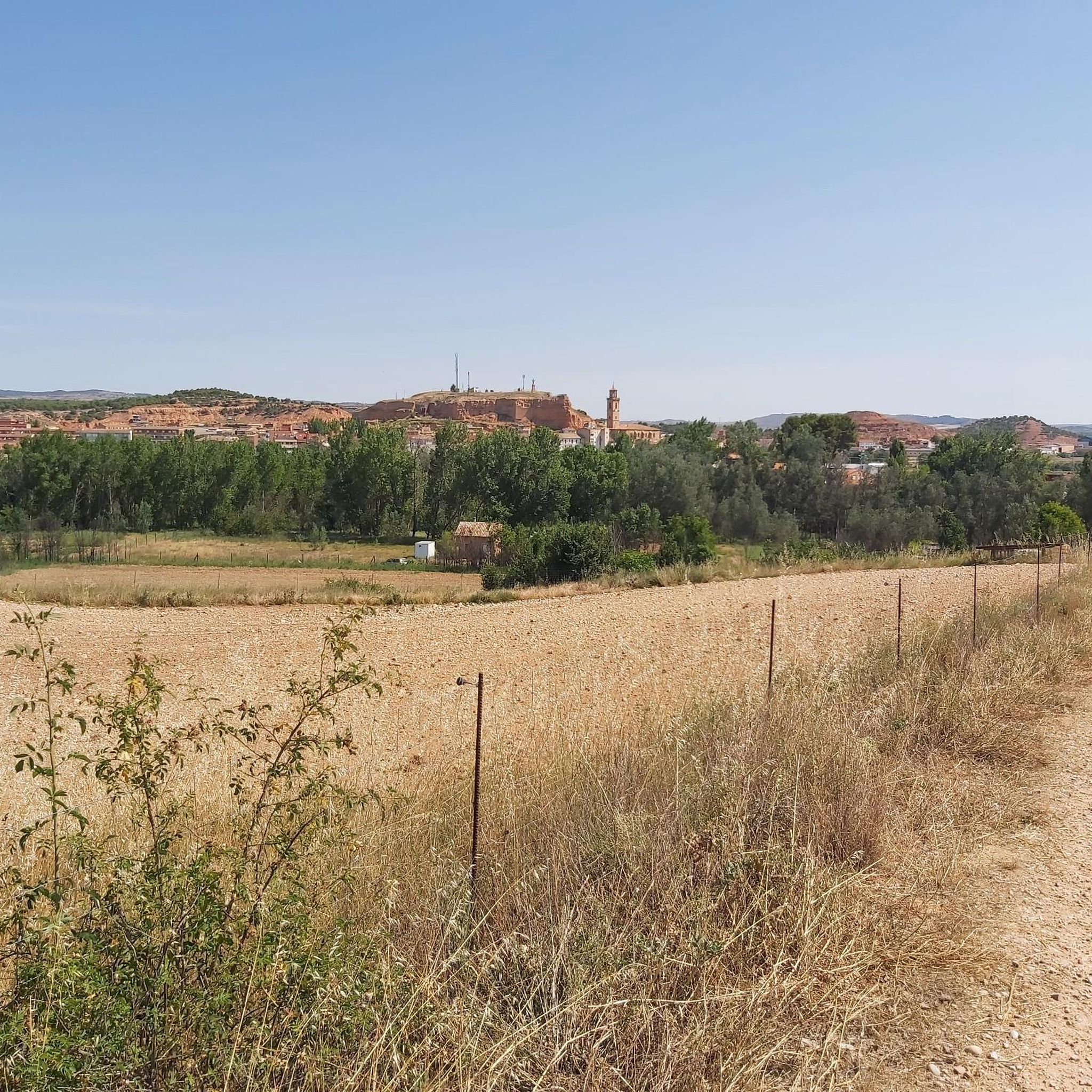
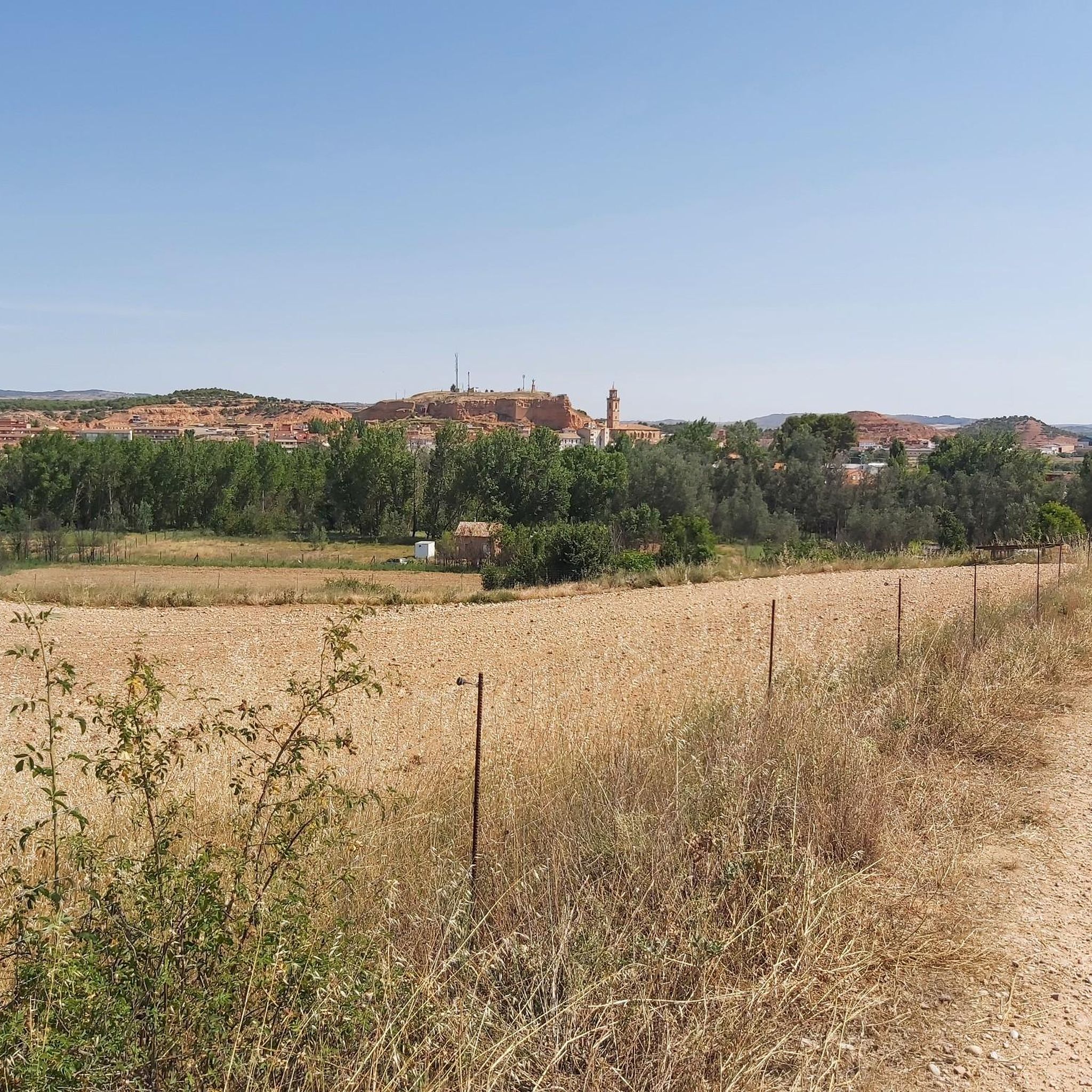
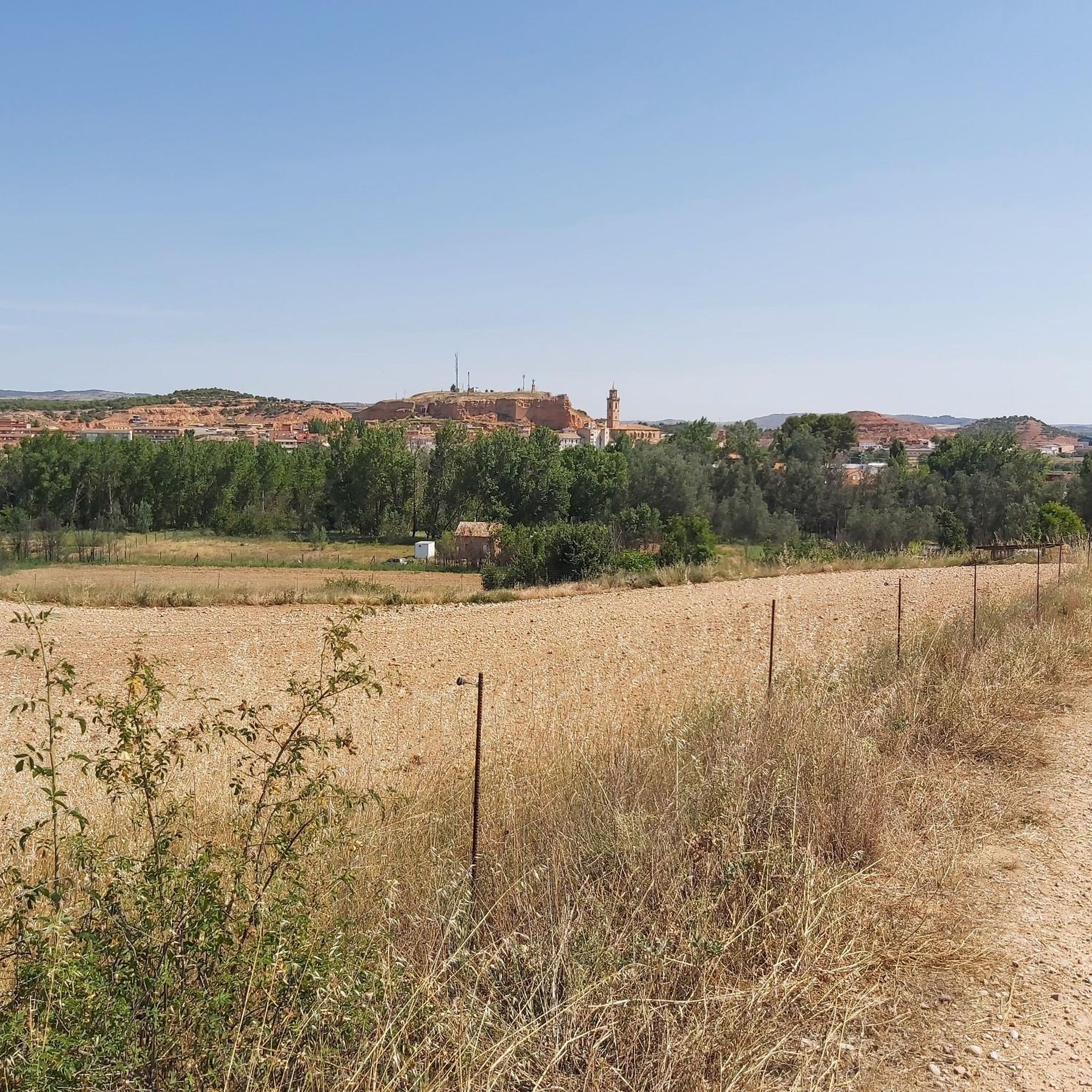
It has an old castle, now a beautiful viewpoint, caves beneath the castle hill, a beautiful and large church, …
Translated by Google •
Tip by

Sign up for free to discover even more castles around Ariza.
Sign up for free
Already have an account?
Start today with a free account
Your next adventure awaits.
Login or Signup

Tips from the Community

15th-16th Century Castle Opening Hours: Wednesday to Sunday, 10:00 AM to 2:00 PM and 4:00 PM to 7:30 PM. Closed Monday and Tuesday. This Gothic-Renaissance castle-palace, associated with the Mendoza family, has a pentagonal floor plan. At its corners rise towers of varying shapes and sizes; three stand out: the western tower, circular; the southern tower, rectangular; and the eastern tower, octagonal on the exterior and hexagonal on the interior. All are connected by a wall-walk. The towers and walls are crowned with striking crenellations. It has two gates, the main gate and a false gate, both with pointed arches and defended by machicolations. Inside, the Renaissance arcaded courtyard is particularly noteworthy, featuring a double gallery and beautiful Plateresque plasterwork decoration on the upper level. A passageway in the western wall once connected the castle to the church.
1
0

It's a beautiful town in the province of Zaragoza, bordering Soria. It has an old castle, now a beautiful viewpoint, caves beneath the castle hill, a beautiful and large church, and a beautiful square with a statue of its most distinguished son, Saint Pascual Bailon. The town hall has a very old façade. A plaque commemorates Vila Real's gratitude to Saint Pascual Bailon and the town. On the town's pediment, paintings commemorate the miracles of Saint Pascual when he was a shepherd as a child. Before and after the town, there are several peirones (stone crosses) that commemorate the popular saint, Saint Pascual.
0
0

The castle of Monteagudo de las Vicarías is located in the south-eastern part of the old border town between the neighboring and enemy kingdoms of Aragon and Castile
0
0

The castle of Monreal de Ariza was built by order of the Aragonese king Alfonso I, the fighter, to defend his border from Muslim and Castilian attacks. Today in ruins, the vision of this fortress must have commanded a lot of respect among those who wanted to take it.
0
0

With the mission of defending the Kingdom of Aragon from the Kingdom of Castile, this Castle is located on top of a hill overlooking the town with the natural defense of the Henar River. All these castles in the Calatayud region were very important during the War of the Two Pedros. It is currently in ruins.
1
1
Walled town. The gate in the wall, and the square, where the castle / palace and the church meet, stand out. A pity that the cars are parked, because the square is very beautiful. Despite being a very beautiful town, it is difficult to find where to eat.
2
0
Frequently Asked Questions
Which castles in the Ariza region are best preserved?
For a well-preserved experience, visit Monteagudo de las Vicarías Castle. This Gothic-Renaissance castle-palace features a distinctive pentagonal floor plan, an octagonal tower of homage, and a reconstructed 16th-century interior courtyard. It offers a clear glimpse into its historical structure and strategic importance.
What is the historical significance of the castles in Ariza?
The castles in the Ariza region hold immense historical significance, primarily due to their strategic location between the former kingdoms of Aragon and Castile. Many, like the Castillo de Ariza, played crucial roles in medieval conflicts such as the War of the Two Pedros and are mentioned in ancient chronicles like the *Cantar de Mío Cid*. They represent centuries of border defense and architectural evolution.
Are there family-friendly castles to visit in the Ariza area?
Yes, Cetina Castle-Palace is categorized as family-friendly. While specific activities for children are not detailed, its robust medieval architecture and historical context can be an engaging experience for families exploring the region's heritage.
What outdoor activities can I do near the castles in Ariza?
The Ariza region offers various outdoor activities. You can find numerous cycling routes, including options for road cycling and touring bicycles. For example, explore the 'Ariza and Embid Castles Loop' for road cycling or the 'San Francisco Church – Castillo de Ariza loop' for touring. There are also running trails, such as the 'Castillo de Ariza loop from Ariza'. You can find more details on these routes in the Road Cycling Routes around Ariza, Cycling around Ariza, and Running Trails around Ariza guides.
What is the best time of year to visit the castles in Ariza?
The Ariza region experiences a continental Mediterranean climate. Spring (April-May) and Autumn (September-October) generally offer pleasant temperatures for exploring the castles and surrounding areas. Summers can be hot, and winters can be cold, though some castles may remain open. Check specific opening hours for individual sites like Monteagudo de las Vicarías Castle, which is closed on Mondays and Tuesdays.
Are there any castles in Ariza that are now primarily viewpoints?
Yes, the Views of Monreal de Ariza Castle, though in ruins, offers a strategic position on a hill overlooking the town, making it an excellent viewpoint. Similarly, the Castle and Viewpoint of Torrehermosa is an old castle that now serves as a beautiful viewpoint, providing panoramic vistas of the surrounding area.
Can I find cafes or restaurants near the castles in Ariza?
The castles are often located near or within small towns and villages. While specific establishments are not listed for each castle, you can typically find local cafes and restaurants in the nearby towns of Ariza, Cetina, Monreal de Ariza, and Monteagudo de las Vicarías to refresh yourself after your visit.
What should I wear when visiting castles in the Ariza region?
Given that many castles are on hilltops or in varying states of preservation, comfortable walking shoes are highly recommended. Layers of clothing are advisable, especially during spring and autumn, to adapt to changing temperatures. If visiting in summer, light clothing and sun protection are essential, while winter visits will require warmer attire.
Are there any castles near Ariza that are less crowded?
While popularity can vary, exploring castles that are more in ruins, such as Embid Castle or the Castillo de Ariza, might offer a quieter experience compared to more extensively preserved sites. These locations provide a chance to appreciate their historical context and strategic views without large crowds.
How long does it typically take to visit a castle in the Ariza region?
The duration of a visit can vary significantly depending on the castle's condition and your interest. For well-preserved sites like Monteagudo de las Vicarías Castle, you might spend 1-2 hours exploring its features. For ruined castles or viewpoints, a visit could range from 30 minutes to an hour, allowing time to appreciate the historical context and views.
Is public transport available to reach the castles around Ariza?
Public transport options to individual castles in rural areas like Ariza can be limited. It is generally recommended to travel by car for flexibility. However, some towns like Ariza itself may have bus connections from larger cities. Always check local transport schedules in advance for specific routes and availability to the smaller villages where many castles are located.
Most popular attractions around Ariza

Get inspired with the komoot mobile app


Explore more
Looking for the best castles somewhere else? Discover other guides around Ariza:
