Top 6 Castles around Guadalajara
Best castles around Guadalajara offer a captivating glimpse into a rich historical landscape. The province of Guadalajara, Spain, features a diverse collection of castles, ranging from ancient Moorish strongholds to Christian fortresses and noble residences. These structures are often strategically located on hills overlooking valleys or plains, providing commanding views of the surrounding terrain. Many have been preserved or restored, showcasing medieval architecture and military design.
Best castles around Guadalajara
- The most popular castles is Castillo de Torija, a…
Last updated: May 6, 2026
Palace of the Infantado
Highlight • Castle
Translated by Google •
Tip by

Pioz Castle
Highlight • Castle
Translated by Google •
Tip by
Sign up now to discover places like this
Get recommendations on the best single tracks, peaks, & plenty of other exciting outdoor places.
Sign up for free
Castillo de Chiloeches
Highlight • Castle
Translated by Google •
Tip by

Castillo de Torija
Highlight • Castle
Translated by Google •
Tip by

Castillo de Torremocha
Highlight • Castle
Translated by Google •
Tip by

Sign up for free to discover even more castles around Guadalajara.
Sign up for free
Already have an account?
Start today with a free account
Your next adventure awaits.
Login or Signup
Other adventures around Guadalajara

Tips from the Community

Beautiful on the outside, spectacular on the inside. It is a work of art that no one should miss. The events held in its courtyard, such as the Guadalajara Storytelling Marathon, are also spectacular.
0
1

The Torremocha Castle represents the history and monumentality of Santorcaz. The current construction dates back to the 14th and 15th centuries. It was a fortress for the defence and control of the Anchuelo river plain, built on a previous watchtower of Arab origin that formed part of the strategic line of the Alcalá stronghold. At different times it has been the residence of nobles, the seat of archbishops and a prison for clerics, where Cardinal Cisneros and the Princess of Éboli were among others. Attached to the castle walls is the church of San Torcuato, founded in the 13th century, with a beautiful Mudejar tower.
0
0
The Castle is a Prehistoric settlement located on a hill for better defense.
1
0

In restoration works, it presents a beautiful appearance
2
0

Like the fortified archbishop's palace of Alcalá de Henares, this enclosure was ordered to be built by Archbishop Pedro Tenorio in the 14th century. It is a strong plaza with seven towers, a wall and the church of San Torcuato.
1
0

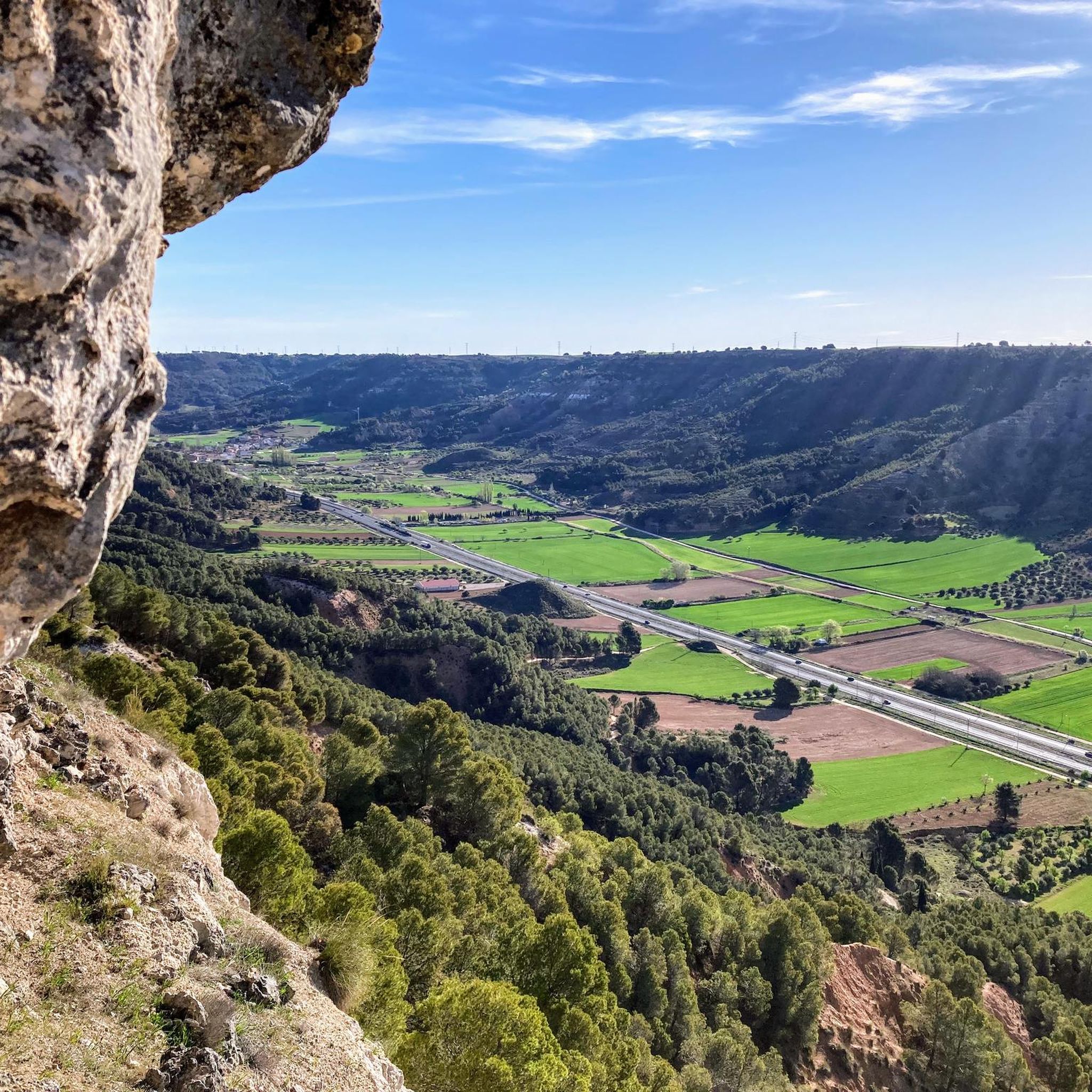
An observation platform located on an exposed rock outcrop on a hilltop overlooking the town of Chiloeches. The wooden platform offers a panoramic view of the surrounding landscape.
1
0

Interesting work of the s. XV, which allows us to appreciate how a castle was arranged when the use of artillery had already been imposed: harquebuses and cannons. It is erected on a plain, and preserves both its interior and towers, as well as the outer enclosure and the moat. Free access to the outside. To visit the interior, contact the Pioz town hall, telephone 949.272.076.
3
0
Torija Castle is an exquisite medieval military fortress and a must-see heritage site on the Camino del Cid. The castle contains a museum showcasing the history and culture of the region.
1
0
Frequently Asked Questions
Which castles in Guadalajara are particularly family-friendly?
For families, the Castillo de Torija is an excellent choice. It houses the Provincial Tourism Interpretation Center, offering an engaging way to learn about the region's history and culture. The Palace of the Infantado, with its unique Gothic-Isabelline style, also offers a fascinating historical experience for all ages.
What is the best time of year to visit the castles in Guadalajara?
The best time to visit the castles in Guadalajara is generally during spring (April to June) and autumn (September to October). The weather is pleasant for exploring, and the landscapes are beautiful. Summer can be very hot, while winter can be chilly, though many castles remain open year-round.
Are there castles in Guadalajara that offer impressive panoramic views?
Absolutely. The Castillo de Chiloeches is situated on a hilltop with an observation platform, providing very good panoramic views of the surrounding landscape. The Castle of Jadraque also offers vast panoramic views from its commanding position overlooking the Henares river plain.
Which castles are best for history enthusiasts interested in medieval architecture?
History enthusiasts will appreciate the Pioz Castle, a 15th-century work that showcases how castles were arranged after the widespread use of artillery. The Castle of Molina de Aragón, one of the largest in the province, reveals its Islamic origins and extensive history as a borderland stronghold. The Castle of Torija, originally built by the Knights Templar, also offers deep historical insights.
Can I find any hidden gem castles in the Guadalajara area?
While many castles are well-known, the Castillo de Torremocha, with its seven towers and attached church, offers a glimpse into a less-frequented but historically rich site. The Castle of Zafra, remarkably situated on a sandstone outcrop, is another unique and almost impregnable fortress that offers a sense of discovery.
Are there outdoor activities or routes near the castles in Guadalajara?
Yes, many castles are situated in areas perfect for outdoor activities. For example, you can find gravel biking routes around Guadalajara that pass near castles like Torija. There are also MTB trails, such as the 'Guadalajara and Chiloeches Castle Loop', and road cycling routes like the 'Guadalajara and Torija Castle Loop'. You can explore these and more in the Gravel biking around Guadalajara, MTB Trails around Guadalajara, and Road Cycling Routes around Guadalajara guides.
Is it possible to stay overnight in a castle in Guadalajara?
Yes, the Castle of Sigüenza offers a unique opportunity to stay in a medieval castle. It has been magnificently restored and now operates as a Parador Hotel, allowing visitors to immerse themselves in history and experience a piece of living heritage.
What kind of historical significance do the castles of Guadalajara hold?
The castles of Guadalajara are rich in history, reflecting centuries of diverse influences. Many, like the Castle of Molina de Aragón and the Alcázar Real de Guadalajara, originated as Moorish strongholds before being conquered and adapted by Christian kingdoms. They served as strategic defensive points, noble residences, and witnessed numerous battles, particularly during the Reconquista and later conflicts like the War of Spanish Succession.
Are there any castles that are more in ruins but still worth visiting for their historical context?
The Alcázar Real de Guadalajara, while largely in ruins today, is highly significant. Archaeological excavations continue to reveal its historical layers, from its 9th-century Andalusian origins to its transformation into a royal palace. The Castle of Cogolludo, though partially destroyed, still provides a strong sense of its original defensive layout and its importance as an Islamic fortress and later a Christian stronghold.
What should I wear when visiting castles in Guadalajara?
Comfortable walking shoes are highly recommended, as many castles involve uneven terrain, stairs, and extensive grounds. Layers of clothing are also advisable, especially during spring and autumn, to adapt to changing temperatures. A hat and sunscreen are useful in warmer months, while a light jacket might be needed even in summer evenings.
Are there any castles that have been converted into museums or cultural centers?
Yes, the Castillo de Torija now houses the Centro de Interpretación Turística de la Provincia de Guadalajara, making it a central point for learning about the region's attractions. It also features a museum dedicated to Camilo José Cela's book 'Viaje a La Alcarria'.
Most popular attractions around Guadalajara

Get inspired with the komoot mobile app


Explore more
Looking for the best castles somewhere else? Discover other guides around Guadalajara:
