Top 5 Caves around Consell
Best caves around Consell are found on the island of Mallorca, where the municipality is located. Mallorca features diverse cave systems with unique geological formations and historical significance. These natural features provide insights into the island's underground landscapes. The area offers a range of cave experiences, from natural grottoes to developed cave dwellings.
Best caves around Consell
- The most popular caves include Cave House, a developed cave where only the entrance is visible as a house facade. These cave…
Last updated: July 3, 2026
Cave House
Highlight • Structure
Translated by Google •
Tip by

Cova de Lourdes
Highlight • Cave
When in 1920 the village priest set up a statue of the Virgin Mary …
Showing Translation
Tip by

Sign up now to discover places like this
Get recommendations on the best single tracks, peaks, & plenty of other exciting outdoor places.
Sign up for free
Avenc de Son Pou
Highlight • Cave
Translated by Google •
Tip by

Cave with Stalactites and Stalagmites
Highlight • Cave
Translated by Google •
Tip by

Start today with a free account
Your next adventure awaits.
Login or Signup

Tips from the Community

Originally, the grotto was called Cova des Coloms because of the wild pigeons that lived here. When in 1920 the village priest set up a statue of the Virgin Mary here, modeled after the famous Lourdes Grotto, more and more people came to this place to ask the holy virgin for healing. This does not seem to have been without effect, as those who were healed left thank-you notes in the rock niches and laid flowers in front of the statue. In 1942, Saint Bernadette, who already knew Mary from before, also moved in here.
4
0


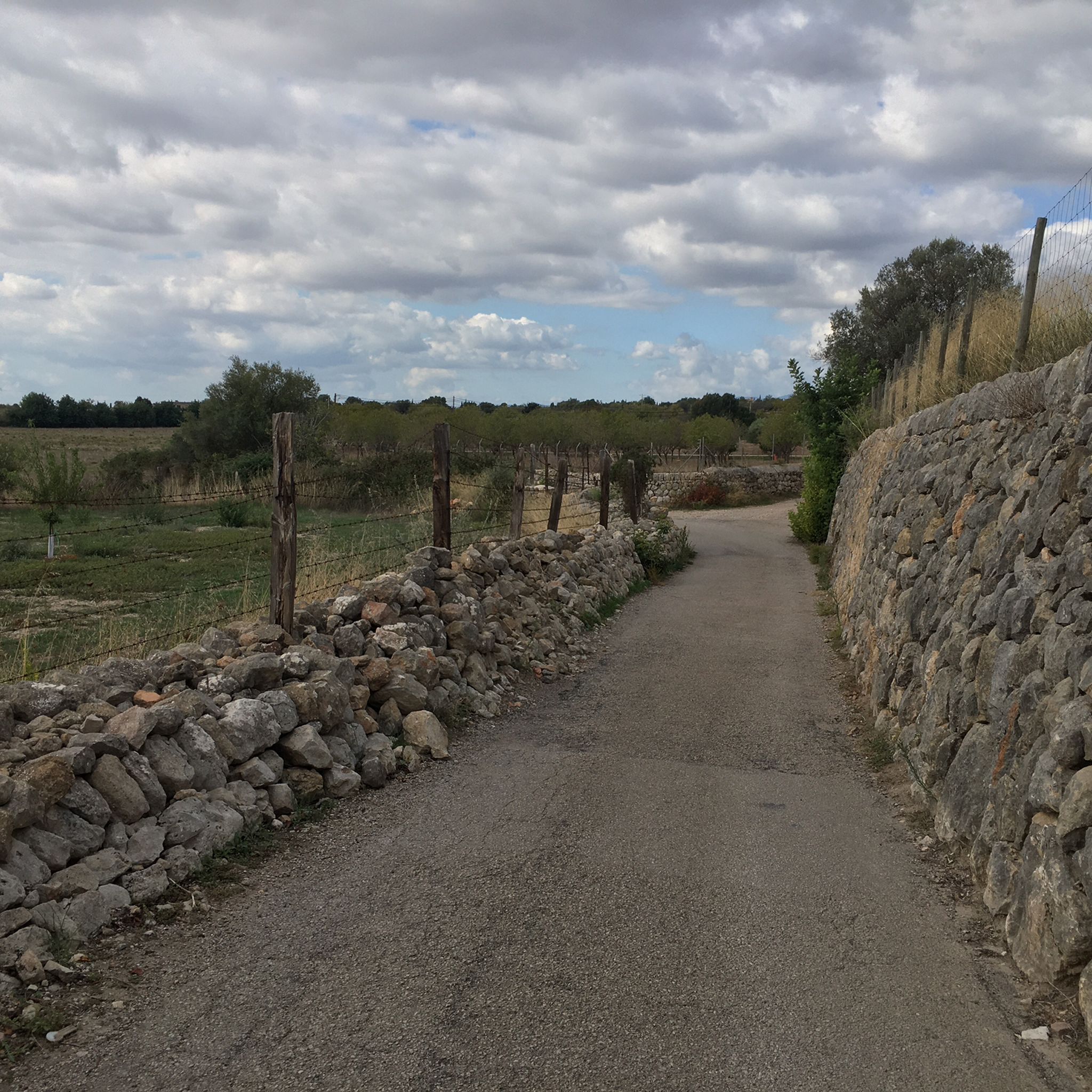
A nice place to linger along the route.
0
0

Not far from the highest point of the complex you will find this grotto/cave with stalactites on the edge of the path.
0
0

Some interesting animals run around in front of the house. E.g. 2 very nice peacocks
6
0

Cave house renovated by a Mallorcan in 2010
1
0

The cave houses built in the overhanging limestone walls were abandoned some time ago by their original inhabitants and are now inhabited by dropouts.
1
0

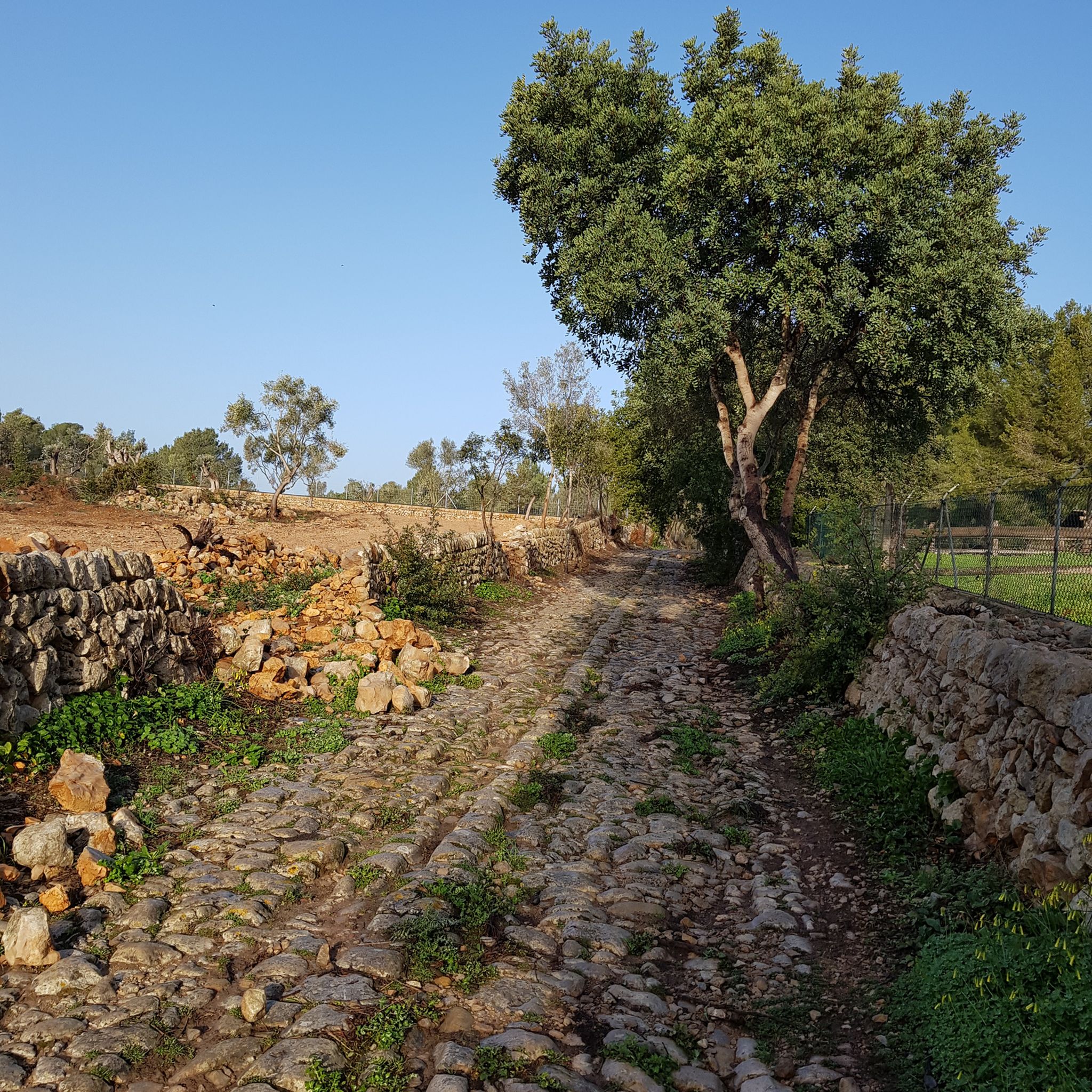
The cave house is located on the way from Sa Comuna (a barbecue and rest area) to Bunyola. It is called Cases de la Cova or Coca Dell Sensor Guillem. It is a developed cave, of which only the entrance can be seen as a house facade.
1
0
Frequently Asked Questions
What are some unique cave experiences near Consell?
Beyond the local Cave House, which is a developed cave dwelling, Mallorca offers diverse options. You can explore the famous Cova de Lourdes, known for its pilgrimage history, or venture to the Coves del Drach for an underground lake concert. The Coves dels Hams feature unique fishhook-shaped stalactites and a musical light show.
Are there any historically significant caves in the Consell area or nearby Mallorca?
Yes, several caves have historical importance. The Coves del Drach have been known since at least 1338. The Coves d'Artà were once used as a pirate hideout. Closer to Palma, the Cova de Portals Vells was historically a sandstone quarry for constructing Palma Cathedral, with stone carvings and an altar reflecting its past use by seamen. The Cova de Lourdes also has a rich history as a pilgrimage site since 1920.
What kind of geological formations can I expect to see in the caves around Consell?
The caves in the region, including the Cave with Stalactites and Stalagmites, are known for impressive stalactites and stalagmites. The Coves dels Hams are famous for their unique fishhook-shaped formations. The Coves d'Artà boast gigantic stalagmites, such as the 22-meter-tall 'Queen of Paradise,' while the Coves de Campanet are noted for their delicate and white formations.
Are there family-friendly caves near Consell?
Many of Mallorca's major caves are suitable for families. The Coves del Drach and Coves dels Hams offer engaging experiences with boat rides and light shows. The Coves d'Artà also feature a light and sound show that can captivate children. These developed caves typically have well-maintained paths and guided tours.
What are the accessibility options for caves around Consell?
While the Avenc de Son Pou is officially closed, and local natural grottoes may have challenging access, some of the larger, commercialized caves on Mallorca offer better accessibility. The Coves del Drach, for example, have paved paths, though some areas may still involve stairs. It's best to check with individual cave attractions for specific accessibility details.
What is the best time of year to visit caves in Mallorca?
Caves maintain a relatively constant cool temperature year-round, making them a good option regardless of the season. However, visiting during the shoulder seasons (spring and autumn) can offer a more pleasant experience, as the weather outside is mild, and tourist crowds are generally smaller than in peak summer.
What outdoor activities can I do near the caves around Consell?
Consell is a great base for outdoor activities. You can find numerous road cycling routes, such as the 'Climb to the Sanctuary of Lluc' or the 'Algaida Mill – Cura Sanctuary (Randa) loop.' There are also challenging MTB trails like the 'Coll de Sóller – Deià loop' and various cycling routes, including the 'Scenic lake view – Coll de Sóller (Sóller Pass) loop.' You can explore these and more at Road Cycling Routes around Consell, MTB Trails around Consell, and Cycling around Consell.
Are there less crowded caves to visit near Consell?
For a less commercialized experience, consider the Coves de Campanet, located in the foothills of the Tramuntana mountains. These caves are known for their delicate formations and offer a more tranquil visit compared to the more famous ones. The Coves de Gènova, closest to Palma, also provide a more intimate guided tour experience.
What do visitors enjoy most about the caves around Consell?
Visitors appreciate the unique blend of natural beauty and historical significance. The Cave House offers a glimpse into traditional cave dwellings, while the Cova de Lourdes provides a spiritual and historical experience. The impressive stalactites in caves like the Cave with Stalactites and Stalagmites are also a highlight, offering a nice place to linger.
Are there any caves near Consell with unique wildlife or scientific interest?
The Coves de Campanet are of scientific interest due to their unique endemic cave fauna and paleontological remains of Myotragus balearicus, an extinct goat-antelope species. While not a cave, the Cova de Lourdes was originally known as Cova des Coloms due to the wild pigeons that inhabited it.
What should I wear when visiting caves in Mallorca?
Caves maintain a cool, constant temperature, typically around 18-20°C (64-68°F), even on hot days. It's advisable to wear a light jacket or sweater and comfortable, closed-toe shoes with good grip, as paths can sometimes be damp or uneven.
Most popular routes around Consell
Most popular attractions around Consell

Get inspired with the komoot mobile app


Explore more
Extend your search for the best caves by checking out these guides of the top ones around Consell:
