Top 13 Castles around Vilanant
Best castles around Vilanant are located in the Alt Empordà region of Girona, Spain, an area known for its historical remnants, Romanesque churches, and diverse natural landscapes. The municipality offers a blend of cultural significance and scenic beauty, with many sites situated amidst wooded areas and agricultural fields. Visitors can explore medieval fortifications and historical structures that provide insights into the region's past.
Best castles around Vilanant
- The most popular castles is Church of Sant Llorenç de la Muga,…
Last updated: May 6, 2026
Church of Sant Llorenç de la Muga
Highlight • Religious Site
santllorencdelamuga.cat/ca/Sant Llorenç de la Muga is located in the high Muga valley, in an area also known as the mountain Empordà or the Garrotxa d'Empordà due to its mountainous terrain.
Translated by Google •
Tip by

Sant Ferran Castle
Highlight • Castle
Translated by Google •
Tip by
Sign up now to discover places like this
Get recommendations on the best single tracks, peaks, & plenty of other exciting outdoor places.
Sign up for free
Sant Martí del Far Church and Castle
Highlight • Historical Site
Translated by Google •
Tip by
Castell de les Escaules
Highlight • Castle
Period 13th to 15th century
Location: Hill to the south of the town of Les Escaules
Special Interest
Protection Cultural property of national interest (BCIN)
Translated by Google •
Tip by

Castillo de San Fernando
Highlight (Segment) • Castle
Translated by Google •
Tip by

Sign up for free to discover even more castles around Vilanant.
Sign up for free
Already have an account?
Start today with a free account
Your next adventure awaits.
Login or Signup
Tips from the Community

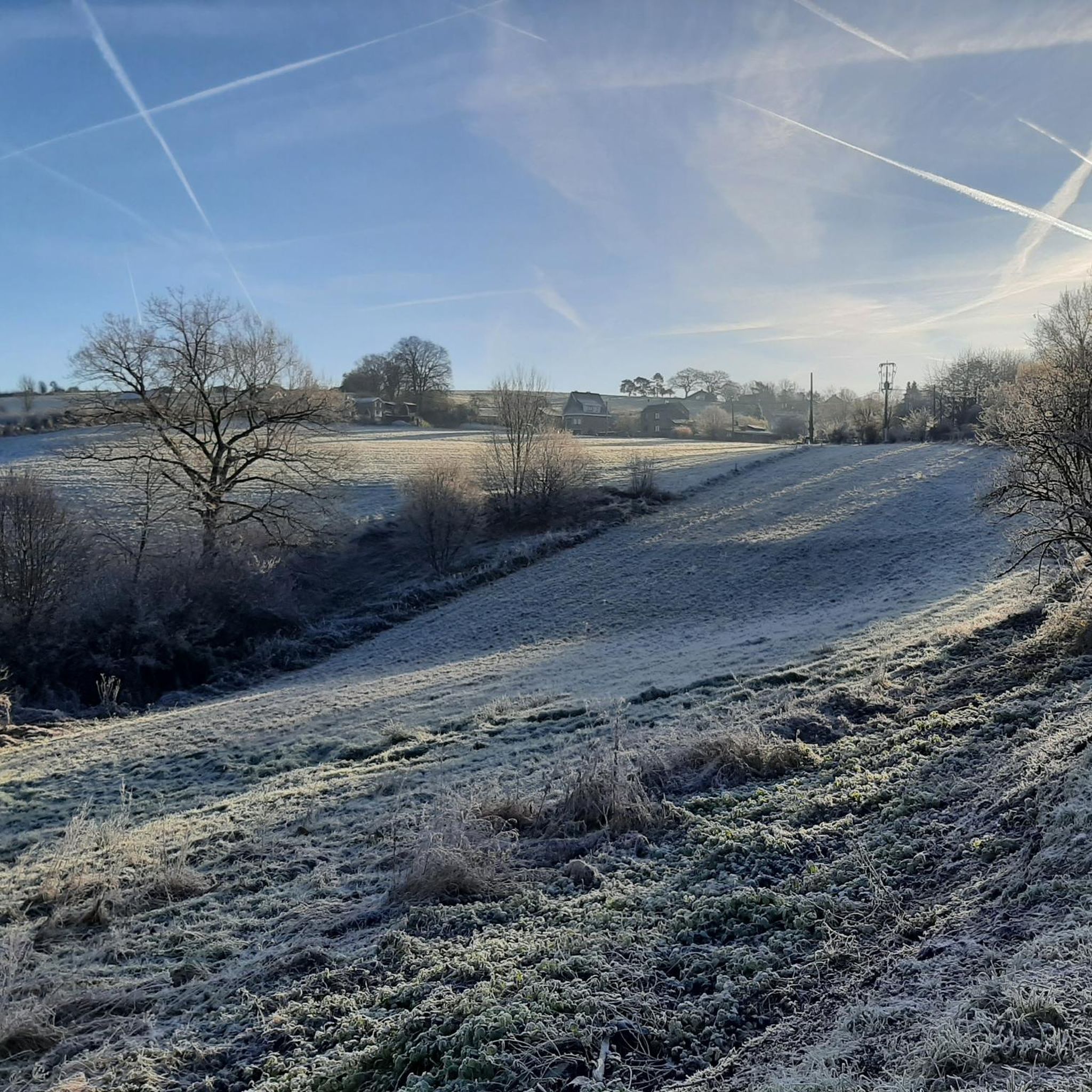
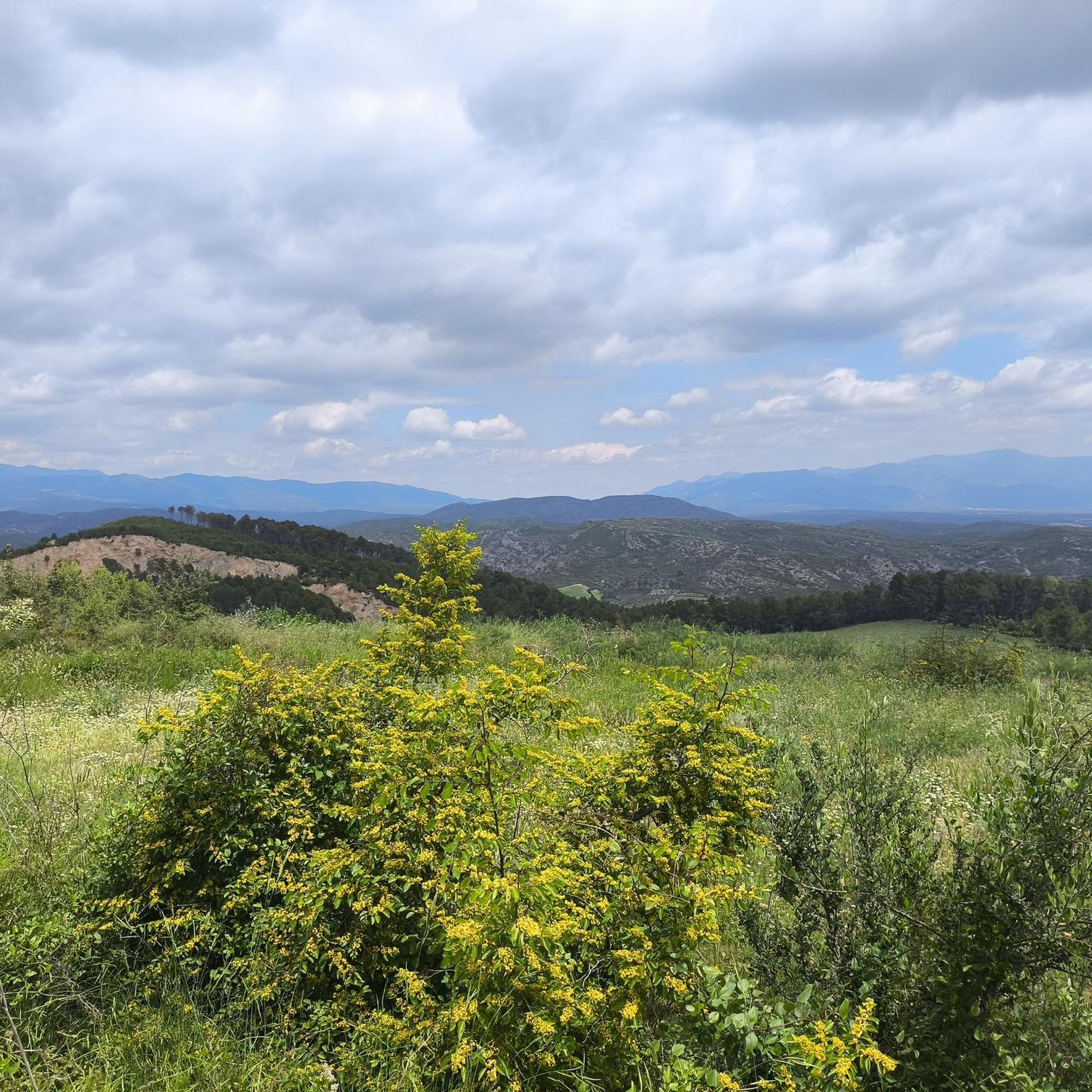
...short or long hike possible 👌🥾...great view
0
0

Sant Llorenc de la muga is considered one of the most beautiful towns in Catalonia and is always worth a visit!
0
0

Fanatical medieval village Where you will lose track Of time ⏲️ This town and its surroundings are so beautiful that you will surely fall in love with it 😍
0
0

The octagonal fortress Castell de Sant Ferran, covering 32 hectares, was built to accommodate 6,000 people and 500 horses. It is the largest bulwark fortress built in Europe in the 18th century.
1
0

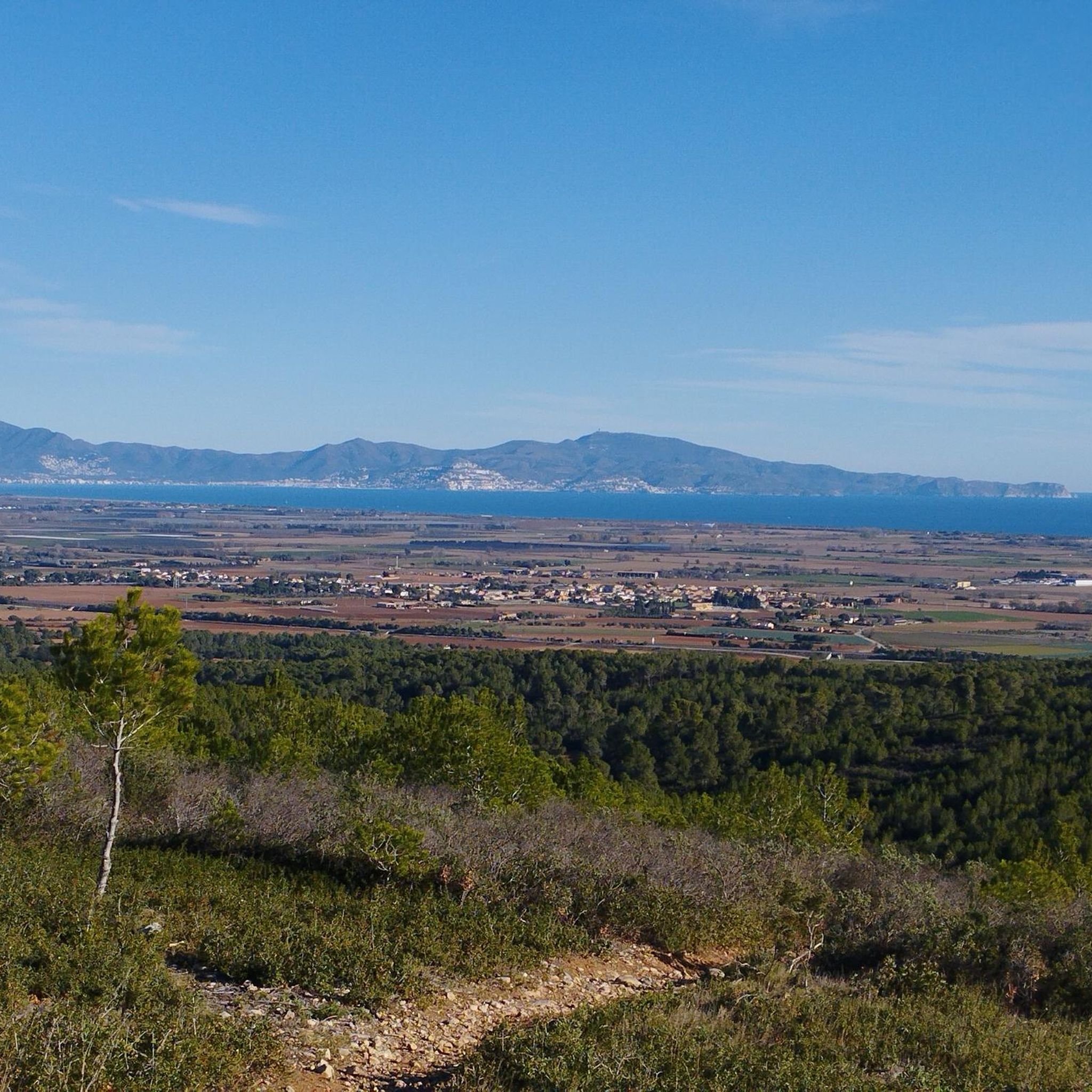
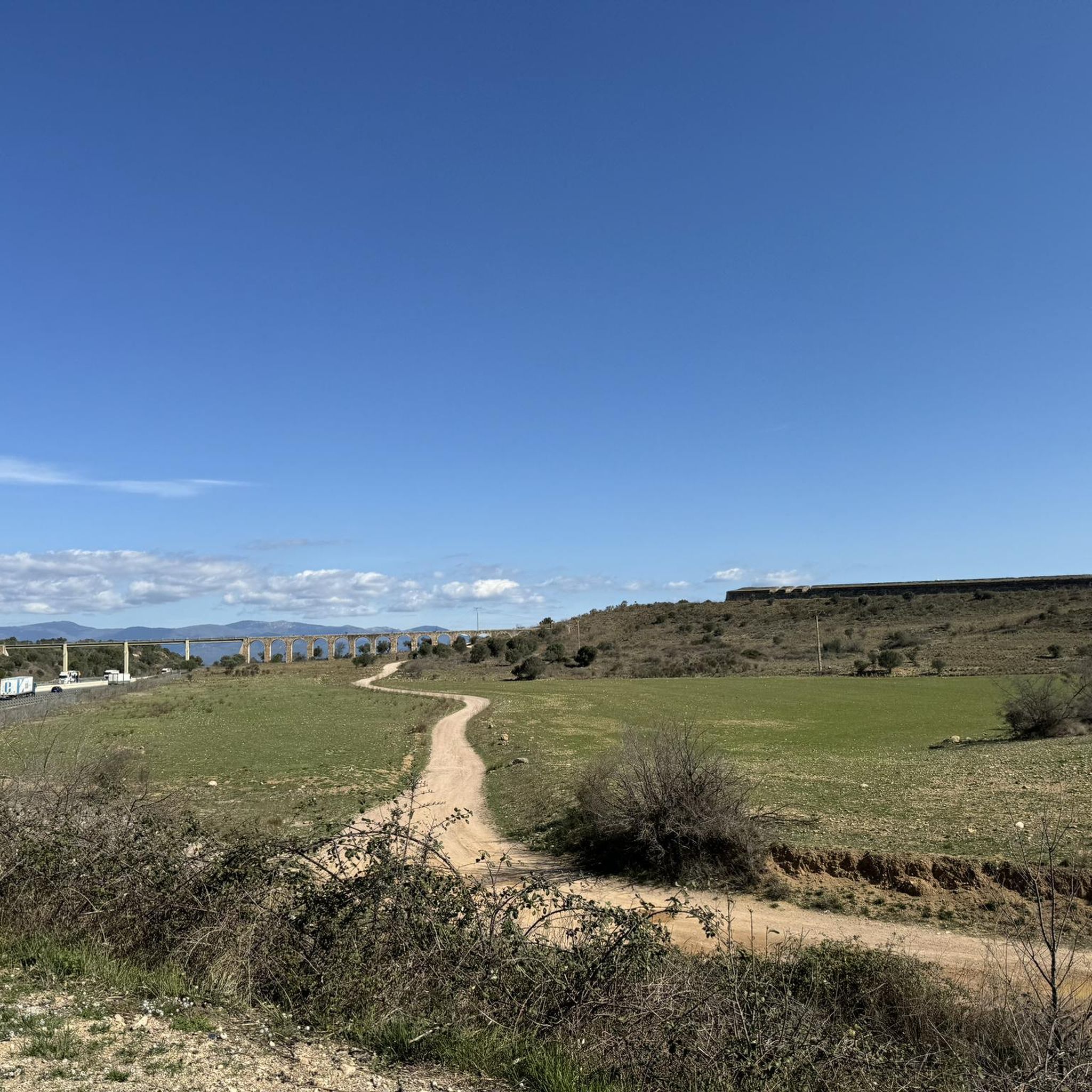
Panoramic views of the Alt Empordar maritime mountains. You have two benches and a picnic area next to the motorhome and parking area. The neighborhood just below the castle is a bit problematic, so don't leave your bike behind because it can be stolen by the group of young people who come up to smoke boil and...
3
0
https://castellsantferran.com/es/horarios https://castellsantferran.com/es/horarios https://www.youtube.com/watch?v=uB1WPtwXzCo The Castle of San Fernando in Figueres, known as Castell de Sant Ferran, is the largest bastioned fortress in Europe, its construction beginning in 1753 under the reign of Ferdinand VI of Bourbon. It was designed by military engineer Juan Martín Zermeño and could house a garrison of 4,000 men. During the War of Independence, it was occupied by Napoleonic troops and later recovered by the Catalan migueletes. In the Spanish Civil War, it served as a concentration point for the International Brigades and a refuge for the Spanish Artistic Treasure, and in 1939 it hosted the last meeting of the Republican Cortes in national territory. It was subsequently used as a barracks until the 1960s and was opened to the public in 1996. The fortress has suffered significant damage throughout its history, including the destruction of part of its walls and structures during explosions in the Civil War. .
3
0
Located on a hill, at the end of the Castell pujada, it is a large bastioned fortification built in the 18th century following the project of the commander of the Corps of Engineers Juan Martín Zermeño. It occupies an area of 32 hectares with a perimeter of 3,120 meters, and the cisterns, located under the parade ground, hold 9 million liters of water. The castle of San Ferran, which had a capacity for 4,000 men, currently constitutes a heritage legacy of the first order, the largest monument in Catalonia and the largest modern fortress in Europe. Due to its enormous dimensions, the sophisticated construction techniques applied in the military engineering of the time, and its excellent state of conservation, a visit to the Sant Ferran castle constitutes a unique experience.
3
0
The temple of Sant Martí del Far, located at the highest part of the town, was part of the castle built at the end of the s. XIII. It is a single nave church with a rectangular apse. The vault of the nave is pointed and followed, the presbytery has the same shape. The cover, located to the west, has three semicircular arches in gradation, lintel and smooth tympanum. The most remarkable element of this facade is the upper half-point arched window, of large dimensions and with saw-tooth decoration. A saddle bell tower with two semicircular arches and an upper corsair supported by nine corbels complete this facade. The walls of the apse rise above the level of its vault. In this area, on the roof, a set of long loopholes opens around this rectangular apse. The upper part of the wall is finished by a corsera formed by small pointed arches. The fortification of the apse and that of the bell tower on the front are from the same period as the rest of the temple; on the other hand, on the side walls of the nave are raised stone walls finished with rectangular battlements that correspond to a late reform, possibly from the 18th century. On each of the side walls of the nave there are also five gargoyles and in the apse we find four with a very simple decoration. The entire church presents a set of well-spaced ashlars that form perfectly consecutive rows. In the upper part of the apse where the loopholes open there is a frieze made up of three rows of ashlars of a darker color that stands out within the monument as a whole. The church of Sant Martí del Far has been documented since the 13th and 14th centuries. It seems that it was rebuilt during the 13th century, when the Count of Empúries had the castle built. It is a Romanesque temple that indicates the transition to the Gothic style.”
0
0
Frequently Asked Questions
What are some of the most historically significant castles in the Vilanant area?
The region boasts several sites with deep historical roots. The Church of Sant Llorenç de la Muga is part of a medieval walled enclosure with a castle documented since the 13th century. Another notable site is the Sant Martí del Far Church and Castle, which combines Romanesque architecture with Gothic transitions and fortified walls, also documented since the 13th century. Additionally, the Castell de les Escaules, dating from the 13th to 15th centuries, served as a border fortification.
Are there any large, impressive fortresses to visit near Vilanant?
Yes, the Sant Ferran Castle (also known as Castillo de San Fernando) is a must-see. This 18th-century bastioned fortification is considered the largest modern fortress in Europe, covering an area of 32 hectares. It's a first-order heritage legacy and the largest monument in Catalonia.
What kind of outdoor activities can I do near the castles in Vilanant?
The Vilanant area offers various outdoor activities. You can find numerous hiking trails, such as the easy 'Taravau y Sant Jaume dels Solers — circular por el río Manol' or 'Riu Manol loop from Vilanant'. For runners, there are several running loops, and mountain bikers can explore MTB trails like 'La Plana de l'Empordà – circular desde Navata por Borrassà y Ordis'.
Are there family-friendly castles or historical sites in the Vilanant region?
Yes, several sites are considered family-friendly. The Church of Sant Llorenç de la Muga and its medieval walled enclosure offer an engaging historical experience. The vast Sant Ferran Castle is also listed as family-friendly, providing ample space for exploration. These locations offer a blend of history and open spaces suitable for families.
What is the accessibility like for castles around Vilanant?
Accessibility varies by site. The Castillo de los Moros (also known as Castillo de Solers or Castillo de Escales) is freely accessible, allowing visitors to explore its ruins and surrounding natural beauty at their leisure. For other sites, access might involve walking on uneven terrain or historical pathways. Specific details for wheelchair accessibility are not widely available for all historical ruins in the immediate Vilanant area, but the large Sant Ferran Castle often has better infrastructure for visitors.
Can I find historical facts about the castles near Vilanant?
Absolutely. The castles in the Vilanant area are rich in history. For instance, the Castillo de los Moros dates back to the 13th to 15th centuries and is a national cultural asset, offering insights into medieval defensive architecture. The Sant Ferran Castle, built in the 18th century, played a significant role in military history, including during the War of Independence and the Spanish Civil War.
Are there any hidden gem castles or lesser-known historical sites in the Vilanant region?
While specific 'hidden gem' castles are not widely documented for Vilanant itself beyond the main sites, the Castillo de los Moros, though known, offers a more rustic and less commercialized experience. Its elevated position amidst a wooded area provides picturesque views and a sense of discovery, as it is in a state of progressive ruin, inviting exploration of its remaining cylindrical tower and walls.
What is the best time of year to visit the castles around Vilanant?
The Vilanant region, being in Alt Empordà, Girona, generally enjoys a Mediterranean climate. Spring (April-June) and autumn (September-October) are often ideal, offering pleasant temperatures for exploring outdoor ruins and walking routes without the intense heat of summer. Winter visits are also possible, as many sites are open year-round, but be prepared for cooler weather.
Are there any castles near Vilanant that offer scenic views?
Yes, several castles provide excellent viewpoints. The Castillo de los Moros is situated on a ridge overlooking the confluence of the Cistella stream and the Manol river, offering picturesque views of the wooded and agricultural landscape. The Sant Ferran Castle also offers panoramic views, particularly of the Alt Empordà maritime mountains.
What do visitors enjoy most about the castles and historical sites in the Vilanant area?
Visitors appreciate the blend of historical significance and natural beauty. The well-preserved medieval walled enclosures, like that of the Church of Sant Llorenç de la Muga, offer a tangible connection to the past. The sheer scale and engineering marvel of sites like Sant Ferran Castle are also highly rated. Many enjoy the opportunity to combine historical exploration with hiking or walking through the scenic surroundings.
Are there specific walking routes that include castles in the Vilanant area?
Yes, the region is well-suited for walking routes that incorporate historical sites. You can find routes like 'Taravau y Sant Jaume dels Solers — circular por el río Manol' which might pass by historical remnants. The elevated position of sites like the Castillo de los Moros makes them popular destinations for hiking routes, allowing you to explore the ruins and enjoy the surrounding natural beauty.
Most popular routes around Vilanant
Most popular attractions around Vilanant

Get inspired with the komoot mobile app


Explore more
Looking for the best castles somewhere else? Discover other guides around Vilanant:
