Top 11 Gorges around Ronda
Best canyons around Ronda are defined by dramatic natural landscapes and significant geological formations. The region features deep gorges carved by rivers, creating unique natural monuments. Ronda is known for its impressive canyons, which offer a blend of natural wonders and historical engineering marvels. This area provides diverse opportunities for exploring its distinctive terrain.
Best canyons around Ronda
- The most popular canyons include the area around Puente Nuevo (New Bridge) in Ronda, a bridge that spans the deep Tajo de Ronda gorge. This 18th-century bridge connects the old town with the newer part of the city.
- Another must-see spot is the Arab Bridge of Ronda, an older bridge that spans the Guadalevín River in the Tajo de Ronda gorge. It is located near the city's Arab Baths.
- Visitors also love Tajo de Ronda (Ronda Gorge), a deep gorge through which the Guadalevín river flows. This natural formation divides the city of Ronda into two parts.
- Ronda is known for its deep river gorges, natural monuments, and impressive bridge structures. The area offers a variety of canyons to see and explore, from geological formations to historical crossings.
- The canyons around Ronda are appreciated by the komoot community, with more than 1100 upvotes and over 1100 photos shared by visitors.
Last updated: August 27, 2026
New Bridge
Highlight • Bridge
Showing Translation
Tip by

Arab Bridge of Ronda
Highlight • Bridge
Translated by Google •
Tip by

Sign up now to discover places like this
Get recommendations on the best single tracks, peaks, & plenty of other exciting outdoor places.
Sign up for free
Cuenca Gardens
Highlight • Viewpoint
Translated by Google •
Tip by

Tajo de Ronda (Ronda Gorge)
Highlight • Gorge
Translated by Google •
Tip by

Cuevas del Sol Street, Setenil de las Bodegas
Highlight • Settlement
Translated by Google •
Tip by

Sign up for free to discover even more gorges around Ronda.
Sign up for free
Already have an account?
Start today with a free account
Your next adventure awaits.
Login or Signup
Popular around Ronda

Triathlon 360 – my journey around the world
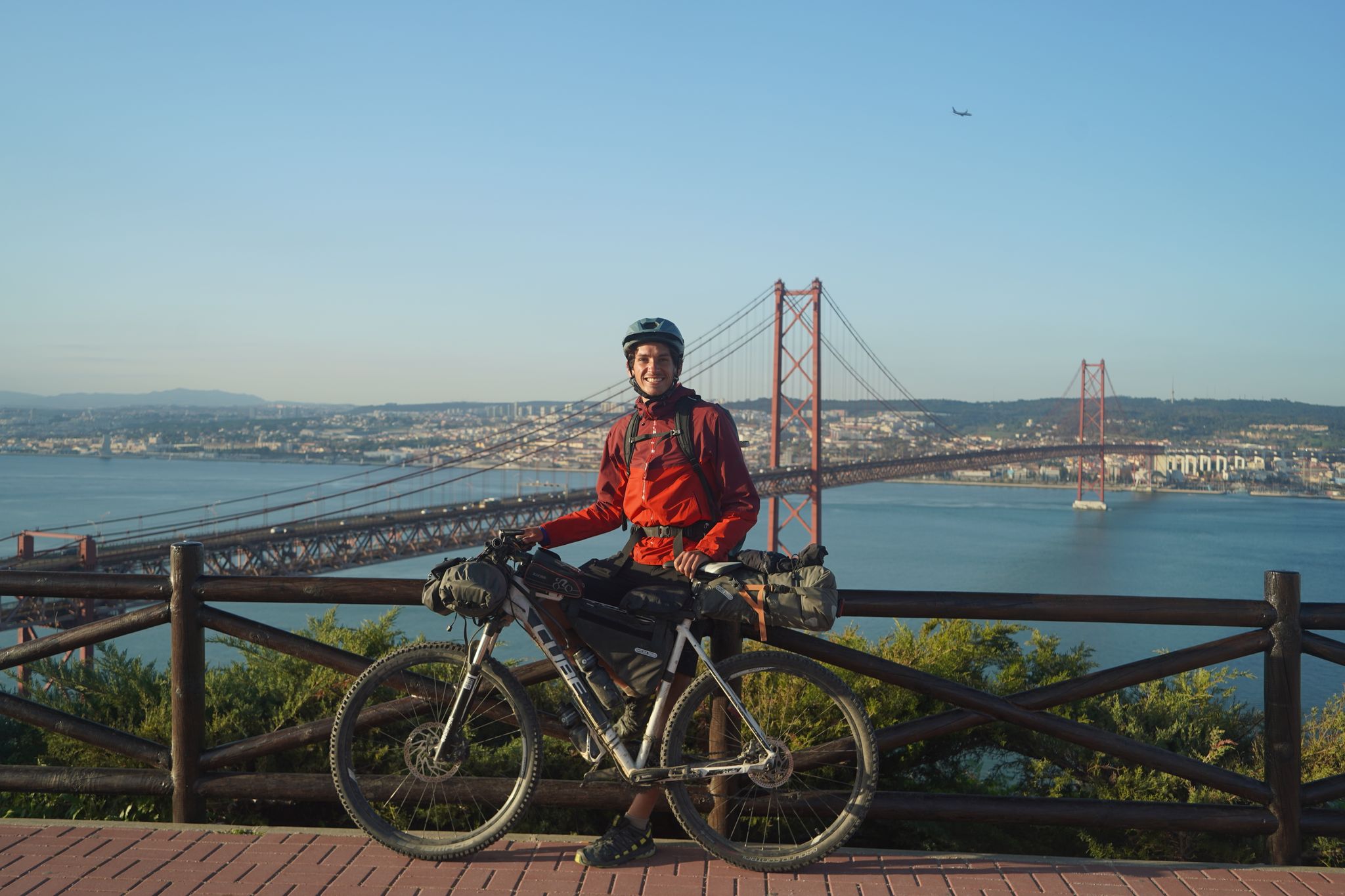
Road to Lisbon – bikepacking the Alps, Pyrenees and Picos de Europa
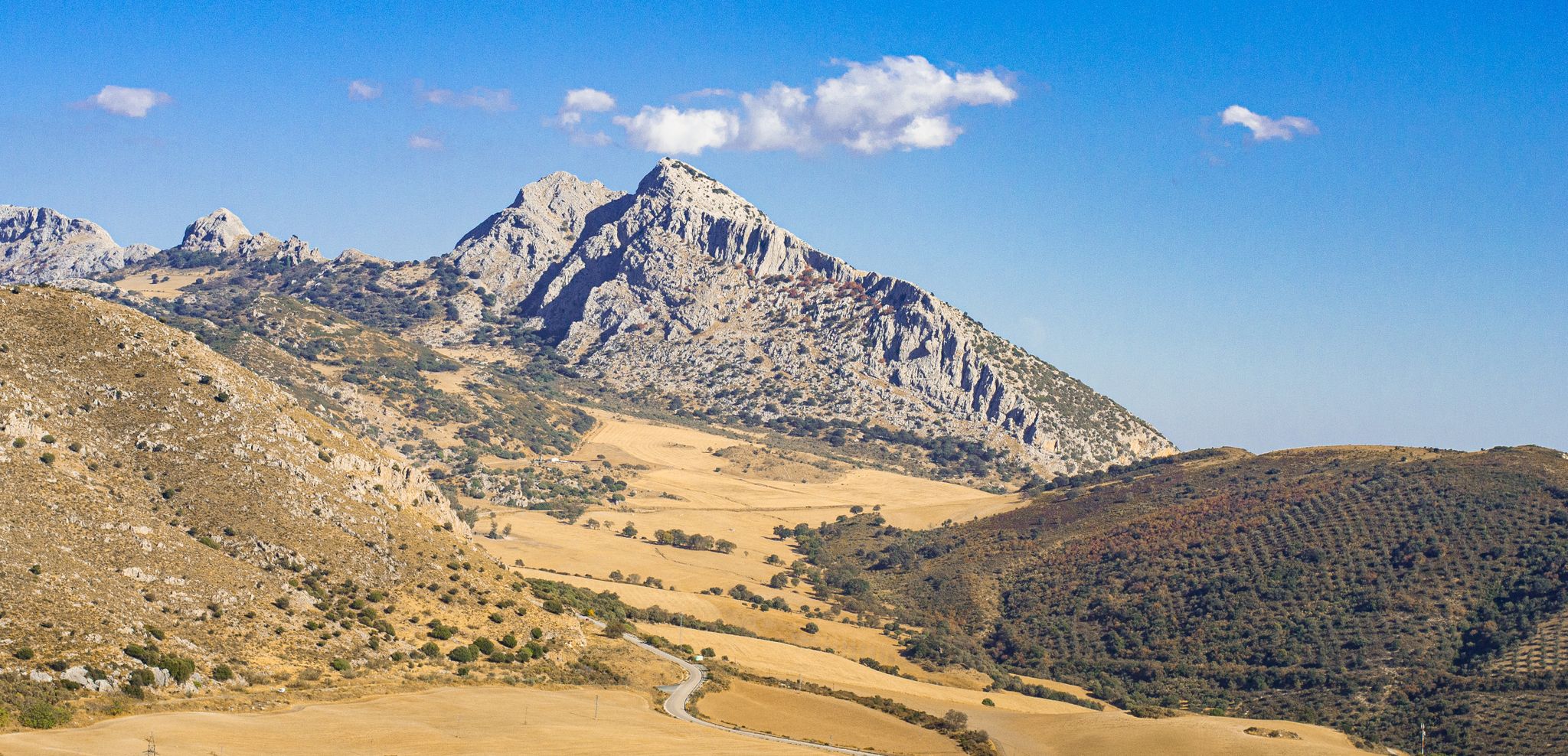
The beauty of the Andalusian mountains – Transandalus southern section
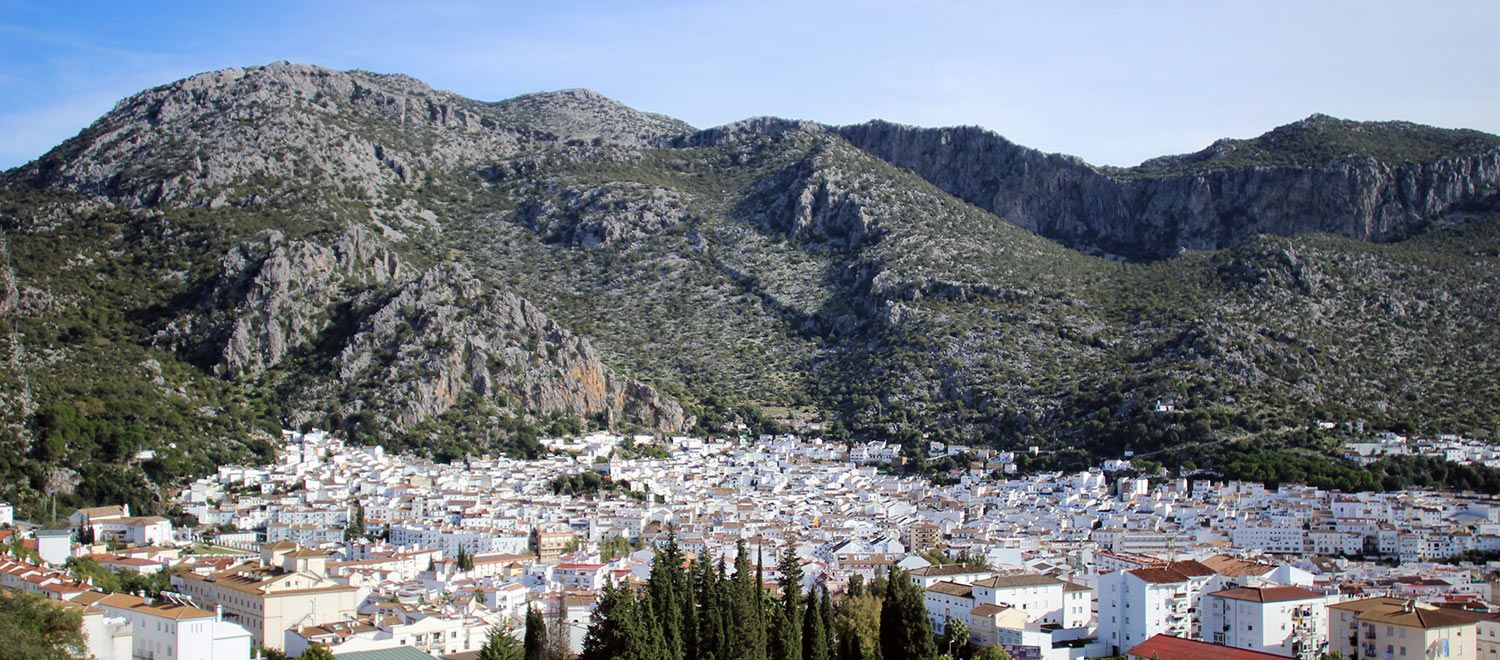
Explore the Betic Mountains on two wheels – Altravesur
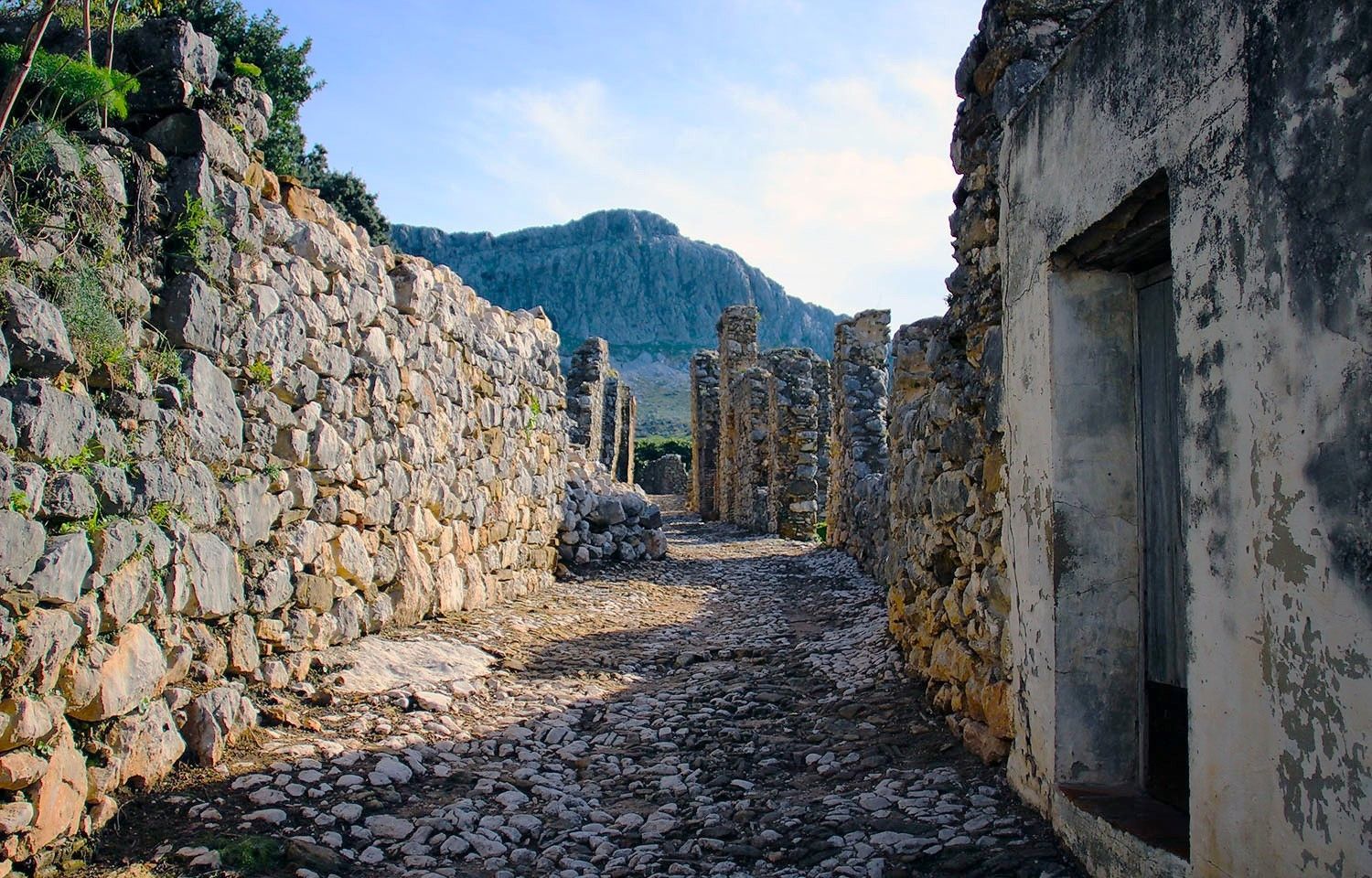
Andalusia without limits – Tarifa to La Puebla de Don Fabrique on the GR 7
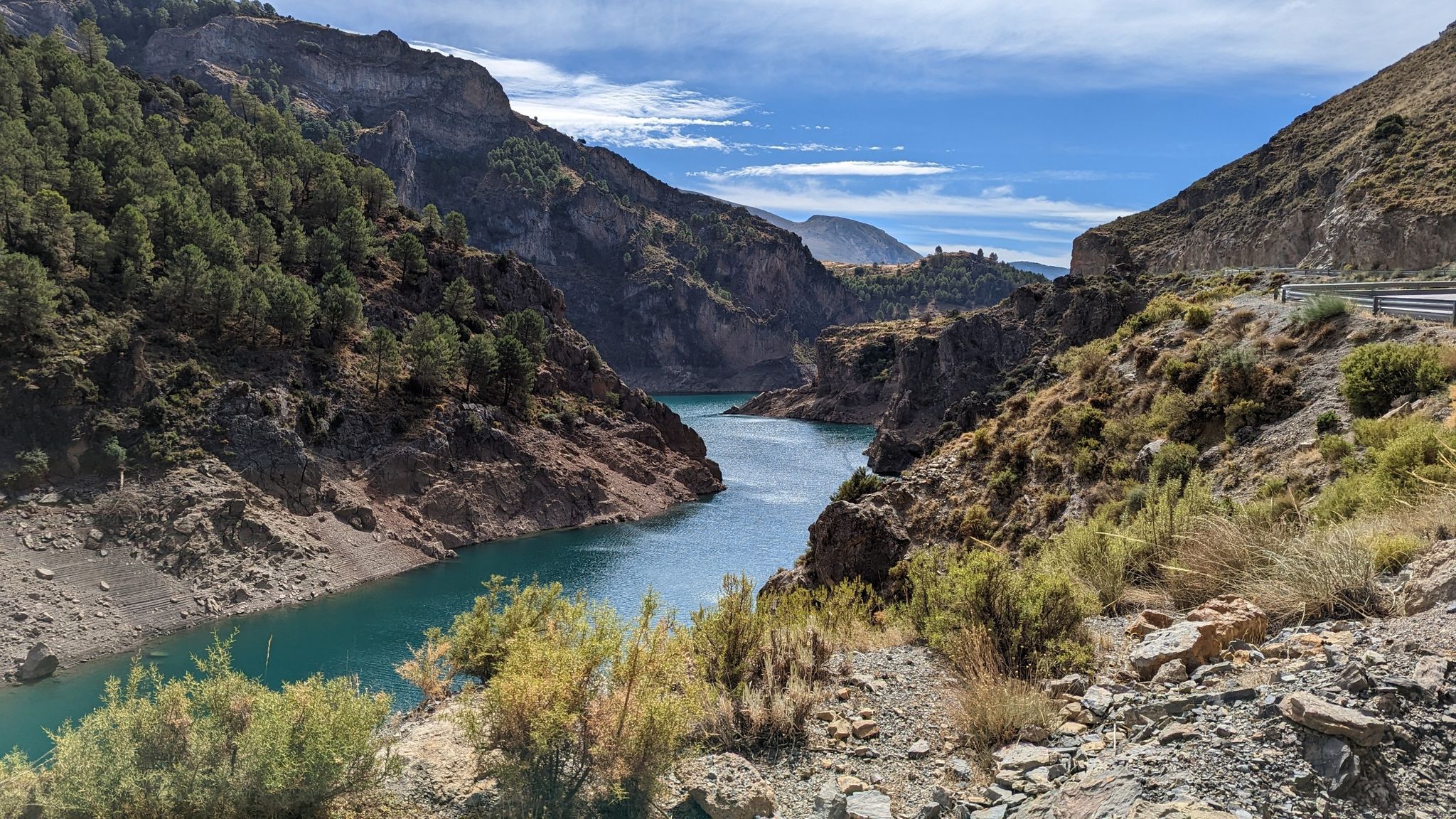
A journey through the Spanish hinterland – cycling across Andalusia
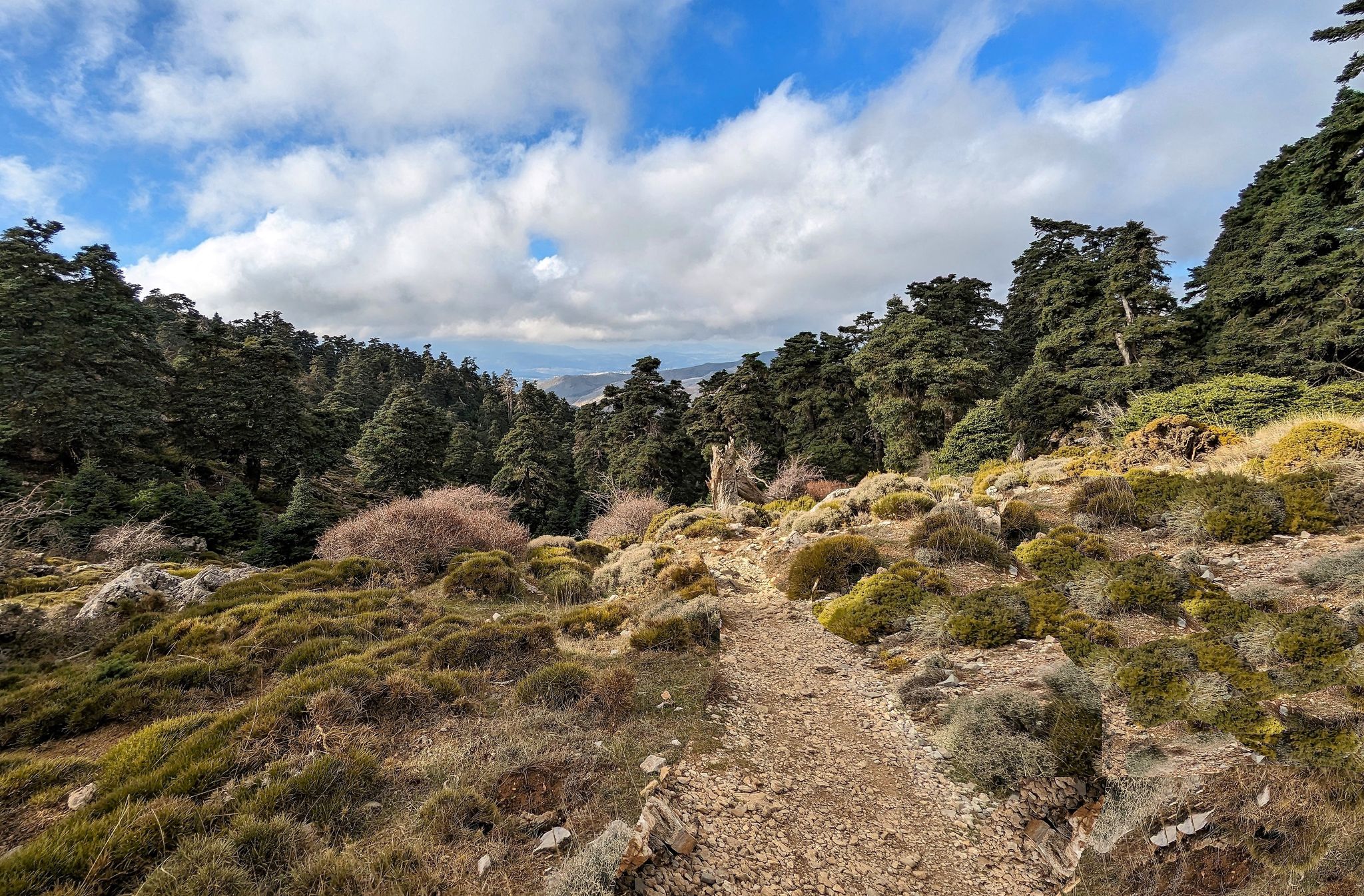
Magic in its purest form – hiking in Spain’s Sierra de las Nieves
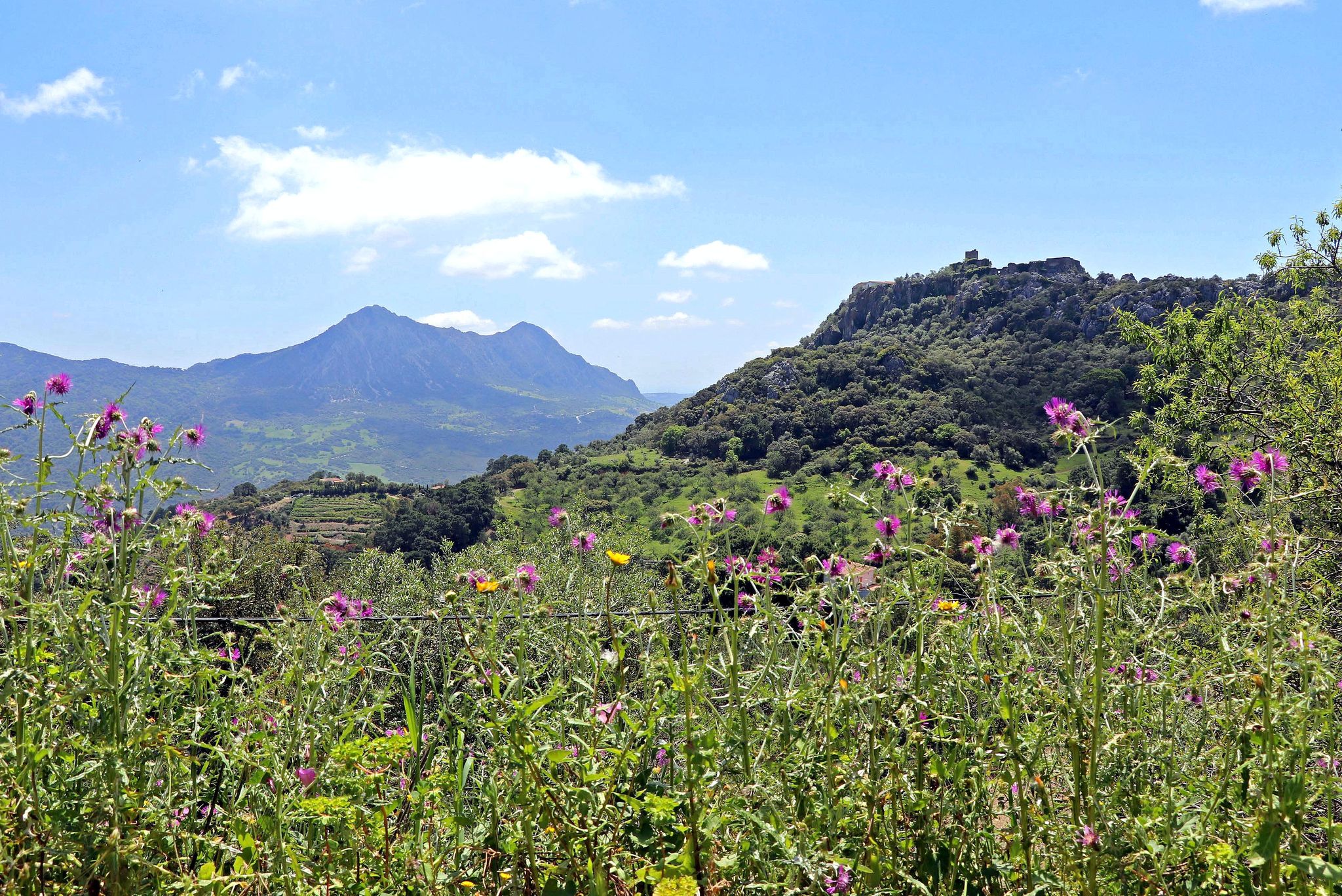
A jewel of Malaga – Gran Senda de la Serranía de Ronda (GR 141)
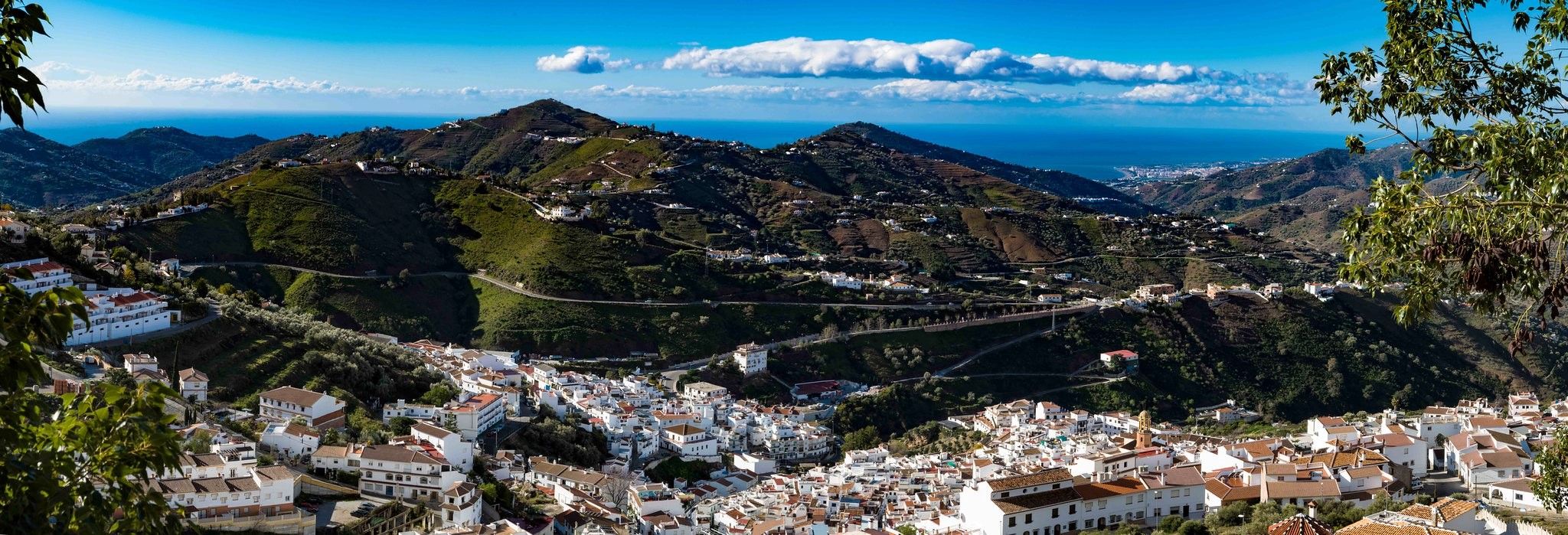
Hike between sea and mountains — Gran Senda de Málaga (GR 249)
Seven days walking along the Gran Senda de Málaga (GR 249)
Other adventures around Ronda


Tips from the Community

A hiking trail leads from Ronda to below the bridge.
0
0

The Tajo de Ronda is the spectacular gorge that literally splits the heart of Ronda in two. 🌄 • It is approximately 120 meters deep and carved out by the Guadalevín River, which flows right through the city. • Impressive bridges stand above the gorge, the most famous and iconic of which is the Puente Nuevo. This bridge connects the old Moorish city with the newer part of Ronda. • For centuries, the Tajo served as both a natural defense against enemies and a challenge to urban expansion. • From its edges, you have breathtaking views of the Ronda valley, the Serranía mountains, and the white villages in the distance. It is one of the most photographed places in Andalusia and a highlight of Ronda's charm: nature and architecture in a dramatic interplay.
1
0

Cuevas del Sol Street in Setenil de las Bodegas is one of the most iconic and photographed corners of this picturesque town in the Sierra de Cádiz, famous for its houses built directly beneath enormous rocks.
8
0

From the new bridge there is a good view of Puente Viejo: an old stone bridge that is one of three bridges that spans the deep Tajo de Ronda gorge with the Guadalevín river in it.
19
1
Setenil de las Bodegas is a picturesque municipality in the province of Cadiz, Andalusia. It is known for its unique urban layout, with houses built under large rocks that form part of the Trejo River canyon. This town is an essential stop on the famous route of the White Villages of Cadiz.
9
0

There is a main street on either side of the Guadalporcún river that runs through the village, both of which offer the perfect places to enjoy the view of the rocks. They are called Cuevas del Sol and Cuevas de la Sombra (Sun and Shadow Caves). They owe their name to the sunlight phenomenon that occurs thanks to the rocks above them. Cuevas del Sol is always in sunlight.
7
0

The Arab Bridge of Ronda or Puente de las Curtiderías is located a few meters from the famous Arab Baths of the city. It is accessed by going down from the old bridge and Arco de Felipe V. Popularly known as Puente Romano, there is nothing in the current plant that betrays such an origin. However, it cannot be ruled out that there was a bridge from Roman times in the same place, since the location was the only one that allowed access to the city from the north.
9
0

The Puente Árabe "Arab Bridge" is the oldest of the three bridges in Ronda. The stone bridge spans the Guadalevín River, which flows in the Tajo de Ronda gorge. The bridge is located outside the city walls of Ronda and is lower than the neighboring Puente Viejo.
12
0
Frequently Asked Questions
What are the most iconic canyons and gorges to visit in Ronda?
Ronda is famous for its dramatic natural landscapes. The most iconic is the area around Puente Nuevo (New Bridge) in Ronda, which spans the deep Tajo de Ronda gorge. Another significant site is the Arab Bridge of Ronda, an older bridge also crossing the Guadalevín River within the Tajo de Ronda gorge.
What unique geological features can I observe in Ronda's canyons?
The canyons around Ronda, particularly the Tajo de Ronda (Ronda Gorge), are characterized by deep limestone cliffs carved by the Guadalevín River. This geological formation, dating back around 5,000 years, dramatically divides the city and features sheer escarpments and areas like 'La Caldera'.
Are there good viewpoints to appreciate the canyons in Ronda?
Yes, there are several excellent viewpoints. The View of the Puente Nuevo and El Tajo Gorge is considered one of the best. Additionally, the Cuenca Gardens offer spectacular views from their stepped terraces along the cornice of the Tajo de Ronda.
What historical significance do the bridges spanning Ronda's gorges hold?
The bridges are integral to Ronda's history and landscape. The Puente Nuevo, an 18th-century engineering marvel, connects the old Moorish town with the newer quarter. The Arab Bridge, the oldest of the three, is located near the city's Arab Baths and served as a crucial crossing point for centuries.
Can I hike down into the Tajo de Ronda gorge?
Yes, visitors can descend into the Tajo de Ronda gorge. There are trails, such as the Camino del Desfiladero del Tajo, that allow for exploration of the rock formations and offer unique perspectives of the canyon and the Puente Nuevo.
What outdoor activities can I do near the canyons around Ronda?
The region offers diverse outdoor activities. You can find excellent mountain biking trails, such as the 'Sierra de las Salinas – circular desde Ronda' or 'Cueva del Gato de Benaoján – circular desde Ronda'. For gravel biking, routes like 'City of Ronda – Puerto del Viento loop from Ronda' are available. There are also mountain hikes, including 'View of Grazalema – Grazalema loop from Grazalema'. You can explore more routes in the MTB Trails around Ronda, Gravel biking around Ronda, and Mountain Hikes around Ronda guides.
Is Cueva del Gato a canyon, and what can I do there?
Cueva del Gato (Cat Cave), located a few kilometers from Ronda, is a natural monument featuring a stunning cave system and a natural pool. While it's part of a larger karst system with underground canyons, its main draw for visitors is the crystal-clear, frigid natural pool perfect for swimming, especially in warmer months. The area is also great for hiking and photography.
Are there any family-friendly activities or areas near Ronda's canyons?
The Cuenca Gardens, situated along the Tajo de Ronda, are considered family-friendly and offer beautiful views. The natural pool at Cueva del Gato is also a popular spot for families to relax and swim amidst nature.
What wildlife can be observed in the canyons of Ronda?
El Tajo Gorge is an excellent spot for birdwatching, with species like the red-billed chough and lesser kestrel often seen soaring above the cliffs. The Cueva del Gato area is home to a significant colony of bats within its cave system, and the surrounding river environment is rich in various water birds and other flora and fauna.
What is the best time of year to visit the canyons around Ronda?
The natural pool at Cueva del Gato is particularly popular for swimming during the warmer months. Generally, spring and autumn offer pleasant temperatures for hiking and exploring the canyons and viewpoints, avoiding the intense heat of summer or potential chill of winter.
Are there any permits required for visiting the canyons or specific activities?
While general access to viewpoints and established trails around El Tajo Gorge and the natural pool at Cueva del Gato does not typically require permits, entry into the main cave system of Cueva del Gato is restricted without official authorization due to safety and conservation concerns.
Most popular attractions around Ronda

Get inspired with the komoot mobile app


Explore more
Already discovered everything in this region? See additional gorges around Ronda for your next adventure:
