Top 14 Castles around Vilallonga / Villalonga
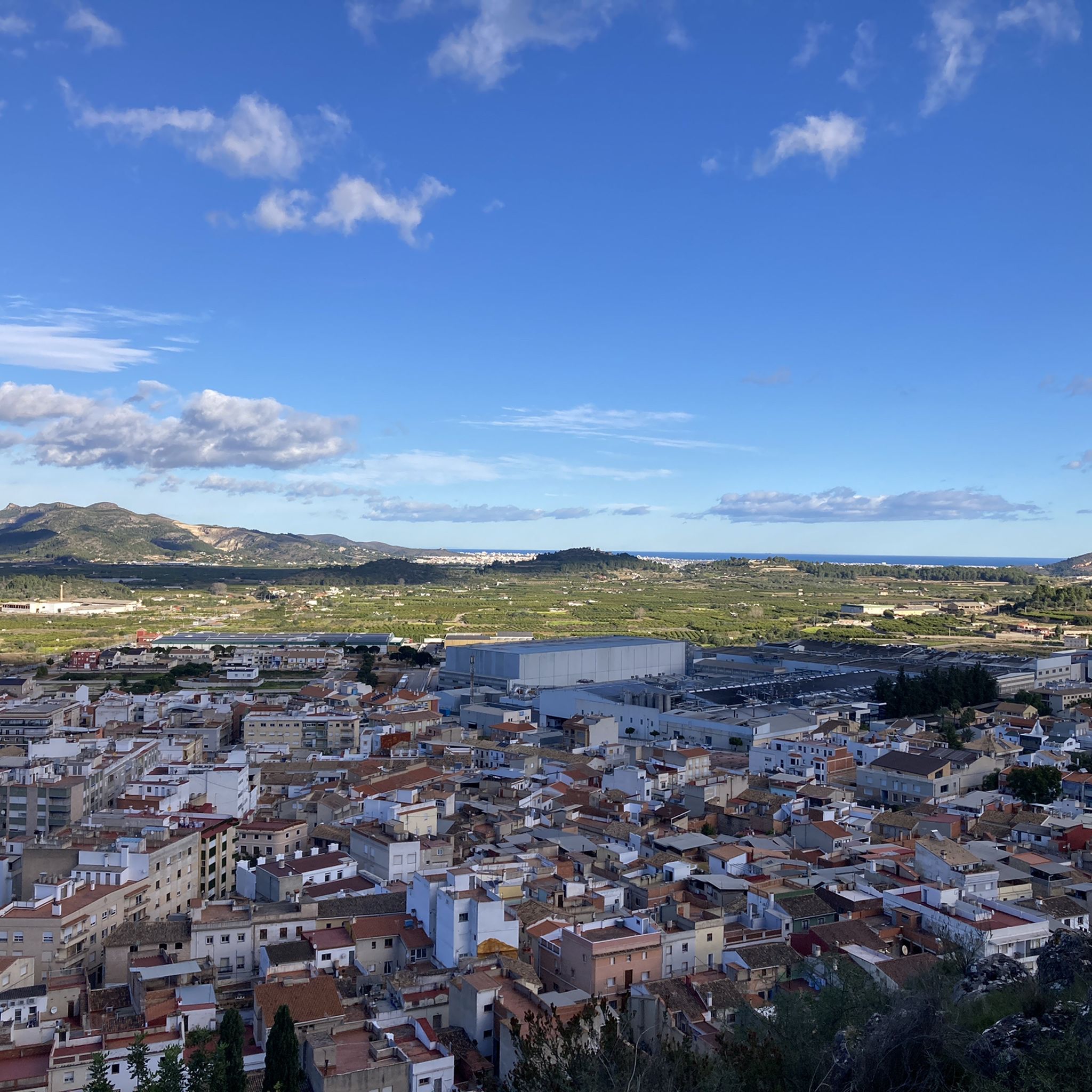
Best castles around Vilallonga / Villalonga, a municipality in the province of Valencia, Spain, offers a glimpse into medieval history. The area is characterized by its mountainous terrain, including the Sierra de Les Fontanelles, where historical fortresses are strategically located. These sites, often of Muslim origin, provide insight into the region's past conflicts and architectural heritage. Visitors can explore remnants of walls, towers, and cisterns, often with commanding views of the surrounding landscape.
Best castles around Vilallonga / Villalonga
- The…
Last updated: July 17, 2026
Ducal Palace of the Borgias (Palau Ducal dels Borja), Gandia
Highlight • Historical Site
Translated by Google •
Tip by

Castell de Benissili
Highlight • Castle
Translated by Google •
Tip by

Sign up now to discover places like this
Get recommendations on the best single tracks, peaks, & plenty of other exciting outdoor places.
Sign up for free
Castle of Aielo de Rugat
Highlight • Castle
Unfortunately, it was destroyed during the War …
Translated by Google •
Tip by

Views of Perputxent Castle
Highlight • Viewpoint
Translated by Google •
Tip by
Castillo de Santa Anna
Highlight • Castle
Translated by Google •
Tip by

Sign up for free to discover even more castles around Vilallonga / Villalonga.
Sign up for free
Already have an account?
Start today with a free account
Your next adventure awaits.
Login or Signup

Tips from the Community

The Palau del Duc ducal palace was built in the late Gothic and Renaissance style in the 16th and 17th centuries. Opening hours: Mon to Sat 10am–1.30pm and 3pm to 6.30pm (November to March) and 4pm to 7.30pm (April to October) and Sunday/public holiday 10am to 1.30pm.
1
0

7 euro entree
1
0

8.00€ entrance fee 🫣🤔🥶
1
0

Viewpoint from where you can see the Castell de L'Orxa, a fortress of Muslim origin dating from the end of the 12th century. Before, a path climbed to the 380 meters of its summit in half a kilometer. Now, visiting the also known Castell de L'Orxa is prohibited. There is a risk of detachments and falls.
0
0

Located in a location with beautiful views, the castle is currently being rehabilitated and cannot be visited.
1
1
This back "terrace" of the castle is a good place to rest, eat and drink.
1
0
The castle of Benissili is historically known as the castle of Alcalà, and this is how it appears in the documents of the time, but it is better known by the name of the castle of Benissili, since this town is the one that is closest to the fortress . The historical function of the castle was to guard and defend the entrance to the Gallinera valley from the interior. This castle follows the normal guidelines of the Muslim castle, with albacar (large courtyard) and celoquia (citadel), but it stands out for its great extension, structural complexity and natural defenses.
2
0

This was the as far as I could get into the Castell as all other points had scaffolding and locked
1
0
Frequently Asked Questions
What is the main historical castle directly in Vilallonga / Villalonga?
The primary historical fortress directly associated with the municipality is the Castillo de Villalonga, also known as "el castell dels Moros." This castle is of Muslim origin and is situated in the Sierra de Les Fontanelles, offering commanding views of the plain of La Fuente and the surrounding territory. You can explore remnants of its walls, towers, and a cistern.
Are there other significant castles to visit near Vilallonga / Villalonga?
Yes, beyond the local Castillo de Villalonga, you can explore other notable sites. For instance, the Views of Perputxent Castle offers a glimpse into a Muslim-origin fortress that was strategically important during historical resistance. Another option is the Castillo de Santa Anna, an Islamic fortress from the 12th century that reinforced coastal surveillance.
Which castles offer the best views of the surrounding landscape?
Many of the castles in the region are strategically located on elevated points, providing excellent views. The Castillo de Villalonga itself offers commanding views from its position in the Sierra de Les Fontanelles. Similarly, the Castell de Benissili is noted for its spectacular views, and the Castle of Aielo de Rugat crowns a hill from where you can get stunning views of the valley and mountains.
What outdoor activities can I do near these castles?
The area around Vilallonga / Villalonga is excellent for outdoor activities. You can find numerous running trails, hiking routes, and gravel biking opportunities. For example, there are several routes like the 'Serpis Greenway – Serpis River Weir loop' for running, or 'La Via Verde del Serpis — Tour from Villalonga' for hiking. You can find more details and specific routes in the Hiking around Vilallonga / Villalonga guide or the Running Trails around Vilallonga / Villalonga guide.
Are there hiking trails that incorporate castle visits?
Yes, many of the castles are situated along scenic routes, making them ideal for combining with a hike. For instance, the Castell de Benissili is often part of longer walking routes, and accessing the Castillo de Villalonga itself is typically done on foot. Exploring the trails around these historical sites allows you to appreciate both the natural beauty and the historical significance of the region. Check the Hiking around Vilallonga / Villalonga guide for routes.
What is the best time of year to visit the castles around Vilallonga / Villalonga?
The best time to visit is generally during the spring (April to June) and autumn (September to October) months. During these periods, the weather is typically mild and pleasant, ideal for exploring the outdoor ruins and enjoying the scenic views without the intense heat of summer. Winters are usually mild, but some sites might have reduced hours.
How accessible are the castles, and is parking available?
Access to many of the castles, such as the Castillo de Villalonga, is primarily on foot due to their elevated and historical locations. While specific parking details for each ruin are not always available, visitors typically park in nearby villages or designated areas and then proceed on foot. It's advisable to wear comfortable walking shoes.
What is the historical significance of the castles in this region?
The castles around Vilallonga / Villalonga hold significant historical importance, largely stemming from their Muslim origins and subsequent roles during the Christian Reconquista. They served as strategic defensive points, guarding valleys and coasts. Sites like the Castillo de Villalonga and Perputxent Castle are prime examples of medieval military architecture and embody the conflicts and cultural shifts of the era.
Are there family-friendly castles to visit in the area?
While many castles are ruins and require some walking, the historical context and scenic views can be engaging for families. The Ducal Palace of the Borgias (Palau Ducal dels Borja) in Gandia, though not a ruin, is a well-preserved historical site with varied architectural styles that can be very interesting for all ages. For ruins, consider the accessibility and length of the walk for younger children.
What do visitors enjoy most about the castles in Vilallonga / Villalonga?
Visitors frequently appreciate the historical depth and the stunning panoramic views offered by these ancient sites. The opportunity to explore remnants of medieval architecture, such as walls, towers, and cisterns, combined with the natural beauty of the surrounding landscape, makes for a rewarding experience. The strategic locations provide excellent photo opportunities and a sense of stepping back in time.
Can I find cafes or pubs near the castle sites?
Most of the castle ruins are located in more remote, elevated areas, so you are unlikely to find cafes or pubs directly adjacent to them. It's best to plan for refreshments and meals in the nearby towns and villages, such as Vilallonga / Villalonga itself, before or after your visit to the castle sites.
Are the castles wheelchair accessible?
Due to their historical nature, elevated positions, and often rugged terrain, most of the castle ruins in the Vilallonga / Villalonga area are generally not wheelchair accessible. Access typically involves walking on uneven paths, inclines, and sometimes stairs. The Ducal Palace of the Borgias, being a more developed historical building, might offer better accessibility, but it's always best to check directly with the site for specific details.
Most popular routes around Vilallonga / Villalonga
Most popular attractions around Vilallonga / Villalonga

Get inspired with the komoot mobile app


Explore more
Looking for the best castles somewhere else? Discover other guides around Vilallonga / Villalonga:
