Top 9 Castles around La Torre De Claramunt
Best castles around La Torre De Claramunt are situated in a region of Catalonia, Spain, characterized by its historical significance and varied landscape. The area features a mix of river valleys, hills, and mountain ranges, providing strategic locations for historical fortifications. These structures range from ancient watchtowers to medieval Romanesque castles, reflecting centuries of regional history. The municipality of La Torre de Claramunt itself is home to notable historical sites.
Best castles around La Torre De Claramunt
- The most popular…
Last updated: July 17, 2026
Claramunt Castle
Highlight • Castle
Translated by Google •
Tip by

Castell de Mediona
Highlight • Castle
Translated by Google •
Tip by

Sign up now to discover places like this
Get recommendations on the best single tracks, peaks, & plenty of other exciting outdoor places.
Sign up for free
Miralles Castle
Highlight • Castle
Tip by

Sant Quintí Castle
Highlight • Castle
Translated by Google •
Tip by

Vilademàger Castle
Highlight • Castle
Showing Translation
Tip by

Sign up for free to discover even more castles around La Torre De Claramunt.
Sign up for free
Already have an account?
Start today with a free account
Your next adventure awaits.
Login or Signup
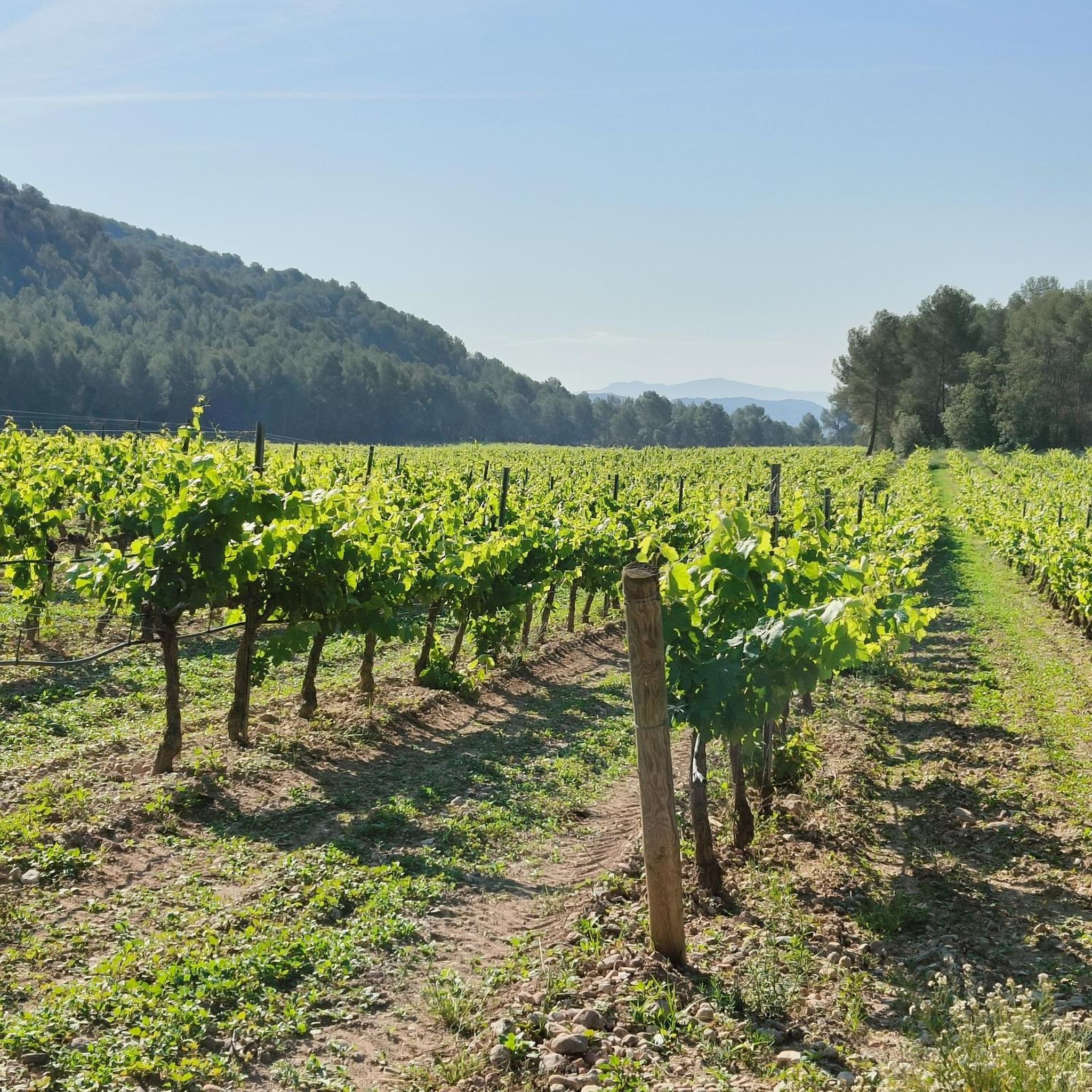
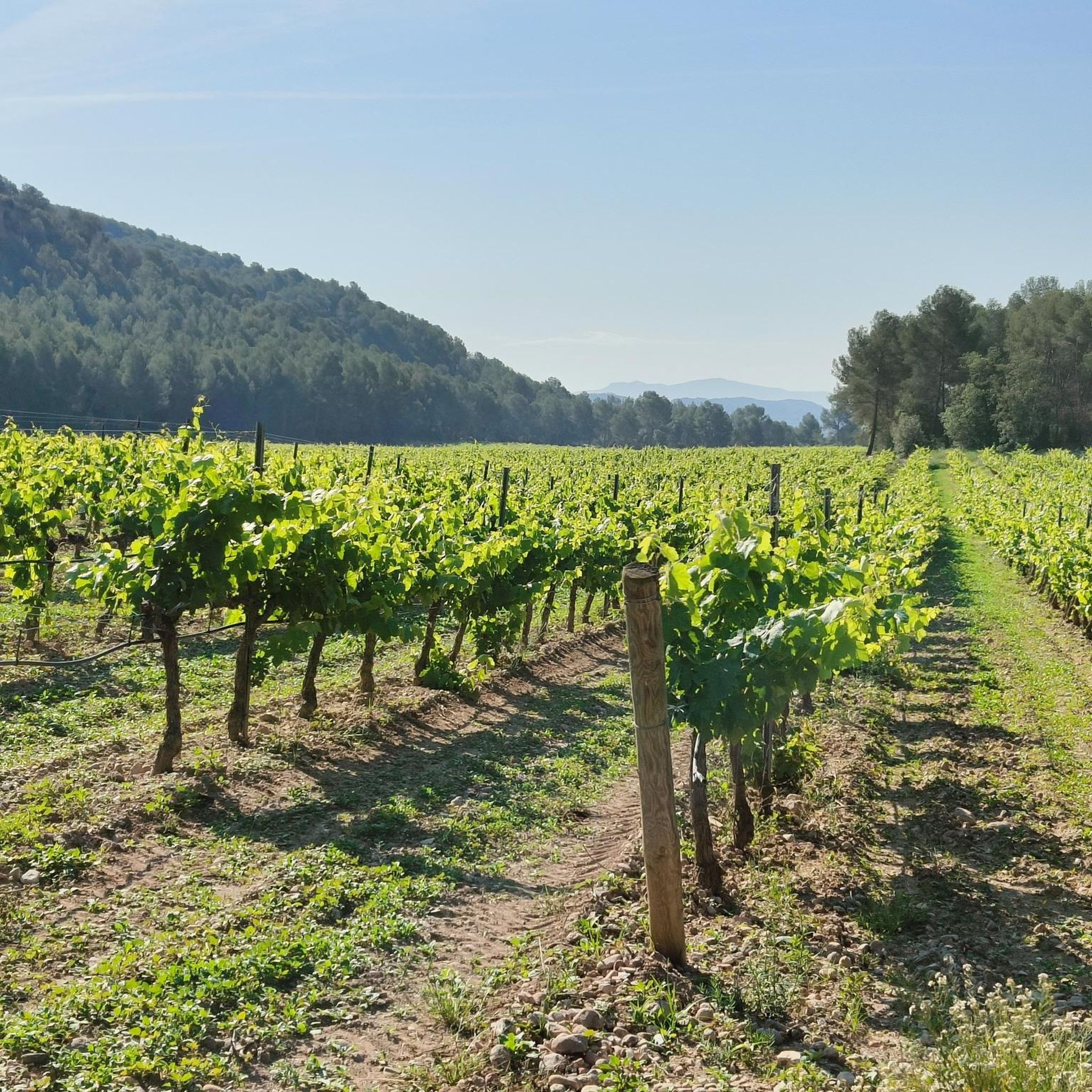
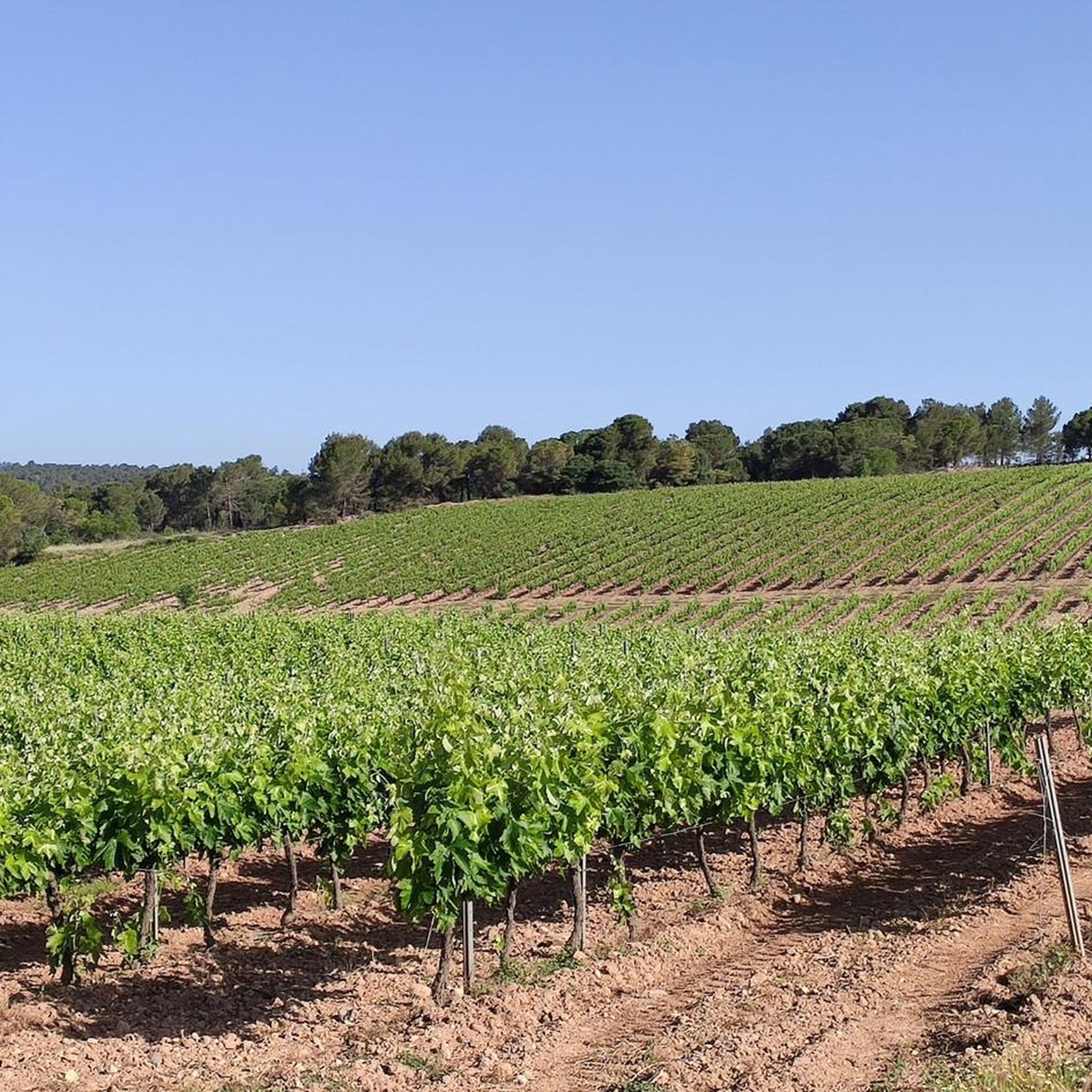
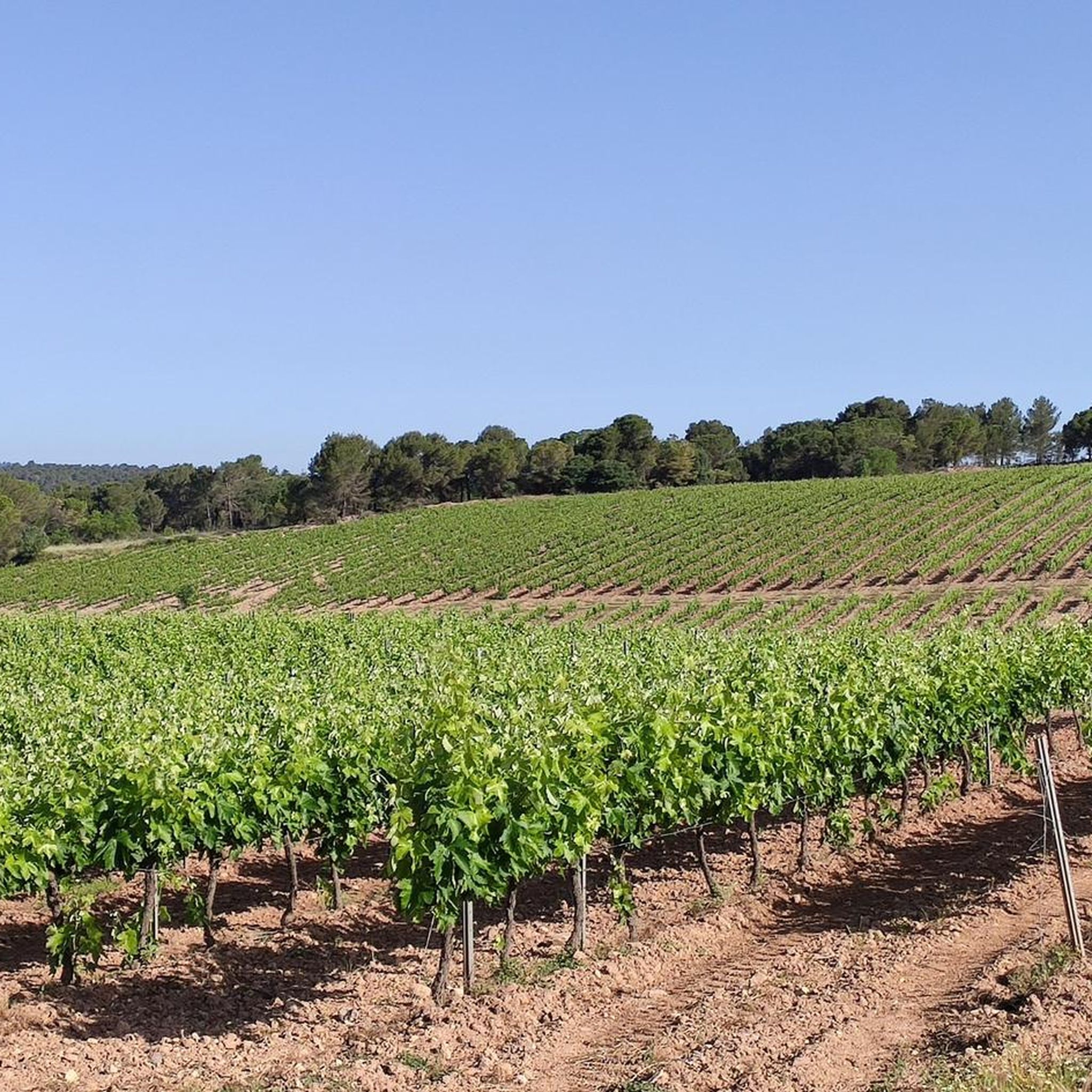
Tips from the Community

El Castillo de Vilademàger is an ancient medieval fortress located on a rocky promontory that dominates a large part of the Anoia region's landscape. Although it is now preserved in ruins, remains of its walls, the tower, and the small Romanesque chapel of Sant Pere can still be appreciated.
0
0

A very beautiful ruin that can be visited. Check online beforehand to see if it is open 😎
0
0

Claramunt Castle is a Romanesque fortress from the 10th century. It is located on a hill that dominates all the surrounding lands and the course of the Anoia River, so it enjoys magnificent views.
0
0

Miralles Castle is located at the top of the municipality of Santa Maria de Miralles. Its remains are on a hill in the Queralt and Miralles mountain ranges that dominate the upper valley of the Miralles stream. These ranges connect the towns of Santa Coloma de Queralt to La Poble de Claramunt.
0
0
Castle that is located above the center of La Pobla de Claramunt on its west side and that offers spectacular views of the entire valley of the Anoia River and the mountains that surround it.
0
0

Ruins of an Elizabethan barracks, occupied by the Carlists. Only a section of wall and a tower remain. The interior has been converted into a cemetery. It is interesting from a historical point of view.
1
0

La Pobla de Claramunt Castle is a 10th century Romanesque medieval castle located in the Serra de la Guàrdia overlooking the municipality of La Pobla de Claramunt. The castle sits on a hill 453 m high, and occupies an area of 5,400 m². Visiting hours **From 01.05 to 30.09** Morning: 10 - 1.30 pm (+30) / Afternoon: 4 - 6.30 pm (+30) **From 01.10 – 30.04** Morning: 9.30 – 1.30 pm (+30) / Afternoon: 3 – 4.30 pm (+30) From Wednesday to Sunday, including public holidays. Closed on non-holiday Mondays and Tuesdays, December 25 and 26 and January 1 and 6.
0
0

The Castell de Mediona has been documented since 954, having passed through different owners throughout history, something that can be seen in the different architectural forms that can be seen in its remains. The oldest construction is a semicircular tower of which only the first floor and an adjoining enclosure remain. A second construction phase provided new fortifications, such as a bastion and a rectangular Gothic room (SXIV). A third construction phase raised two new square towers (SXV). Inside the fortification there is a church dedicated to Santa María (SXIV).
0
0
Frequently Asked Questions
What are the most historically significant castles to visit near La Torre De Claramunt?
The region boasts several castles with rich histories. The Claramunt Castle, a 10th-century Romanesque fortress, played a crucial role as a frontier castle. Another notable site is the Castillo de la Torre de Claramunt, which evolved from an 11th-century watchtower into a 17th-century fortified mansion, showcasing centuries of architectural change. Miralles Castle also has ruins dating back to 960.
Are there any castles that offer panoramic views of the surrounding landscape?
Yes, several castles provide excellent viewpoints. Claramunt Castle, situated on a hill, offers commanding views of the Anoia River valley. Similarly, Tossa and Montbui Castle, located at the top of Tossa de Montbui, provides impressive vistas of the entire Conca d'Òdena and Montserrat. The tower at Miralles Castle has also been converted into a viewpoint.
What are the visiting hours for Claramunt Castle?
Visiting hours for Claramunt Castle vary by season. From May 1st to September 30th, it's open from 10 AM to 1:30 PM and 4 PM to 6:30 PM. From October 1st to April 30th, hours are 9:30 AM to 1:30 PM and 3 PM to 4:30 PM. The castle is open from Wednesday to Sunday, including public holidays, but closed on non-holiday Mondays and Tuesdays, December 25th and 26th, and January 1st and 6th.
Are there family-friendly activities or features at the castles?
While specific 'family-friendly' designations aren't always explicit, castles like Claramunt Castle with its extensive grounds and Romanesque church, or the architectural evolution of Castillo de la Torre de Claramunt, can be engaging for families interested in history and exploration. The scenic paths and viewpoints also offer enjoyable outdoor experiences for all ages.
Can I find places to eat or drink near the castles?
Yes, the Castillo de la Torre de Claramunt is currently utilized as a restaurant, offering a unique dining experience within a historic setting. Additionally, Tossa and Montbui Castle has a fountain in the square above, and nearby towns will offer various dining options.
What kind of outdoor activities can I do near the castles?
The region around La Torre De Claramunt offers various outdoor activities. You can find numerous hiking trails, such as the 'Prehistoric Park of Capellades loop' or the 'Church of Vilanova d'Espoia loop'. For runners, there are routes like the 'Tres Mollons Circular Trail'. Cyclists can explore road cycling routes like the 'Coll de les Ventoses Climb'. You can find more details on these activities in the hiking, running, and road cycling guides for the area.
Are there any castles that are less crowded?
While popular sites like Claramunt Castle attract visitors, exploring lesser-known ruins like Sant Quintí Castle, which consists of Elizabethan barracks ruins converted into a cemetery, might offer a quieter, more reflective historical experience. Miralles Castle, with its ruins and viewpoint, also provides a serene setting.
What is the best time of year to visit the castles around La Torre De Claramunt?
The region's Mediterranean climate makes spring and autumn ideal for visiting, with pleasant temperatures for exploring the outdoor castle grounds and enjoying the scenic views. Summer can be warm, while winter offers a different, often quieter, experience, though some facilities might have reduced hours.
Are there any castles with unique architectural features?
The Castillo de la Torre de Claramunt is notable for its architectural evolution, transforming from an 11th-century watchtower into a 17th-century fortified stone mansion with distinct rectangular windows, a voussoir portal, and battlements. Claramunt Castle showcases a classic medieval Romanesque defensive structure with two main enclosures and an 11th-century Romanesque church within its walls.
Can I find walking trails that incorporate castle visits?
Yes, many of the castles are situated along or near walking paths. For instance, the Path to the Castle Ruins is a very scenic trail that offers a constant view of ruins. You can also find loop walks in the area, such as the 'Church of Vilanova d'Espoia loop from la Torre de Claramunt', which can be combined with castle explorations. Check the hiking guide for more options.
What makes Miralles Castle worth visiting?
Miralles Castle features ruins first mentioned in 960, including a Roman chapel and a tower converted into a viewpoint. It is located at the top of the municipality of Santa Maria de Miralles, offering views over the Miralles stream valley and connecting the towns of Santa Coloma de Queralt to La Poble de Claramunt.
What can I expect when visiting Tossa and Montbui Castle?
Tossa and Montbui Castle, also known as Castell de la Tossa, is located at the top of the Tossa de Montbui. From this point, you can enjoy impressive views of the entire Conca d'Òdena and the iconic Montserrat mountain. There is also a fountain in the square above the castle.
Most popular routes around La Torre De Claramunt
Most popular attractions around La Torre De Claramunt

Get inspired with the komoot mobile app


Explore more
Looking for the best castles somewhere else? Discover other guides around La Torre De Claramunt:
