Top 11 Lakes around Cañada De Calatrava
Best lakes around Cañada De Calatrava are primarily volcanic lakes, known as maars, formed by ancient hydromagmatic explosions. This region, part of the Campo de Calatrava in Castilla-La Mancha, features a distinct landscape shaped by these geological events. The area offers a combination of natural beauty, geological interest, and diverse ecosystems. These lakes are notable for their unique formation and the surrounding Mediterranean flora and fauna.
Best lakes around Cañada De Calatrava
- The most popular lakes is La Posadilla Viewpoint…
Last updated: July 3, 2026
La Posadilla Viewpoint
Highlight • Viewpoint
Translated by Google •
Tip by

Peñarroya Lagoon
Highlight • Lake
Translated by Google •
Tip by
Sign up now to discover places like this
Get recommendations on the best single tracks, peaks, & plenty of other exciting outdoor places.
Sign up for free
El Charcazo Area
Highlight • Rest Area
Translated by Google •
Tip by

Argamasilla de Calatrava
Highlight • Settlement
Translated by Google •
Tip by
Towards Laguna Peñarroya and Posadilla (Directions)
Highlight • Trail
Translated by Google •
Tip by
Sign up for free to discover even more lakes around Cañada De Calatrava.
Sign up for free
Already have an account?
Start today with a free account
Your next adventure awaits.
Login or Signup
Tips from the Community

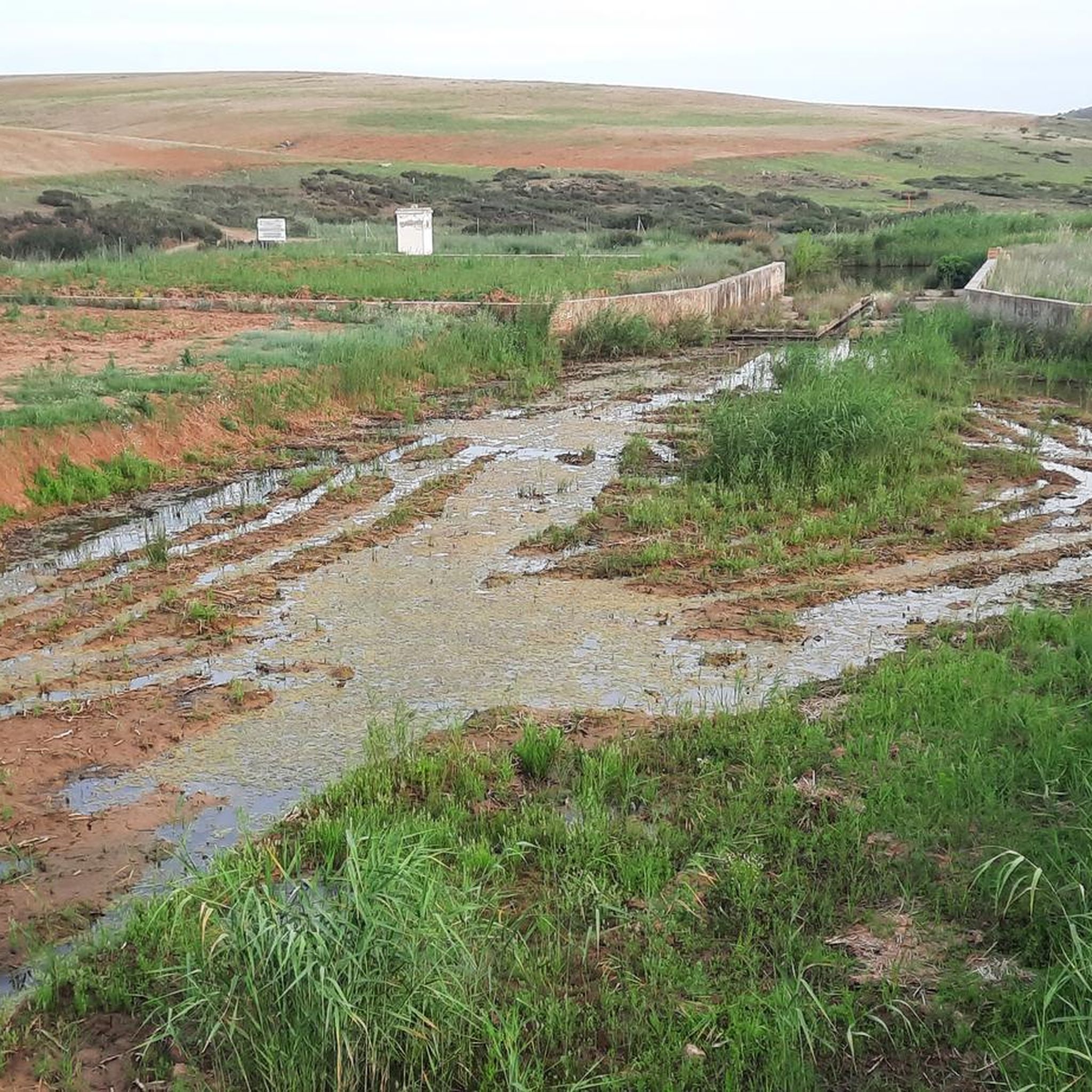
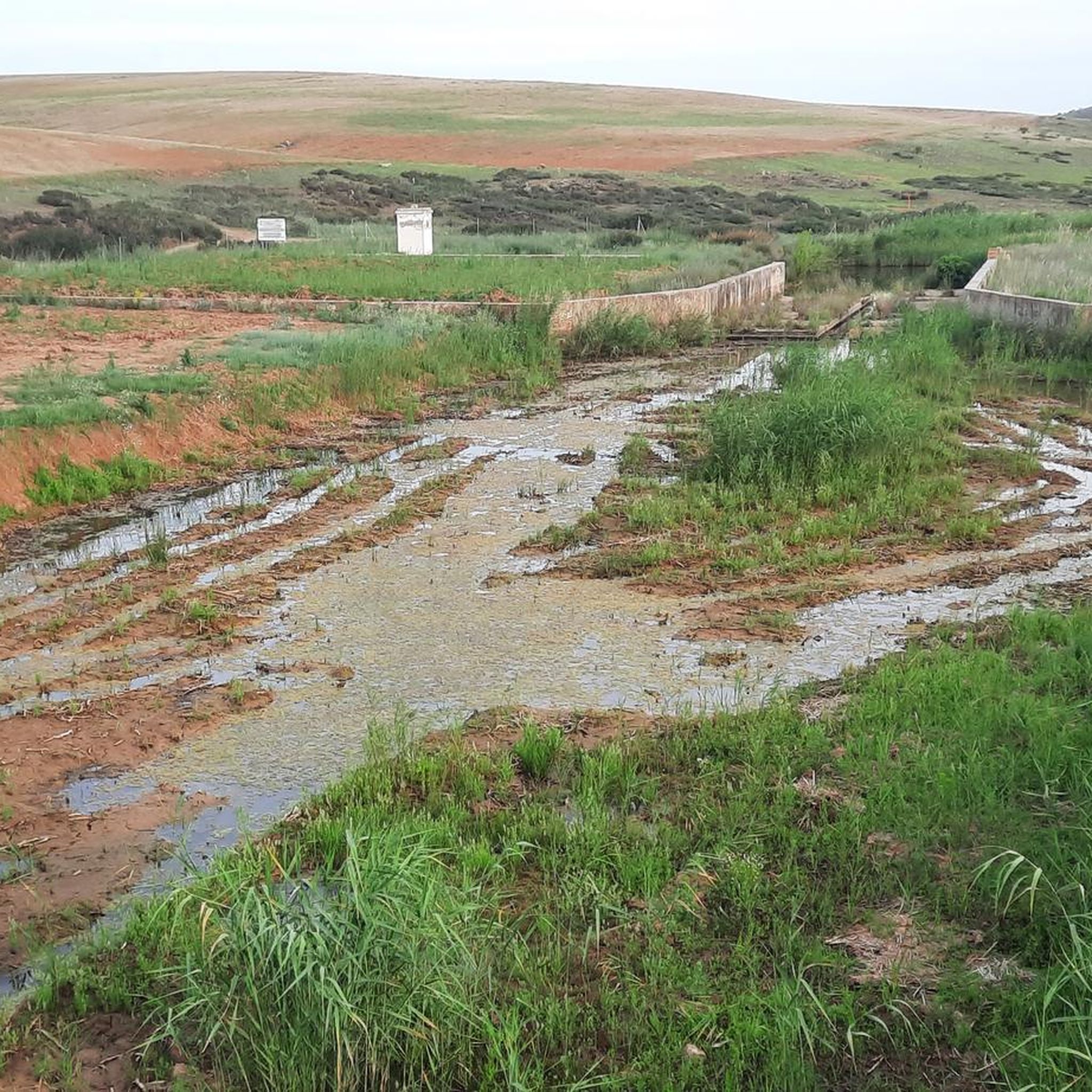
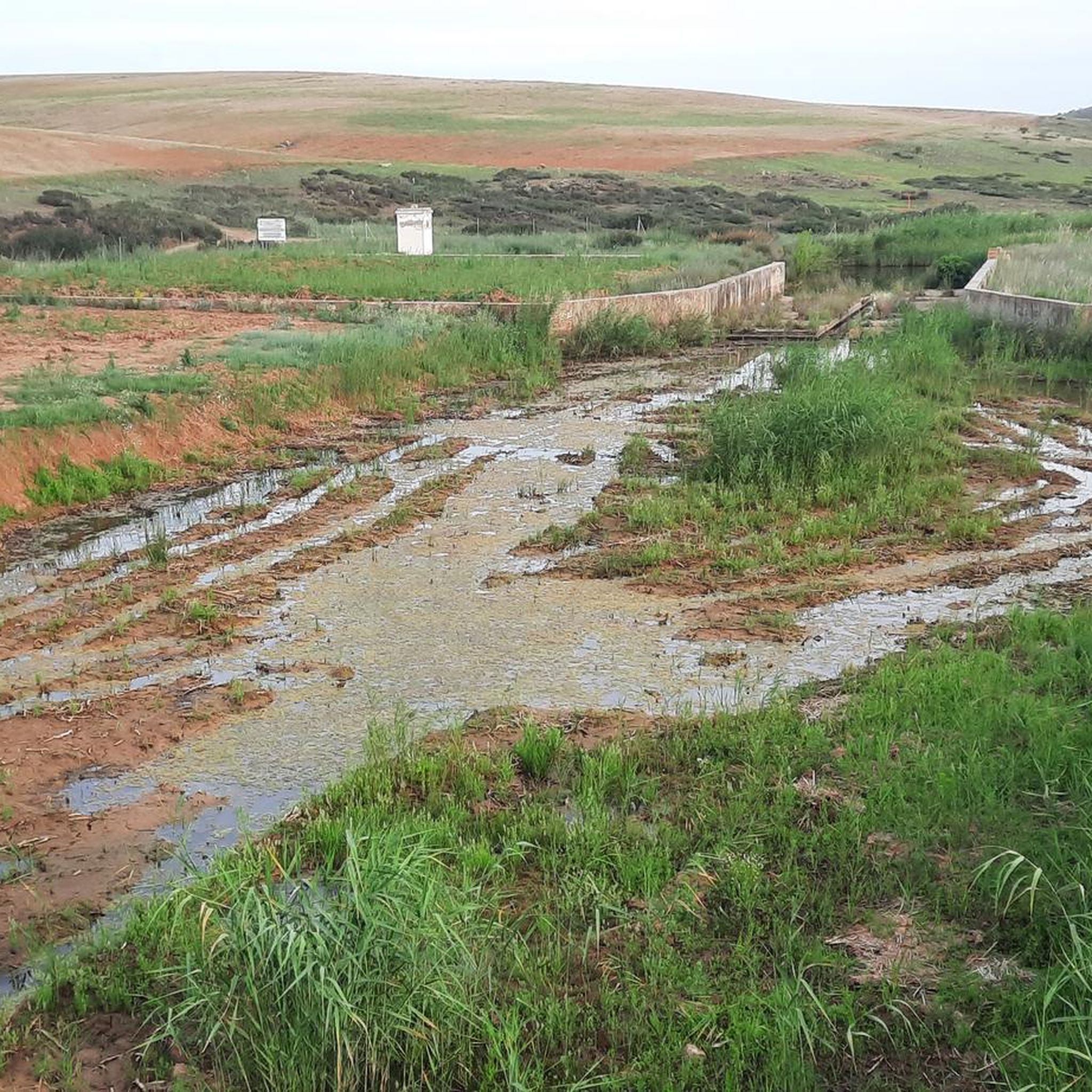
The “El Charcazo” recreational area in Corral de Calatrava is a lovely place to enjoy a day outdoors. It is located about 300 metres from the exit of the town towards Abenójar, on the CM-4112 road. This place is part of the Don Quixote Route and is of great volcanic, scenic, hiking and architectural interest. It has barbecues, picnic tables under the shade of holm oaks, and a small lake with ducks. It is ideal for bird watching thanks to its two large wetlands. Although it is a perfect place for a picnic or barbecue, it is important to remember that swimming in the reservoir is not permitted. In addition, there are toilets available and a fountain with non-potable water.
16
0
Detour to El Charcazo Carretera CM-4112.
15
0
Excellent routes and especially the MTB descent from the Peñarroya lagoon.
32
0

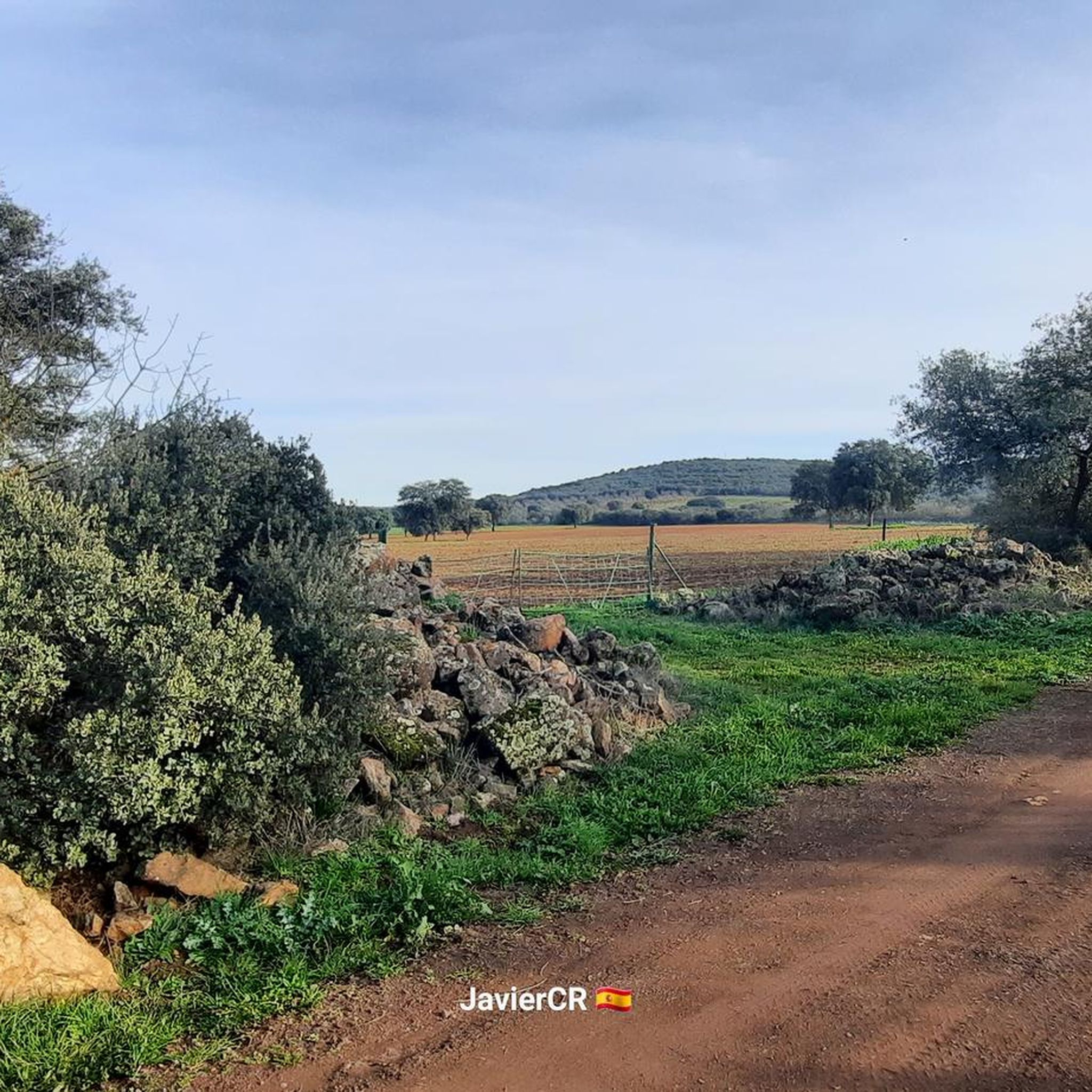
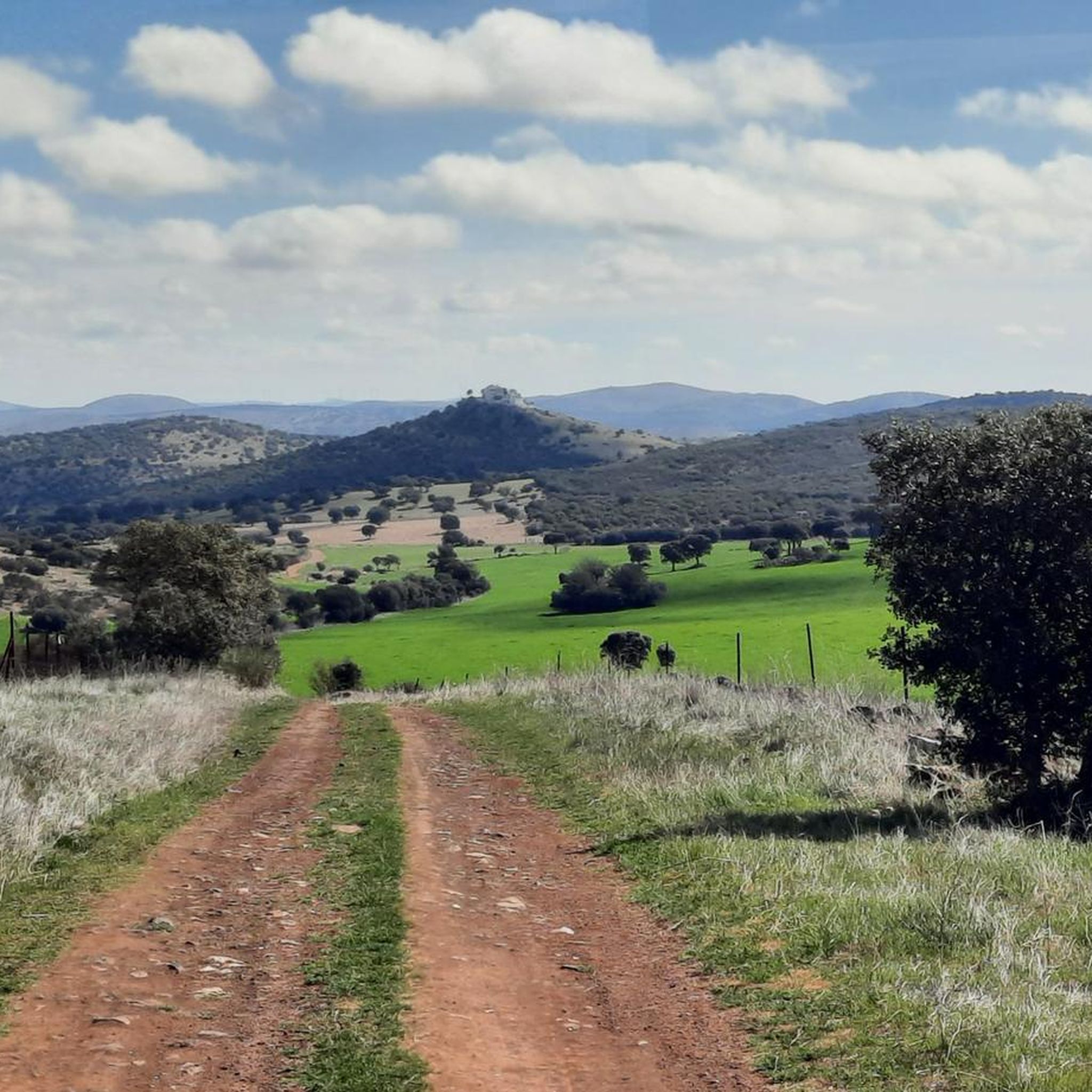
Roads heading west towards Laguna Peñarroya (Alcolea) and east towards Laguna Posadilla (Valverde).
7
0
Paraje el charcazo 3km from Corral de Calatrava, where they celebrate the pilgrimage of the town. Place with picnic areas, a fountain, swings and a (pond - lagoon) with Ducks.
6
0
It is a small municipality located in a small valley of the Tirteafuera river, a tributary of the Guadiana, and is surrounded by small mountains next to the Calatrava Massif. In addition, in its municipal term, there are outcrops and volcanic lagoons.
26
0

Like other lagoons in the area, this one originated when magma came into contact with groundwater. The violent explosion generated a crater 500 meters in diameter and a maximum depth of 100 meters. The lagoon is surrounded by a forest of holm oaks, kermes oaks, mastics and cornicabras. The lagoon water also attracts birds such as black and white storks, imperial eagles, short-toed eagles, golden eagles and black vultures.
6
1
Perched in the Sierra de las Medias Lunas, this volcanic lagoon is one of the most beautiful in this region due to its red splash deposits on the edge of the main crater, which are what also give it its name (Peñarroya). The lagoon or maar is more than a kilometer in diameter and is surrounded by Mediterranean forest, holm oak meadows and pastures.
6
2
Frequently Asked Questions
What makes the lakes around Cañada De Calatrava unique?
The lakes in this region, part of the Campo de Calatrava, are primarily volcanic lakes known as maars. They formed from violent hydromagmatic explosions when magma met groundwater, creating distinct craters that later filled with water. This geological history gives them a unique landscape and diverse ecosystems.
Are there good spots for birdwatching near the lakes?
Yes, several lakes are excellent for birdwatching. For instance, the waters of La Posadilla Viewpoint attract various species, including black and white storks, imperial eagles, short-toed eagles, golden eagles, and black vultures. The Caracuel Lagoon Nature Reserve also features a bird observatory, and marsh harriers nest at Hoya de Cervera Lagoon in the summer.
Which lakes are recommended for exploring their natural beauty?
The La Posadilla Viewpoint offers stunning views of a lagoon formed by a volcanic explosion, surrounded by Mediterranean forest. Another must-see is Peñarroya Lagoon, known for its striking red splash deposits and surrounding holm oak meadows. The Hoya de Cervera Lagoon, though on private land, is also noted for its natural beauty and diverse wildlife.
Are there family-friendly areas around the lakes?
Yes, El Charcazo Area in Corral de Calatrava is a great recreational spot. It provides facilities such as picnic areas, barbecue spots, and swings, alongside the Hermitage of San Isidro and a pond, making it ideal for families.
What kind of wildlife can be observed around these lakes?
The Mediterranean forests surrounding the lakes, featuring holm oaks, kermes oaks, mastics, and cornicabras, support diverse wildlife. Bird species like black and white storks, imperial eagles, short-toed eagles, golden eagles, black vultures, and marsh harriers are commonly seen. The unique geological features also contribute to a distinct ecosystem.
Can I go cycling near the lakes?
Yes, the region offers various cycling opportunities. You can find several routes for touring bicycles, such as the 'Guadiana Natural Trail Loop' or 'Ermita de El Pardillo – Detour loop from Ballesteros de Calatrava'. For more options, explore the Cycling around Cañada De Calatrava guide.
Are there mountain biking trails available?
Absolutely. Mountain biking is a popular activity around the lakes. Trails like the 'Guadiana Natural Trail and Alarcos Loop' or 'Vicario Dam – Bridge of Peralvillo loop from Poblete' offer exciting rides. Check out the MTB Trails around Cañada De Calatrava guide for detailed routes.
What historical or cultural sites are near the lakes?
The town of Argamasilla de Calatrava, which features the ancient Laguna Blanca, has a rich history with traces from the Paleolithic era, Roman constructions, and Visigothic remains. Its heritage includes the 16th-century church of Santa María la Mayor and the 17th-century palace house of the Inquisition. The picturesque Caracuel castle can also be seen from the Caracuel Lagoon.
What is the best time of year to visit the lakes?
The lakes are generally beautiful year-round, but spring and autumn offer pleasant temperatures for outdoor activities like hiking and birdwatching. During these seasons, the Mediterranean flora is vibrant, and migratory birds are often present. Summer can be hot, while winter provides a quieter, more serene experience.
Are there other notable volcanic lakes in the region besides the main highlights?
Yes, beyond the well-known ones, the region is home to several other significant volcanic lakes. These include the Laguna de Cañada de Calatrava itself (near Caracuel de Calatrava), the Caracuel Lagoon Nature Reserve (part of a complex including Doña Elvira, Perabad, Dehesa, and Estación lakes), and Michos Volcanic Lake, all contributing to the area's distinct hydrological and geological landscape.
What do visitors enjoy the most about the lakes around Cañada De Calatrava?
Visitors appreciate the unique geological formations, especially the volcanic maars, and the stunning natural landscapes. The opportunity for birdwatching and observing diverse wildlife is also a major draw. Many enjoy the serene environments and the challenging yet rewarding trails, with some describing the views as 'dreamlike'.
Are there specific directions or trails to reach the lagoons?
Yes, there are designated paths and trails. For example, there are specific directions towards Peñarroya Lagoon and La Posadilla Viewpoint, often marked as 'Towards Laguna Peñarroya and Posadilla (Directions)'. Some paths can be rocky and challenging, offering good mountain routes for experienced hikers.
Most popular routes around Cañada De Calatrava
Most popular attractions around Cañada De Calatrava

Get inspired with the komoot mobile app


Explore more
Still not found your perfect lake around Cañada De Calatrava? Check out the guides of these regions to see even more beautiful places.
