Top 4 Gorges around Valtierra
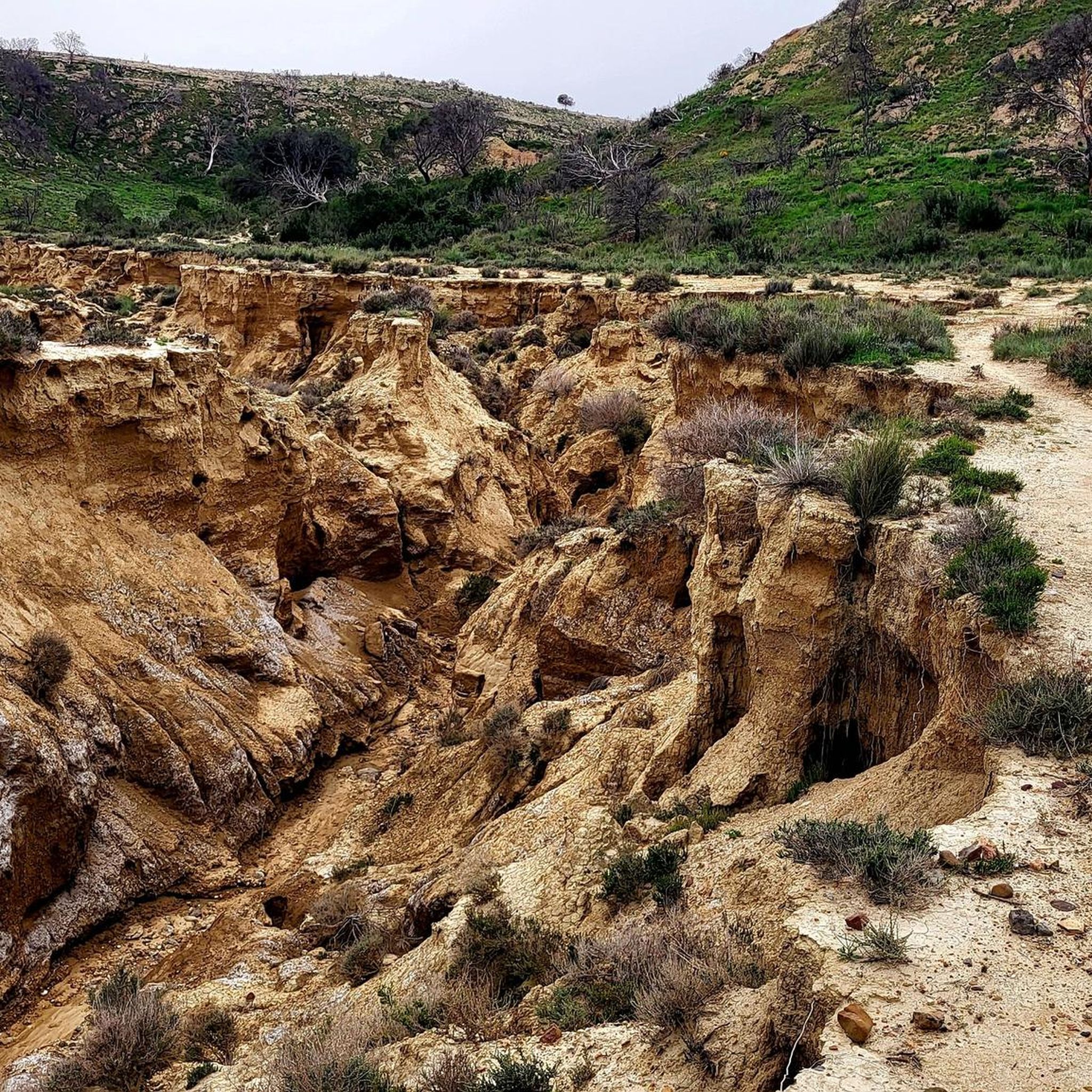
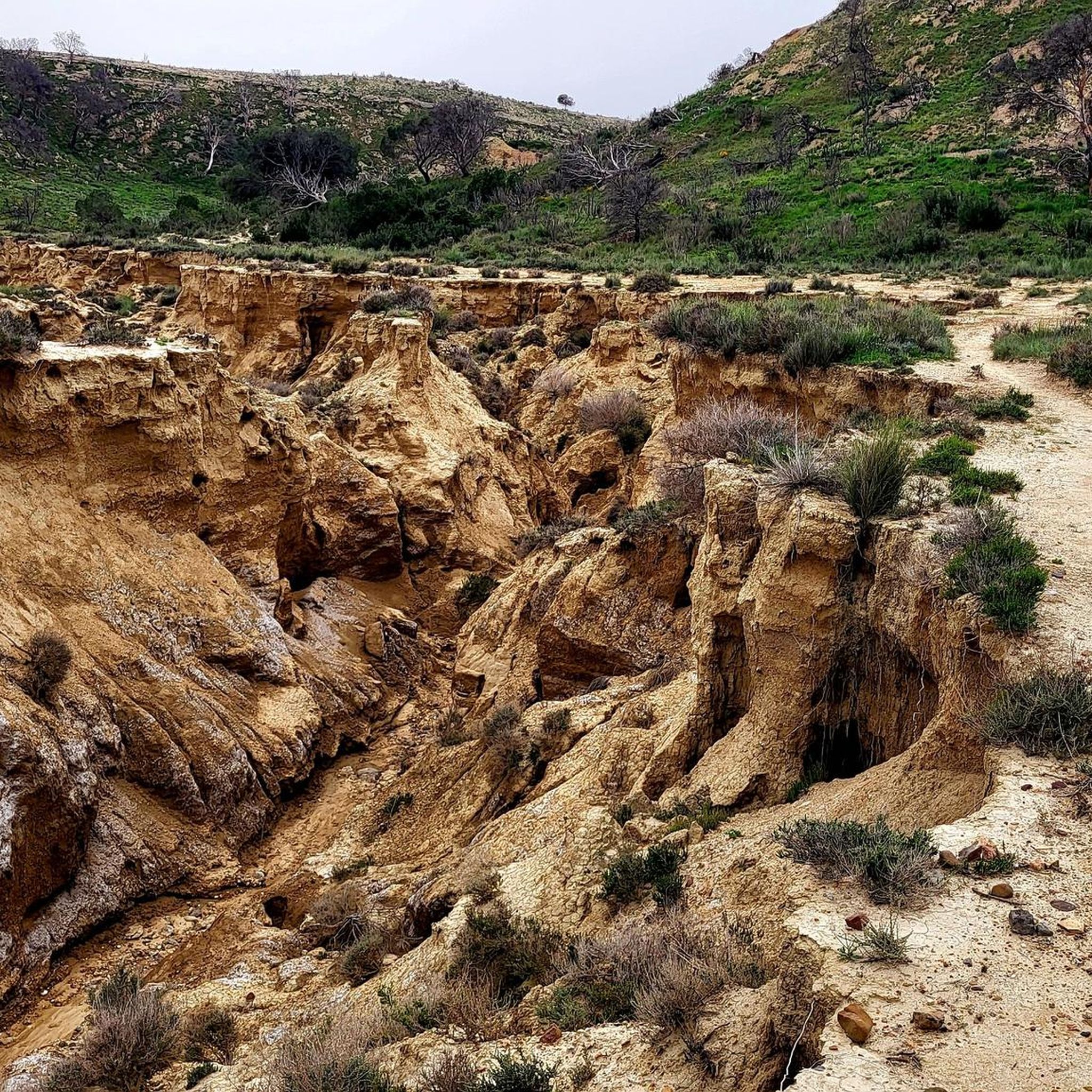
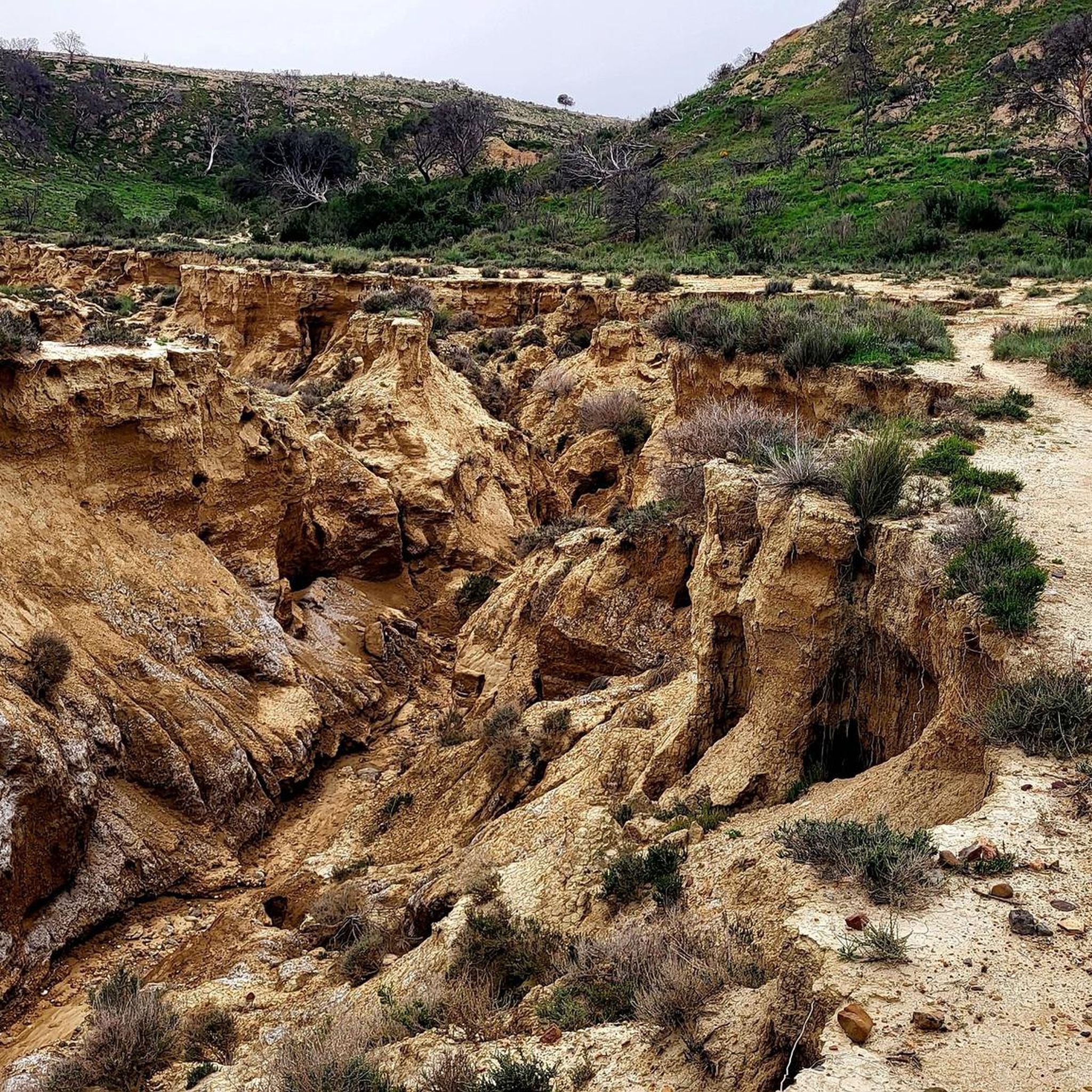
Best canyons around Valtierra are found within the Bardenas Reales Natural Park, a semi-desert region in Navarre, Spain. This area is characterized by unique geological formations, including impressive "canyons" and barrancos sculpted by erosion. The Bardenas Reales is a UNESCO Biosphere Reserve, spanning approximately 42,000 hectares with soils of clay, chalk, and sandstone. Wind and water have shaped these materials into a landscape of distinct forms, plateaus, and isolated hills.
Best canyons around Valtierra
- The most popular canyons is Bardenas…
Last updated: July 3, 2026
Bardenas Reales Natural Park
Highlight • Natural Monument
Translated by Google •
Tip by

Bardena Blanca Viewpoint
Highlight • Viewpoint
Translated by Google •
Tip by

Sign up now to discover places like this
Get recommendations on the best single tracks, peaks, & plenty of other exciting outdoor places.
Sign up for free
Piskerra
Highlight • Natural Monument
Translated by Google •
Tip by
Bardenas Reales Badlands
Highlight • Natural
By discovering these lands both superb and arid, you may sing the chorus of the song …
Translated by Google •
Tip by

BarrancoDeLasCortinas
Highlight (Segment) • Gorge
Translated by Google •
Tip by

Sign up for free to discover even more gorges around Valtierra.
Sign up for free
Already have an account?
Start today with a free account
Your next adventure awaits.
Login or Signup

Tips from the Community

short walk through the gorge near cabezo de castildetierra
0
0

This route, while fantastic and spectacular, should be removed from Komoot. It's no longer visible, the steps are barely visible, and at too many points it's truly irresponsible and life-threatening!
0
0
Hi guys, I would highly recommend NOT TO HIKE this. This is not a proper hike, this is just craziness to go on this mountain. The path no longer exists. The stairs are completely broken. If you slip, you die. I never got scared like this and I’m a serious hiker. JUST DONT DO IT.
1
0

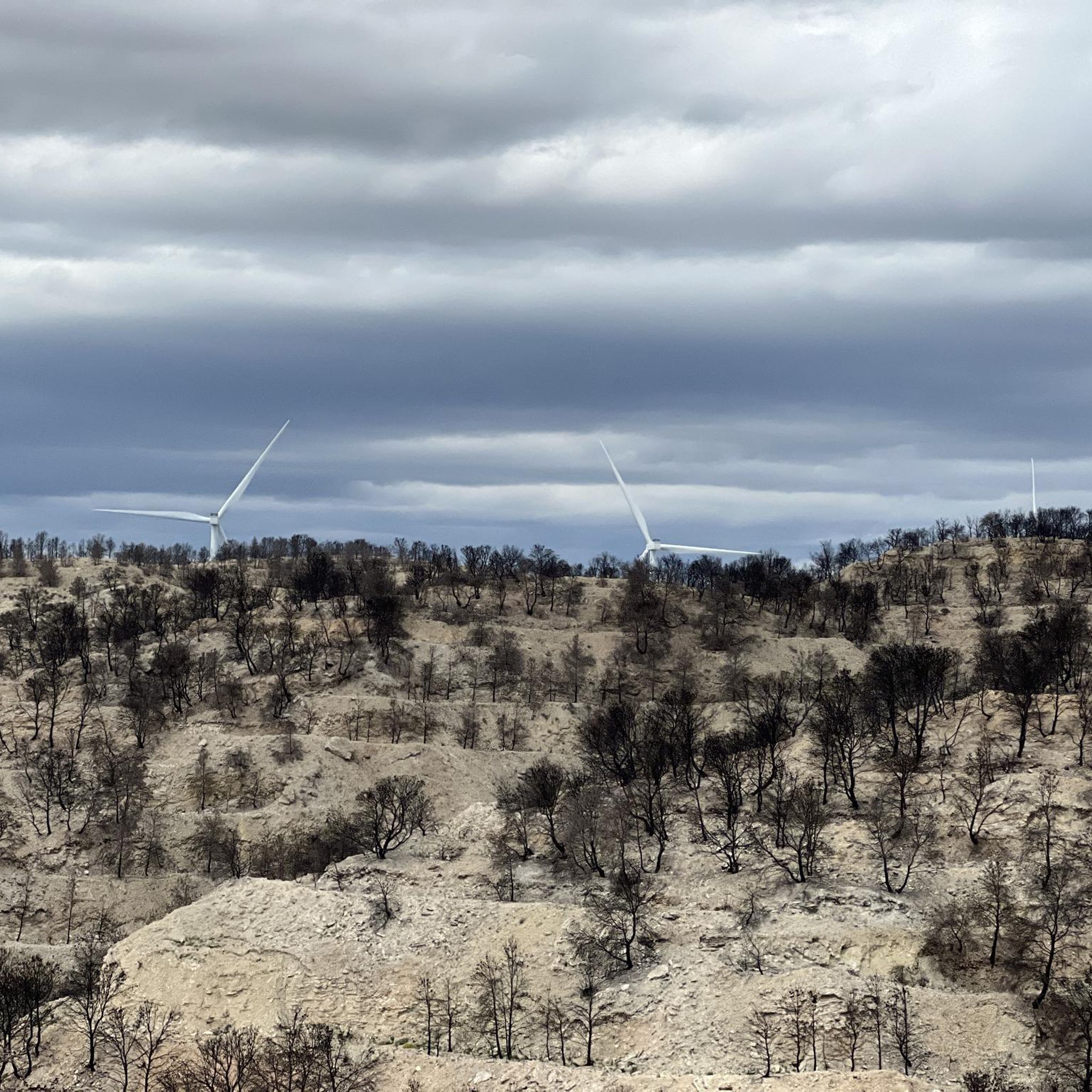
Warning! Update 2025: Do not hike this trail! The descent from Piskerra no longer exists. The ascent to Piskerra is also not easy and not for beginners. The same applies to the broken steps. It took me three hours to complete the entire hike, twice as long as planned, and at times I was in mortal danger. No joke.
1
0
Warning! Update 2025: Do not hike this trail! The descent from Piskerra no longer exists. The ascent to Piskerra is also not easy and not for beginners. The same applies to the broken steps. It took me three hours to complete the entire hike, twice as long as planned, and at times I was in mortal danger. No joke.
2
0
The walks to Piskerra are no longer up to date, the steps have collapsed and other parts have unfortunately also collapsed.
1
0
Frequently Asked Questions
What are the most notable geological formations to explore near Valtierra?
The region around Valtierra is renowned for the unique geological formations within the Bardenas Reales Natural Park. You can explore impressive 'cabezos' (isolated hills) like Castildetierra, which is an iconic symbol of the park, and El Fraile. The park is also crisscrossed by numerous 'barrancos' (ravines), such as Barranco Grande, which showcase the powerful erosive forces at play.
What makes the landscape of Bardenas Reales unique?
The Bardenas Reales, a UNESCO Biosphere Reserve, offers a striking semi-desert landscape often described as lunar or otherworldly. It's characterized by soils of clay, chalk, and sandstone, sculpted by wind and water into a diverse terrain of plateaus, tabular structures, and distinctive eroded formations. This creates a stark contrast to the typical green scenery of northern Spain.
Are there specific viewpoints to appreciate the Bardenas Reales landscape?
Yes, for breathtaking panoramic views, visit the Bardena Blanca Viewpoint. From here, you can take in the surreal expanse of the entire Bardenas Reales, particularly the extensive eroded relief of the White Bardena. Be aware that access paths can be eroded, so proceed with caution.
What outdoor activities can I do in the Bardenas Reales Natural Park?
The Bardenas Reales Natural Park is well-suited for various outdoor activities. You can enjoy hiking, mountain biking, and even car or 4x4 tours to explore its diverse terrain. For specific routes, you can find many options for hiking, mountain biking, and cycling around Valtierra.
Are there hiking trails suitable for families or beginners near Valtierra?
Yes, there are hiking options that cater to different skill levels. For example, the 'Castildetierra – Cabezo de las Cortinillas loop from Monumento al Segador' is an easy 3.2 km hike, and the 'View of Castildetierra – Castildetierra loop from Monumento al Segador' is an easy 1.1 km route. You can explore more options on the hiking guide for Valtierra.
What is the best time of year to visit the canyons and formations around Valtierra?
The Bardenas Reales is best visited during spring (March to May) and autumn (September to November) when temperatures are milder. Summers can be extremely hot, and winters can bring cold, wet conditions, making some eroded paths slippery and less enjoyable for exploration.
Can I bring my dog to the Bardenas Reales Natural Park?
While the Bardenas Reales is a natural park, specific regulations regarding dogs can vary. It's generally advisable to keep dogs on a leash to protect wildlife and ensure their safety on potentially rugged terrain. Always check local signage or official park guidelines for the most current rules.
What kind of wildlife can I expect to see in the Bardenas Reales?
Despite its arid appearance, the Bardenas Reales is home to diverse flora and fauna. You might spot various bird species, including raptors, as well as mammals like foxes and wild boars, particularly in areas like the Black Bardena. During winter months, thousands of sheep also graze in the park.
Are there any specific areas within Bardenas Reales that resemble other famous landscapes?
Yes, the Bardenas Reales Badlands are often noted for their resemblance to the landscapes found in South Dakota, USA. This area features superb and arid terrain, frequently explored via wide gravel roads, offering a unique visual experience.
What should I pack when visiting the Bardenas Reales canyons?
Given the semi-desert environment, it's crucial to pack plenty of water, sun protection (hat, sunscreen, sunglasses), and appropriate footwear for hiking or cycling on uneven and potentially slippery terrain. Layers of clothing are also recommended as temperatures can fluctuate throughout the day.
Are there any cultural or historical points of interest near the Bardenas Reales?
Valtierra, the gateway to the Bardenas, offers unique 'cave dwellings' (Cuevas de Valtierra), some of which have been converted into tourist accommodations. Additionally, the 'Ruta de las Salinas' trail adjacent to Valtierra highlights local natural and cultural heritage, including salt flats.
Is it possible to explore the Bardenas Reales by car?
Yes, the Bardenas Reales is well-developed for visitors and can be explored by car or 4x4 on designated routes. This allows for access to many of the park's key geological formations and viewpoints, such as Bardenas Reales Natural Park, making it accessible for those who prefer not to hike or cycle extensively.
Most popular attractions around Valtierra

Get inspired with the komoot mobile app


Explore more
Already discovered everything in this region? See additional gorges around Valtierra for your next adventure:
