The 5 Most Amazing Peaks around Ayllón
Best mountain peaks around Ayllón are part of the Sierra de Ayllón, a mountain range within Spain's Sistema Central. This region spans the provinces of Guadalajara, Segovia, and Madrid, offering diverse landscapes. The area is protected within the Natura 2000 network, featuring unique forests and rugged, slate-laden summits. Visitors can explore varied mountain routes, from deciduous forests to characteristic slate stone summits.
Best mountain peaks around Ayllón
- The most popular mountain peaks is Risco de la Cruz de Hontanares, a man-made monument that is home to the Cruz de Hontanares, a monument dedicated to the Virgin of the Sierra. This site offers a blend of natural beauty and deep cultural and historical significance, with a legend dating back to the 7th century.
- Another must-see spot is Valdebecerril, a summit recognized for its elevation of 1,766 m. From this peak, visitors can enjoy panoramic views of both the Guadalajara and Segovia provinces.
- Visitors also love Peñón de los Arcos, a summit at 1,835 meters high within the Sierra de Ayllón massif. It offers panoramic views of the Hayedo de Tejera Negra Natural Park on one side and the entire Castellana Plateau on the other.
- Ayllón is known for its summits, viewpoints, and natural monuments. The region offers a variety of mountain peaks to see and explore, including those with historical significance and others providing extensive panoramic views.
- The mountain peaks around Ayllón are appreciated by the komoot community, with 9 upvotes and 6 photos shared by visitors.
Last updated: May 6, 2026
Risco de la Cruz de Hontanares
Highlight • Monument
Translated by Google •
Tip by

Peñón de los Arcos
Highlight • Summit
Enjoy the panoramic views of the Hayedo de Tejera Negra Natural Park on one side and the entire Castellana Plateau on the other.
Translated by Google •
Tip by

Sign up now to discover places like this
Get recommendations on the best single tracks, peaks, & plenty of other exciting outdoor places.
Sign up for free
Cerro Gordo
Highlight • Summit
Translated by Google •
Tip by

Valdebecerril
Highlight • Summit
Translated by Google •
Tip by
Pico Merino and Collado Cimero
Highlight • Summit
Translated by Google •
Tip by
Start today with a free account
Your next adventure awaits.
Login or Signup
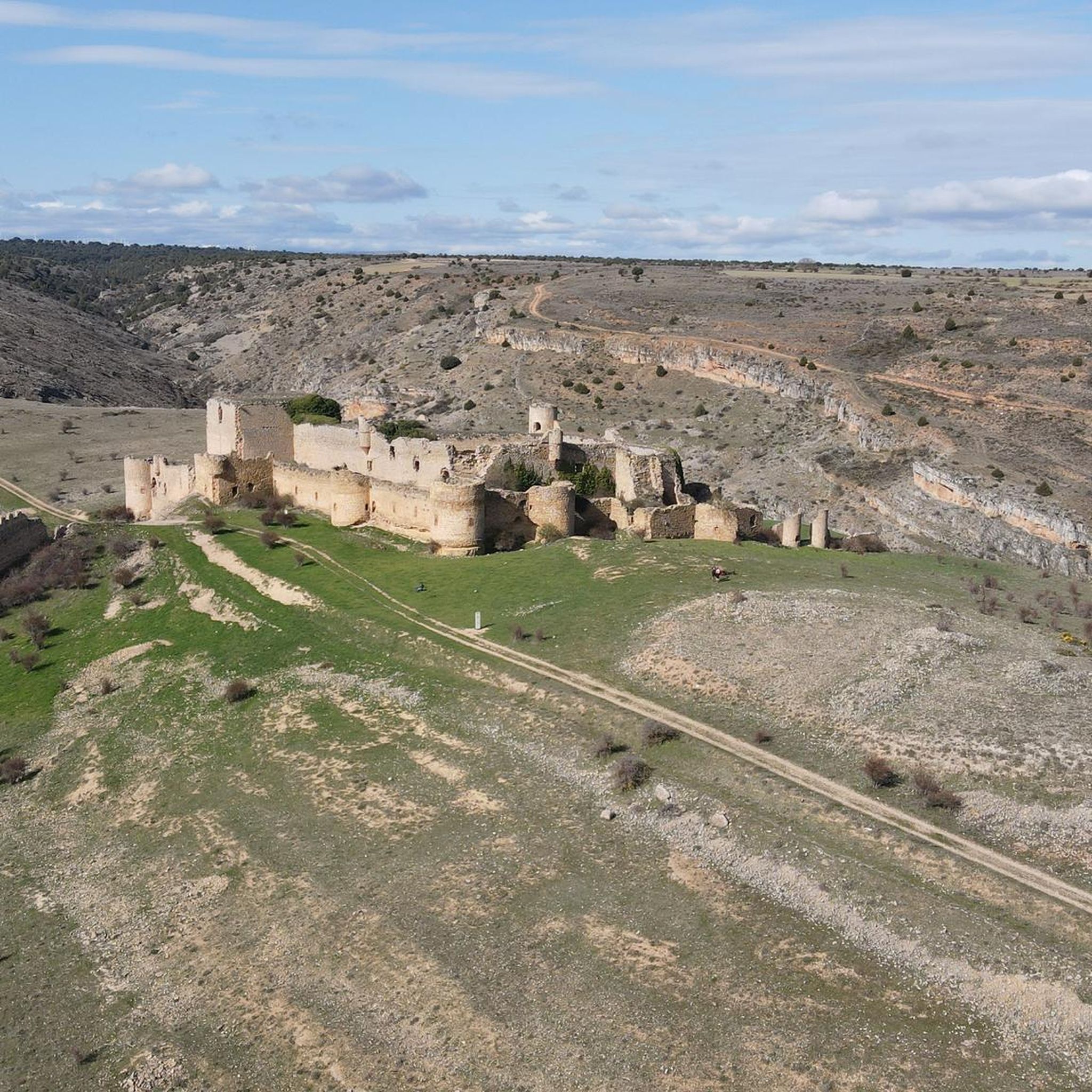
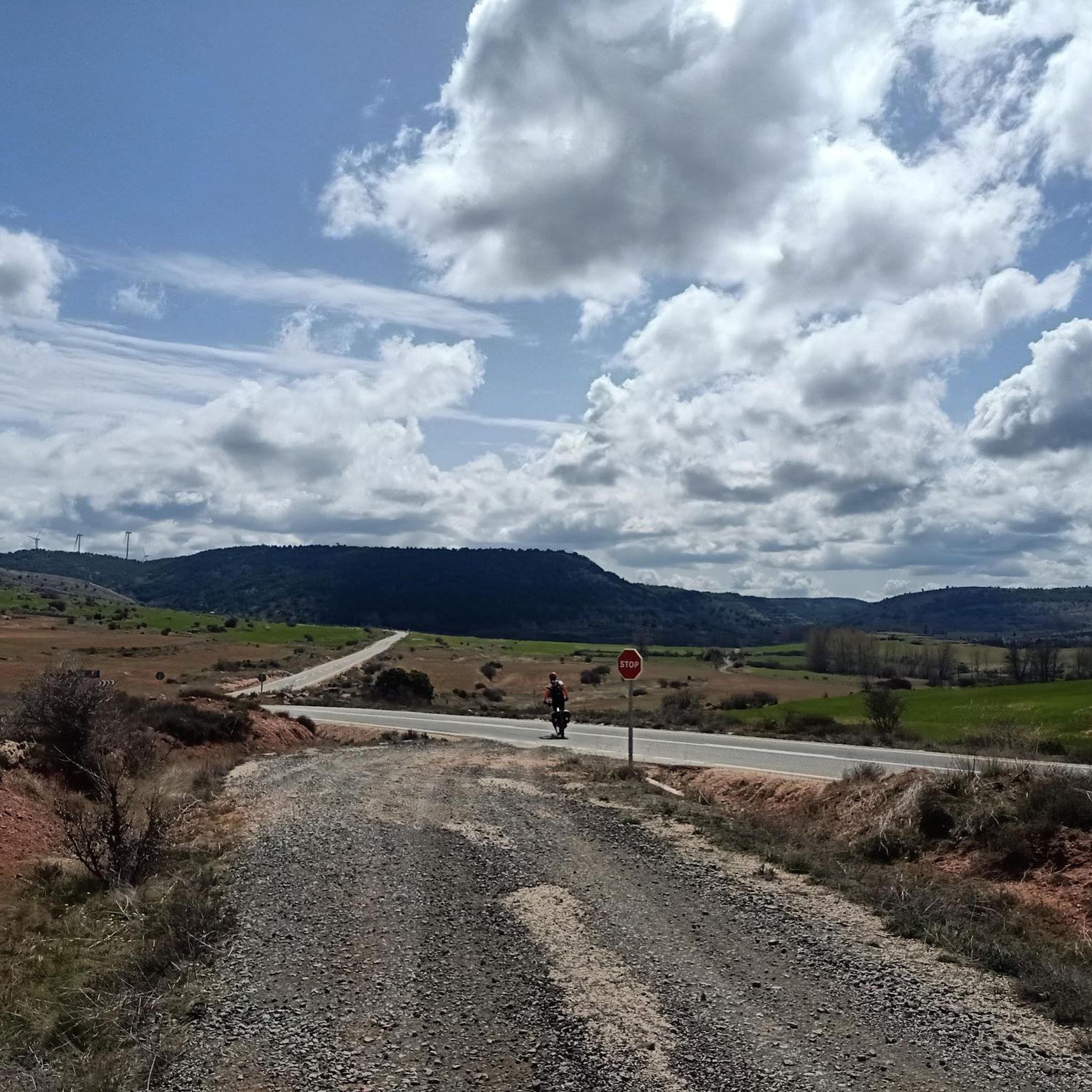
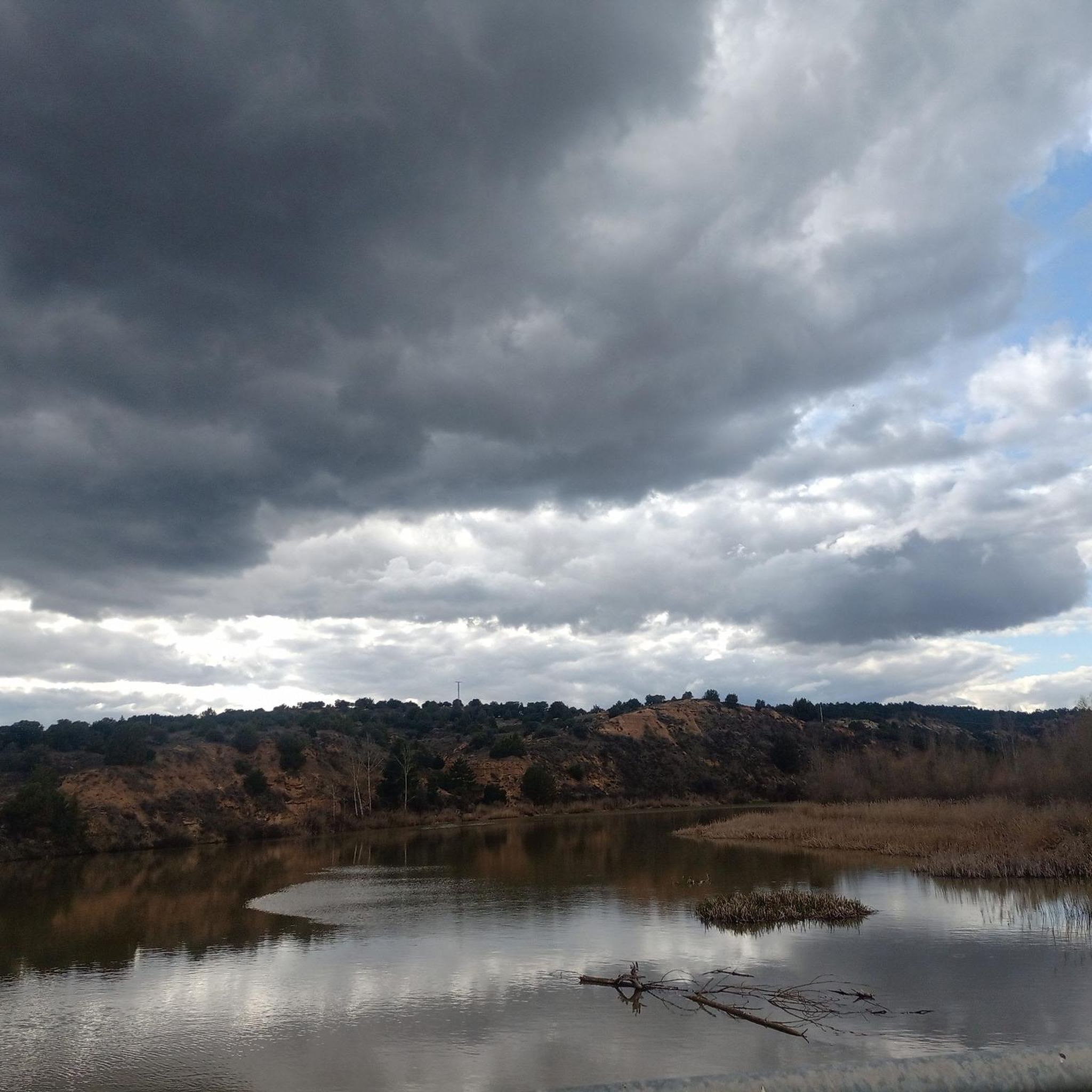
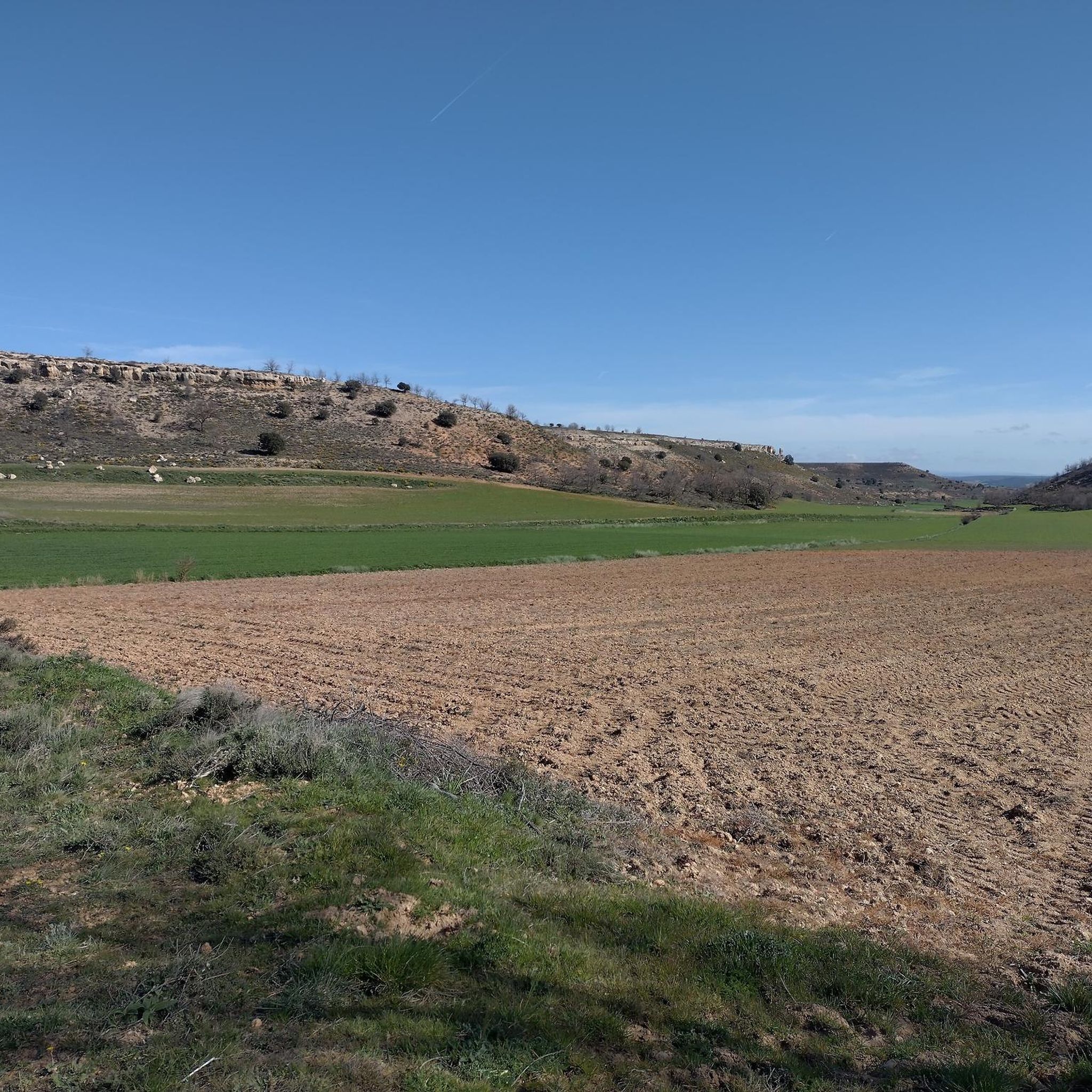

Tips from the Community

Difficult to approach the Cross, but exciting.
0
0
One of the many peaks of La Sierra de Ayllón.
2
0
Col at 1,666 m. between Guadalajara and Castilla León. natural passage between the towns of Segovia and Cantalojas.
0
0
Intermediate peak 1,906 m. on the climb to Portillo de los Lobos 1,908 m. and La Peñota de la Buitrera.
1
0
After Alto de La Cruz, we find Pico Merino 1,799 m. and Collado Cimero 1,788 m., on the way to Cerro Gordo 1,906 m..
1
0

Peñón de los Arcos is 1835 meters high and is one of the hills of the Sierra de Ayllón mountain massif. At the top there is a small pile of stones stacked. Enjoy the panoramic views of the Hayedo de Tejera Negra Natural Park on one side and the entire Castellana Plateau on the other.
2
0
The Valdebecerril peak at 1,766 m allows us to enjoy panoramic views of the two provinces: Guadalajara and Segovia.
1
0

The Cruz de Hontanares is a monument in honor of the Virgin of the Sierra. The legend goes back to the 7th century, when the inhabitants of the towns of Ayllón hid the image of the Virgin in a mountain cave to prevent it from falling into Muslim hands. After several centuries, a shepherd from Riaza found the image in the grotto of the mountains and began the worship of the most popular and endearing sanctuary in the Land of Ayllón.
1
0
Frequently Asked Questions
What are some of the most prominent mountain peaks in the Sierra de Ayllón?
The Sierra de Ayllón features several notable peaks. Pico del Lobo, at 2,274 m, is the highest in the range and Castilla-La Mancha, offering spectacular panoramic views. Other significant peaks include Peñón de los Arcos, which provides views of the Hayedo de Tejera Negra Natural Park, and Valdebecerril Peak, known for its extensive vistas across Guadalajara and Segovia provinces. You can learn more about Peñón de los Arcos and Valdebecerril on komoot.
Are there any mountain peaks in Ayllón with historical or cultural significance?
Yes, Risco de la Cruz de Hontanares is a site with deep cultural and historical significance. It is home to the Cruz de Hontanares, a monument dedicated to the Virgin of the Sierra, with a legend dating back to the 7th century. The climb to this site is considered exciting, offering a blend of natural beauty and heritage. Find more details about Risco de la Cruz de Hontanares on komoot.
What kind of views can I expect from the mountain peaks in the Sierra de Ayllón?
Many peaks in the Sierra de Ayllón offer breathtaking panoramic views. From Pico del Lobo, you can see across both Segovia and Guadalajara provinces. Peñón de los Arcos provides vistas of the Hayedo de Tejera Negra Natural Park and the Castellana Plateau. Similarly, Valdebecerril Peak offers extensive views of Guadalajara and Segovia. Even intermediate peaks like Cerro Gordo and Pico Merino offer additional vantage points.
What are the typical terrain and elevation profiles like for hiking in the Ayllón mountains?
The Sierra de Ayllón is characterized by varied mountain routes. You'll find paths winding through deciduous forests, as well as trails over characteristic slate stone summits. Peaks like Pico del Lobo involve challenging ascents, especially in winter, while others like Peñón de los Arcos and Valdebecerril are considered intermediate. The region offers a range of elevations, from lower forest trails to summits exceeding 2,200 meters.
What natural features, besides the peaks, can I explore in the Sierra de Ayllón?
Beyond the peaks, the Sierra de Ayllón is home to the Hayedo de Tejera Negra Natural Park, a UNESCO World Heritage Site. This park is one of Europe's southernmost beech forests, renowned for its rich biodiversity and stunning autumnal colors. It features well-marked ecological trails, such as the Senda de Carretas, allowing visitors to explore its unique ecosystems of beech, oak, and pine. The region is also part of the Natura 2000 network, protecting its diverse landscapes.
What outdoor activities can I do near the mountain peaks of Ayllón?
The area around Ayllón's mountain peaks is excellent for various outdoor activities. You can find numerous hiking trails, ranging from easy to difficult, exploring both the peaks and the surrounding natural parks. For cyclists, there are options for both gravel biking and road cycling. To discover specific routes, check out the komoot guides for Hiking around Ayllón, Gravel biking around Ayllón, and Road Cycling Routes around Ayllón.
Are there challenging hikes for experienced mountaineers in the Sierra de Ayllón?
Yes, the Sierra de Ayllón offers challenging routes suitable for experienced mountaineers. The ascent to Pico del Lobo, the highest peak, is particularly demanding, especially its steep eastern face. Winter ascents to Pico del Lobo require technical equipment due to snow and ice. The area around Risco de la Cruz de Hontanares is also described as a difficult but exciting climb.
What is the best time of year to visit the Sierra de Ayllón for hiking?
The Sierra de Ayllón offers different experiences depending on the season. While hiking and mountaineering are popular year-round, winter ascents to higher peaks like Pico del Lobo require technical equipment due to snow and ice. The Hayedo de Tejera Negra Natural Park is particularly renowned for its striking autumnal colors, making autumn a beautiful time to visit for forest trails. Spring and early summer offer pleasant temperatures for exploring the diverse landscapes.
What do visitors enjoy most about the mountain peaks around Ayllón?
Visitors to the mountain peaks around Ayllón highly appreciate the spectacular panoramic views from summits like Pico del Lobo, Peñón de los Arcos, and Valdebecerril. The blend of natural beauty with cultural and historical significance, as seen at Risco de la Cruz de Hontanares, is also a major draw. The diverse hiking opportunities through unique forests and over rugged slate summits, along with the rich biodiversity of areas like the Hayedo de Tejera Negra, contribute to a rewarding experience.
Are there any specific trails or routes recommended for exploring the Hayedo de Tejera Negra Natural Park?
Yes, the Hayedo de Tejera Negra Natural Park offers well-marked ecological trails for visitors. One notable trail is the Senda de Carretas, which allows you to explore its unique ecosystems of ancient beech, oak, and pine stands. These trails are designed to showcase the park's rich biodiversity and its striking autumnal colors, making it a popular destination for nature lovers.
Can I find any circular hiking routes around the Ayllón peaks?
Yes, the region offers various hiking opportunities, including circular routes. For example, the komoot guide for Hiking around Ayllón features routes like the 'Trail of the Red and Black Villages I' and 'Ayllón - San Francisco Convent Circular Trail', which allow you to experience the diverse landscapes and cultural heritage of the area in a loop.
Most popular attractions around Ayllón

Get inspired with the komoot mobile app


Explore more
See even more amazing summits around Ayllón with these guides:
