Top 6 Caves around Nafría De Ucero
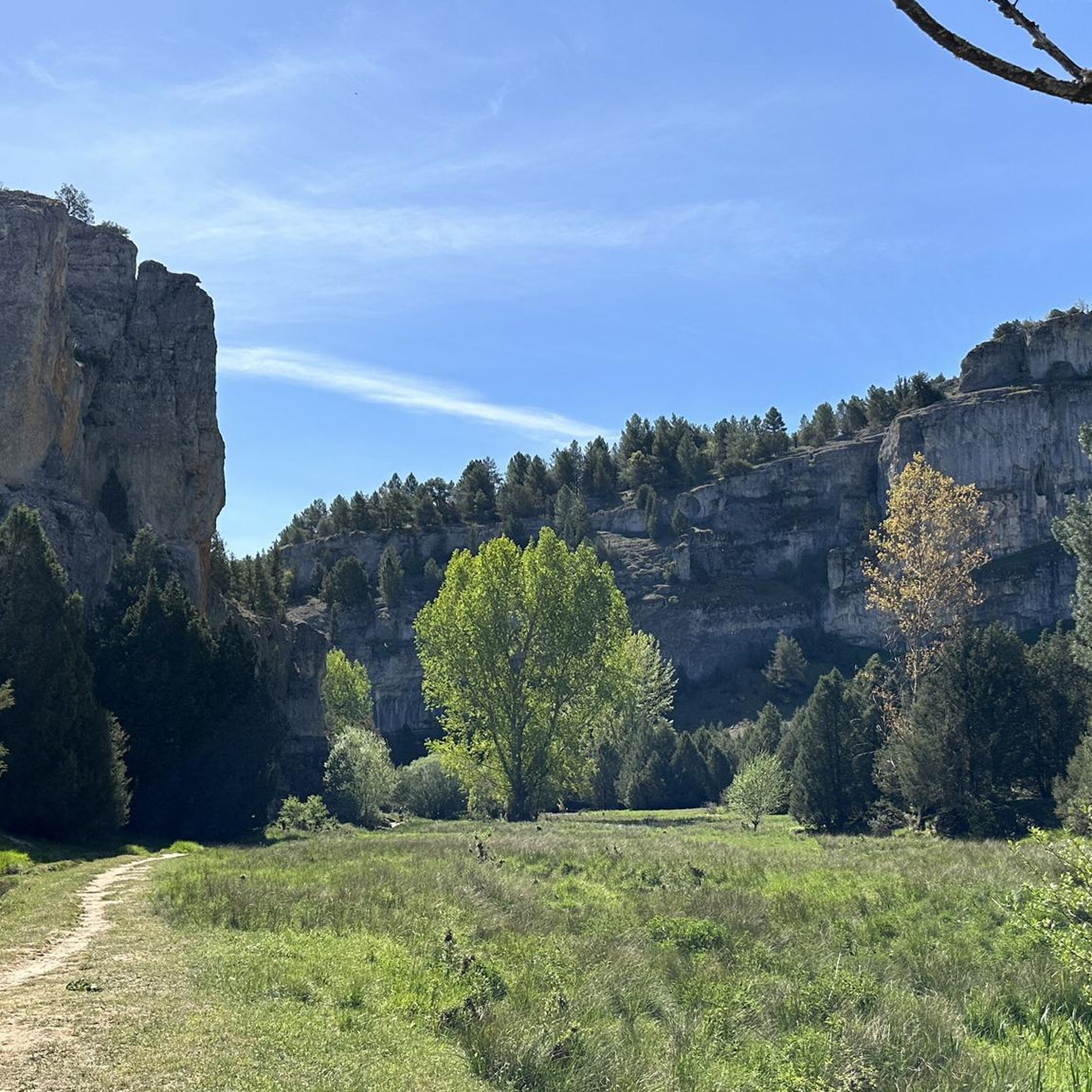
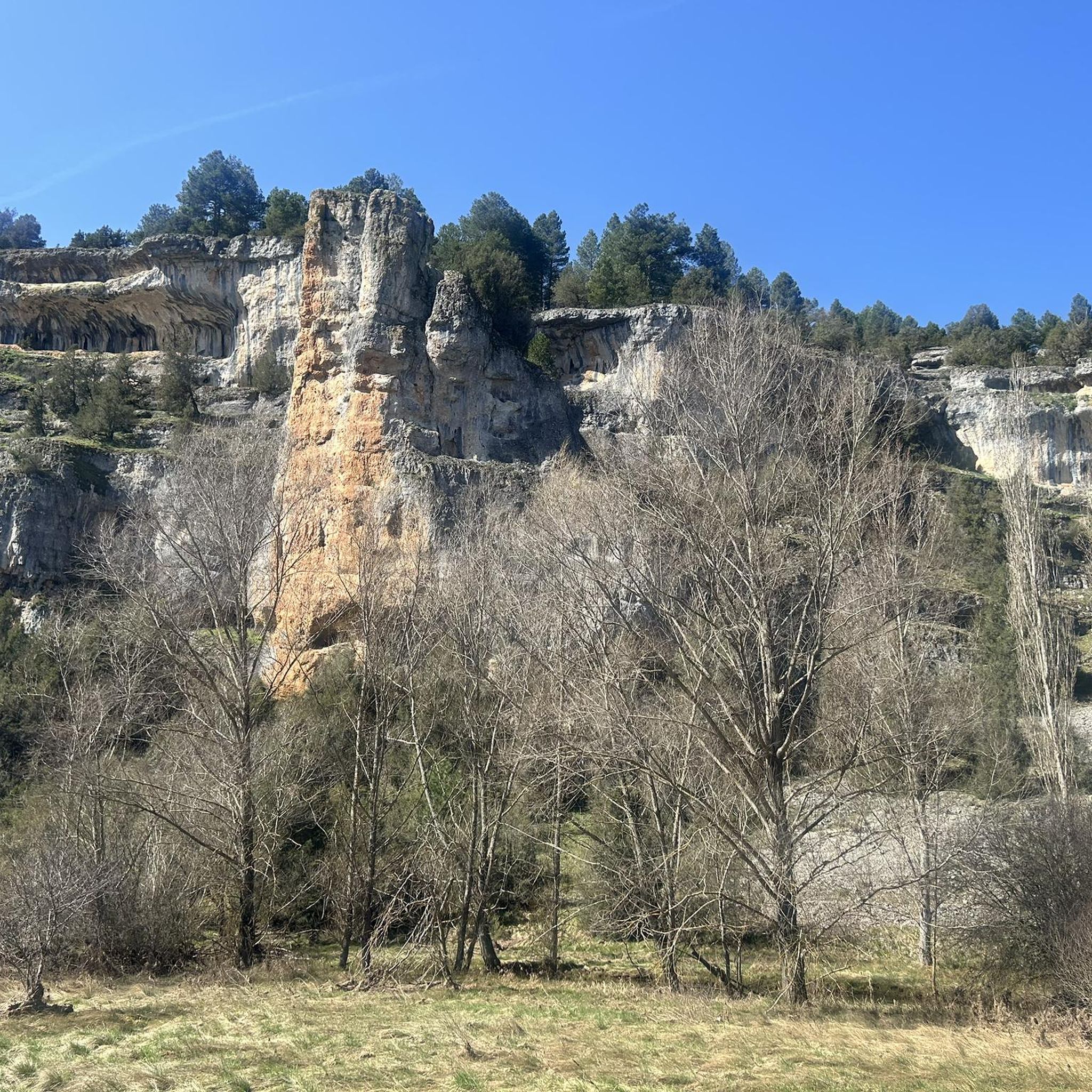
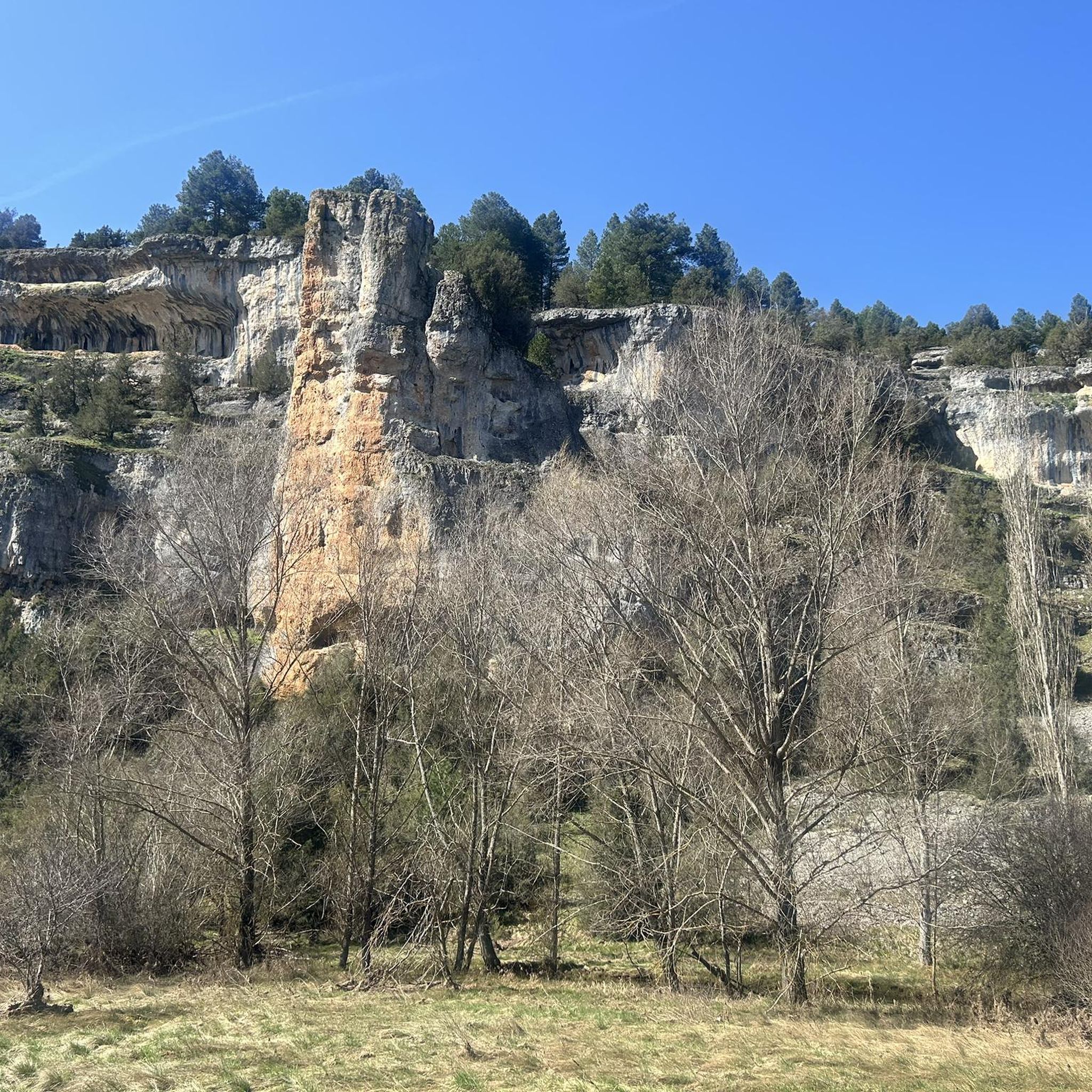
Best caves around Nafría De Ucero are situated within a landscape characterized by significant geological formations and natural monuments. The region is known for its canyons, such as the Cañón del Río Lobos, which features various caves and rock formations. These natural features are often associated with historical and cultural sites, including the Templar hermitage of San Bartolomé. The area offers opportunities to explore diverse natural settings, from river-carved gorges to large cave systems.
Best caves around Nafría De Ucero
…Last updated: July 3, 2026
Cueva Grande (Río Lobos Canyon)
Highlight • Cave
Translated by Google •
Tip by

Entrance Trail to Cañón del Río Lobos from Casarejos (GR-86)
Highlight (Segment) • Trail
Translated by Google •
Tip by

Sign up now to discover places like this
Get recommendations on the best single tracks, peaks, & plenty of other exciting outdoor places.
Sign up for free
Devil's Eye (Natural Rock Arch)
Highlight • Natural Monument
Translated by Google •
Tip by

View of the Hermitage of San Bartolomé from Cueva Grande
Highlight • Cave
Translated by Google •
Tip by
Hoz de Orillares Gorge and Caves
Highlight • Gorge
Translated by Google •
Tip by

Sign up for free to discover even more caves around Nafría De Ucero.
Sign up for free
Already have an account?
Start today with a free account
Your next adventure awaits.
Login or Signup

Tips from the Community

Spectacular area for hiking routes
0
0
The LOBOS River canyon is worth visiting
0
0
The large cave, a large cavity in an idyllic landscape, which is the surroundings of the hermitage of San Bartolomé
0
1
The number of times I've climbed up there
0
0

La Hoz de Orillares is an incredible landscape. The Pilde River has pierced the rocks and created a small gorge with several picturesque caves and a tunnel through which the river flows. In the upper part of the gorge, a large colony of griffon vultures can be observed nesting on the rock walls.
0
0
Impressive cave created by nature over millions of years
1
0

Very interesting and beautiful descent into the Lobos River canyon from San Leonardo.
0
0

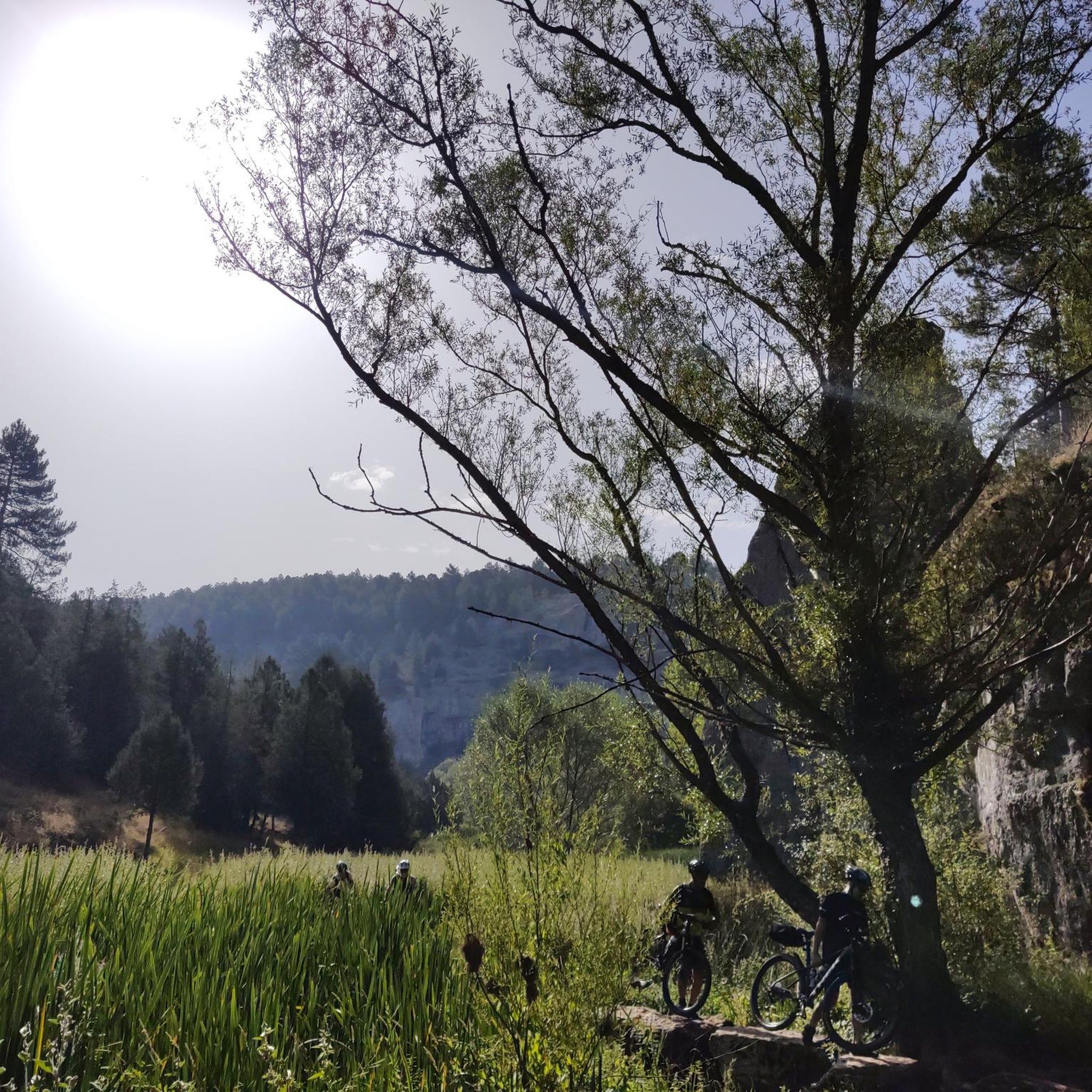
In my case I used it to get out of the Canyon. In some sections you have to put your feet on the ground because the stones (pebbles) make it impossible for you to continue, but it is very very beautiful and cool.
0
0
Frequently Asked Questions
What kind of geological formations can I explore around Nafría De Ucero?
The region around Nafría De Ucero is rich in diverse geological formations. You can find natural caves, impressive rock arches like the Devil's Eye (Natural Rock Arch), and river-carved gorges, particularly within the Cañón del Río Lobos. These features are often integrated into scenic trails and viewpoints.
Are there any easy-to-access caves for beginners or families in the area?
Many of the caves and natural features in the Cañón del Río Lobos area, such as Cueva Grande (Río Lobos Canyon), are generally accessible for those with an intermediate fitness level. While specific 'beginner' caves aren't highlighted, the trails leading to them often offer a good introduction to the landscape. For a less crowded approach that includes caves, consider the Entrance Trail to Cañón del Río Lobos from Casarejos (GR-86).
What is the best time of year to visit the caves around Nafría De Ucero?
The Cañón del Río Lobos, where many of these caves are located, is generally pleasant to visit during spring and autumn when temperatures are milder and the natural scenery is vibrant. Summer can be warm, but the shade within the canyon and caves offers respite. Winter visits are possible but may involve colder temperatures and potentially more challenging trail conditions.
Can I bring my dog on walks near the caves?
Many natural parks and trails in Spain, including parts of the Cañón del Río Lobos, generally allow dogs on a leash. However, specific cave interiors or protected areas might have restrictions. It's always best to check local signage or official park regulations before visiting with your dog to ensure a smooth experience.
Are there any historical or cultural sites near the caves?
Yes, the caves are often intertwined with historical sites. The Cueva Grande (Río Lobos Canyon) and the Devil's Eye (Natural Rock Arch) are both situated near the Templar hermitage of San Bartolomé, a significant cultural landmark within the Cañón del Río Lobos. You can even get a View of the Hermitage of San Bartolomé from Cueva Grande.
What outdoor activities can I do near the caves of Nafría De Ucero?
The area around Nafría De Ucero offers a variety of outdoor activities. You can explore numerous hiking trails, including those within the Cañón del Río Lobos. There are also cycling routes for touring bicycles and dedicated running trails. For more detailed information on routes, you can check out the guides for Hiking around Nafría De Ucero, Cycling around Nafría De Ucero, and Running Trails around Nafría De Ucero.
What should I wear when exploring caves and gorges in this region?
When exploring the caves and gorges around Nafría De Ucero, it's advisable to wear comfortable, sturdy hiking shoes with good grip, as trails can be uneven and rocky. Layers of clothing are recommended, as temperatures inside caves can be cooler than outside, and weather conditions in the canyon can change. A headlamp or flashlight is also useful for darker cave sections.
Are there any less-known or 'hidden' caves to discover?
While the Cañón del Río Lobos is popular, the Hoz de Orillares Gorge and Caves offer a slightly different experience. This area features a small gorge with several picturesque caves and a tunnel through which the Pilde River flows, providing a unique natural setting that might feel more secluded than the main canyon attractions.
How long does it typically take to explore the main cave areas?
Exploring the main cave areas, such as those around the Templar hermitage in Cañón del Río Lobos, can vary. A visit to Cueva Grande and the nearby Devil's Eye, combined with a walk along the canyon, could take anywhere from 2 to 4 hours, depending on your pace and how much you wish to explore the surrounding trails.
What do visitors enjoy most about the caves and natural features here?
Visitors frequently highlight the impressive size and peaceful setting of caves like Cueva Grande. The unique geological formations, such as the natural window of the Devil's Eye, also receive high praise. The overall beauty of the Cañón del Río Lobos, with its less crowded trails and opportunities for fantastic views, is a major draw for the komoot community.
Most popular routes around Nafría De Ucero
Most popular attractions around Nafría De Ucero

Get inspired with the komoot mobile app


Explore more
Extend your search for the best caves by checking out these guides of the top ones around Nafría De Ucero:
