Top 5 Caves around Villarejo De Salvanés
Best caves around Villarejo De Salvanés are primarily historical, man-made underground structures, offering insight into the region's heritage. These sites include ancient troglodyte settlements, historical wine cellars, and Civil War excavations. The area's strong viticultural tradition means many subterranean structures were historically used for wine storage. Exploring these locations provides a connection to the local history and industry.
Best caves around Villarejo De Salvanés
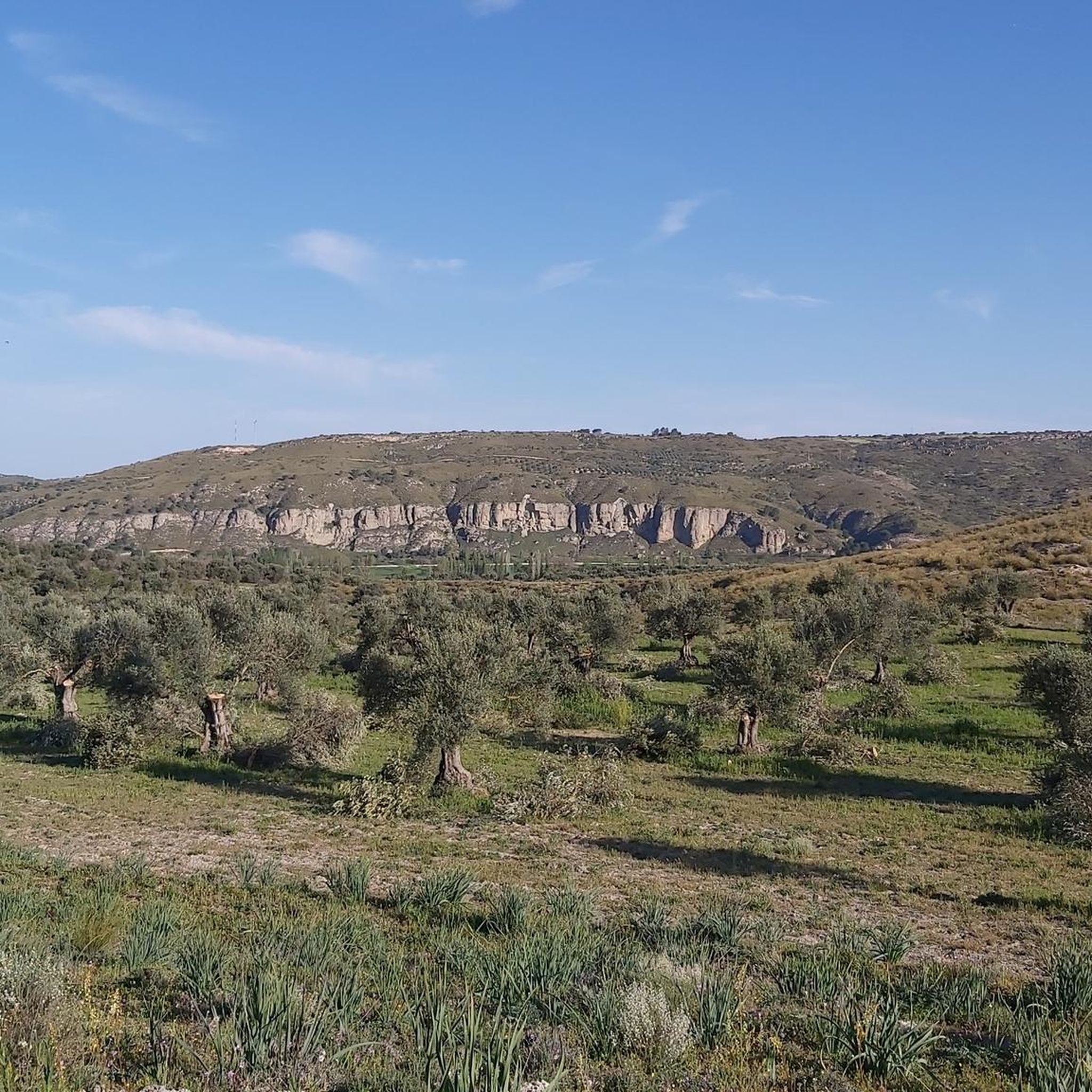
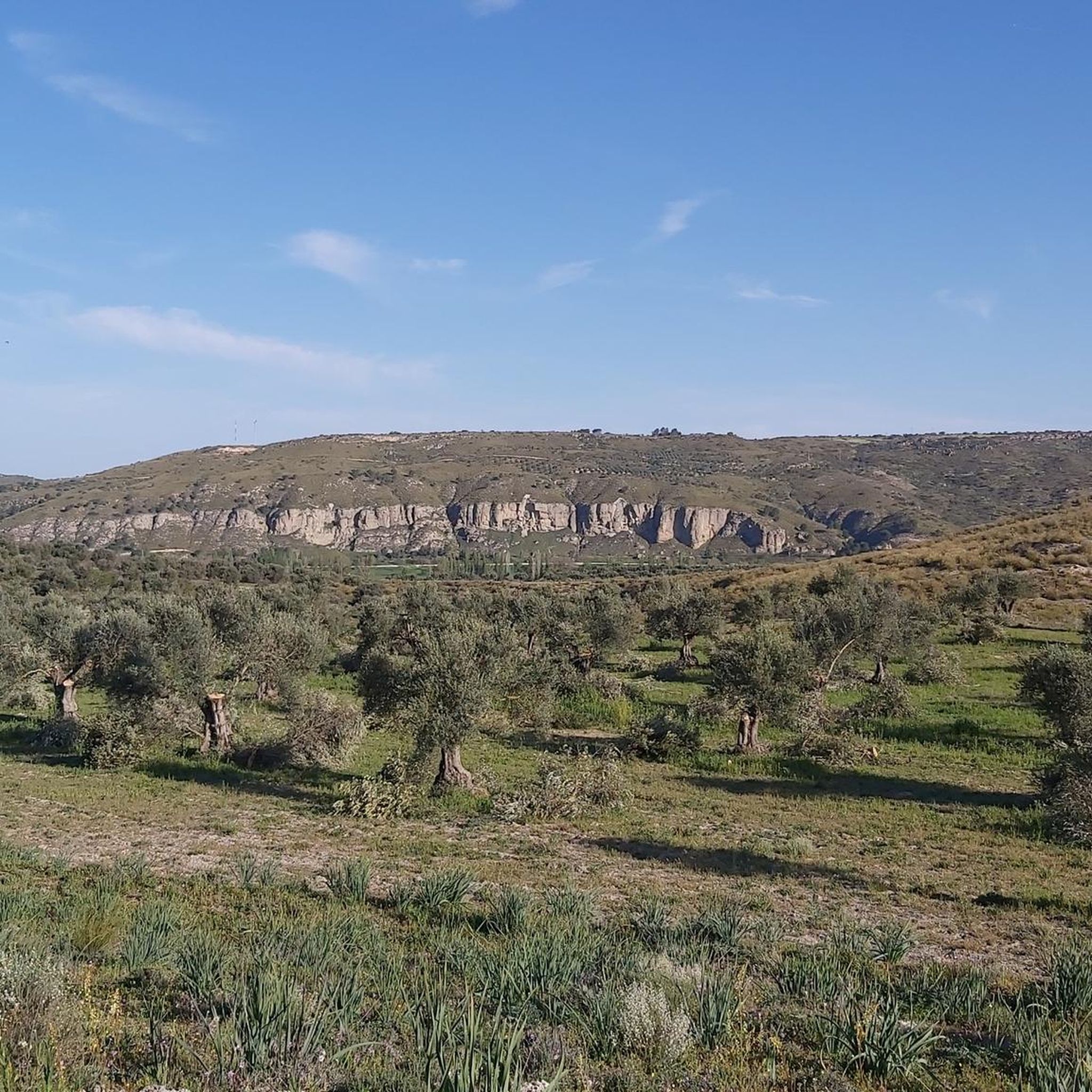
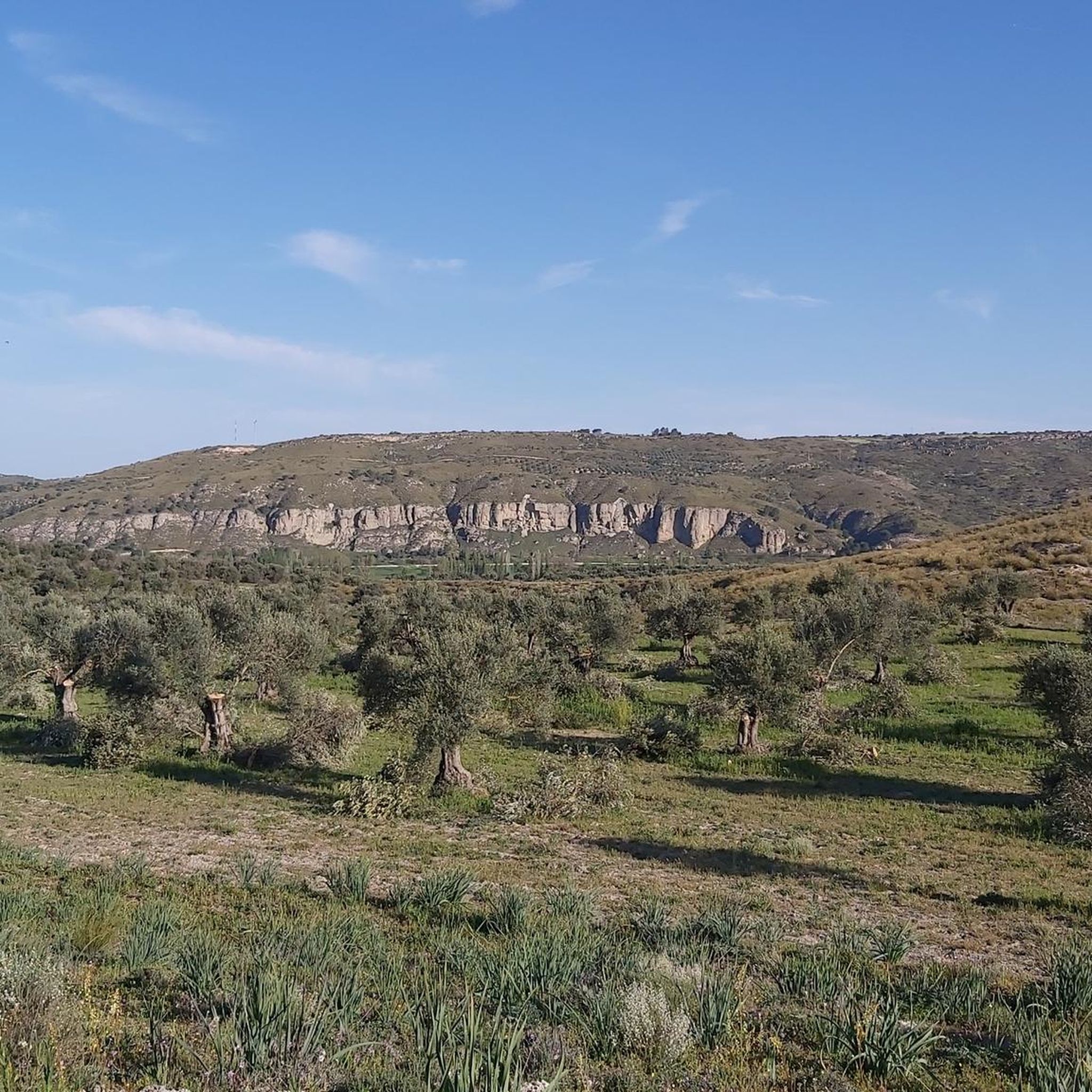
- The most popular caves is View of the Caves Cliff in Tielmes, a cave that features cavities used as machine gun nests, lookouts, and bunkers from the Civil War. These structures were built by the Republican army to contain the advance of troops on the capital.
- Another must-see spot is Civil War Caves, historical excavations carried out to protect citizens during bombings. These underground spaces were later used for mushroom cultivation and are currently closed to prevent their destruction.
- Visitors also love Risco de las Cuevas of Perales de Tajuña, a historical site representing a primitive Carpetanian settlement. This location showcases different cultures that have populated the Tajuña valley over time, with evidence of troglodyte dwellings and internal passages.
- Villarejo De Salvanés is known for historical wine cellars, Civil War excavations, and ancient troglodyte settlements. Visitors can explore a variety of man-made underground structures that reflect the area's rich past.
- The caves around Villarejo De Salvanés are appreciated by the komoot community, with 24 upvotes and 6 photos shared by users.
Last updated: May 6, 2026
Civil War Caves
Highlight • Cave
Later they were used to plant mushrooms and other similar mushrooms.
At present they are closed to avoid their destruction.
Translated by Google •
Tip by

View of the Caves Cliff in Tielmes
Highlight • Cave
Translated by Google •
Tip by

Sign up now to discover places like this
Get recommendations on the best single tracks, peaks, & plenty of other exciting outdoor places.
Sign up for free
Risco de las Cuevas of Perales de Tajuña
Highlight • Cave
Translated by Google •
Tip by

Quarries and Caves of Pocilla Villa and Valdepinar
Highlight • Cave
Translated by Google •
Tip by
Cueva de la Sima
Highlight • Cave
Translated by Google •
Tip by
Start today with a free account
Your next adventure awaits.
Login or Signup

Tips from the Community

The Cueva de la Sima is an old quarry of gypsum and building materials that was sometimes used by shepherds as a cattle corral. The place is a circular pit about fifteen metres deep, with a small shelter on one side, and should not be confused with the nearby Cueva de Pedro Fernández or Sima de las Yeseras, a gallery of several kilometres with remains from the Manchego Bronze Age that is closed to the public.
0
0
The caves of the primitive Carpetanian settlement of Caraca are a window in time, from the first Carpetanian inhabitants to the present day, representing the different cultures that have populated the Tajuña valley over time. The current state shows the deterioration typical of a hillside made of marl and gypsum that is brittle and easily eroded. In the time of the Carpetanians, it was a troglodyte settlement with interior passages that connected different galleries, had water channels, warehouses and houses protected from intruders at a certain height from the ground, accessed by ladders and ropes. In the middle of the last century, the Risco de las Cuevas was the setting for several films.
0
0
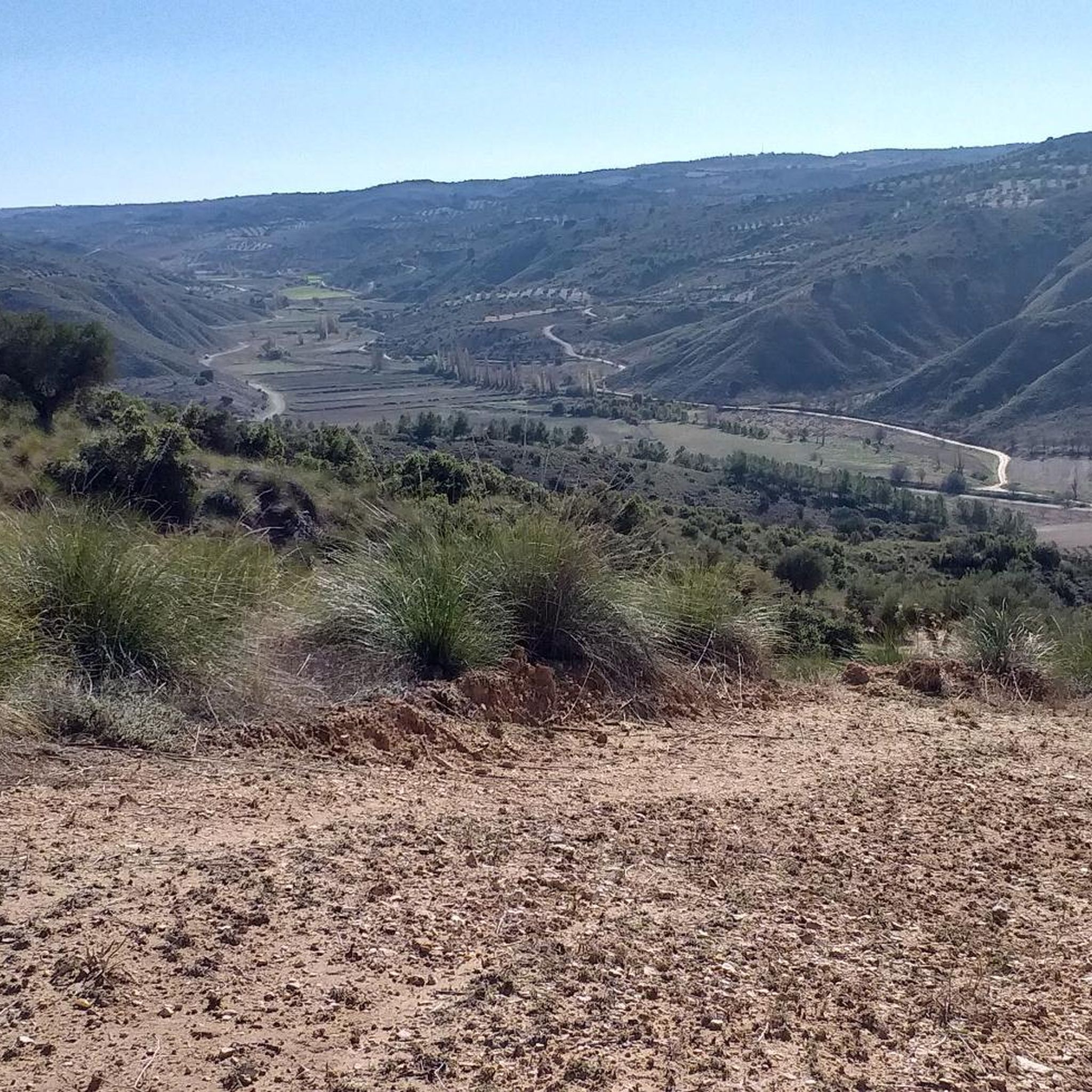
The industrial exploitation of Colmenar de Oreja stone began in the 18th century. Limestone veins appear throughout the region, but the Colmenar veins have had a special attraction due to the hardness, good quality and whiteness of the limestone. Along the route, you can see the remains of the quarries and caves of Peñas Rubias, Pocilla Villa and other old abandoned sites on the slopes of the Valdepinar ravine.
0
0

On the Jarama front, taking advantage of the structure and characteristics of the terrain, the excavation of caves was common, from small individual shelters to large caves (like the one we can see on the “Secrets of the Greenway” route. Element 8) and tunnels that allowed entire squads or platoons to be housed, the installation of command posts, health posts, warehouses, etc. These excavations, on the one hand, allowed the troops to be hidden from the sight of the enemy and offered good protection in case of bombing, and on the other, they offered a certain degree of comfort to the soldiers who remained in them. These caves usually have many common elements, such as the existence of small holes to support camping equipment or personal objects or chimneys for the escape of smoke. After the Civil War, this type of caves have had various uses. One of them, and a very important one, was the cultivation of mushrooms, carried out until the mid-eighties of the 20th century.
2
0

Due to the characteristics of the terrain, caves have been built throughout history, which have served very different purposes. In this area we have clear examples.
2
0
These are excavations carried out on the ground to protect citizens during the bombings of the Spanish Civil War. Later they were used to plant mushrooms and other similar mushrooms. At present they are closed to avoid their destruction.
9
0

From the Tajuña greenway you can see many cliffs and cliffs of gypsum and limestone excavated for thousands of years by the river. At the height of Tielmes, you can see some cavities that are machine gun nests, lookouts, trenches and bunkers from the civil war built by the Republican army to contain the advance of the national troops on the capital.
3
1
Frequently Asked Questions
What kind of 'caves' can I expect to explore around Villarejo De Salvanés?
The 'caves' around Villarejo De Salvanés are primarily historical, man-made underground structures rather than natural geological formations. These include ancient troglodyte settlements, historical wine cellars, and excavations from the Civil War, offering a unique glimpse into the region's heritage and strong viticultural tradition.
Are there any historical sites among the caves in the area?
Yes, the region is rich in historical underground sites. You can explore places like the View of the Caves Cliff in Tielmes, which features cavities used as machine gun nests and bunkers from the Civil War. Another significant historical site is the Risco de las Cuevas of Perales de Tajuña, representing a primitive Carpetanian settlement with evidence of troglodyte dwellings.
Can I visit any of the Civil War-era underground structures?
You can observe the View of the Caves Cliff in Tielmes, which contains Civil War machine gun nests and bunkers. However, the specific Civil War Caves, which were excavations for civilian protection and later mushroom cultivation, are currently closed to prevent their destruction.
What is the significance of wine cellars in the Villarejo De Salvanés region?
Villarejo de Salvanés has a strong winemaking tradition, being part of the 'Vinos de Madrid' Designation of Origin. Many traditional underground cellars, or 'bodegas,' were historically integrated into homes for wine storage. Places like La Bodega de Quintín feature restored 18th-century caves that offer insights into the region's enological legacy and often include wine tastings.
Are there any family-friendly cave experiences around Villarejo De Salvanés?
While the 'caves' are primarily historical and archaeological, exploring sites like the Risco de las Cuevas of Perales de Tajuña can be an educational experience for families interested in history and ancient settlements. It's important to note that these are not typical recreational caves but offer a cultural journey.
What is the best time of year to visit the caves in this region?
The historical and man-made nature of these underground structures means they can generally be visited year-round. However, for comfortable exploration of the surrounding areas and access to sites, spring and autumn offer pleasant weather conditions, avoiding the summer heat or potential winter chill.
Are there any old quarries or industrial cave sites to explore?
Yes, the area features historical quarry sites. You can find the Quarries and Caves of Pocilla Villa and Valdepinar, which show the remains of limestone exploitation dating back to the 18th century. Another example is the Cueva de la Sima, an old gypsum quarry that was also used by shepherds.
What outdoor activities can I do near these caves?
The region around Villarejo De Salvanés offers various outdoor activities. You can find numerous routes for hiking, running, and mountain biking. For hiking, explore trails like the Esparto Trail loop. For more options, check out the Hiking around Villarejo De Salvanés guide.
Are there hiking trails near the cave sites?
Yes, many of the cave sites are accessible via or near hiking trails. For instance, the View of the Caves Cliff in Tielmes can be seen from the Tajuña greenway, which is popular for walking and cycling. You can find detailed hiking routes in the Hiking around Villarejo De Salvanés guide.
What do visitors enjoy most about the caves around Villarejo De Salvanés?
Visitors appreciate the unique historical context and cultural significance of these underground structures. The opportunity to connect with the local history, from ancient settlements to Civil War sites and traditional winemaking, is a major draw. The komoot community has shared 6 photos and given 24 upvotes, highlighting the visual and historical appeal.
Are permits required to visit any of the cave sites?
Generally, permits are not required for viewing the external features of sites like the View of the Caves Cliff in Tielmes or the Risco de las Cuevas of Perales de Tajuña. However, access to specific internal structures, especially those on private property like some wine cellars or the closed Civil War Caves, may be restricted or require prior arrangement.
Can I find places to eat or stay near the cave attractions?
Villarejo de Salvanés and its surrounding towns offer various options for dining and accommodation. You can find local cafes, pubs, and restaurants to enjoy after your explorations. For overnight stays, there are hotels and rural accommodations available in the area, including places that might incorporate historical elements like La Bodega de Quintín.
Most popular routes around Villarejo De Salvanés
Most popular attractions around Villarejo De Salvanés

Get inspired with the komoot mobile app


Explore more
Extend your search for the best caves by checking out these guides of the top ones around Villarejo De Salvanés:
