Top 3 Caves around Castellví De Rosanes
Caves around Castellví De Rosanes offer insights into the region's unique geology and natural features. This area, situated near the Serral de Can Ros and Puig Vicenç, presents a landscape shaped by natural erosion and historical human activity. The terrain is characterized by limestone formations, leading to the presence of various natural and artificial cavities. These points of interest around Castellví De Rosanes provide opportunities to explore different types of underground formations.
Best caves around Castellví De Rosanes
- The most…
Last updated: July 17, 2026
Can Riera Caves
Highlight • Cave
Translated by Google •
Tip by

Penya del Moro
Highlight • Viewpoint
Translated by Google •
Tip by

Sign up now to discover places like this
Get recommendations on the best single tracks, peaks, & plenty of other exciting outdoor places.
Sign up for free
El Polvorí Cave (Cova del Polvorí)
Highlight • Cave
Originally, it …
Translated by Google •
Tip by

Ordal Cave
Highlight • Cave
Translated by Google •
Tip by
Start today with a free account
Your next adventure awaits.
Login or Signup

Tips from the Community

L'accès a les coves està actualment prohibit.
0
0

It is a cave that is located right at the intersection that goes down from the antennas, it is on the side
0
0

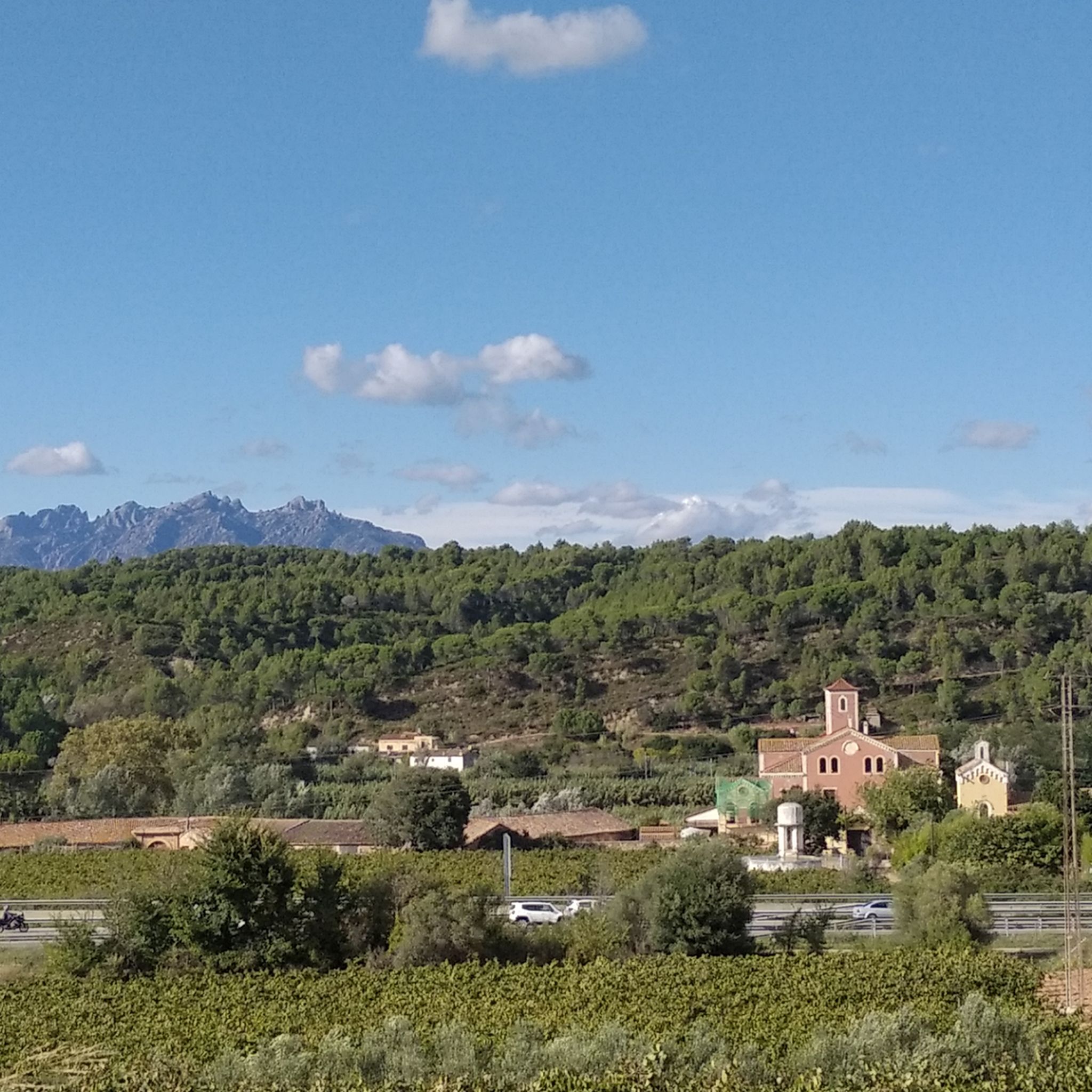
Spectacular evidence that is found in this area of the Serral de Can Ros and that above it, we find the mountain of Puig Vicenç. It is worth seeing the curious shapes that the mountain offers.
0
0
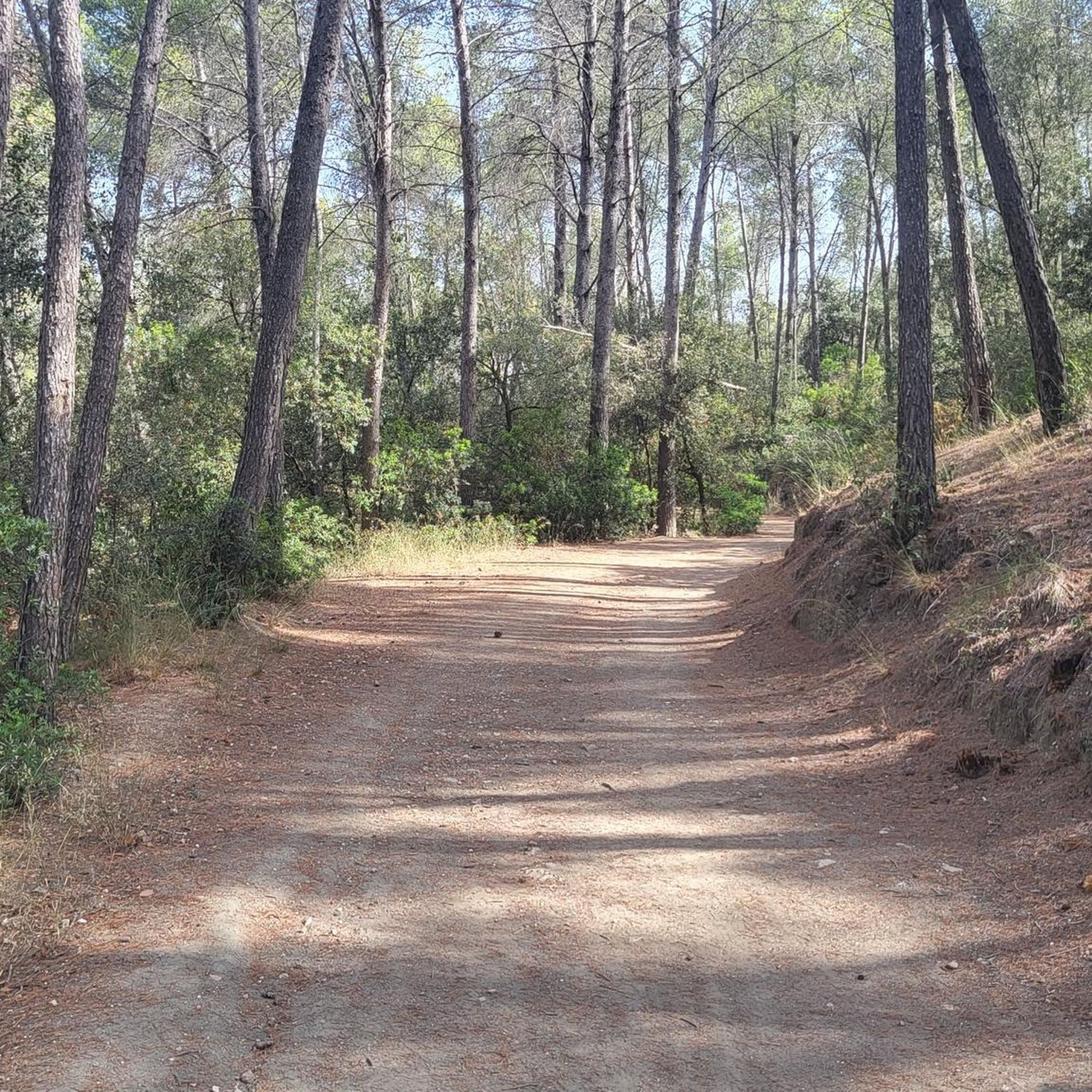
In this limestone terrain (in the area we find a large number of quarries that extract materials) it is normal to find caves or chasms in the middle of the forest, and this is one of the cases.
0
0
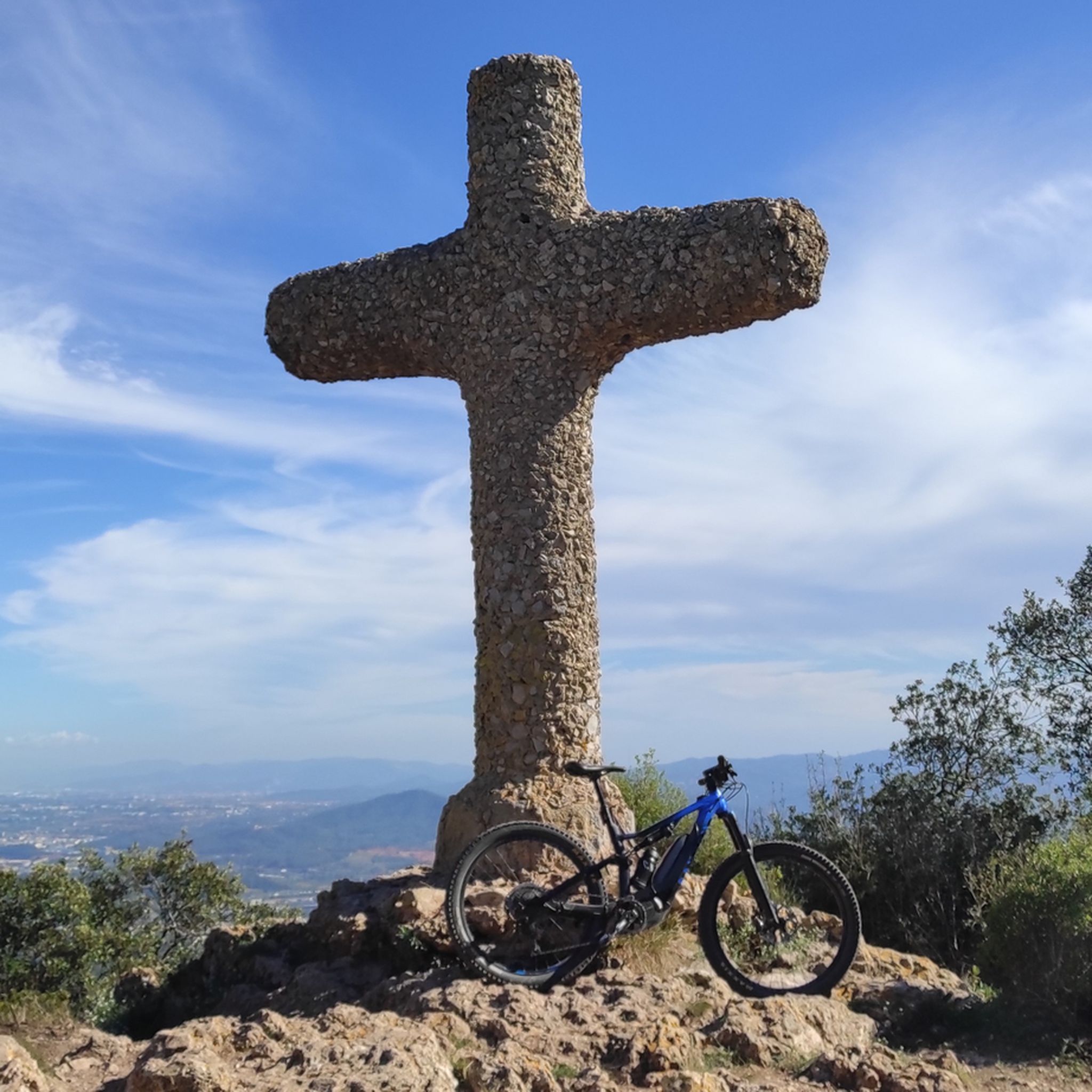
Once we reach the top of this mountain, we will have panoramic views of the area and the set of hills around Vallirana.
0
0

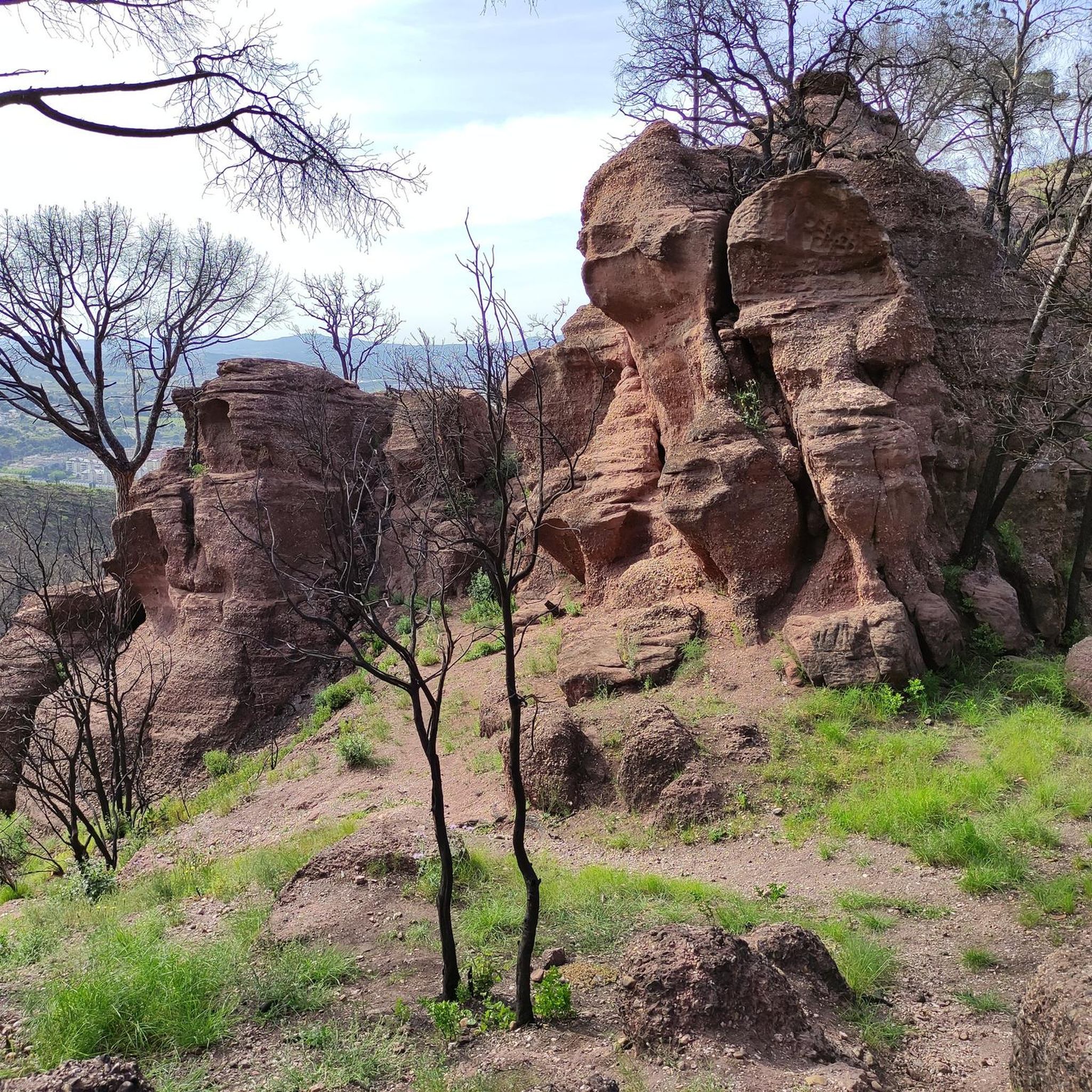
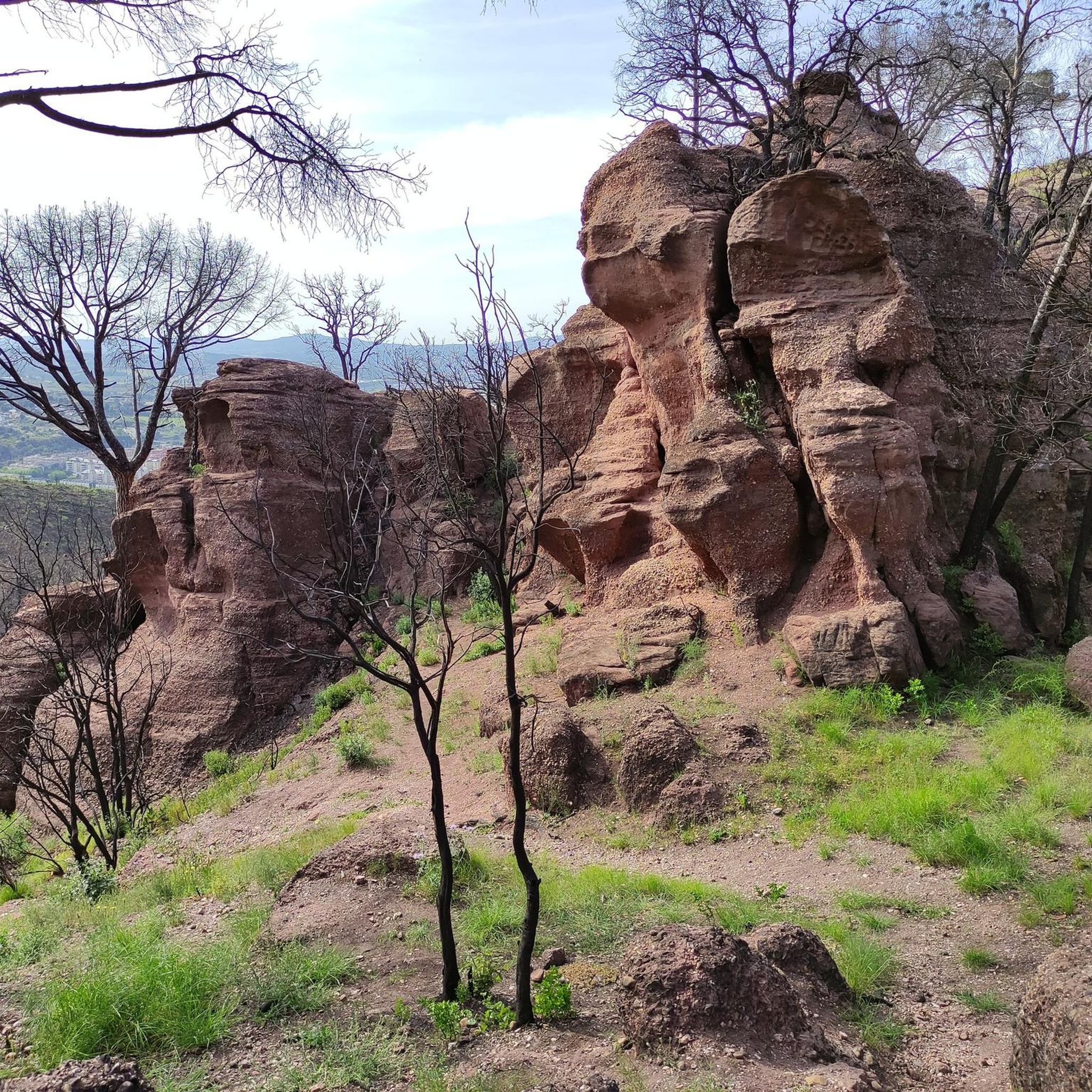
Beautiful place with incredible views. Here are the caves of Can Riera, a hidden natural oasis in Torrelles de Llobregat. They are three clay caves with reddish and orange walls, shaped by the erosive action of wind and rain over thousands of years. On weekends there are usually a lot of people visiting the caves, so if you can, try to go during the week.
2
0

Can Riera Caves, clayey stone cavities and winding reddish and orange walls. There are three caves that make up this natural wonder, but currently ACCESS IS PROHIBITED.
0
0

It is an artificial cavity that surprises everyone it enters. It is inevitable to ask questions about the origin of the strange hole and what its function was. Originally, it appears to have been a gypsum mine. But, the most curious use of the hole has to do with what it has given its name to: Polvorín. During the Civil War, the Army of the Republic used it to store bombs and ammunition.
0
1
Frequently Asked Questions
What types of caves can I explore around Castellví De Rosanes?
The area around Castellví De Rosanes features a mix of natural and artificial cavities. You can find natural caves formed by geological processes, such as the clayey stone cavities of Can Riera Caves, and those found in limestone terrain like Ordal Cave. There are also historical artificial cavities, such as El Polvorí Cave (Cova del Polvorí).
Are there any caves with unique natural formations or features?
Yes, the Can Riera Caves are notable for their clayey stone cavities with winding reddish and orange walls, shaped by the erosive action of wind and rain over thousands of years. However, access to these caves is currently prohibited.
Can I visit historical caves in the region?
Yes, El Polvorí Cave (Cova del Polvorí) is an artificial cavity with a significant historical past. Originally a gypsum mine, it was later used to store bombs and ammunition during the Civil War.
Are there any caves that offer panoramic views?
While primarily a viewpoint, Penya del Moro incorporates a cave element within its summit area and offers panoramic views of the surrounding hills and the area around Vallirana.
What should I know about visiting the Santa Creu d'Olorda Caves?
The Santa Creu d'Olorda Caves are a set of five distinct cavities located on the western slope of the Serra de Collserola. These include Cova de l'Or, Cova de la Molsa, Coves dels Encantats 1, and Cova Petita, each with unique dimensions and formations. They are known for their natural, modest dimensions and varied internal structures.
Are there any restrictions or access limitations for the caves?
Yes, it's important to note that access to the Can Riera Caves is currently prohibited. Always check local signage and regulations before attempting to enter any cave.
What outdoor activities can I do near the caves around Castellví De Rosanes?
The region offers various outdoor activities. You can find numerous running trails, MTB trails, and cycling routes. These routes often pass through natural landscapes, offering opportunities to combine cave exploration with other sports.
Are there hiking trails near these caves?
Yes, the area around Castellví De Rosanes is well-suited for hiking. Many trails lead to or pass by these natural features. For example, the path to Penya del Moro is a popular hiking destination. You can explore various running trails that are also suitable for hiking.
What do visitors enjoy most about the caves and surrounding area?
Visitors appreciate the unique geological formations, such as the reddish walls of Can Riera Caves, and the historical significance of sites like El Polvorí Cave. The panoramic views from locations like Penya del Moro are also highly valued by the community.
What is the geology of the caves around Castellví De Rosanes?
The geology of the caves in this region is diverse. Some caves, like Can Riera Caves, are formed in clayey stone, while others, such as Ordal Cave, are found in limestone terrain. This variety results from natural erosion and the area's geological composition near the Serral de Can Ros and Puig Vicenç.
Are there any hidden or less-known caves to explore?
The Ordal Cave is an example of a cave found in the middle of the forest within the limestone terrain, often discovered by those exploring the area. The Santa Creu d'Olorda Caves, a set of five cavities, are also less prominent than major tourist attractions and offer a more secluded exploration.
What is the best time to visit the caves and trails in Castellví De Rosanes?
While there's no specific 'best time' for the caves themselves, the region's outdoor activities, including visiting cave locations and hiking, are generally pleasant during spring and autumn when temperatures are milder. Summer can be hot, and winter might bring cooler, wetter conditions, though many trails remain accessible year-round.
Most popular routes around Castellví De Rosanes
Most popular attractions around Castellví De Rosanes

Get inspired with the komoot mobile app


Explore more
Extend your search for the best caves by checking out these guides of the top ones around Castellví De Rosanes:
