Top 13 Caves around Castellterçol
Best caves around Castellterçol, a municipality in the Moianès region of Catalonia, offers a blend of natural rock formations and unique cave experiences. The area is characterized by distinctive rock shelters, known locally as "balmas," and a unique commercial "Cueva del Diablo." These sites provide geological interest and insights into the region's natural and historical landscape. The diverse formations make it a notable area for exploration.
Best caves around Castellterçol
- The most popular caves is Sant Miquel del Fai Road…
Last updated: July 4, 2026
Sant Miquel del Fai Road
Highlight • Cycleway
Tip by

Sant Miquel del Fai Monastery and Waterfall
Highlight • Historical Site
Translated by Google •
Tip by

Sign up now to discover places like this
Get recommendations on the best single tracks, peaks, & plenty of other exciting outdoor places.
Sign up for free
Balma la Miquelona
Highlight • Cave
Translated by Google •
Tip by

Cau dels Emboscats Cave
Highlight • Cave
Translated by Google •
Tip by

Coves del Toll
Highlight • Cave
Translated by Google •
Tip by

Sign up for free to discover even more caves around Castellterçol.
Sign up for free
Already have an account?
Start today with a free account
Your next adventure awaits.
Login or Signup

Tips from the Community

La Cova del Toll is a prehistoric cave located in Moià, in the Moianès region. Situated at an altitude of 745 meters, it has a total length of 1148 meters. The part open for visits is 180.55 meters long and is L-shaped. It is one of the richest prehistoric caves in Europe in terms of Quaternary fauna. The guided tour, very well conducted by the professional and geared towards younger visitors, explains in a very detailed and engaging manner part of the history of these caves, their formation, inhabitants, uses, discovery, and findings.
0
0

A real discovery! Superb views, decent asphalt and virtually no cars.
0
0


Especially if it has rained, it is spectacular
0
0

The Cau dels Emboscats is one of the cavities that served as a refuge during the civil war. Specifically, several people hid from Sant Llorenç Savall. The situation of the cave was kept secret for many years after the end of the conflict. It wasn't until October 28, 1956, that Biel Dalmau, from the Mas de les Oliveres, explained its location and history to Josep Maria Torras Homet. The mouth is very irregular. It opens in the form of a chasm that falls on an inclined floor. Then there is a 2 meter ledge leading to the main gallery parallel to the cliff and about 20 meters long. In the middle of the gallery there is a large window that forms a kind of side room poured into the steeply sloping cliff. The cavity ends in an elbow and a small room, where small stalactite formations and parietal crusts can be observed.
0
0

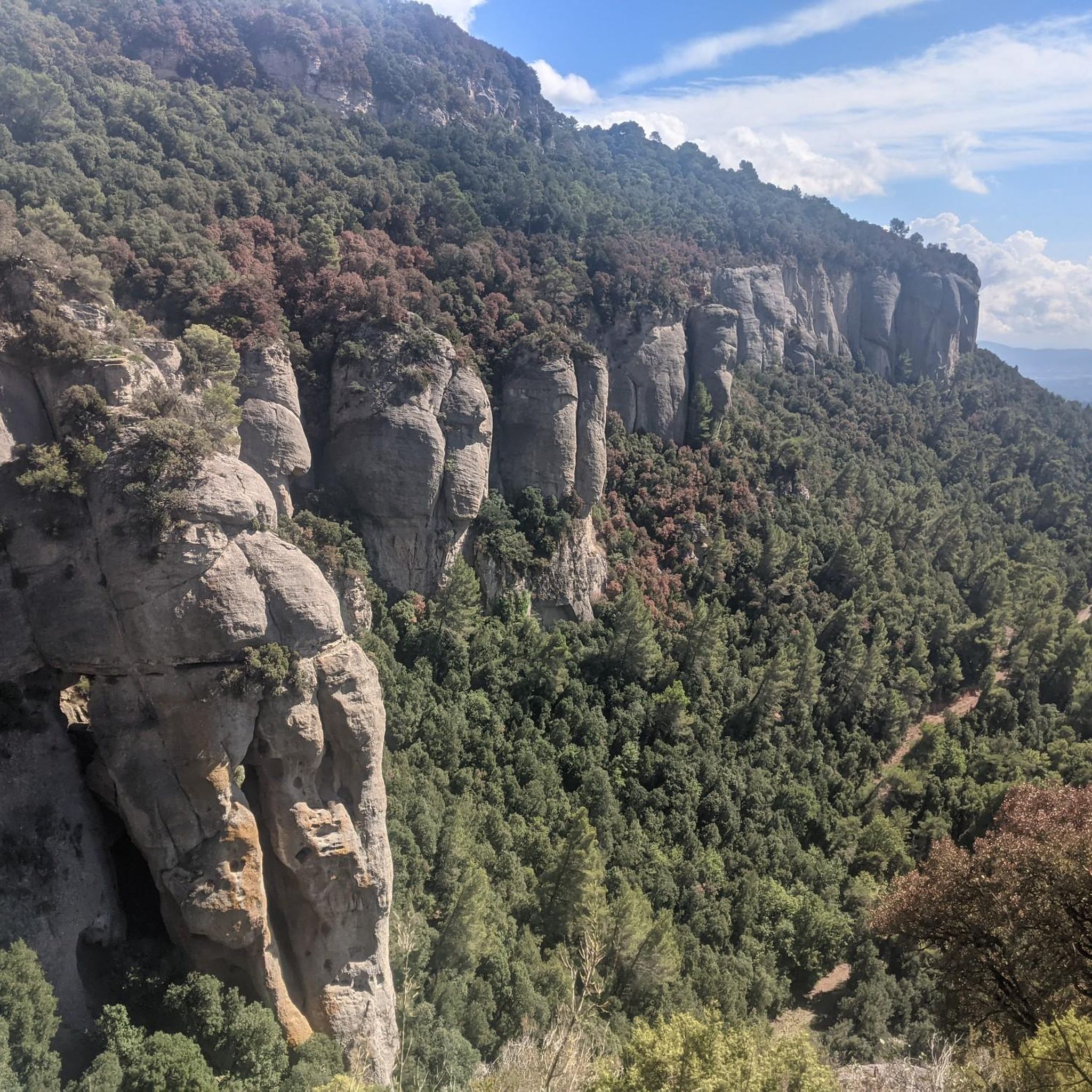
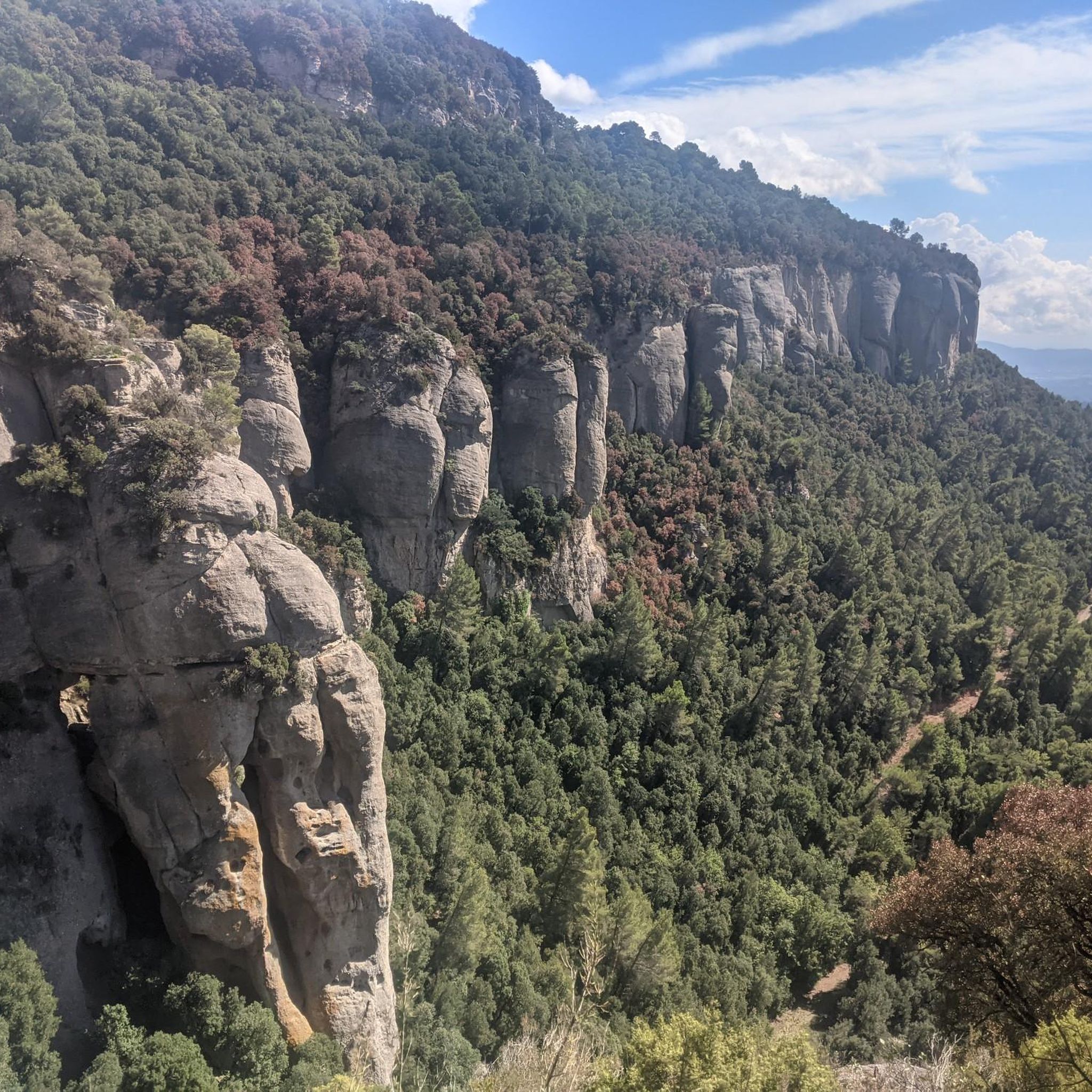
An incredible road with almost no cars. On one side you have cliffs and on the other stunning views. At the end of the road you will come to a monastery. Pay attention in the curves because, despite the fact that there are not many cars, when one passes there is not much space left on the road.
0
1

Old Benedictine sanctuary located in the municipality of San Feliu de Codinas, in the Catalan region of Vallés Oriental. The church was built in a cave, with its own stone serving as a roof. It is the largest troglodyte church in the country. It has a Romanesque portal formed by a semi-circular arch.
1
0
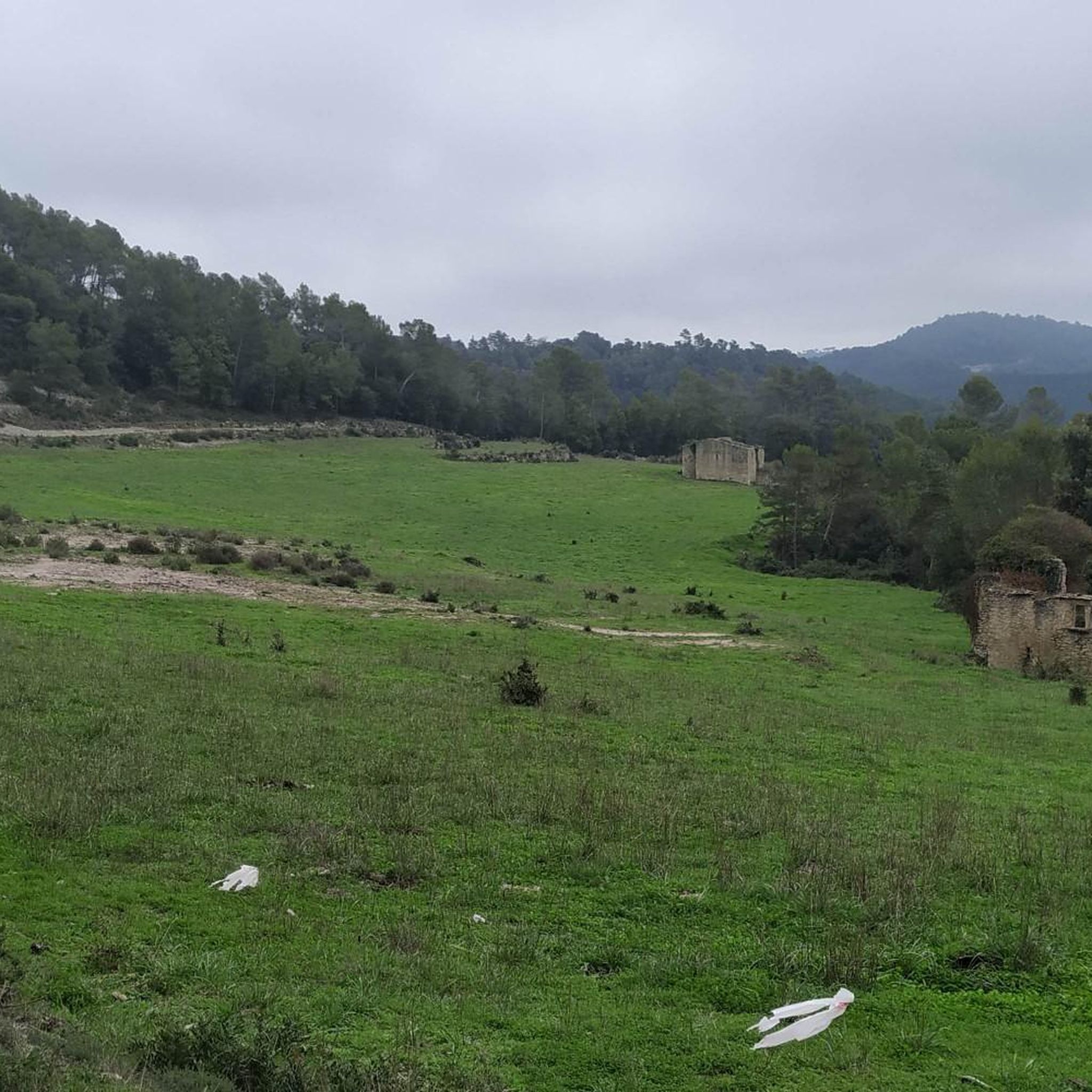
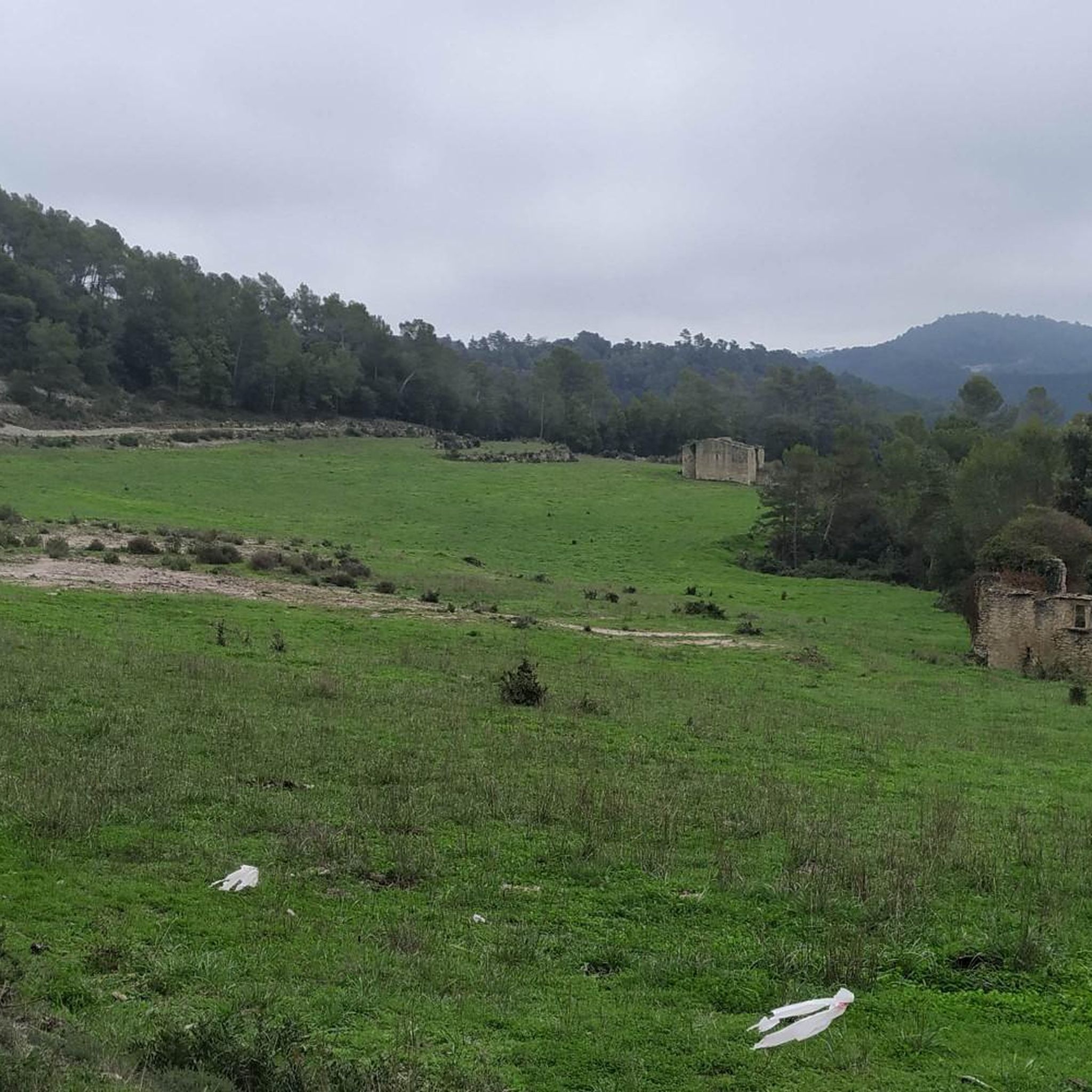
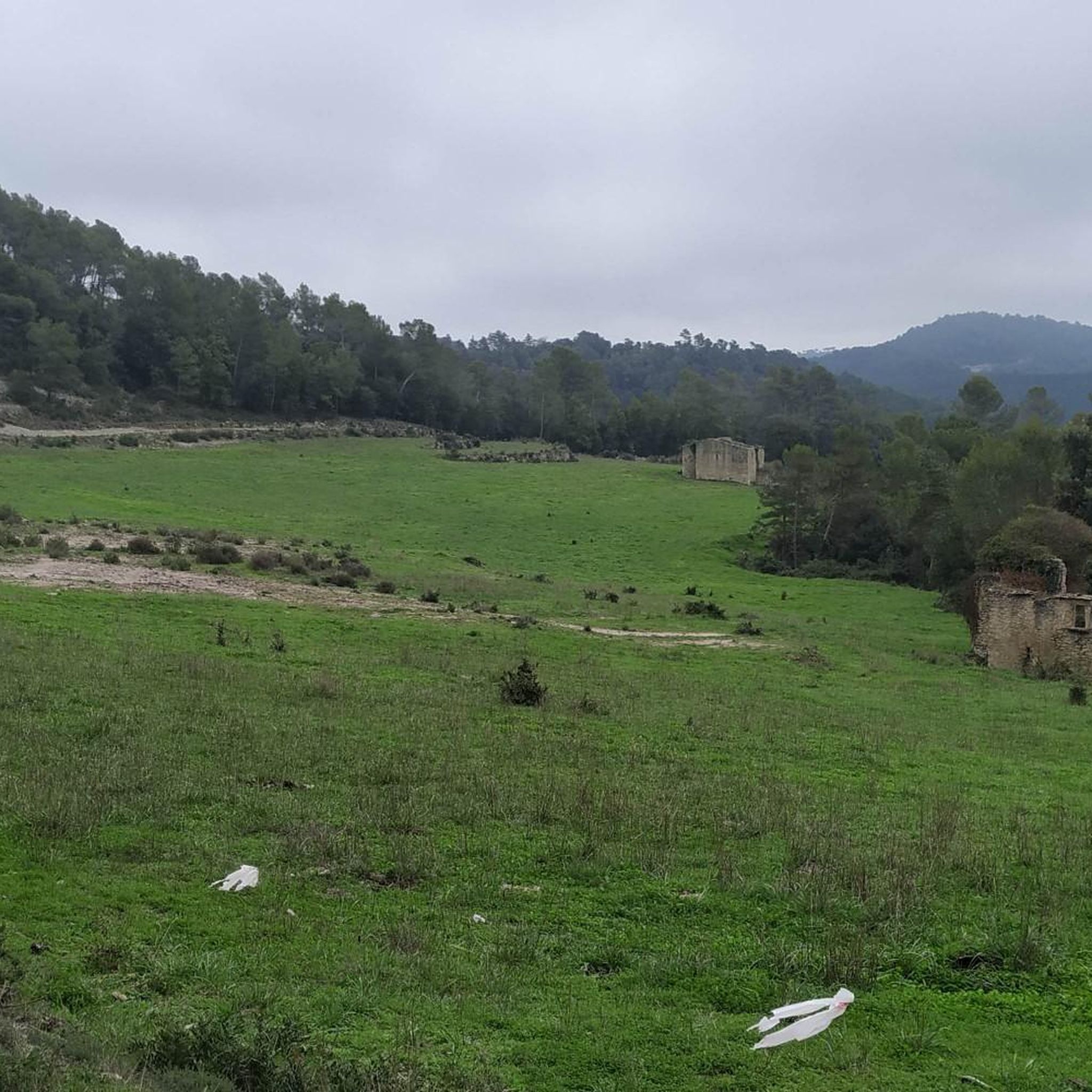
Small bauma located on the right bank of the PR-33 that leads from Figaró to Montmany, inside the Sot del Bac. Bauma formed by the lateral excavation of the Sot del Bac stream, 35-40 meters above the current talveg. It is a not very deep cavity excavated in a rocky margin or slope where the light penetrates. This has graffiti and evidence of occupation inside, with traces of having been set on fire. It is a suitable place for shelter or bivouac. At least before it was very common to use it. The Sot del Bac pass would be a natural path used by the first human communities, both to stock up on various natural resources (water, hunting and gathering) and as a place of passage and communication between the Gorge sector and Puiggraciós and the Cingles de Bertí. Currently this is occupied sporadically by walkers and climbers.
1
0
Frequently Asked Questions
What types of 'caves' can I expect to find in Castellterçol?
Castellterçol is known for its unique 'balmas' (rock shelters or overhangs) and the distinctive Sant Miquel del Fai Monastery and Waterfall, which features stalactite caves. The 'balmas' are significant geological formations, often created by water erosion, offering natural and historical interest.
Are there any unique or unusual cave experiences in the area?
Yes, Castellterçol features the unique 'Cueva del Diablo' (The Devil's Cave). This is a commercial establishment adapted and decorated to resemble a traditional house within a cave-like environment, offering a quirky cultural and social experience rather than a natural cave exploration.
Which caves offer historical insights or archaeological interest?
Several sites provide historical context. Balma la Miquelona shows evidence of historical human occupation. The Cau dels Emboscats Cave served as a refuge during the Civil War. The Simanya Cave, the largest cavity in the Sant Llorenç massif, has been inhabited since ancient times, with archaeological finds from the Eneolithic, Iberian, and medieval periods.
Are there caves with impressive natural features like waterfalls?
Absolutely. The Sant Miquel del Fai Monastery and Waterfall allows visitors to hike behind a waterfall and explore stalactite caves. Additionally, the Balma Salt de Torrent de Vilanova is found adjacent to a 10-meter high waterfall, creating a picturesque natural setting.
What outdoor activities can I combine with a visit to the caves?
The region around Castellterçol offers various outdoor activities. You can find numerous cycling routes, running trails, and mountain biking trails. For example, explore the cycling routes around Castellterçol, or discover running trails and MTB trails that pass through scenic landscapes near these natural formations.
Are there hiking trails that include cave exploration?
Yes, many hiking trails in the area incorporate cave exploration. The Sant Miquel del Fai Road, a popular cycleway, also offers views of natural rock formations and leads to the monastery. The area around Balma la Miquelona is also known for great, quiet hiking trails through steep rocky valleys.
Are the caves around Castellterçol suitable for families?
Many of the 'balmas' (rock shelters) are accessible and can be interesting for families, especially those who enjoy hiking and exploring natural formations. The unique experience of the 'Cueva del Diablo' could also be an entertaining stop for families looking for something different. However, some caves like Cau dels Emboscats Cave or parts of Simanya Cave might be more challenging due to their structure or depth.
What should I know about visiting the 'balmas' or rock shelters?
The 'balmas' vary in size and accessibility. For instance, Balma del Solell d'Esplugues is notably long but has a very low ceiling, requiring visitors to crouch. Others, like Balma del Pedrós, are larger and more open. Always be aware of your surroundings, especially near streams or waterfalls, and wear appropriate footwear for uneven terrain.
Is it possible to go caving for beginners in the area?
While some caves like Simanya Cave have large, relatively easy-to-access entrances, others like Cau dels Emboscats Cave require navigating irons and handmade ladders. For beginners, exploring the more open 'balmas' or the accessible parts of larger caves is recommended. Always prioritize safety and consider guided tours for more challenging explorations.
What do visitors appreciate most about the caves and rock shelters in Castellterçol?
Visitors frequently appreciate the blend of natural beauty and historical significance. The unique geological formations of the 'balmas,' the opportunity to hike behind waterfalls at Sant Miquel del Fai Monastery and Waterfall, and the quirky charm of the 'Cueva del Diablo' are often highlighted. The area's natural landscapes and the insights into past human interaction with these sites also receive positive feedback.
What is the best time to visit the caves and balmas in Castellterçol?
The best time to visit is generally during spring or autumn when the weather is mild and comfortable for hiking and exploration. During these seasons, waterfalls are often active, enhancing the natural beauty of sites like Balma Salt de Torrent de Vilanova and Sant Miquel del Fai Monastery and Waterfall. Summer can be warm, while winter might bring colder temperatures, though the caves themselves maintain a more constant temperature.
Most popular routes around Castellterçol
Most popular attractions around Castellterçol

Get inspired with the komoot mobile app


Explore more
Extend your search for the best caves by checking out these guides of the top ones around Castellterçol:
