Top 4 Waterfalls around Hornos
Waterfalls around Hornos are found within the Sierra de Segura, a region known for its natural landscapes and water features. This area in Jaén, Spain, offers a variety of natural monuments, including caves, springs, and waterfalls. The terrain features karst formations and riverbeds, providing diverse environments for exploration. Visitors can experience the interplay of water and rock, from gushing springs to misty waterfalls.
Best waterfalls around Hornos
- The most popular waterfalls is Cueva del Agua, a cave and natural monument where a mighty spring gushes out, creating waterfalls within its perimeter. It is known for its impressive karst formation and rich vegetation.
- Another must-see spot is La Toba Spring, a river and natural monument where water flows from a cave and later forms a waterfall. This location presents striking landscapes, especially during times of abundant rain.
- Visitors also love Charco del Humo, a waterfall that forms a thick mist upon hitting the rocks. This phenomenon gives the place its name, "Smoke Pool," and contributes to its unique atmosphere.
- Hornos is known for its natural springs, caves with water features, and cascading waterfalls. The region offers a variety of water-related natural monuments to see and explore.
- The waterfalls around Hornos are appreciated by the komoot community, with 11 upvotes and 15 photos shared across the highlights.
Last updated: July 4, 2026
Cueva del Agua
Highlight • Cave
From the Cueva del Agua we can continue the path, which always runs parallel to the Segura riverbed until it ends at the village of Huelga Utrera.
Translated by Google •
Tip by

La Toba Spring
Highlight • River
Later, the water thrown by this source runs through the village of La Toba until it falls over a waterfall, which in times of rain when the riverbed is abundant, presents one of the most striking landscapes in Santiago-Pontones.
To access the Nativity of La Toba we must drive to the village of La Toba and then walk a little until we find the Nativity. The village can be reached by taking the Despiernacaballos road, whose intersection is located on the road that connects Santiago de la Espada and Pontones or from Santiago de La Espada taking the road that takes us to Miller, JV-7107, once Once we arrive at Las Juntas de Miller we will continue along the JF-7038 highway that will take us to La Toba. During the trip along both routes we will be able to enjoy wonderful landscapes.
Translated by Google •
Tip by

Sign up now to discover places like this
Get recommendations on the best single tracks, peaks, & plenty of other exciting outdoor places.
Sign up for free
Charco del Humo
Highlight • Waterfall
Translated by Google •
Tip by
Borosa trail and tunnels
Highlight (Segment) • Waterfall
During the route you must go through two tunnels where you will need a certain skill or ingenuity to get through with the bike, you will pass through spectacular places where swimming in summer is obligatory such as the pools and jump of the Organs and the skull.
Once at the power station you will find a track that follows the river again, you can go to the Cerrada de Elias, but there it is not legal to ride a bike.
Translated by Google •
Tip by

El Saltaor Waterfall
Highlight • Waterfall
Translated by Google •
Tip by

Start today with a free account
Your next adventure awaits.
Login or Signup
Popular around Hornos
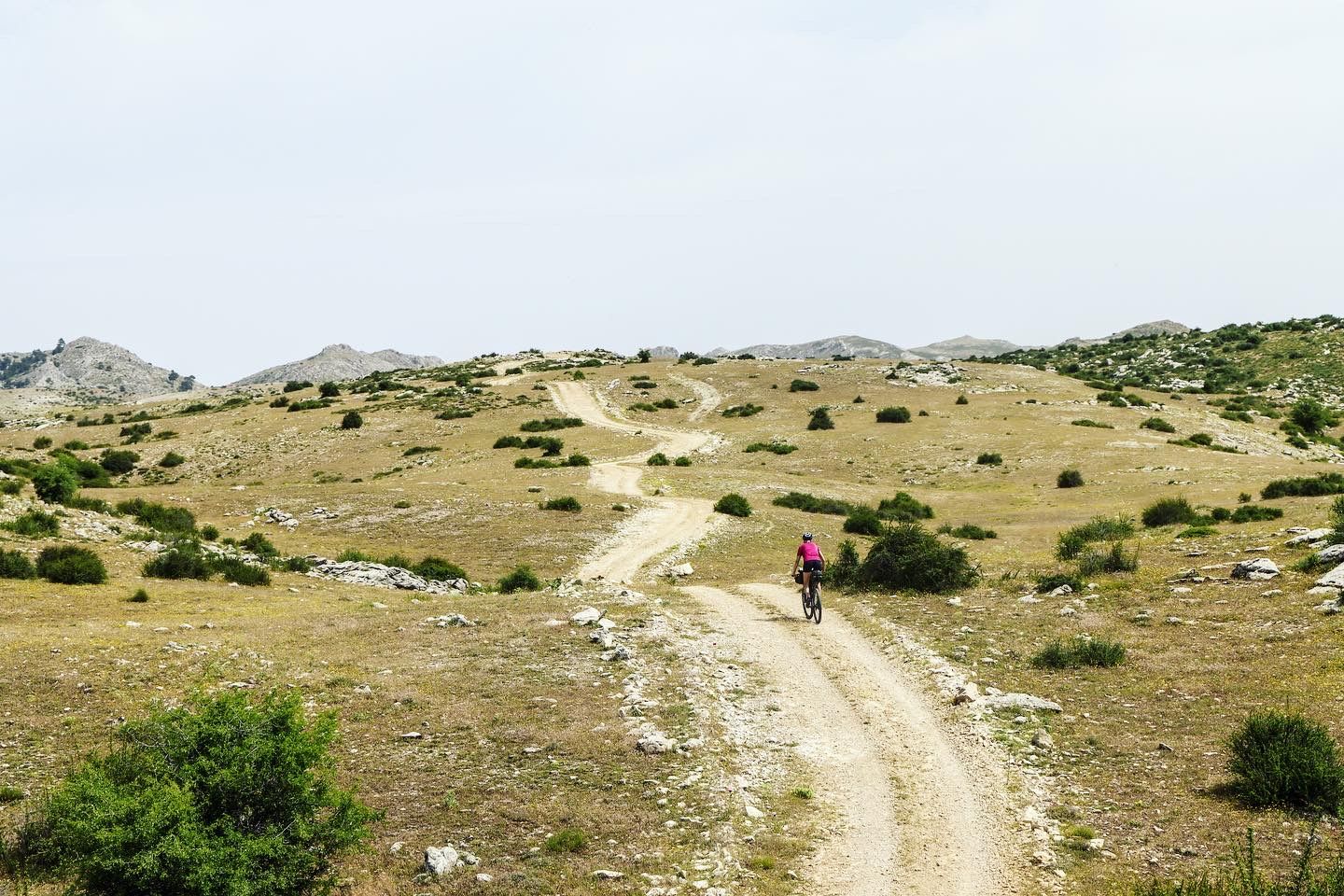
Bikepacking the mountains and deserts of Andalucía
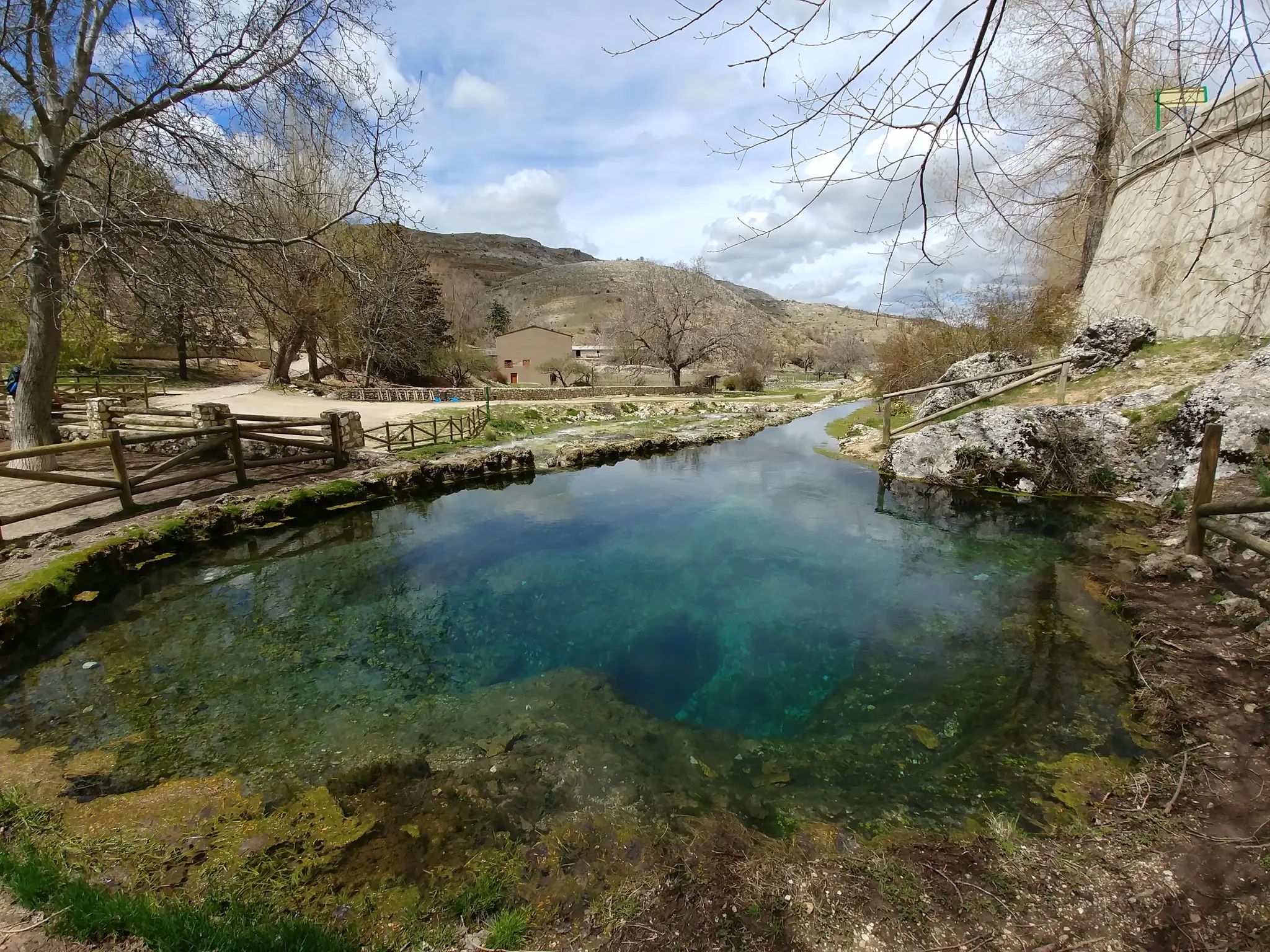
Transhumance in the Sierra de Segura – hiking the GR 144
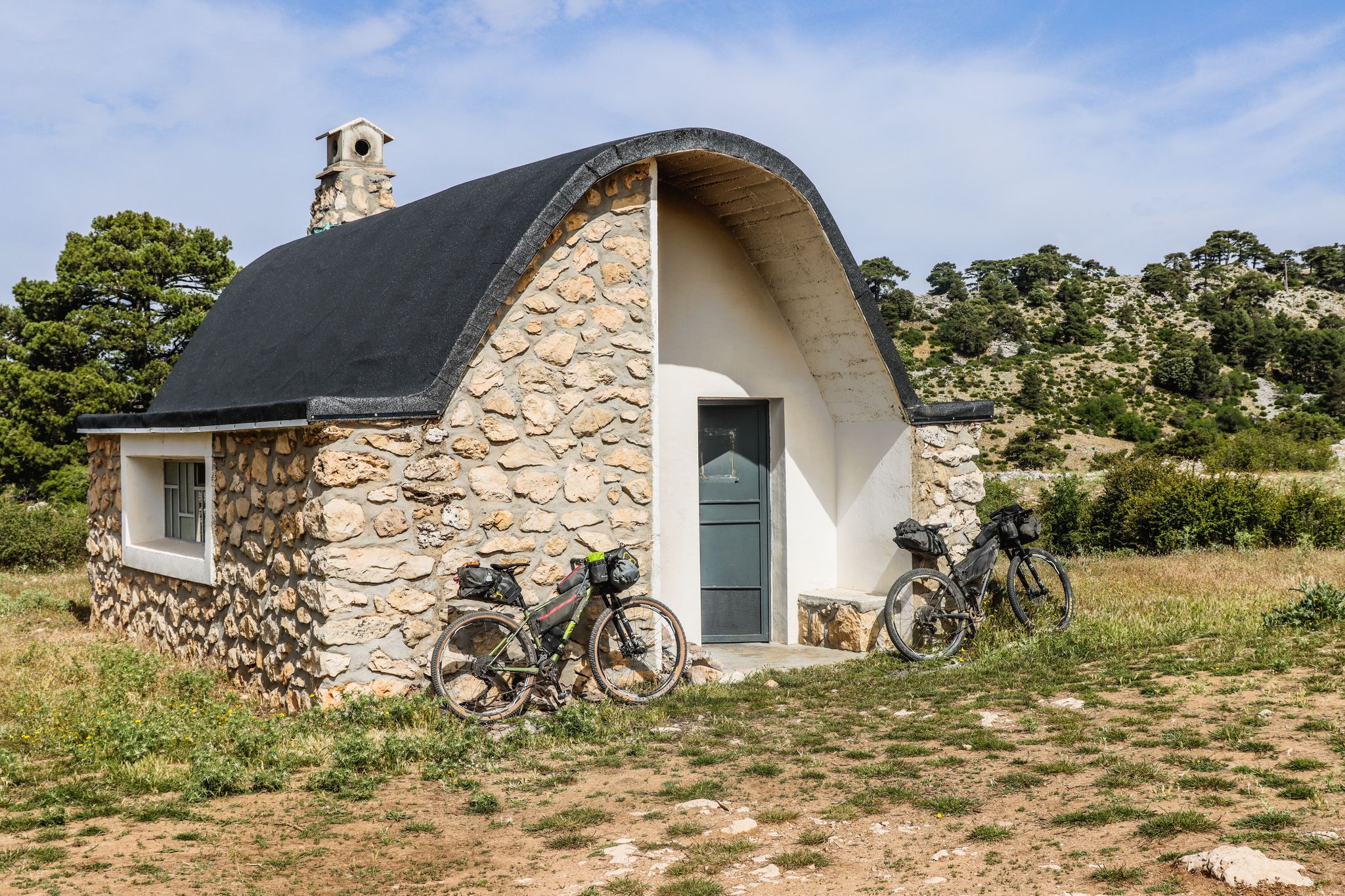
Wild and free Andalusia – Transandalus through the interior
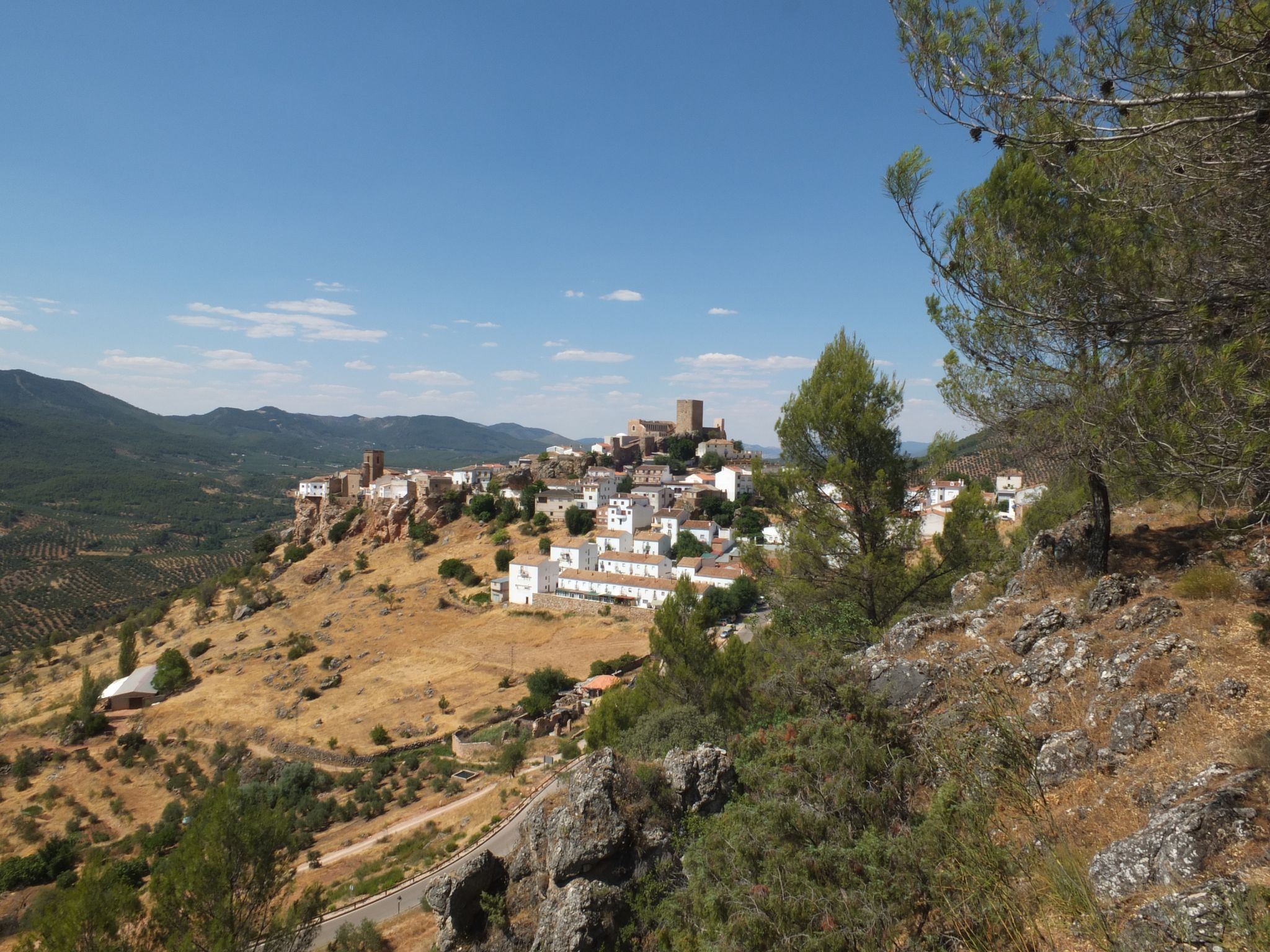
Mountains and olive groves in the Sierra de Segura – GR 146
A wild experience – Sierra de Cazorla, Segura y Las Villas (GR 247)
A circular high altitude trail – Bosques del Sur (GR 247)
Road Cycling Routes around Hornos
Running Trails around Hornos
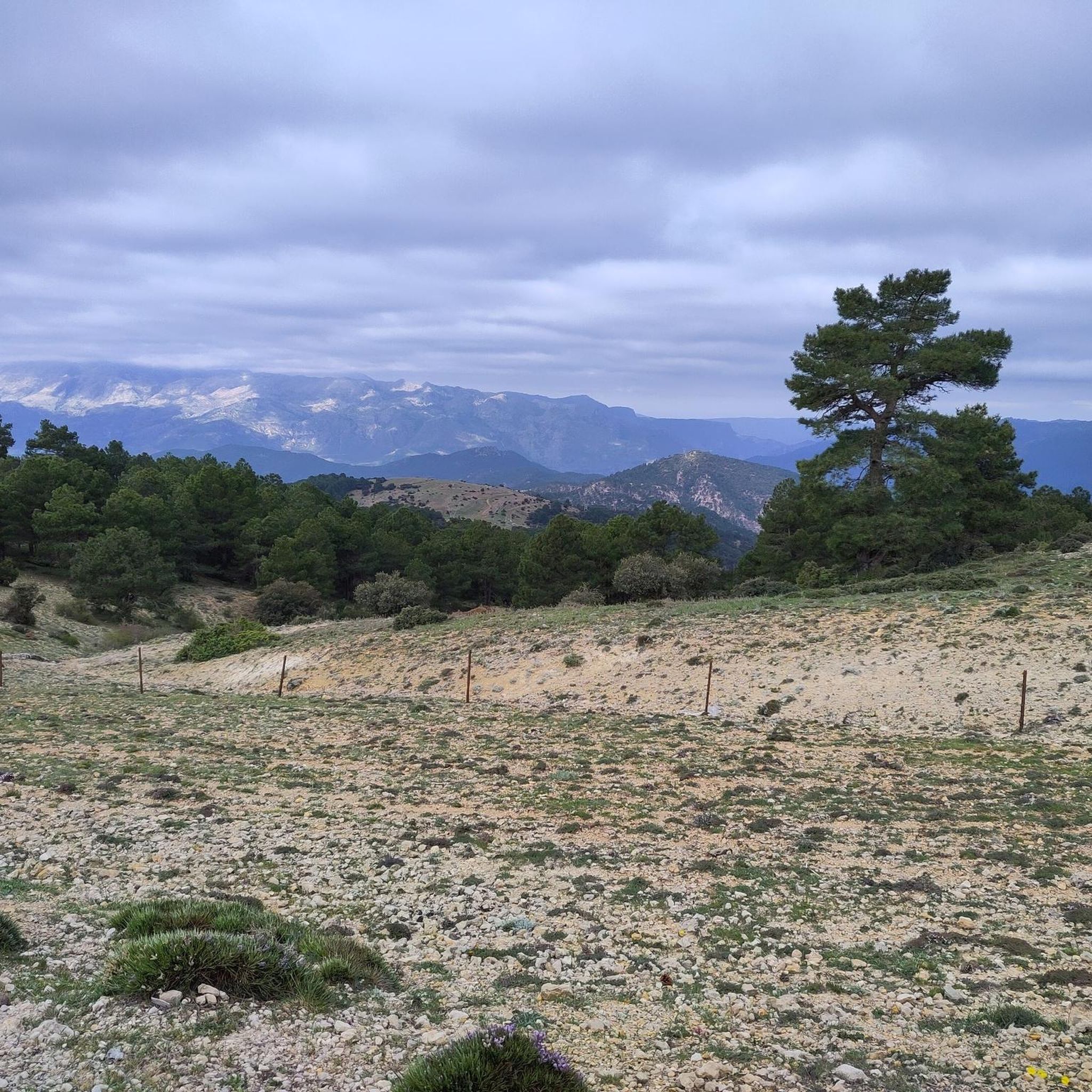
Hiking around Hornos
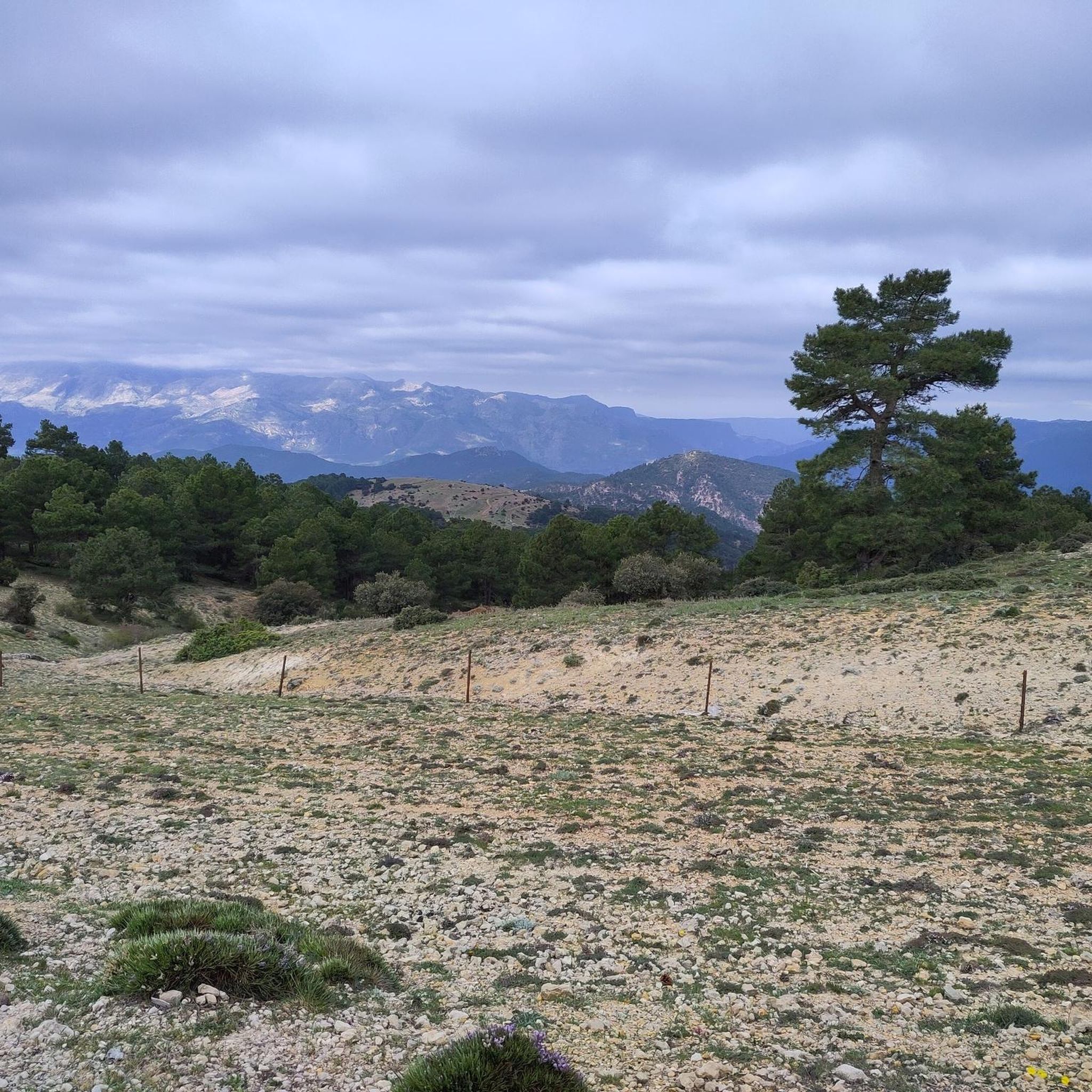
MTB Trails around Hornos
Other adventures around Hornos


Tips from the Community

The Cueva del Agua in Santiago-Pontones is an impressive karst formation located in the Sierra de Segura, in Jaén. This cave is known for its natural beauty and spectacular surroundings, which include waterfalls and rich vegetation.
5
0

The path is designed and prepared to be done on foot, but it can be done by mountain bike from Aguasnegras to the power station (downhill) as long as you are willing to get off the bike and push it for a few kilometres in sections. During the route you must go through two tunnels where you will need a certain skill or ingenuity to get through with the bike, you will pass through spectacular places where swimming in summer is obligatory such as the pools and jump of the Organs and the skull. Once at the power station you will find a track that follows the river again, you can go to the Cerrada de Elias, but there it is not legal to ride a bike.
1
0

This spring located in the village of La Toba, flows very cold water in summer and warm in winter (although the water is always at the same temperature), inviting anyone to cool off or fill up with fresh water.
1
0

Right next to the village of La Toba is the so-called Nacimiento de la Toba, a birthplace with singular beauty where water flows from a cave. Later, the water thrown by this source runs through the village of La Toba until it falls over a waterfall, which in times of rain when the riverbed is abundant, presents one of the most striking landscapes in Santiago-Pontones. To access the Nativity of La Toba we must drive to the village of La Toba and then walk a little until we find the Nativity. The village can be reached by taking the Despiernacaballos road, whose intersection is located on the road that connects Santiago de la Espada and Pontones or from Santiago de La Espada taking the road that takes us to Miller, JV-7107, once Once we arrive at Las Juntas de Miller we will continue along the JF-7038 highway that will take us to La Toba. During the trip along both routes we will be able to enjoy wonderful landscapes.
19
0
This waterfall near the village of Los Atascaderos, has nothing to do with the Saltador de Siles waterfall, which is sometimes confused by its name.
1
0
Smoke Pool. Poyotello. Magical corner that the Sierra de Segura offers to anyone who seeks beauty in the pure and simple.
12
0
At the entrance to Poyotello –a small and singular village belonging to the municipality of Santiago Pontones– a path starts that continuously descends and will take us to the water cave. From the Cueva del Agua we can continue the path, which always runs parallel to the Segura riverbed until it ends at the village of Huelga Utrera.
13
0

This spring of crystalline waters emanates from a cave located in the village of La Toba (at the foot of the Anchuricas reservoir) and becomes a mighty stream that runs through the town until it falls off a waterfall. The water is about 7 °C.
4
0
Frequently Asked Questions
What makes the waterfalls around Hornos unique?
The waterfalls in the Hornos region, located within the Sierra de Segura, are often associated with impressive karst formations and natural springs. Many, like Cueva del Agua and La Toba Spring, emerge directly from caves or underground sources, creating unique landscapes where water interacts dramatically with rock.
Are there any waterfalls with special features like caves or mist?
Yes, Cueva del Agua is a notable cave where a mighty spring gushes out, forming waterfalls within its perimeter. Another unique spot is Charco del Humo, known as the 'Smoke Pool,' where the waterfall creates a thick mist upon hitting the rocks, giving it a distinctive atmosphere.
What is the best time to visit the waterfalls in the Hornos region?
The waterfalls, especially those like La Toba Spring, are particularly striking during times of abundant rain. This ensures a more powerful flow and enhances the natural beauty of the cascades. Generally, spring and autumn offer pleasant weather for hiking and viewing.
Are there family-friendly trails to the waterfalls around Hornos?
While many trails in the Sierra de Segura are rated intermediate, some sections or specific routes might be suitable for families. For instance, the path to Cueva del Agua involves a continuous descent. It's always recommended to check the specific trail difficulty and length before heading out with children. For general hiking options, explore the Hiking around Hornos guide.
What kind of outdoor activities can I do near the waterfalls?
The Hornos region offers a variety of outdoor activities. Besides visiting waterfalls, you can explore numerous hiking trails, such as the 'Ovens and the shores of the Tranco de Beas reservoir' route. Mountain biking and touring cycling are also popular, with dedicated guides like MTB Trails around Hornos and Cycling around Hornos available for route planning.
Are there any waterfalls that are part of longer hiking trails?
Yes, the Borosa trail is a well-known route that features waterfalls and tunnels. This path is designed for walking and offers spectacular places like the pools and jump of the Organs, where swimming is possible in summer. The trail is generally considered intermediate in difficulty.
What should I know about the geology of the waterfalls in Sierra de Segura?
The Sierra de Segura, where Hornos is located, is characterized by karst formations. This means the landscape is shaped by the dissolution of soluble rocks like limestone. Many waterfalls, such as those at Cueva del Agua, are formed where springs emerge from these porous limestone rocks (tuff), creating unique geological features and rich vegetation.
Can I find wild swimming spots near the waterfalls?
Some areas, particularly along riverbeds and near certain waterfalls, offer opportunities for wild swimming. For example, the Borosa trail mentions pools and jumps where swimming is popular during warmer months. Always exercise caution and check local regulations before swimming in natural waters.
What kind of wildlife might I encounter near the waterfalls in Sierra de Segura Natural Park?
The Sierra de Segura Natural Park is rich in biodiversity. While specific wildlife sightings near waterfalls can vary, the park is home to various species, including ibex, deer, and numerous bird species. The lush vegetation around water sources also supports diverse insect and amphibian life.
Are there any less-known or 'hidden' waterfalls worth exploring?
While the guide highlights popular spots, the region's diverse terrain and numerous springs mean there are many smaller, less-frequented cascades. Exploring local trails and riverbeds, especially after heavy rains, can lead to discovering these hidden gems. El Saltaor Waterfall, near Los Atascaderos, is another beautiful option that might offer a quieter experience.
What are the typical trail difficulties for waterfall hikes in the Hornos region?
Most waterfall trails in the Hornos region are rated as intermediate. This means they may involve varied terrain, some elevation changes, and potentially longer distances. Trails like the one leading to Cueva del Agua or the Borosa trail require a moderate level of fitness. Always check specific route details on komoot for up-to-date difficulty ratings.
Most popular attractions around Hornos

Get inspired with the komoot mobile app


Explore more
Happy to travel a little further afield? Then browse these guides for the best waterfalls around Hornos:
