Top 8 Gorges around Cocentaina
Best canyons around Cocentaina are found within the mountainous landscape of Alicante province, offering access to natural ravines and gorges. The region is characterized by its rugged terrain, including areas within the Serra de Mariola Natural Park and along the Serpis River. These formations provide opportunities for hiking and experiencing the natural environment. Cocentaina serves as a base for exploring these geological features.
Best canyons around Cocentaina
- The most popular canyons is Barranco del Cint, a gorge that is…
Last updated: May 6, 2026
Barranco del Cint
Highlight (Segment) • Gorge
Translated by Google •
Tip by

Toll de l’Estret
Highlight • Gorge
Translated by Google •
Tip by
Sign up now to discover places like this
Get recommendations on the best single tracks, peaks, & plenty of other exciting outdoor places.
Sign up for free
Monument Valley of the Costa Blanca
Highlight (Segment) • Natural Monument
Tip by

Gorg del Salt de Planes
Highlight • Waterfall
Translated by Google •
Tip by
Ruins and weir on the Riu Clariano
Highlight • Historical Site
Translated by Google •
Tip by

Sign up for free to discover even more gorges around Cocentaina.
Sign up for free
Already have an account?
Start today with a free account
Your next adventure awaits.
Login or Signup
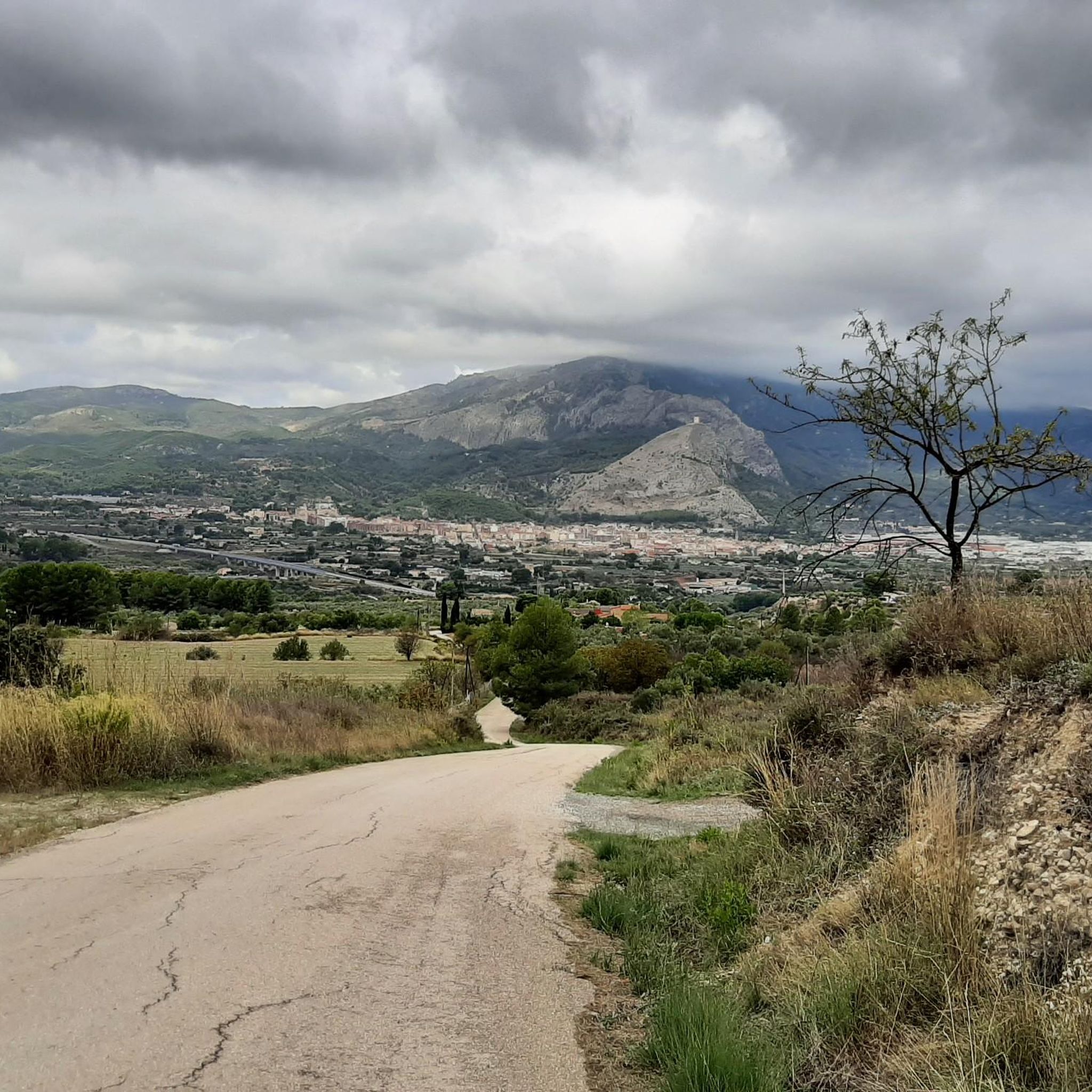
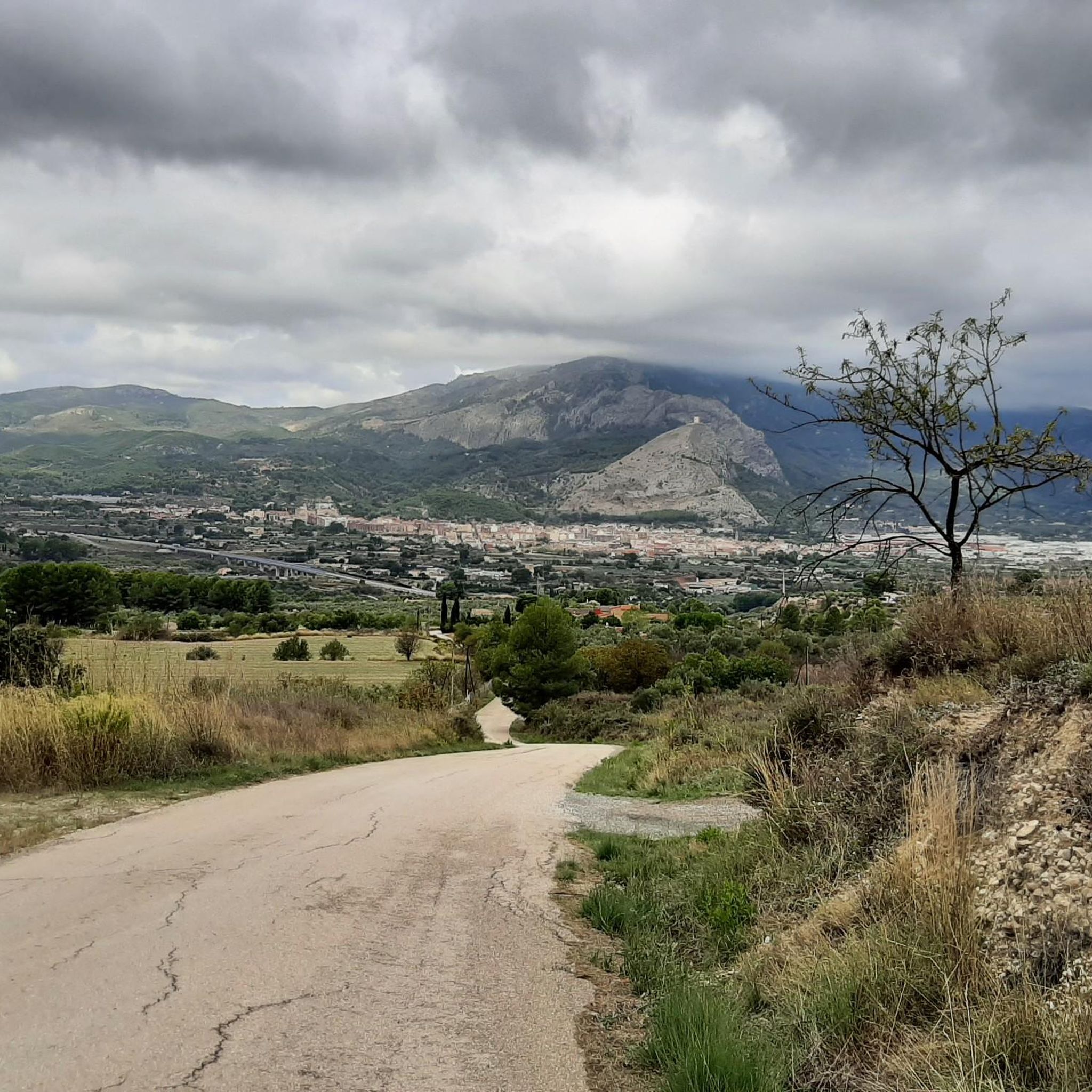
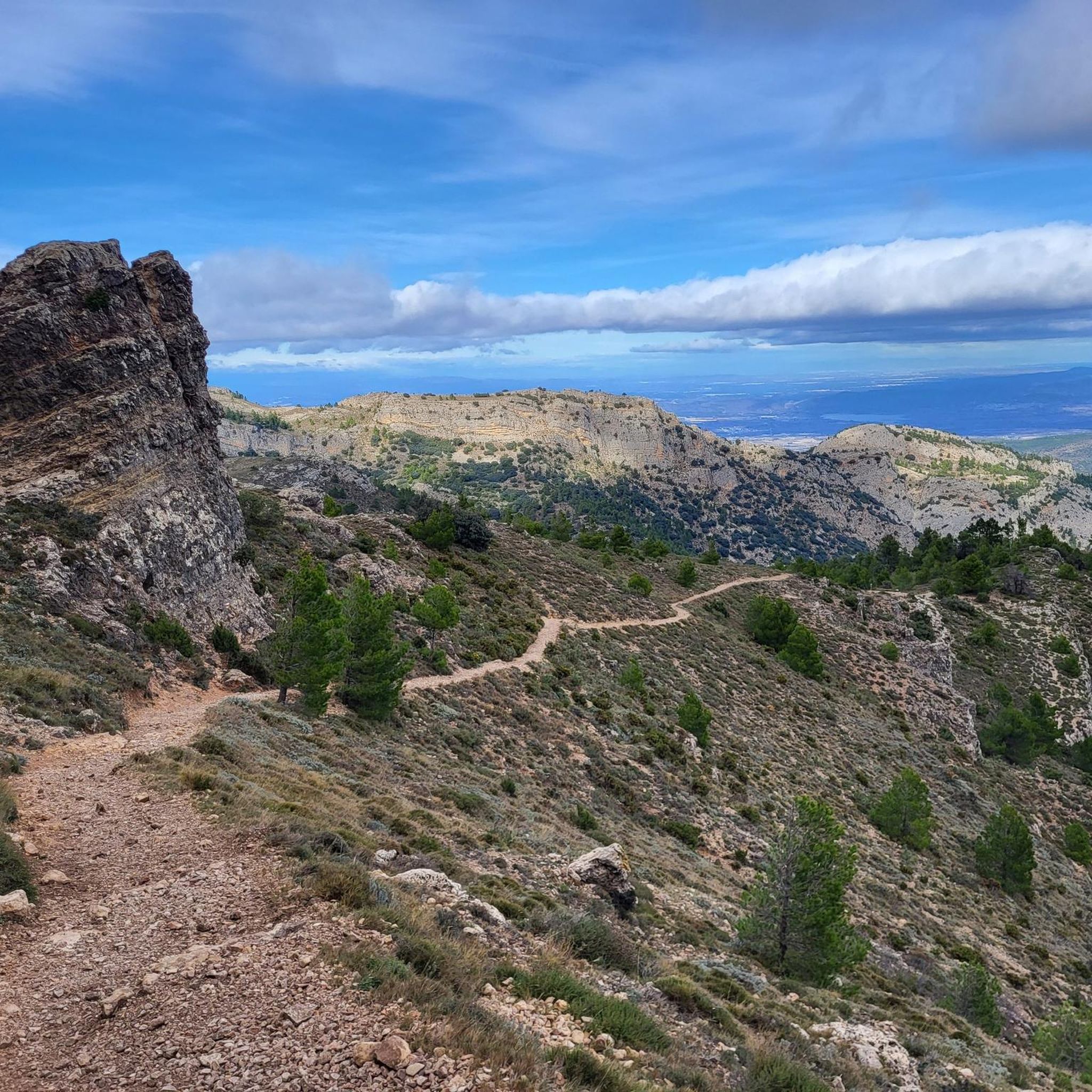

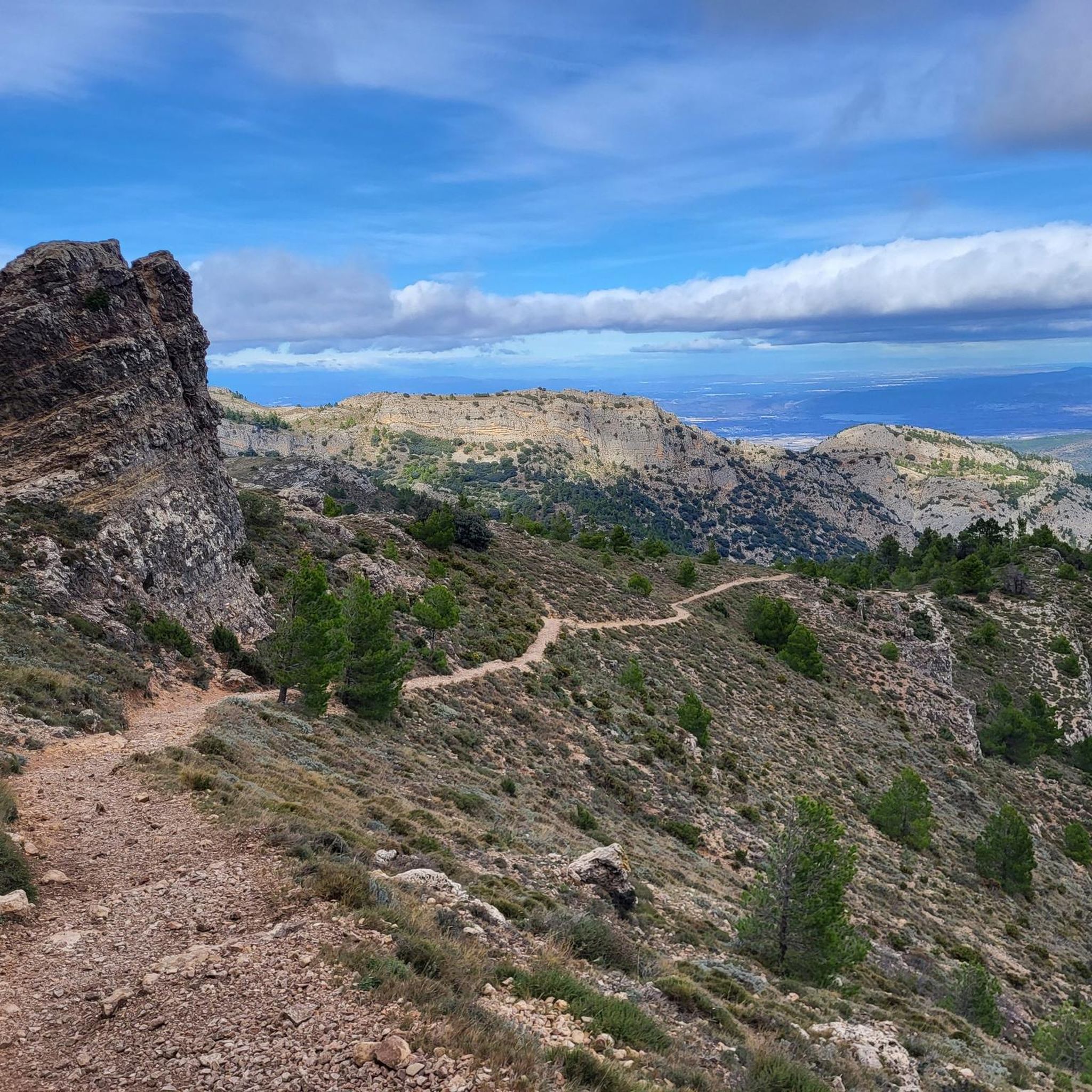
Tips from the Community

But beware: The section can really take it out of you, especially if you already have many kilometers and altitude meters in your legs, particularly coming from the direction of Gorga!🥵
0
0

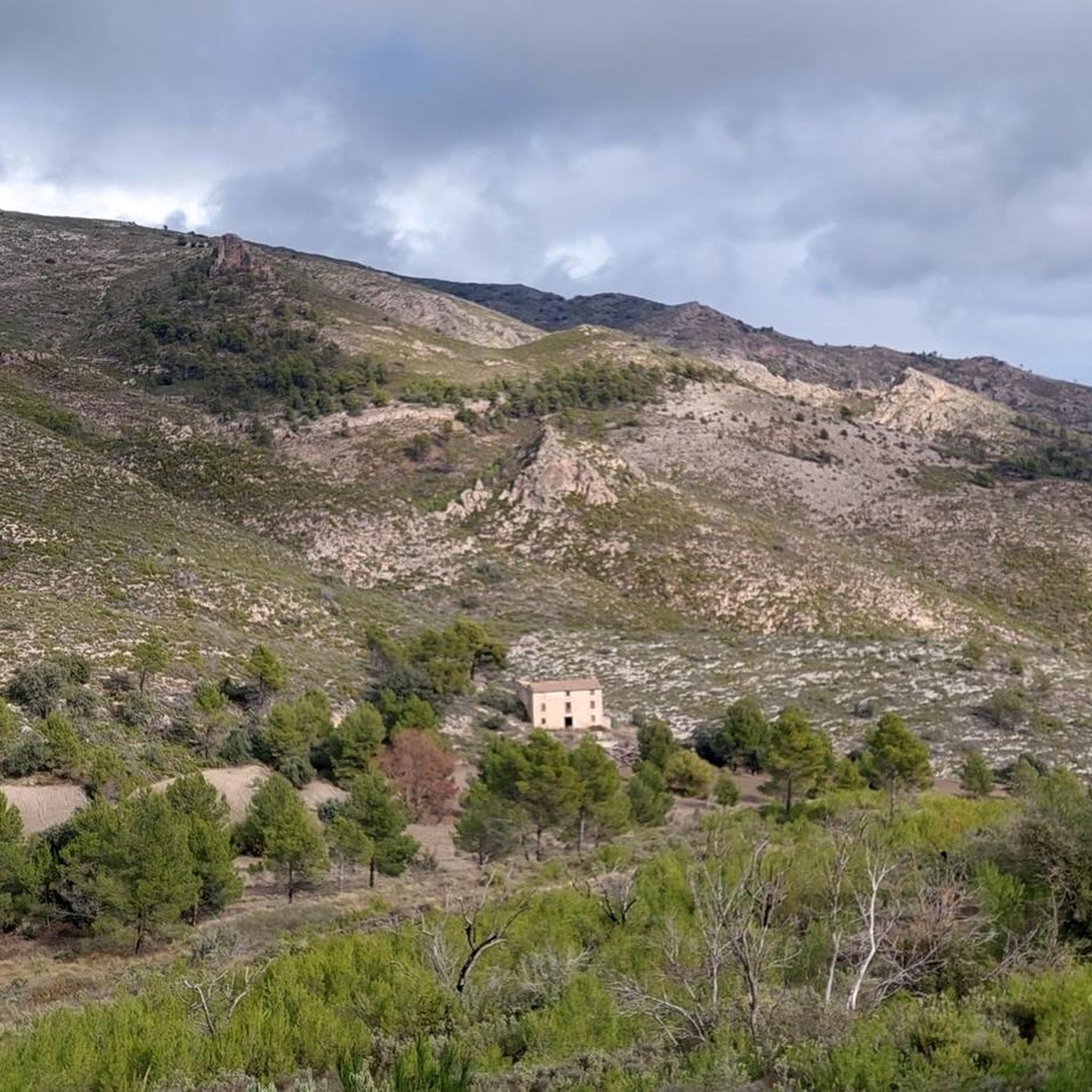
The route from Fageca to Gorga, passing through Quatretondeta, is one of the most scenic and quietly dramatic stretches in the inland mountains of Alicante. Set against the backdrop of the Serra de la Serrella, this road carries you through a pale, sculpted landscape of white limestone cliffs, open slopes, and solitary rock formations that feel more like natural monuments than mountainsides. From Fageca, the road descends gently at first, following the contours of the terrain through dry pine forests and terraces. As you approach Quatretondeta, the scenery becomes more striking. The village appears almost fused to the rock, nestled beneath the jagged towers of the Frares, tall limestone spires that dominate the skyline. Riding through Quatretondeta feels like passing through a gateway carved by time — it’s quiet, exposed, and unforgettable. After leaving the village, the road continues mostly downhill toward Gorga, but not without effort. Several short uphill sections interrupt the descent, testing your legs and breaking the rhythm just enough to keep the ride engaging. These rolling climbs offer new perspectives across the Vall de Seta, with long views back toward the Serrella ridge. The final kilometres into Gorga sweep through olive groves and scattered farmhouses, gradually easing back into more inhabited terrain. But the sense of remoteness never fully disappears — even at its end, this route feels like a passage through a hidden world of stone, silence, and space.
3
1

Beautifully developed gorge. The GR7 hiking trail goes through here.
3
0

The Barranco del Cint, an impressive corner in the city of Alcoy, is part of the majestic Sierra de Mariola. It is located northwest of Alcoy and has a peculiar V shape at its entrance, which some believe gave it its name.
6
1

Must have been a mill or workshop that worked with water power. Rotating waves can be seen. The basement of the building is about 10 meters further down the gorge. At the top of the street you can see the third floor. Very interesting to see it up close!
2
0

This impressive ravine is located in the Sierra de Mariola, which culminates at an altitude of 1,390 meters at the top of Montcabrer. The gorge is surrounded by very high limestone walls that reach 200 meters. It is not surprising that climbing lovers come here in search of adrenaline and heart-stopping views.
4
0

A very beautiful and picturesque area that is covered as part of the Barranc de l'Encanta route. You will be able to appreciate some pools and walk through narrow rock walls, an ideal adventure for warm days since you can take the opportunity to take a refreshing swim in one of the natural pools.
2
0

Frequently Asked Questions
What are some notable canyons and gorges for hiking around Cocentaina?
The region offers several impressive natural formations. The Barranco del Cint, part of the Sierra de Mariola, is known for its high limestone walls and distinctive V-shape. Another popular spot is Toll de l’Estret, which features natural pools and narrow rock walls. You can also explore the Gorg del Salt de Planes, a beautiful waterfall and gorge area suitable for resting and swimming.
Are there family-friendly canyon options near Cocentaina?
Yes, areas like Toll de l’Estret and Gorg del Salt de Planes offer natural pools and picturesque settings that can be enjoyable for families, especially on warm days for a refreshing swim. Many routes within the gorges offer varying levels of difficulty, making some sections suitable for a range of visitors.
What kind of natural features can I expect to see in the canyons?
You will encounter dramatic rock formations, lush vegetation, and often the presence of water. The Barranco del Cint, for instance, features high limestone walls. The Serpis River, which flows through the area, has carved impressive gorges, and its Greenway offers views of bridges, dams, and tunnels amidst scenic beauty. The Serra de Mariola Natural Park, where some ravines are located, is known for its rich biodiversity.
When is the best time to visit the canyons around Cocentaina?
The canyons are particularly appealing on warm days, especially if you plan to enjoy the natural pools for swimming, such as those found at Toll de l’Estret or Gorg del Salt de Planes. Spring and autumn generally offer pleasant temperatures for hiking and exploring the rugged terrain.
What outdoor activities can I do near these canyons?
Beyond hiking through the gorges, the region around Cocentaina offers diverse outdoor activities. You can find numerous cycling routes, including touring bicycle, gravel biking, and road cycling options. For example, explore routes like the 'Tunnel 5 – Serpis River loop' for touring bicycles or the 'Serpis Greenway and Beniarrés Reservoir' for gravel biking. You can find more details on these and other routes in the Cycling around Cocentaina and Gravel biking around Cocentaina guides.
Are there opportunities for swimming in the canyons?
Yes, several spots offer refreshing swimming opportunities. Toll de l’Estret is known for its natural pools, ideal for a dip. Similarly, the Gorg del Salt de Planes features a beautiful bay suitable for swimming and resting.
What kind of wildlife can I expect to see in the canyons?
The Serra de Mariola Natural Park and the Serpis River area are rich in biodiversity. You might observe various aquatic species, birds of prey, and other local flora and fauna. The Barranc del Cint, for example, is known for wildlife such as vultures. The region's diverse ecosystem includes aromatic herbs and lush forests.
Are there any historical or cultural sites near the canyons?
Yes, the region has a historical dimension. The Barranc de la Quebrantà, within Serra de Mariola Natural Park, features ancient walls and shelters hinting at past human settlements. Along the Serpis River, the Greenway follows an old railway line, showcasing historical bridges, tunnels, and old railway constructions. You can also find sites like the Ruins and weir on the Riu Clariano, which likely served as a mill or workshop using water power.
How accessible are the canyons around Cocentaina?
While some areas might require good fitness, many routes within these gorges are accessible and provide varying levels of difficulty. The Serpis Greenway, for instance, offers a well-defined path through the river's canyon. Access points often lead directly from Cocentaina into the natural park areas.
What do visitors enjoy most about the canyons near Cocentaina?
Visitors appreciate the stunning natural landscapes, dramatic rock formations, and the chance to connect with nature through hiking. The presence of natural pools, like those at Toll de l’Estret, is a highlight for many, offering refreshing swims. The blend of natural beauty with historical elements, such as ancient structures, also adds to the experience.
Are there specific hiking trails through the canyons?
Yes, the GR7 hiking trail passes through the Barranco del Cint, offering a well-developed route. The Barranc de L'Encantada route encompasses areas like Toll de l’Estret and Gorg del Salt de Planes, providing picturesque walks through narrow rock walls and past natural pools.
Most popular routes around Cocentaina
Most popular attractions around Cocentaina

Get inspired with the komoot mobile app


Explore more
Already discovered everything in this region? See additional gorges around Cocentaina for your next adventure:
