Top 10 Castles around Castalla
Best castles around Castalla are found in a region characterized by its mountainous terrain and historical significance. The area features well-preserved fortifications, many with origins dating back to the Moorish period. These castles often sit atop hills, providing expansive views of the surrounding landscape. Castalla and its vicinity offer a blend of cultural heritage and natural beauty, making it a notable destination for exploring historical architecture.
Best castles around Castalla
- The most popular castles is Biar, a settlement known…
Last updated: July 4, 2026
Biar
Highlight • Settlement
Translated by Google •
Tip by

Biar
Highlight • Settlement
Translated by Google •
Tip by

Sign up now to discover places like this
Get recommendations on the best single tracks, peaks, & plenty of other exciting outdoor places.
Sign up for free
Castle of Sax
Highlight • Castle
Translated by Google •
Tip by

Castalla Castle
Highlight • Castle
Translated by Google •
Tip by

Biar Castle
Highlight • Castle
Translated by Google •
Tip by

Sign up for free to discover even more castles around Castalla.
Sign up for free
Already have an account?
Start today with a free account
Your next adventure awaits.
Login or Signup
Popular around Castalla
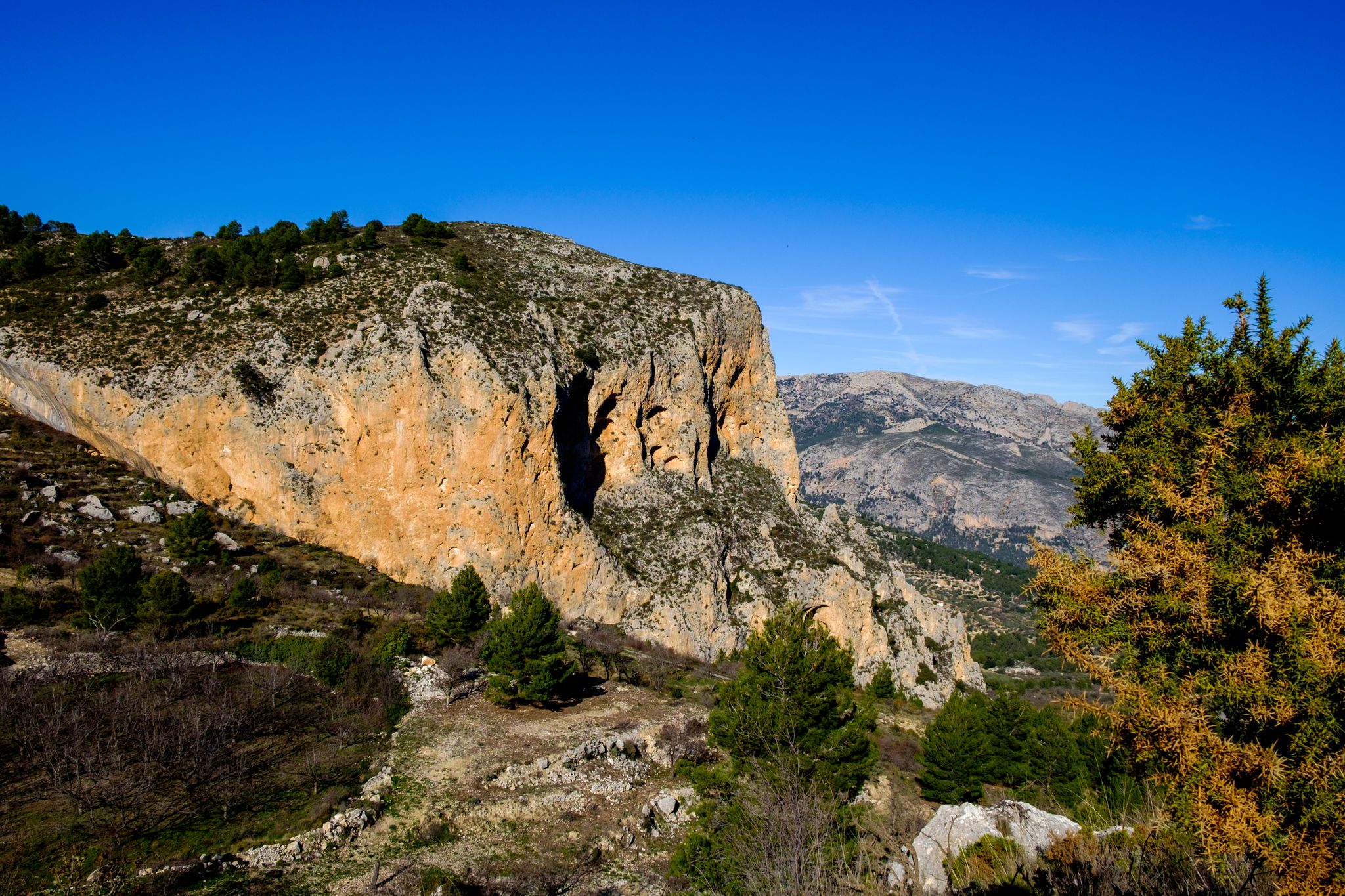
Discover Alicante – Costa Blanca Inland Path (GR 330)
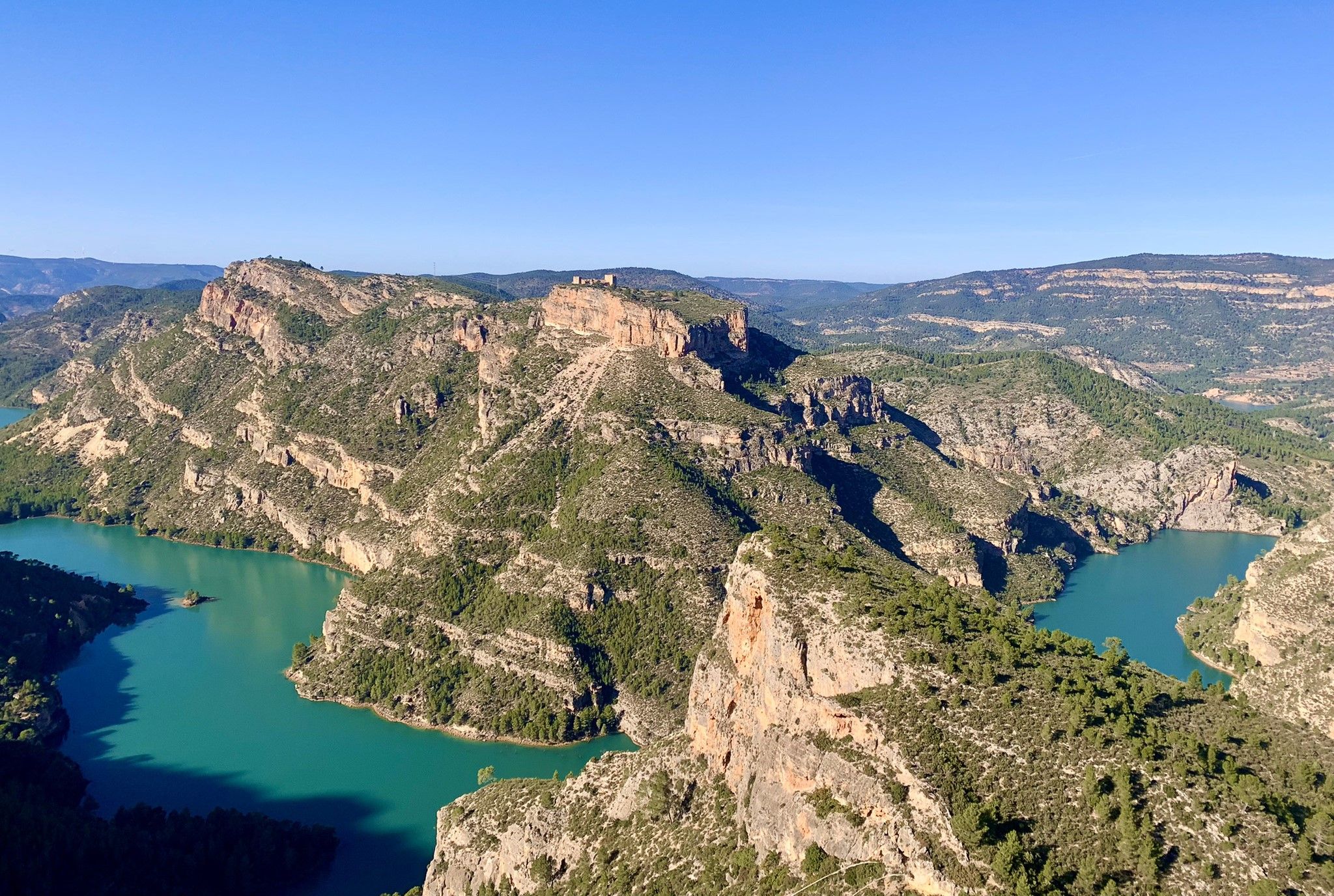
A journey full of discoveries – the Valencia region on foot (GR7)
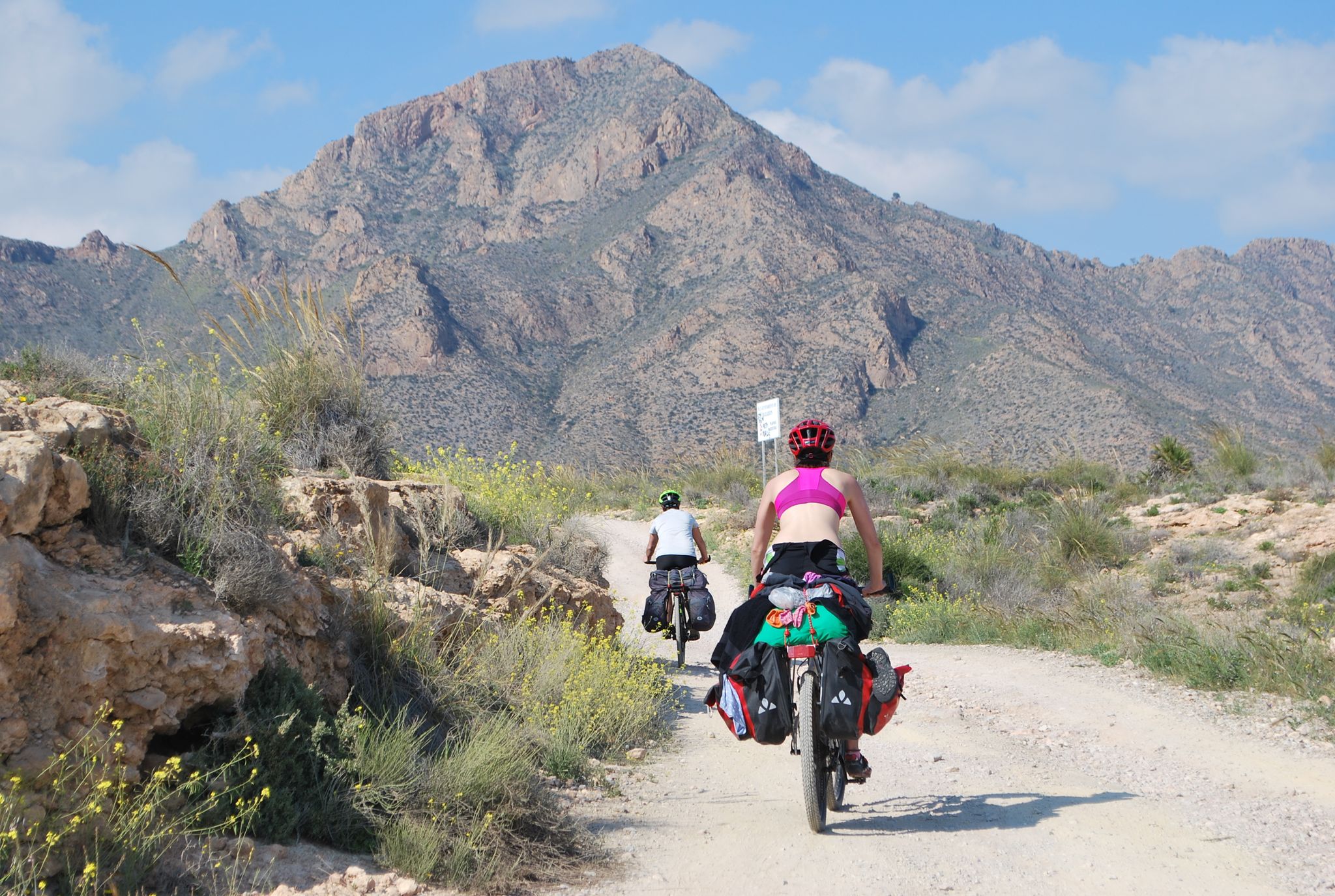
Mediterranean coastal paradise – EuroVelo 8 in Spain
Road Cycling Routes around Castalla
Hiking around Castalla
Cycling around Castalla
MTB Trails around Castalla
Running Trails around Castalla

Gravel biking around Castalla
Other adventures around Castalla


Tips from the Community

The Plaza de la Constitución should definitely be included. Church, town hall, pub: it's all there.
0
0

A charming destination steeped in history and renowned for its delicious cuisine, ideal for combining cultural tourism with nature. It's not a place for shopping sprees or nightlife, but rather for disconnecting and enjoying local traditions. Historical Heritage: The Almohad castle and the old town are authentic medieval gems, remarkably well-preserved. Natural Surroundings: Enclosed by mountains and hiking trails, it's perfect for those seeking tranquility and nature. Peaceful Atmosphere: This welcoming village is ideal for rural getaways away from the tourist crowds. Gastronomy: Traditional dishes like olleta (a hearty stew), gazpacho manchego (a traditional gazpacho from La Mancha), and homemade sweets are highly prized. Festivals and Culture: Its celebrations and craft fairs offer an authentic and engaging atmosphere.
1
0

One of the main attractions is the Castle of Biar, a majestic 12th-century fortress that stands prominently on a hill 700 metres above sea level. Declared a National Monument in 1931, the castle is a very good example of Muslim and Christian defensive architecture in Alicante. The interior vault, with its individual arches that converge in the centre, is still in its original state. From the castle's towers, visitors can enjoy panoramic views of the old town and the surrounding mountains.
0
0

Castalla is a municipality in the Valencian Community, Spain, located in the northeast of the province of Alicante, in the Hoya de Alcoy region. It is the capital of the historical sub-region of Hoya de Castalla (in Valencian, Foia de Castalla) and has 11,365 inhabitants (INE 2023). Geography Location of Castalla in relation to Hoya de Alcoy The municipality of Castalla covers an area of 114.6 km² that varies from flat to steep: the Castalla castle itself is located on a hill that dominates the entire valley. The town, which is located around the castle, is located on the slopes of the hill, 675 meters above sea level. Castalla occupies the western and southwestern part of the Hoya de Castalla, and is located between the North of the Sierra del Maigmó (1296 m), the Sierra de Castalla (1175 m) and the Sierra de Argueña (1228 m). The municipal area also consists of a large forest area that occupies 52.9 km² (equivalent to 46% of the total area of the municipality).4 The climate of the area can be classified within a Mediterranean climate of medium mountain. The average annual temperature is around 13 degrees. Rainfall is not abundant, around 400 mm per year, although the mountain ranges favor the formation of cloudiness and local precipitation, increasing with altitude. Snowfall is not rare on winter days in the months of January and February. https://es.wikipedia.org/wiki/Castalla
2
0


The oldest part of the castle is the eastern tower, built of tapia masonry on the steep slope of the cliff. It dates from the Almohad period, i.e., the late 12th to early 13th century. The second tower of the complex probably dates from the first decades of the 14th century. Originally a Moorish foundation, after the Reconquista the castle was located in the border area between the Kingdom of Murcia, claimed by Castile, and the Kingdom of Valencia, conquered by Aragon. A chain of castles was built in this area, mainly along the Vinalopó River. Around 1240, the castle was wrested from the Muslims under Aragonese leadership and with the help of the Templars and the Order of St. John. The castle in Sax is located on the CidCT route: Camino del Cid Cyclotourista route of castles in the historically contested border region between the Moors and the kingdoms of Castile, Valencia, and Aragon. Under the name "El Cid," Spain's knight Rodrigo Diaz de Vivar became a symbolic figure of the Reconquista. The Castilian nobleman fought against Moorish rulers and Christian rivals in the 11th century. He never lost a single battle; the Moors respectfully called him Alsayyed (Lord of the Leaders), which later became "El Cid." The Spanish, however, always referred to him as "El Compeador" (The Warrior).
6
0
Biar is a small town situated at an altitude of approximately 700 meters in the Alt Vinalopó mountain region. Its most famous landmark is the Castillo de Biar, a medieval castle of Muslim origin, later expanded during the Christian Reconquista, which offers impressive views from its Torre del Homenaje (Tower of Homage). The old town is characterized by narrow streets and whitewashed houses, conveying an authentic medieval atmosphere. A historic church, traditional crafts such as ceramics, and the surrounding natural landscape make Biar a culturally and scenically appealing destination. I met friendly people and had pleasant conversations. Biar is absolutely worth seeing; the old town is best explored on foot and in more detail – a stroll through it is well worth it. 👍 CASTILLO DE BIAR – The Mother of all Castles and of the Knight El Cid The Castillo de Biar, associated with the name of the "Liberator of Valencia," Rodrigo Díaz de Vivar – better known as El Cid – is considered the "Mother of Castles" in this region. Not because it is the oldest, but because its history embodies numerous cultural and historical developments of the area. Moreover, its appearance perfectly matches the image one has of a castle since childhood: fortified walls, battlements and towers, a protected inner courtyard – all perched atop a striking hill, here at an altitude of approximately 750 meters. Nestled at the foot of this imposing rock is the village of Biar, seeking refuge and shade from the southern heat below the castle.
8
0

Castalla is a municipality in the region of La Hoya de Alcoy and is the capital of the sub-region of La Hoya de Castalla. The most remarkable thing about this town is its beautiful castle, which is located on a promontory 780 meters above sea level. In addition, its old town is worth a walk to visit the different plazas and Carrer de les Tronetes.
2
0
Frequently Asked Questions
What are the most historically significant castles in the Castalla region?
The region boasts a rich history, with many castles having Moorish origins. The Castle of Sax (Castillo de Sax) is an imposing 12th-century hilltop fortress, originally Moorish, that played a key role in the border region between the Kingdom of Murcia and the Kingdom of Valencia. The Biar Castle, a majestic 12th-century fortress, is another excellent example of Muslim and Christian defensive architecture and is a National Monument. Additionally, the Castillo de Castalla itself has origins tracing back to the Moors in the 11th century, with archaeological evidence of even earlier settlements.
Which castles offer the best panoramic views?
Many castles in the Castalla area are strategically located on hills, providing stunning vistas. The Castillo de Castalla, perched 780 meters above sea level, offers spectacular panoramic views of the surrounding landscape, including the Foia de Castalla. Similarly, Biar Castle provides panoramic views from its towers over the old town and surrounding mountains. The Castle and Hermitage of San Pedro, though mostly ruins, is highly praised for the amazing views it offers of the mountains and Agost.
Are there family-friendly castles to visit near Castalla?
While specific 'family-friendly' categories aren't listed, castles like the Castillo de Castalla offer an educational experience with informative videos and museum exhibits that can engage older children. The well-preserved architecture and the opportunity to explore different sections like the Palau and Torre Grossa can be an adventure for families. The climb to these castles often rewards with beautiful views, making the effort worthwhile for an active family outing.
What kind of natural features can I expect to see around the castles?
The castles in the Castalla region are often set amidst mountainous terrain. The Castillo de Castalla, for instance, offers views over the Foia de Castalla and surrounding mountain ranges. The area around Biar is enclosed by mountains and features numerous hiking trails, making it ideal for those seeking tranquility and nature alongside historical exploration.
What outdoor activities can I do near these castles?
The Castalla region is excellent for outdoor enthusiasts. You can find numerous routes for cycling and hiking. For cycling, explore options like the Agost-Maigmó Greenway or routes around Biar. If you prefer road cycling, there are challenging routes through the Tibi Pass and Carrasqueta Pass. For hiking, trails like the Alt de Guixop or Despeñador Peak offer moderate to difficult options. You can find more details on these activities in the Cycling around Castalla, Road Cycling Routes around Castalla, and Hiking around Castalla guides.
What is the best time of year to visit the castles around Castalla?
The region's climate generally allows for pleasant visits for much of the year. Spring and autumn typically offer milder temperatures, which are ideal for exploring the outdoor castle grounds and enjoying the panoramic views without the intense heat of summer. These seasons are also great for combining castle visits with hiking or cycling in the surrounding natural landscapes.
Are there any well-preserved castles that showcase different architectural styles?
Yes, the Castillo de Castalla is noted for its well-maintained condition and the clear distinctions between its different historical sections, showcasing construction from the Late Middle Ages and early Modern Age, built upon 11th-century Moorish foundations. It features the Palau, the Bailey, and the 16th-century Torre Grossa. Biar Castle also stands as a prime example of both Muslim and Christian defensive architecture.
What do visitors appreciate most about the castles in this area?
Visitors frequently praise the historical depth, the well-preserved state of the fortifications, and the stunning panoramic views offered from their elevated positions. The educational aspects, such as museum exhibits and insights into the region's past, are also highly valued. The blend of cultural heritage and natural beauty makes these castles a rewarding destination for those interested in history, architecture, and scenic landscapes.
Can I find cafes or restaurants near the castles?
Many of the castles, like the Castillo de Castalla, are located near or within towns. For example, the town of Biar, which hosts its own castle, is known for its delicious traditional gastronomy, including dishes like olleta and gazpacho manchego. You can often find local eateries in the villages nestled at the foot of these historical sites, offering a chance to enjoy local cuisine after your exploration.
Is it possible to access the castles by car, and is there parking available?
While many castles are on hills, they are generally accessible. The Castillo de Castalla, for instance, is accessible by car, though a bit of a climb, with clear signs directing visitors. For castles located within towns like Biar, parking is typically available in the town itself, requiring a walk up to the castle.
Are there any castles with unique architectural features?
The Castillo de Castalla features the impressive Torre Grossa, added in the 16th century, which is decorated with artistic elements like a gargoyle. Inside Biar Castle, the interior vault with its individual arches converging in the center is still in its original state, showcasing remarkable medieval engineering.
What is the history behind the castles in the Castalla region?
The castles in the Castalla region have a deep and complex history, largely shaped by the Reconquista. Many, like the Castillo de Castalla and the Castle of Sax, originated as Moorish fortifications in the 11th-12th centuries. They later became crucial defensive structures in the borderlands between the Christian kingdoms of Aragon and Castile, often incorporating both Muslim and Christian architectural styles. Figures like El Cid are also associated with the history of these strongholds.
Most popular routes around Castalla
Most popular attractions around Castalla

Get inspired with the komoot mobile app


Explore more
Looking for the best castles somewhere else? Discover other guides around Castalla:
