Top 5 Castles around Vallelado
Best castles around Vallelado are situated in a region bordering the provinces of Valladolid and Segovia, characterized by its historical significance and natural landscapes. The area, known as Tierra de Pinares, features the Cega River and is surrounded by cereal fields. This setting provides a backdrop for exploring historical sites and architectural heritage. The region offers a blend of cultural depth and scenic views for visitors.
Best castles around Vallelado
- The most popular castles is Íscar Castle, a castle…
Last updated: July 4, 2026
Cuéllar Castle
Highlight • Castle
Construction of …
Translated by Google •
Tip by

Íscar Castle
Highlight • Castle
Translated by Google •
Tip by

Sign up now to discover places like this
Get recommendations on the best single tracks, peaks, & plenty of other exciting outdoor places.
Sign up for free
Torreón de Santo Domingo
Highlight • Castle
Translated by Google •
Tip by

Castle of Cuéllar
Highlight • Castle
Translated by Google •
Tip by
Cuéllar
Highlight • Settlement
Translated by Google •
Tip by

Start today with a free account
Your next adventure awaits.
Login or Signup
Tips from the Community

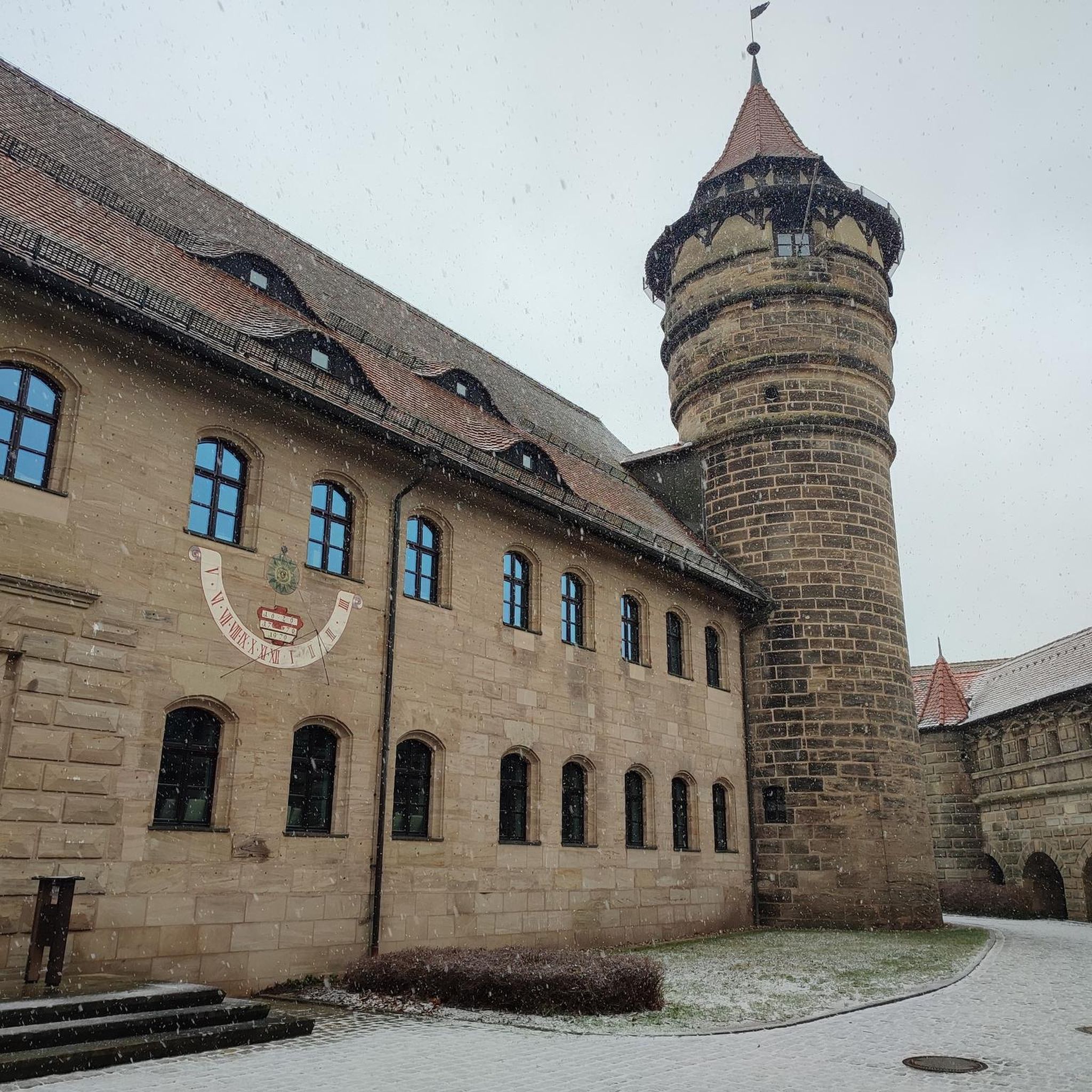
Cuéllar Castle, also known as the Castle-Palace of the Dukes of Alburquerque, is one of the town's most iconic monuments and has a rich history spanning several centuries. Construction of the castle began in the 11th century and was completed in the 17th century. Over the centuries, it has been expanded and renovated in various architectural styles, including Gothic and Renaissance. Its historical owners include Álvaro de Luna and Beltrán de la Cueva, as well as successive Dukes of Alburquerque. Currently, the castle houses the Cuéllar Tourist Office, and guided and dramatized tours are offered on weekends.
5
0
Documented since 1306, the castle has witnessed various events over the centuries. It was property of the Duchy of Alburquerque and hosted illustrious guests such as the kings of Castile, such as Juan I and Queen Leonor, as well as María de Molina. This castle is a historical treasure and a living testimony to the grandeur and diversity of architectural styles over the centuries. 🏰🌿
4
0

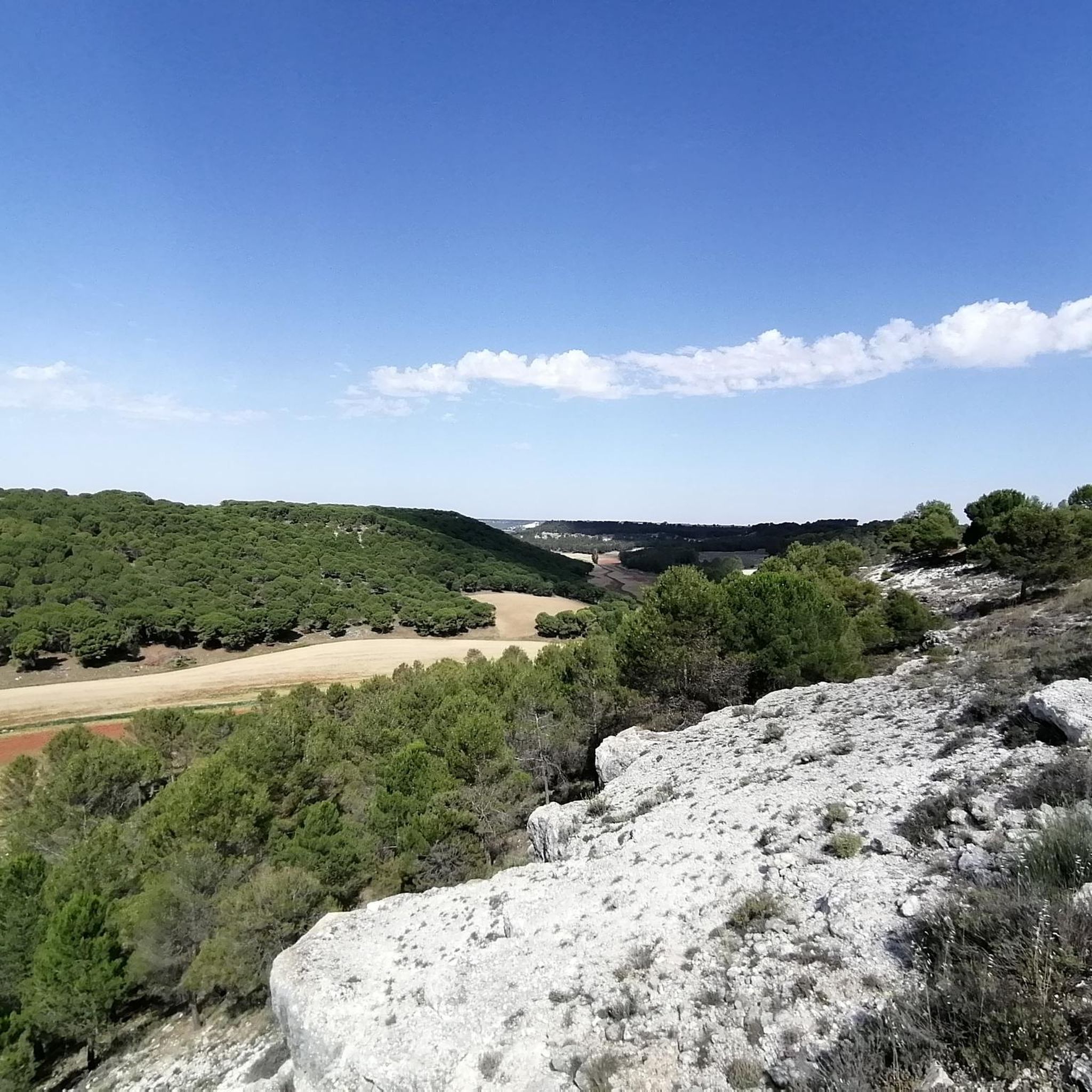
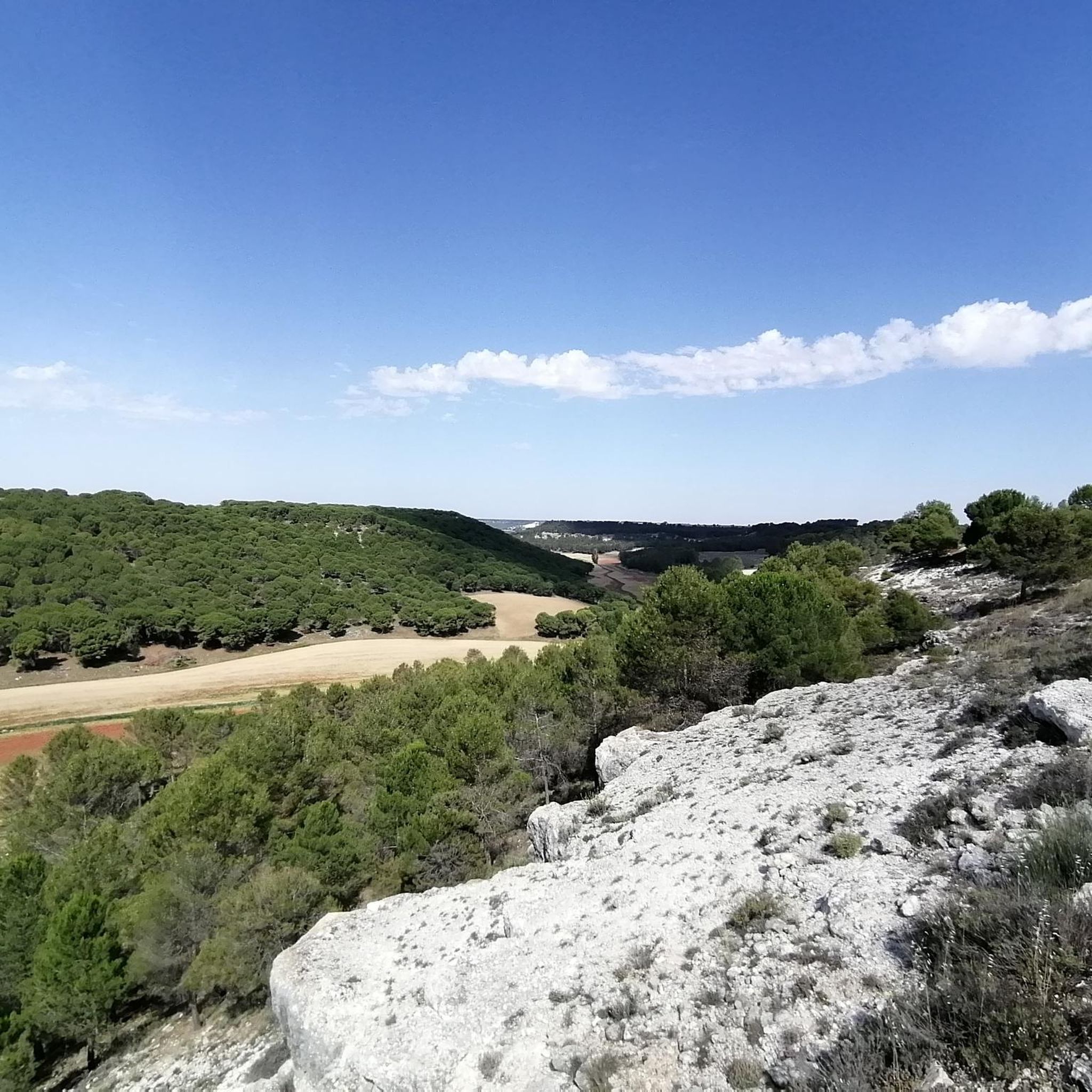
On the border between the provinces of Valladolid and Segovia, the historic town of Cuéllar located next to the Cega River is full of heritage. Standing on top of a hill above the town is the 11th century defensive castle. It is worth going up to see the incredible views of the town surrounded by cereal fields.
1
0
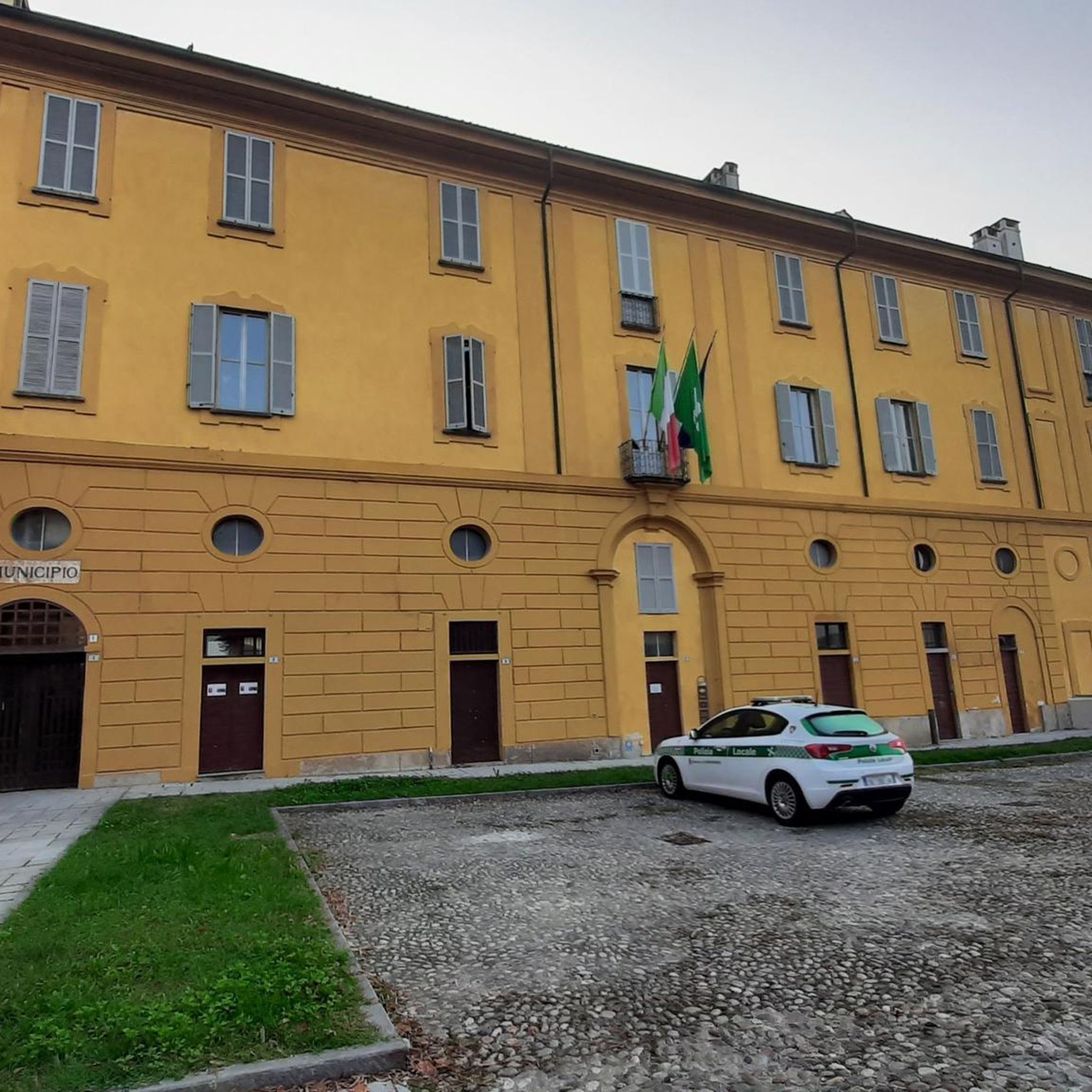
The strategic town of Íscar in the region of Tierra de Pinares. The city has a defensive castle on top of a hill that dominates the city and the landscape around it with a history of Moorish and Christian heritage.
1
1

One of the cities that is located further north in the province of Segovia but which has some beautiful streets and a castle.
0
1
Cuéllar is one of those towns that has special characteristics, a castle that hovers over one end of the town and that looks like something out of a movie. Huge walls and towers!
1
0

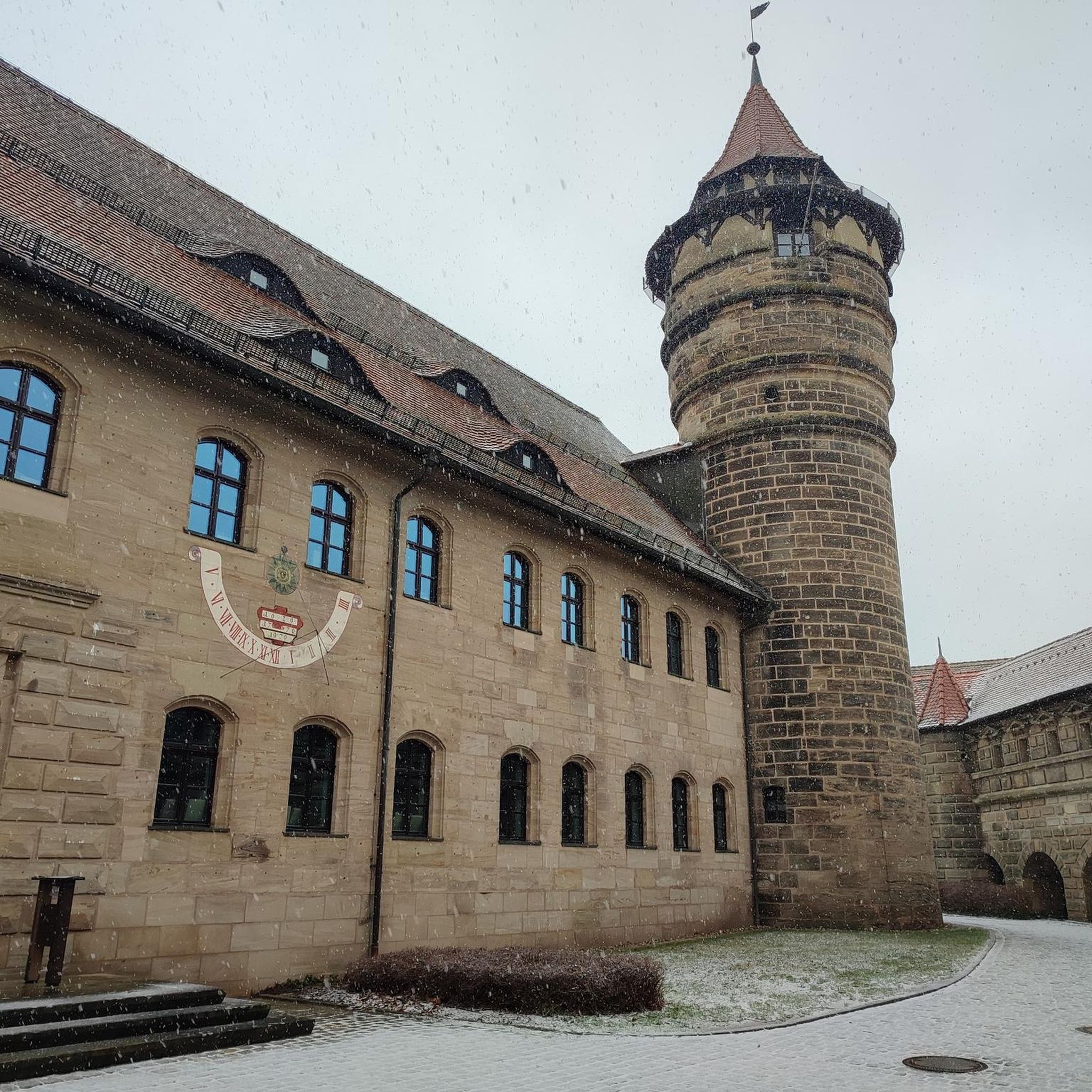
Rolling along the path of Las Lomas on the southwest flank of the beautiful castle of Cuéllar, I come across the Santo Domingo tower, an artillery tank that is part of the historical complex declared a national historical monument in 1934, and since 1985 subject to the category of Property of Cultural Interest.
2
0
Huge castle that is located on the south side of the town and that is in perfect condition. You have to stop to see its huge walls!
1
0
Frequently Asked Questions
Which castles near Vallelado are suitable for families with children?
For families, Cuéllar Castle is an excellent choice. It is a castle-palace that offers guided and dramatized tours on weekends, making history engaging for all ages. The Torreón de Santo Domingo, part of the historical complex of Cuéllar, is also considered family-friendly.
What is the best time of year to visit the castles near Vallelado?
The region around Vallelado, known as Tierra de Pinares, experiences pleasant weather in spring and autumn, making these seasons ideal for exploring the castles. Summers can be warm, while winters are generally mild but may have shorter opening hours for some sites.
Which castles offer the best scenic views around Vallelado?
Íscar Castle stands on a hill, dominating the town and surrounding landscape, offering strategic views. Similarly, the Castle of Cuéllar, also perched on a hill, provides incredible views of the town and the surrounding cereal fields.
Are there any lesser-known castles or historical sites worth visiting near Vallelado?
While Cuéllar Castle and Íscar Castle are well-known, the Torreón de Santo Domingo in Cuéllar is a significant historical monument and an artillery tank that is part of a larger complex, offering a deeper dive into the region's defensive history.
How much time should I allocate for visiting castles near Vallelado?
To fully appreciate the history and architecture, plan at least 2-3 hours for each major castle, such as Cuéllar Castle, especially if you plan to take a guided tour. Smaller sites or viewpoints like Torreón de Santo Domingo might take less time.
Are there parking facilities available at the castles around Vallelado?
While specific parking details for each castle are not always provided, towns like Cuéllar and Íscar typically have public parking areas within walking distance of their respective castles. It's advisable to check local signage upon arrival.
Can I reach the castles near Vallelado using public transport?
Public transport options to reach the castles directly can be limited. It is generally recommended to use a car for flexibility, especially when visiting multiple sites in the Vallelado region. However, larger towns like Cuéllar may have bus connections from nearby cities.
Are the castles around Vallelado dog-friendly?
Policies regarding dogs vary greatly between historical sites. While outdoor areas or castle grounds might be accessible, interior spaces and guided tours are typically not dog-friendly. It's best to check with each specific castle before your visit.
Are there any wheelchair-accessible castles in the Vallelado region?
Due to their historical nature and architectural design, many castles, including those around Vallelado, may have limited accessibility for wheelchairs, especially in older sections or upper levels. It is recommended to contact specific sites like Cuéllar Castle directly for detailed accessibility information.
What should I wear when visiting the castles around Vallelado?
Comfortable walking shoes are highly recommended, as you'll likely be exploring uneven terrain, stairs, and walking through castle grounds. Dressing in layers is also advisable to adapt to changing weather conditions, especially during spring and autumn.
Are there cafes or restaurants near the castles in Vallelado?
Yes, the towns where the castles are located, such as Cuéllar and Íscar, offer a variety of cafes, bars, and restaurants where you can enjoy local cuisine and refreshments after your visit.
What historical periods do the castles around Vallelado represent?
The castles in this region, such as Cuéllar Castle and Íscar Castle, reflect a rich history spanning from the 11th to the 17th centuries, showcasing a blend of Moorish and Christian heritage, with architectural styles ranging from Gothic to Renaissance.
Most popular attractions around Vallelado

Get inspired with the komoot mobile app


Explore more
Looking for the best castles somewhere else? Discover other guides around Vallelado:
