Top 8 Caves around Bolulla
Best caves around Bolulla provide access to unique natural features and geological formations within the region. While the town itself is known for its natural landscapes, the surrounding area features several notable cave systems and rock shelters. These sites offer opportunities for exploration and reveal the natural history of the area. Visitors can discover a variety of cave types, from natural tunnels to historical rock art sites.
Best caves around Bolulla
- The most popular caves is Forat de Bèrnia,…
Last updated: July 4, 2026
Forat de Bèrnia
Highlight • Cave
Translated by Google •
Tip by

Forat de la Juvea
Highlight • Cave
Translated by Google •
Tip by

Sign up now to discover places like this
Get recommendations on the best single tracks, peaks, & plenty of other exciting outdoor places.
Sign up for free
Ascent to the Forat de Bèrnia via the North Side
Highlight • Cave
Translated by Google •
Tip by

El Badall Cave
Highlight • Cave
Tip by

Camino de Petracos – Remote Beauty & Ancient Rock Art
Highlight (Segment) • Cave
Tip by

Sign up for free to discover even more caves around Bolulla.
Sign up for free
Already have an account?
Start today with a free account
Your next adventure awaits.
Login or Signup
Tips from the Community

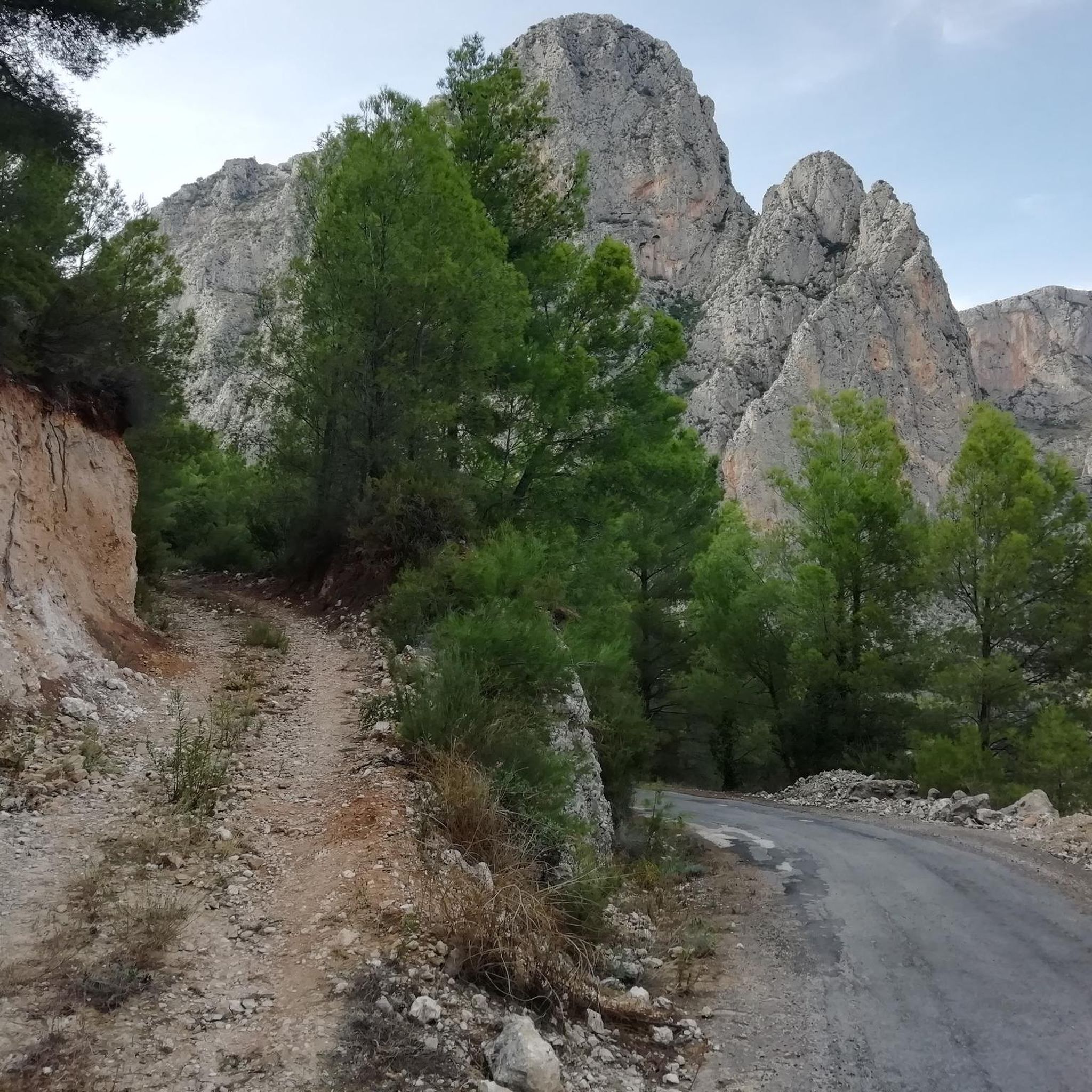
Great little hidden ascent which feels like it it inside the cliff face. Annoyingly difficult approach path but once you get to the ascent proper the magic begins. NOTE - this is a SAC T4 section of path - nothing technical but still a challenge. I suggest you may like to take gloves for the chains and staples. Gloves are also useful in the tight area where you have to partially crawl through a semi cave. I had a head torch but it was not really necessary. Sticks were a pain and might be best stowed at the start of the ascent. An disposable overbag (I always use a heavy duty dustbin liner) for your rucksack where it is best dragged behind you might also be useful but not 100% necessary. There is one particularly narrow place "a fatmans squeeze" that might give you trouble if your a big person,
0
0

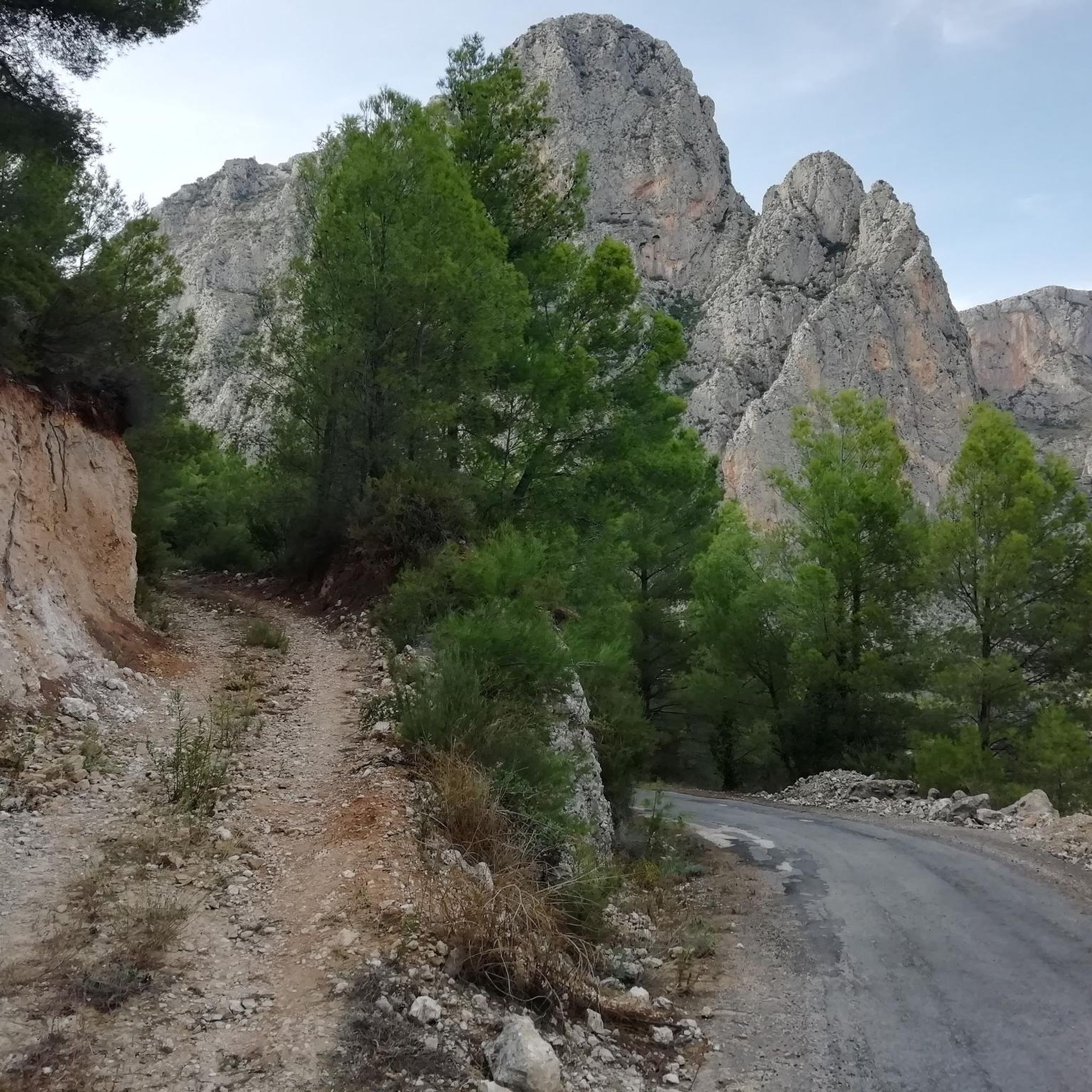
About halfway up the narrow road toward Petracos, there's a path leading to one of the Costa Blanca’s hidden gems: the prehistoric rock paintings of Les Coves de Pintures Rupestres de la Sarga de Petracos. These sacred cave sites are over 6,000 years old and are recognised as UNESCO World Heritage. The paintings are protected behind fences but still visible — abstract symbols, anthropomorphic figures, and mysterious shapes left by early Iberian cultures. It’s absolutely worth a stop for a moment of silence and awe — but be warned: the trail isn’t cycling-shoe friendly. You’ll either need cleat covers or the willingness to carry your bike over rocky steps for a short hike. 😅 A unique mix of nature, history, and quiet that most riders simply roll past.
2
0

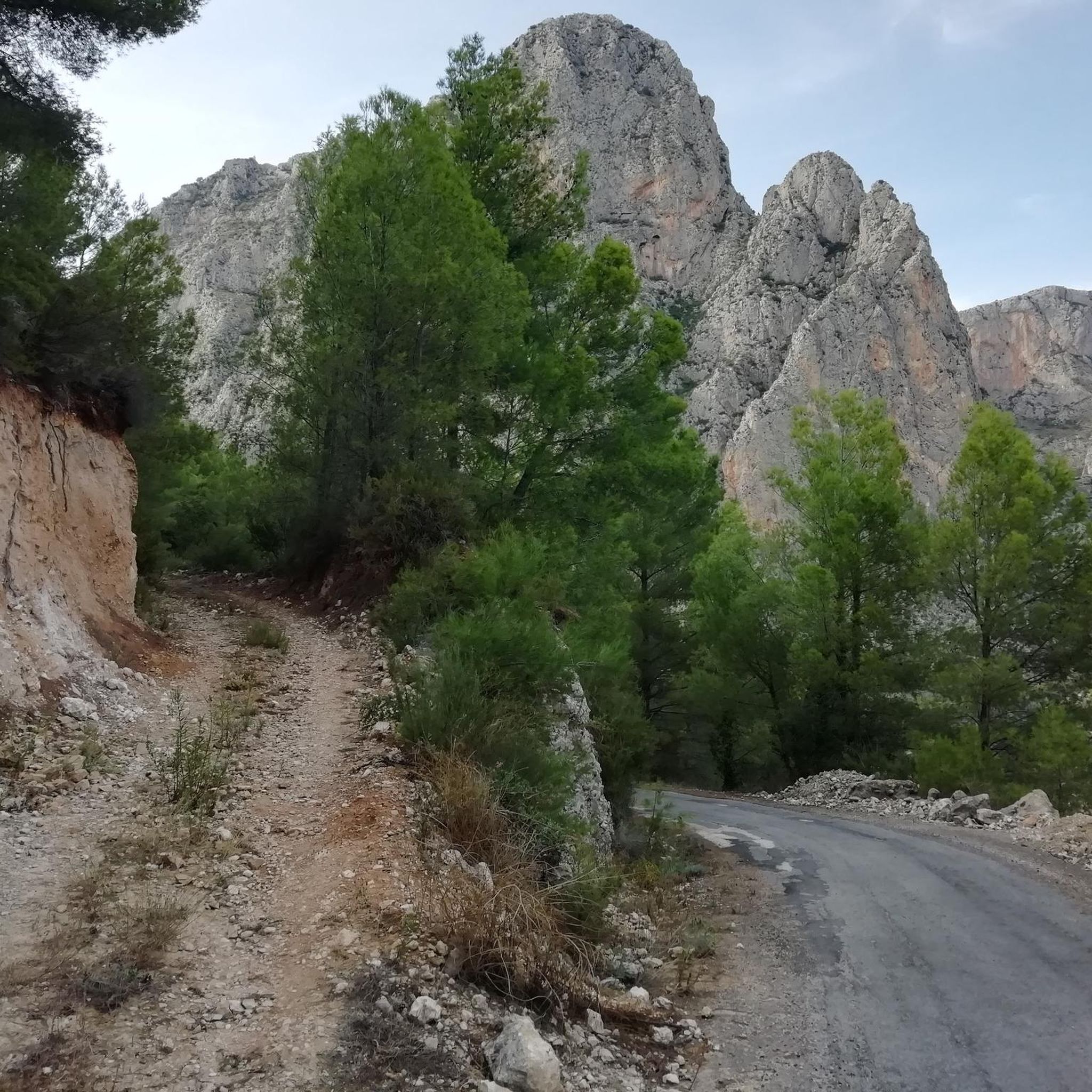
The Forat de Bèrnia is an impressive place in the Sierra de Bèrnia, located in the Valencian Community, Spain. This natural tunnel, about 15 to 20 meters long, crosses the mountain range from north to south. At its widest entrance, it offers panoramic views of Altea, the Serra Gelada and the Mediterranean. The Forat de Bèrnia is presented as a spacious natural shelter that becomes a magnificent viewpoint of the Costa Blanca. The route begins on the north side of the mountain range, which is greener and wetter. As you cross the Forat, you move to the south face, with spectacular views of Altea, Benidorm and Puig Campana. In addition to the Forat, you can also explore the remains of the Bèrnia Fort and enjoy the varied landscapes that the mountains offer. If you decide to do this route, I recommend avoiding weekends and holidays to avoid the crowds and preserve the natural environment. I hope you enjoy this natural wonder! 😊🏞️
3
0
The Forat de Bèrnia is an impressive place in the Sierra de Bèrnia, located in the Valencian Community, Spain. This natural tunnel, about 15 to 20 meters long, crosses the mountain range from north to south. At its widest entrance, it offers panoramic views of Altea, the Serra Gelada and the Mediterranean. The Forat de Bèrnia is presented as a spacious natural shelter that becomes a magnificent viewpoint of the Costa Blanca. If you decide to do this route, I recommend avoiding weekends and holidays to avoid the crowds and preserve the natural environment. I hope you enjoy this natural wonder! 😊🏞️
4
0

The tour is great. The way to the cova (cave) spectacular. As was the path down. When it rains heavily, a waterfall shoots down the side of the hole in the rock.
3
2

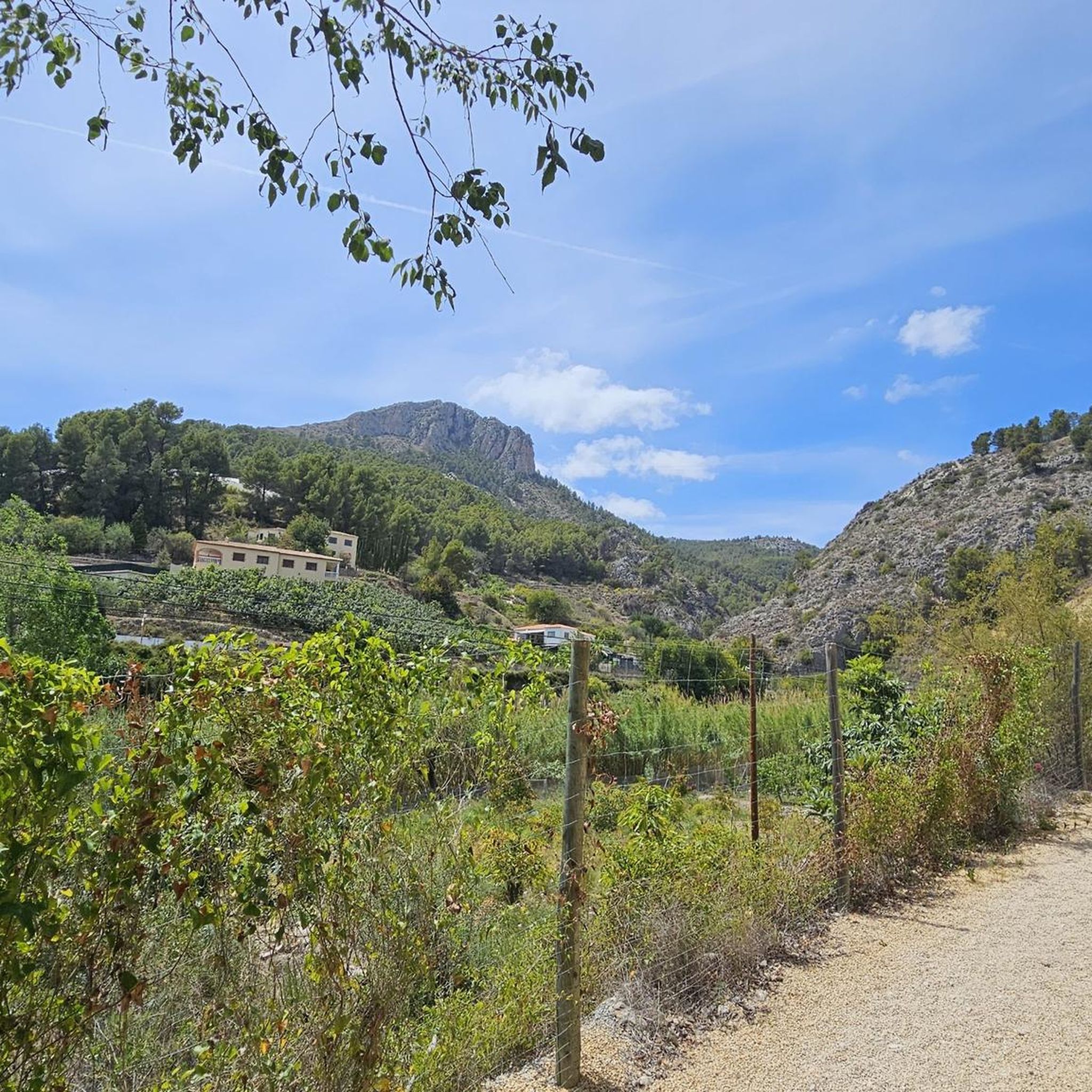
A few meters before the Font Grossa there is a detour towards the bowels of the ravine. The fountain has a traditional sink and usually always has water. The path begins a series of hairpin hairpins and quickly loses height, it's like going down an escalator. The entrance into the environmental space of the Girona River is spectacular through the Forat de la Juvea, a natural hole conditioned to sneak the path through the mountain and access the interior of the valley. In the ravine on the right, a thirty-meter waterfall forms during the rainy season, it is one of the sports descents of ravines in the area.
2
1

Spectacular views, you have to do it in clear weather to enjoy the wonderful views.
2
1

I think it's great too. But I'm sliding down the tunnel on my bum. At 73 stooping doesn't work that way anymore. 😀😃😄😁😆😅🤣😂
3
1
Frequently Asked Questions
What types of natural features can I expect to see in the caves around Bolulla?
The caves and natural formations around Bolulla offer a variety of experiences. You can find natural tunnels like Forat de Bèrnia, which crosses a mountain range, and Forat de la Juvea, a natural hole leading into a valley where a thirty-meter waterfall forms during the rainy season. The region also features rock shelters and historical sites.
Are there any historical or ancient sites among the caves near Bolulla?
Yes, the area includes significant historical sites. For instance, Camino de Petracos – Remote Beauty & Ancient Rock Art features prehistoric rock paintings at Les Coves de Pintures Rupestres de la Sarga de Petracos. These sacred cave sites are over 6,000 years old and are recognized as UNESCO World Heritage, showcasing abstract symbols and anthropomorphic figures.
What is the difficulty level for exploring the caves around Bolulla?
The difficulty varies. Some routes, like the Ascent to the Forat de Bèrnia via the North Side, are considered intermediate. Others, such as El Badall Cave, are challenging and involve climbing, chains, and tight passages, making them suitable for experienced adventurers. Always check the specific route details before you go.
Is the Estret de les Penyes Ravine suitable for families?
The Estret de les Penyes Ravine, located between Callosa d'Ensarriá and Bolulla, offers an engaging aquatic canyoning experience. It's known for its thermal springs and crystal-clear water pools. While it culminates in a 20-meter waterfall that can be abseiled, the overall experience is suitable for various visitors, including families, providing an opportunity to dive into nature.
What should I wear or bring when exploring the more challenging caves?
For challenging routes like El Badall Cave, it's advisable to wear appropriate gear. Gloves are recommended for chains and staples, and they are also useful in tight areas where you might need to partially crawl. While a head torch might not always be strictly necessary, it's good to have. Consider a durable bag for your rucksack if you anticipate dragging it through narrow sections.
When is the best time to visit the caves and natural tunnels to avoid crowds?
To avoid crowds, especially at popular spots like Forat de Bèrnia, it is recommended to visit on weekdays and outside of public holidays. This allows for a more serene experience and helps preserve the natural environment.
Are there any specific permits required for caving or exploring these natural sites?
The provided information does not specify permits for general exploration of the listed caves and natural tunnels. However, for specialized activities like canyoning in the Estret de les Penyes Ravine, it's always wise to check with local authorities or guided tour operators for any specific regulations or safety requirements.
What outdoor activities can I combine with a visit to the caves around Bolulla?
The region around Bolulla offers a variety of outdoor activities. You can find numerous cycling routes, including challenging ones like the Sa Creueta Pass loop, as well as mountain biking trails. There are also mountain hikes available, such as the Penyes del Portitxol loop. For more details on these activities, you can explore the Cycling around Bolulla, MTB Trails around Bolulla, and Mountain Hikes around Bolulla guides.
Are there any hiking trails that incorporate cave exploration near Bolulla?
Yes, several hiking routes in the area lead to or through natural cave formations. For example, the Ascent to the Forat de Bèrnia via the North Side is a cave route that allows you to cross the Forat de Bèrnia tunnel, offering spectacular views. The path to Forat de la Juvea also involves a scenic descent into a valley through a natural hole.
What are some unique geological aspects of the caves in the Bolulla area?
The caves and ravines in the Bolulla area are shaped by natural processes. The Estret de les Penyes Ravine, for instance, features a narrow corridor of rocks shaped by water over time, along with thermal springs. Natural tunnels like Forat de Bèrnia are impressive geological formations that cross entire mountain ranges, offering unique passages and viewpoints.
Can I find viewpoints with panoramic scenery near the caves?
Absolutely. Many cave-related routes and highlights offer stunning panoramic views. Crossing Forat de Bèrnia provides expansive views of Altea, the Serra Gelada, and the Mediterranean. Similarly, the Ascent to the Forat de Bèrnia via the North Side leads to spectacular vistas of Altea, Benidorm, and Puig Campana.
Most popular attractions around Bolulla

Get inspired with the komoot mobile app


Explore more
Extend your search for the best caves by checking out these guides of the top ones around Bolulla:
